


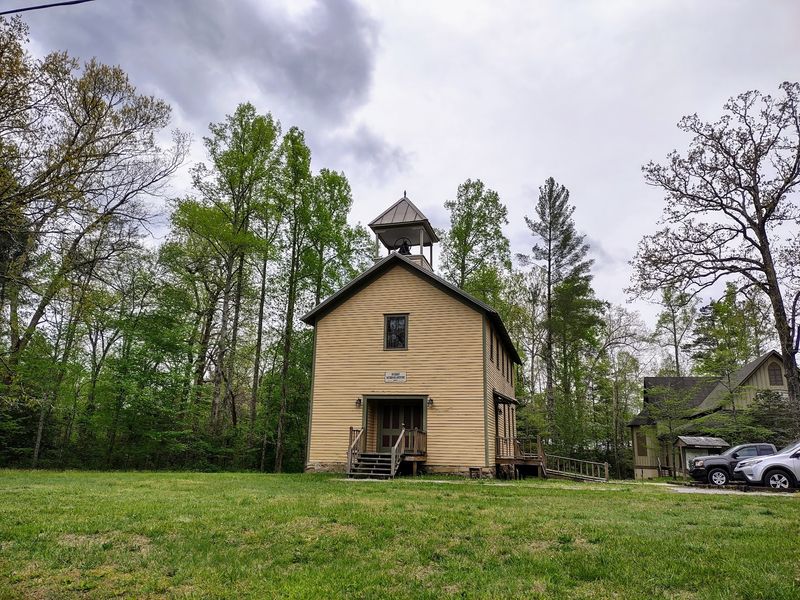
Tucked into a quiet stretch of the Cumberland Plateau sits a village that never quite caught up with the rest of the modern world, and that is exactly its charm. An English author dreamed it into existence in 1880 as a bold social experiment, and the result was a cluster of Victorian buildings that still stand today.
The story behind it involves lofty ideals, a colony built from scratch, and a plan that did not go quite the way anyone hoped. Yet the little settlement refused to fade away, hanging on through more than a century of change.
Come along to learn where it hides, how it began, and why the place still draws curious travelers looking for a slower pace and a genuine slice of the past.
Where This Time Capsule Sits on the Map
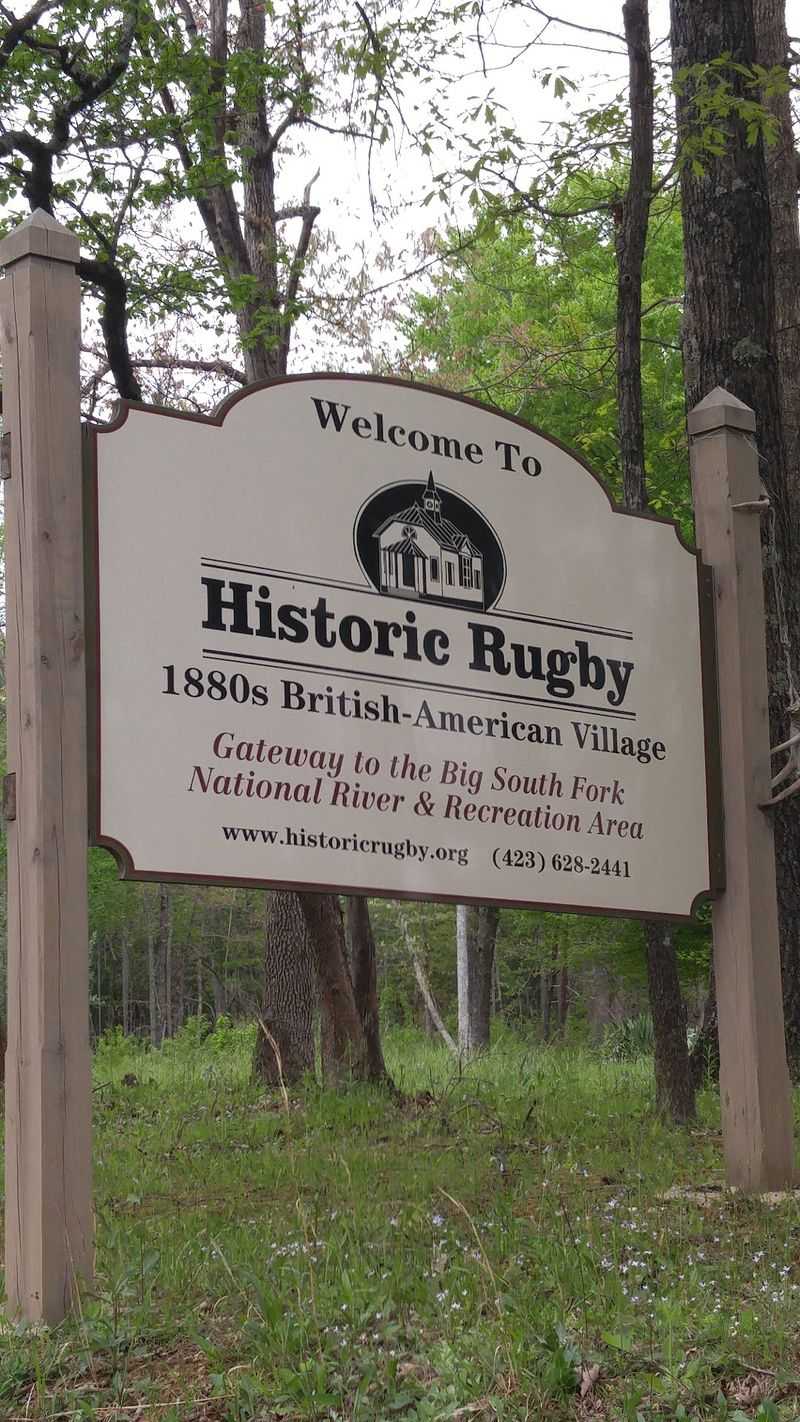
Rugby rests in a rural corner of the Cumberland Plateau, spread across Morgan and Scott counties in Tennessee, carrying the simple mailing designation of Tennessee 37852.
Rather than a bustling town with a single main drag, the community is an unincorporated cluster of historic buildings surrounded by forest and quiet backroads.
The setting feels remote, and that isolation is part of what has helped the village hold onto its 19th-century character for so long.
Getting there means a drive along winding rural roads, which only adds to the sense that visitors are leaving the ordinary behind. Because it is unincorporated, there is no big welcome sign or downtown skyline, just a peaceful spread of preserved structures nestled among the trees.
The location on the plateau gave the original founders the open land and natural beauty they were chasing, and today that same landscape frames the whole experience.
A Dreamer Named Thomas Hughes
Behind every unusual place is usually an unusual person, and Rugby has Thomas Hughes, an English author who founded the colony in 1880.
Hughes envisioned something more than a simple settlement. He wanted an experimental utopian colony, a place where people could build a fairer and more balanced way of living.
His name may sound familiar to book lovers, since he was a well-known writer in England before he turned his attention to this ambitious project across the ocean.
The idea was rooted in high ideals about community, cooperation, and a fresh start away from the rigid social systems of the era. Hughes poured real belief into the plan, imagining a village where hard work and shared values would carry everyone forward.
That founding vision is stamped into the very DNA of the place, and understanding it makes the surviving buildings feel less like old architecture and more like the remains of a genuine dream put into brick and timber.
The Utopian Experiment That Faltered
Grand plans do not always survive contact with reality, and Rugby learned that lesson the hard way.
The utopian colony Hughes founded was meant to flourish as a model community, but the experiment largely failed to grow into the thriving society he had imagined.
Big dreams ran into practical trouble, and the ambitious social vision never fully took hold the way its founder intended.
What makes the story compelling is not the failure itself but what came afterward. Even though the grand experiment did not succeed, a small community lingered at Rugby throughout the 20th century, refusing to let the place vanish entirely.
That quiet persistence is why there is anything to visit today. The colony that fell short of its lofty goals still left behind a remarkable collection of structures and a story worth telling.
In a way, the modest survival of the village became its own kind of success, preserving a chapter of history that might otherwise have been forgotten.
Victorian Buildings Standing the Test of Time
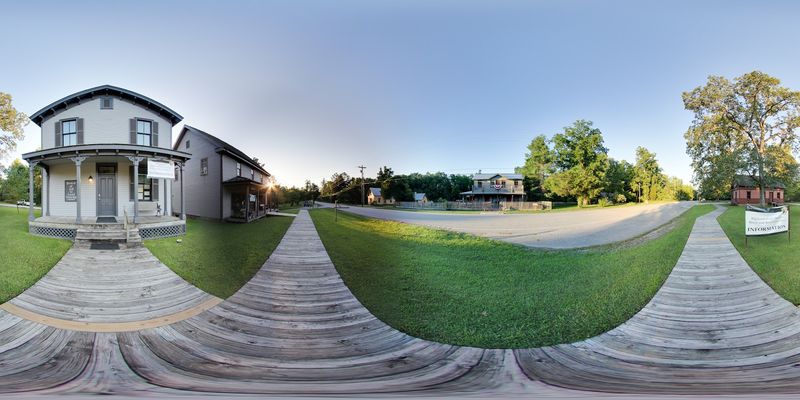
Old buildings tend to tell stories, and the ones here speak in the language of the 1880s.
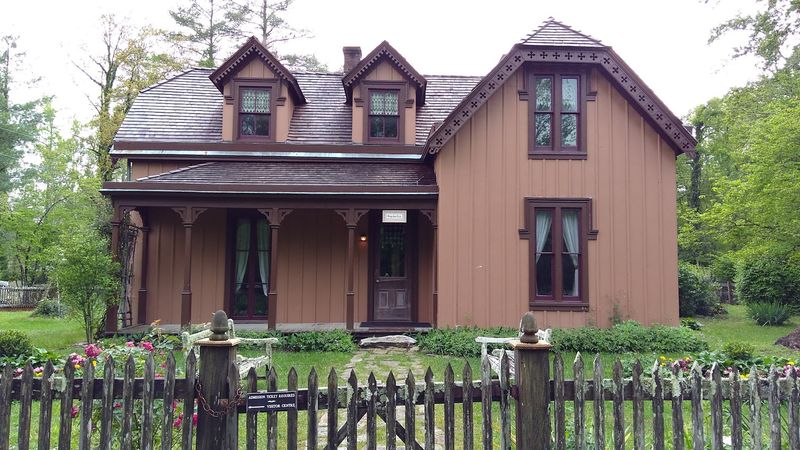
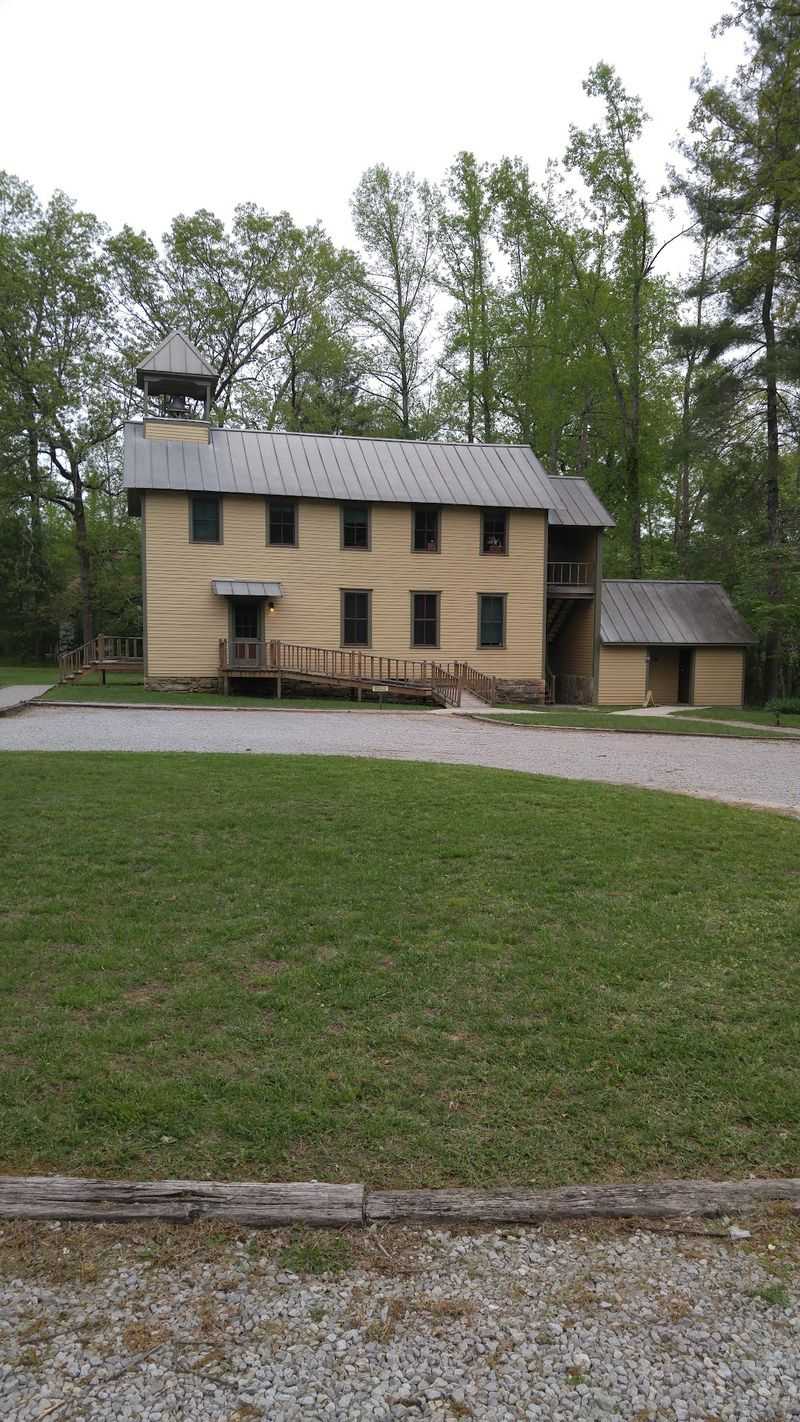
The structures that remain reflect the Victorian era in which the colony was born, giving the whole community a look that feels genuinely frozen in the 1800s.
Because the settlement never modernized into a busy town, many of these buildings kept their period character instead of being torn down and replaced.
Walking among them offers a rare chance to see architecture from a very specific moment in American history, all clustered in one small rural spot. The preserved buildings are the heart of what draws people to Rugby, standing as tangible reminders of the founders and the community that lingered on after them.
Each one carries a piece of the original vision, and together they create a setting that feels far removed from anything built in the modern age. For anyone drawn to history you can actually see and walk around, these structures are the main event.
Straddling Two Counties
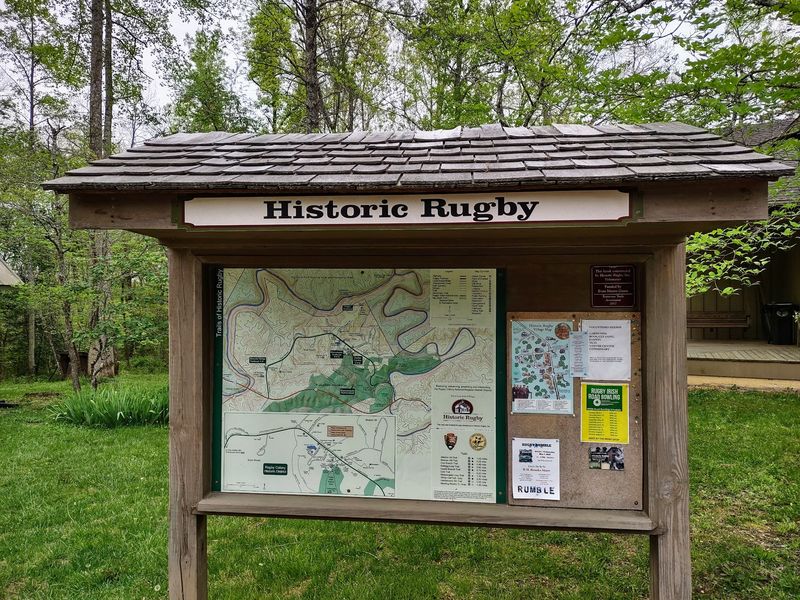
Here is a quirky detail that surprises a lot of people: the little village does not sit neatly inside a single county.
Rugby is spread across both Morgan and Scott counties, a small geographic oddity that reflects just how rural and off the beaten path the area really is.
Most towns fit tidily within one county line, so a community that spans two adds a fun wrinkle to its identity.
The split is a reminder that Rugby grew up in a remote frontier region where boundaries mattered less than the land itself. When the colony was founded, this stretch of the Cumberland Plateau was open country, and the settlers were more focused on building their community than on which county they happened to fall into.
Today the two-county footprint is one of those little trivia points that makes the place feel even more distinctive. It underscores the rural, in-between nature of Rugby, sitting quietly at the edges of the map rather than at the center of any one place.
The Community That Refused to Fade
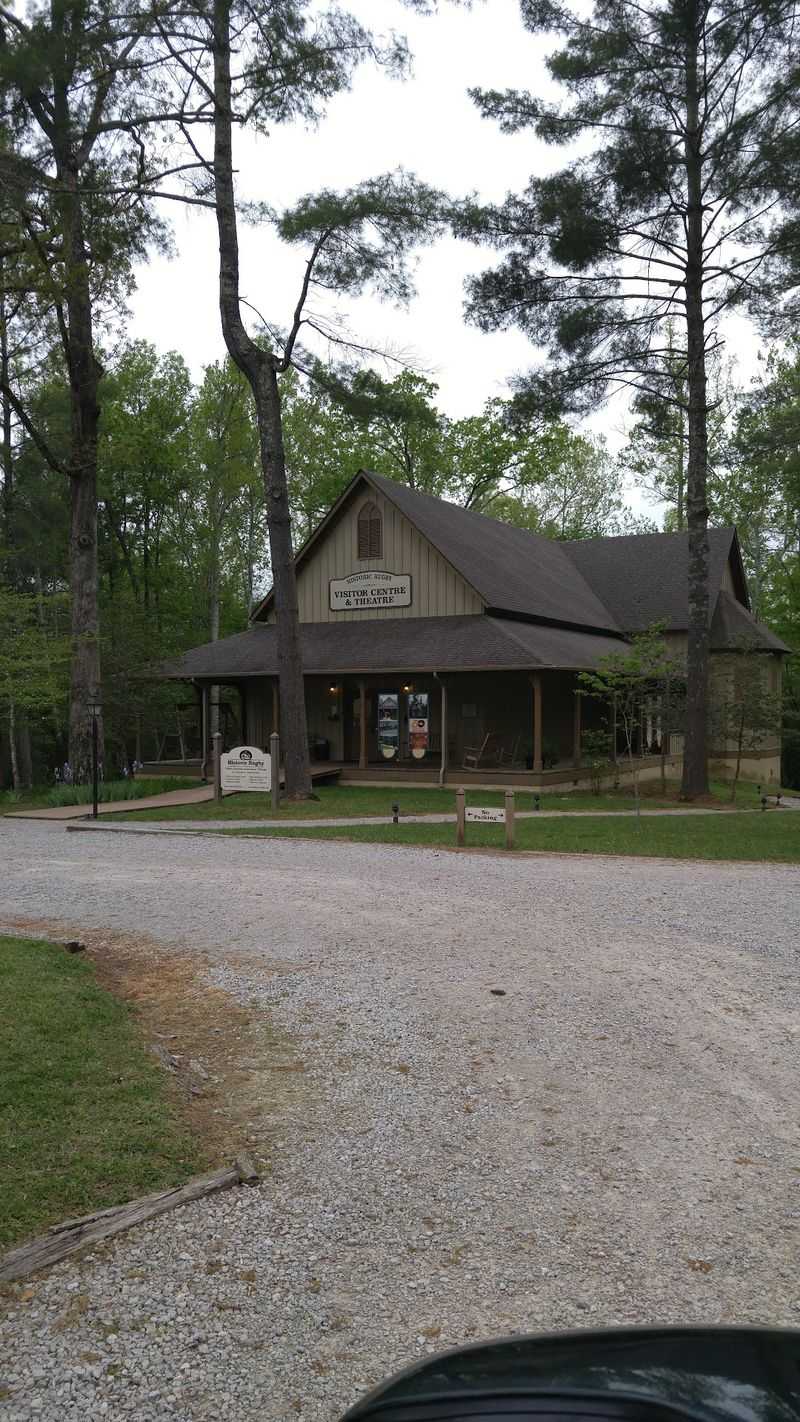
Plenty of failed settlements simply disappear, swallowed back up by the wilderness, but this one had staying power.
A small community lingered at Rugby throughout the 20th century, keeping the settlement alive even after its founding experiment fell short.
That enduring presence is remarkable, because it means the village was never fully abandoned to fall into ruin.
The people who stayed on became the quiet guardians of Rugby’s history, maintaining a thread of continuous life that stretched from the 1880s into modern times. Their persistence is a big reason the historic character survived intact rather than being lost.
Instead of a ghost town scenario, Rugby became a living link to its origins, carried forward by residents who valued the place. That unbroken human connection gives the village a warmth that a purely preserved museum site might lack.
Visitors today are experiencing not just old buildings but a community that genuinely hung on through more than a hundred years of change.
The English Roots Behind an American Village
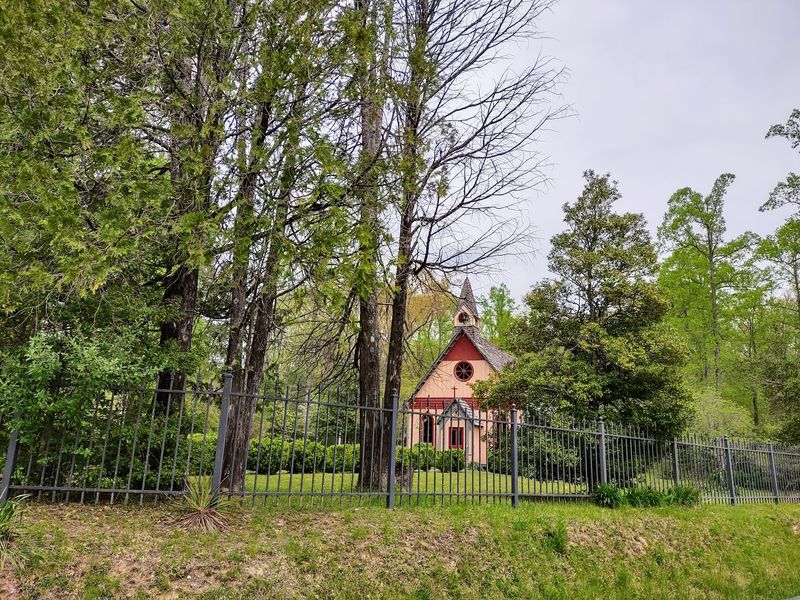
It is not every day you stumble onto a slice of England hidden in the Tennessee hills, yet that is essentially what Rugby represents.
Founded by English author Thomas Hughes, the colony carried a distinctly English inspiration into the heart of Appalachia.
The very name Rugby nods to England, reflecting the founder’s background and his transplanted vision.
Bringing an English social ideal to the American frontier made the settlement unusual from the very start. Hughes and those who joined him were attempting something that blended old-world thinking with new-world opportunity, and that blend shaped the character of the place.
The result was a community that felt different from the typical American frontier town, marked by the ideals and sensibilities its founder brought from across the Atlantic. That cross-cultural origin story is a huge part of what makes Rugby so intriguing.
It stands as a reminder that the settlement of the United States was shaped by dreamers from many places, each hoping to plant their own idea of a better life.
A Step Back Into the 1880s
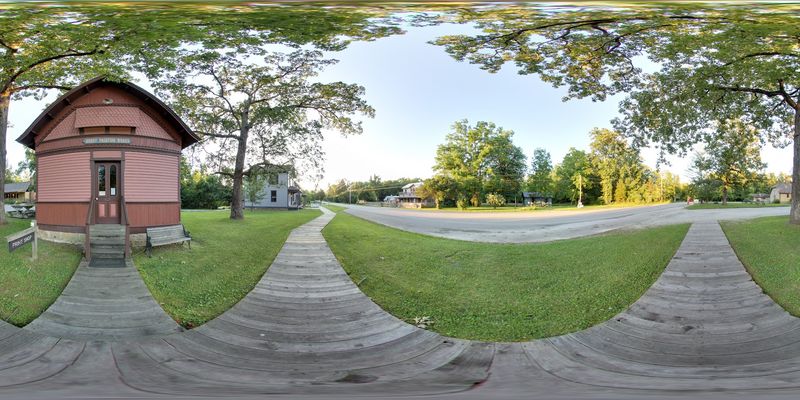
Some destinations flaunt their modernity, and then there is Rugby, which practically dares you to check what year it is.
Founded in 1880, the village retains a character that transports visitors straight back to the late 19th century.
Little about the core historic area feels updated for the present day, which is precisely the appeal for travelers hunting for authenticity.
The frozen-in-time quality is not a gimmick but the natural result of a community that never boomed into a modern city. Because Rugby stayed small and remote, the passage of time left much of its original flavor undisturbed.
That makes it a genuine window into how a Victorian-era colony looked and felt, rather than a reconstruction dressed up for tourists. For history enthusiasts and anyone weary of the fast pace of contemporary life, the village offers a refreshing change.
The 1880s roots are not just a date on a plaque here; they are woven into the entire atmosphere of the place, waiting for curious travelers to notice.
Who Will Love a Visit Here
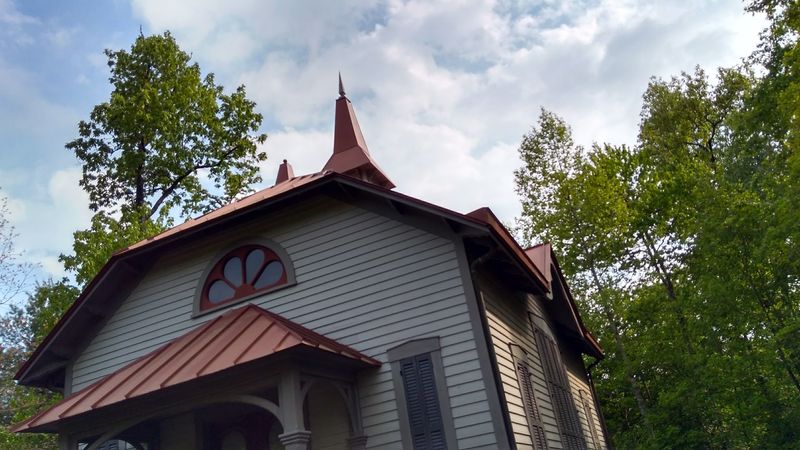
Not every destination suits every traveler, but Rugby knows exactly the kind of guest it delights.
History buffs top the list, since the founding story, the utopian ambitions, and the preserved buildings all offer plenty to explore and ponder.
Travelers seeking peace and quiet will also feel right at home, given the village’s remote rural setting far from crowded attractions.
Anyone curious about unusual chapters of American history should find the tale of an English author’s failed colony genuinely fascinating. The slower pace makes it a fitting stop for people who prefer thoughtful, reflective travel over high-energy tourist spots.
Families interested in showing children a living piece of the past can turn a visit into an easygoing lesson in how communities once formed. Even casual explorers who simply enjoy driving into the countryside to discover something unexpected will find Rugby rewarding.
The village asks for curiosity and a willingness to slow down, and it rewards both generously with a story unlike almost any other small settlement in Tennessee.
Finding Your Way to the Village
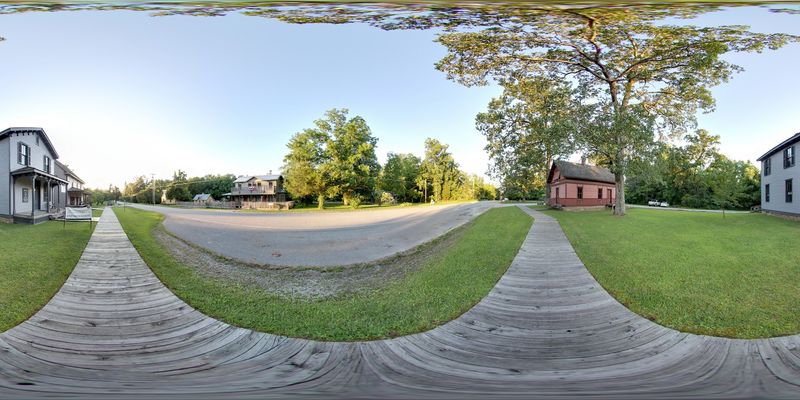
Reaching a place this tucked away is half the adventure, and Rugby makes you work just enough to earn the arrival.
The community carries the mailing designation Tennessee 37852 and sits on the Cumberland Plateau in the eastern part of the state.
Because it is an unincorporated area spread across Morgan and Scott counties, the drive involves rural highways and country roads rather than a straight shot off a major interstate.
Planning ahead is smart, since the remote location means services are limited and the surrounding area is heavily wooded and sparsely populated. The journey rewards patience, winding through the natural scenery that first attracted the founders back in 1880.
Travelers should map their route in advance and be prepared for a peaceful, unhurried approach rather than a quick hop between busy towns. Once you arrive, the isolation that made the trip a little longer becomes part of the charm, wrapping the historic village in the same quiet that has protected it for well over a century.
The Natural Setting That Sparked a Colony
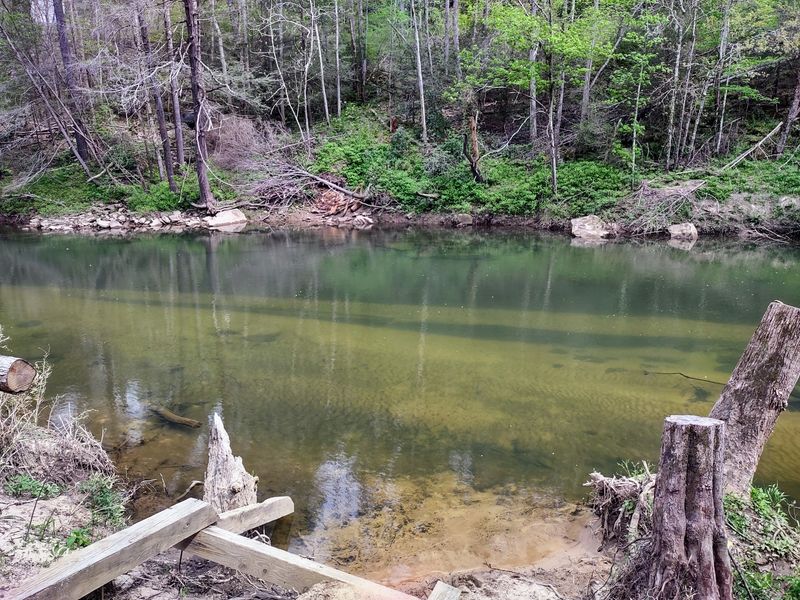
Long before any building went up, it was the land itself that drew Thomas Hughes and his followers to this spot.
The Cumberland Plateau provided the open country, forest, and natural beauty that made the site attractive for an experimental community.
That wooded, elevated landscape still surrounds Rugby today, framing the historic buildings with greenery and a sense of seclusion.
The scenery is a huge part of the experience, offering a calm rural backdrop that has changed little since the colony’s earliest days. Nature was not just a pretty setting for the founders; it was central to their vision of a fresh, healthful place to build a new kind of life.
Modern travelers get to enjoy that same natural environment, which keeps the village feeling separate from the developed world beyond the trees. The plateau’s quiet forests continue to shelter Rugby, doing today the very same job they did in 1880 when a dreamer first looked at this land and saw possibility.
History You Can Actually Walk Through
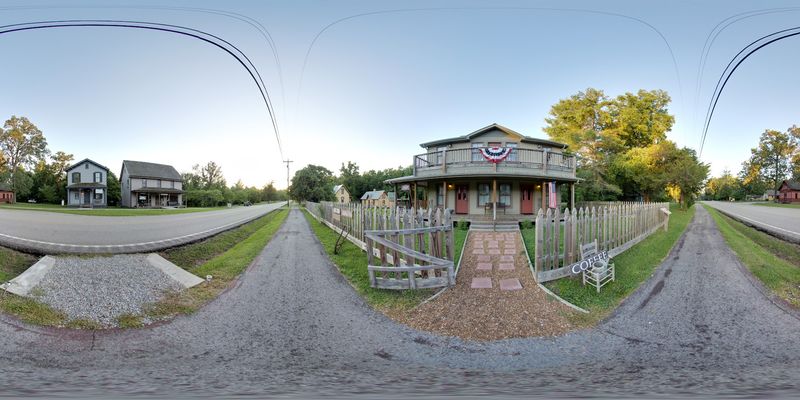
Textbooks tell you about the past, but Rugby lets you stand inside it.
The preserved Victorian buildings turn the founding story into something tangible, letting visitors experience the 1880s setting rather than just reading about it.
An unincorporated community frozen in an earlier era, Rugby offers a rare hands-on encounter with a chapter of American social history.
Every structure connects back to the utopian dream Thomas Hughes launched and the small community that kept the flame alive through the following century. That layering of ambition, disappointment, and quiet endurance gives the walk through the village real emotional weight.
Instead of a single monument, Rugby presents a whole environment where the story unfolds building by building. For travelers who learn best by seeing and doing, the village provides an immersive way to understand how people once tried to reshape their world.
It is history that surrounds you rather than sitting behind glass, and that immediacy is what lingers with visitors long after they head back down the country roads.
Why This Little Village Still Matters
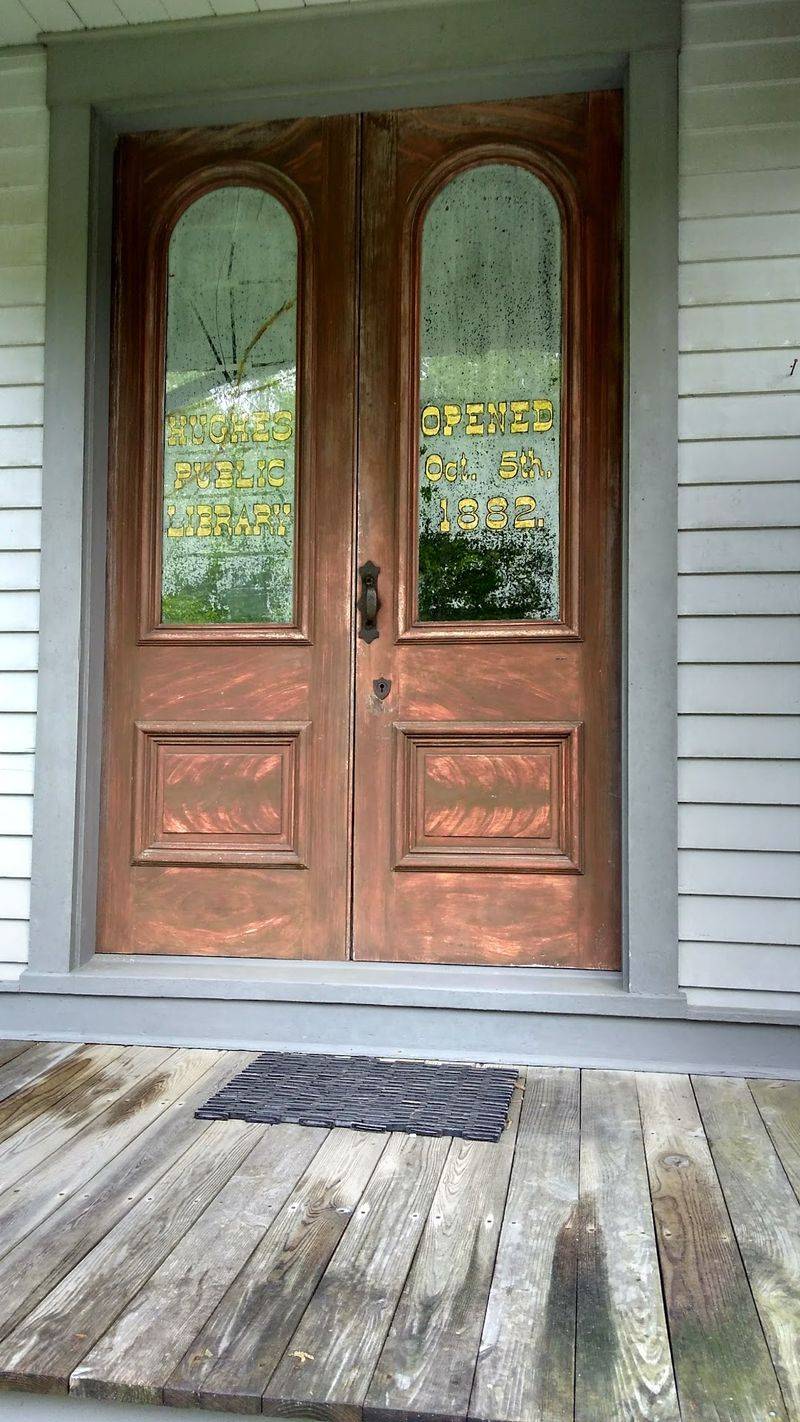
Some places earn their place on a travel list not through flash but through a story that sticks with you, and Rugby is firmly in that camp.
Founded in 1880 by English author Thomas Hughes as an experimental utopian colony, the village represents a bold idea that reached beyond the ordinary.
The experiment largely failed, yet a small community lingered throughout the 20th century, preserving the buildings and the memory of what was attempted here.
What remains is a genuine time capsule on the Cumberland Plateau, a rural corner of Tennessee where the 1800s never fully let go. For travelers who crave meaning alongside their sightseeing, the combination of ambitious history, quiet scenery, and remarkable persistence makes Rugby well worth the winding drive.
The village stands as proof that even a dream that did not fully succeed can leave behind something lasting and worth protecting. Anyone with a soft spot for history, quiet places, and unlikely stories will find that this tiny Tennessee settlement offers a memory that outlasts the trip home.
Enjoyed this story?
Add Fast Food Club as a preferred source to see more of our reporting on Google.