


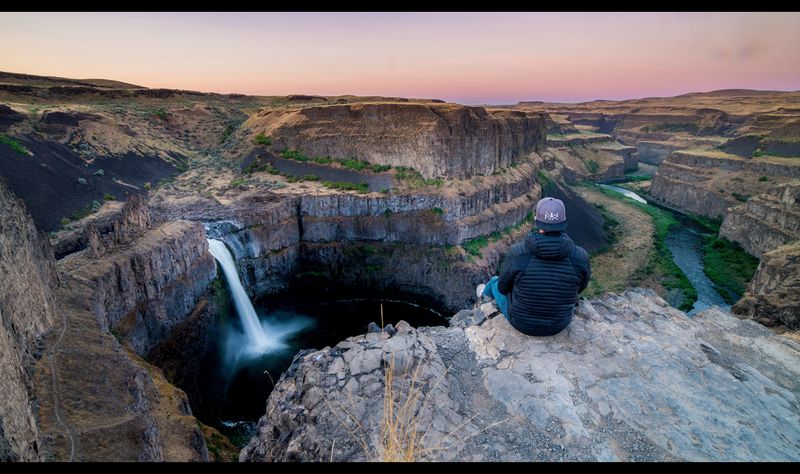
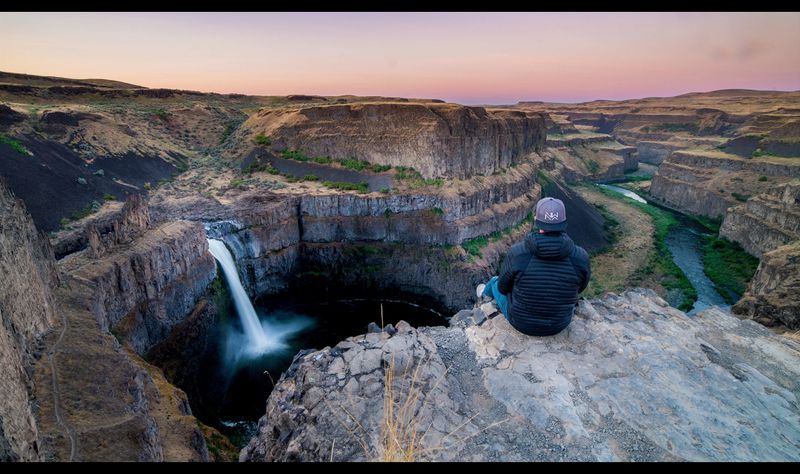
Out where the flat farmland of eastern Washington seems to stretch on forever, the ground suddenly cracks open into a deep basalt canyon with a waterfall roaring down its center. It is one of those places that photos truly cannot capture, because the scale only makes sense once you are standing at the edge.
The park is small, the walk is short, and yet people drive hours just to spend an hour here. What follows is a full look at what makes this spot so beloved, from its Ice Age origins to the marmots that scamper across the trails.
Stick around, because the story behind this waterfall is even wilder than the view.
Where the Flatlands Break Open
Tucked at the end of Palouse Falls Rd near LaCrosse, Washington 99143, this state park hides one of the most dramatic drops in the entire region. You approach through open, rolling country that gives almost no hint of what waits ahead.
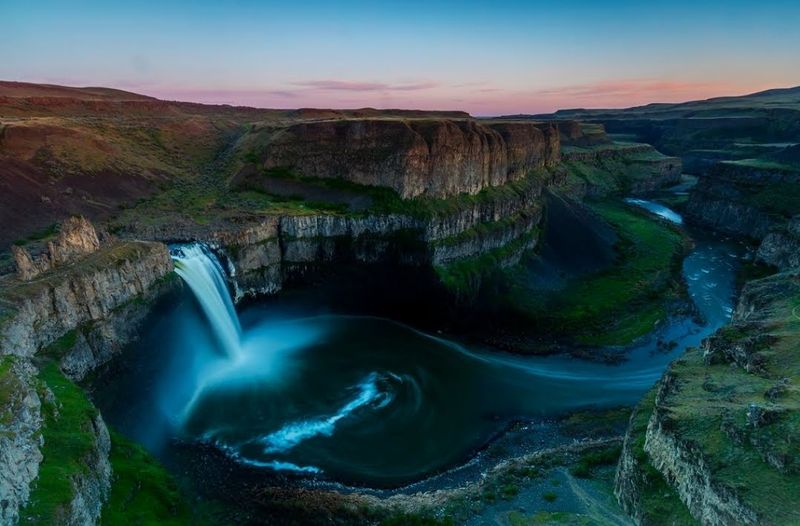
Then the land splits, and a 198-foot waterfall comes into view, tumbling into a bowl carved from ancient rock. The contrast between the plain surroundings and the sudden canyon is what surprises almost everyone who arrives.
Holding a 4.7-star average across more than 3,600 pieces of feedback, the park has earned a loyal following. Many folks admit they lived in Washington for decades before finally making the trip, then wished they had come sooner.
The official title of Washington State Waterfall belongs to this very spot, which adds a bit of pride to the visit. It is compact, it is remote, and it delivers far more punch than its size suggests.
A Waterfall Born From an Ice Age Flood
Long before anyone paved a road here, colossal Ice Age floods known as the Missoula Floods tore across this landscape. Those surges of water scoured out the canyon and left behind the jagged basalt walls that frame the falls today.
Reading the plaques scattered around the park turns a pretty stop into a genuine lesson. The story of how raw geological force shaped this place adds weight to the scenery.
People often describe standing here as feeling delightfully small, humbled by the sheer age and power written into the rock. It is scenery with a backstory that runs tens of thousands of years deep.
The canyon is not just attractive, it is a record of something enormous that happened here. That layer of history is part of why the visit sticks with people long after they leave.
The Star of the Show, All 198 Feet of It
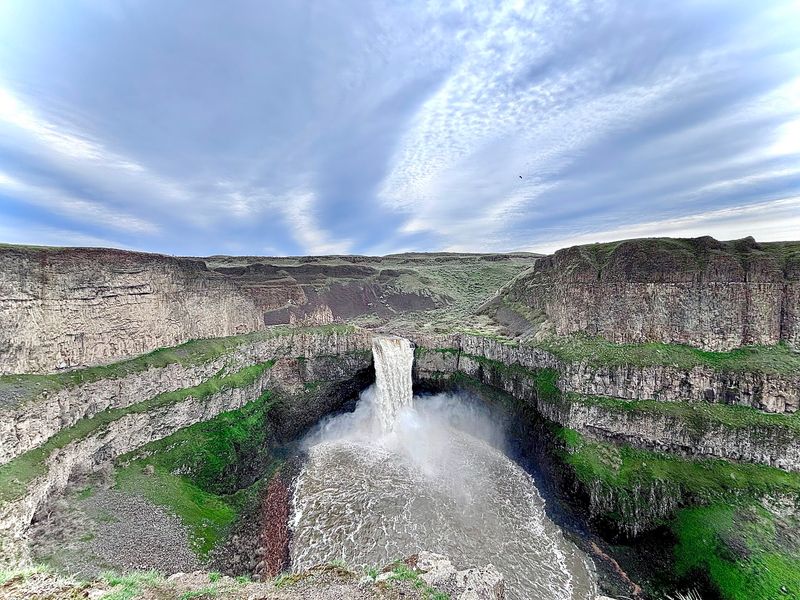
The waterfall itself is the reason nearly everyone makes the drive. Dropping 198 feet into the canyon below, it commands attention from the very first viewpoint.
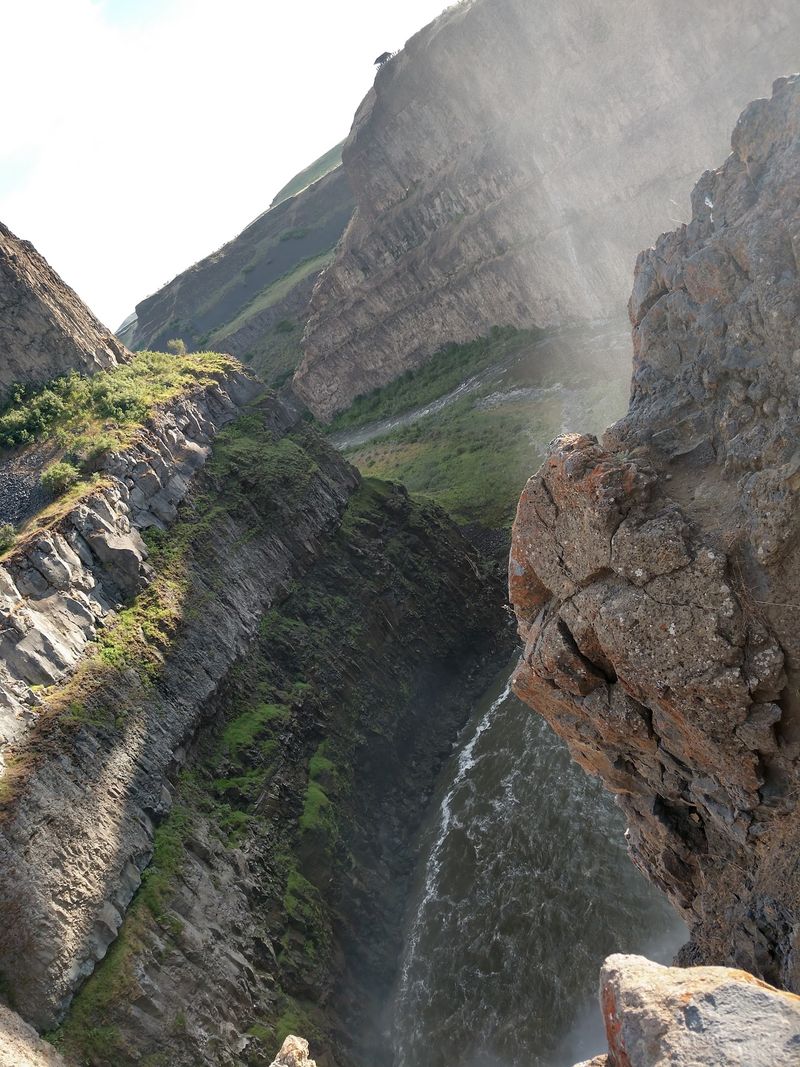
Spring is when it truly comes alive, running heavy and loud as snowmelt feeds the river. During those high-flow weeks, mist can rise from the base and occasionally spin rainbows across the gorge.
The falls carry the most mentions in visitor feedback by a wide margin, and for good reason. It is the kind of sight that makes people fall quiet for a moment.
Even folks who have seen plenty of waterfalls tend to rank this one near the top. The combination of height, sound, and setting is hard to match anywhere else in the state.
Short Walks, Big Payoffs
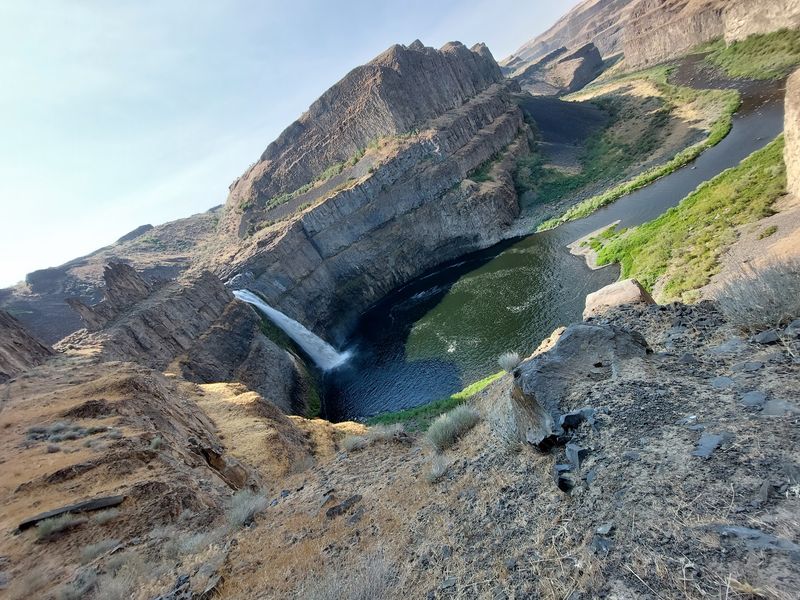
Do not come expecting a marathon hike, because the trail system here is refreshingly brief. The main loop runs roughly a mile round trip, linking several viewpoints along the canyon rim.
From the parking area to a great view is less than 100 feet, which makes the payoff almost instant. Side trails branch off to reveal the falls from different angles for those who want more.
Some sections get steep and uneven, so walking sticks come in handy on the sharper stretches. Most people spend about an hour wandering, pausing often to take it all in.
The lack of a long trek is a feature rather than a flaw for many. You get a huge visual reward without needing a full day of effort.
Furry Locals and Soaring Birds
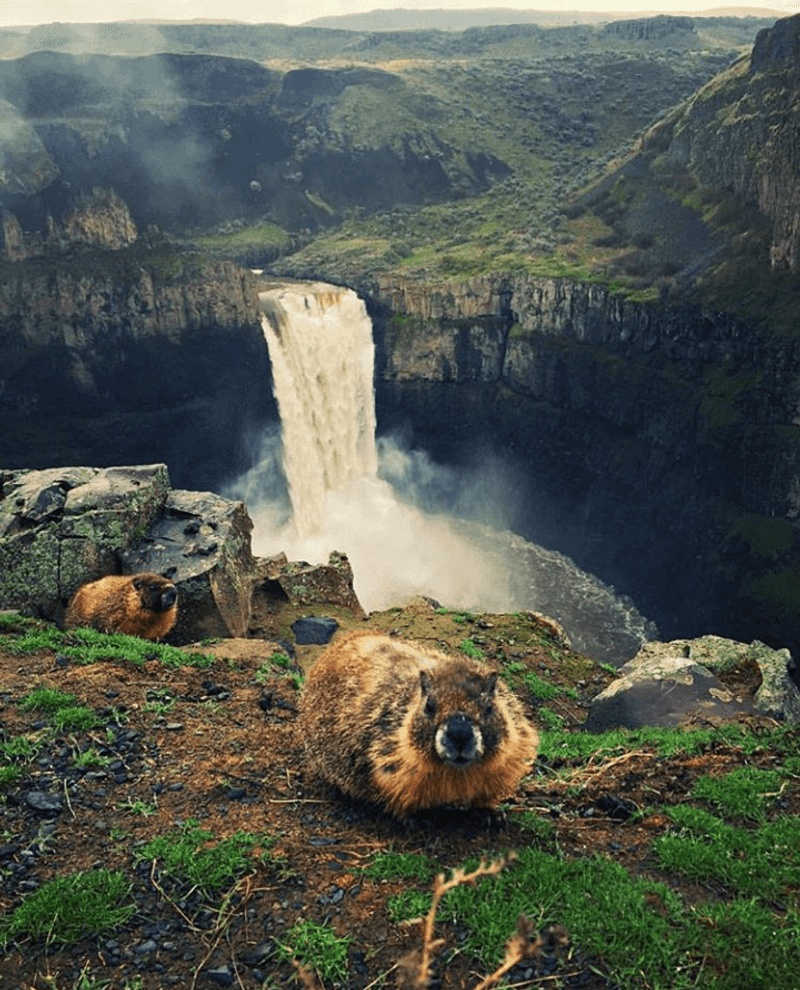
Wildlife adds a playful bonus to the trip, especially in the warmer months. Marmots scurry across the rocks, and in spring the baby ones stealing the show as they tumble around.
Overhead, birds ride the thermals rising off the canyon walls, dipping in and out of the mist near the falls. Watching them glide is a quiet pleasure that keeps eyes moving upward.
The marmots earn frequent mentions, often described as one of the most charming parts of the visit. They give the park a lively, almost cheerful energy on busy spring days.
Nature here is not just about the big waterfall. Sometimes the smallest residents leave the biggest smiles.
Watch Your Step Along the Edge
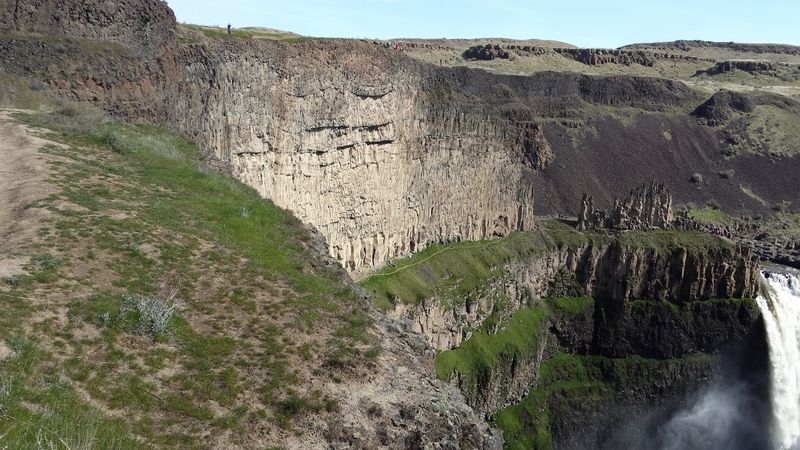
Beauty here comes with a healthy dose of caution. The cliffs are steep and exposed, and the park has closed off the old informal routes that once led toward the base.
That decision restores the area to a safer, more natural state, and many agree it was the right call. There was never an official trail to the bottom anyway.
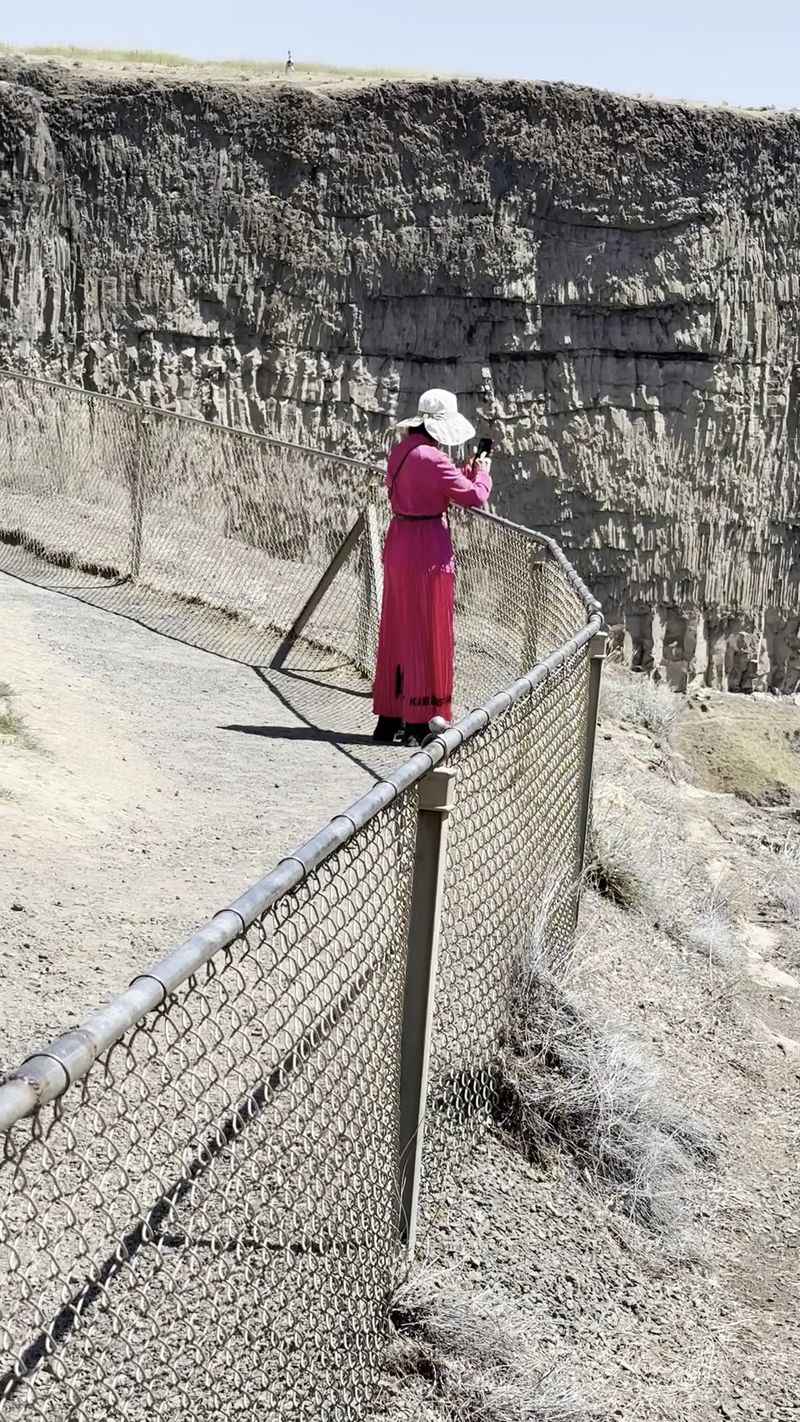
Fences and signs help keep people at a respectful distance from the drop-offs. Sticking to marked paths is strongly encouraged, particularly with children along.
Rattlesnakes also come up in visitor notes, so staying alert on rocky ground is wise. Respect the terrain, and the canyon rewards you with all its grandeur and none of the worry.
Picnic Tables With a View Worth Bragging About
Bringing food is a smart move, since dining is really the main activity beyond the falls. The park offers a well-kept picnic area with plenty of tables, including one covered spot and several shaded ones.
BBQ grates make it easy to settle in and turn a quick stop into a relaxed afternoon. Benches and shade are scattered around, so even on busier weekends there is room to sit.
Picnic tables rank among the most talked-about features, a sign of how central the setup is to the experience. A packed lunch pairs perfectly with the canyon backdrop.
Once you have soaked in the falls, a leisurely meal is the natural next step. It transforms a brief visit into a proper outing.
The Gravel Road Reality
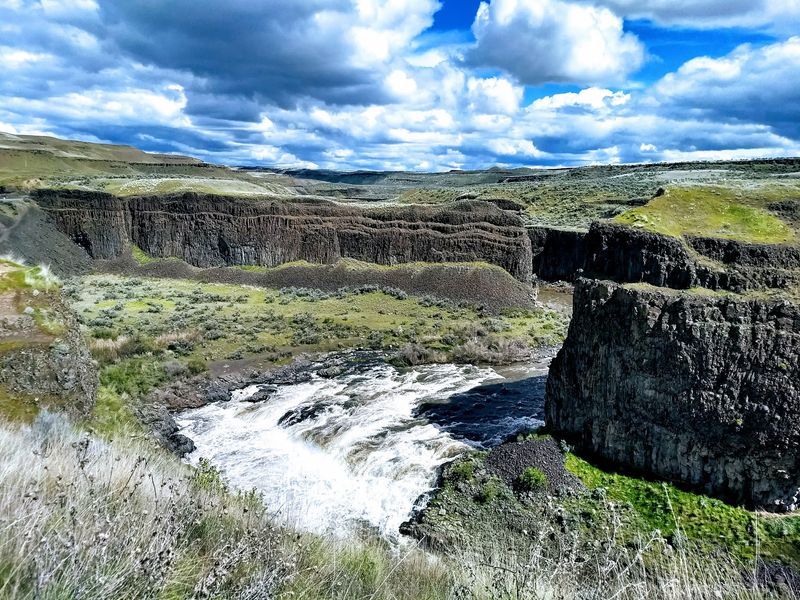
Getting here involves a final stretch that catches some drivers off guard. The last couple of miles run along a groomed gravel road, dusty but entirely manageable in most vehicles.
Take it slow and stay attentive, since the route sits well off the beaten path. The road is smooth enough that it rarely spoils the trip, though a little patience helps.
Gravel road comes up often in feedback, usually as a heads-up rather than a complaint. Knowing about it ahead of time makes the approach stress-free.
Consider it part of the adventure of reaching somewhere remote. The reward at the end more than justifies the bumpy final leg.
Do Not Trust Your GPS Blindly
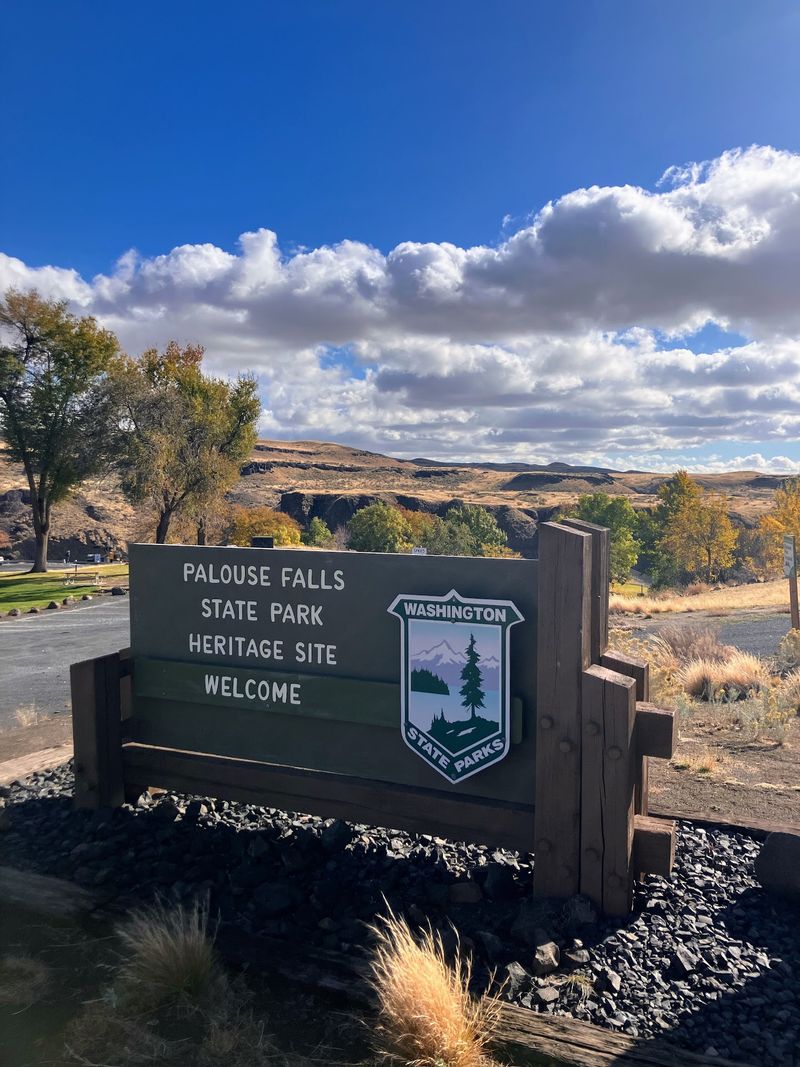
A quick word of warning can save you a real headache. Typing just Palouse Falls into a navigation app can steer you onto a dirt farm track that leads nowhere useful.
The trick is to search specifically for Palouse Falls STATE Park to land at the right entrance. The other nearby location has become private property and is closed to the public.
People repeatedly stress this point, because the wrong turn wastes time in a remote area. A moment of double-checking your directions goes a long way.
If you are cruising along Highway 26, the detour is absolutely worth taking. Just aim for the correct spot and the rest falls into place.
Passes, Payments, and Parking
Access requires a Discover Pass, which covers parking at Washington state parks. If you do not already have one, a machine at the park sells day access, and the fee runs about ten dollars.
Keep in mind that the machine takes credit card payments only, so plan accordingly. Once you are paid up, there is plenty of parking to go around.
Two lots serve the site, with one holding around twenty spaces, and stress-free parking is a common highlight. Even on holiday weekends people report finding room without much fuss.
The straightforward setup makes arrival smooth. Sort out the pass, park, and you are ready to enjoy the falls in minutes.
Clean Facilities in a Remote Spot
For a place this far out, the amenities hold up nicely. Restrooms include a mix of fixed concrete buildings and portable toilets, and the vault and pit toilets earn praise for being clean.
Park attendants are often seen walking around, keeping everything tidy and offering a friendly hand. Their presence helps the whole site feel cared for.
The facilities are basic by design, but they cover the essentials well. Cleanliness comes up again and again as a pleasant surprise.
Do not expect fancy extras out here. What you get is a spotless, well-managed stop that respects both the land and its guests.
A Quiet Escape Off the Beaten Path
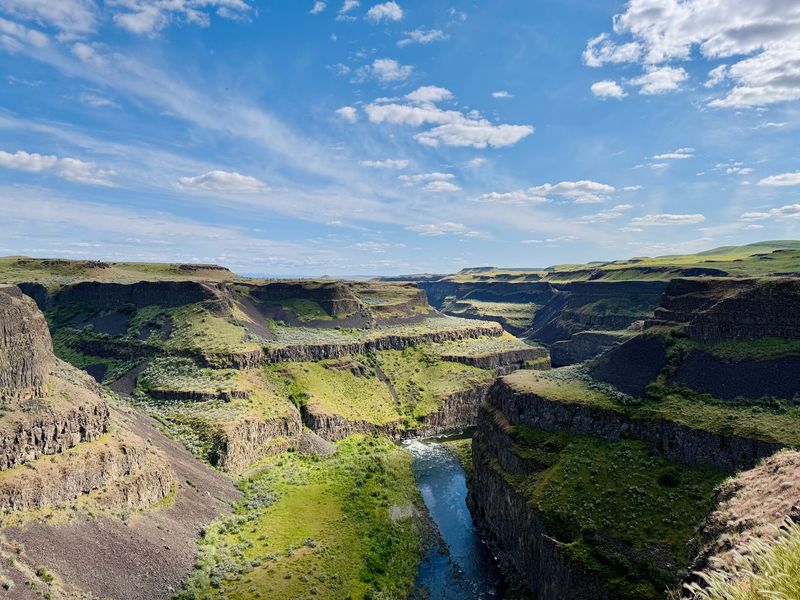
Remoteness turns out to be one of the park’s quiet strengths. Because it sits so far from the main routes, some folks arrive to find only a handful of cars in the lot.
On a calm spring day, it can feel like you nearly have the canyon to yourself. Even a holiday weekend tends to bring a steady flow rather than a crush of people.
The peaceful atmosphere makes it ideal for a slow, reflective visit. There is room to sit, wander, and simply appreciate the view without jostling for space.
Dog-friendly policies add to the welcoming feel, so four-legged companions can join in. It is the rare big attraction that still offers genuine solitude.
Camping Under Wide Open Skies
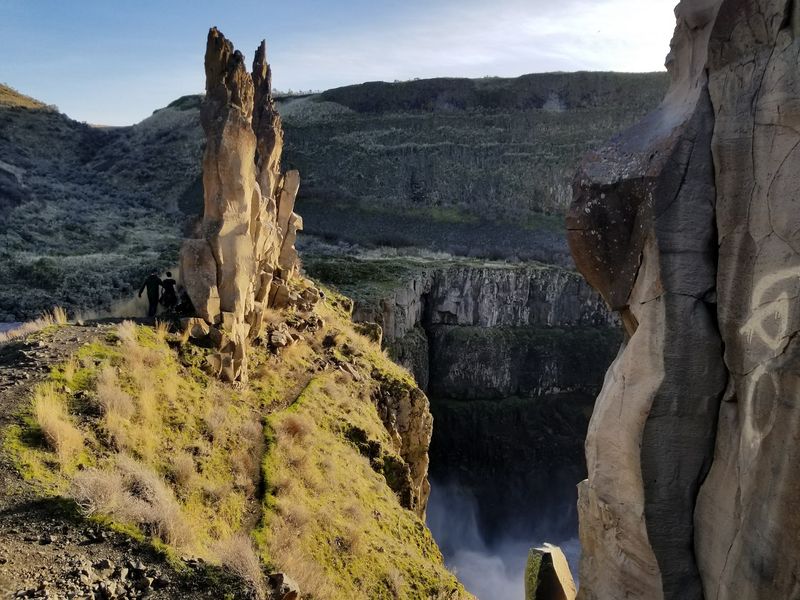
For those wanting more than a quick stop, the park includes a campground. Staying overnight lets you linger past the day crowds and catch the canyon in different light.
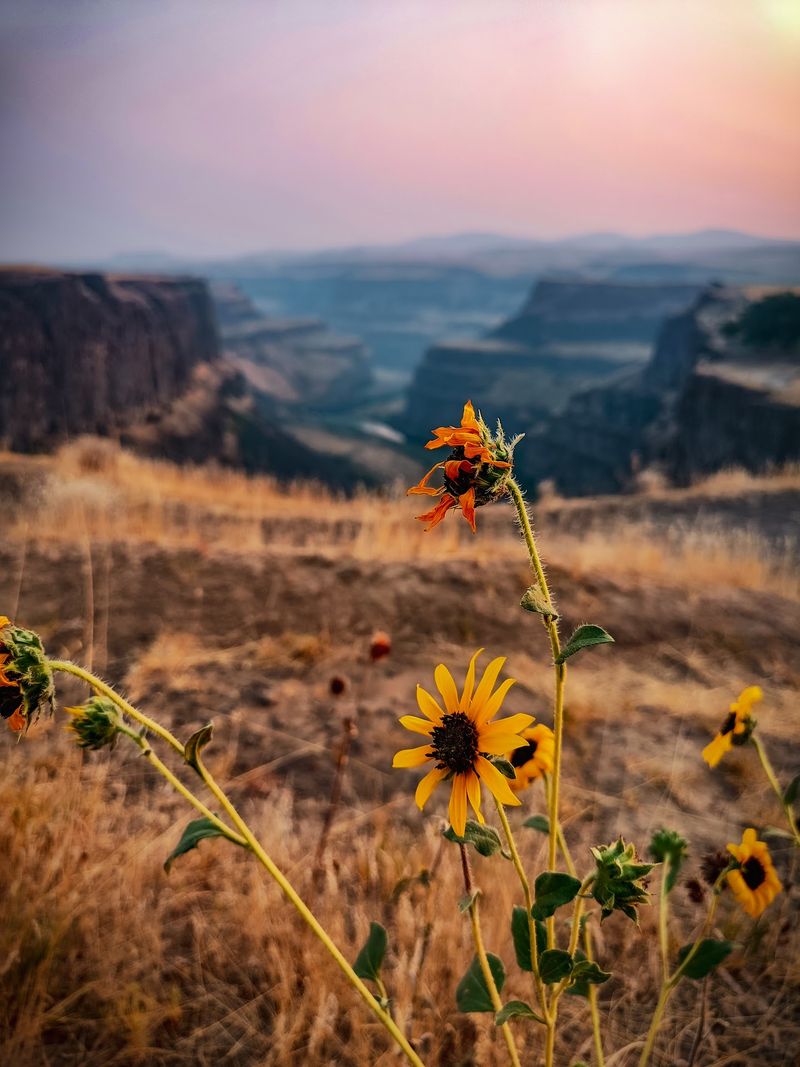
Golden hour is especially rewarding here, when the low sun sets the basalt cliffs glowing. Sticking around for that shift in color is a treat many day visitors miss.
An ADA-accessible overlook also makes the main view reachable for more guests, a thoughtful touch. The park works hard to welcome a wide range of people.
Camping extends a short visit into a fuller experience. It gives you time to watch the light play across the rock morning and evening alike.
Is the Detour Worth It
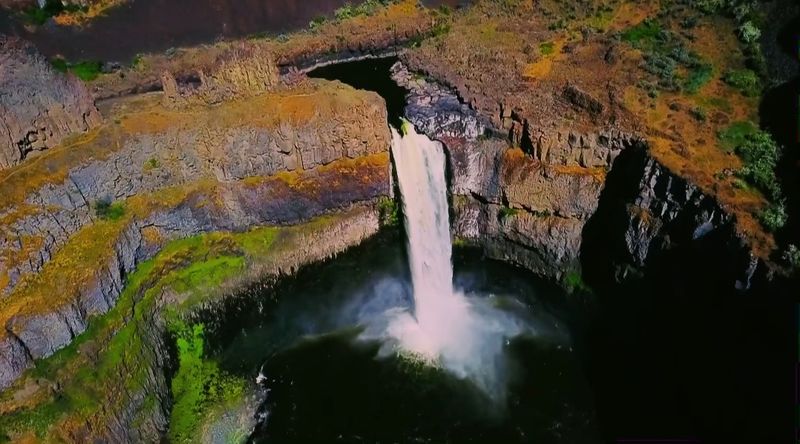
So does this tiny park justify the winding drive and the gravel road at the end? The answer, echoed by nearly everyone who makes the trip, is a firm yes.
You will not spend all day here, since an hour usually covers the walk and the views. But that hour tends to leave a lasting impression far beyond its length.
The pairing of a mighty waterfall, ancient canyon, playful marmots, and easy picnicking creates a surprisingly complete outing. Pack a lunch, bring the right pass, and mind the edges.
Some places earn their reputation through size, others through sheer character. This little canyon proves that a compact spot can deliver an outsized dose of wonder.
Enjoyed this story?
Add Fast Food Club as a preferred source to see more of our reporting on Google.