


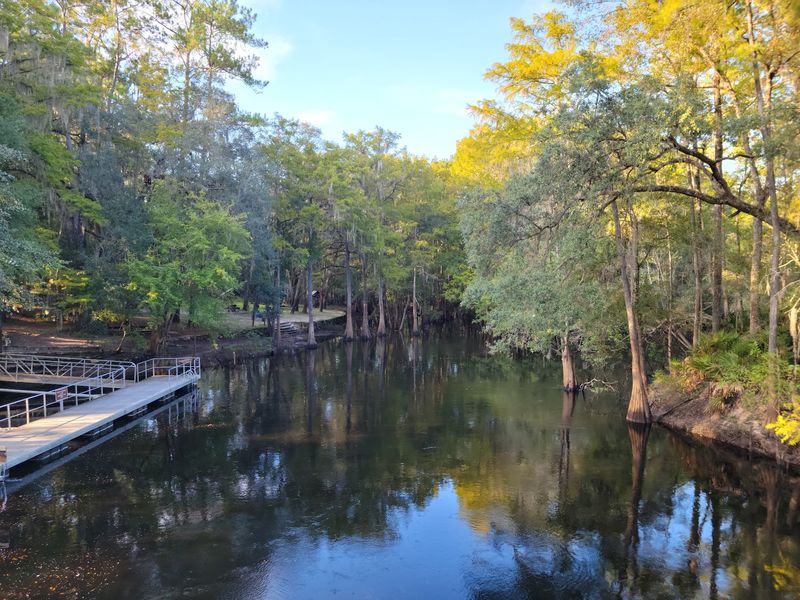
There is a stretch of north Florida where a river slips underground, hikers outnumber cars, and a canopy of live oaks keeps the crowds far away. Trails wind for miles past sinkholes and quiet lakes, a historic suspension bridge waits near the entrance, and admission costs less than a fast-food lunch.
This spot has quietly earned a 4.6-star reputation across more than two thousand impressions, yet it rarely feels busy. What you will find here is old Florida history, wide campsites, and a river that pulls a disappearing act worth seeing in person.
Keep reading, because the story behind this park, its underground river, and its wallet-friendly gate price is far more interesting than most postcard destinations. By the end, you will know exactly how to plan a visit that fits a half-day or a long weekend.
A North Florida Park Built Along the Santa Fe River
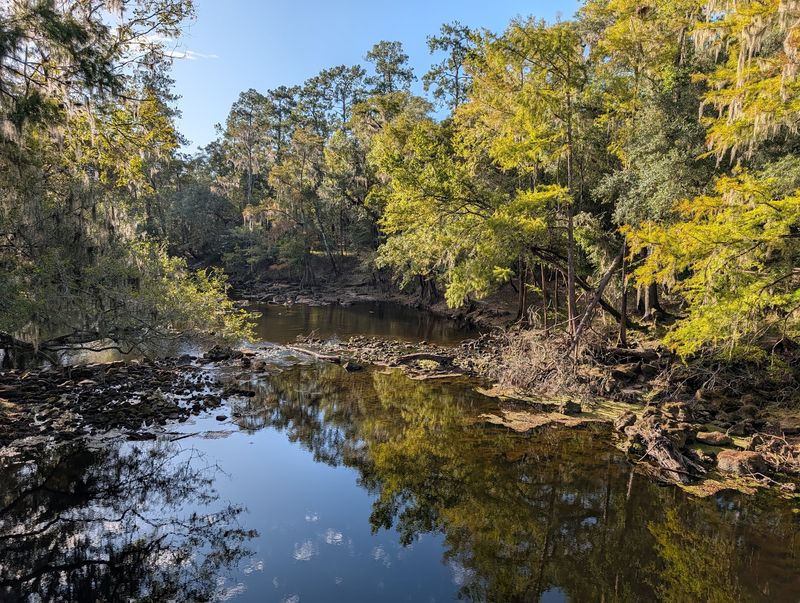
Tucked along the Santa Fe River near the small town of High Springs, this park sits at 410 SE Oleno Park Rd, High Springs, FL 32643. That address puts it in the wooded heart of north Florida, an easy detour for anyone traveling the region.
Classified as a state park, the property spreads across a large wooded area threaded with trails, campsites, and picnic spots. The river runs through the center of it all, giving the park its identity and its most curious feature.
People often stumble onto it while searching for somewhere close by, then leave surprised by how much it offers. The mix of history, hiking, and water keeps the experience varied.
What sets the place apart from the start is the sense of space. There is room to picnic, room to walk, and room to simply settle in without bumping elbows with a crowd.
That breathing room is a big part of the appeal.
The River That Vanishes Underground
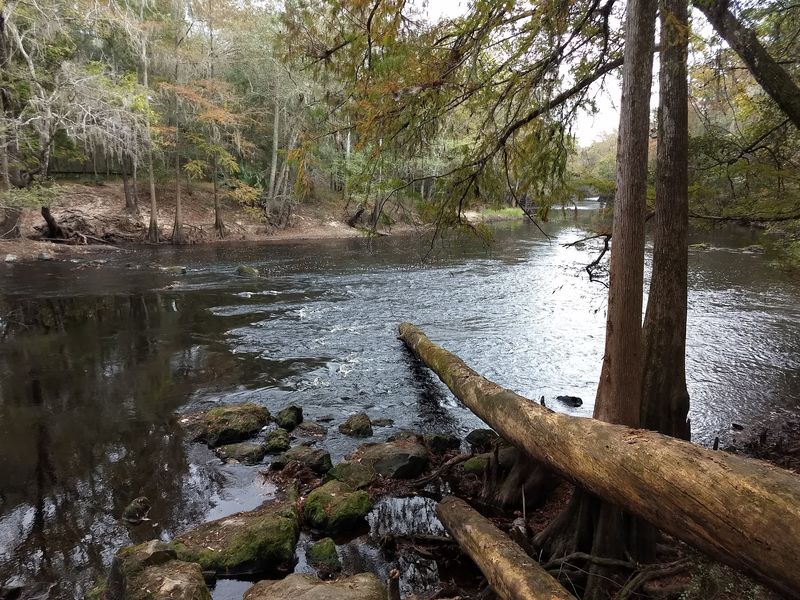
Few natural sights in Florida rival watching a river simply drop out of view. Here, the Santa Fe River flows to a point where it slides underground, then resurfaces miles away at the neighboring River Rise area.
Regulars describe the disappearing river as super cool, and the little lakes and sinkholes that line the underground route as genuinely fascinating. These features turn a plain walk into a geology lesson you can follow on foot.
Along the way, small depressions and pools mark where water has shaped the limestone over ages. Each one tells a piece of the story about how this landscape works beneath the surface.
During dry stretches, the water level can drop dramatically. In one severe drought, the Santa Fe ran very low, though walking beside the riverbed still held plenty of interest.
The vanishing act is the kind of thing that sticks in your memory long after the trip. It is proof that Florida hides wonders well beyond its beaches.
The Historic Suspension Bridge Everyone Talks About
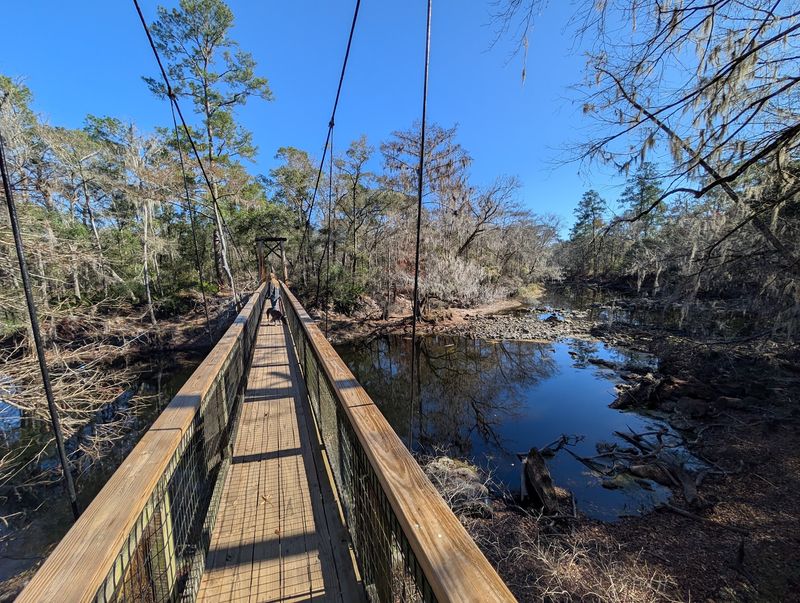
Near the entrance stands the park’s signature landmark, a historic suspension bridge stretched across the river. It draws more mentions than almost any other feature and remains a favorite photo stop.
The structure carries a real sense of the past, tied to the era when crews shaped much of the park. Crossing the river on it has long been part of the classic visit.
Honesty matters here, though. The suspension bridge has been out of commission since 2022, so it is worth arriving with realistic expectations rather than planning your whole trip around walking across it.
The good news is that the river trail includes several other bridges, and many find them just as pretty. The scenery along that stretch does not depend on any single crossing.
Even from a distance, the bridge frames the water beautifully and anchors the park’s story. It is the kind of old-Florida detail that makes the setting feel special and rooted in time.
Miles of Quiet Trails Through Native Florida
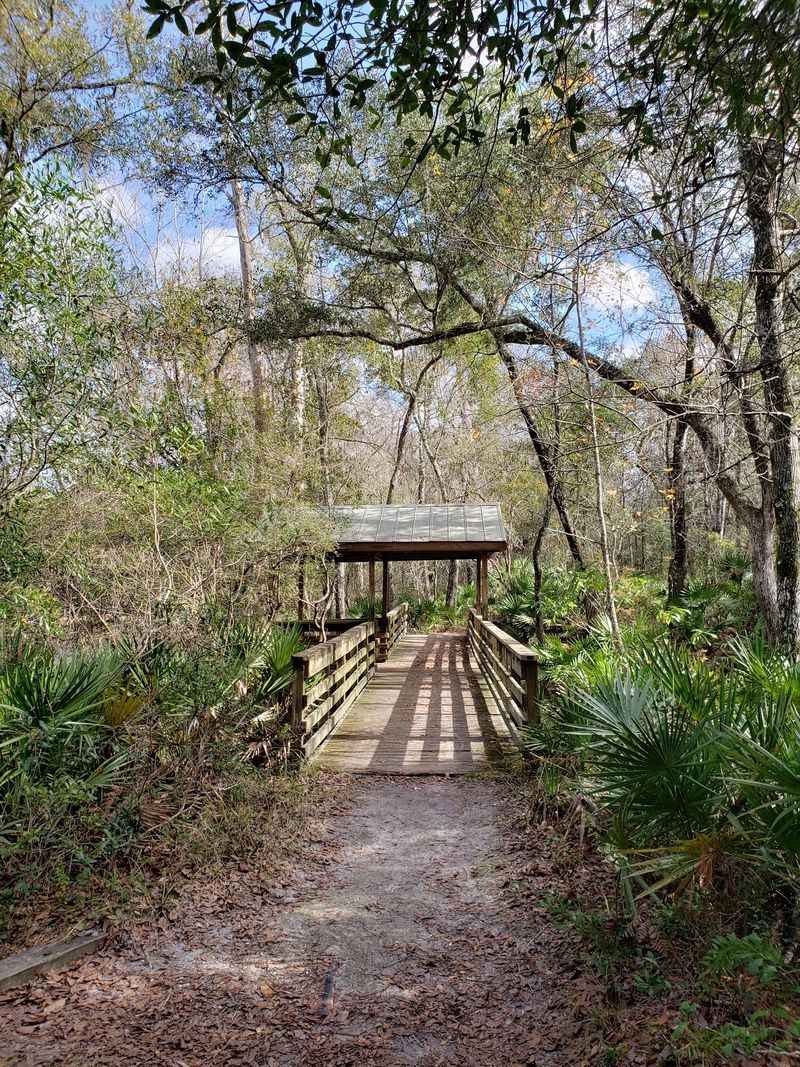
Walking here is the main event, and the trail network delivers. Paths stretch for miles through native Florida woods, ranging from short loops to longer routes that reward a full day of exploring.
The contrast in traffic is striking. Shorter trails draw plenty of people out for a stroll, while the longer routes can be so quiet you might pass only a single cyclist the whole way.
A half-day covers several nice trails, but committing to a full day lets you connect more of them. The variety keeps the walk from ever feeling repetitive.
Trail markings have drawn some criticism, and campers receive a QR code rather than a printed map. Downloading directions ahead of time makes navigation smoother.
Sturdy shoes are a smart call, and bug spray belongs in the pack during warmer months. With a little preparation, the trail system becomes the park’s most generous gift, offering solitude that is hard to find elsewhere in the state.
The River Trail and Its Wooden Walkways
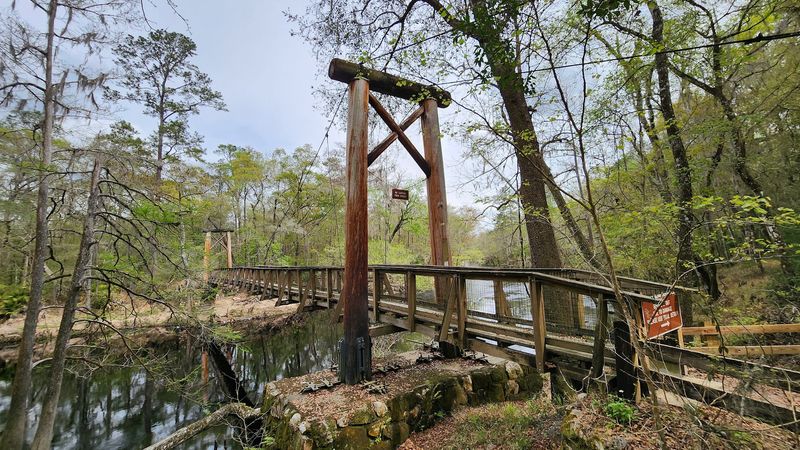
The river trail earns its own following, hugging the Santa Fe as it winds past overhanging trees and draping moss. It is a favorite for anyone who wants to stay close to the water.
Wooden walkways and viewing decks dot the route, giving natural stopping points to take in the scenery. The deck at the end marks where the easier section transitions into rougher ground.
Trail conditions do shift over time. A couple of the walkway bridges have been closed, sending hikers down into the natural trench to continue, and parts of the path can grow overgrown between clearings.
Because of that, careful footing pays off, especially for first-time hikers tackling a natural trail. Slow and steady keeps the walk enjoyable.
When conditions cooperate, the river trail is a standout, blending water views with the shade of the forest. It captures the quiet, wild character that defines the whole park in a single memorable loop.
Camping Under the Canopy
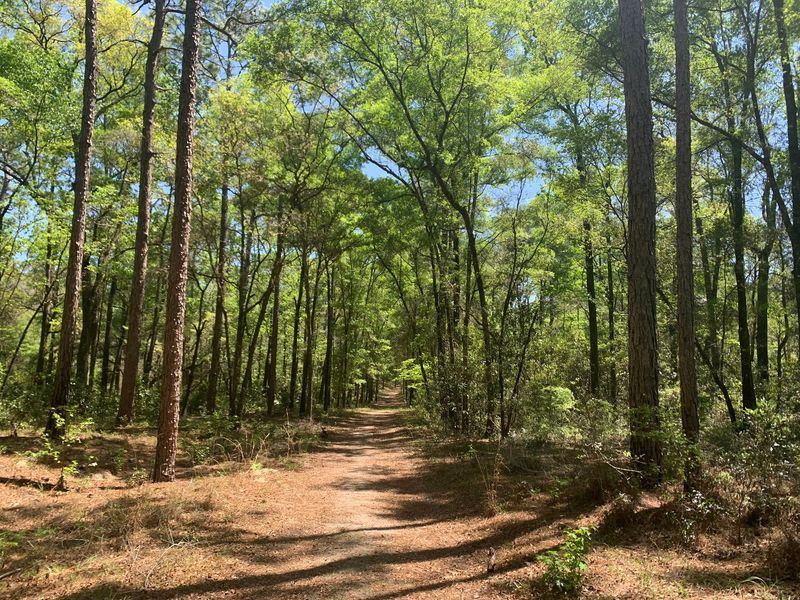
Overnight stays turn a day trip into a proper getaway, and the park’s campgrounds are among its most talked-about features. Multiple loops offer sites with water and electric hookups.
Spaces tend to run wide and well sized, and the sites on the Magnolia loop are noted for being very private. Dogwood loop offers level spots with reliable cell signal on major carriers.
Larger rigs should plan carefully, though. The roads through some loops are narrow, sandy, and lined with trees overhead, which makes maneuvering a 33-foot RV a real challenge.
Smaller campers, vans, and tents fit the layout best.
Comfort details hold up well, with showers and washrooms described as immaculate and clean. A dump station rounds out the practical side of camping here.
Peace is part of the package, since the campground is frequently called quiet. Booking a night lets you trade the drive home for a morning already surrounded by the woods.
Cabins, Glamping, and Comfortable Options
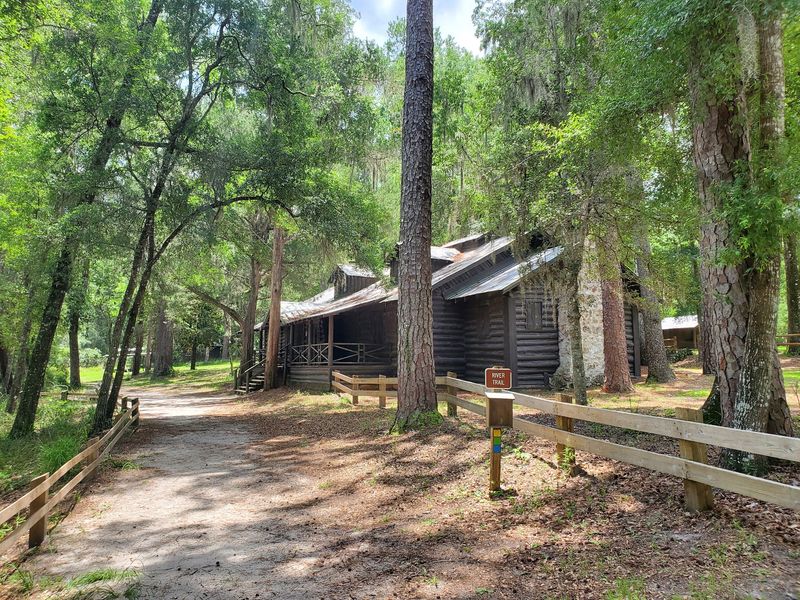
Not everyone wants to pitch a tent, and the park keeps that in mind. Cabins come up regularly as a comfortable alternative for guests who prefer a roof over their heads.
Glamping has entered the mix too, giving first-timers a gentle introduction to the outdoors. The experience earns warm feedback from those trying it for the first time.
The surroundings add character to a stay, with mossy rocks scattered through the area and small wildlife wandering nearby. Spotting a handful of snails around camp is all part of the charm.
These lodging choices widen the park’s appeal considerably. Families, couples, and cautious campers can each find a setup that suits them.
Having cabins and glamping alongside traditional sites means the woods stay accessible to a broad range of travelers. Comfort and nature do not have to be a trade-off here, which is part of why people keep coming back.
CCC History and the Old Leno Town Story
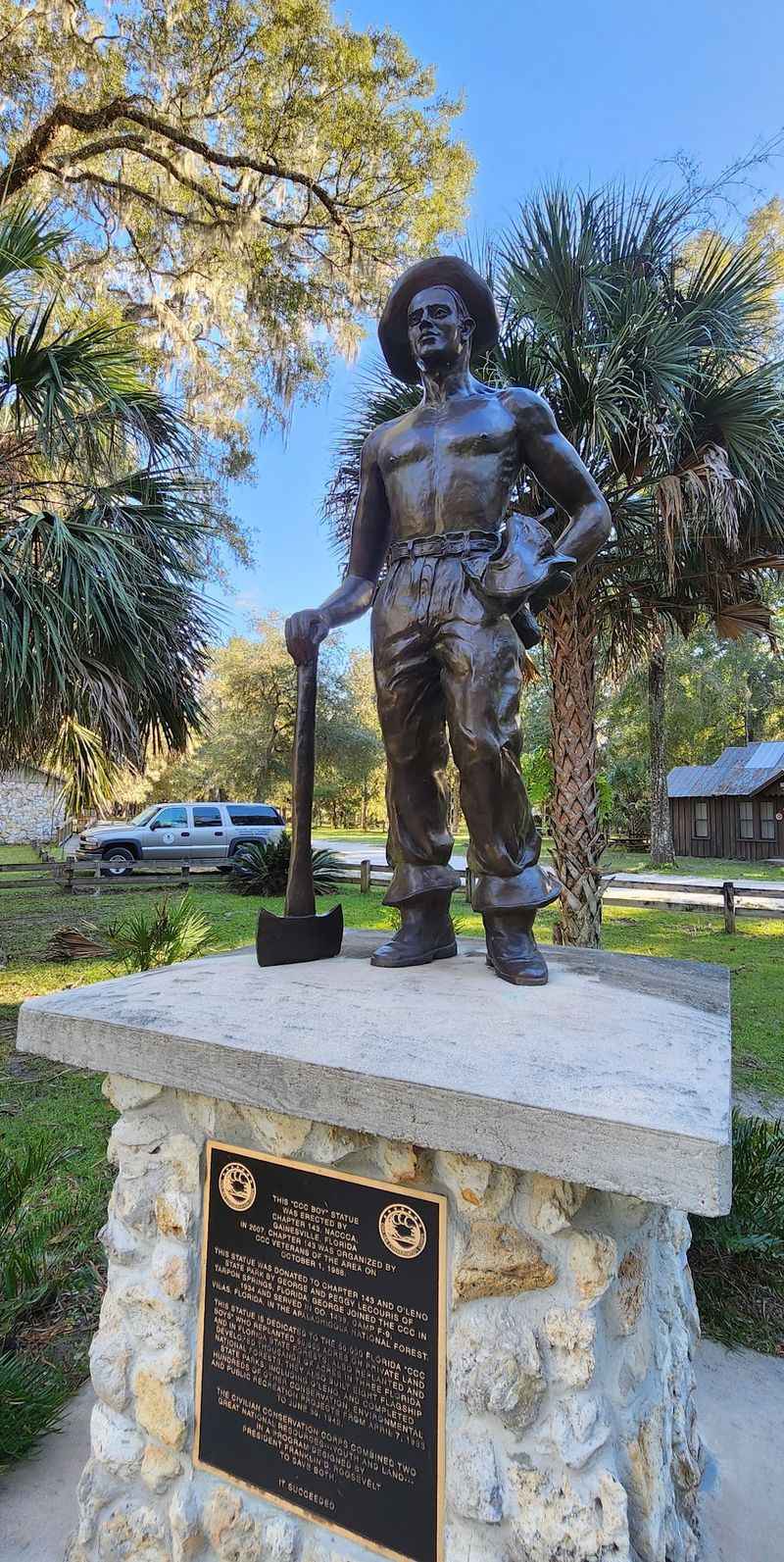
History runs deep on this land, and the park does a nice job sharing it. A small museum near the main area tells the story of the Civilian Conservation Corps crews who shaped much of what stands today.
Those workers left their mark on the park’s structures and layout, and learning about them adds meaning to a walk across the grounds. The CCC connection is a highlight for anyone curious about the past.
There is also the tale of Old Leno, the vanished town that once stood in this area. Discovering that history is frequently called super cool and gives the park a layered backstory.
Historic points scattered throughout invite you to slow down and read as you go. They turn a simple outing into something more like a walk through time.
Rangers occasionally host informal events that fill in the details. Between the museum, the town history, and the CCC legacy, the park rewards visitors who enjoy a good story with their scenery.
Family Fun, Fishing, and Picnic Spots
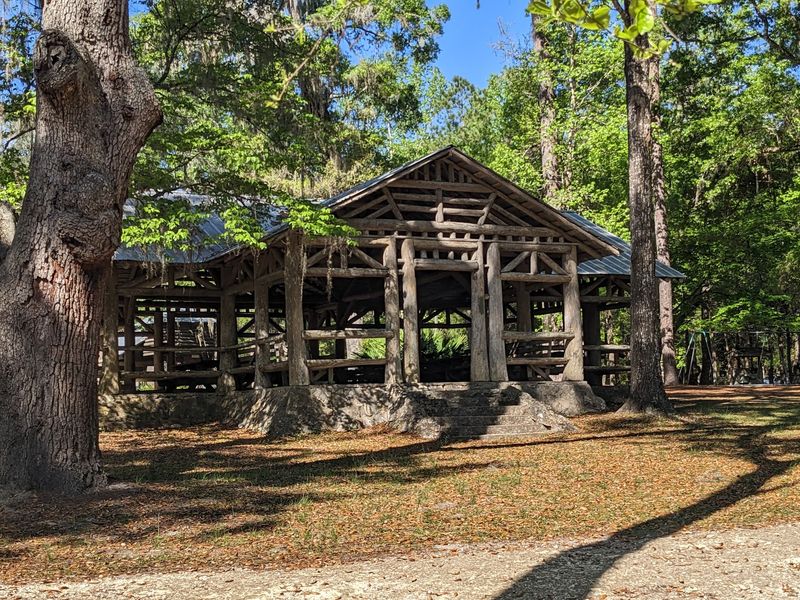
Bringing the whole crew is easy here, and the park leans into that. A large playground in the main area gives kids room to burn energy while adults settle at a picnic table nearby.
Fishing is part of the routine along the Santa Fe, adding another relaxed way to spend the afternoon. Casting a line beside the river fits the park’s easygoing rhythm.
Picnic areas come up often as a reason to linger, with plenty of space to spread out for a meal. Benches line many of the walking trails too, offering rest stops with a view.
Wildlife adds a bit of magic for younger visitors, and deer are a common sight throughout the grounds. Spotting them mid-hike delights kids and adults alike.
The park is repeatedly described as child friendly, which makes it a solid pick for a family day out. Day camping with something to grill turns an ordinary weekend into a small adventure.
Hours, Prices, and Getting There
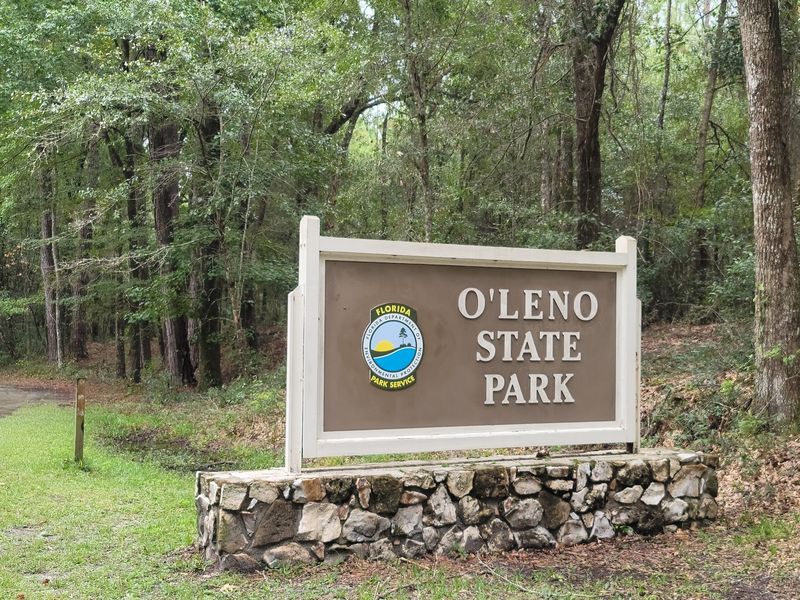
Planning a visit is refreshingly simple. The park opens daily at 8 AM and closes at 7:30 PM, giving a full stretch of daylight to work with all week long.
The price is one of its best selling points. Day use runs about five dollars per vehicle, with plenty of parking waiting once you arrive.
Campers get a fair deal too, with rates noted around twenty-four dollars per night including hookups and the reservation fee. That covers the essentials for a comfortable overnight stay.
Reaching the park means heading to High Springs, in north Florida, where the property sits along the Santa Fe River. The address at 410 SE Oleno Park Rd points you straight to the gate.
A couple of practical notes help. Phone service inside the park can be limited, and reaching the office by phone has proven tricky for some, so save any check-in instructions before you go.
A little advance planning smooths out the arrival.
Who This Quiet Park Suits Best
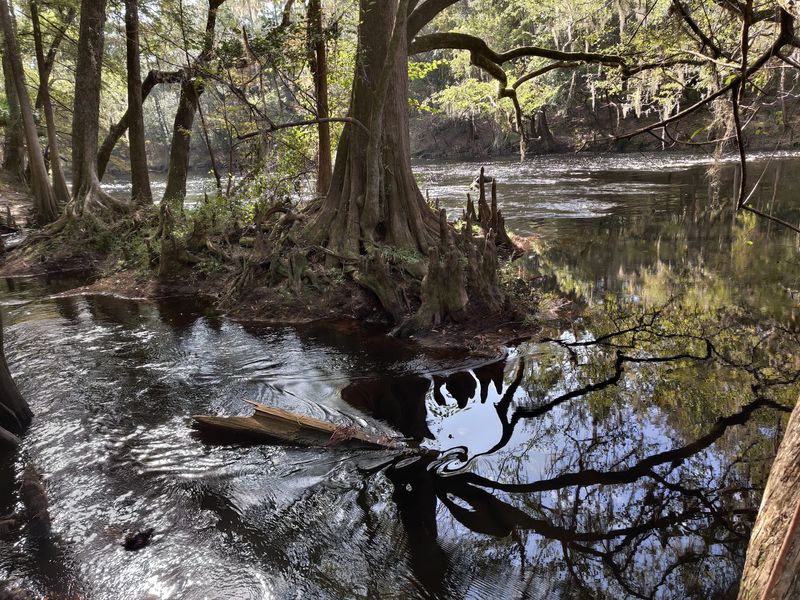
Some places try to be everything at once, while this one knows exactly what it is. A calm, wooded retreat that rewards people who value quiet over crowds and space over spectacle.
Hikers get the most out of it, thanks to miles of trails ranging from flat, well-worn paths to rugged routes with roots and challenges. Part of the river walk stays accessible enough for a rollator on the smoother stretches.
Families, campers, history buffs, and anglers all find a place here. Dog owners are welcome too, and pups are a common sight on the shorter loops.
A few honest caveats keep expectations grounded. Warmer months can bring ticks and bugs, the swim area sometimes closes depending on conditions, and some facilities show their age.
Even so, the overall verdict leans warm and steady, reflected in that strong 4.6-star standing. For anyone near High Springs craving native Florida scenery without the crowds, this park is an easy recommendation and a place worth returning to.
Enjoyed this story?
Add Fast Food Club as a preferred source to see more of our reporting on Google.