


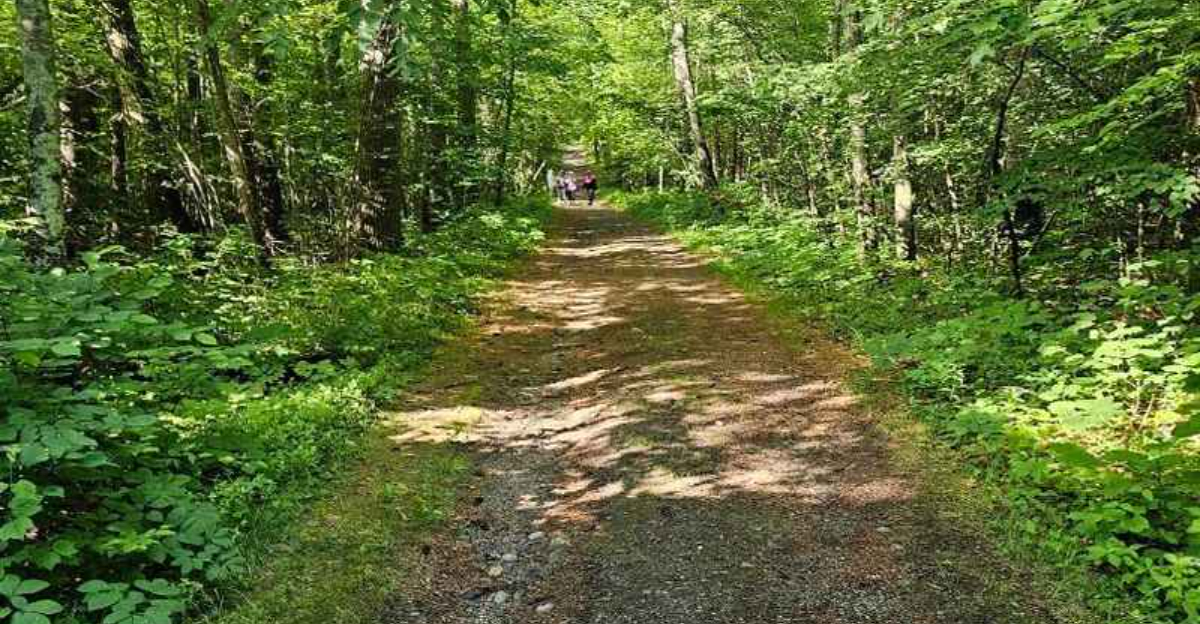
Tucked away in Sutton, Massachusetts, Charley’s Loop is one of those hidden gems that most people drive right past without ever knowing it exists. This quiet trail winds through a landscape shaped by glaciers thousands of years ago, leaving behind rocky ridges, kettle ponds, and boulders that feel like they belong in a prehistoric world.
Walking here feels less like a casual hike and more like stepping into a living geology lesson. If you love nature, history, and trails that reward curious explorers, Charley’s Loop belongs on your must-visit list.
The Glacial Origins of Charley’s Loop
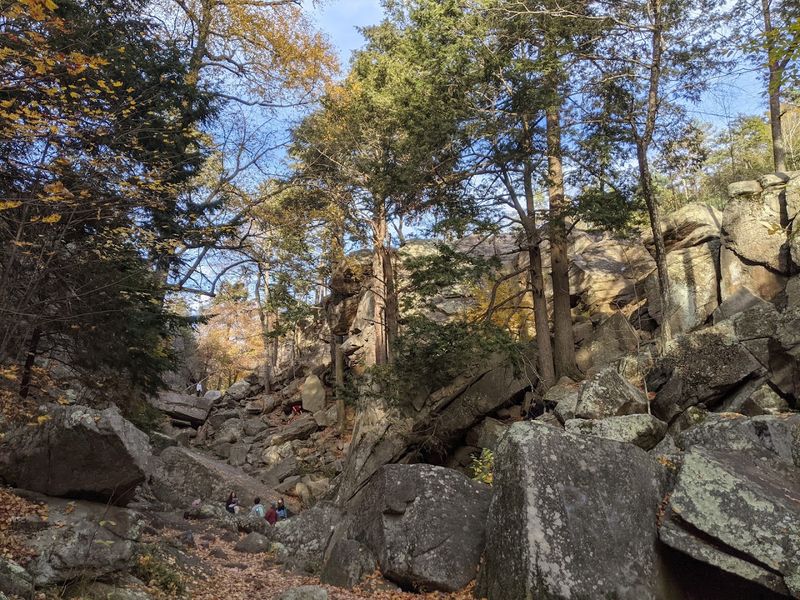
Long before any trail markers or hiking boots, glaciers did the heavy lifting at Charley’s Loop. About 10,000 to 12,000 years ago, a massive sheet of ice crept across New England, carving the land into the rugged, rolling terrain you see today.
As the glaciers melted, they left behind a patchwork of ridges, valleys, and scattered boulders called erratics. These giant rocks were literally carried and dropped by moving ice, sometimes from hundreds of miles away.
It sounds like something from a science fiction story, but the proof is sitting right there on the trail.
Walking Charley’s Loop gives you a front-row seat to this ancient drama. Every dip and rise underfoot tells a story that no textbook can fully capture.
The land itself is the history lesson, and it is one worth exploring with curious eyes and comfortable shoes.
Kettle Ponds Hidden Along the Trail
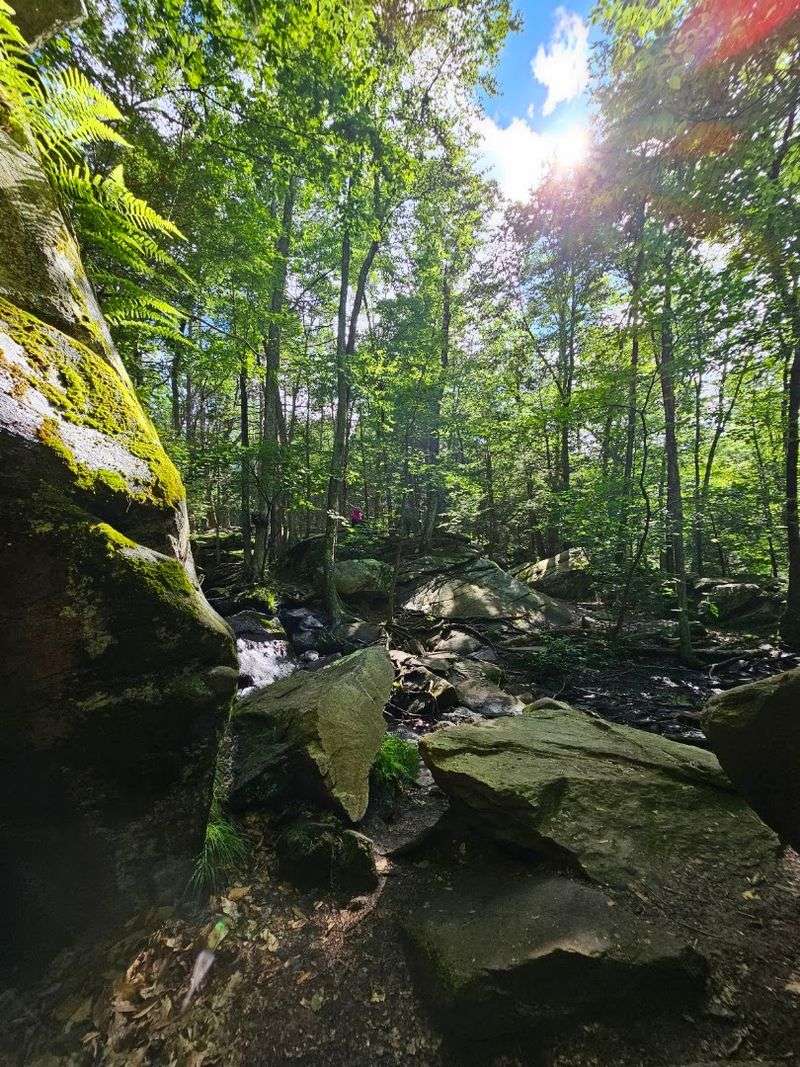
One of the coolest features near Charley’s Loop is the presence of kettle ponds, and no, they have nothing to do with cooking. These small, bowl-shaped lakes formed when giant chunks of glacial ice got buried under sediment and slowly melted, leaving behind a depression that filled with water.
Kettle ponds are crystal clear and surprisingly deep for their size. They support a rich ecosystem of fish, frogs, dragonflies, and aquatic plants that thrive in this glacier-made habitat.
Spotting one along your hike feels genuinely exciting, like finding a secret the forest has been keeping for thousands of years.
Massachusetts has dozens of these ponds scattered across the state, but experiencing them in the context of a trail like Charley’s Loop makes them feel extra special. Pause at the water’s edge, listen to the frogs, and appreciate the weird, wonderful power of melting ice.
Glacial Erratics: The Boulders That Traveled Far
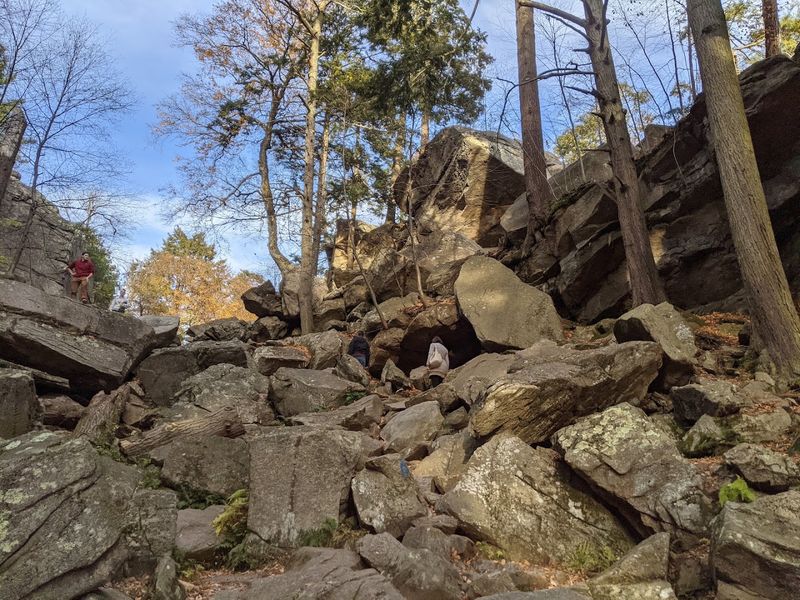
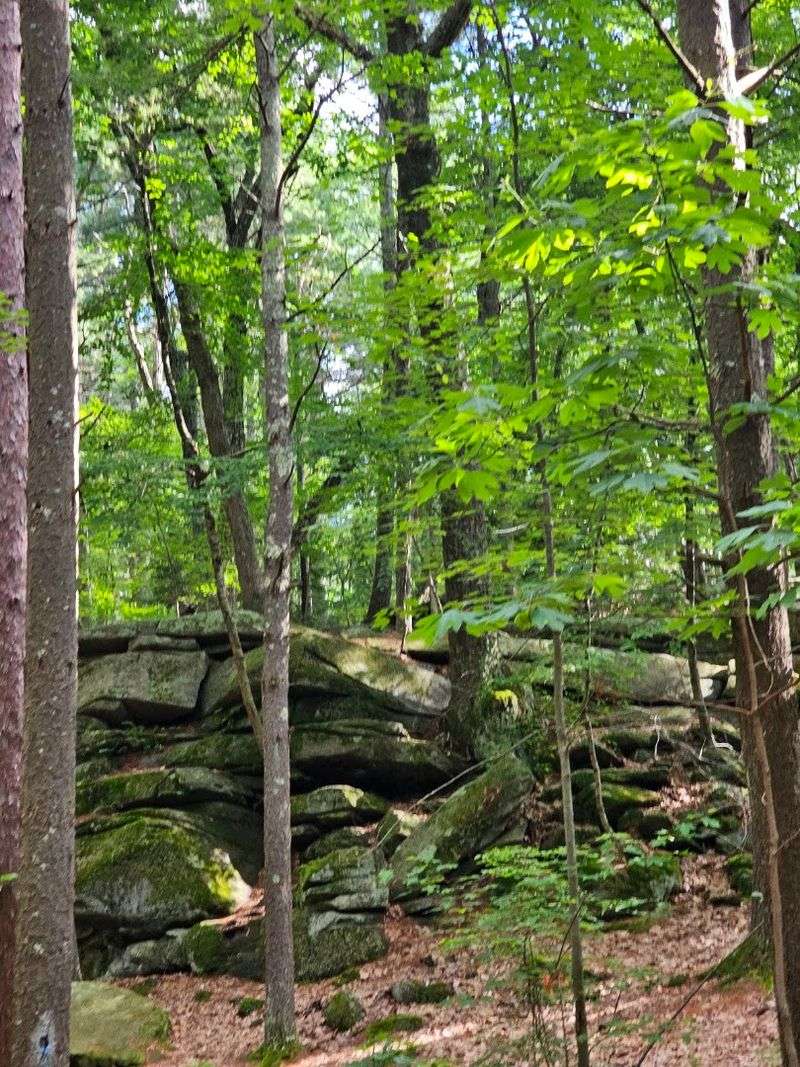
Scattered throughout Charley’s Loop are massive boulders that look completely out of place, and that is exactly the point. These rocks, called glacial erratics, were plucked from distant bedrock and carried by glaciers before being dropped randomly as the ice retreated.
Some erratics found in Massachusetts originated as far away as Canada or Vermont. Imagine a rock the size of a small car hitching a ride on a glacier for thousands of years.
Scientists can actually trace where these boulders came from by analyzing their mineral composition, which is pretty remarkable detective work.
On Charley’s Loop, these boulders add a dramatic visual element to the hike. Kids especially love climbing on them or standing next to them for a sense of scale.
They are natural monuments to one of Earth’s most powerful geological forces, and they are totally free to admire.
The Peaceful Forests of Sutton, Massachusetts
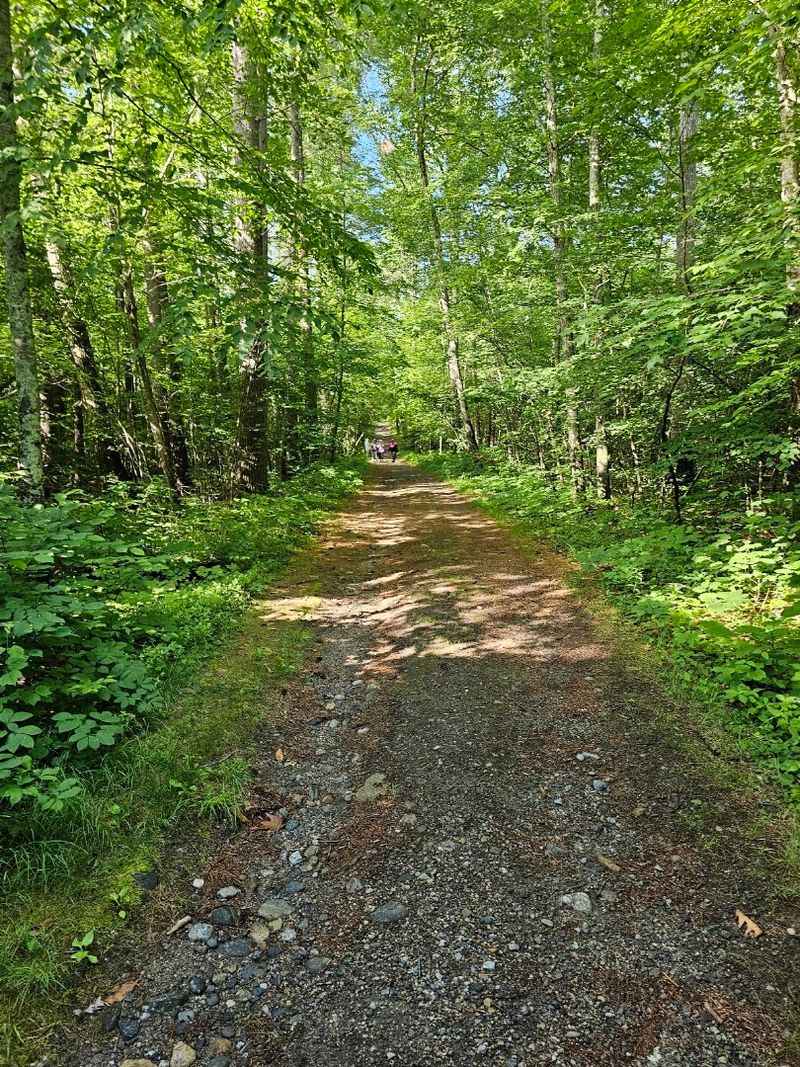
Sutton, Massachusetts might not be the first town that pops into your head when you think about hiking destinations, but that is honestly part of its charm. The forests here are dense, quiet, and refreshingly free of crowds, making every hike feel like a personal escape.
The tree canopy along Charley’s Loop shifts beautifully with the seasons. Spring brings fresh green growth and wildflowers, summer offers cool shade, autumn explodes with fiery reds and oranges, and winter strips everything bare to reveal the bones of the glacial landscape underneath.
Wildlife sightings are a real possibility here too. White-tailed deer, wild turkeys, red foxes, and a variety of songbirds all call these woods home.
The forest is alive in the truest sense, buzzing with activity if you slow down enough to notice. Sutton’s quiet woods are an underrated treasure hiding in plain sight.
Trail Difficulty and What to Expect on Your Hike
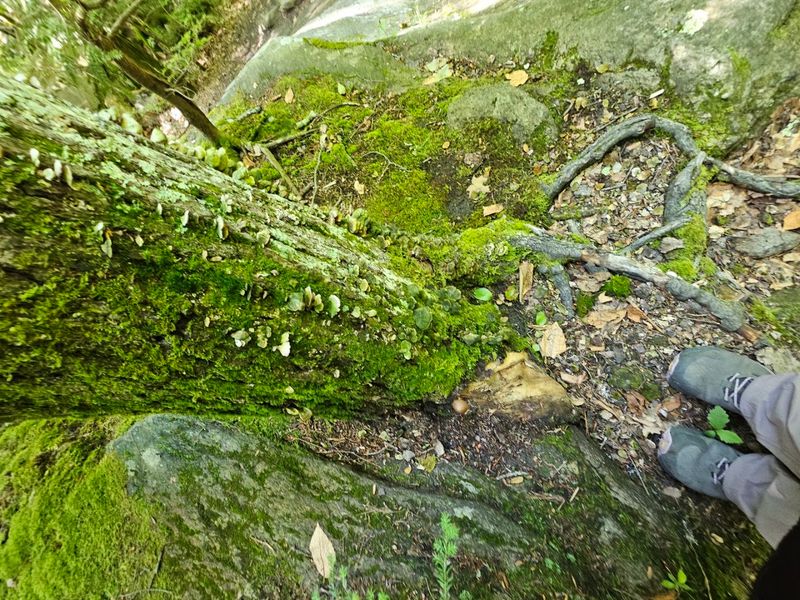
Charley’s Loop is generally considered a moderate trail, making it accessible for most hikers without requiring serious mountaineering experience. The terrain does get a bit rocky and uneven in places, which is a direct reminder of all that glacial activity from thousands of years ago.
Trail length is manageable for families and beginners, while still offering enough variety to keep experienced hikers engaged. Expect some gentle elevation changes, rooted paths, and the occasional muddy patch after rainfall.
Sturdy hiking shoes or trail runners are a smart choice over regular sneakers.
One thing visitors consistently appreciate is how the trail feels exploratory rather than crowded or commercial. You will not find paved walkways or gift shops here, just honest, natural terrain with occasional markers to keep you on track.
Budget a couple of hours for a relaxed pace that lets you actually soak everything in without rushing.
Reading the Landscape: Glacial Landforms to Spot
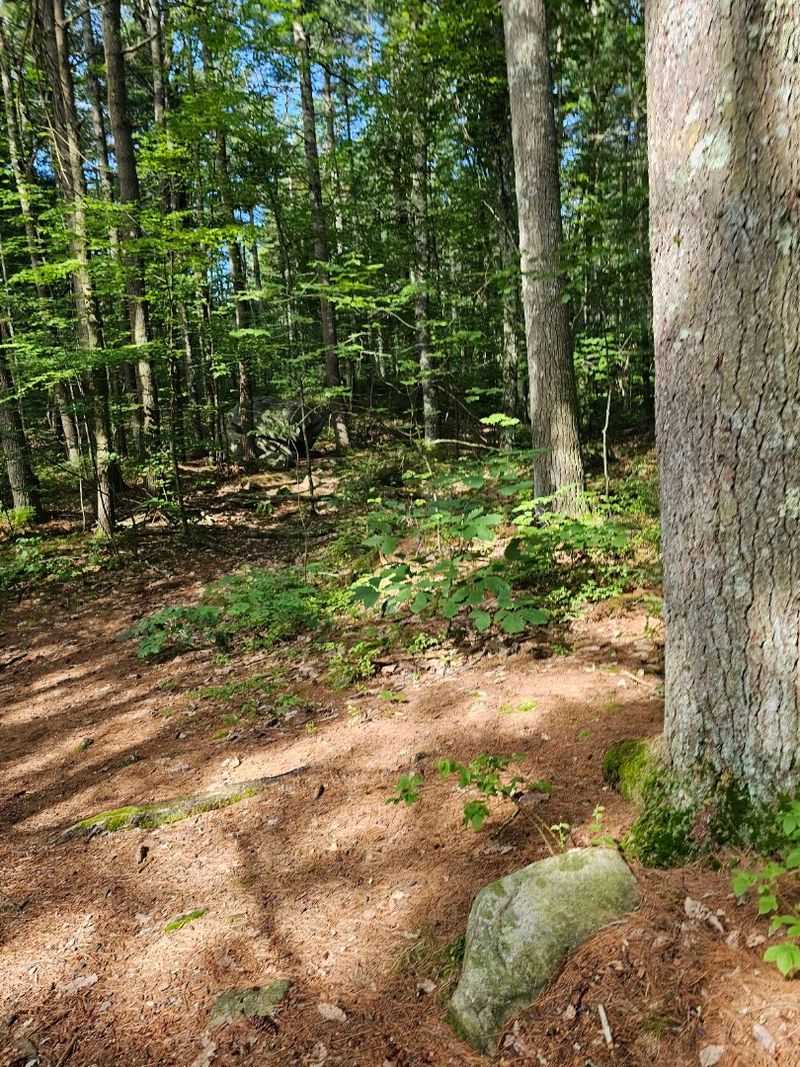
Geology nerds, this section is for you, but honestly everyone should get excited about this. Charley’s Loop sits within a landscape packed with glacial landforms that are visible if you know what to look for.
Drumlins are smooth, elongated hills shaped by moving glacial ice. Eskers are narrow ridges of sediment deposited by streams that flowed beneath the glacier.
Moraines are piles of rocky debris left at the edges of a glacier as it melted. All of these features can appear in the greater Sutton area, giving hikers a geology textbook brought to life.
You do not need a science degree to appreciate them. Simply noticing that the land has unusual shapes, unexpected ridges, or oddly placed hills is enough to spark curiosity.
Bring a simple field guide or download a geology app before your visit to help decode what you are seeing on the trail.
Wildlife Watching Opportunities on Charley’s Loop
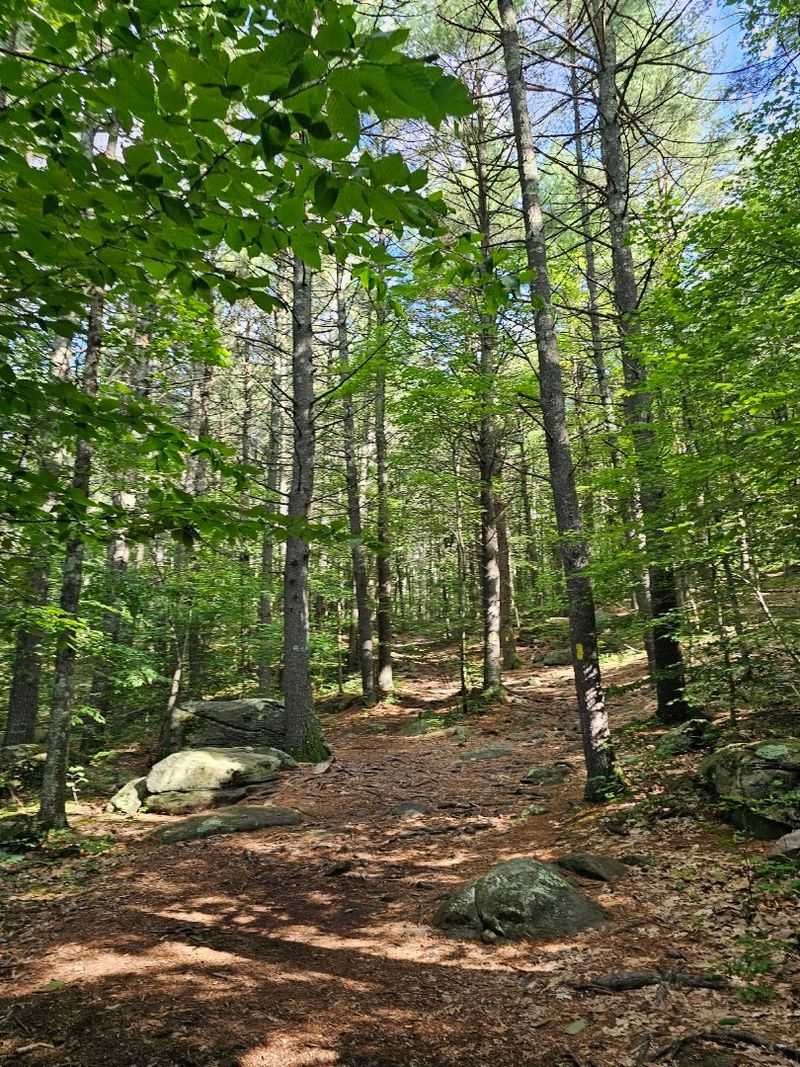
Few things make a hike more memorable than an unexpected wildlife encounter, and Charley’s Loop delivers on that front. The mixed forest habitat attracts a surprisingly diverse range of animals throughout the year.
Birdwatchers will find plenty to get excited about. Red-tailed hawks, great horned owls, and various woodpecker species are common residents of these woods.
During spring migration, the canopy fills with warblers, thrushes, and other songbirds passing through New England on their way north.
On the ground, look for signs of white-tailed deer, eastern cottontail rabbits, and the occasional coyote track along muddy sections of trail. Patience and quiet movement are your best tools for wildlife spotting.
Early morning visits tend to yield the most sightings, when animals are active and the trail is still free of other hikers. A small pair of binoculars adds a lot to the experience.
Best Times of Year to Visit Charley’s Loop
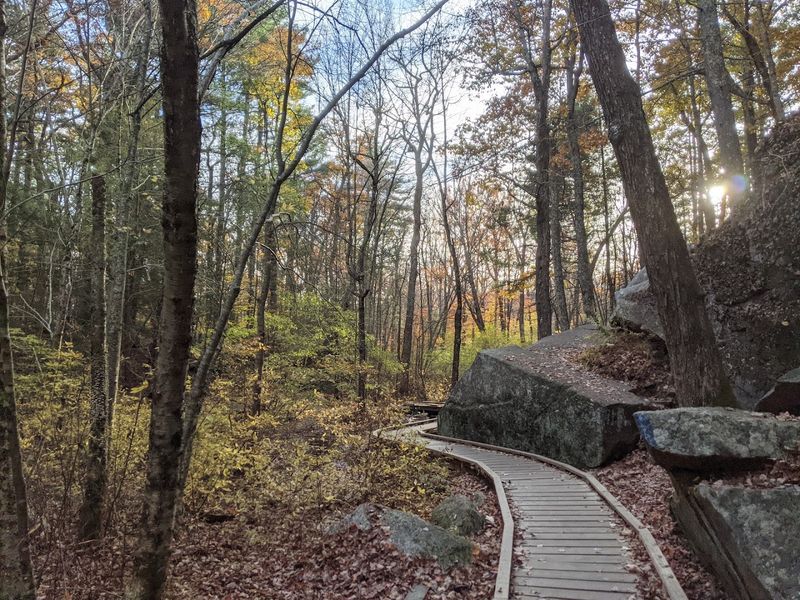
Every season brings something different to Charley’s Loop, which means there is honestly no bad time to visit. That said, some seasons definitely have an edge depending on what kind of experience you are after.
Autumn is the crowd favorite for obvious reasons. The foliage in central Massachusetts turns brilliant shades of red, orange, and gold, and the cooler temperatures make hiking genuinely comfortable.
Spring is a close second, with wildflowers blooming and migrating birds filling the trees with sound.
Summer hikes are best tackled early in the morning before heat and humidity settle in. Winter visits offer a completely different kind of beauty, with snow highlighting the glacial boulders and bare trees opening up views that the leafy canopy normally hides.
Pack microspikes if you visit after a snowfall, because those glacially sculpted ridges can get slippery fast.
How Charley’s Loop Connects to New England’s Ice Age Story
New England has one of the most fascinating glacial histories in North America, and Charley’s Loop is a small but meaningful chapter in that story. The entire region was buried under the Laurentide Ice Sheet, a glacier so thick it would have towered over modern skyscrapers.
As this colossal ice mass advanced and retreated over thousands of years, it fundamentally reshaped the land. It ground down mountains, filled valleys, and deposited the rocky, thin-soiled terrain that New England farmers famously struggled with for centuries.
Those stone walls you see everywhere in Massachusetts? Many were built from rocks pulled out of fields that glaciers left behind.
Charley’s Loop sits right in the middle of this legacy. Every step you take is on land that was once frozen solid under hundreds of feet of ice.
That context transforms a simple hike into something genuinely humbling and awe-inspiring for visitors of all ages.
Preparing for Your Visit: What to Pack
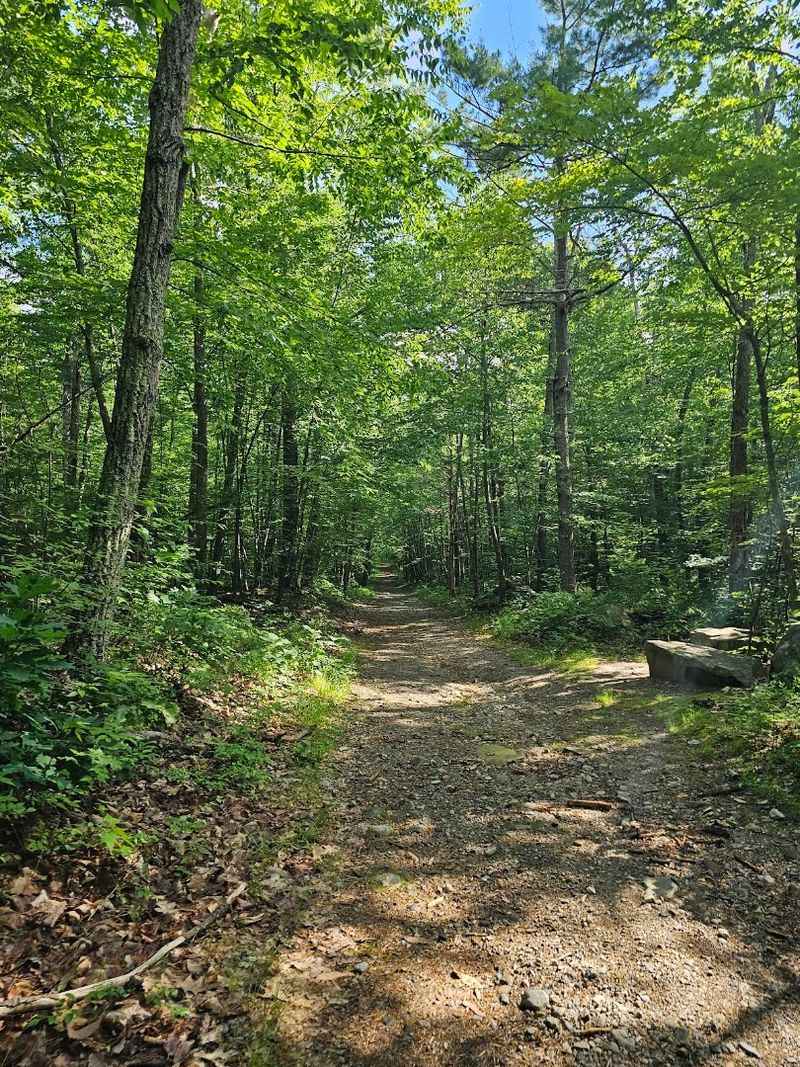
A little preparation goes a long way on any trail, and Charley’s Loop is no exception. The terrain can be uneven and rooted, so footwear is your number one priority.
Trail runners or low-cut hiking boots with good grip will keep you comfortable and safe throughout the hike.
Water is essential, even on shorter hikes. Bring more than you think you need, especially during summer months when dehydration sneaks up quickly.
Snacks like trail mix, granola bars, or fruit give you energy for the return trip without weighing down your pack.
A small first aid kit, sunscreen, and insect repellent round out the basics. Tuck in a trail map or download an offline version on your phone before heading out, since cell service in wooded areas can be unreliable.
A light rain jacket stuffed in your bag is also smart, because New England weather changes fast and without much warning.
Photography Tips for Capturing the Ice Age Landscape
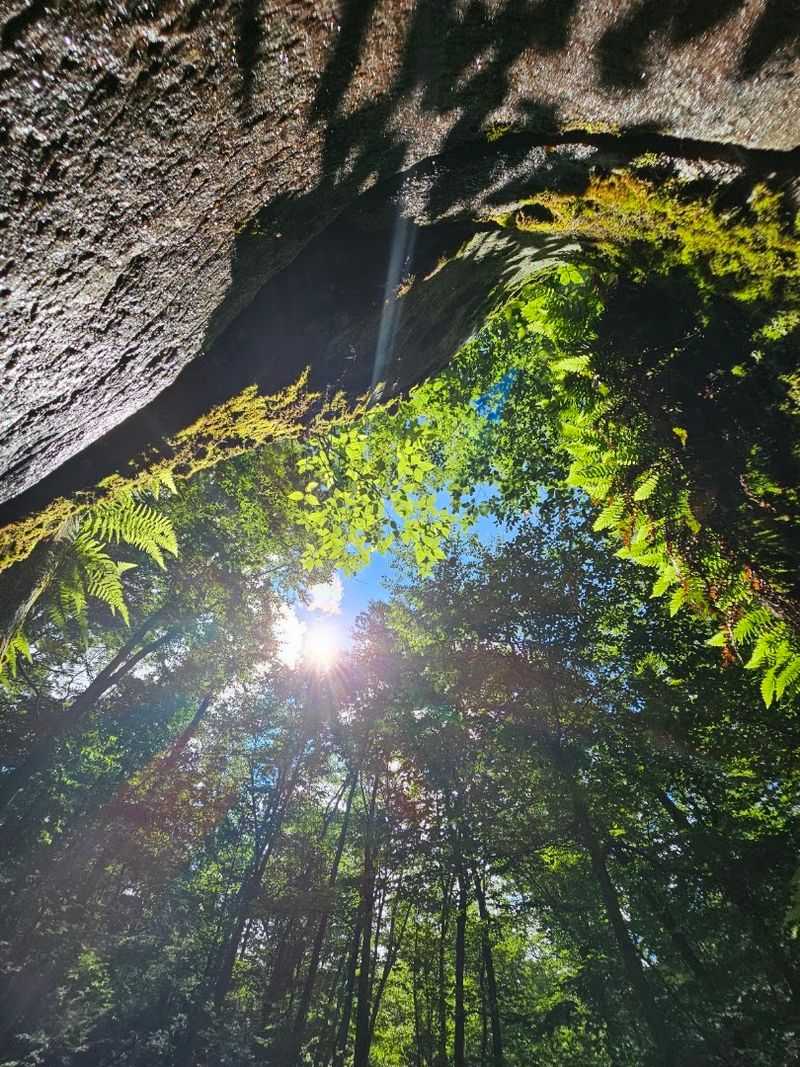
Charley’s Loop is a photographer’s playground, full of textures, shapes, and natural light that reward anyone willing to slow down and look carefully. The glacial boulders alone make for striking subjects, especially when surrounded by autumn leaves or dusted with winter snow.
Golden hour lighting, which happens just after sunrise or before sunset, turns ordinary forest scenes into something magical. Shadows stretch dramatically across the rocky terrain, and the warm light makes the mossy boulders glow.
If you can time your hike to catch that light, your photos will thank you.
For smartphone photographers, the secret weapon is getting low. Crouching down to boulder level or shooting from the forest floor creates dramatic perspective that standard eye-level shots miss entirely.
Focus on details too, lichen on rocks, frost on leaves, or a single fern growing from a glacial crevice. Small moments often make the most memorable images.
Family-Friendly Features That Make This Trail Special
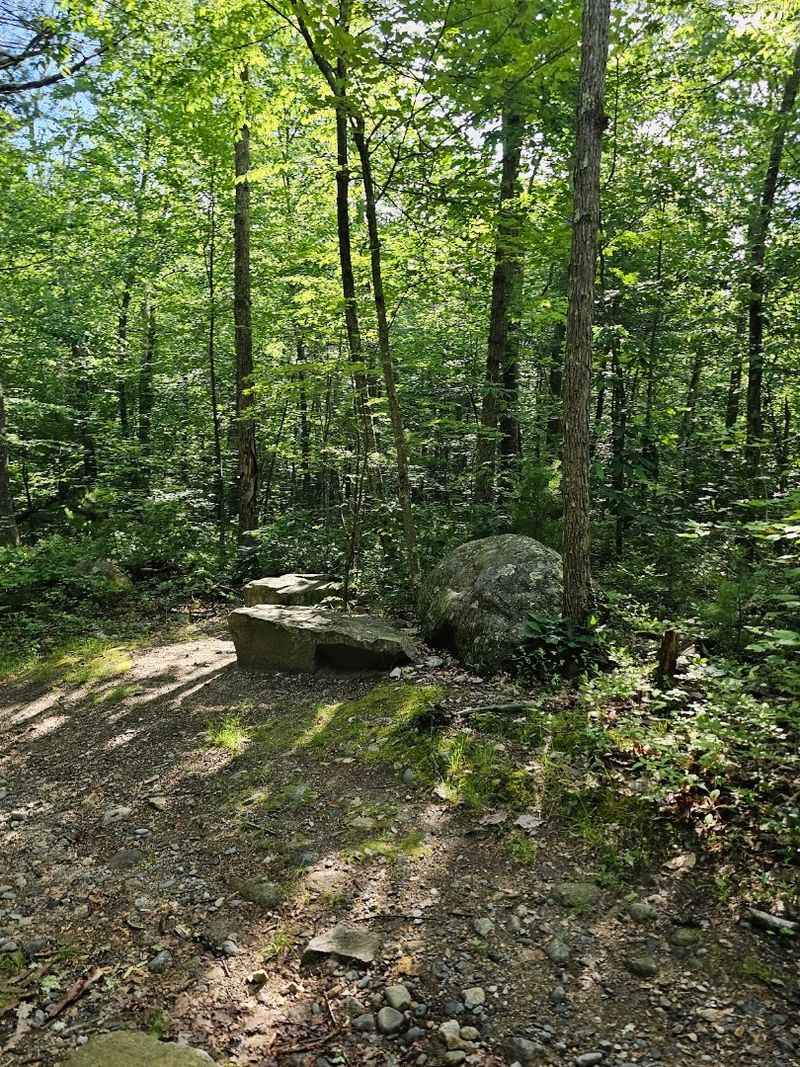
Charley’s Loop has a natural quality that makes kids genuinely curious rather than bored, which is no small achievement for a hiking trail. The glacial boulders practically beg to be climbed, and the uneven terrain keeps young hikers engaged and focused on each step.
Parents love that the trail offers real talking points without needing to script a lesson plan. Questions like why is that rock so big, or why does the ground look so bumpy, open up natural conversations about geology and Earth history that stick with kids far longer than classroom lectures.
The manageable trail length means even younger children can complete the loop without meltdowns or being carried the whole way home. Bring a magnifying glass for young explorers to examine lichen, insects, and rock surfaces up close.
Small discoveries fuel big curiosity, and Charley’s Loop is full of both waiting to be found.
Why Charley’s Loop Deserves More Recognition
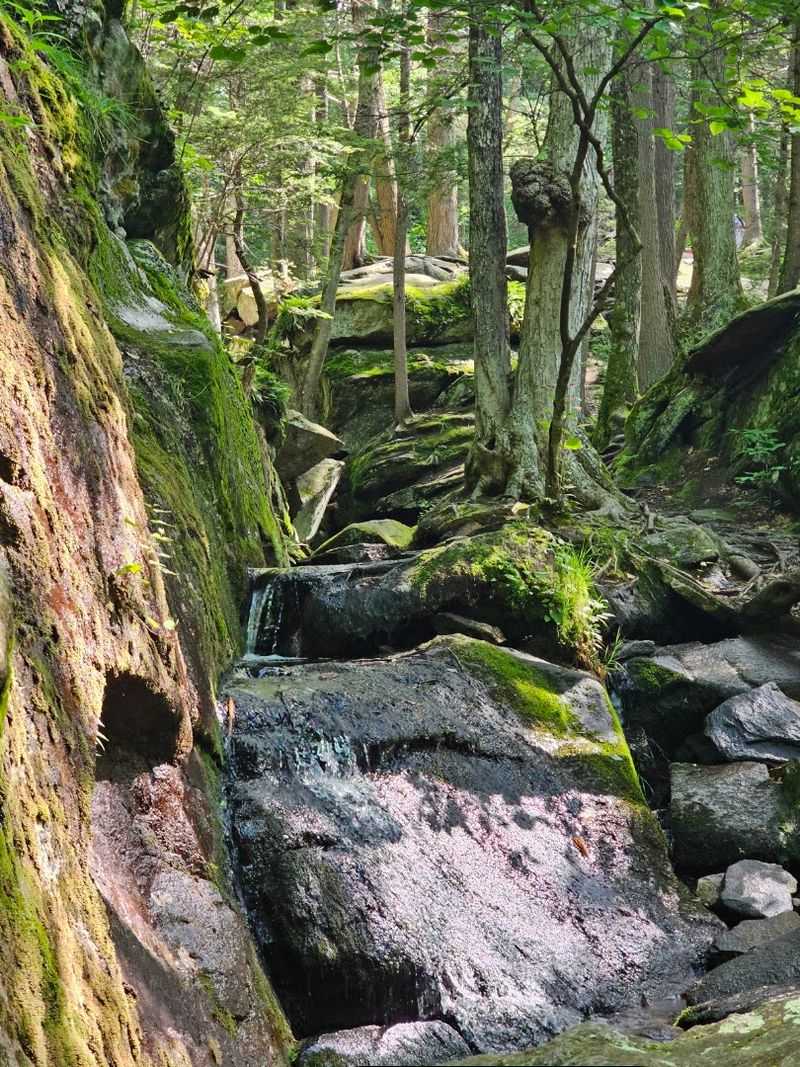
Honestly, Charley’s Loop is the kind of place that should be far more famous than it is. It offers a combination of geological wonder, peaceful forest atmosphere, and accessible terrain that rivals much more well-known trails in Massachusetts, yet it remains blissfully under the radar.
Part of its charm is exactly that quietness. You are unlikely to fight for parking or share the trail with tour groups.
The experience feels personal and unhurried, which is increasingly rare at popular outdoor destinations across New England.
Spreading the word about places like Charley’s Loop matters for another reason too. Local trails thrive when communities visit, appreciate, and advocate for their preservation.
Every hiker who discovers this hidden gem becomes a small ambassador for protecting it. So tell a friend, post a photo, and encourage others to explore what the Ice Age left behind in Sutton, Massachusetts.
It is genuinely worth the trip.
Enjoyed this story?
Add Fast Food Club as a preferred source to see more of our reporting on Google.