


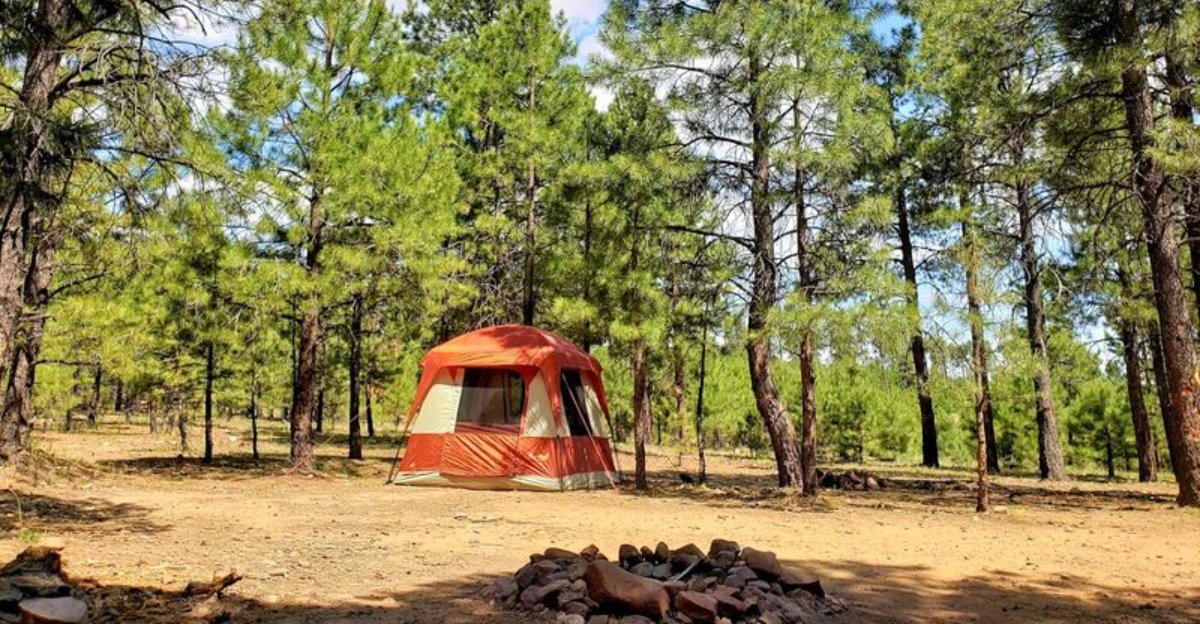
Tucked away in the White Mountains of eastern Arizona, the Apache-Sitgreaves National Forests stretch across nearly 2 million acres of stunning mountain wilderness near Springerville, AZ. Most people rush past this gem on their way to more famous destinations, but those who stop discover alpine lakes, towering pines, and trails that feel like they belong in another world.
Whether you want to fish, camp, hike, or simply breathe fresh mountain air, this forest has something waiting for you. If you have been searching for a quiet, beautiful escape from the everyday hustle, your answer has been here all along.
Dispersed Camping With Real Privacy
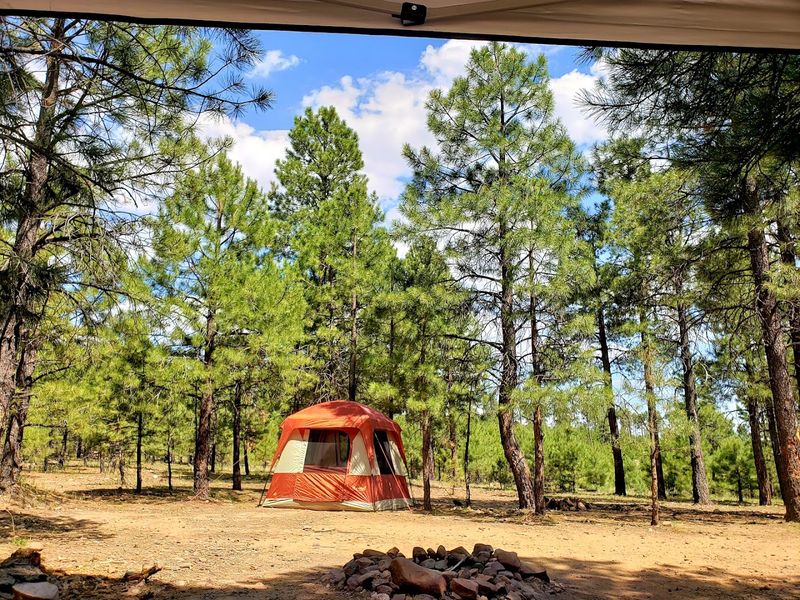
Forget crowded campgrounds where you can hear your neighbor snoring through the tent wall. Dispersed camping in Apache-Sitgreaves National Forests lets you claim your own slice of wilderness, sometimes without seeing another person for days.
Visitors consistently rave about how smooth the forest roads are and how easy it is to find a private spot tucked beneath towering pines. You can set up camp, sit back, and actually hear the wind move through the trees without any background noise from the modern world.
No reservations, no crowds, just you and nature doing their thing. Pack enough food and water, grab a free dispersed camping permit if required, and head out on one of the many forest roads branching off the main routes.
Mornings out here feel like a reward you genuinely earned.
Fishing at Big Lake and Bear Canyon Lake
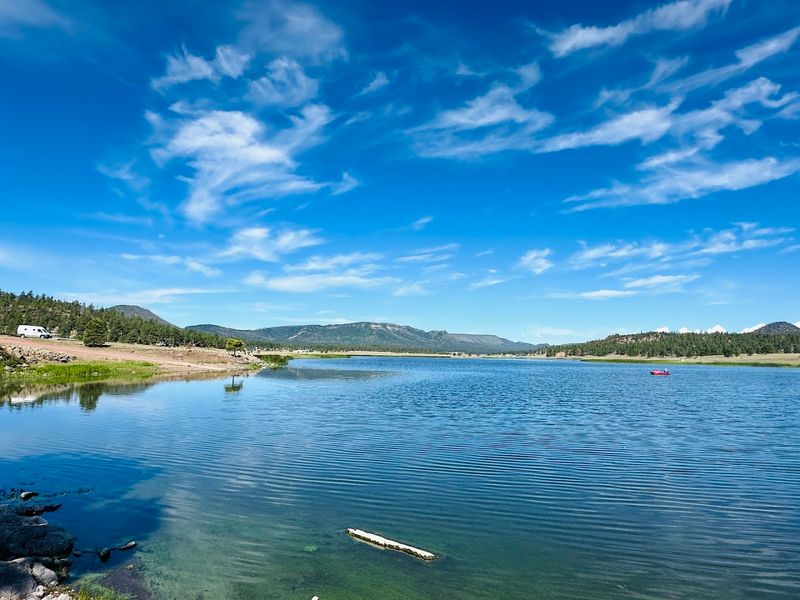
Big Lake sits at over 9,000 feet elevation, making it one of Arizona’s most scenic fishing destinations. Anglers come from across the state chasing rainbow trout, brown trout, and catfish in crystal-clear mountain water that feels nothing like the desert below.
Bear Canyon Lake is a slightly wilder experience. The road to get there can be rough, but the payoff is a peaceful, uncrowded lake that rewards patient visitors with stunning scenery and genuine solitude.
Weekdays are especially calm, turning the whole place into your personal retreat.
Both lakes are stocked regularly, so your chances of a good catch are solid. Bring your Arizona fishing license, a folding chair, and plenty of snacks because once you settle in on the shoreline, leaving feels like a bad idea.
Fishing here is less about the catch and more about the exhale.
Hiking the East Baldy Trail
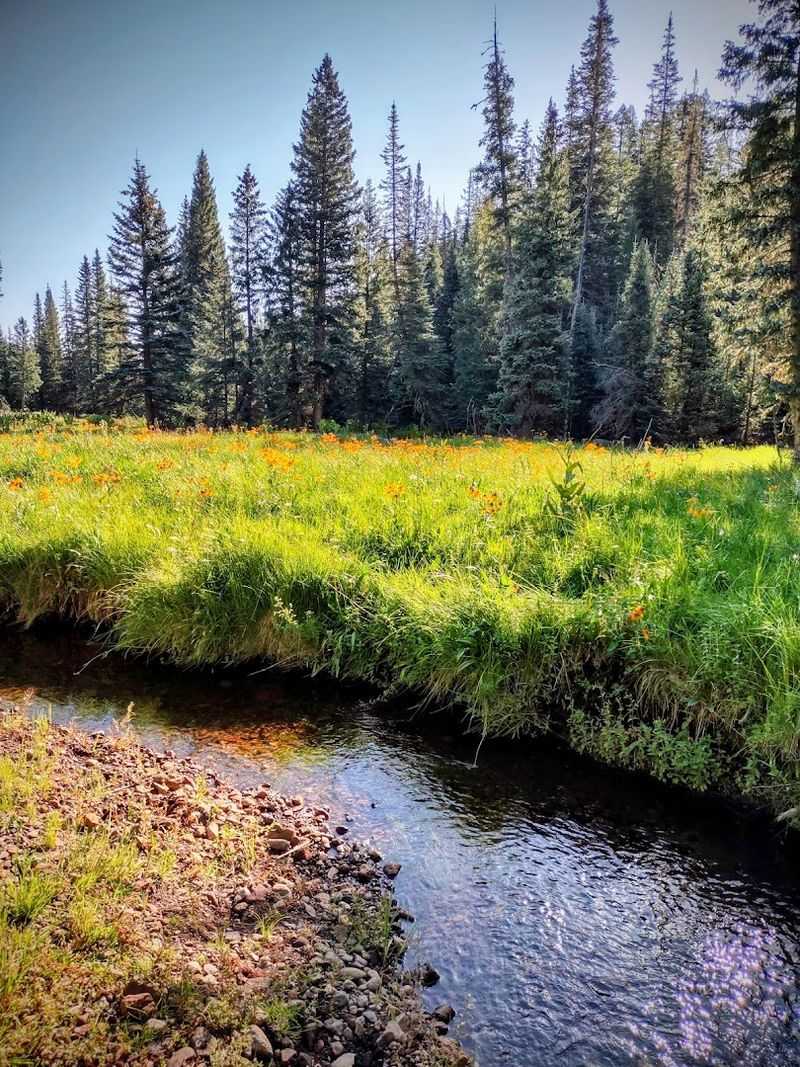
Trail 95, better known as the East Baldy Trail, is one of those hikes that sneaks up on you with how beautiful it gets. Starting through a corridor of full, lush blue spruce trees, the path winds past a pretty meadow and a gentle creek that sounds exactly like peace should sound.
Fall is the showstopper season here. Aspens along the trail turn brilliant gold, creating a color display that rivals anything you would see in Colorado or New England.
Hikers who time their visit right often describe it as genuinely breathtaking.
The trail is rated as relatively easy to moderate, making it accessible for families and casual hikers who still want a rewarding outdoor experience. Lace up a solid pair of trail shoes, bring water, and plan to move slowly because rushing through this one would honestly be a shame.
Wildlife Encounters Around Every Corner
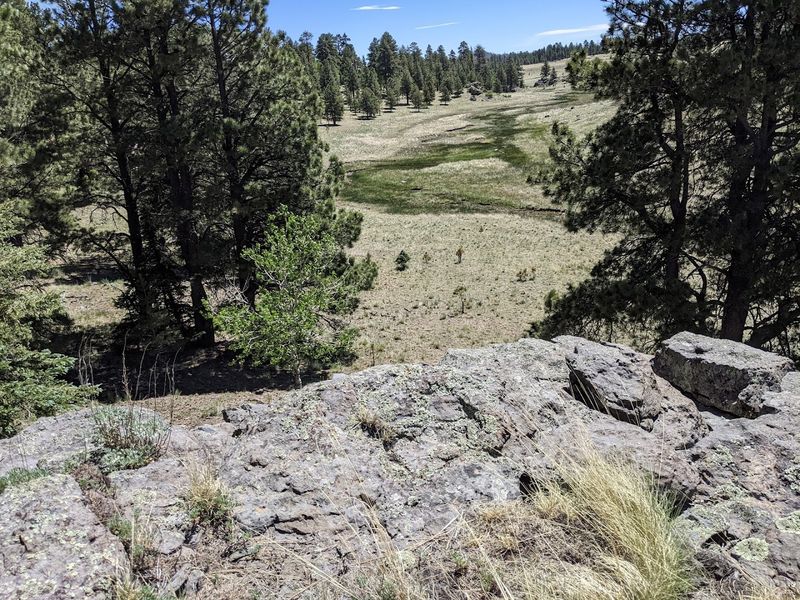
Spotting wildlife here is not a lucky accident. It is practically part of the schedule.
The Apache-Sitgreaves National Forests are home to black bears, mountain lions, Mexican gray wolves, elk, deer, and wild horses that wander through campsites like they own the place, which honestly, they kind of do.
Spring is especially active because cubs and pups are being raised in dens throughout the forest. Rangers and experienced visitors always recommend staying alert and giving animals plenty of space, especially during this season.
Knowing what you might encounter makes the whole experience feel more like an adventure and less like a stroll in the park.
Wild horses trotting through camp in the early morning is the kind of thing you will describe to friends for years. Keep your food secured, respect the animals, and enjoy the rare privilege of sharing space with Arizona’s wildest residents.
Spectacular Fall Wildflower and Aspen Displays
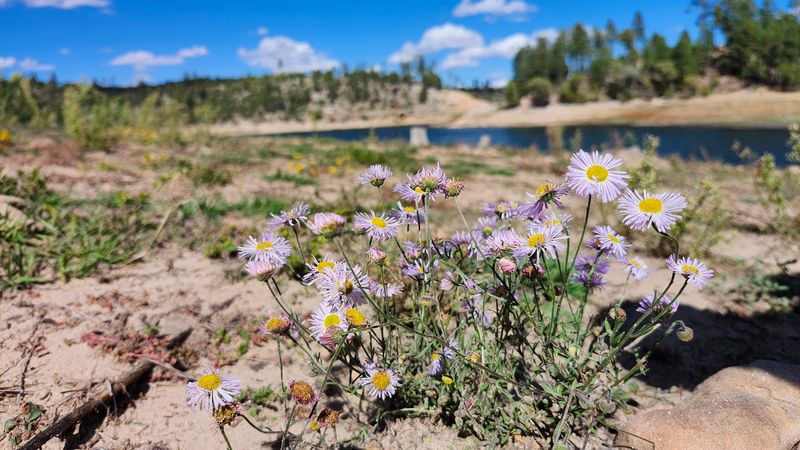
Every summer, the meadows and forest clearings of Apache-Sitgreaves burst into color with a wildflower display that longtime visitors say never gets old. Patches of purple, yellow, and red blooms carpet open areas between the pines, turning simple walks into something that feels almost magical.
Come autumn, the aspens take over. Their leaves shift from green to blazing gold almost overnight, creating a landscape that photographers and nature lovers chase every single year.
The contrast between golden aspen groves and dark evergreen pines is genuinely one of Arizona’s most underappreciated seasonal sights.
Planning your visit around these natural events is worth the effort. Late July through August brings peak wildflowers, while late September into October delivers the best aspen color.
Either season rewards you with scenery that makes you wonder why more people are not talking about this forest at the top of every must-visit list.
Winter Adventures: Snowmobiling, Skiing, and Sledding
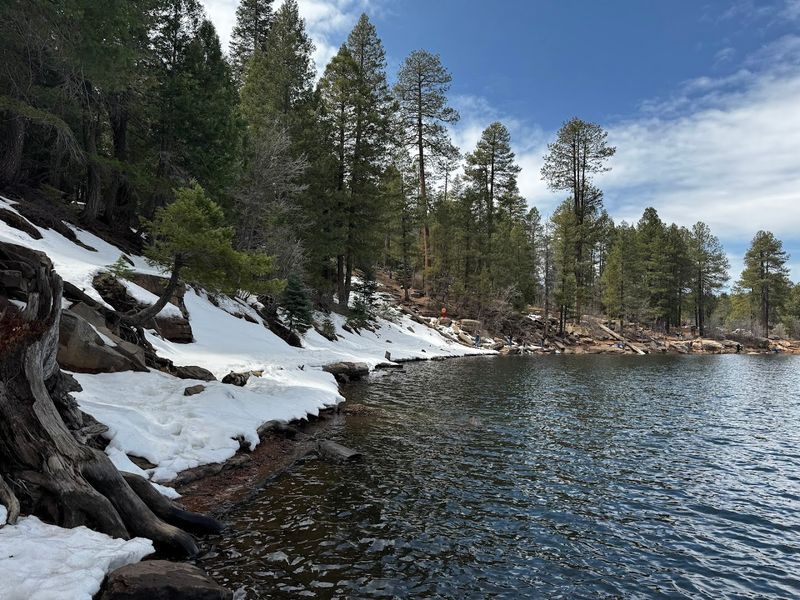
When snow blankets the White Mountains, Apache-Sitgreaves transforms into a completely different kind of playground. Snowmobilers have access to an extensive trail network that winds through snow-covered pines, and the scenery is the kind of thing that makes you forget how cold your fingers are.
Cross-country skiers love the quieter forest roads that become groomed tracks after a good snowfall. Families with kids tend to gravitate toward open slopes perfect for sledding, turning a simple afternoon into a memory that sticks around for years.
Nearby Sunrise Park Resort adds downhill skiing to the mix, making the area a legitimate winter destination.
One thing to keep in mind is that many forest roads and campsites are not plowed in winter, so access can be limited. Stick to main routes, dress in layers, and check road conditions before heading out.
The cold is worth it.
Cutting Your Own Christmas Tree
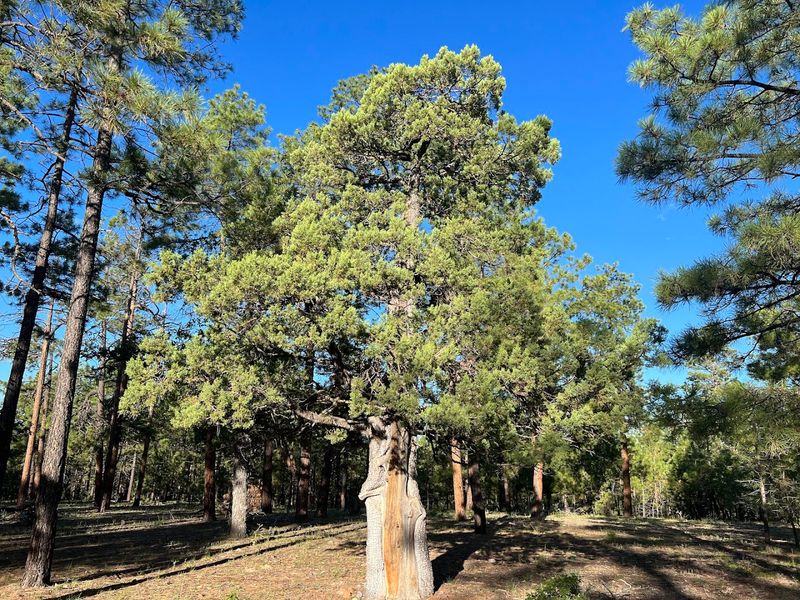
Here is a holiday tradition that beats any trip to a commercial Christmas tree lot. Apache-Sitgreaves National Forests allows visitors to cut their own Christmas tree with a permit, and the experience of picking the perfect tree straight from a mountain forest is genuinely hard to top.
Permits cost just fifteen dollars and can be purchased online, making the process simple and stress-free. Families who have done this talk about it like a yearly ritual, bundling up the kids, driving into the forest, and stomping through light snow to find the one tree that feels just right.
Deer sightings, snowy meadows, and the smell of fresh pine make the whole outing feel like a holiday movie scene. Just bring a handsaw, wear warm layers, and check with the Springerville ranger district for permit availability and designated cutting areas before you go.
ATV and Off-Road Exploration on Forest Roads
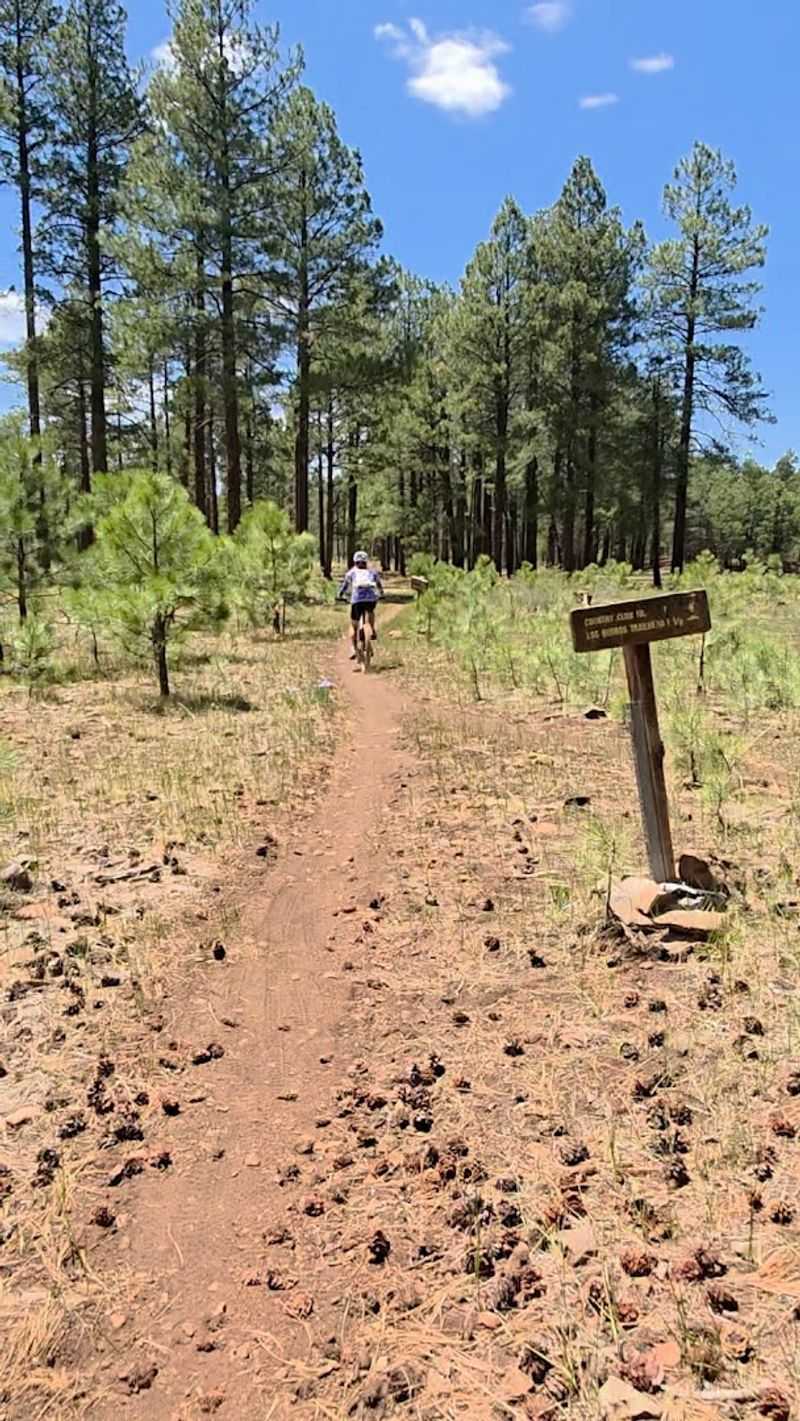
Hundreds of miles of dirt and rock forest roads crisscross the Apache-Sitgreaves, turning the entire landscape into a massive off-road playground. ATV riders, four-wheel-drive enthusiasts, and curious drivers willing to go slowly in a regular car all find something worthwhile out here.
One of the best parts about exploring these roads is the sense of genuine discovery. You never quite know what is around the next bend, whether it is a hidden meadow, a creek crossing, or a view that makes you pull over and just stand there for a few minutes.
The forest covers so much ground that you could spend multiple trips without repeating the same route.
Always carry more water than you think you need, pack a basic tool kit, and let someone know your planned route. Cell service gets spotty fast once you head off the main roads, so preparation is the difference between an adventure and a headache.
Boating and Canoeing on Mountain Lakes
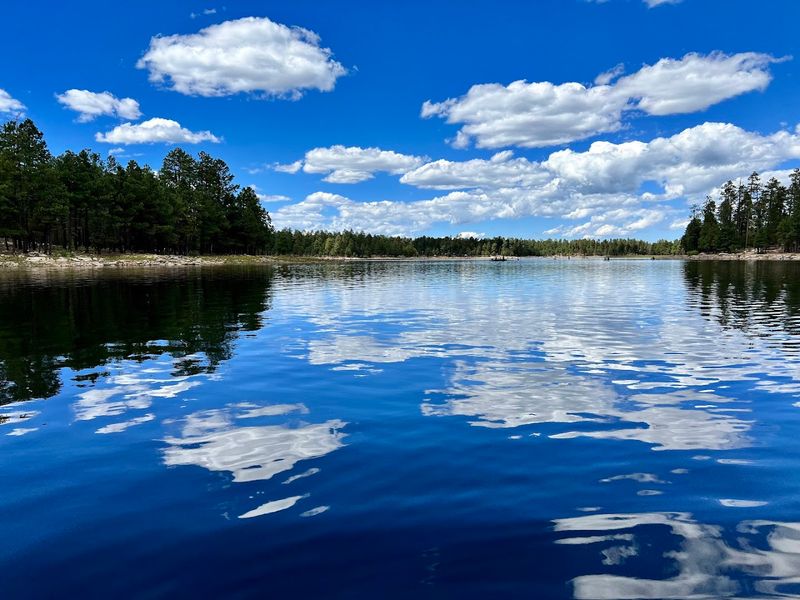
Gliding across a high-elevation lake with pine forests reflected in still water is the kind of experience that resets something deep inside you. Apache-Sitgreaves National Forests offer boating and canoeing opportunities on several lakes, giving water lovers a genuinely peaceful alternative to the crowded lakes down in the Valley.
Big Lake is the most popular choice, with a boat ramp and enough open water to paddle without feeling cramped. The elevation keeps temperatures cool even during summer, so a morning on the water feels refreshing rather than exhausting.
It is a completely different vibe from the loud, motorboat-heavy lakes most Arizonans are used to.
Canoes and kayaks work especially well on the smaller lakes where motorized boats are restricted. Bring sunscreen even on cloudy days because the mountain elevation makes UV exposure sneakier than you might expect.
A few hours on the water here is worth more than a full weekend anywhere else.
Picnicking in Alpine Meadows and Forest Clearings
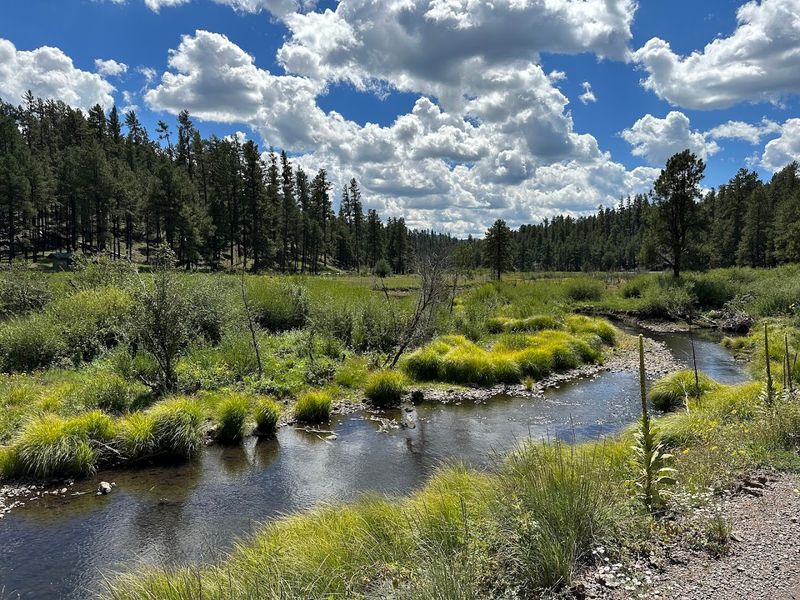
Sometimes the best outdoor experience is the simplest one. Spreading out a blanket in a shaded forest clearing or an open alpine meadow at Apache-Sitgreaves and doing absolutely nothing for a few hours is a genuinely underrated way to spend a day in Arizona.
The forest has numerous designated picnic areas with tables and restroom facilities, but some of the best spots are the informal clearings you stumble upon while exploring. Deer sometimes wander nearby, birds fill the air with sound, and the temperature stays comfortable even when Phoenix is baking at over 110 degrees.
Pack a real meal, not just snacks. Sandwiches, fruit, cold pasta salad, and something sweet make a picnic feel like an event worth planning.
Kids who spend an afternoon here chasing butterflies and building stick forts tend to call it one of their best days ever, and honestly, it is hard to argue with that.
The Post-Wallow Fire Recovery and New Growth Beauty
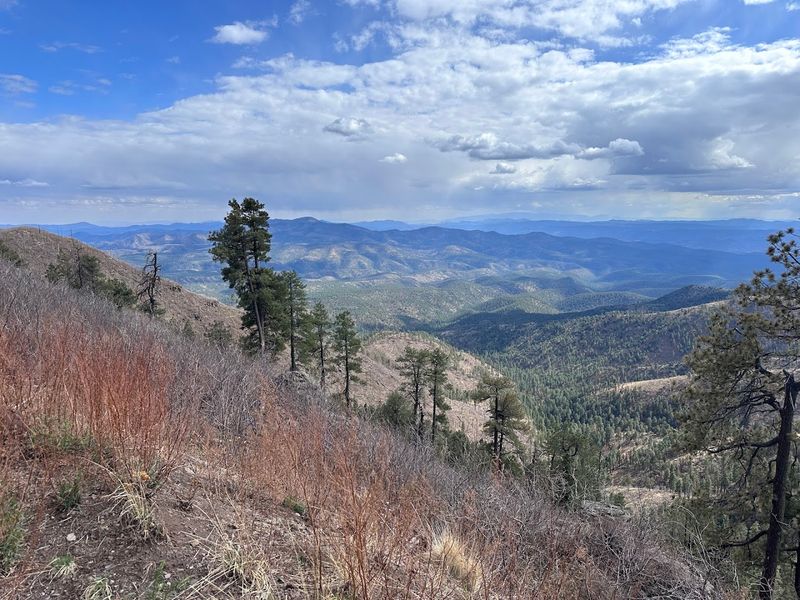
The 2011 Wallow Fire was the largest wildfire in Arizona history, burning through parts of the Apache-Sitgreaves and leaving a mark that concerned many visitors. Years later, the story of recovery happening across these mountains is quietly one of the most compelling things to witness in the entire forest.
Rather than a wasteland, what you find today is a patchwork of regrowth, open meadows filled with wildflowers, and stands of young trees pushing up through the ash-enriched soil. Experienced visitors describe it as beautiful in a different way, raw and honest and full of life returning on its own schedule.
Much of the forest was never touched by the fire and remains completely intact. Visiting both the recovering areas and the untouched old-growth sections gives you a fuller picture of just how resilient this landscape is.
Do not let old warnings keep you away from something this extraordinary.
Cool Summer Escape From the Arizona Desert Heat
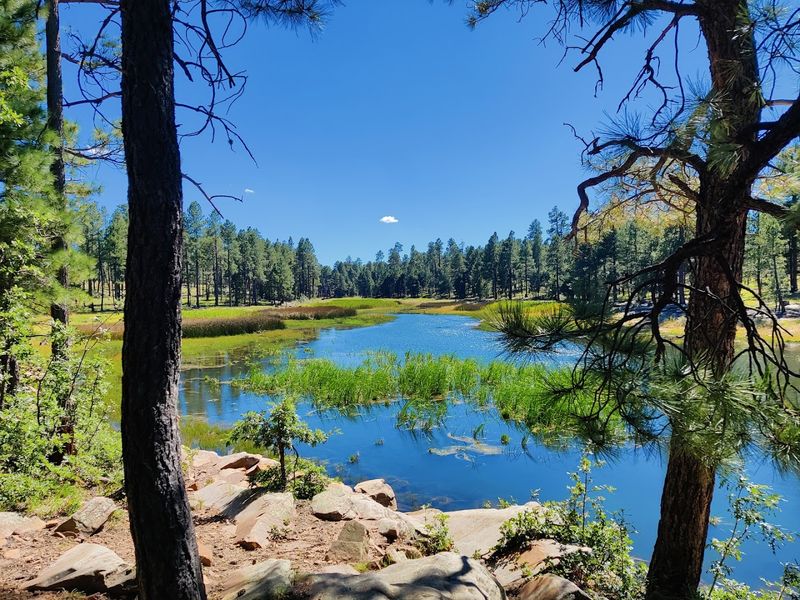
When the thermometer in Phoenix or Tucson climbs past 110 degrees, the White Mountains become the most popular secret in Arizona. Sitting at elevations between 7,000 and over 11,000 feet, Apache-Sitgreaves National Forests stay dramatically cooler than the desert below, making summer here feel like a completely different season.
Groups of eighty or more people have camped here together, renting portable facilities and spending weekends under cool pine shade while the rest of the state melts. The temperature difference can be as much as 30 to 40 degrees compared to the Valley, which sounds unbelievable until you feel it for yourself.
Even evenings and nights are genuinely pleasant, cool enough for a hoodie and a campfire, perfect for stargazing far from city light pollution. If your summer routine involves complaining about the heat, consider this your standing invitation to do something about it.
Leave No Trace and Responsible Forest Stewardship
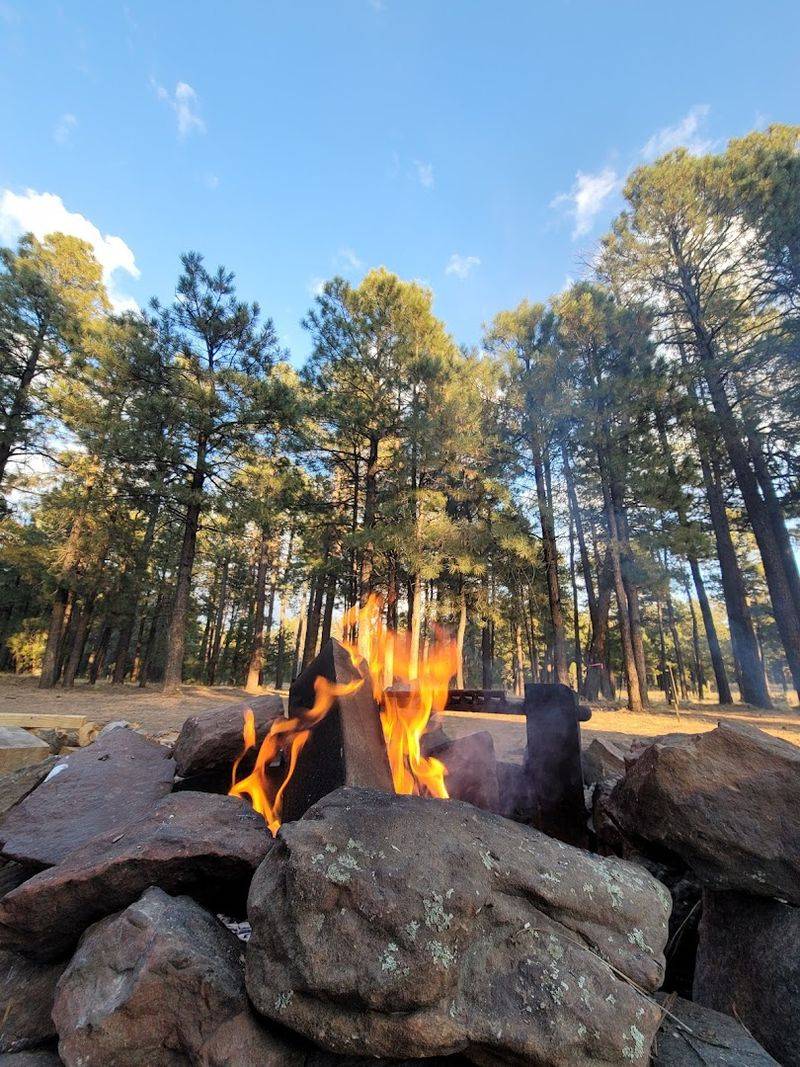
A forest this beautiful only stays that way when the people visiting it care enough to protect it. Apache-Sitgreaves National Forests cover two million acres, and the impact of careless visitors, cigarette butts, toilet paper on the trail, and bottles left behind, adds up faster than most people realize.
Longtime visitors and rangers alike emphasize a simple rule: leave it better than you found it. That means packing out everything you pack in, keeping campfires contained and fully extinguished, and being extra careful during fire season when a single spark can cause devastating damage to thousands of acres of irreplaceable wilderness.
Cigarette butts are one of the most common fire starters in forest environments, so keeping all butts inside your vehicle is a genuine act of care for this place. Responsible visitors make the experience better for everyone who comes after them, and that is a legacy worth leaving.
Enjoyed this story?
Add Fast Food Club as a preferred source to see more of our reporting on Google.