


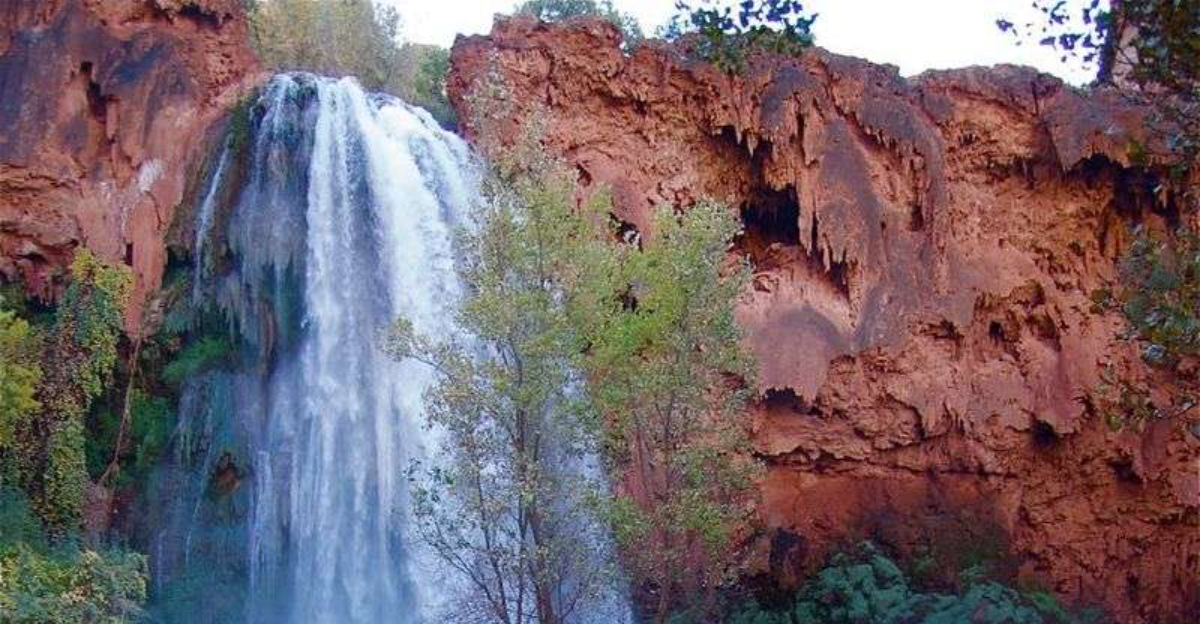
Deep inside a canyon that most people only see in photographs, water the color of turquoise spills over a red rock ledge into a pool that looks almost too bright to be real. Getting there takes planning, a permit that sells out in minutes, and a hike long enough to test your knees and your patience.
The payoff, though, keeps people coming back year after year, sometimes traveling across the world just for a few days beside this desert oasis. This story walks through what makes the trek worthwhile, how to actually pull it off, and the little details that turn a hard hike into a lifelong memory.
Grab your hiking poles and read on.
Where This Blue-Green Wonder Actually Hides
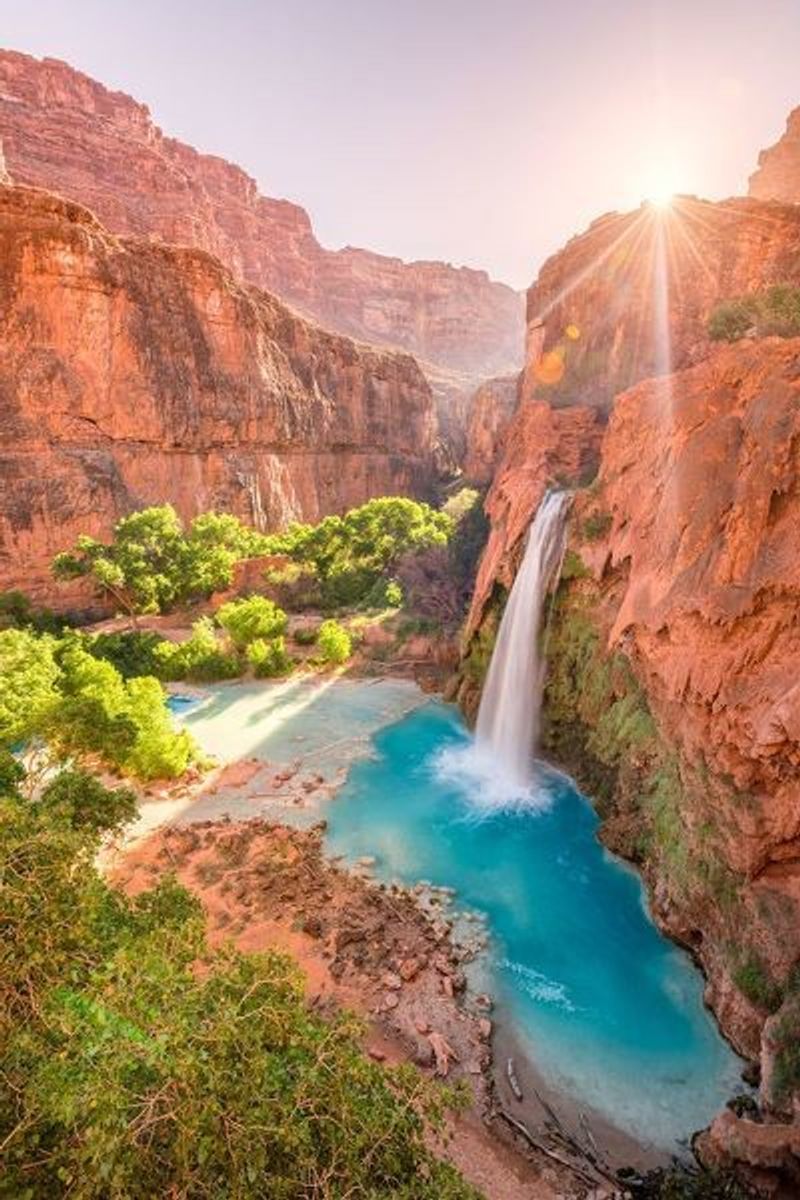
Tucked away on the Havasupai Indian Reservation in Arizona 86435, this waterfall sits far from any road you can simply drive up to. The nearest launch point is the Hualapai Hilltop trailhead, and everything after that happens on foot, by mule, or by helicopter.
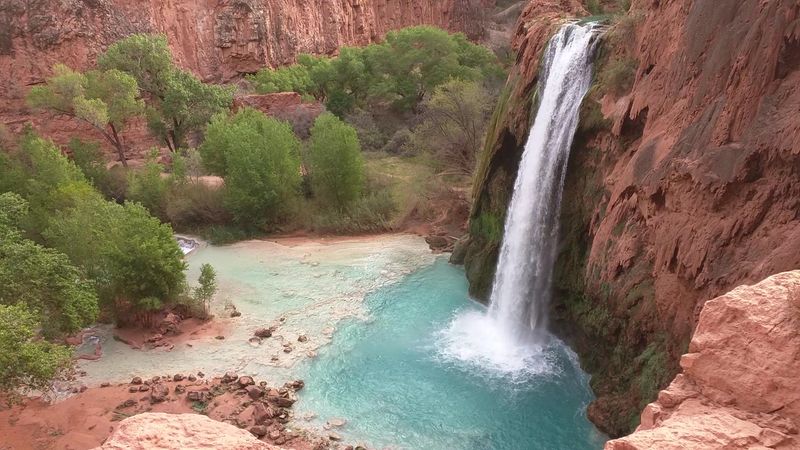
The falls pour into a dramatic blue-green pool that has become one of the most recognizable natural sights in the American Southwest. It rests below the small community of Supai Village, deep in Havasu Canyon.
Nobody stumbles onto this place by accident. Reaching it means committing to roughly a ten-mile hike each way from the hilltop, descending steadily into the canyon before the water finally comes into view.
Because it belongs to the Havasupai Tribe, access is controlled and limited. That protection is part of why the water stays so clean and the surroundings feel untouched by crowds and commercial clutter.
Once you make that final turn and see the color for the first time, the long approach starts to make perfect sense.
The Permit Hunt That Starts On February 1st
Scoring a spot here is famously the hardest part of the whole adventure. Permits go on sale every February 1st at 8:00 a.m.
MST through the official Havasupai Tribe website, and they often sell out within minutes or overload the site entirely.
Regulars suggest creating your account ahead of time so you are ready to move fast when the clock hits eight. Patience helps too, since cancellations and new dates sometimes open up later in the year for those who keep checking.
Another route people mention is the Havasu Falls Facebook group, where travelers occasionally pass along reservations they can no longer use. When you do book, be prepared to pay the full cost for your entire party right away.
The lottery-style system frustrates plenty of hopefuls, but it exists for a reason. Limiting the number of people keeps the canyon quiet and the falls pristine.
Do not plan on driving out to grab a walk-up permit, because arriving without a reservation can mean being turned away after all that effort.
A Ten-Mile Trek That Earns Its Reputation
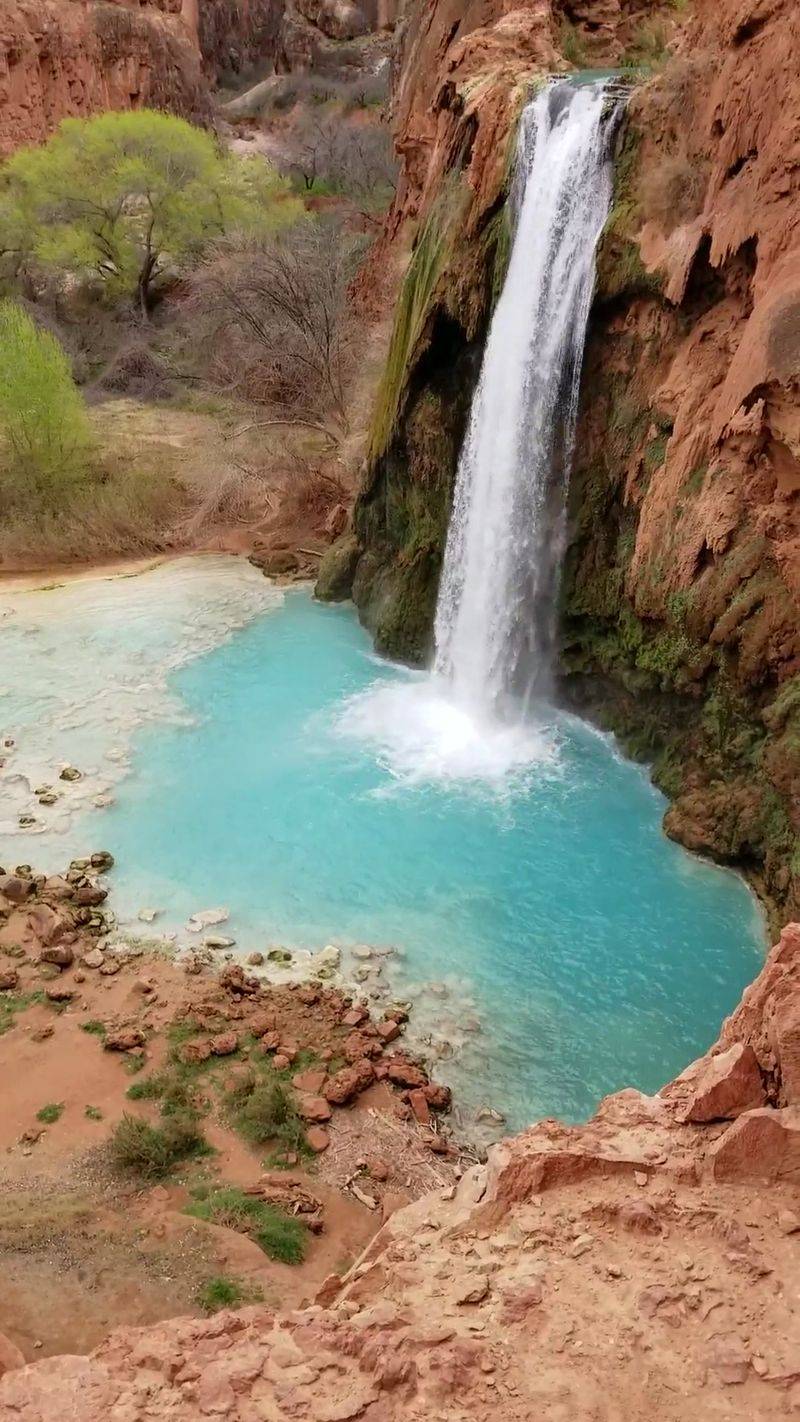
Roughly ten to twelve miles stand between the Hualapai Hilltop trailhead and the campground, and the trail does not hand out shortcuts. It winds down into the canyon, past Supai Village, and finally toward the falls themselves.
The route is strenuous, especially with a full pack of backpacking gear on your shoulders. Many people start hiking as early as three to five in the morning to beat the daytime heat, since this is desert country and dehydration is a real danger.
Carrying two to three liters of water per person is a common piece of advice, along with hydration tablets to keep energy up. Hiking poles get high marks for saving knees and backs on the long descent and the tougher climb back out.
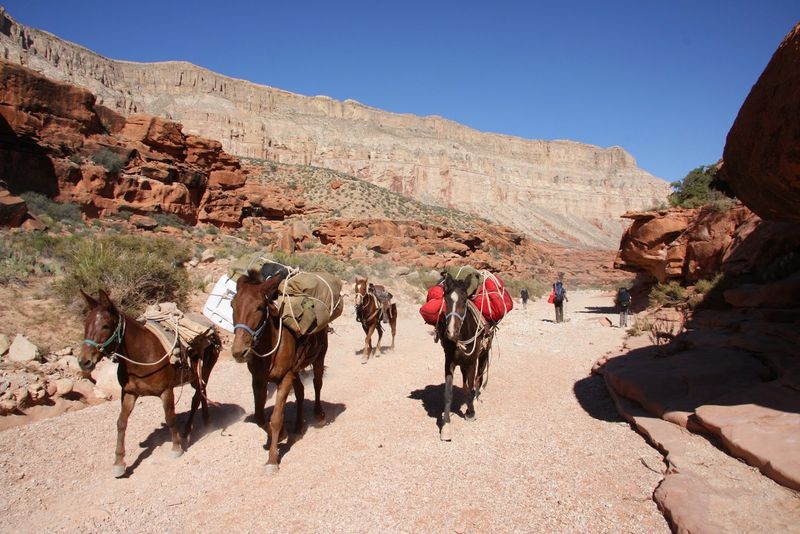
For those who would rather not carry everything, mules can transport luggage, and a helicopter option exists for the trip out. Still, plenty of hikers insist that carrying your own pack and walking both directions delivers the fullest experience.
Comfortable, broken-in shoes are non-negotiable.
That Unbelievable Turquoise Color
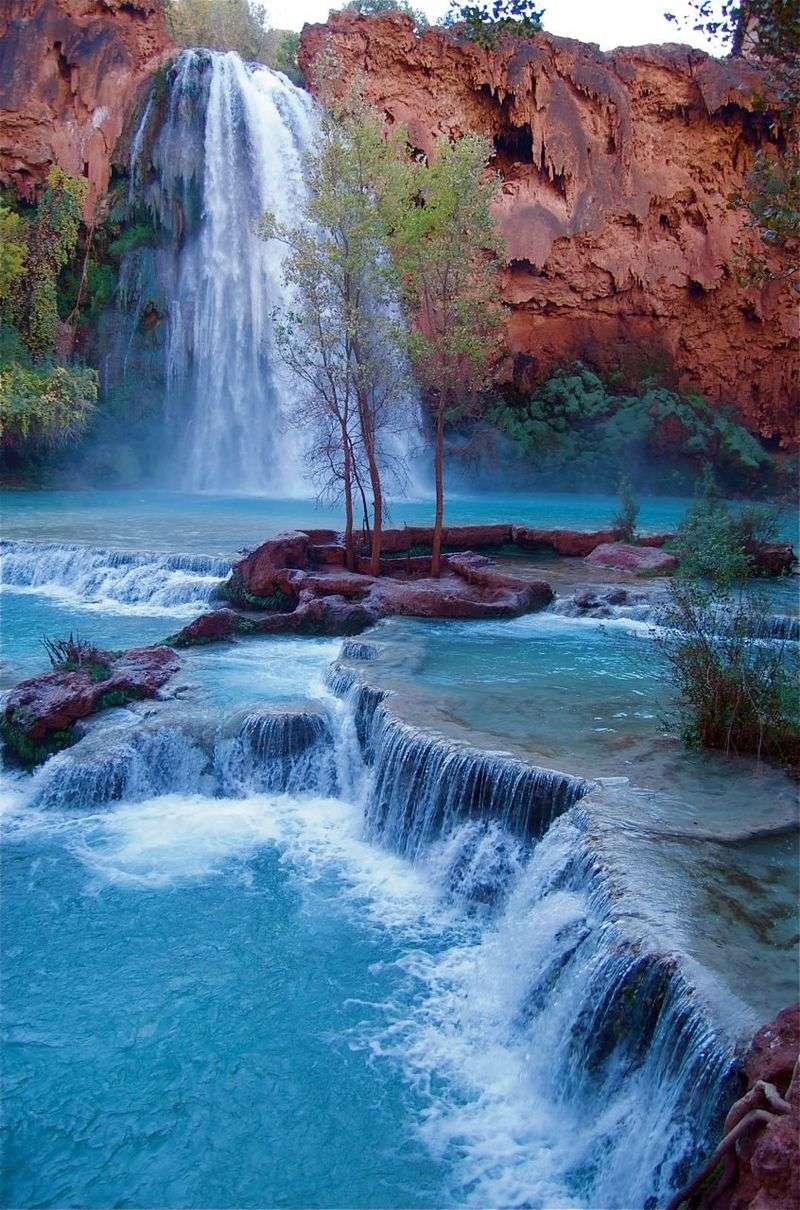
People travel from across the globe chasing the shade of blue-green that fills this pool, and photos rarely do it justice. The mineral-rich water carries a color that many describe as almost impossible to believe until they see it in person.
Travertine dams help shape the pools below the main drop, creating tiers of water that catch the light. The sun reaches this fall early in the morning, which makes for some of the best photo opportunities of the day.
Photography fans should bring a camera and try long-exposure shots to capture the motion of the falling water. The contrast between the red canyon walls and the bright pool is a big part of what makes the scene so striking.
Weather can change the picture dramatically. During winter storms and flooding, the water can turn brown and cloudy for a time before returning to its signature hue.
Even on an off day, the falls hold their beauty, which says a lot about how special the place is at its best.
Swimming In The Pool Below The Drop
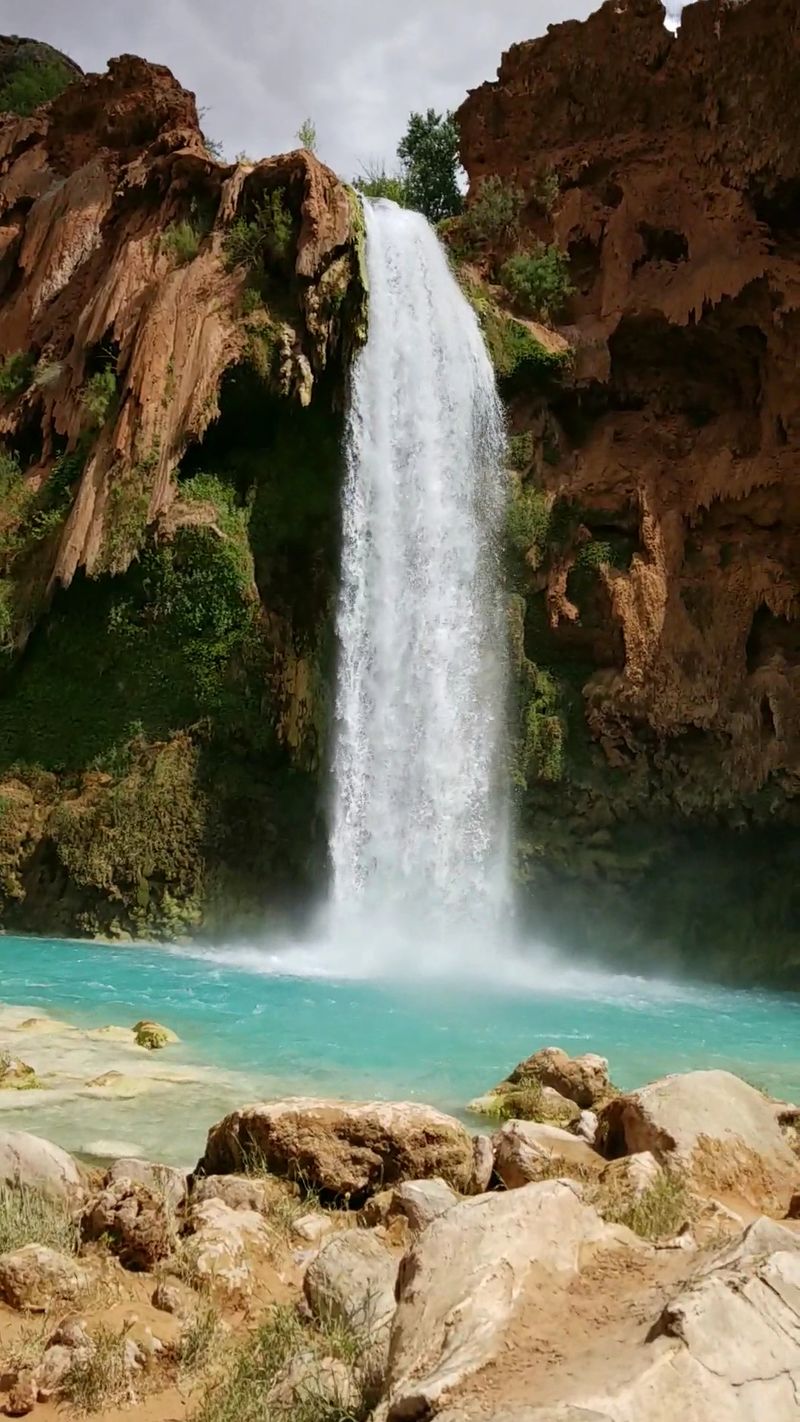
Cooling off in the pool at the base of the falls is one of the great rewards after that long walk in. The water stays surprisingly comfortable, and even in May getting in is no problem.
Timing matters if you want the place to yourself. The water tends to be warmest late in the day, around six in the evening, when most people have wandered off and the pool grows quiet.
There is a jump spot near the middle of the falls, and confident scramblers can sometimes work their way behind the curtain of water. The rock surface underfoot is rough, so sturdy water shoes are strongly recommended to protect your feet.
Play it safe while having fun, because a slip on that surface can lead to a stubbed or broken toe in a hurry. The reward for a little caution is time spent floating in one of the most photographed swimming holes in the desert, far from any city noise.
More Waterfalls Waiting Down The Canyon
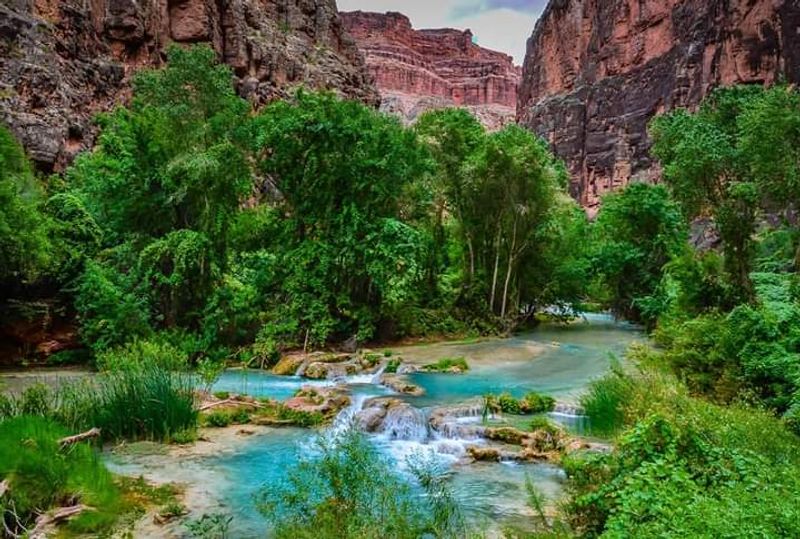
Havasu Falls may steal the spotlight, but it is far from the only cascade in this canyon. Before you even reach the campground, Fifty Foot Falls and Navajo Falls give hikers a boost of encouragement that the destination is near.
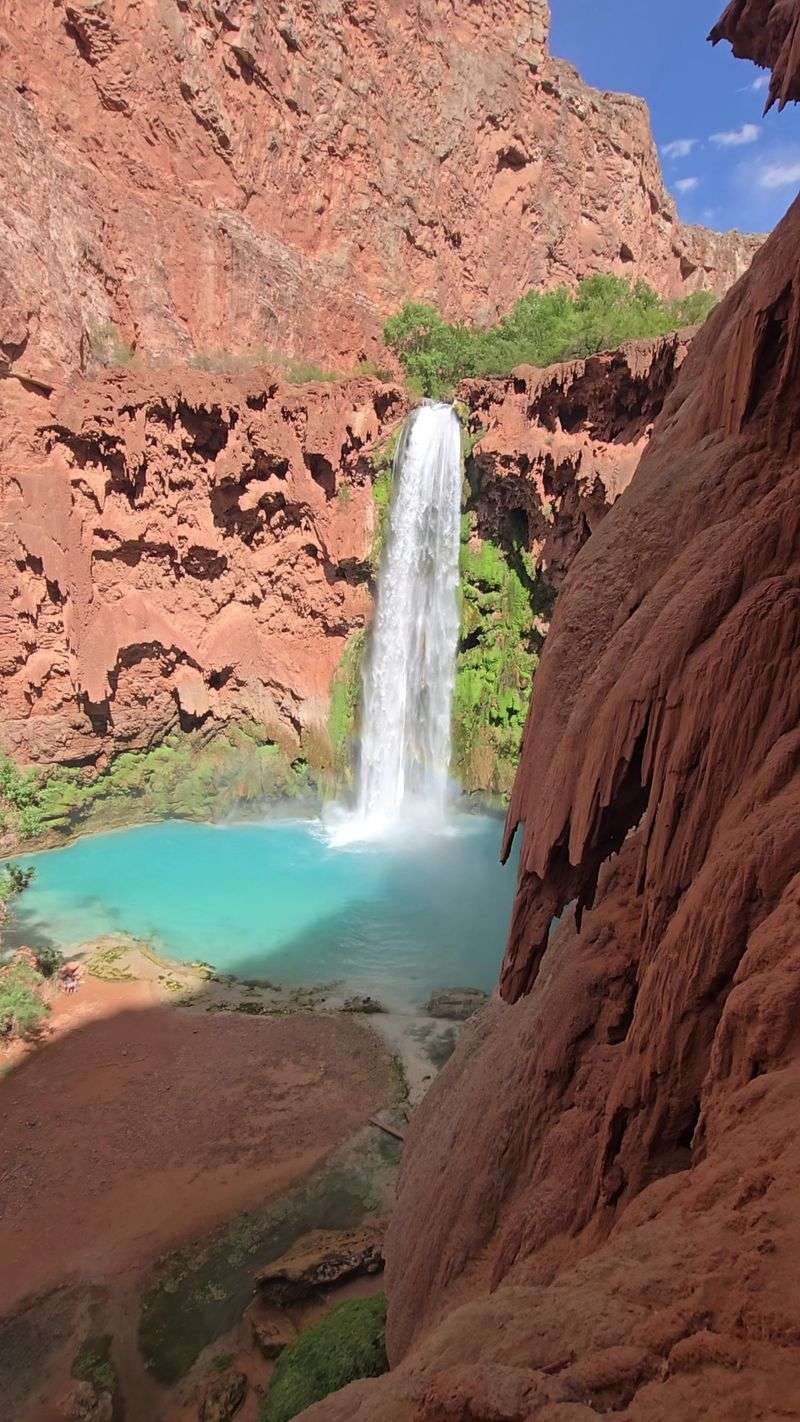
Mooney Falls stands as the tallest of the bunch, about a two-mile hike from the campground. Reaching its base means descending a natural staircase along a slippery rock wall, where keeping three points of contact is the smart move.
Farther along, the path to Beaver Falls threads through lush greenery that feels worlds away from the surrounding desert. That stretch can add up to roughly three miles one way, and pushing all the way to the confluence can mean around nine miles in a single direction.
Little Navajo Falls and the Matkatamiba trail round out the options for those with extra days. Setting aside a full day to explore beyond Havasu Falls lets you see just how much this canyon quietly holds.
Camping, Lodging, And Getting Back Out
Staying overnight is part of the deal, since this is at least a two to three day trip if you want to see everything. Two options exist: camping in the canyon or booking a room at the lodge in Supai Village, and both must be reserved well in advance.
The lodge has run around 440 dollars for a room that sleeps four, and it sits about two miles from the first waterfall. The campground, by contrast, is right beside the falls, with some of the best sites located to the right of the entrance closer to the creek.
A spring provides drinking water at the campground, though carrying a filter is a smart backup. Keep food secured and elevated, because the local critters have gotten very good at raiding careless campers.
For the return trip, a helicopter ride back up to the trailhead has cost around 100 dollars per person, with credit cards accepted and waits of a couple hours. Mules can also haul gear out for those who would rather travel light.
Why This Journey Sticks With People
Something about this canyon turns a strenuous trip into a story people tell for years. It lands on bucket lists and stays there, holding a steady 4.5-star reputation across hundreds of accounts of aching muscles and pure wonder.
The remoteness is a feature, not a flaw. Being far from society, without cell service pulling at your attention, gives the whole experience a rare sense of calm and reconnection with the outdoors.
Respect goes a long way here. Packing out everything you bring in, staying on the trail, and being kind to the Havasupai locals are all part of honoring the privilege of visiting.
Taking time to ask about the culture and history of the falls adds a layer of meaning that scenery alone cannot.
Even people who do not consider themselves hikers have made it through and come away proud. The path is long, the permits are tricky, and the climb out is honest work.
Yet for those who commit, this desert oasis proves worth every single step.
Enjoyed this story?
Add Fast Food Club as a preferred source to see more of our reporting on Google.