


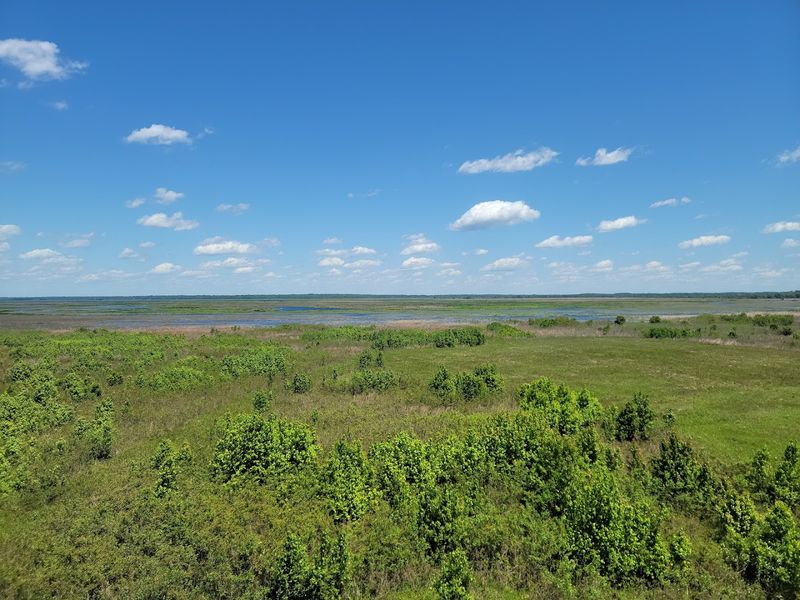
Most people picture beaches and theme parks when they think of Florida, but Paynes Prairie Preserve State Park near Micanopy quietly breaks every expectation. Spread across 22,000 acres of open grassland, wetlands, and forest, this place looks more like an African savanna than a typical Florida park.
Wild bison roam freely, Spanish horses graze in open fields, and alligators slip through the water like they own the place. If you have never heard of Paynes Prairie, that is about to change.
Wild Bison Roaming Free on the Prairie
Seeing a bison in Florida sounds like something out of a dream, but at Paynes Prairie it is completely real. A small herd of American bison lives here, roaming the open grassland just as they did centuries ago.
Spotting them feels like a scene from the Great Plains, not the Sunshine State.
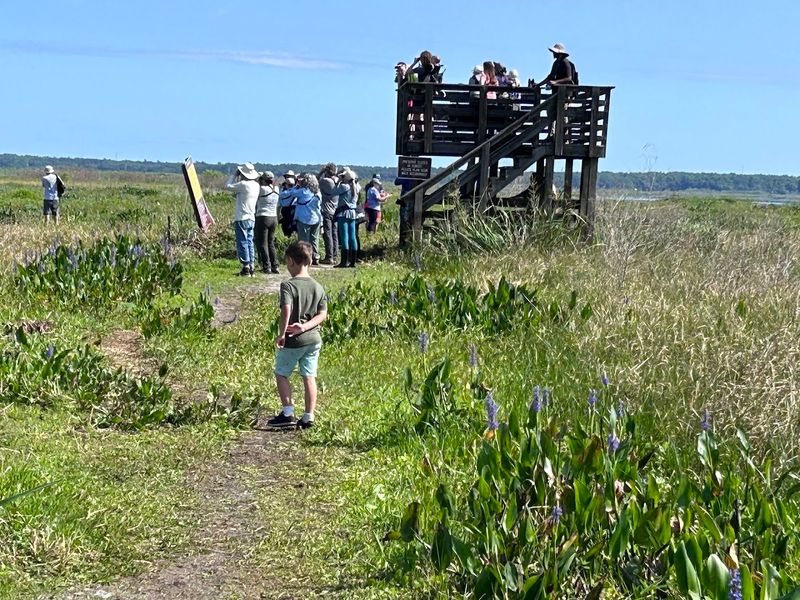
Your best chance of seeing the herd is from the Ecopassage Observation Boardwalk right off US Highway 441. Binoculars are strongly recommended since the animals tend to stay far from the trail.
Early morning and late afternoon are the prime windows when bison are most active.
Rangers at the visitor center can give you the latest tips on where the herd has been spotted recently. Patience pays off here.
Even if the bison stay distant, watching them move slowly across that wide-open prairie is a memory you will carry for a long time.
Spanish Colonial Horses Running Wild
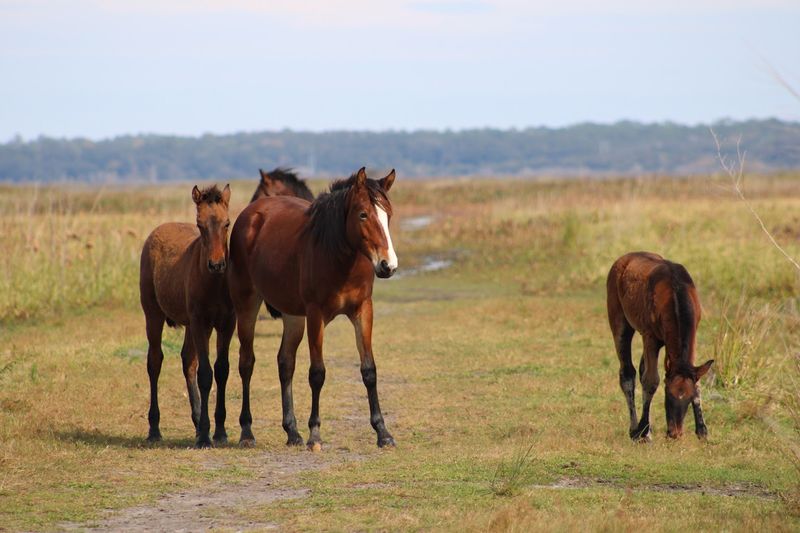
Few sights in Florida compare to watching a band of wild Spanish horses move across the prairie like they have been there forever, because in a way they have. These horses are descended from animals brought to Florida by Spanish explorers in the 1500s, making them a living piece of American history.
Trail 5 near the visitor center is one of the most reliable spots to encounter them up close. Visitors have reported horses walking just a few feet away on the path, which is both thrilling and humbling.
Keep a respectful distance and never try to feed or touch them.
The best sightings tend to happen in the cooler months from October through March when the horses are more active in the open areas. Bring a camera with a good zoom lens and move slowly.
These animals are wild, and every encounter is a genuine surprise.
The Observation Tower View That Stops You Cold
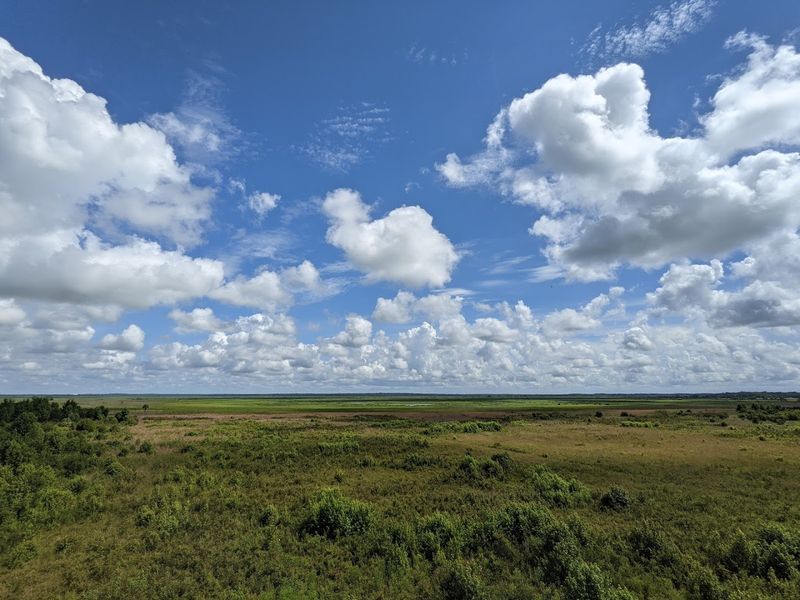
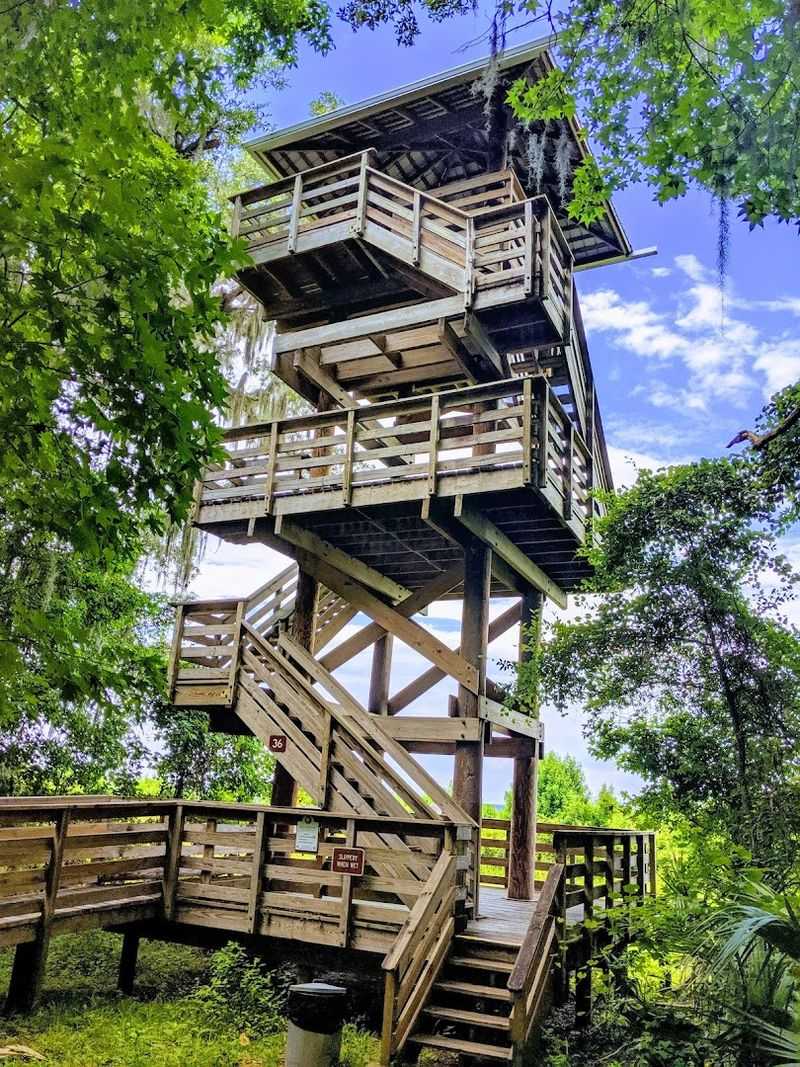
Standing at the top of the observation tower near the visitor center is one of those moments that makes you forget what you were going to say next. The prairie stretches out in every direction, flat and enormous, dotted with birds, grazing animals, and shimmering water in the wet season.
Nothing quite prepares you for how big it actually feels.
The tower is easy to reach from the main visitor center parking area and is accessible for most visitors. Early morning light turns the whole prairie gold, making it an especially rewarding stop for photographers.
Sunset visits are equally stunning, with the sky turning vivid shades of orange and pink above the open land.
Even on days when wildlife stays hidden, the view alone makes the climb worth it. Bring water, take your time at the top, and just let the scale of the place settle in around you.
Alligators Everywhere You Look
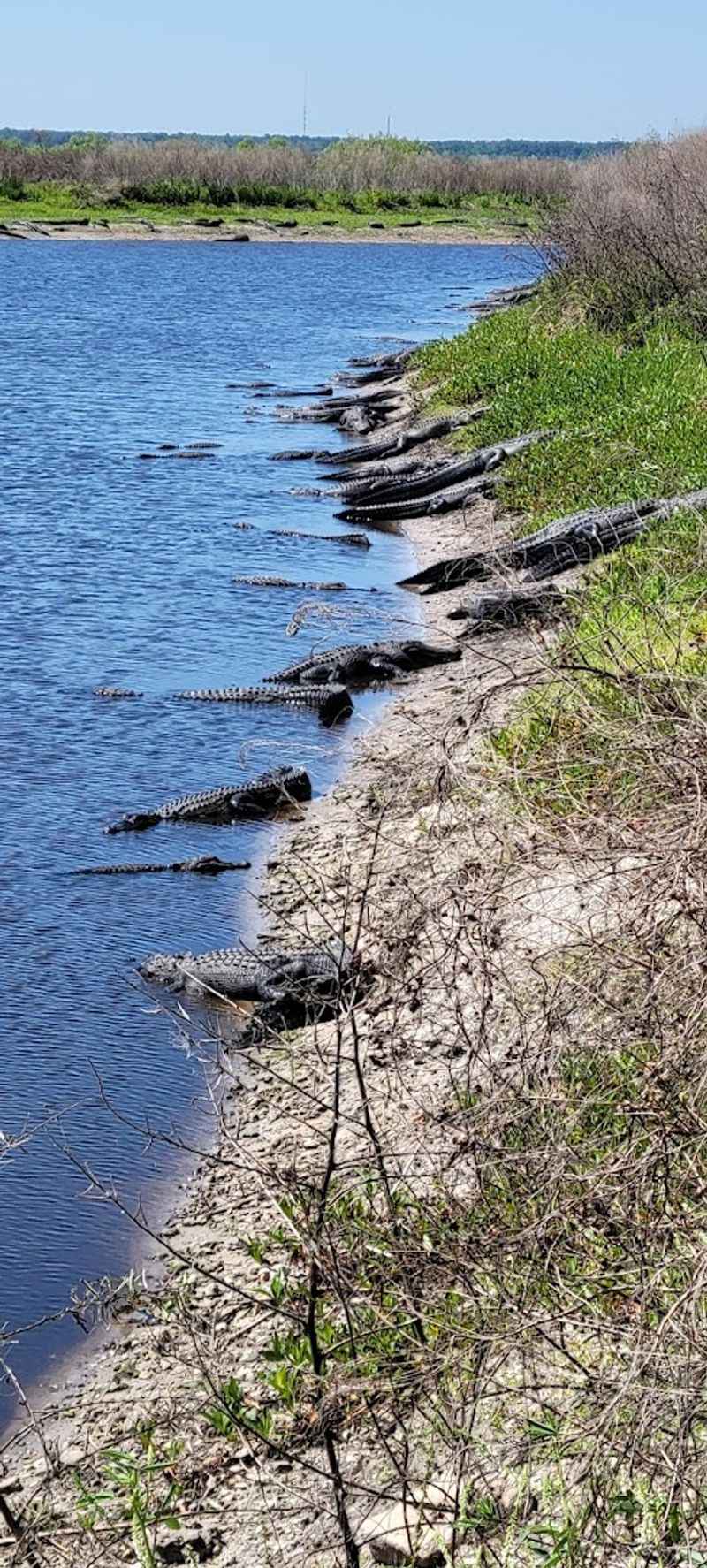
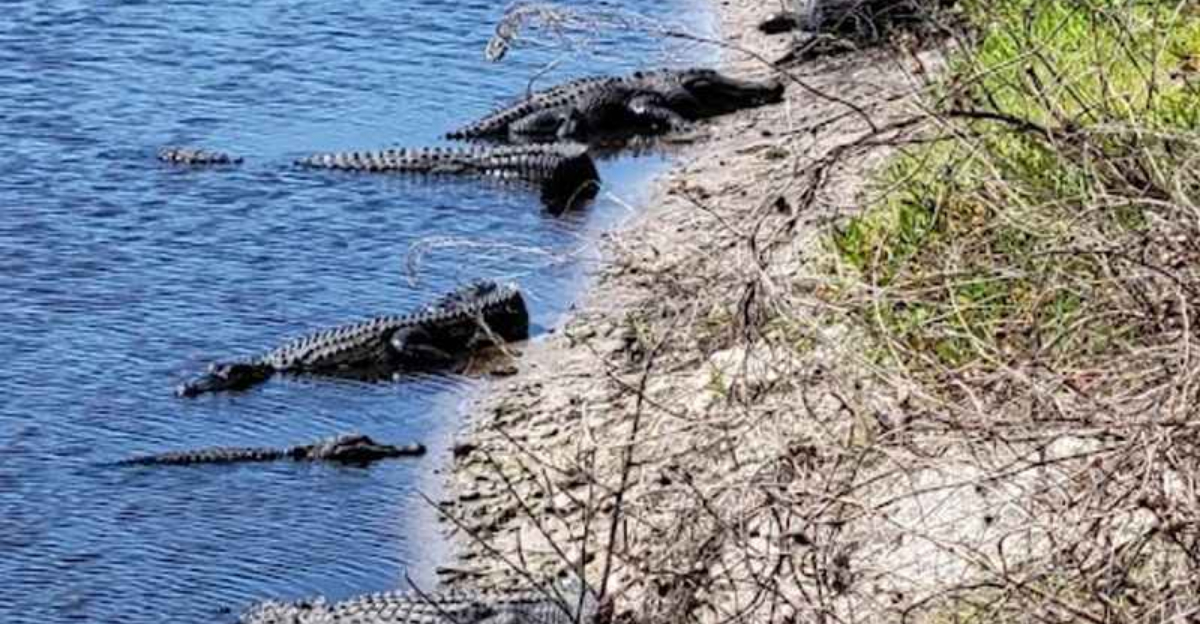
Paynes Prairie is not shy about its alligator population. These ancient reptiles show up on trails, in waterways, and along the boardwalks with a casual confidence that reminds you who the real locals are.
Some of the gators spotted here are genuinely massive, and seeing one up close in the wild is both exciting and a little sobering.
The La Chua Trail on the north side of the park, accessible from Gainesville, is famous for some of the most concentrated alligator sightings in the entire state. Dozens of gators have been seen lounging along that trail on a single visit.
Always stay on marked paths and keep children and pets close.
Rangers recommend visiting in the morning when gators are more likely to be sunbathing and visible. This is not a zoo encounter.
These animals are wild, powerful, and completely at home in their environment, which makes every sighting feel electric.
World-Class Bird Watching Across Every Habitat
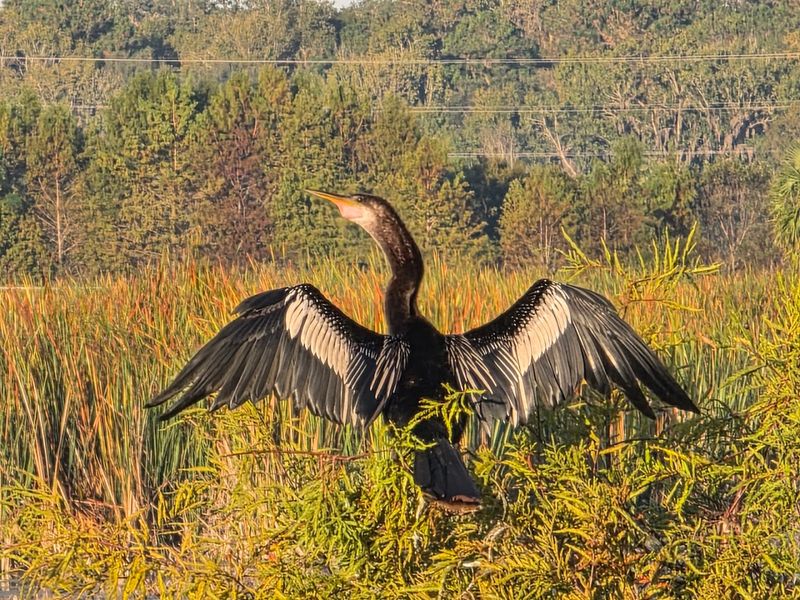
Bird lovers talk about Paynes Prairie the way foodies talk about a legendary restaurant. Over 270 species of birds have been recorded here, making it one of the top bird watching destinations in the entire southeastern United States.
The mix of open prairie, wetlands, and dense forest creates perfect conditions for an incredible variety of species.
Sandhill cranes are almost impossible to miss, often walking right across the trails in pairs. Bald eagles circle overhead regularly, and wading birds like great blue herons and roseate spoonbills work the shallow water edges with elegant focus.
Migratory species pass through in huge numbers during fall and spring.
A good pair of binoculars makes a real difference here. Early morning is the most active time, especially along the boardwalk areas where water birds gather in large groups.
Whether you keep a life list or just enjoy watching, the bird life at Paynes Prairie delivers every single time.
Miles of Trails for Every Type of Adventurer
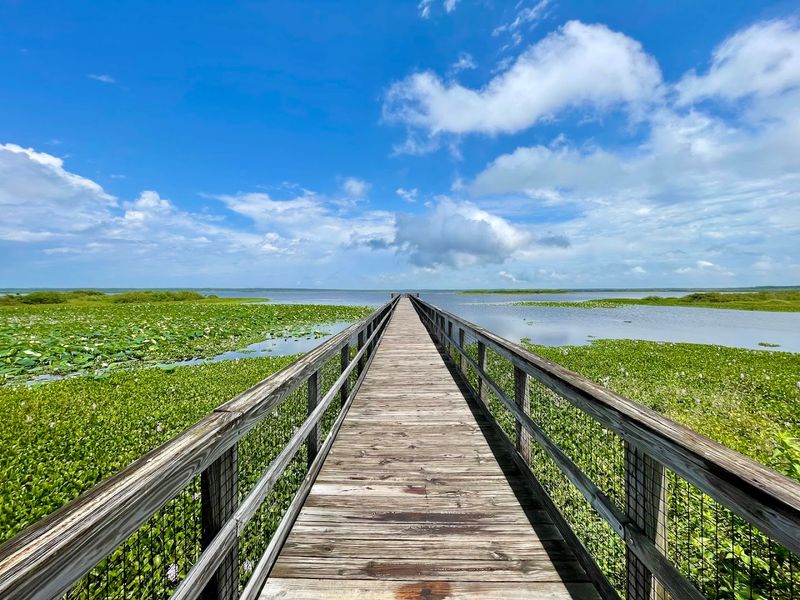
Whether you want a quick one-mile stroll or a full-day exploration, Paynes Prairie has a trail for you. The park offers a wide network of paths suited for hiking, biking, and horseback riding across dramatically different landscapes.
You can move from shaded forest to wide-open savanna within the same walk.
Most trails are flat and well-maintained, which makes them great for families, casual hikers, and cyclists of all ages. Trail 7 is a favorite for those willing to walk farther, leading through woodlands before opening onto the prairie where wildlife sightings are common.
Bring water no matter which trail you choose since shade can be limited.
The park provides a trail map at the visitor center that lists distances clearly, which is more helpful than the online version. Wear sturdy shoes, watch for tree roots, and pay attention to trail markers.
Each trail offers something genuinely different from the last.
Camping Under the Stars in a Forested Campground
Spending a night at Paynes Prairie is a completely different experience from a day visit. The campground sits tucked inside a forested section of the park, giving campers a shaded, quiet retreat after a day of exploring the open prairie.
Sites are spacious, mostly level, and finished with gravel pads that keep things tidy.
Each site comes with electric and water hookups, a fire ring, and access to clean bathhouses with hot showers. Firewood is available for purchase near the ranger station, though the park does not sell ice, so plan ahead.
Roads throughout the campground are paved, which is a nice bonus for RV travelers.
The tent camping sites offer a bit more seclusion, set back from the road so you walk in about 100 feet. Waking up to bird calls and the rustle of armadillos in the underbrush is a genuinely wild way to start a Florida morning.
The Visitor Center That Actually Helps You Plan
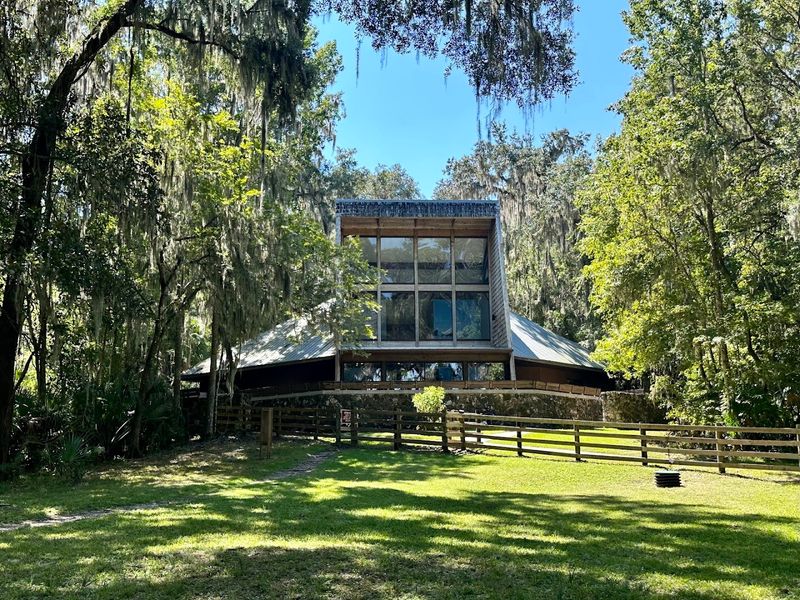
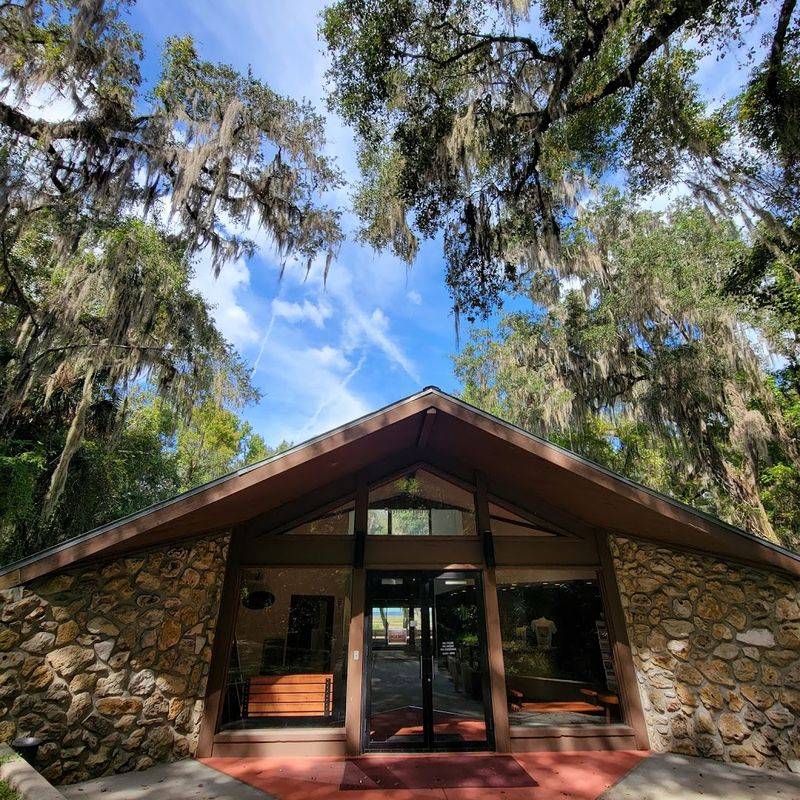
Skipping the visitor center at Paynes Prairie is a mistake most first-timers make and regret. The staff there are genuinely knowledgeable and happy to tell you where animals have been spotted that day, which trails are best for your fitness level, and what to watch out for on the paths.
That kind of real-time local knowledge is hard to find anywhere else.
The center also features well-designed nature displays that give helpful context about the prairie ecosystem, its history, and the species that call it home. Picking up a printed trail map here is highly recommended since the paper version shows distances that the online map does not.
On Washington’s Birthday, admission to the park is free, which is a great time to visit if your schedule allows. The center sells small souvenirs and stickers, and the staff genuinely seem to love what they do.
Stop here first and your whole visit will run smoother.
A Prehistoric Landscape with Deep Florida Roots
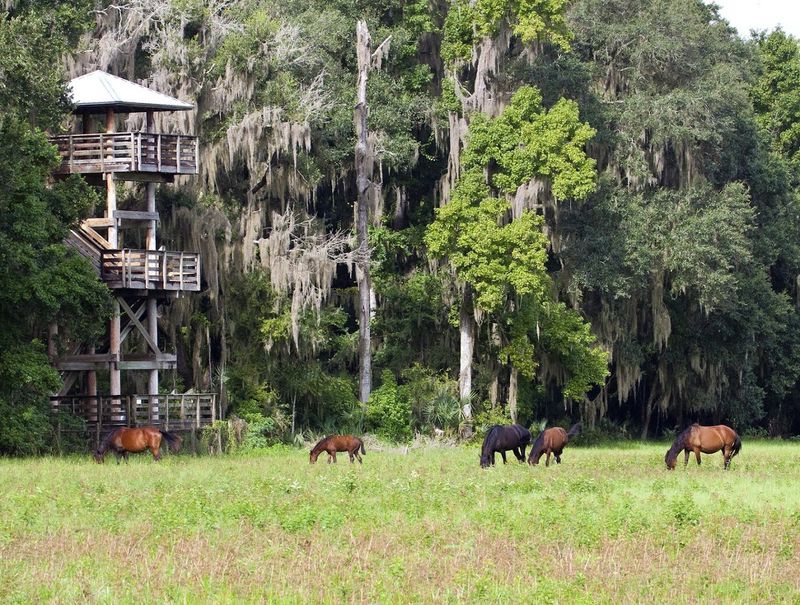
Paynes Prairie has been an important landmark for thousands of years. Long before Florida became a state, this massive basin was a crossroads for Native American communities, Spanish settlers, and early naturalists who marveled at its scale and richness.
William Bartram, the famous colonial botanist, explored and wrote about this area in the 1700s, describing it as one of the most extraordinary places in North America.
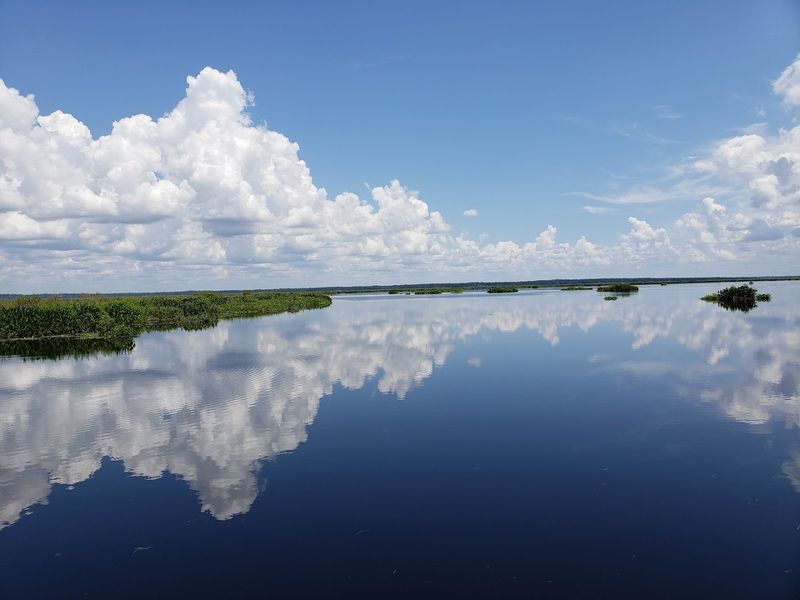
The prairie itself formed in a natural limestone basin that fills with water during wet seasons and drains during dry ones, creating a constantly shifting habitat. This cycle of flooding and drying is exactly what makes the ecosystem so productive and diverse.
It is one of the most significant natural areas in the entire state.
Understanding the history behind the landscape adds a whole new layer to any visit. You are not just walking through a pretty park.
You are moving through a place that shaped Florida long before anyone drew a border around it.
Biking Through Open Prairie Like a True Explorer
Bringing a bike to Paynes Prairie unlocks a completely different side of the park. The flat, well-paved roads and wide trails make cycling here genuinely enjoyable rather than a workout ordeal.
You can cover far more ground on two wheels, which means more chances to spot wildlife across the open prairie sections.
Campers staying at the park have ridden bikes to explore nearby Micanopy, a charming old town about two miles away with antique shops, a small museum, and excellent local restaurants. It is a relaxed and rewarding side trip that pairs perfectly with a park visit.
The trails open to bikes are clearly marked, and most surfaces are smooth enough for standard road or hybrid bikes. Fat-tire bikes handle the softer sections better if you plan to venture off the main paths.
Bring a lock, carry water, and give yourself more time than you think you need. The prairie has a way of slowing you down in the best possible way.
The Ecopassage Boardwalk Off Highway 441
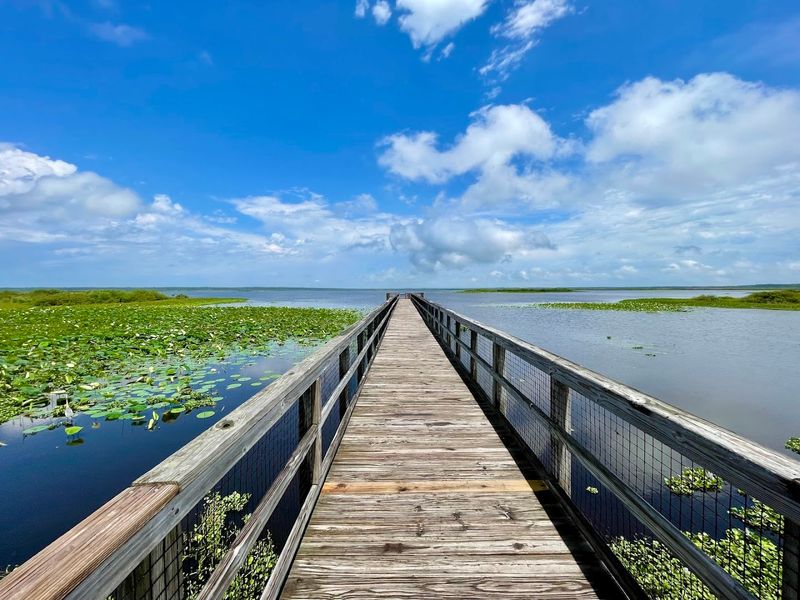
Not everyone has time to hike deep into the park, and that is exactly why the Ecopassage Observation Boardwalk off US Highway 441 is such a valuable spot. You can pull off the highway, walk a short distance to the boardwalk, and get a sweeping view of the prairie without any serious trail commitment.
It is one of the best quick stops in all of Florida.
This is also one of the most reliable places to spot bison from a distance, especially in the cooler months. Reviewers consistently point to this boardwalk as the go-to location for buffalo sightings.
Bring binoculars or a camera with a strong zoom because the animals tend to stay well out in the open prairie.
The boardwalk is free to access from the highway pulloff, making it a perfect option for road trippers who want a taste of the park without paying the full entry fee. Sunrise and late afternoon visits offer the best light and the most active wildlife.
An Affordable Adventure That Costs Almost Nothing
One of the most refreshing things about Paynes Prairie is how little it costs to have an extraordinary experience. Entry is just six dollars per carload, which means a family of four pays less for a full day of wildlife viewing than a single fast food meal.
That kind of value is genuinely rare, especially for a park of this size and quality.
On select holidays like Washington’s Birthday, admission is completely free, making it a popular day trip for families and road trippers passing through the Gainesville area. The park is open every day from 8 AM to 8:45 PM, giving visitors plenty of daylight hours to explore multiple trails and viewpoints.
Camping fees are also very reasonable compared to private campgrounds in the area. For the level of wildlife access, trail variety, and sheer natural beauty on offer, Paynes Prairie delivers one of the best dollar-for-dollar outdoor experiences in the entire state of Florida.
Exploring Nearby Micanopy, Florida’s Oldest Inland Town
Micanopy earns its reputation as one of the most charming small towns in Florida, and its location right next to Paynes Prairie makes it a natural add-on to any park visit. Founded in 1821, it holds the title of Florida’s oldest inland town, and walking its shaded streets genuinely feels like stepping back in time.
Spanish moss hangs from massive live oaks over a main street lined with antique shops and historic storefronts.
Several well-reviewed restaurants are within easy reach, including Pearls Country BBQ and Blue Highway Pizza, both of which have earned loyal fans among park visitors. The town also has a small museum worth a quick stop for anyone curious about the area’s layered history.
Micanopy is only about two miles from the park campground, making it an easy bike ride or short drive. Pair an afternoon in the park with an evening stroll through Micanopy and you have a near-perfect Florida day.
Enjoyed this story?
Add Fast Food Club as a preferred source to see more of our reporting on Google.