


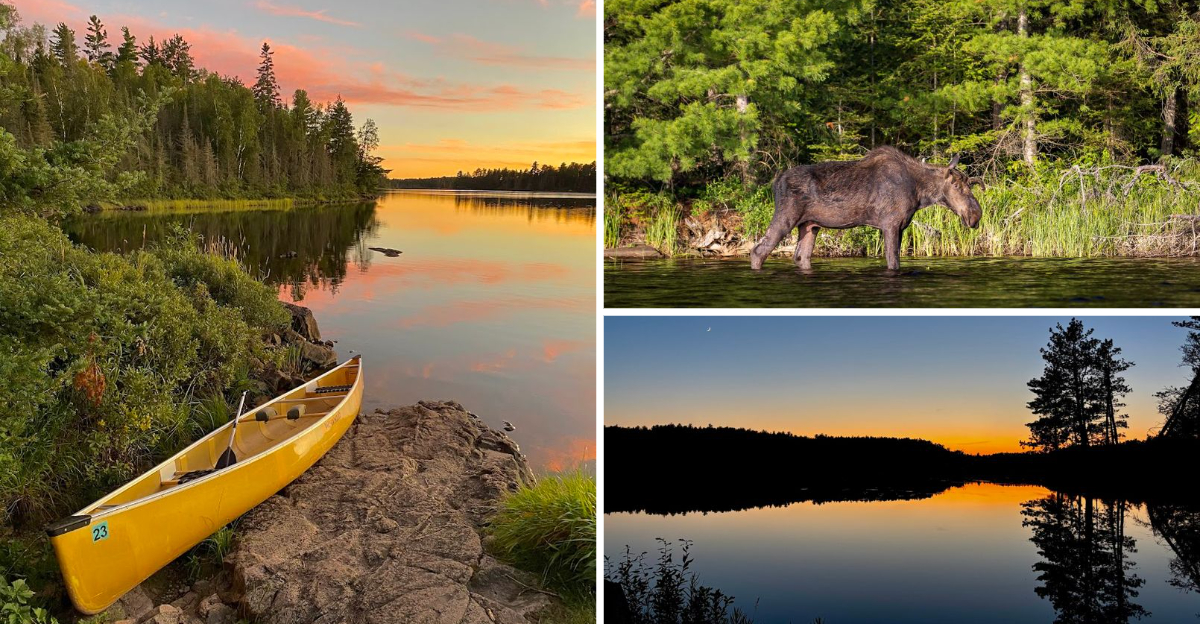
Tucked away in the northern corner of Minnesota, the Boundary Waters Canoe Area Wilderness is one of the most breathtaking and peaceful places you can visit in the entire country. Spanning over one million acres of forests, rivers, and more than a thousand lakes, this stunning wilderness area offers something truly special for anyone looking to escape the noise of everyday life.
Whether you are an experienced paddler or a first-time adventurer, the BWCA has a way of making you feel like the world slowed down just for you. If you have never considered adding it to your day trip or weekend getaway list, here are thirteen reasons why you absolutely should.
Paddling Through Crystal-Clear Lakes
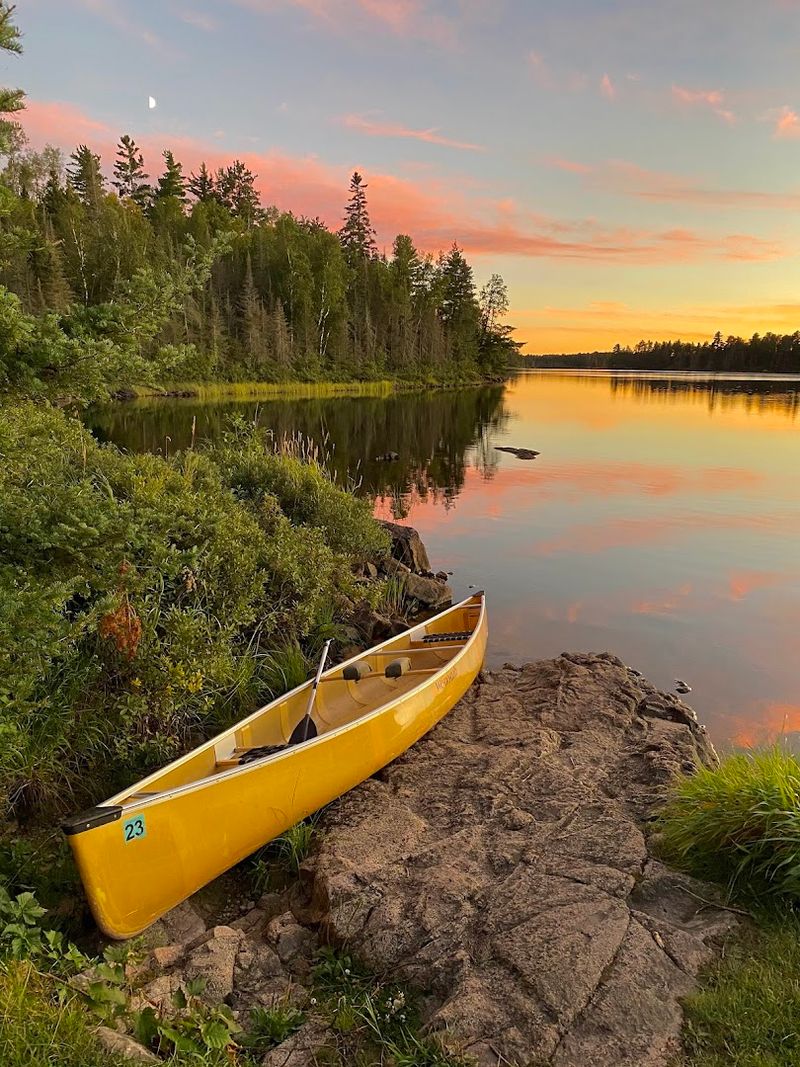
There is nothing quite like the feeling of dipping your paddle into water so clear you can see straight to the bottom. The lakes of the Boundary Waters Canoe Area Wilderness are famous for their pristine, untouched quality, making every stroke feel like you are gliding through liquid glass.
With over a thousand interconnected lakes, you could paddle a different route every single time you visit. Whether you prefer a short, relaxed float or a full day of exploring, the options are nearly endless.
Beginners will find plenty of calm stretches, while more experienced paddlers can challenge themselves with longer routes.
Canoe rentals and outfitters are available near entry points like Ely, Minnesota, so you do not need to own your own gear. Just show up ready to paddle and let the wilderness do the rest.
Wildlife Spotting at Every Turn
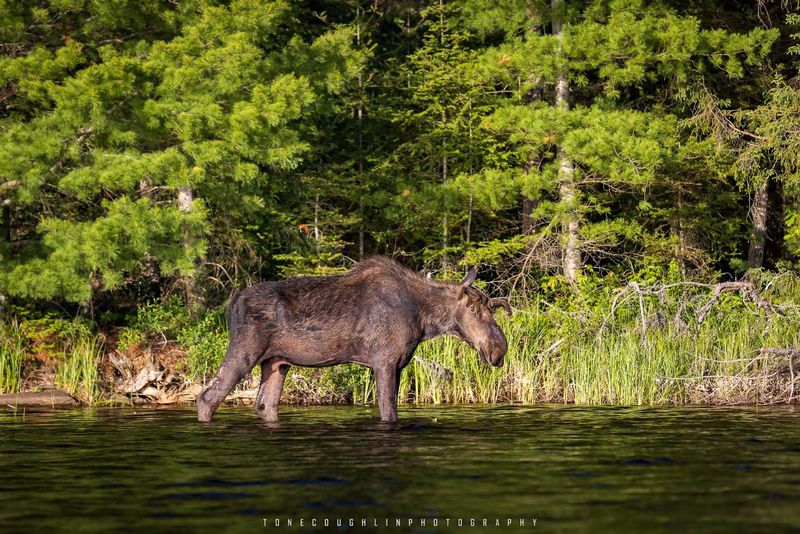
Few places in the country give you a front-row seat to wildlife the way the Boundary Waters does. Bald eagles soar overhead, loons call out across the water at dusk, and if you are incredibly lucky, you might even spot a wolf moving silently through the trees.
Moose sightings are not uncommon either, especially near marshy lake edges in the early morning hours. Many visitors have shared stories of rounding a bend in their canoe only to find a moose standing knee-deep in the shallows, completely unbothered by their presence.
Beavers, otters, deer, and countless bird species round out the incredible wildlife lineup you might encounter on any given trip. Bring a pair of binoculars and a camera with a good zoom lens.
Every outing in the BWCA feels like a real-life nature documentary unfolding right in front of you.
Stargazing Far From City Lights
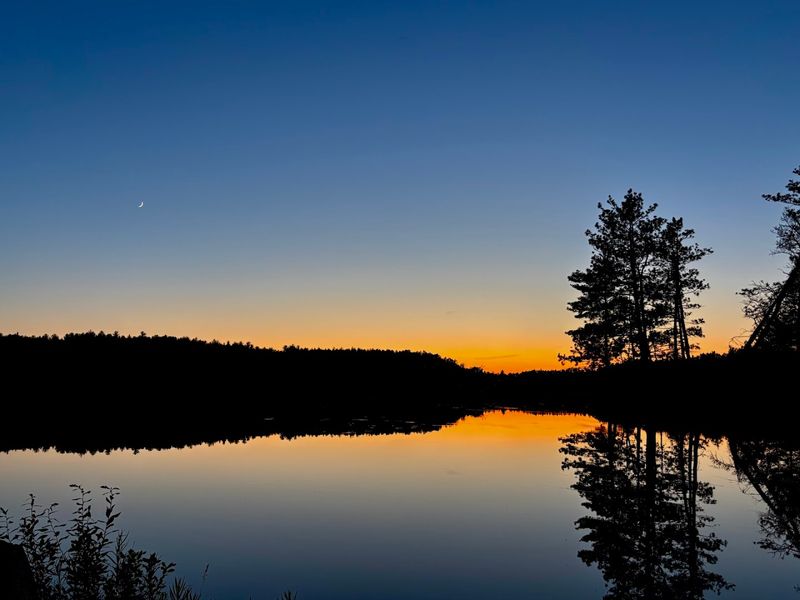
Imagine lying on a flat rock beside a quiet lake, looking straight up at a sky absolutely packed with stars. Because the Boundary Waters is so far from major cities, light pollution is virtually nonexistent, making it one of the best places in Minnesota to see the night sky in its full glory.
On clear nights, the Milky Way stretches like a glowing river directly overhead. Some visitors have even been lucky enough to witness the northern lights dancing in brilliant greens and purples above the treeline.
It is the kind of sight that makes you feel wonderfully small in the best possible way.
Pack a blanket, find a spot away from your campfire, and give your eyes about twenty minutes to adjust to the darkness. You will be amazed at how many stars become visible once your vision fully adapts to the night.
World-Class Fishing Opportunities
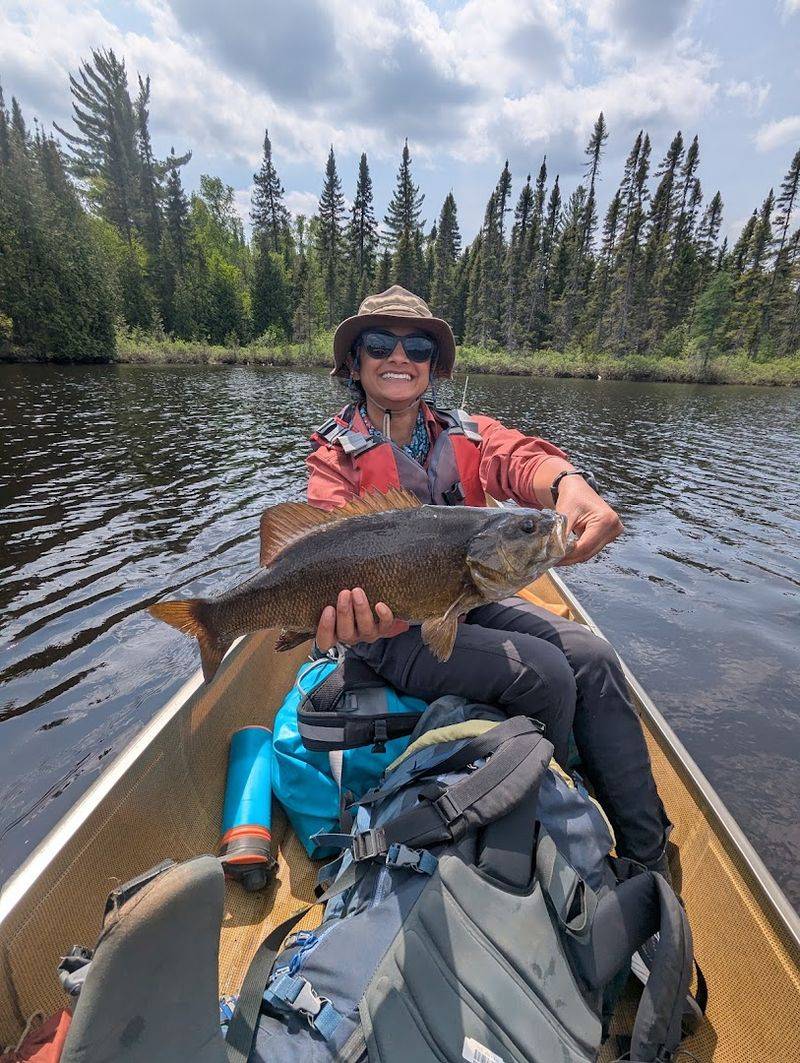
Ask any serious angler about the Boundary Waters and watch their eyes light up. The lakes here are loaded with walleye, northern pike, smallmouth bass, and lake trout, making it a genuine paradise for anyone who loves to fish.
One visitor described eating freshly fried walleye caught that same morning as the best fish they had ever tasted.
Because so many of the lakes in the BWCA are only accessible by canoe, fishing pressure stays relatively low compared to more popular spots. That means the fish are plentiful and the experience feels genuinely wild and rewarding.
A Minnesota fishing license is required, and some lakes have specific regulations, so check the rules before you head out. Early mornings and late evenings tend to be the most productive times to cast a line.
Pack a light rod and some basic lures and you are all set for an unforgettable fishing adventure.
Peaceful Portage Trails Through the Forest
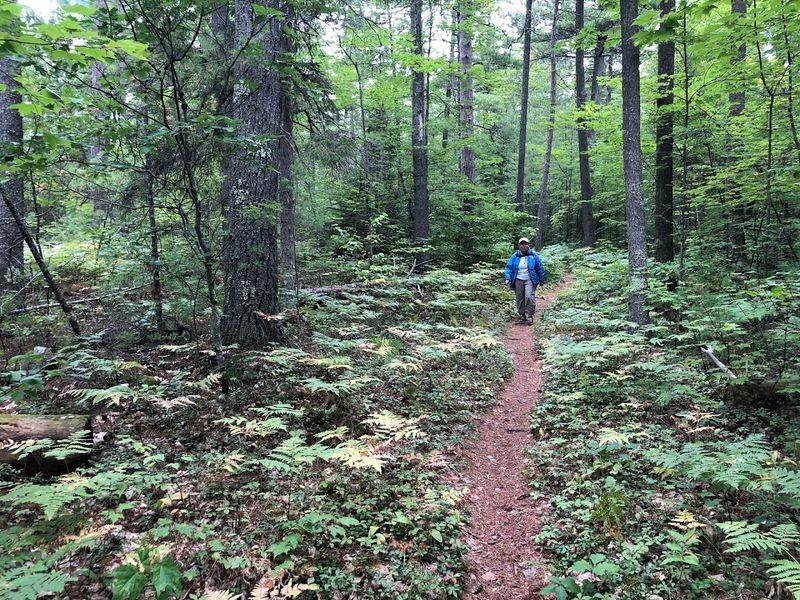
Portaging sounds like hard work, and honestly, it can be. But there is something deeply satisfying about hoisting your canoe onto your shoulders and trekking through a quiet forest trail to reach the next lake.
It connects you to generations of explorers, trappers, and Indigenous people who traveled these same routes long before paved roads existed.
Most portage trails in the BWCA are measured in rods, an old unit of measurement where one rod equals about 16.5 feet. A five-rod portage is a quick, easy carry, while longer ones can stretch to several hundred rods and really test your endurance.
The reward at the end of every portage is a fresh lake waiting to be explored, often quieter and less visited than the one you just left behind. That sense of earning your way deeper into the wilderness makes the effort feel completely worthwhile every single time.
Camping Under a Blanket of Silence
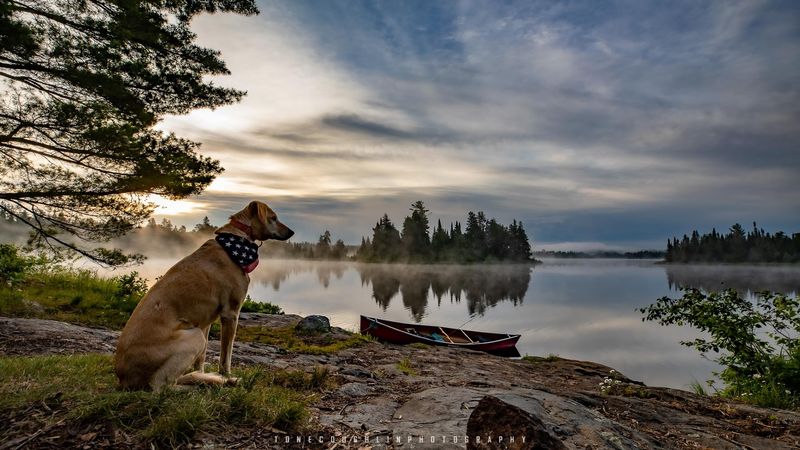
City noise follows most of us everywhere we go. Traffic, notifications, conversations, construction, it all adds up until silence starts to feel like a distant memory.
A night camping in the Boundary Waters is a powerful reminder of just how quiet the world can actually be.
Designated campsites throughout the BWCA come equipped with fire grates and wilderness latrines, keeping things simple but functional. Each site is positioned a safe distance from the water to protect the surrounding ecosystem, and most offer stunning views straight across the lake.
Waking up to the sound of a loon calling across still water, with mist rising off the surface as the sun climbs above the treeline, is an experience that genuinely resets something inside you. Even one night out here can leave you feeling calmer and more refreshed than a full week of vacation anywhere else.
Bring good earplugs for the silence.
Exploring the Gunflint Trail Scenic Drive
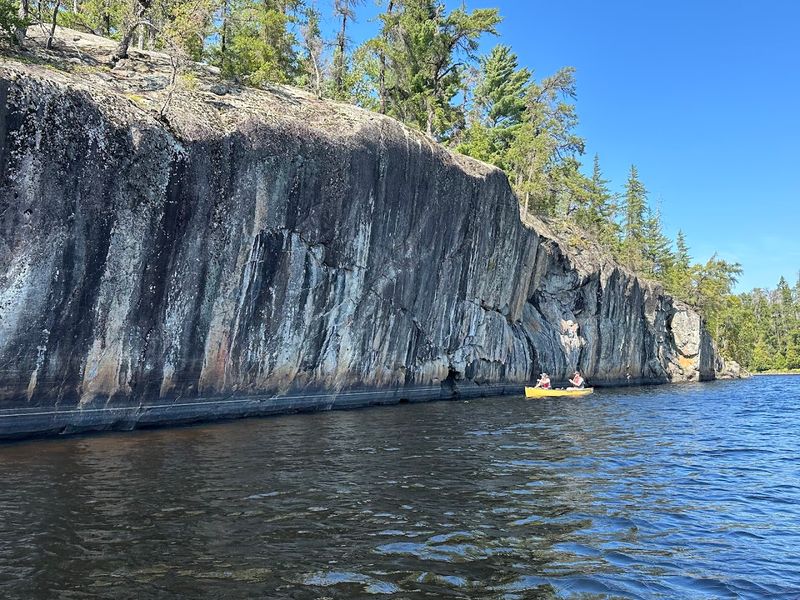
Not every adventure in the Boundary Waters region requires a canoe. The Gunflint Trail, a 63-mile scenic byway that winds from Grand Marais up to the edge of the BWCA, is one of Minnesota’s most beautiful drives and an absolute must-do for anyone passing through the area.
Along the way, dirt roads branch off toward hidden lakes, hiking trailheads, and stunning viewpoints that most tourists never discover. Fall colors transform the corridor into a breathtaking tunnel of orange, red, and gold, making autumn one of the best times to make the drive.
Stop at small outfitters and lodges along the route for local advice, a warm meal, or to rent gear for a quick paddle. The Gunflint Trail is the kind of road that makes you want to pull over every few miles just to soak in the scenery a little longer.
Take your time on it.
Disconnecting Completely From Technology
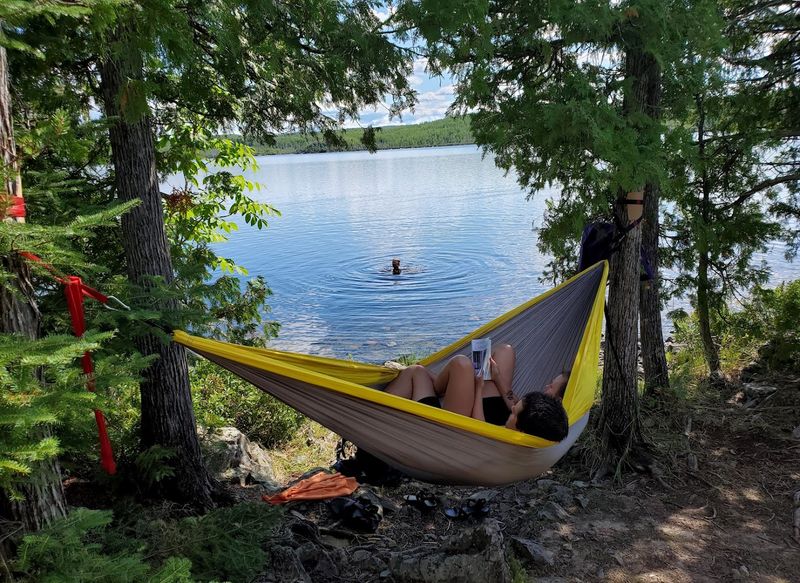
Cell service disappears almost as soon as you enter the Boundary Waters, and somehow that feels like the best thing that could happen to you. No notifications, no social media, no work emails, just you, your paddle, and the wilderness stretching out in every direction.
It sounds simple, but for many visitors it turns out to be genuinely life-changing.
Some people feel anxious without their phones at first, but that tension tends to melt away within a few hours on the water. Conversations get deeper, observations get sharper, and time slows down in a way that feels almost magical compared to the usual pace of daily life.
One visitor put it perfectly, saying the BWCA is a place where you can truly unplug and find yourself again. If you have been feeling burned out or overwhelmed lately, a few days without a signal might be exactly the reset your mind needs.
Witnessing the Northern Lights
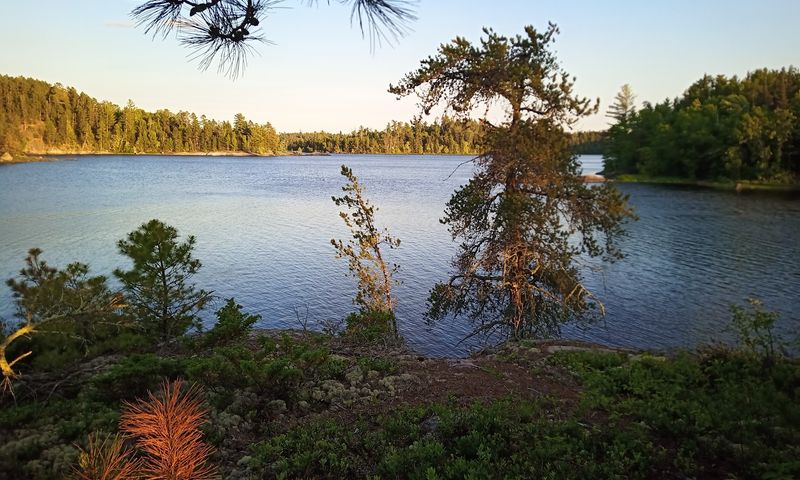
Seeing the northern lights for the first time is one of those experiences that simply cannot be put into words. The Boundary Waters, sitting so far north and so far from any major light source, is one of the best spots in the continental United States to catch a glimpse of the aurora borealis on a clear night.
Late autumn and winter offer the highest chances of a sighting, though lucky visitors have spotted the lights during summer trips as well. The reflection of the aurora shimmering across a perfectly still lake doubles the visual impact in a way that photographs rarely do justice to.
Keep an eye on aurora forecast apps before your trip to identify nights with higher geomagnetic activity. Set an alarm for midnight or later, bundle up warmly, and find a spot with a wide-open view of the northern sky.
Some moments in life earn a permanent place in your memory.
Learning Leave No Trace Principles
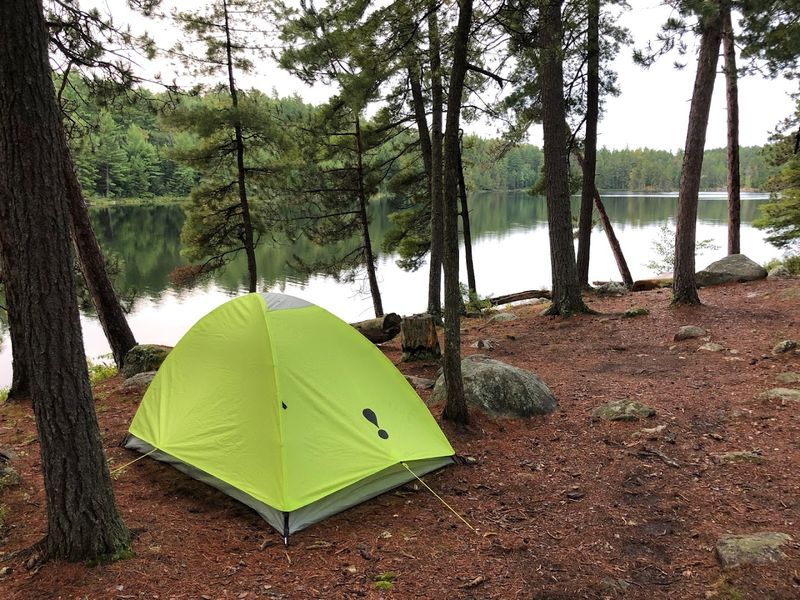
The Boundary Waters stays as beautiful as it is because of a shared commitment among visitors to leave the land exactly as they found it. The Leave No Trace principles are taken seriously here, and following them is not just encouraged, it is essential to protecting this incredible place for future generations.
Pack out everything you pack in, including food scraps, wrappers, and any trash you might find left behind by others. Glass containers and cans are not allowed in the BWCA, so plan your meals and snacks accordingly before you head out.
Campfires should only be built in designated fire grates, and you should always use dead wood found on the ground rather than cutting live trees. Watching how carefully most BWCA visitors treat the land is genuinely inspiring.
It is a community built around respect, and joining that community even for a single trip feels meaningful and worthwhile.
Visiting the Town of Ely as Your Base Camp
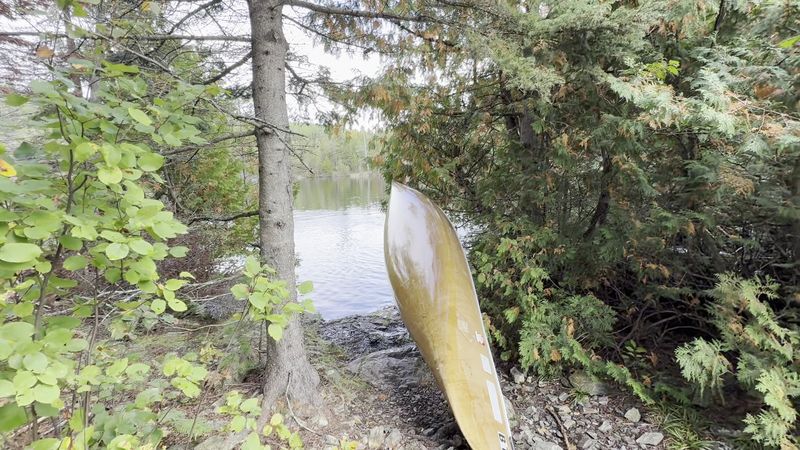
Every great wilderness adventure deserves a great basecamp, and Ely, Minnesota, fits that role perfectly. Sitting just outside the southern edge of the Boundary Waters, this small but vibrant town offers everything you need before and after your time in the wild.
Outfitters, gear rentals, permits, local restaurants, and cozy lodges are all within easy reach.
Ely has a personality all its own, with a mix of rugged outdoor culture and surprisingly charming coffee shops and art galleries. The International Wolf Center and the North American Bear Center are both located here, offering fascinating educational experiences for families traveling with kids.
After a long day on the water, coming back to a warm meal and a soft bed in Ely feels like the perfect reward. Many visitors use it as a multi-day base, spending mornings in town planning routes and afternoons out paddling.
It is a town that genuinely earns its reputation.
Paddling Solo for a True Wilderness Experience
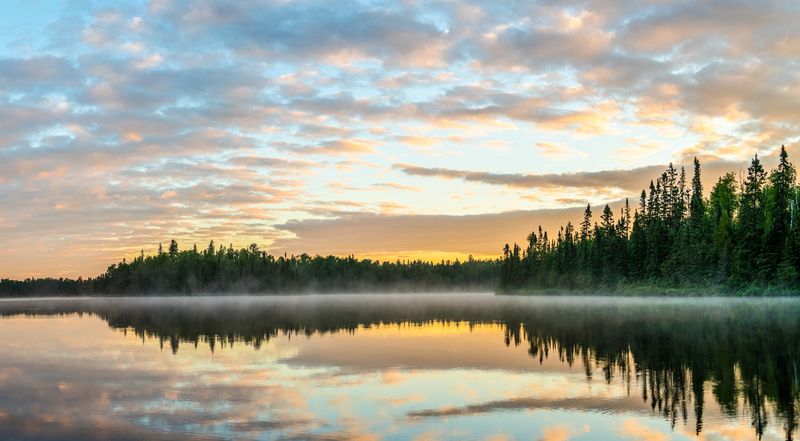
Solo travel in the Boundary Waters is an entirely different kind of adventure from going with a group. Out there on your own, every decision is yours, every sound is amplified, and every moment of beauty lands with a little extra weight.
Many experienced paddlers describe solo BWCA trips as among the most transformative experiences of their lives.
One review captured it beautifully, noting that the wilderness forces you to become comfortable and confident being alone, which teaches you things about yourself that no other environment can. There are no safety nets out here, and that rawness is exactly what makes it so powerful.
Proper preparation is essential for solo trips. File a trip plan with someone you trust, carry a detailed map and compass, and pack more food than you think you need.
The BWCA rewards those who respect it and come prepared with humility and patience.
Experiencing the Magic of Early September Visits
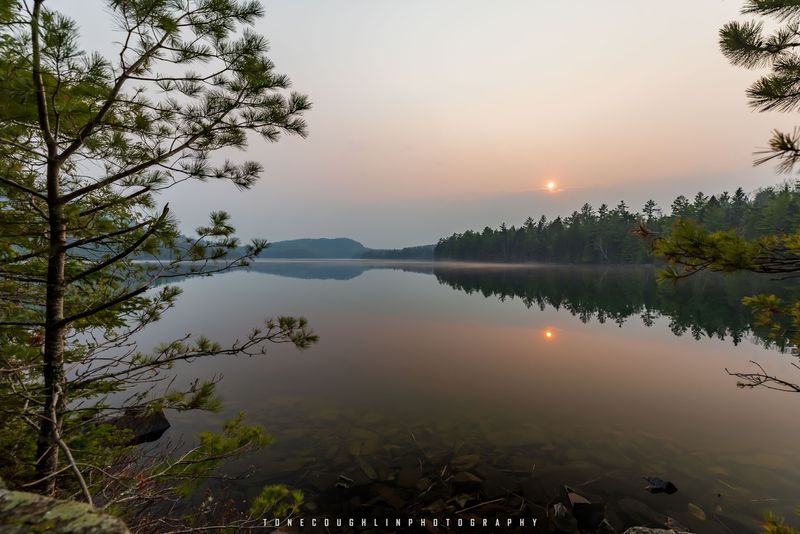
Timing your visit to the Boundary Waters can make a big difference in what you experience. Early September sits in a sweet spot where summer crowds have thinned out, insects have largely disappeared, and the first hints of fall color begin creeping into the forest canopy.
The combination makes for some of the most scenic paddling of the entire year.
Water temperatures are still reasonable for swimming and fishing, though the fish tend to move deeper as the season progresses, which means adjusting your technique and depth. The cooler air makes portaging much more comfortable compared to the humid heat of July and August.
Wildlife activity also tends to pick up in early fall as animals begin preparing for winter. Moose, bears, and migrating birds become more visible along the shorelines and in the trees.
If flexibility in your schedule allows it, targeting a September trip to the BWCA is a decision you are very unlikely to regret.
Enjoyed this story?
Add Fast Food Club as a preferred source to see more of our reporting on Google.