


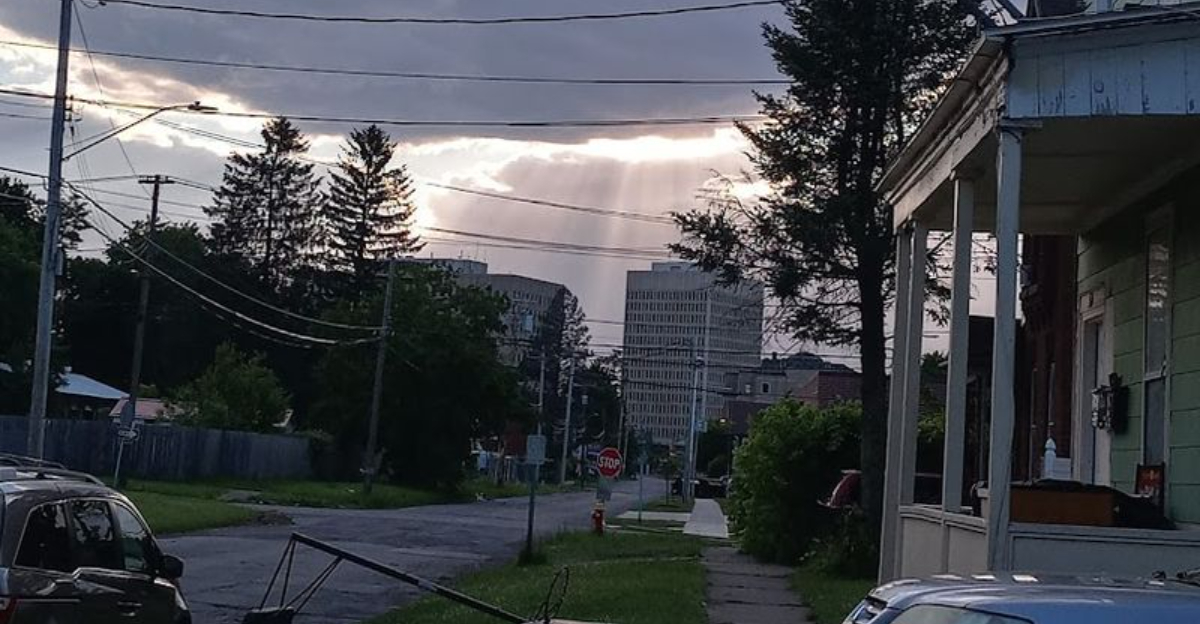
Most people think retiring comfortably in New York State requires a massive savings account, but Utica is quietly proving that idea wrong. Tucked in the heart of Oneida County, this small city of about 65,000 residents offers a surprisingly affordable lifestyle that many retirees are starting to discover.
From low housing costs to a tight-knit community feel, Utica checks a lot of boxes that bigger cities simply cannot match. If you have ever dreamed of retiring without breaking the bank, keep reading to find out why Utica deserves a serious look.
Housing Costs That Actually Make Sense
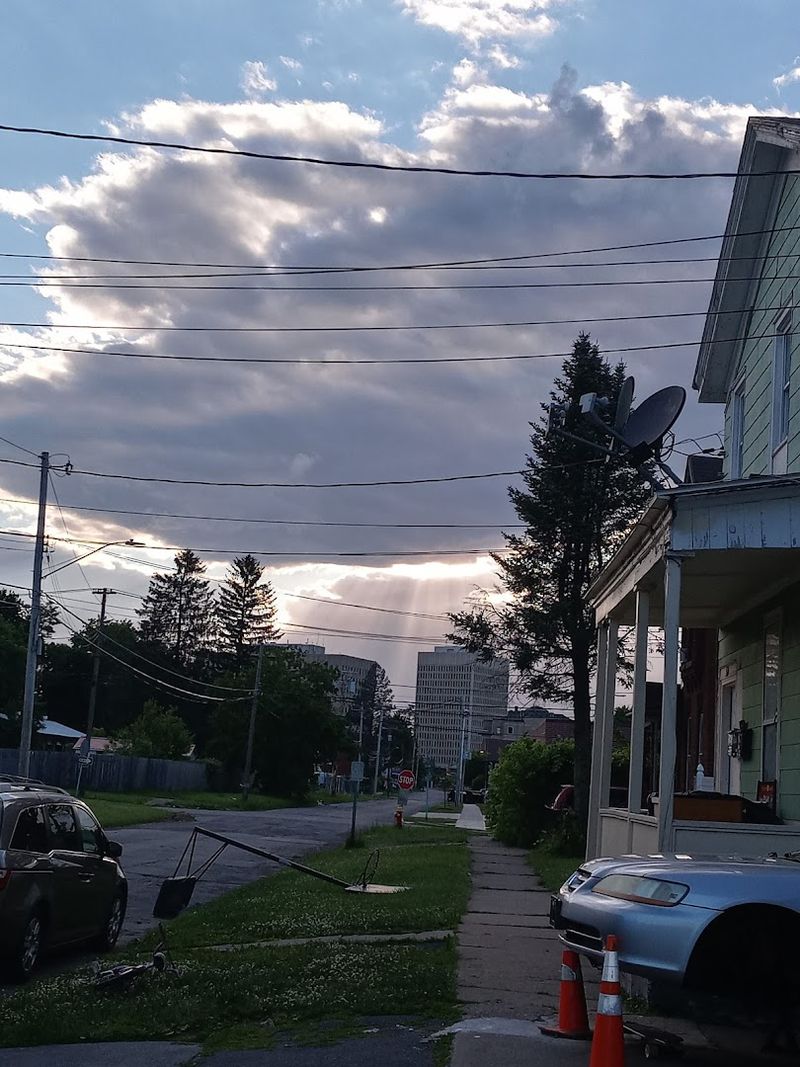
Forget paying $2,000 a month just to keep a roof over your head. In Utica, the median home price hovers around $90,000 to $120,000, making homeownership genuinely reachable for retirees on a fixed income.
Monthly mortgage payments can fall well below $700 when you put a reasonable down payment on a modest property.
Renters also catch a break here. One-bedroom apartments in Utica often rent for $600 to $800 per month, leaving plenty of room in a $1,200 budget for other necessities.
Compared to Buffalo or Albany, the savings are striking.
Neighborhoods like South Utica and New Hartford Road offer quiet streets with older but solid housing stock. Many retirees find that buying a small home here costs less than renting a studio in New York City for a single month.
Grocery Bills That Stay Low
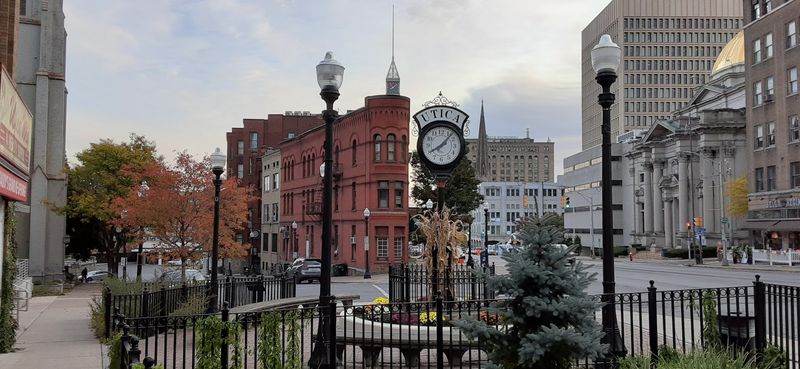
Food is one of the biggest monthly expenses for retirees, and Utica keeps those costs refreshingly manageable. Local grocery chains like Price Chopper and Hannaford offer competitive prices, and weekly sales can stretch a modest food budget even further.
A single retiree can comfortably feed themselves for around $200 to $250 per month.
Utica also has a rich food culture thanks to its diverse immigrant community. The city is famously home to the “Utica greens” dish and some of the best tomato pie you will ever taste, available cheaply at local bakeries and delis.
Farmers markets pop up seasonally, offering fresh local produce at prices that supermarkets struggle to beat. Buying seasonal vegetables and local meats keeps the weekly grocery run affordable without sacrificing quality or flavor in the kitchen.
Utility Costs Below the State Average
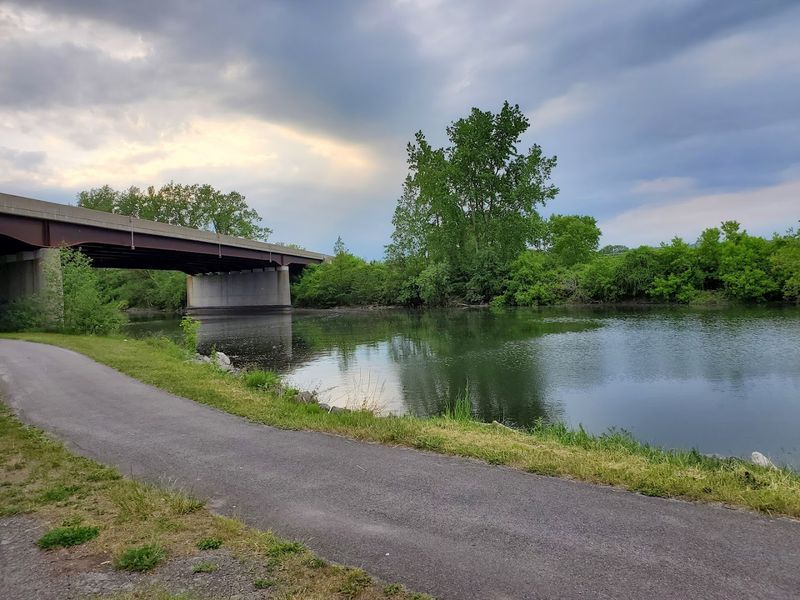
Winters in Utica are cold, no question about it. But utility bills here tend to run lower than in many other upstate New York cities, especially if you live in a smaller home or apartment.
Average monthly utility costs for heating, electricity, and water typically land between $120 and $160 for a modest one-bedroom space.
National Grid services much of the area, and weatherizing an older home with insulation or storm windows can bring those bills down even further. Many retirees on fixed incomes also qualify for HEAP, the Home Energy Assistance Program, which helps cover heating costs during the coldest months.
Choosing a south-facing apartment or a well-insulated unit can make a noticeable difference year-round. With smart choices, keeping utilities comfortably within budget on $1,200 a month is entirely realistic for most Utica retirees.
Public Transportation That Gets You Around
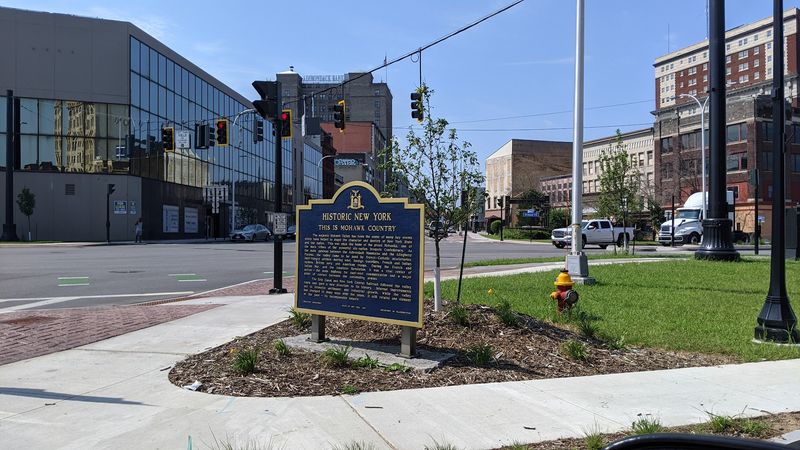
Owning a car is expensive when you factor in insurance, gas, and maintenance. For retirees watching every dollar, Utica offers a workable public transit option through Centro, the regional bus system serving Oneida County.
Monthly bus passes are budget-friendly, and routes connect major shopping areas, medical offices, and downtown destinations.
Seniors aged 65 and older can access reduced fare programs that make riding even more affordable. A senior monthly pass can cost as little as $30, freeing up significant funds for other expenses.
Many retirees find that pairing the bus with an occasional rideshare covers nearly all their transportation needs.
The city is also relatively compact, meaning some destinations are walkable depending on your neighborhood. Giving up a second car or going car-free entirely is a realistic money-saving move that many Utica retirees have already made successfully.
Healthcare Access Without the Big-City Price Tag
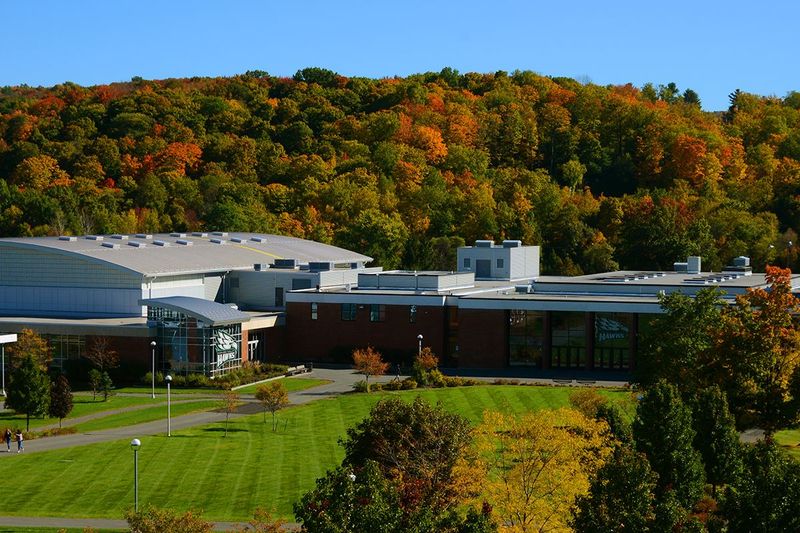
Access to quality healthcare is non-negotiable when planning retirement, and Utica delivers on this front in a big way. The city is home to Mohawk Valley Health System, which includes major hospital facilities like the new downtown hospital that opened in recent years.
Specialist offices, urgent care clinics, and primary care providers are spread throughout the area.
For Medicare recipients, most of these providers accept standard coverage, keeping out-of-pocket costs reasonable. Community health centers in Utica also offer sliding-scale fee services for those who need additional support between insurance gaps.
Pharmacy options include both national chains and local independent pharmacies that sometimes offer better pricing on generic medications. Retirees who budget around $100 to $150 monthly for healthcare co-pays and prescriptions often find that figure holds steady, making medical expenses genuinely predictable in Utica.
Senior Centers Packed With Free Activities
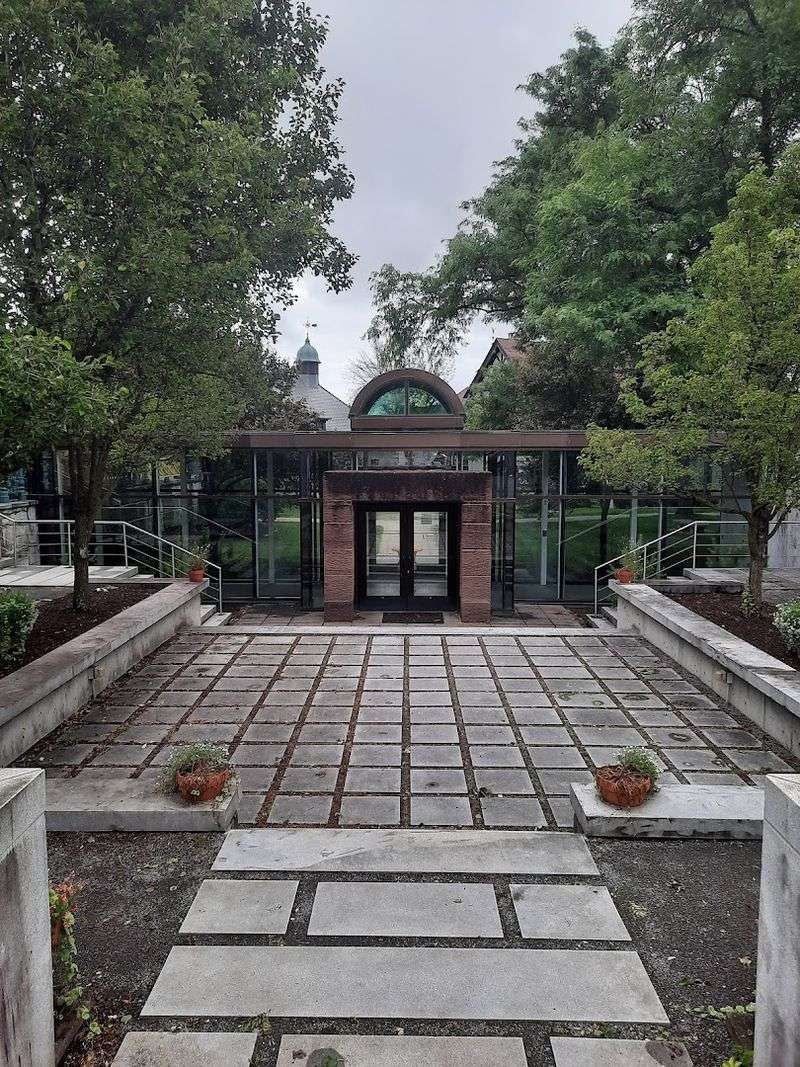
Retirement can feel lonely if your social calendar runs dry, but Utica has a lively senior community infrastructure that keeps people connected. The Utica Senior Center offers a wide range of programs, from fitness classes and art workshops to group lunches and day trips.
Most programs are free or available for a small suggested donation.
Oneida County also operates the Office for the Aging, which coordinates services like meal delivery, transportation assistance, and recreational programs specifically for older adults. These resources make a big difference for retirees living on a tight monthly budget.
Friendships made at senior centers often become the backbone of retirement social life. Having a consistent community of peers who share similar life stages transforms a modest retirement into a genuinely rich experience, proving that a full life does not require a full wallet.
Property Taxes Lower Than Much of the State
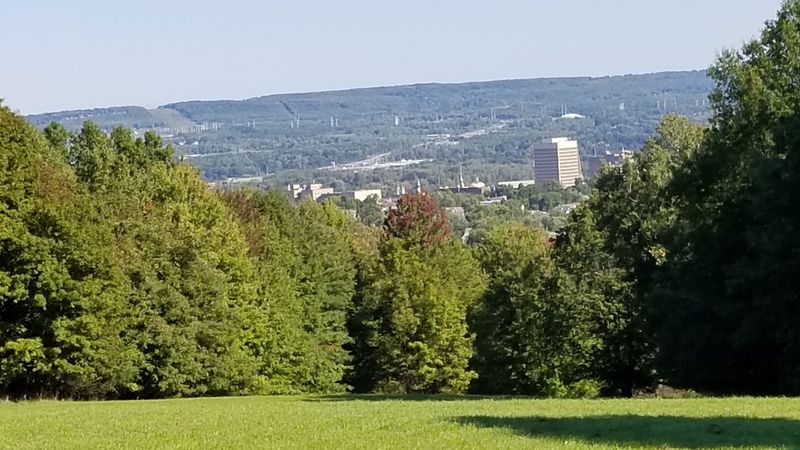
New York State has a reputation for sky-high property taxes, but Utica offers a more forgiving picture for retirees who own their homes. While taxes here are not the lowest in the country, they compare favorably to places like Westchester County or Long Island, where annual tax bills can exceed $15,000 on a modest home.
In Utica, annual property taxes on a home valued around $100,000 typically fall in the $3,000 to $4,500 range. That breaks down to roughly $250 to $375 per month, which is manageable when housing costs are already low.
New York also offers the STAR program, which provides property tax exemptions for primary homeowners, including an enhanced version specifically for seniors aged 65 and older with qualifying incomes. Taking full advantage of STAR can shave hundreds off the annual tax bill.
A Food Scene Rooted in Real Tradition
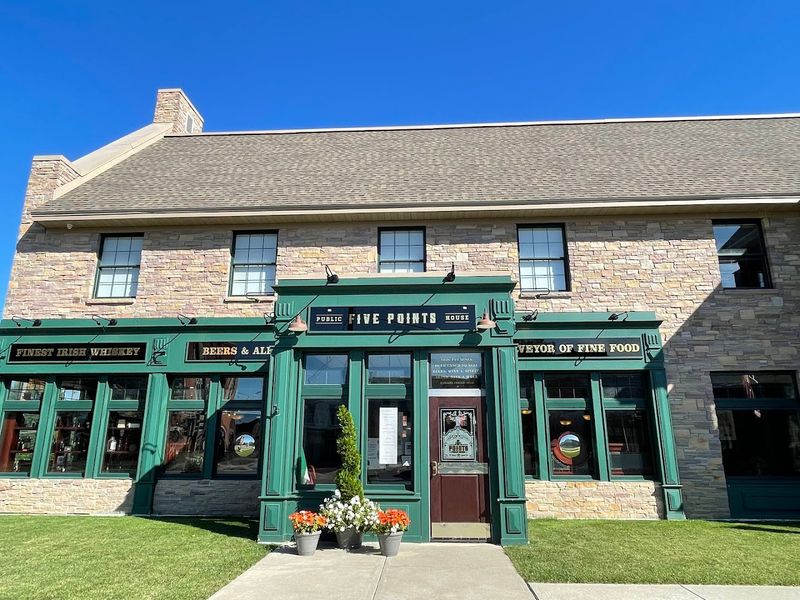
Not many cities of Utica’s size can claim a food identity as distinct and beloved as this one. The city’s large Italian-American heritage gave birth to iconic dishes like Utica greens, chicken riggies, and the legendary tomato pie, a thick-crusted pizza cousin sold at spots like O’Scugnizzo Pizzeria, one of the oldest pizzerias in the United States.
Eating out does not have to wreck a retirement budget here. Many of Utica’s most beloved restaurants are small family-run spots where a hearty meal costs $10 to $15.
Lunch specials and early-bird dinners make dining out a regular affordable pleasure rather than a special splurge.
The diversity of Utica’s immigrant communities also means you can find Bosnian, Vietnamese, and Middle Eastern food at equally wallet-friendly prices. Exploring the city’s food scene is genuinely one of retirement’s best free pleasures here.
Parks and Nature Just Minutes Away
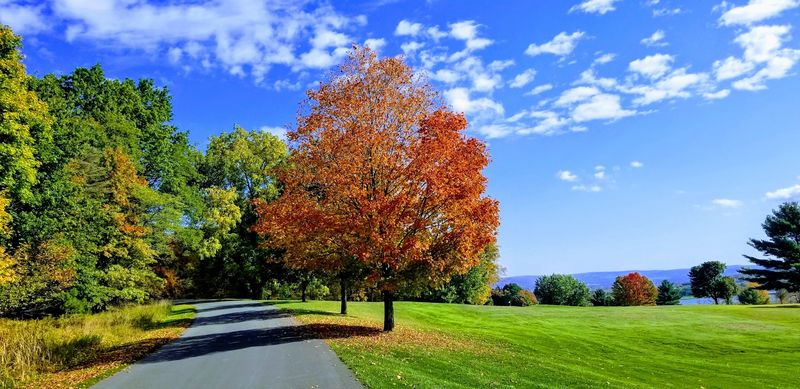
Spending time outdoors is one of the healthiest and cheapest ways to enjoy retirement, and Utica makes that easy. Roscoe Conkling Park is a beloved 194-acre green space right in the city, complete with walking trails, a pond, picnic areas, and a small zoo that is free to visit.
It is the kind of park that becomes part of your daily rhythm.
Beyond the city limits, the Adirondack Mountains and the Mohawk Valley offer stunning scenery within an hour’s drive. Hiking, fishing, and leaf-peeping in the fall are all essentially free activities that retirees in the area enjoy regularly.
Delta Lake State Park, just a short drive north, provides swimming, boating, and camping at minimal cost. For retirees who love the outdoors, Utica serves as a genuinely excellent base camp surrounded by some of the most beautiful natural landscapes in the entire Northeast.
Cultural Attractions That Cost Little to Nothing
Culture does not have to come with a steep admission price in Utica. The Munson-Williams-Proctor Arts Institute is one of the finest art museums in upstate New York and offers free or low-cost admission for seniors.
Its permanent collection includes works by Thomas Cole and Jackson Pollock, making it a genuinely world-class experience at a fraction of big-city museum prices.
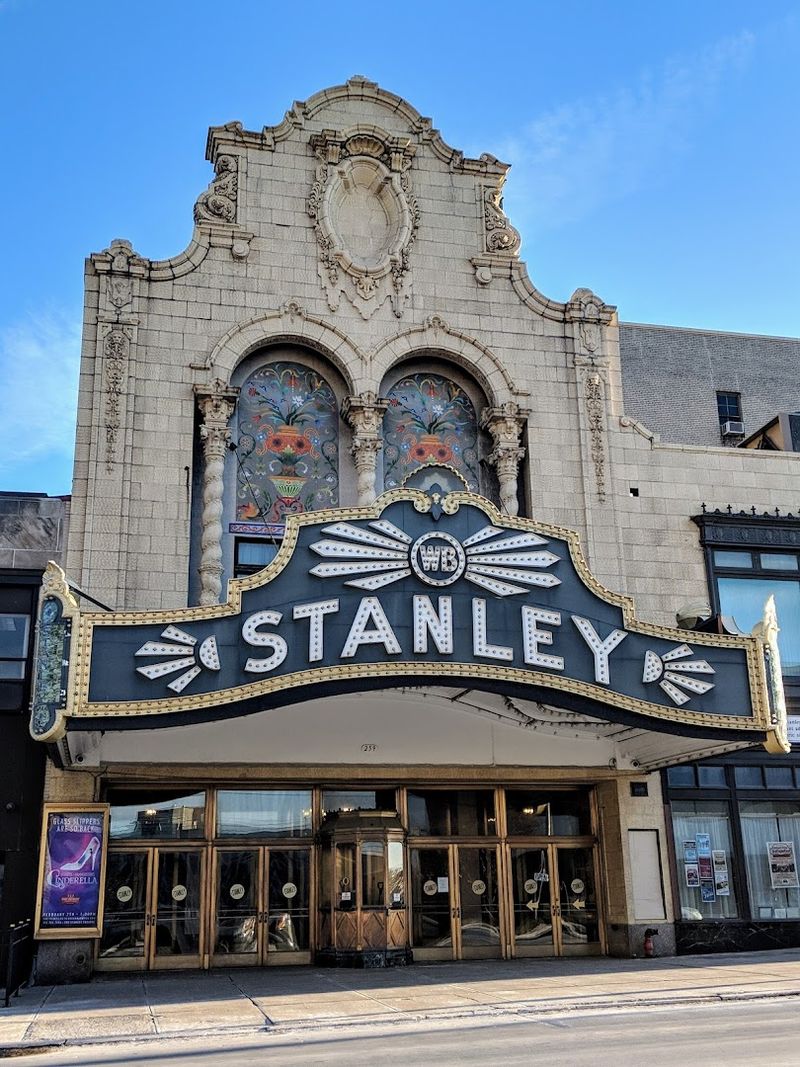
The Stanley Theatre, a beautifully restored 1920s venue, hosts concerts, Broadway touring productions, and community events throughout the year. Ticket prices are typically far lower than what you would pay in New York City or even Albany for comparable shows.
Local libraries, community galleries, and free outdoor summer concerts round out a cultural calendar that keeps retirees engaged without touching savings. Living richly on a modest income is much easier when your city invests in accessible arts and culture the way Utica does.
A Welcoming Community With Deep Roots

Utica has one of the most remarkably diverse populations of any small American city. For decades, it has welcomed refugee communities from Bosnia, Somalia, Vietnam, Myanmar, and beyond, earning it the nickname “The Town That Loves Refugees.” That spirit of openness creates a neighborhood atmosphere that feels warm and genuinely inclusive.
For retirees relocating from larger cities or more homogeneous areas, Utica’s cultural mix is refreshing. Neighbors look out for each other, community organizations are active, and new residents tend to be welcomed rather than ignored.
Volunteering with local resettlement organizations or cultural groups is a popular way for retirees to stay engaged and find purpose. The sense of belonging that comes from being part of such a community is priceless, and it costs absolutely nothing to participate in the everyday kindness that defines life in Utica.
Lower Crime Areas Offer Peace of Mind
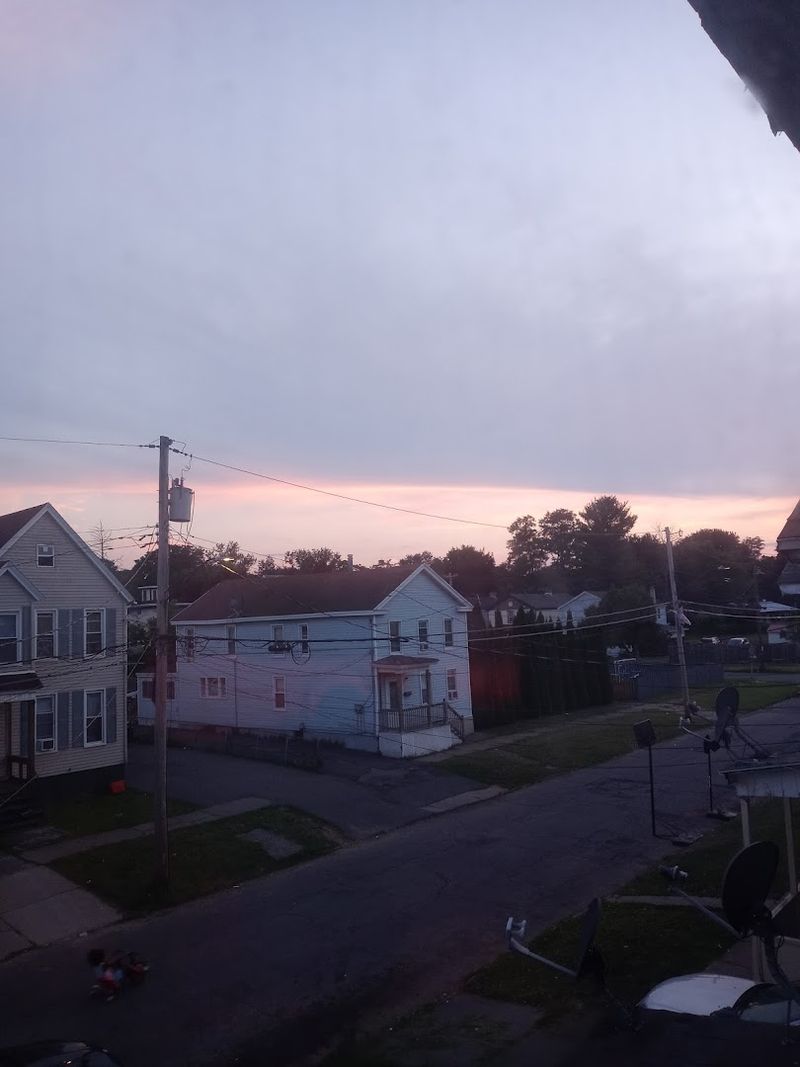
Safety matters enormously when choosing where to retire, and while Utica like any city has areas with higher crime rates, it also has genuinely peaceful residential neighborhoods worth considering. Suburbs immediately bordering the city, such as New Hartford and Whitesboro, consistently rank among the safer communities in Oneida County.
Even within Utica itself, neighborhoods like Cornhill and the South Utica corridor have seen revitalization efforts that have improved both the housing stock and the general sense of community security. Doing neighborhood-level research before choosing a specific address is always a smart move.
Many retirees who move to the Utica area specifically choose the outer residential zones that combine city access with quieter streets. The lower cost of living in these areas means you do not have to sacrifice safety to stay within a $1,200 monthly retirement budget, which is a genuine win.
Strategic Location With Easy Travel Access
One underrated perk of retiring in Utica is how well-connected it is to the rest of the Northeast. The city sits along Interstate 90 and has an active Amtrak station with direct service to both New York City and Chicago.
Visiting family or taking occasional trips to the city does not require a car or an expensive plane ticket.
Albany is about 90 minutes east, and Syracuse is roughly 50 minutes west, giving retirees easy access to larger cities for specialized medical appointments, major sporting events, or airport connections. The regional location means you are never truly isolated despite living in a smaller, more affordable city.
For retirees who want proximity to family in the greater Northeast corridor without paying metro-area prices, Utica’s central position in New York State is a quietly powerful advantage. Affordable living and easy travel access rarely come packaged together this neatly.
Enjoyed this story?
Add Fast Food Club as a preferred source to see more of our reporting on Google.