


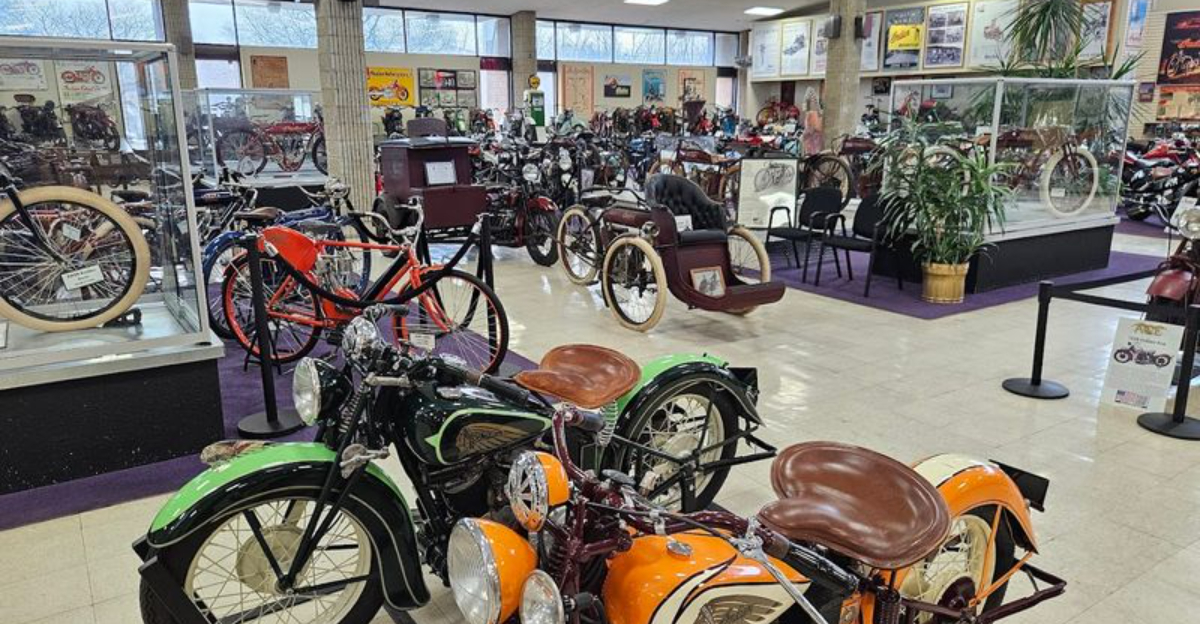
Tucked away in Newburgh, New York, the Motorcyclepedia Museum is one of the Hudson Valley’s best-kept secrets. Spread across 80,000 square feet and two floors, this incredible museum houses over 600 vintage and historic motorcycles that tell the story of how two-wheeled machines changed the world.
Whether you are a hardcore motorcycle fan or just someone who loves cool history, this place has something for everyone. With a near-perfect 4.9-star rating and rave reviews from visitors of all ages, Motorcyclepedia is truly a must-see destination.
The World’s Largest Collection of Indian Motorcycles
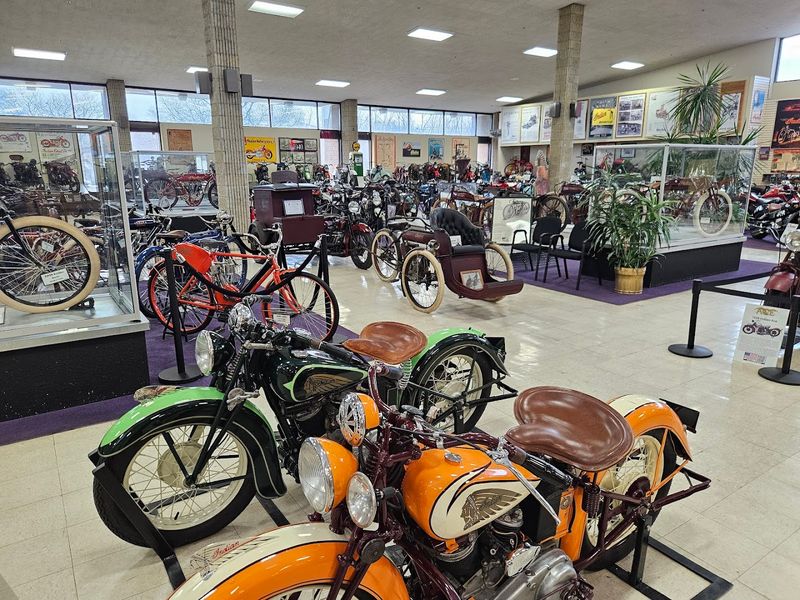
Some collections take your breath away the moment you walk in, and Motorcyclepedia’s Indian motorcycle display is exactly that kind of experience. Stretching back all the way to 1901, this is widely recognized as the largest collection of Indian motorcycles in the entire world.
Indian Motorcycle is one of America’s oldest and most beloved brands, and seeing every era of its evolution lined up in one place is genuinely awe-inspiring. Each bike tells a story about engineering, design, and American culture.
Visitors consistently rave about this section, with many saying it alone is worth the price of admission. Whether you already know the brand or are discovering it for the first time, the sheer scale and beauty of this collection will leave a lasting impression.
Plan to spend extra time here because there is a lot to take in.
Movie and TV Motorcycles Gallery
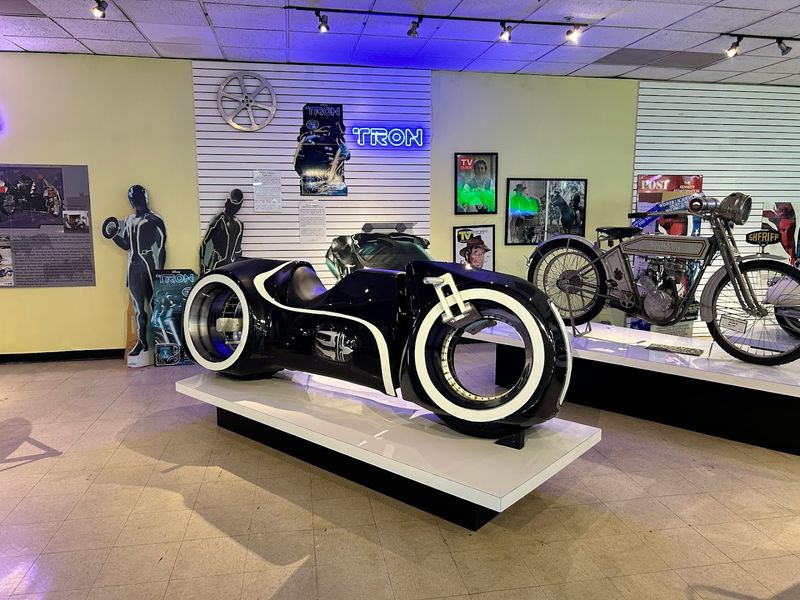
Lights, camera, throttle! One of the most talked-about sections at Motorcyclepedia is the spectacular gallery dedicated to motorcycles that appeared in movies and television.
Fans of pop culture will feel like they have stepped onto a film set.
Among the standout pieces are Prince’s iconic bike from the Purple Rain music video, the Fonzie’s motorcycle from Happy Days, Batman’s motorcycle from the classic 1960s TV series, the TRON bike, and a bike from Terminator 2. Each display comes with context that makes the visit feel immersive and exciting.
Visitors young and old get a huge kick out of recognizing bikes from their favorite films and shows. It bridges the gap between motorcycle history and pop culture in a way that feels completely natural.
This gallery alone makes Motorcyclepedia worth visiting even for people who have never ridden a motorcycle in their lives.
Celebrity-Owned Motorcycles on Display
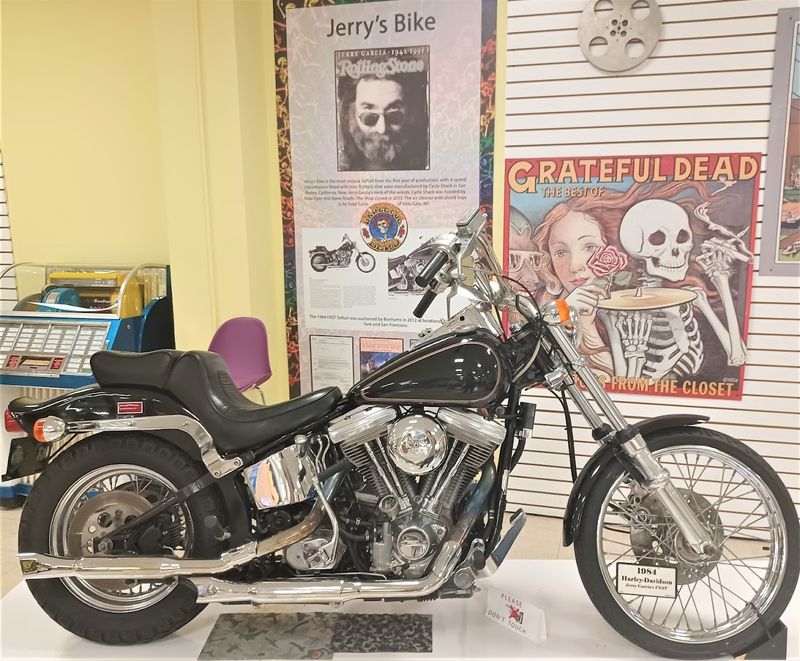
There is something undeniably thrilling about standing just inches away from a motorcycle that once belonged to a rock legend or a Hollywood icon. Motorcyclepedia has assembled an impressive lineup of celebrity-owned bikes that adds a whole new layer of excitement to the visit.
Among the most talked-about pieces are motorcycles that belonged to Grateful Dead frontman Jerry Garcia and legendary actor and motorcycle enthusiast Steve McQueen. These are not replicas — these are the real machines with fascinating histories attached to them.
Perhaps the most sobering exhibit is the motorcycle that served in the motorcade escort of President John F. Kennedy on the day he was assassinated.
That single piece transforms the museum into more than just a motorcycle showcase — it becomes a genuine window into American history. Few museums can claim that kind of emotional depth alongside their cool factor.
World War II Motorcycle Collection
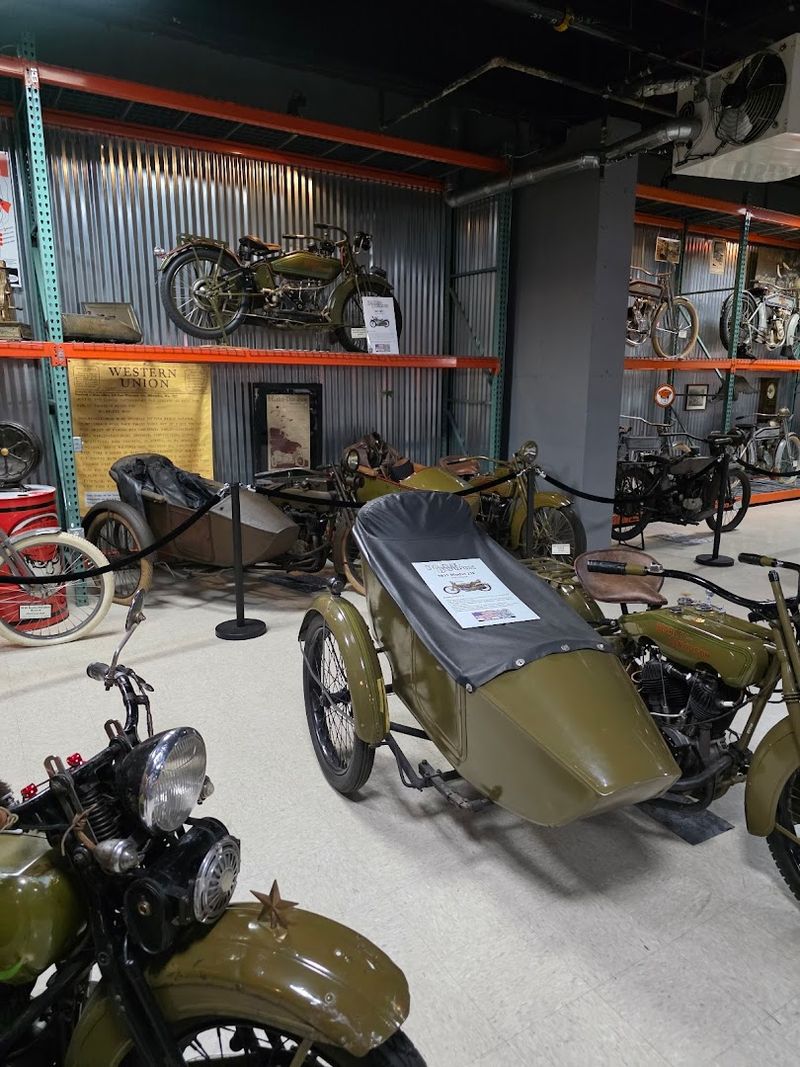
History buffs, get ready — the World War II motorcycle collection at Motorcyclepedia is a fascinating tribute to the machines that served alongside soldiers on the front lines. These rugged bikes were built for one purpose: to get the job done under the most demanding conditions imaginable.
Military motorcycles played a critical role in WWII, used for scouting, messenger duty, and escorting convoys across war-torn terrain. Seeing them up close, you can almost feel the weight of their history.
The bikes are well-preserved and displayed with informative descriptions that bring their stories to life.
Even visitors with no prior interest in military history tend to linger here longer than expected. The combination of mechanical ingenuity and wartime context makes this section both educational and deeply moving.
It is a powerful reminder of how everyday machines became tools of survival during one of history’s most turbulent chapters.
The Evolution of the Motorcycle Through the Eras
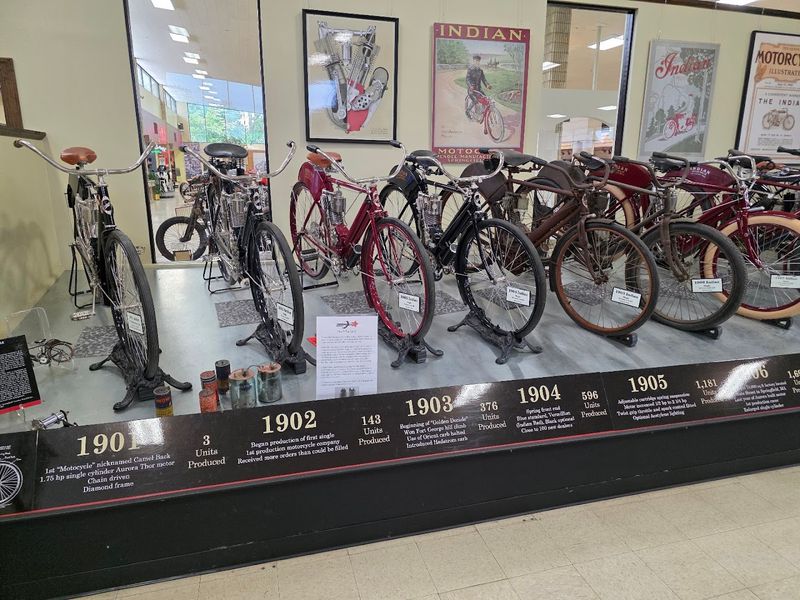
Imagine walking through time, watching a simple motorized bicycle gradually transform into the powerful, sleek machines we know today. That is exactly what the first floor of Motorcyclepedia offers — a chronological journey through the entire history of the motorcycle.
Starting from the 1800s, the displays guide visitors through each major era of development. You can see how engines grew more powerful, frames became more refined, and designs evolved to reflect the culture of each decade.
The progression is genuinely fascinating, even for non-riders.
Multiple visitors have noted that this layout makes the museum feel like a living textbook. One reviewer put it perfectly: the evolution starts on the first floor and can be observed through different eras.
Families, students, and history lovers will especially appreciate how well the museum organizes such a massive collection into a story that is easy to follow and hard to forget.
Custom and Chopper Motorcycles Showcase
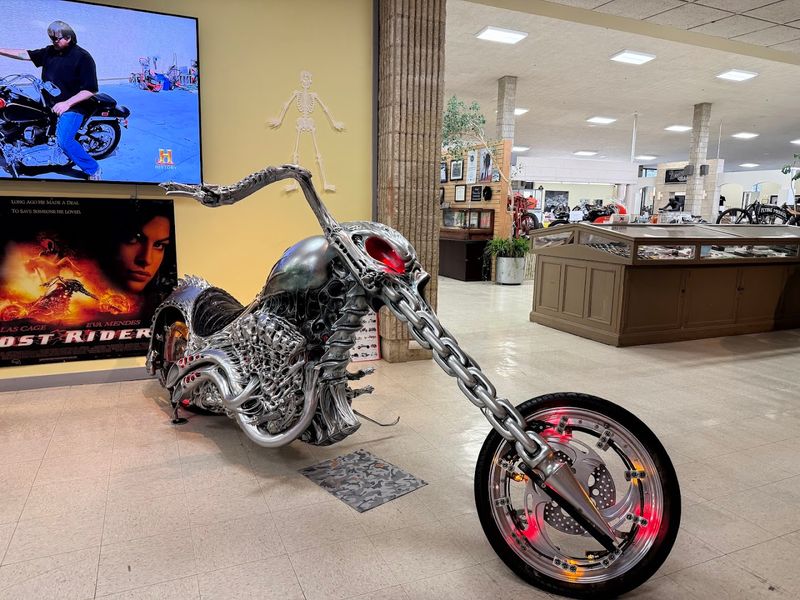
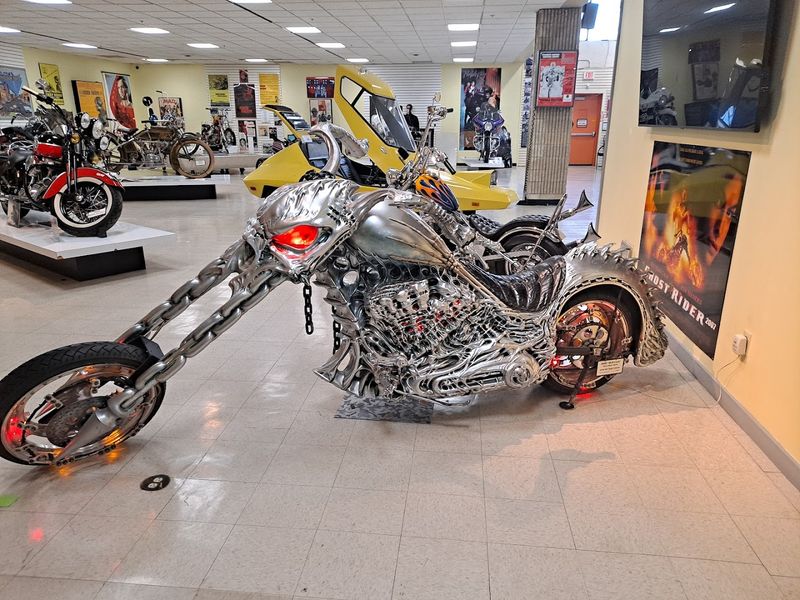
Custom motorcycles are where engineering meets pure artistic expression, and Motorcyclepedia’s chopper and custom bike section is a feast for the eyes. These are not factory machines — they are rolling sculptures built by craftsmen who treated metal as their canvas.
From wild paint jobs to extended forks and one-of-a-kind frame designs, each custom bike in this section has its own bold personality. Visitors often spend a surprising amount of time here just admiring the creativity and craftsmanship on display.
The variety is impressive, ranging from clean and classic builds to outrageous, head-turning creations.
One reviewer described the custom motorcycles as so fascinating and creative that they could not stop taking photos. If you have ever appreciated art in a gallery, you will feel that same energy walking through this section.
It proves that motorcycle building, at its highest level, is absolutely a form of fine art worth celebrating.
Harley-Davidson Collection
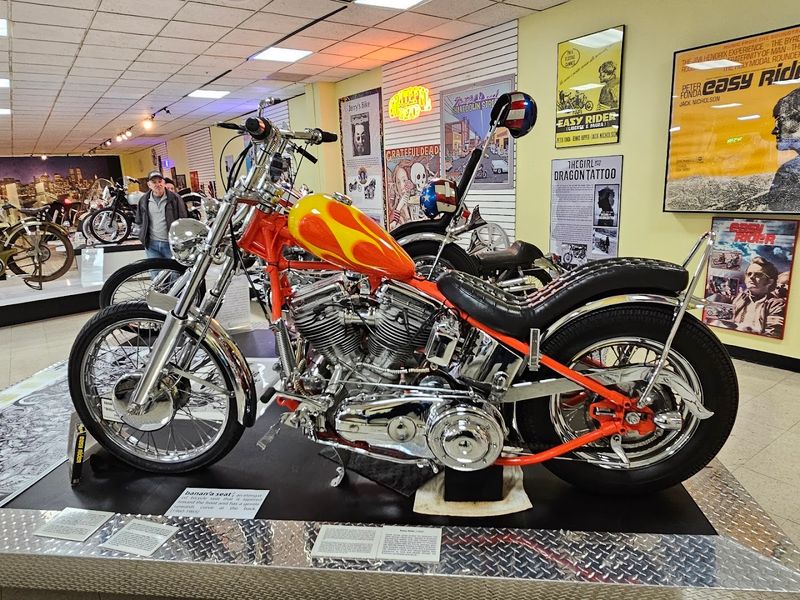
No motorcycle museum would be complete without a serious nod to Harley-Davidson, and Motorcyclepedia delivers in a big way. The museum features a ton of Harley models spanning multiple decades, giving fans a comprehensive look at how this legendary American brand has evolved over time.
From early flatheads to classic Knuckleheads and beyond, the range of Harley-Davidson bikes on display covers virtually every major chapter in the brand’s long and storied history. Each model is presented with care, making it easy to spot the design shifts that happened decade by decade.
For Harley enthusiasts, this section is basically a dream come true. But even casual visitors find themselves drawn in by the sheer presence these machines command.
There is a reason Harley-Davidson has such a devoted following worldwide, and spending time with this collection makes that reason crystal clear. These bikes have soul, and it shows.
Vintage Motorized Bicycle Displays
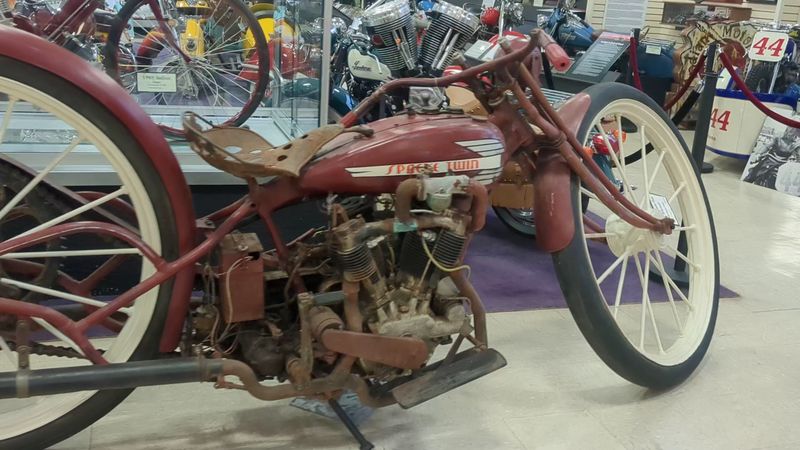
Before motorcycles became the roaring machines we know today, they started as something far more humble — bicycles with small engines bolted on. Motorcyclepedia preserves this fascinating origin story with a display of early motorized bicycles that date back before 1900.
Seeing these primitive machines lined up by year gives you a real appreciation for how quickly technology advanced in the early days of motorized transportation. What looks almost toylike by today’s standards was actually cutting-edge engineering at the time.
The craftsmanship involved in these early builds is remarkable when you consider the tools and knowledge available back then.
One visitor noted that the old motorized bicycles lined up by year were among their favorite parts of the entire museum. There is something wonderfully nostalgic about seeing where it all began.
These displays are a gentle, charming reminder that every great invention starts with a simple, bold idea that someone was brave enough to try.
Two-Story Museum Layout Spanning 80,000 Square Feet
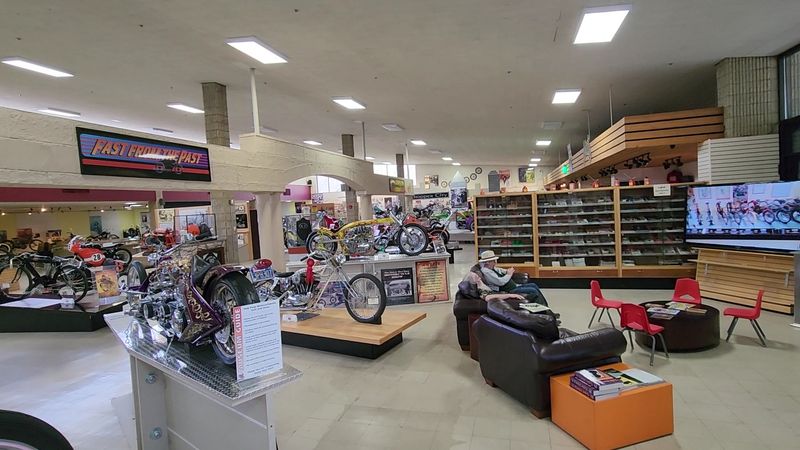
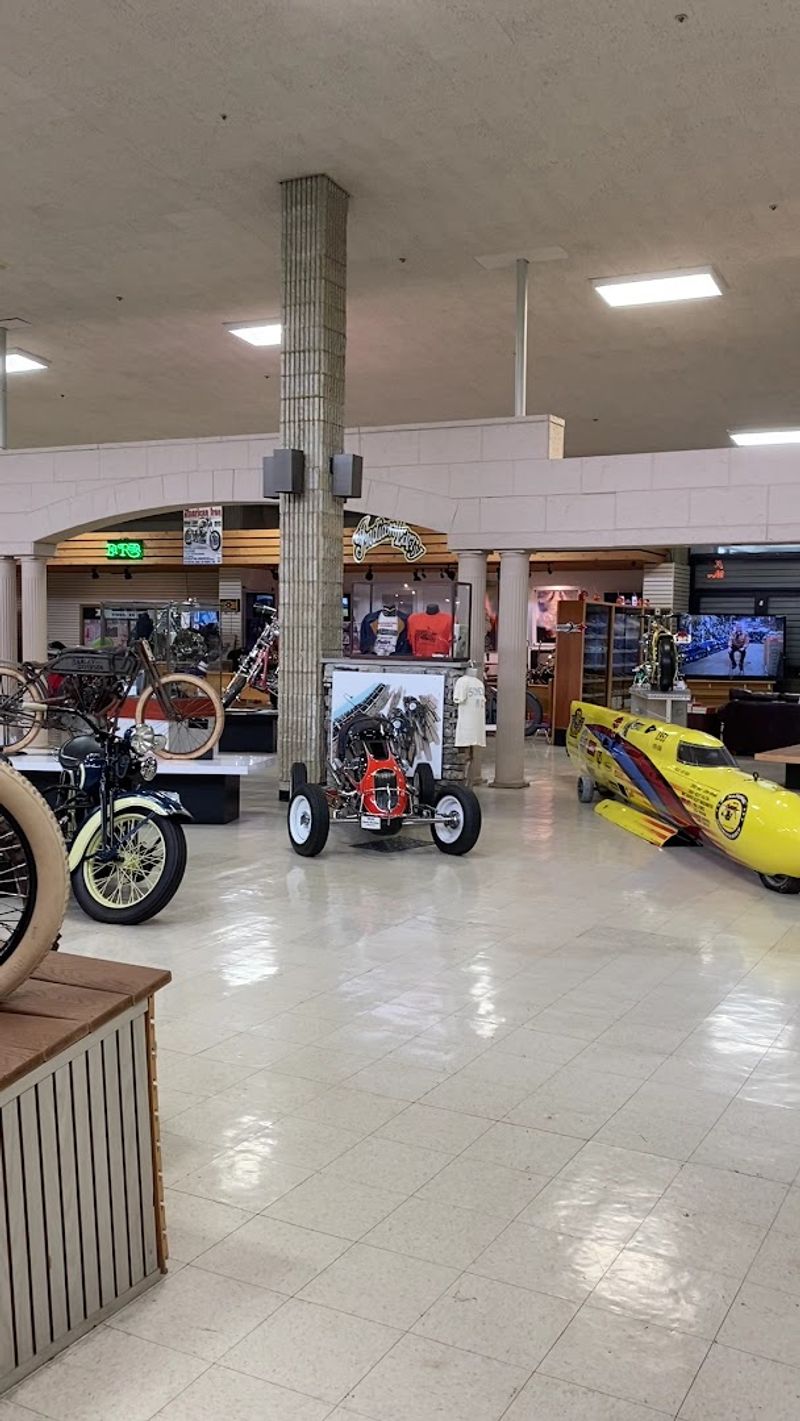
Scale matters when you are talking about a collection this big, and Motorcyclepedia absolutely delivers on that front. The museum occupies an enormous 80,000-square-foot facility spread across two full floors, giving each exhibit plenty of room to breathe and impress.
The sheer size of the building means you will not feel rushed or crowded as you explore. There are chairs placed throughout the space for when you need a quick break, and the layout flows naturally from one section to the next.
Most visitors report spending well over two hours here without even realizing how much time has passed.
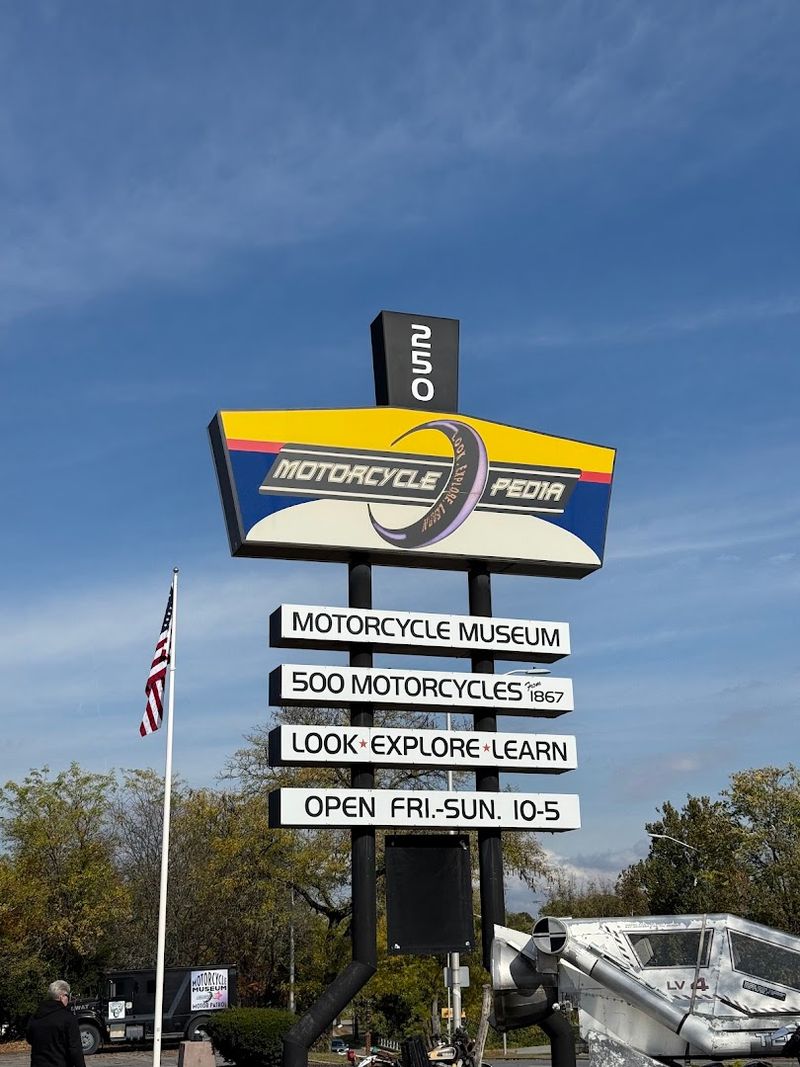
Multiple reviewers were genuinely surprised by how big the museum turned out to be — nobody expects a motorcycle museum in Newburgh to rival the scale of major city institutions. But here it is, quietly sitting at 250 Lake Street and absolutely blowing every expectation out of the water.
Come prepared to walk a lot.
Affordable Admission and Thursday Night Specials
Great museums do not always have to cost a fortune, and Motorcyclepedia proves that point beautifully. Regular admission is $15 per person, which is already a solid deal given the sheer volume of what you get to see.
But the real bargain happens on Thursday nights.
On Thursdays, the museum opens at 4 PM and admission drops to just $5 per adult — and kids get in free. That makes a family outing here incredibly affordable, especially compared to bigger attractions in the New York area.
It is the kind of deal that feels almost too good to be true.
Visitors consistently mention the Thursday pricing as a highlight, with one reviewer calling it a fun evening activity before dinner. Free parking is also available on-site, which is a welcome bonus.
Whether you visit on a Thursday for the deal or on a weekend for the full experience, your wallet will thank you either way.
Friendly and Knowledgeable Staff
A museum is only as good as the people who bring it to life, and Motorcyclepedia’s staff consistently earns top marks from visitors. Nearly every review mentions how welcoming, passionate, and knowledgeable the team is — and that warmth genuinely enhances the whole experience.
One visitor shared a story about a staff member whose father had worked at the museum, who passed along personal anecdotes about meeting motorcycle legends from the area. That kind of insider storytelling turns a regular museum visit into something much more memorable.
You leave feeling like you heard stories that are not written on any placard.
The staff also goes out of their way to make visitors comfortable — one reviewer mentioned being greeted warmly and allowed to store their motorcycle gear behind the counter. Small gestures like that make a big difference.
When a team clearly loves what they do, it shows in every interaction, and Motorcyclepedia’s crew absolutely radiates that energy.
Kid-Friendly Features and Family Fun
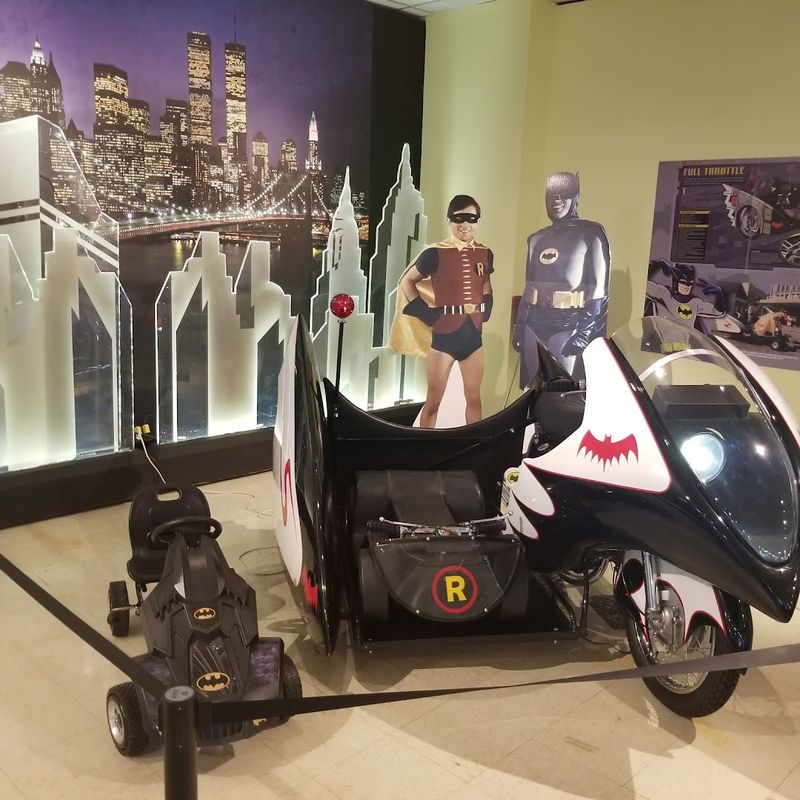
Who says motorcycle museums are only for adults? Motorcyclepedia has made a real effort to welcome the youngest visitors with features designed just for them.
There is actually a dedicated play area for kids, complete with mini pedal bikes they can scoot around on — which is absolutely adorable and a huge hit with little ones.
Beyond the play area, the museum’s wide aisles and relaxed atmosphere make it easy for families to move through together without stress. Kids also get in free on Thursdays, and the museum even hands out free goodies like trading cards and collectible buttons to young visitors.
Those little extras make families feel genuinely valued.
Parents consistently report that even children who had zero interest in motorcycles beforehand ended up having a fantastic time. The combination of visual excitement, hands-on elements, and a welcoming environment makes Motorcyclepedia a surprisingly perfect family day trip destination in the Hudson Valley.
Museum Gift Shop and Souvenirs
Every great museum visit deserves a great ending, and the small gift shop at Motorcyclepedia provides the perfect finishing touch. Tucked near the exit, the shop offers a selection of motorcycle-themed souvenirs and memorabilia that make for excellent keepsakes or gifts for people back home.
It is not an overwhelming retail experience — it is a curated little shop that feels right for the museum’s personality. Whether you want a t-shirt, a collectible item, or something small to remember the visit by, there is usually something that catches your eye.
The shop fits the vibe of the museum: unpretentious, genuine, and full of character.
On top of that, the museum has been known to offer free items like trading cards and buttons, especially for younger visitors. That generosity adds a warm, community-minded feel to the whole operation.
Motorcyclepedia is clearly run by people who love motorcycles and love sharing that passion with everyone who walks through the door.
Enjoyed this story?
Add Fast Food Club as a preferred source to see more of our reporting on Google.