


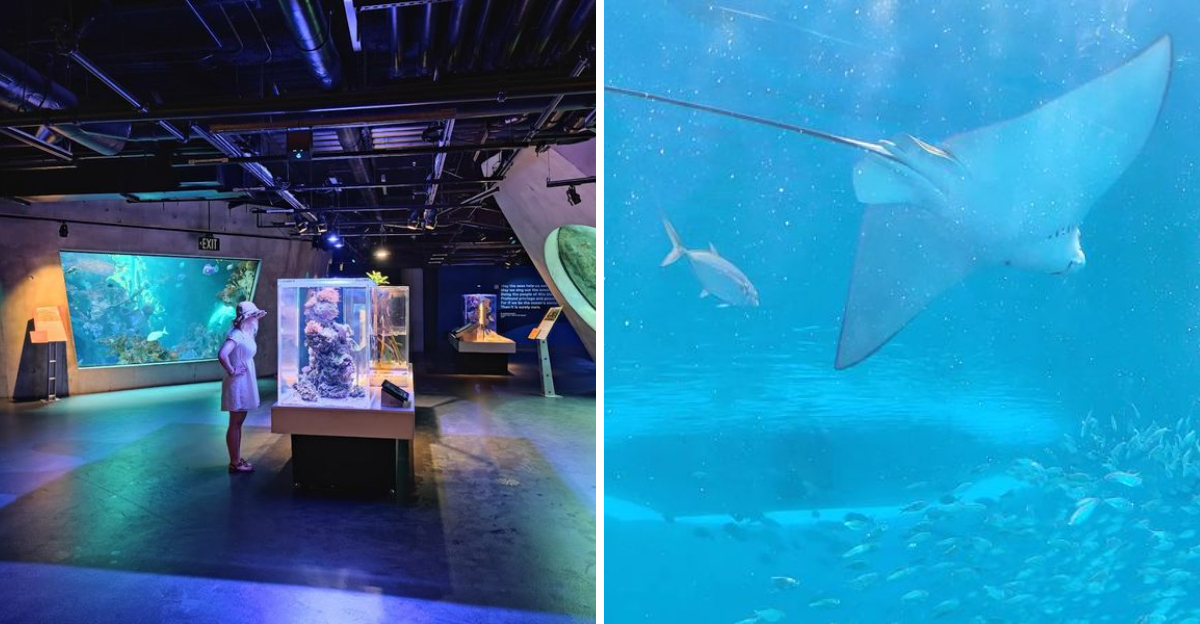
Tucked along the waterfront of Biscayne Boulevard in Miami, the Phillip & Patricia Frost Museum of Science is unlike any other science museum in Florida. What makes it truly jaw-dropping is its multi-level aquarium where you can actually stand beneath a massive overhead tank and watch hammerhead sharks glide right above your head.
From interactive science exhibits to a state-of-the-art planetarium, this museum packs an incredible amount of wonder into one stunning building. Whether you are visiting with family, friends, or flying solo, Frost Science is an experience you will not forget.
The Overhead Aquarium Experience
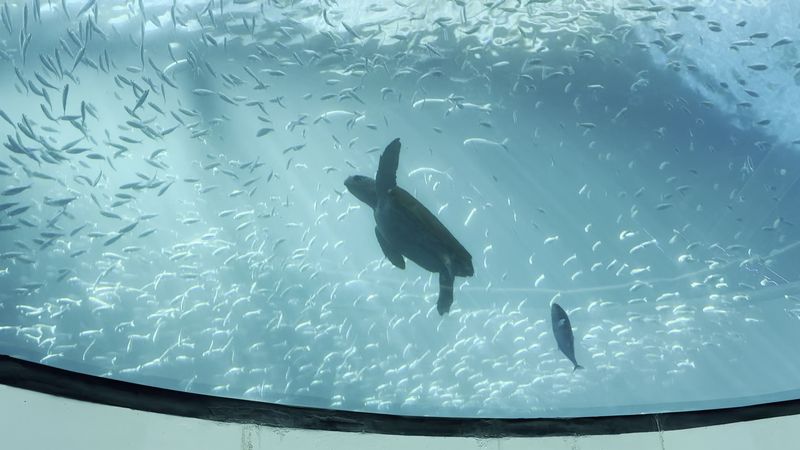
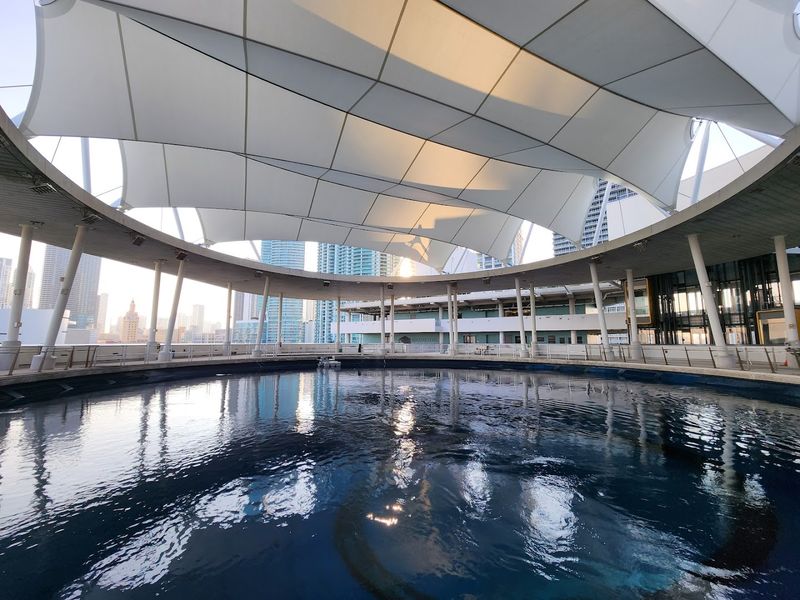
Picture standing still while a massive hammerhead shark silently glides directly over your head. That is exactly what happens at the Phillip & Patricia Frost Museum of Science, where the aquarium’s famous “Gulf Stream” tank offers a breathtaking upward view through a curved, transparent lens at the bottom of a 500,000-gallon pool.
This design is unlike anything you will find at a typical aquarium. The lens curves upward, giving you a submarine-style perspective that makes you feel like you are floating beneath the ocean.
Schools of fish swirl in tight bait balls while sharks circle slowly above.
Visitors of all ages are consistently left speechless by this feature. Reviews describe it as mesmerizing, epic, and the closest most people will ever get to witnessing a real bait ball in nature.
Arriving early guarantees you a front-row spot at the lens.
Hammerhead Sharks Up Close
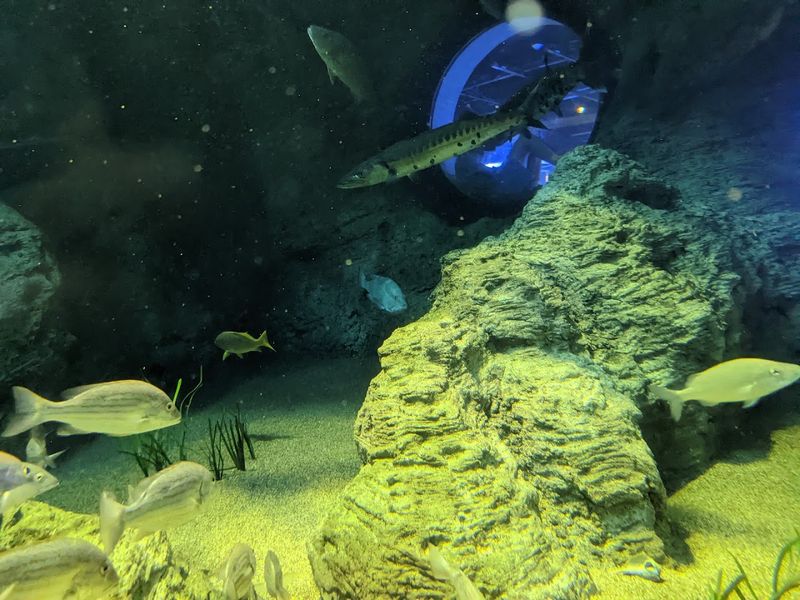
Few ocean creatures spark as much fascination as the hammerhead shark, and Frost Science puts you closer to one than most people ever dream of getting. These powerful animals share the Gulf Stream tank with rays, other shark species, and large schools of fish, creating a living, breathing ocean ecosystem right in the heart of Miami.
Watching a hammerhead move is oddly calming. Their wide, flat heads sweep side to side as they cruise the tank, seemingly unbothered by the crowd of amazed onlookers below.
One visitor perfectly described the scene as standing under the sea itself.
The museum does a great job providing educational context alongside the spectacle. Informational panels explain hammerhead behavior, their role in ocean ecosystems, and conservation concerns.
So you walk away not just amazed, but actually knowing more about one of the ocean’s most misunderstood predators.
The Multi-Level Aquarium Design
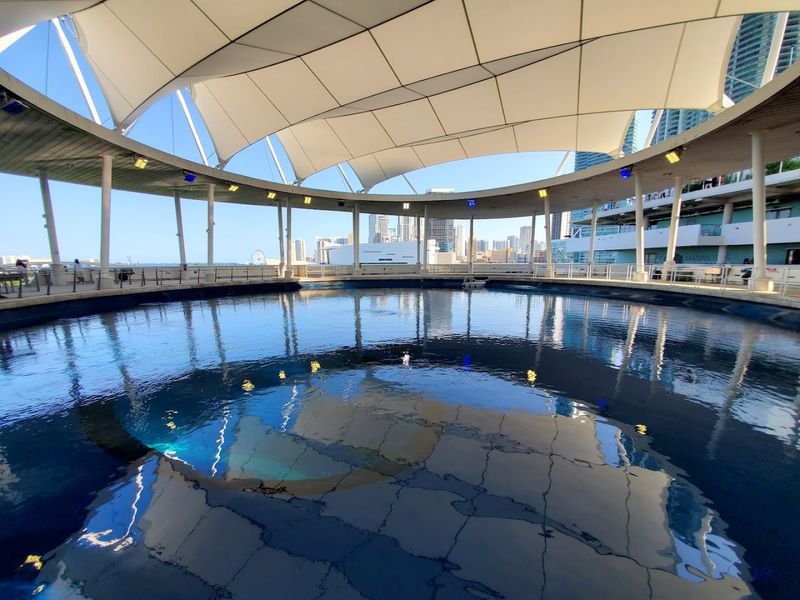
Most aquariums offer one perspective: you walk up, press your face to the glass, and look in. Frost Science completely flips that experience by designing its aquarium across three full levels, each offering a completely different viewpoint of the same ecosystem.
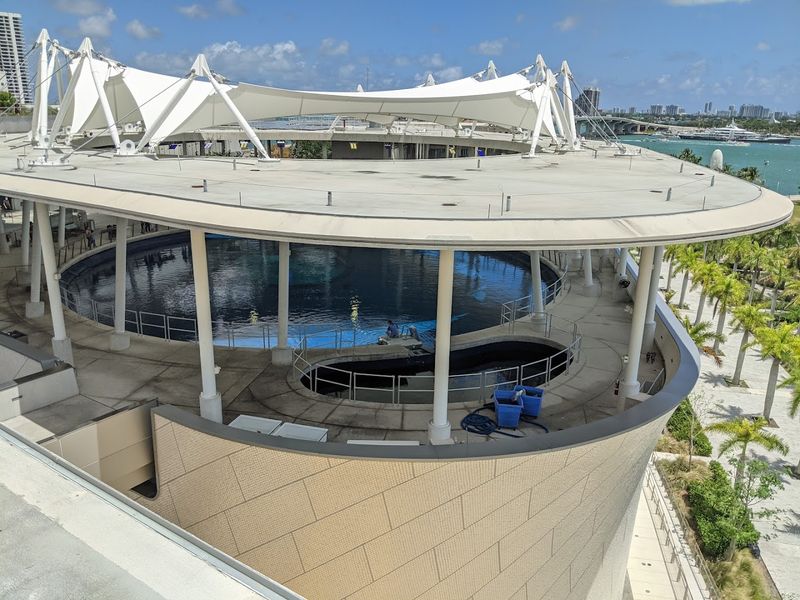
Start at the top floor, where you peer down into the round Gulf Stream pool from above. You might catch the surface rippling as the hammerhead shifts direction or a school of fish scatters.
Then work your way downward as the perspective gradually transforms from aerial to submarine.
By the time you reach the lowest level, you are eye-level with the full depth of the tank, surrounded by marine life on nearly every side. Jellyfish displays line the walls, glowing softly in the dim light.
The whole journey feels intentional and theatrical, like the museum is building toward a grand finale with every step down.
The Planetarium Shows
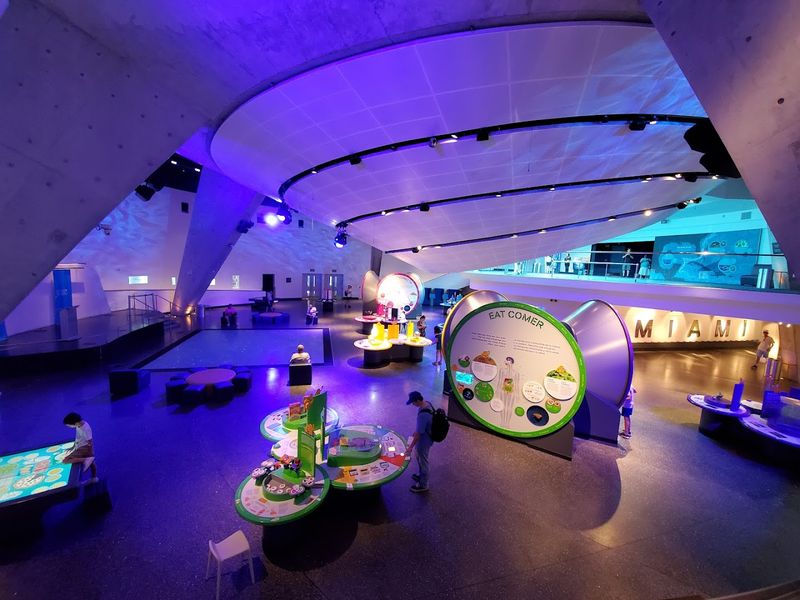
Settle into one of the plush reclining seats inside the Frost Planetarium and prepare to have your sense of scale completely rearranged. The full-dome, high-definition projection system wraps visuals all the way around you, creating a sensation that genuinely feels like floating through space.
Shows run throughout the day and cover topics ranging from the solar system and deep space to environmental issues like pollution and climate change. Admission typically includes one planetarium show with your Explorer Ticket, making it a fantastic value.
Laser shows are also available on select afternoons for a small additional fee.
Reviews consistently praise the planetarium as one of the museum’s standout features. One visitor said the show completely changed how they thought about global warming.
The comfortable seats are a bonus, though fair warning: a few audience members have been known to drift off during the more relaxing segments.
The Leonardo da Vinci Special Exhibit
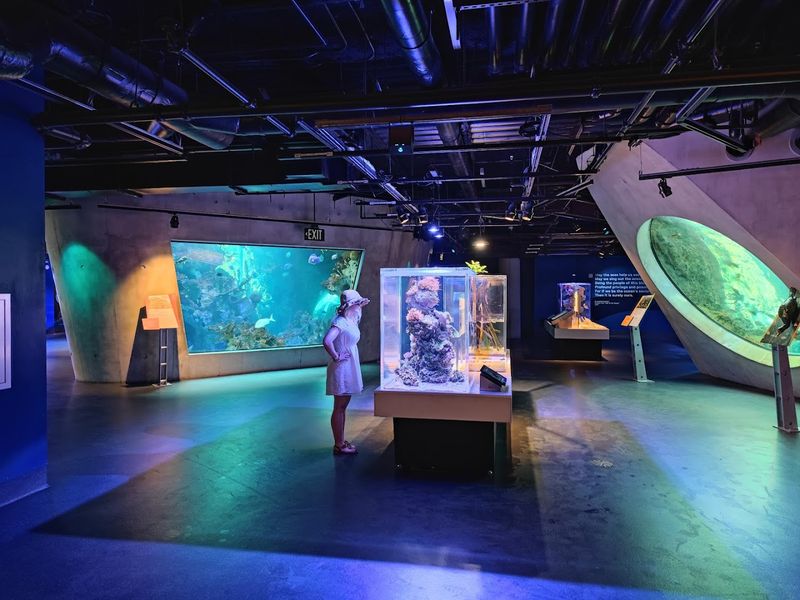
Leonardo da Vinci was an inventor, artist, scientist, and visionary all rolled into one extraordinary human being, and the special exhibit at Frost Science does a remarkable job honoring that complexity. Detailed replicas of his inventions sit alongside illustrated panels that break down the genius behind each design in language anyone can understand.
Visitors consistently rate this exhibit as one of the museum’s most engaging experiences. The displays are thoughtfully arranged so you move through da Vinci’s life and ideas chronologically, building appreciation as you go.
Kids who might not know much about Renaissance history walk out genuinely impressed.
What makes this exhibit shine is how it connects da Vinci’s 500-year-old thinking to modern science and technology. His flying machine concepts, for example, feel surprisingly relevant in a museum that also features aerospace exhibits just floors away.
It is a beautiful bridge between history and discovery.
Interactive Science Galleries
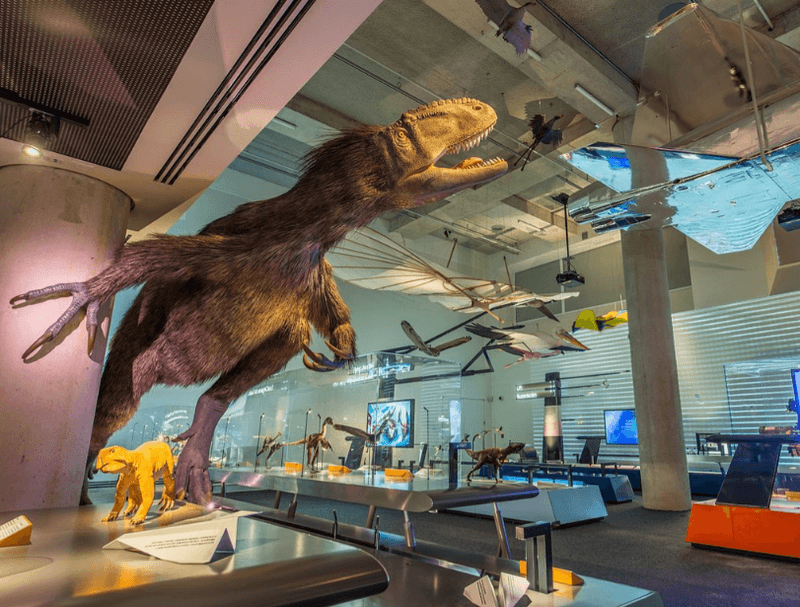
Hands-on learning is the heartbeat of Frost Science, and the interactive galleries spread across the museum’s six floors prove it at every turn. From weather and technology exhibits to physics demonstrations and biology stations, there is almost no subject that gets left out of the fun.
One crowd favorite is the Feathers to the Stars gallery, where visitors can fold a paper airplane and immediately test it using the museum’s specially designed launch setup. You watch it spin, stall, or soar, and the results actually teach you something real about aerodynamics without feeling like a lesson.
There is also a spacecraft landing video game where you play as a pilot trying to touch down on the moon. It sounds simple, but the game cleverly reveals how many precise steps a real mission requires.
Learning sneaks up on you here, which is honestly the best kind of education there is.
The Working Coral and Fossil Labs
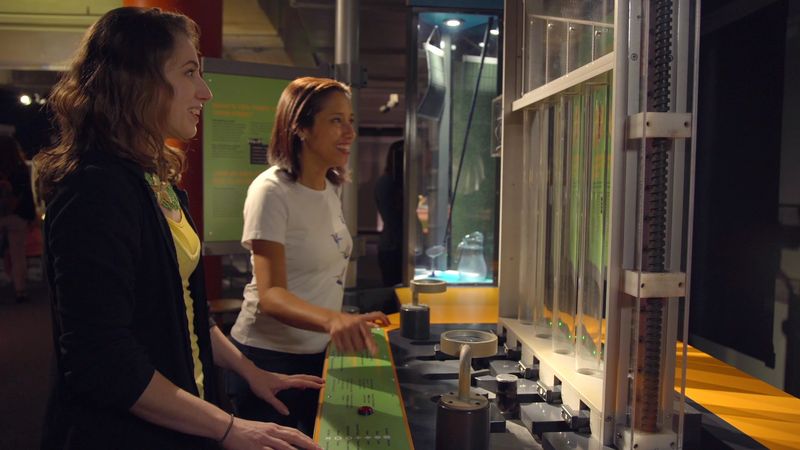
Walking past a working science lab feels different than reading about one in a textbook. At Frost Science, the coral lab and fossil lab are real, active research spaces where actual scientists work, and visitors are welcome to stop, watch, and ask questions.
The scientists stationed at these labs are genuinely enthusiastic about talking to curious guests. Whether you want to know how coral reefs regenerate, what a specific fossil tells us about prehistoric Florida, or how researchers preserve delicate specimens, you will likely get a thoughtful and detailed answer.
This feature elevates Frost Science beyond a typical museum experience. You are not just observing history behind glass; you are watching science happen in real time.
For kids who dream of becoming researchers or marine biologists, standing next to a working coral tank while a scientist explains reef conservation is the kind of moment that can genuinely shape a future career.
The Stingray Touch Pool
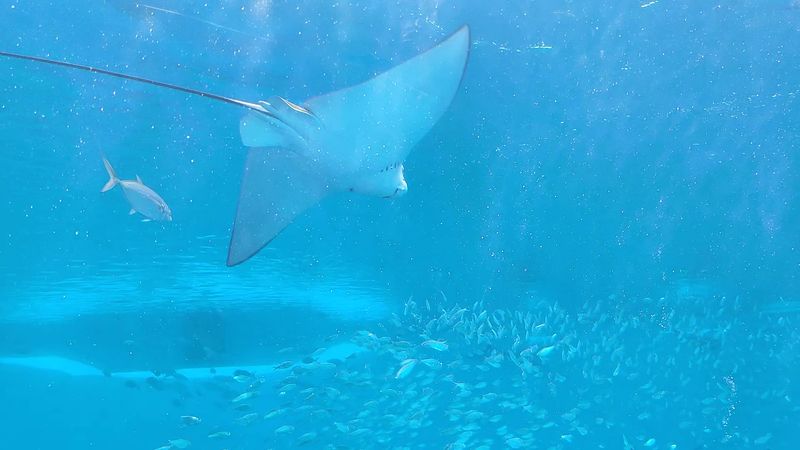
There is something completely magical about reaching into a shallow pool and feeling a stingray glide under your fingertips. The touch pool at Frost Science is one of those rare museum moments that goes beyond looking and becomes a full sensory memory you carry with you long after you leave.
Rays are surprisingly smooth and move with this effortless, almost dreamlike grace. Museum staff are always nearby to guide first-timers on how to approach the animals gently and respectfully, ensuring the experience stays safe and positive for both visitors and the rays themselves.
Kids tend to absolutely lose their minds over this exhibit in the best possible way. Even adults who arrived slightly skeptical end up lingering at the pool longer than planned.
It is a perfect example of how Frost Science consistently turns passive observation into genuine connection, making science feel personal and alive rather than distant and textbook-dry.
The Observation Deck Views
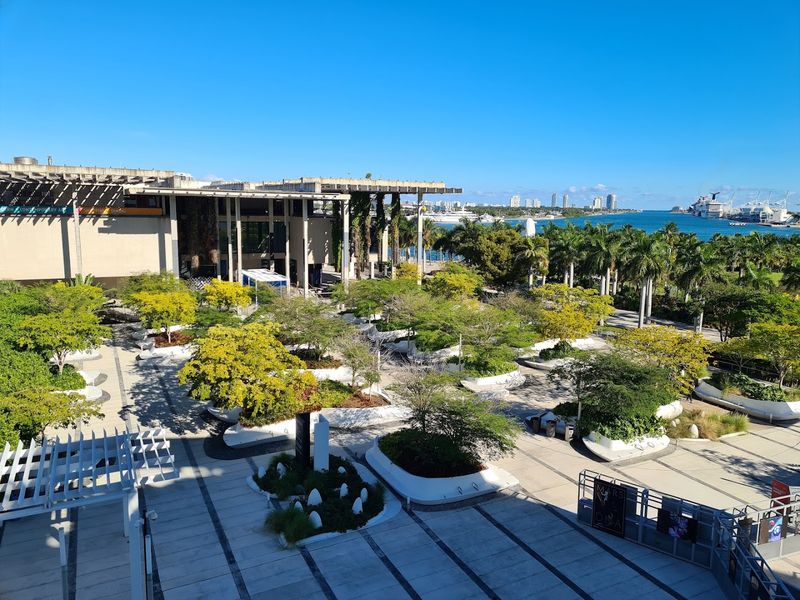
Step outside onto the Frost Science observation deck and Miami reveals itself in the most spectacular way. Sweeping views of Biscayne Bay stretch out in one direction while the glittering Miami skyline frames the other, making it one of the best free viewpoints in the entire city.
Oversized binoculars are mounted along the deck railing, letting you zoom in on cruise ships, distant islands, and the ongoing construction of the nearby Fountain bridge. Lush tropical plants are scattered throughout the space, giving it a surprisingly peaceful, garden-like atmosphere despite being in the middle of a bustling city.
Interactive activities are also tucked into the deck area, so the views are just one part of what draws visitors up here. Pro tip from frequent guests: head to the top floor first thing in the morning for the clearest skies and the best photos without the afternoon crowd gathering around the railing.
The Aviary and Mangrove Exhibit
Florida’s mangrove forests are one of the state’s most valuable and most threatened ecosystems, and Frost Science brings that story to life in the most immersive way possible. The aviary section features live birds walking and flying freely through a recreated mangrove habitat, giving visitors a genuine sense of what these remarkable wetlands look and feel like.
Colorful birds dart between branches overhead while educational panels explain why mangroves matter so deeply to Florida’s coastline health. The exhibit connects the beauty of the birds to the bigger ecological picture without ever feeling preachy or overly technical.
For families with younger children, this section tends to spark pure joy. Spotting a bird just inches away on a low branch is the kind of wildlife encounter most kids only see on a screen.
The combination of real animals, authentic habitat design, and clear educational messaging makes this one of the museum’s most thoughtfully crafted spaces.
Ticketing, Hours, and Practical Visitor Tips
Planning your visit to Frost Science is pretty straightforward once you know the basics. The museum is open every day from 10 AM to 6 PM, located at 1101 Biscayne Blvd, Miami, FL 33132.
You can reach them at +1 305-434-9600 or check frostscience.org for the latest exhibit updates and ticket availability.
Explorer Tickets, which include general exhibits, the aquarium, and one planetarium show, are priced at around $29.95 for adults and $22.95 for kids ages 4 to 11 on weekdays. Weekend and peak pricing runs slightly higher.
Children three and under get in free, which is a nice bonus for families with toddlers.
Parking is available in the building’s basement garage at a flat $20 rate, and multiple reviewers call it genuinely the cleanest parking garage they have ever seen. Arriving right at 10 AM is the smartest move, giving you the full day without fighting afternoon crowds.
The Modern Architecture and Building Layout
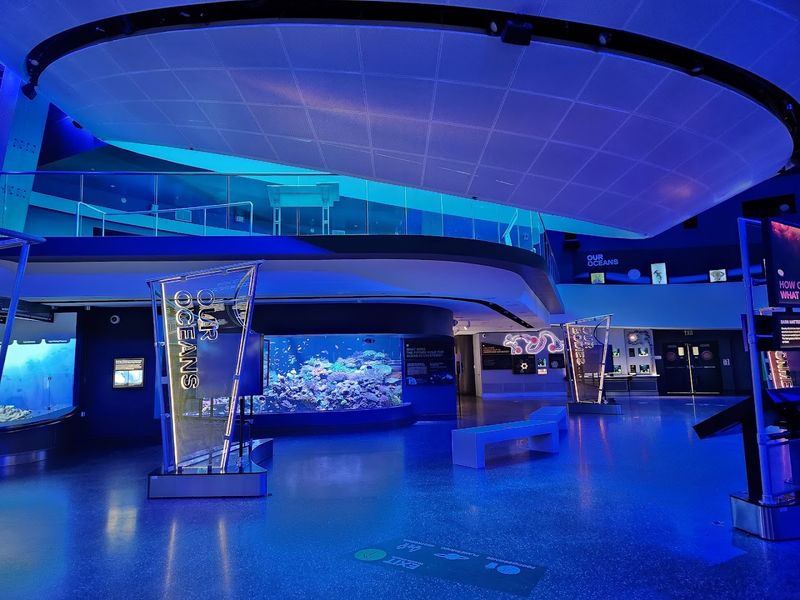
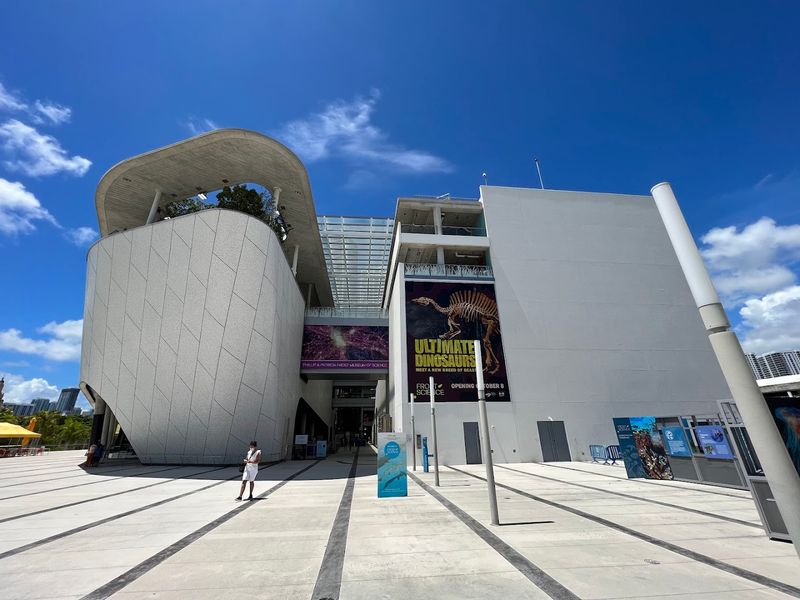
Even before you set foot inside, the Frost Museum of Science building earns its own round of applause. The architecture is bold, modern, and unmistakably Miami, with clean geometric lines, sweeping glass panels, and an indoor-outdoor flow that feels more like a luxury cultural destination than a traditional museum.
Six full floors of exhibits are connected by multiple elevators and beautifully designed staircases that are themselves worth pausing to admire. One reviewer specifically noted the fun transparent elevator that lets you watch the building’s inner workings as you ride between floors, which honestly sounds like an exhibit in itself.
The museum sits within a public park adjacent to the arts museum district, with views of both the Intracoastal Waterway and the nearby construction of a new pedestrian bridge. The surrounding landscape enhances the experience, making the walk to the entrance feel like the beginning of something genuinely special rather than just another museum trip.
Why Frost Science Is a Must-Visit in Miami
With a 4.4-star rating across nearly 8,000 reviews, Frost Science has clearly earned its reputation as one of Miami’s premier destinations. Visitors from around the world consistently describe it as world-class, immersive, and the kind of place that makes you want to come back before you have even finished your first visit.
What sets it apart from other science museums is the sheer variety packed into one building. You get a multi-level aquarium with hammerhead sharks, a full-dome planetarium, working research labs, interactive technology galleries, live birds, a stingray touch pool, and sweeping waterfront views all under one roof.
Whether you are a Miami local or just passing through South Florida, carving out a full day for Frost Science is absolutely worth it. Families, solo explorers, architecture lovers, and ocean enthusiasts all find something here that genuinely resonates.
It is, without question, one of the most inspiring ways to spend a day in Miami.
Enjoyed this story?
Add Fast Food Club as a preferred source to see more of our reporting on Google.