


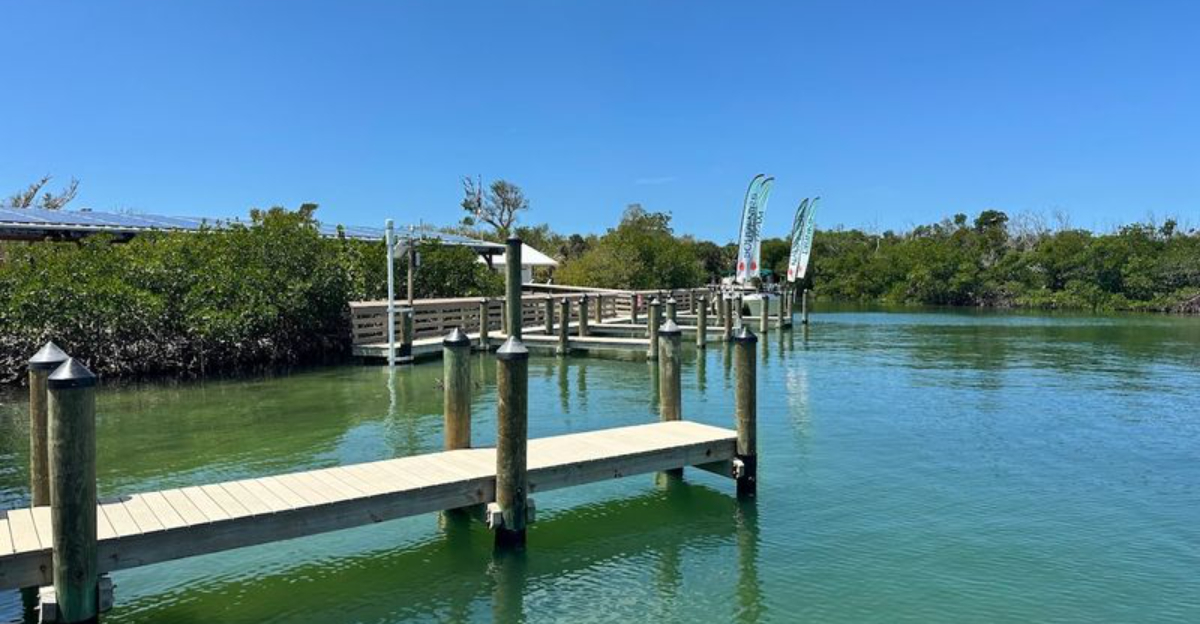
Tucked away off the Gulf Coast of Florida near Captiva, Cayo Costa State Park is one of the most unspoiled barrier islands you will ever set foot on. There are no roads, no cars, and no crowds — just nine miles of stunning beach, towering palm trees, and wildlife roaming freely.
The only way to reach this hidden gem is by ferry or private boat, which makes the whole adventure feel even more special. If you are looking for a Florida experience that feels truly wild and untouched, Cayo Costa is calling your name.
Wild Dolphins Playing Near the Shore
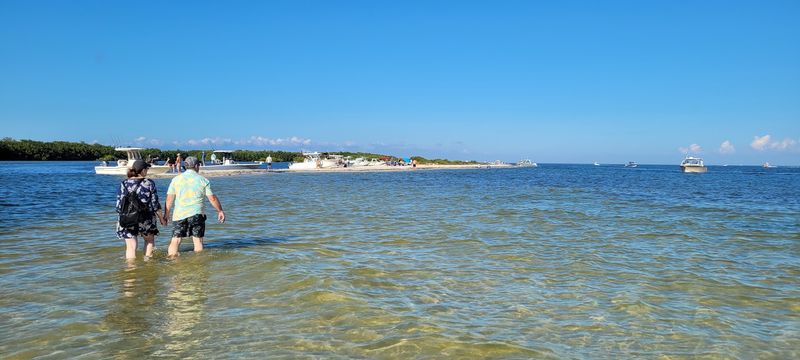
Few things stop you in your tracks quite like spotting a dolphin just a few feet from where you are standing in the water. At Cayo Costa State Park, wild bottlenose dolphins are a regular sight, and they often swim surprisingly close to the shore.
Visitors have shared stories of swimming alongside them during calm weekday afternoons when the beach is nearly empty.
These dolphins are completely wild, living freely in the warm Gulf waters surrounding the island. Because the park sees far fewer visitors than typical Florida beaches, the marine life here behaves naturally and without fear.
You are not watching dolphins perform — you are stepping into their world.
Keep your eyes on the water as you wade in, especially during early morning hours. That is usually when dolphin activity is at its peak along the Gulf-facing side of the island.
Sea Turtles Nesting on Pristine Beaches
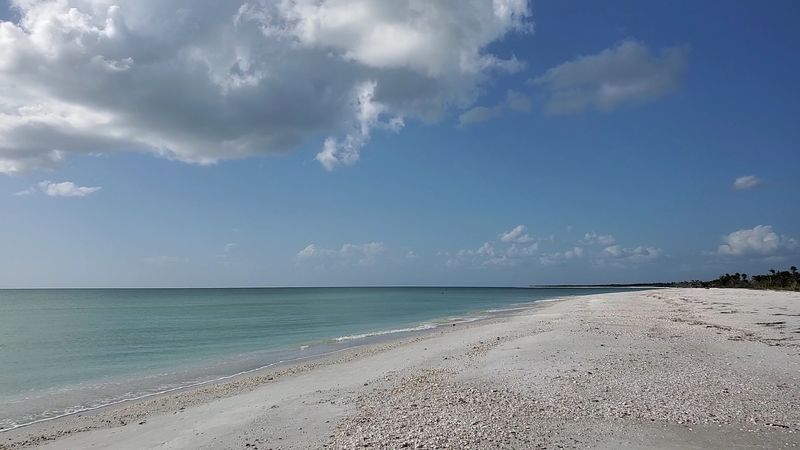
Every summer, sea turtles crawl ashore at Cayo Costa to lay their eggs in the soft, undisturbed sand. Because the island has no artificial lighting or heavy foot traffic, it is one of the most ideal nesting spots on Florida’s Gulf Coast.
Loggerhead sea turtles are the most common species spotted here, and their nesting season runs roughly from May through October.
Watching a sea turtle nest or hatch is a once-in-a-lifetime experience, and Cayo Costa gives you a genuine shot at witnessing it. Rangers monitor nesting activity and can point you toward areas where recent nesting has occurred.
Always keep a respectful distance and never use flash photography near nests.
The fact that this beach remains so natural and car-free is a huge reason sea turtles keep returning year after year. Protecting that wildness is something every visitor shares responsibility for.
Sandy Trails Instead of Roads
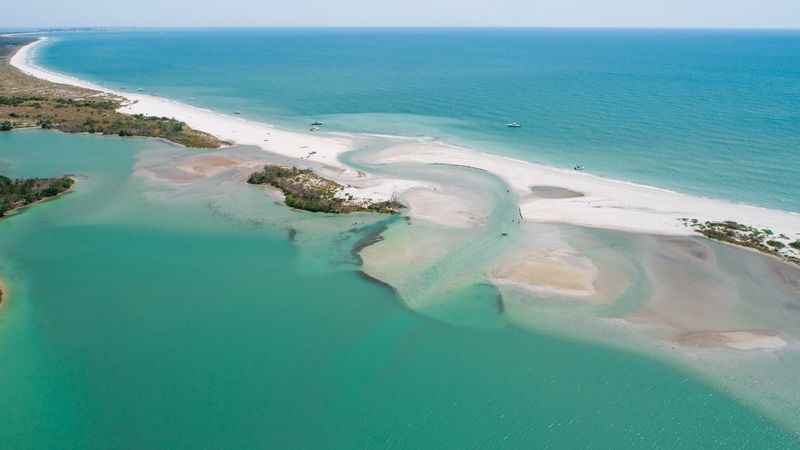
There is something refreshingly freeing about arriving at a place where roads simply do not exist. At Cayo Costa, all the pathways are sandy trails that wind through pine forests, mangroves, and open scrublands.
The main trail connecting the dock to the Gulf beach is about three-quarters of a mile and is well-maintained and easy to walk.
Visitors consistently rave about how peaceful these trails feel underfoot. No car engines, no exhaust fumes — just birdsong, rustling palms, and the occasional lizard darting across your path.
Renting a bike from the park store is a popular option for covering more ground, especially if you want to explore the island’s interior trails.
A tram also runs hourly for those who prefer a more relaxed ride to the beach. Either way, getting around Cayo Costa feels like an adventure all on its own, completely unlike any typical Florida park experience.
Nine Miles of Uncrowded, Shell-Covered Beach
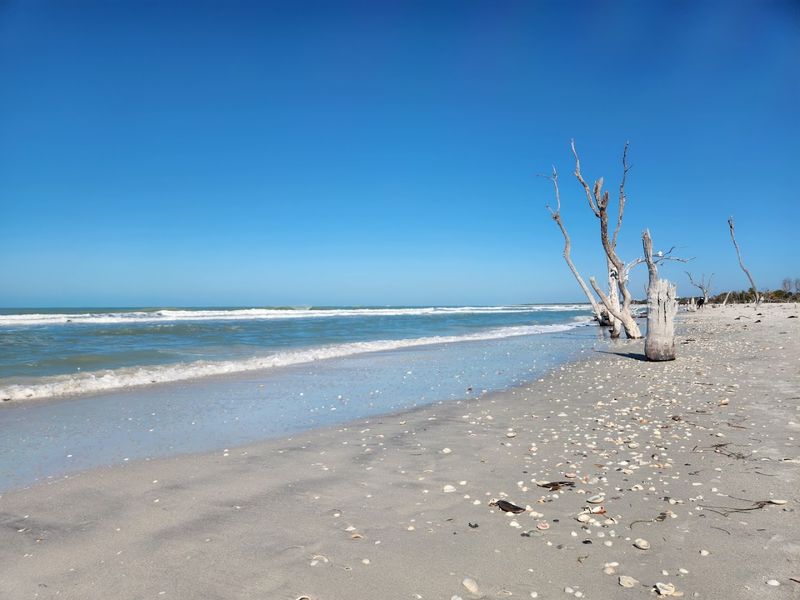
Shell collectors, this one is for you. Cayo Costa’s beaches are legendary among shelling enthusiasts for the sheer variety and quantity of shells that wash ashore daily.
Because the island is accessible only by boat, the beaches never get overcrowded, meaning you have a real chance of finding intact lightning whelks, olive shells, and even the occasional junonia.
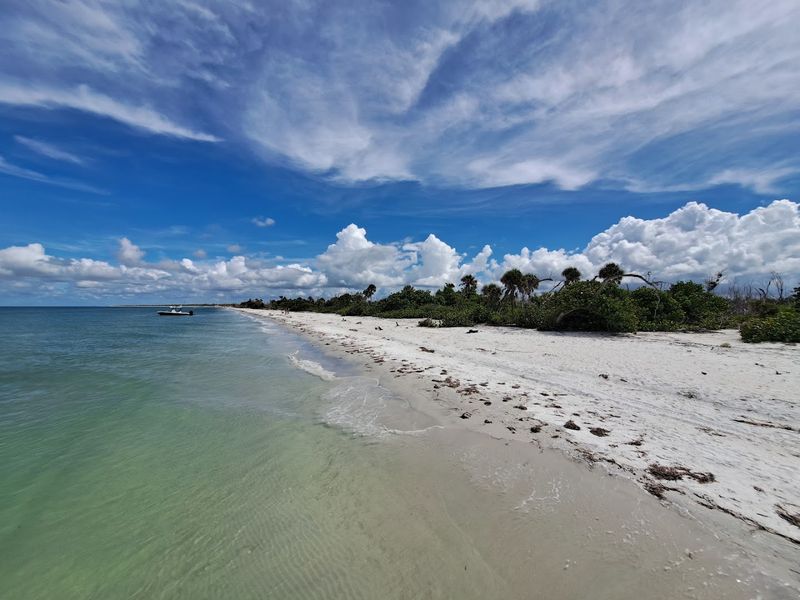
Stretching nine full miles, the beach here offers plenty of space to spread out and feel completely alone with the Gulf. The water is clear and calm on most days, making it perfect for swimming, snorkeling, or simply wading while scanning the shoreline for treasures.
One tip seasoned visitors swear by: arrive early on weekdays for the best shelling experience before other beachgoers have had a chance to scoop up the morning’s fresh arrivals. Weekends bring more boats and visitors, so timing your trip strategically makes a noticeable difference.
Arriving by Ferry or Private Boat
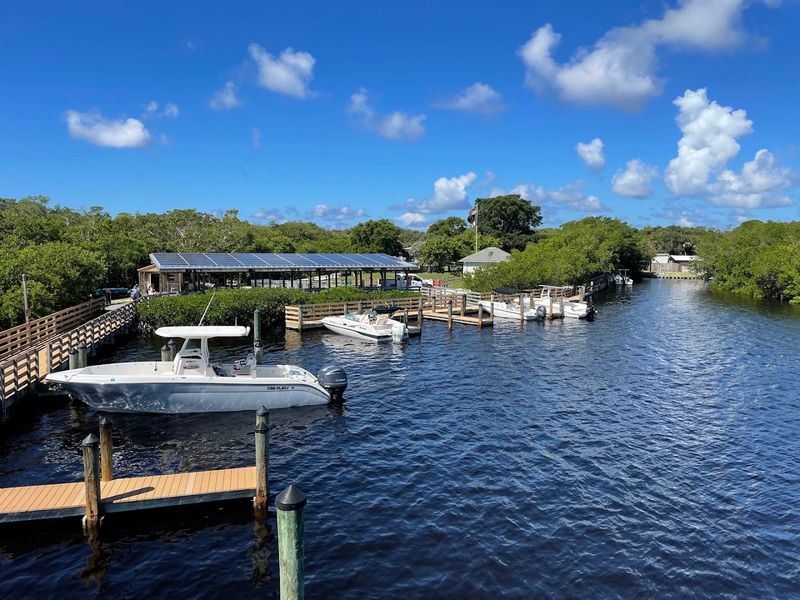
Getting to Cayo Costa is half the adventure. Since Hurricane Ian, the island is accessible only by private boat or charter boat tour — there is no public ferry service currently operating.
Charter companies out of nearby Pine Island and Fort Myers Beach offer trips that include transportation, making the journey accessible even if you do not own a boat.
The boat ride itself is a treat. You will pass through scenic waterways dotted with mangrove islands, and it is not unusual to spot manatees, rays, or dolphins during the crossing.
Arriving at the park dock and stepping onto a car-free island immediately sets a different tone for the day.
Make sure to check current charter availability before planning your trip, as schedules change seasonally. Arriving early is always a smart move, especially on weekends when dock space can fill up quickly and the beach gets busier.
Primitive Camping Under the Stars
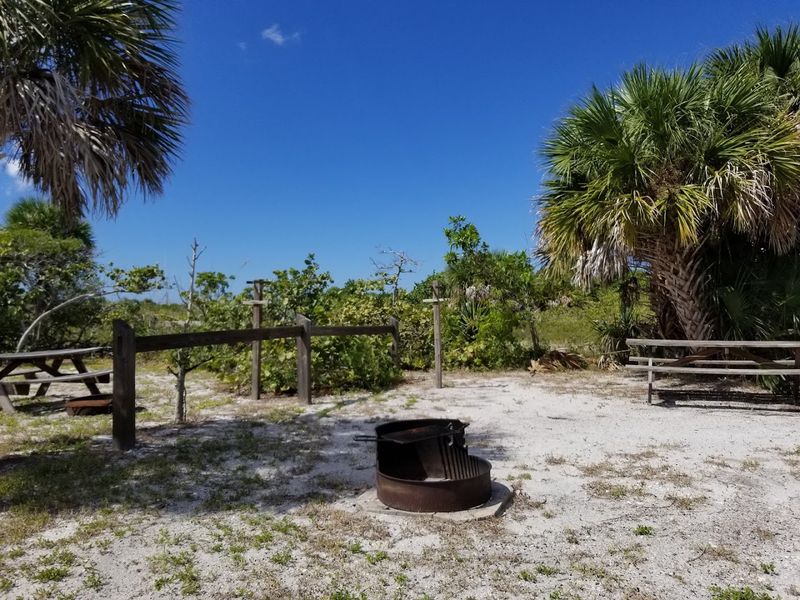
Camping at Cayo Costa is the kind of experience that reminds you how good it feels to unplug completely. The primitive campsites are nestled among beautiful palm trees, and the breeze carries the smell of saltwater straight through your tent.
Campers consistently describe being lulled to sleep by the sound of soft waves crashing nearby.
There is no electricity at the primitive sites, and supplies at the small park store are limited, so planning ahead is essential. Pack all your food in sealed containers — the island has a well-known population of curious rats that will chew through bags and tents in search of snacks.
Ice and firewood are available on-site, which is a welcome convenience.
Bug protection is non-negotiable. No-see-ums and mosquitoes are relentless, especially in warmer months.
High-DEET repellent, fine-mesh netting, and a battery-powered fan will make your nights far more comfortable under those gorgeous, star-filled skies.
Cozy Cabin Rentals for a Rustic Getaway
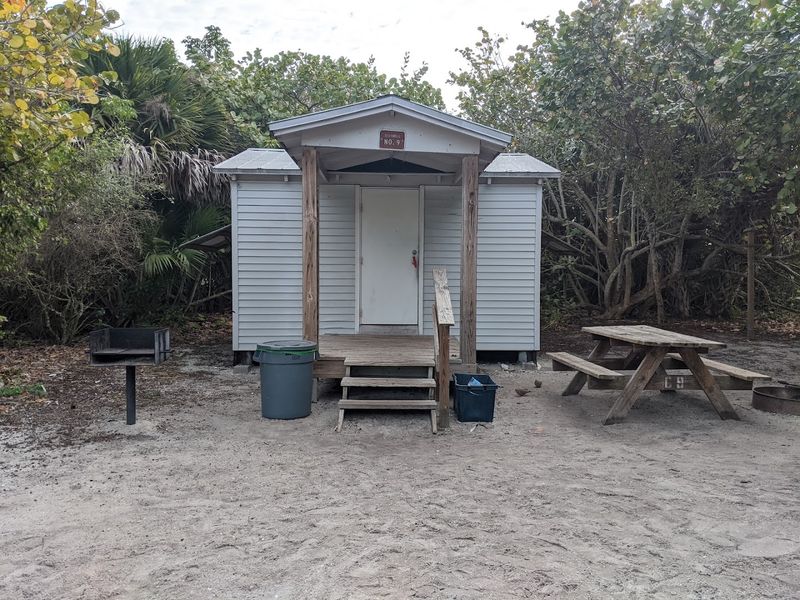
Not everyone wants to sleep on the ground, and Cayo Costa has you covered with small cabin rentals that offer a step up from tent camping without sacrificing the wild island atmosphere. The cabins are compact and simple, but they are more than enough for a comfortable stay.
Guests who have stayed in them describe the experience as perfectly cozy and wonderfully removed from everyday life.
Cabins do not have electricity, so bring portable chargers, battery-powered lights, and anything else you might need. There is a small store near the ranger station where you can grab ice for coolers and pick up basic snacks or camping supplies if you forgot something at home.
Booking well in advance is a must — these cabins fill up fast, especially during Florida’s winter season from November through March. Many visitors say they wish they had planned a longer stay after experiencing just one night on the island.
Incredible Birdwatching Across the Island
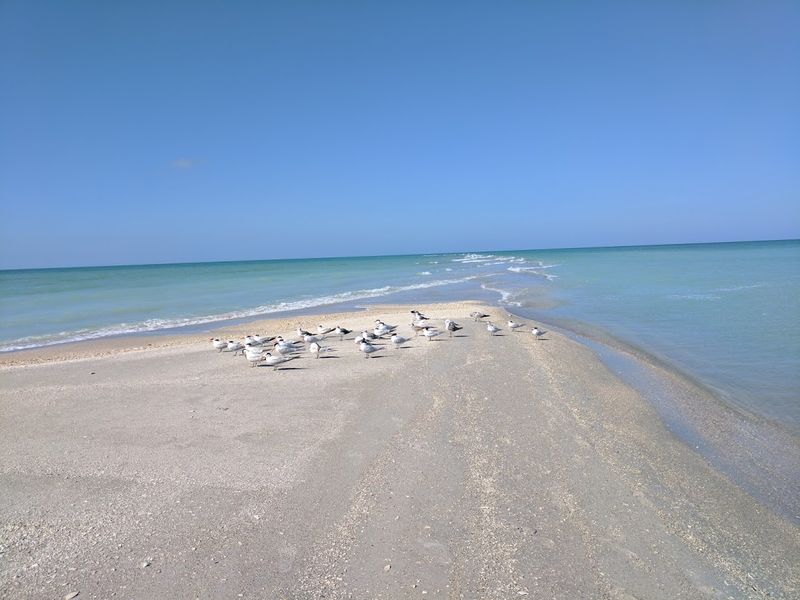
Birders, grab your binoculars. Cayo Costa sits along a major migratory flyway, which means the variety of bird species you can spot here throughout the year is genuinely impressive.
Roseate spoonbills, ospreys, great blue herons, brown pelicans, and various shorebirds are among the regulars. During migration season, the island becomes a temporary home for dozens of additional species passing through.
The mix of habitats — Gulf beach, pine flatwoods, mangroves, and oak hammocks — creates a diverse environment that attracts birds with very different preferences. Walking the interior trails in the early morning gives you the best chance of spotting something extraordinary before the heat of the day sets in.
Even casual visitors who are not dedicated birders often find themselves pausing to watch the wildlife here. Something about an island this quiet and undisturbed makes every bird encounter feel more intimate and memorable than it would anywhere else.
The Historic Pioneer Cemetery
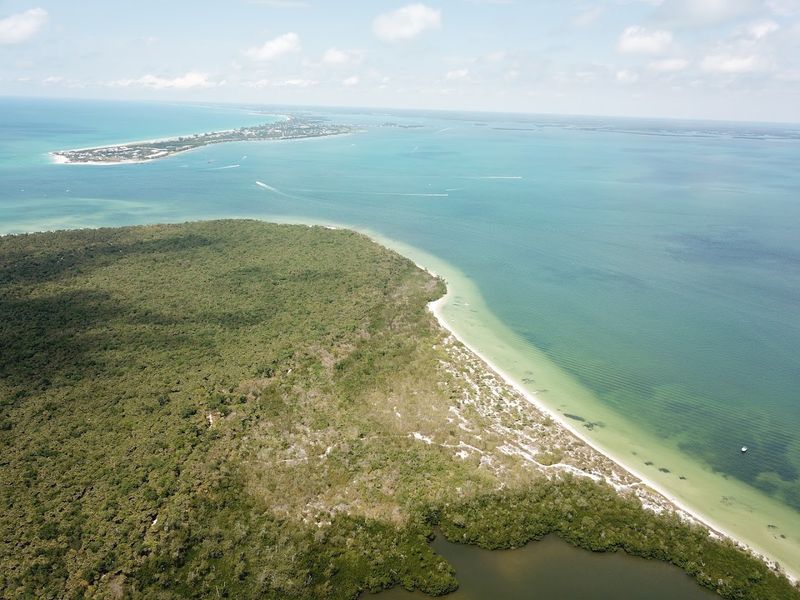
History quietly lives on Cayo Costa in ways most visitors do not expect. Tucked within the island’s interior is the Pioneer Cemetery, a small burial ground that tells the story of the families who once called this remote barrier island home.
It is a surprisingly moving stop on any visit, offering a glimpse into a way of life that has long since disappeared from this stretch of the Gulf Coast.
Fishing families settled parts of Cayo Costa in the late 1800s and early 1900s, surviving with almost no modern conveniences on an island that even today feels far removed from civilization. The cemetery serves as a quiet reminder of their resilience and their deep connection to this land and sea.
Many guided boat tours include a walk past the Pioneer Cemetery as part of the island experience. It pairs naturally with a visit to Murdock Point and adds meaningful historical context to an already rich outdoor adventure.
Crystal-Clear Gulf Waters Perfect for Swimming
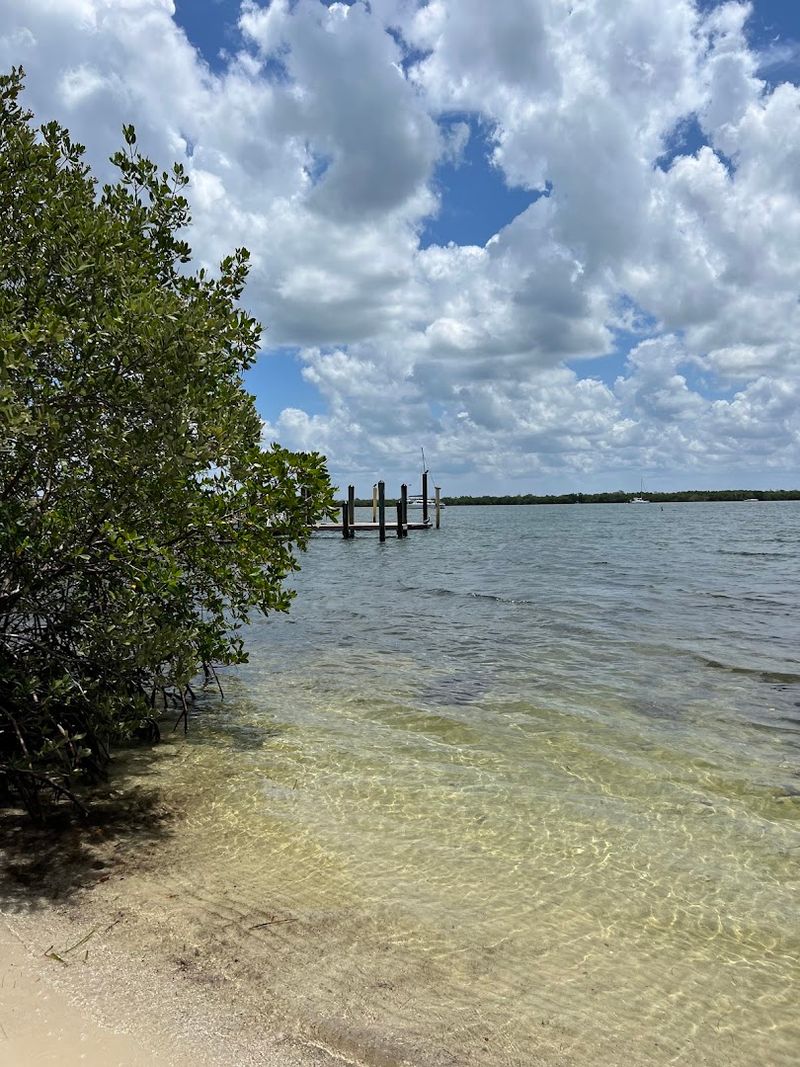
The water at Cayo Costa has a reputation for being some of the clearest and most inviting along the entire Gulf Coast of Florida. On calm days, the shallow Gulf-side water turns a brilliant shade of turquoise that looks almost unreal.
Visitors frequently describe it as feeling like swimming in a bathtub — warm, clear, and wonderfully calm.
Because the beach stretches so far and stays relatively uncrowded, you can almost always find a stretch of shoreline that feels entirely private. Families with kids especially love the gradual entry and the gentle waves that make the water safe for younger swimmers.
Snorkeling close to the shore occasionally rewards you with glimpses of small fish and other sea life.
Always bring plenty of sunscreen and water because shade is limited along the beachfront. A pop-up canopy or a large beach umbrella makes a long beach day significantly more enjoyable, especially during the hotter summer months.
Kayaking and Exploring the Surrounding Waters
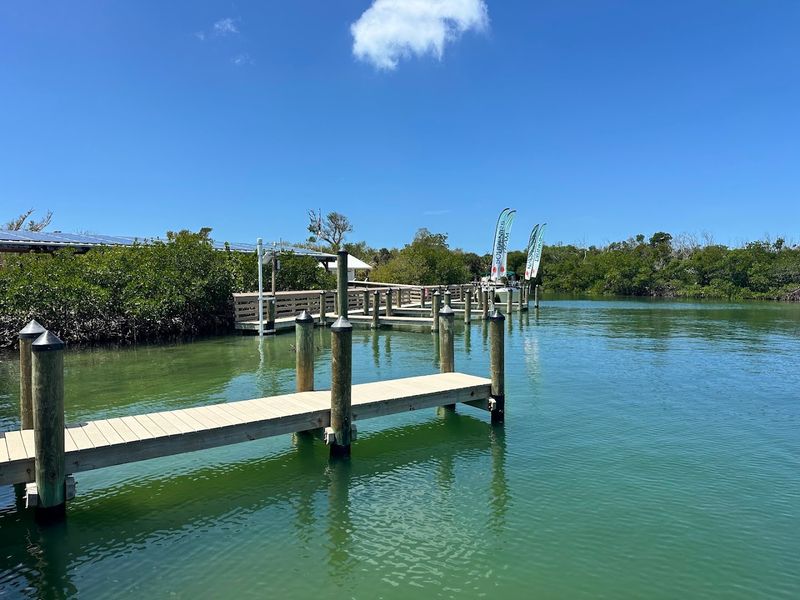
Paddling around Cayo Costa opens up a completely different side of the island that most visitors never see. The park has kayaks available for rent, and the calm, shallow waters surrounding the island are ideal for exploring on your own schedule.
Mangrove tunnels, tidal flats, and quiet coves are all within easy paddling distance from the main dock area.
Wildlife encounters are common from a kayak. Getting low on the water puts you at eye level with herons, mullet jumping in the shallows, and the occasional curious dolphin that swings by to investigate your vessel.
Early morning paddles before the wind picks up offer the smoothest and most magical experience.
Even first-time kayakers find the waters around Cayo Costa manageable and enjoyable. The relatively flat terrain and calm Gulf conditions make it a forgiving environment to learn in.
Just remember to apply sunscreen generously — the reflection off the water intensifies the sun considerably.
Dark Skies and Stargazing at Night
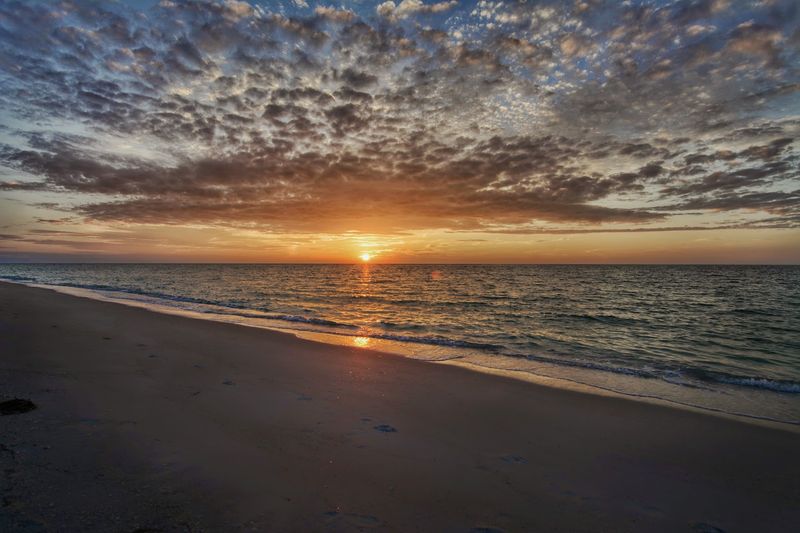
One of Cayo Costa’s most underrated features is something you can only appreciate after sunset — the sky. With no roads, no streetlights, and almost no light pollution, the night sky above this island is absolutely breathtaking.
Campers who have stayed overnight consistently mention the stargazing as one of the most memorable parts of their entire trip.
On clear nights, the Milky Way stretches across the sky in a way that is genuinely hard to describe if you have only ever stargazed near a city. The sound of the ocean in the background makes the experience even more immersive and peaceful.
Bring a blanket and lie back on the beach for a view that no rooftop bar or resort can compete with.
A simple stargazing app on your phone can help you identify constellations and planets without ruining your night vision if you keep the screen brightness low. This is one of those rare Florida experiences that stays with you long after you leave.
Practical Tips for Planning Your Visit
Planning ahead makes all the difference when visiting a park as remote as Cayo Costa. The park is open daily from 8 AM to 5 PM and charges a small entrance fee of around two dollars per person.
The tram from the dock to the beach runs hourly and costs about three dollars each way, which is well worth it on a hot day with gear in tow.
Pack everything you think you will need — food, water, sunscreen, bug spray, and any medications — because the small on-site store has limited stock. Weekday visits are strongly recommended if you want a quieter, more personal experience.
Weekend crowds arrive by boat and the beach can feel noticeably busier, especially during Florida’s peak winter tourism season.
For current charter boat availability and camping reservations, visit the official park website at floridastateparks.org or call the park directly at 941-964-0375. Reservations for campsites and cabins book up fast, so plan weeks or even months ahead.
Enjoyed this story?
Add Fast Food Club as a preferred source to see more of our reporting on Google.