


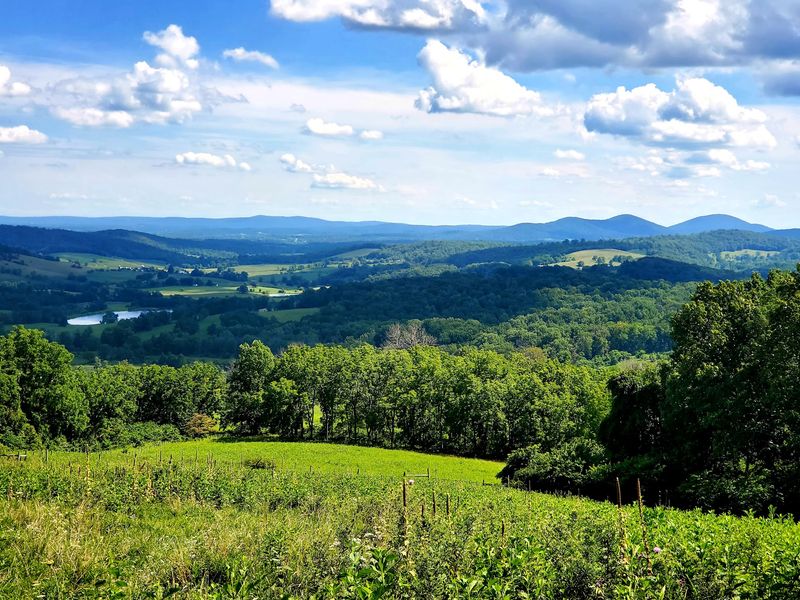
Plenty of drivers have zipped past this place on the way to somewhere else, never guessing what waited just off the main road. Behind a quiet turnoff sit rolling meadows, wooded ridges, cows grazing beside hiking paths, and views that stretch across sloping mountains for what feels like forever.
There are 24 miles of trails, a historic 1860s farm, some of the best stargazing around, and park rangers who leave friendly notes on windshields. Families, first-time hikers, and seasoned trail lovers all seem to walk away planning a return trip.
The secret is slowly slipping out, and word of mouth keeps growing. Read on to learn where this Virginia standout hides, what makes it special, and how to plan a visit that fits your pace and your group.
Where the Meadows Meet the Blue Ridge
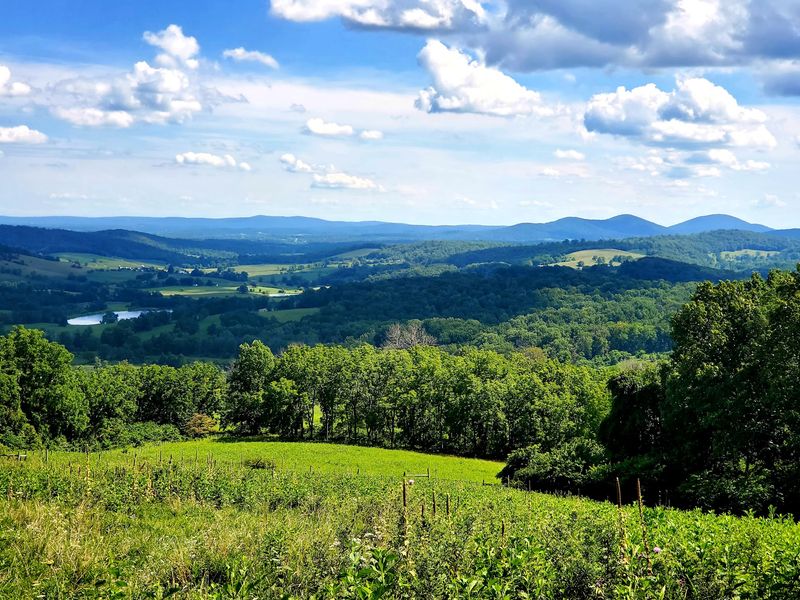
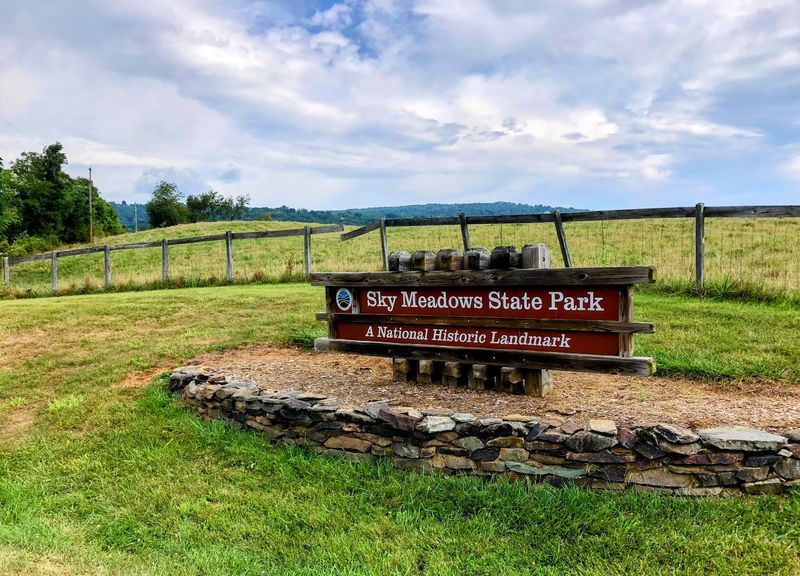
Tucked off a quiet stretch of road in Delaplane, Virginia, this 1,900-acre park sits on the eastern side of the Blue Ridge. The full address is 11012 Edmonds Ln, Delaplane, VA 20144, and once you turn in, the landscape opens up fast.
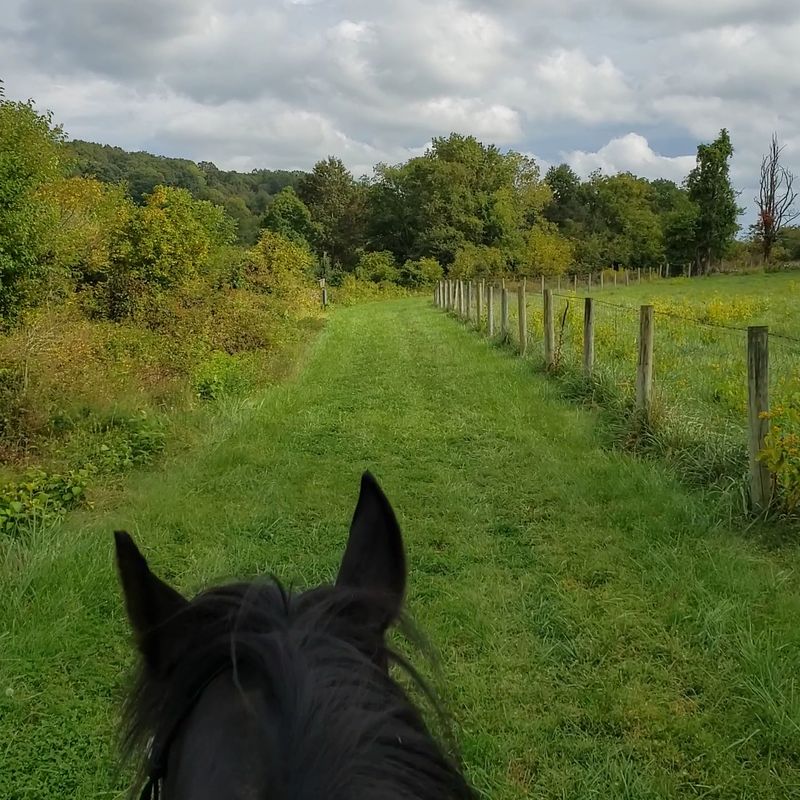
The name says it all. You land in a giant meadow, with open pastures rolling up toward wooded hills and long ridge views beyond.
Many people admit they drove past countless times, thinking it was just a small park with a trail or two. The reality surprises nearly everyone who finally stops.
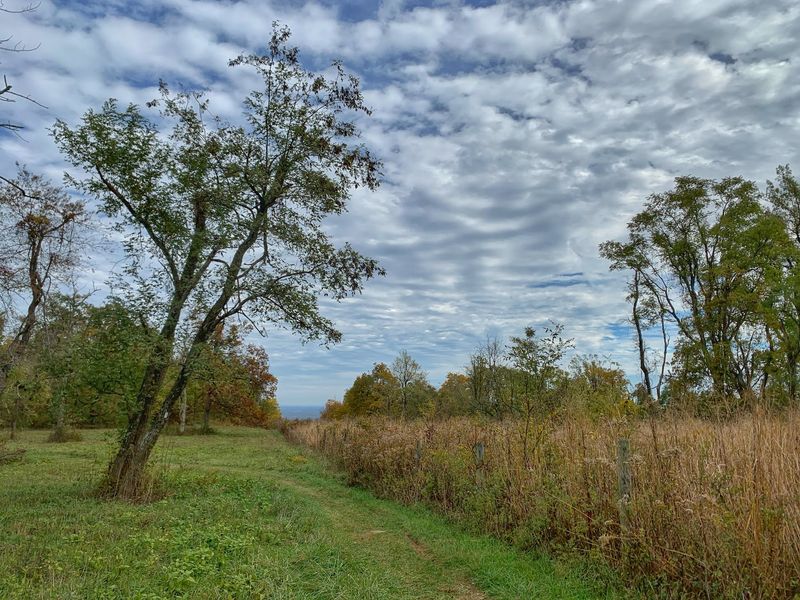
Trails climb through hills and forests, then break out into open fields where the horizon seems to go on and on. The mix of farmland, meadow, and mountain gives the place a character all its own.
It works as an easy afternoon outing or a full day of walking, depending on how far you want to wander. Either way, the entrance turnoff hides a lot more than the road lets on.
A Farm With Roots in the 1860s
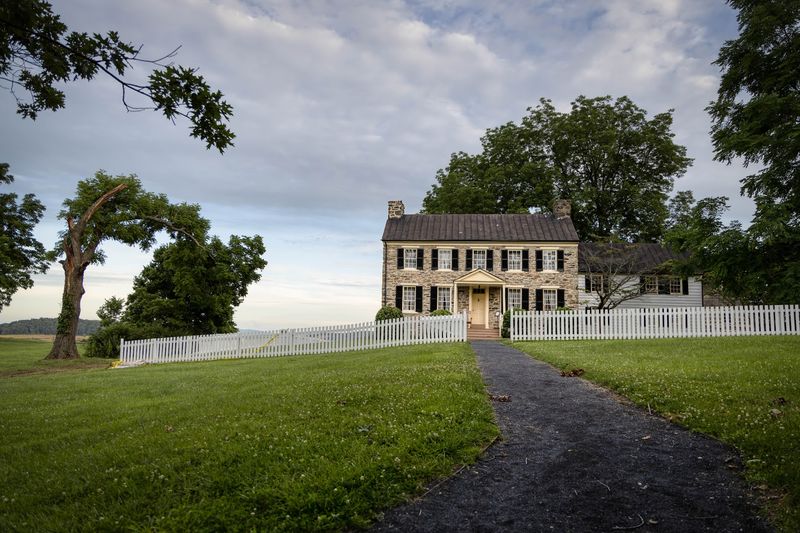
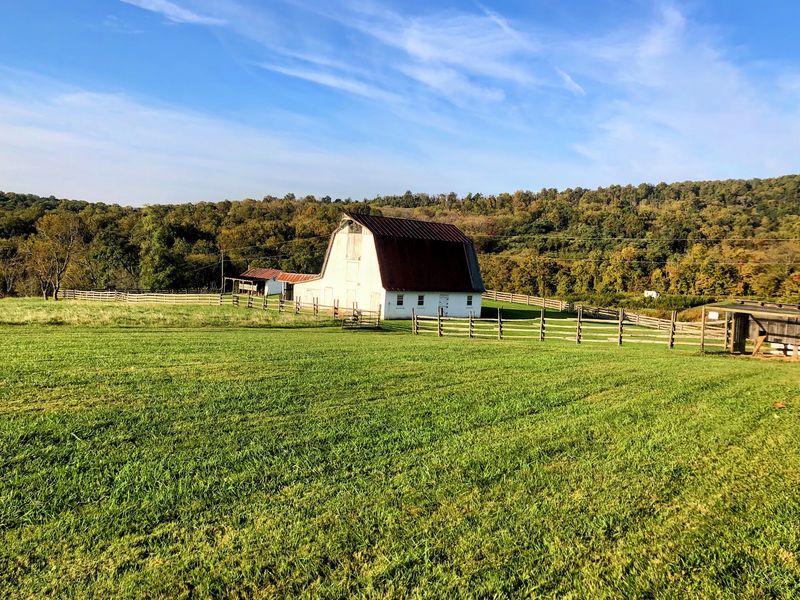
History runs deep through this property, and the centerpiece is a farm dating back to the 1860s. The old house and the buildings around it tell the story of the land and the people who worked it.
Rangers sometimes lead tours through the historic house and surrounding structures, sharing detailed background on the property and how the farm operated.
Families who ask at the visitor center have been treated to nearly private walkthroughs, complete with rich explanations of the land’s past. It turns a simple hike into a mini history lesson.
The combination of working farmland and preserved buildings gives the park a lived-in feel. You are not just crossing open space, you are walking through generations of Virginia farm life.
For anyone curious about how the region developed, the farm adds a whole extra layer to the visit. Ask about a tour when you arrive and you may get more than you expected.
Twenty-Four Miles of Well-Marked Trails
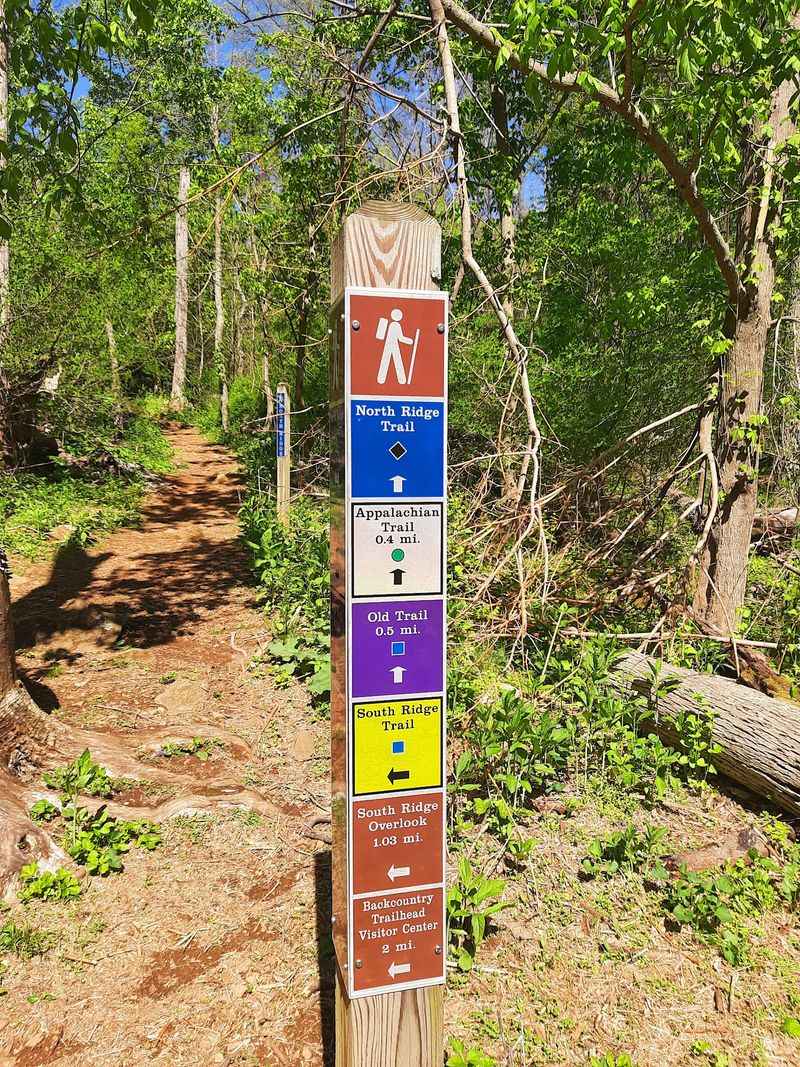
Hikers keep coming back for the network of paths that add up to 24 miles across the park. What stands out most is how clearly marked and well maintained the trails are.
You can string together back loops for a serious outing or keep things short and flat. Some groups log nearly 12 miles with over 2,000 feet of elevation gain, while others stroll gentle stretches near the visitor center.
The variety means beginners, kids, and experienced walkers all find something that fits. Trails weave through pastures in some spots and into shaded woods in others.
Regulars mention that a good pace lands somewhere in the middle, not too hard and not too easy. A seven-mile route earns praise for hitting that sweet spot.
Bring a small pack for water and a snack, since many trails climb through the hills. With paths this well cared for, it is easy to lose track of time and just keep going.
The Climb to Piedmont Overlook
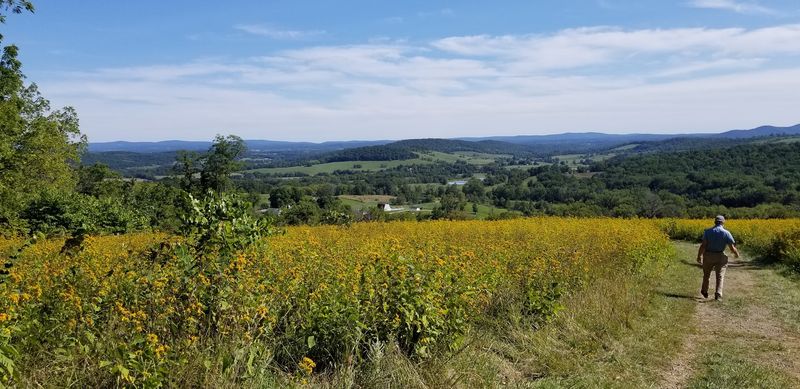
Reaching the high points here takes some effort, and the payoff is worth every step. The Piedmont Overlook Trail gets called out often for the sweeping scenes it delivers.
The route tends to start with a steady climb, then settles into moderate ups and downs. Once you reach the overlooks or mountain tops, clear weather rewards you with endless views of sloping mountains and meadows.
On foggy mornings the whole scene can shift dramatically, with the mist burning off to reveal bright open country by afternoon. The changing conditions make each trip feel a little different.
Photographers especially love the vantage points, where the panorama feels almost limitless. It is the kind of spot that makes the uphill work fade from memory.
Pack water for the climb and take your time at the top. The overlooks are the reason so many people rank this park among their favorites in the state.
Where the Appalachian Trail Passes Through
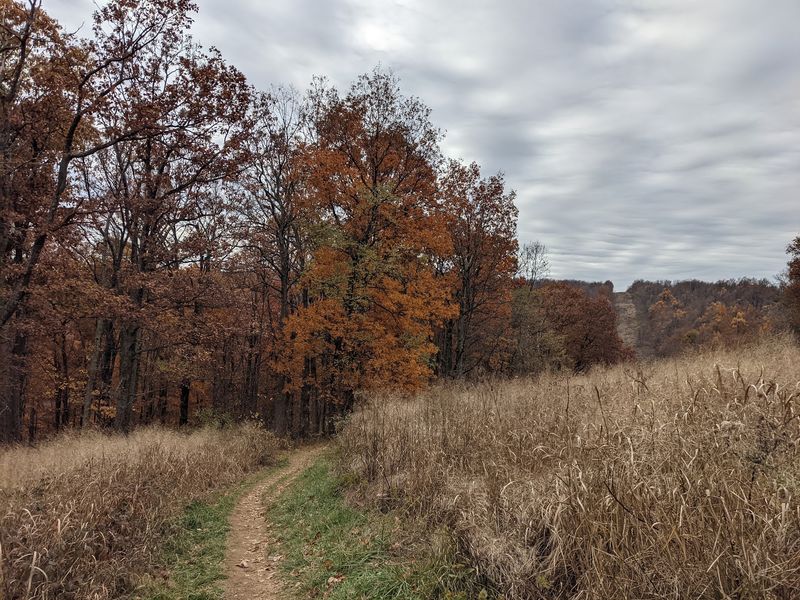
Bragging rights come easy at this park, because the famous Appalachian Trail runs right through it. You can honestly tell friends you hiked a stretch of the AT, even if it is only for a short segment.
Where the old and new trails meet, hikers have found a quiet junction with a small desk and box set out for visitors. It honors a hiker named Helen and invites people to leave a reflection.
Folks jot down notes and pack the box up just as they found it, keeping the tradition going. The gesture gives the crossing a thoughtful, personal touch.
Even a brief walk on the AT adds something memorable to the day. It connects this Virginia meadow to one of the most storied long-distance paths in the country.
Look for the junction as you explore the middle of the park. It is an easy highlight to fold into a longer loop.
Cows, Coyotes, and Scarlet Tanagers
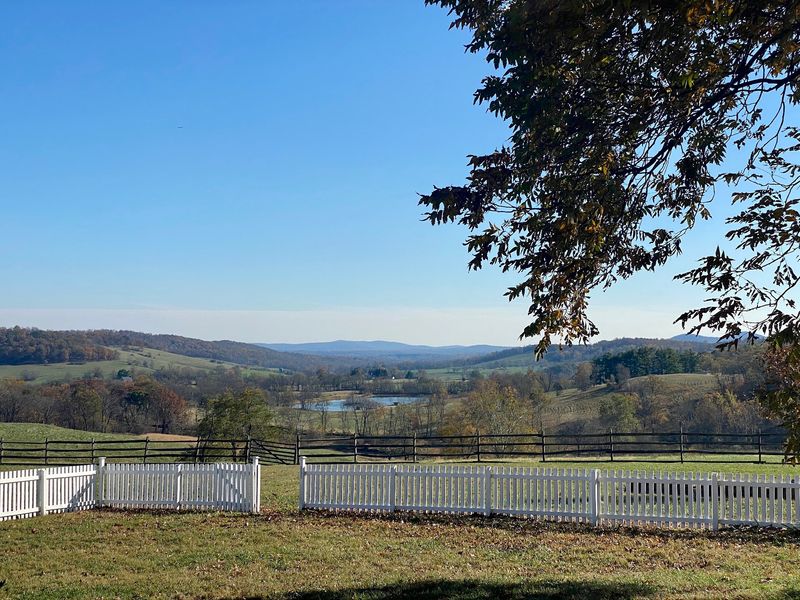
Few parks let you share the trail with grazing cattle, but here it happens. Cows roam near the paths as you walk, and they show up in trail stories again and again.
Wildlife sightings go well beyond the pasture. Birdwatchers have spotted colorful species like the Scarlet Tanager, and each trip seems to turn up something new.
Campers who stay after dark sometimes hear coyotes calling in the distance, adding a wild soundtrack to the night. The variety of creatures keeps nature fans on their toes.
The park also puts real work into pollinator restoration, drawing in bees and butterflies among the flowers. Those efforts help the meadows stay lively through the seasons.
Keep your eyes open and you may spot animals you have never seen before. From roaming cattle to bright songbirds, the wildlife here is part of the charm.
Rangers Who Go the Extra Mile
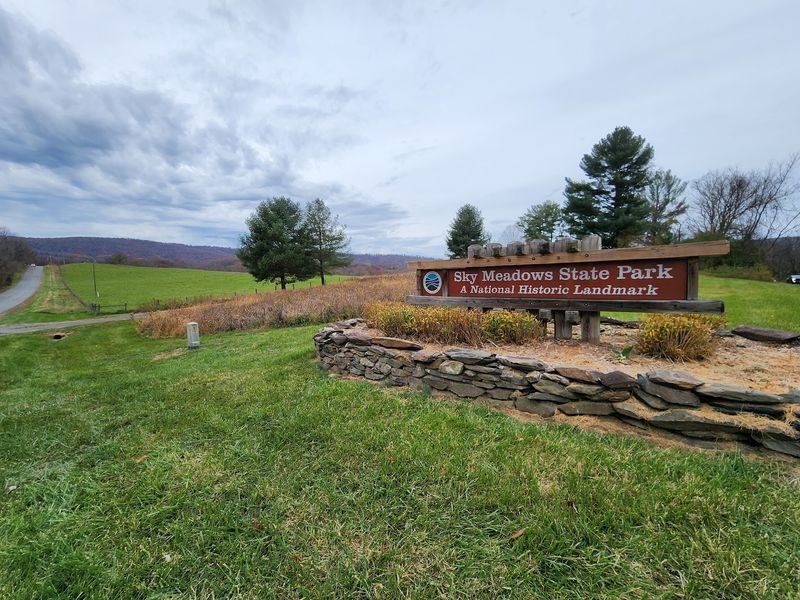
The people in green shirts here leave a lasting impression. The park rangers come up constantly for their warmth, knowledge, and genuine care for guests.
One ranger famously left a cheerful note on a nervous hiker’s windshield, welcoming them back after they made it around the loop. Small touches like that turn a good day into a great memory.
Others lead animal feedings, give impromptu history tours, and patiently answer every question that comes their way. Their enthusiasm for the park is easy to feel.
Staff have even mailed a collectible pin to a family who missed one at another park, going far past the call of duty. That kind of effort sticks with people.
Whether you meet them at the ranger station or on a guided walk, the team clearly loves what they do. Their friendliness is a big reason so many guests plan a return trip.
Feeding the Goats and Chickens
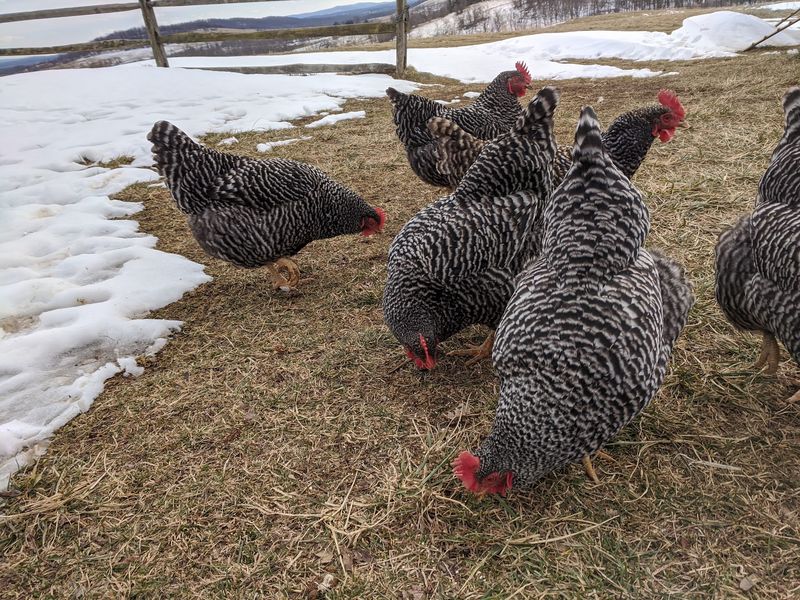
Kids and grownups alike light up during the free animal feedings on the schedule. Chicken and goat feeding events give families a hands-on farm moment right in the park.
A ranger often leads the activity, guiding groups as they help feed the animals. It pairs perfectly with a weekend hike and a stop at the visitor center.
Middle schoolers and younger children have had a blast with it, and the sessions sometimes flow right into a bonus tour of the historic buildings. That mix of fun and learning keeps everyone engaged.
Because the events are free, they add real value to a day out without stretching the budget. Just check the schedule ahead of time so you do not miss the timing.
Between the animals and the friendly guides, it is an easy win for family visits. Ask at the visitor center about upcoming feedings when you arrive.
Dark Skies Made for Stargazing
When the sun goes down, a whole new attraction opens up overhead. The park is known for excellent stargazing thanks to very low light pollution and wide-open horizons.
The open meadows give clear sightlines to the sky, which makes it a standout for anyone who loves looking up. Even guests who came for other reasons rave about the night views.
The park hosts Astronomy Nights, giving families a chance to enjoy the stars with a bit of guidance. It is a program worth planning around.
Between the elevation, the openness, and the distance from city lights, conditions here line up nicely for a starry evening. Many people leave wondering how they never knew about it.
Check the park calendar for scheduled sky events. On a clear night, the show above the meadows is hard to beat.
A Playground for the Youngest Explorers
Little ones get their own space to roam and play. The Children’s Discovery Area and family play zones make this an easy pick for parents with young kids.
Families often pair the play area with a short adjacent trail, so everyone gets fresh air without a long trek. It is a friendly setup for meeting up with other families and their littles.
The park also offers junior ranger books at the gift shop, giving children a fun mission to complete during the visit. Track Trail activities add another layer of discovery.
A sensory garden rounds out the kid-friendly features, and the pollinator restoration work gives curious minds plenty to notice. There is a lot here to keep small hikers happy.
Bring a picnic and let the kids explore at their own speed. The play areas make it simple to turn a hike into a relaxed family outing.
Bringing the Dog Along

Four-legged family members are welcome here, which is great news for dog owners. The park is very dog friendly, and pups are a common sight on the trails.
The one rule to remember is simple: keep dogs leashed at all times. That keeps everyone safe around the wildlife and grazing cattle.
With a mix of open pasture paths and shaded woodland routes, there is plenty of ground for a happy walk. Owners can pick a distance that suits their dog’s energy level.
Water and a small pack come in handy on the uphill sections, for you and your companion alike. A little planning goes a long way on warmer days.
The welcoming policy makes it easy to include the whole household. Leash up, choose a loop, and enjoy the meadows together.
The Primitive Camping Experience
For those who like their overnight stays stripped down, the park offers primitive back-country camping. It comes with amenities, but it earns the word primitive honestly.
Reaching the sites means a hike in of about a mile, which doubles as good practice for backpacking with minimal gear. The trek can feel challenging, so pack smart.
The setup includes a bear box, on-site firewood, and pit toilets, with a water pump on hand. Note that the pump water is non-potable, so you will need to filter, boil, or disinfect it before drinking.
Some sites use gravel tent pads and sit near rocky, brushy terrain, so it is not a soft woodland clearing. The experience is built for people who genuinely enjoy roughing it.
Read the park’s camping details ahead of time so you know exactly what to expect. Go in prepared, and the back-country nights can be a rewarding adventure.
Hours, Fees, and Getting There
Planning a trip is straightforward once you know the basics. The park sits at 11012 Edmonds Ln in Delaplane, Virginia, tucked off the main road so keep an eye out for the turnoff.
Entry runs a $10 fee per vehicle, and note that national park passes are not accepted here. Budget for that when you arrive.
Parking is generally good, with a lot in front of the visitor center, though busy fall weekends can fill it up. On peak days some drivers park along the road and walk over.
The visitor center anchors the experience, with a larger-than-expected gift shop, indoor exhibits, and clean restrooms nearby. Extra porta-potties appear during heavier crowds.
The park also has distinct sections, including the main area, the pond, and Lost Mountain. Stop at the visitor center first to grab maps, ask about programs, and get your bearings.
Why This Park Keeps Winning People Over
Something about this place turns curious first-timers into loyal returnees. Holding a 4.8-star average across more than 1,800 ratings, it clearly leaves a strong impression.
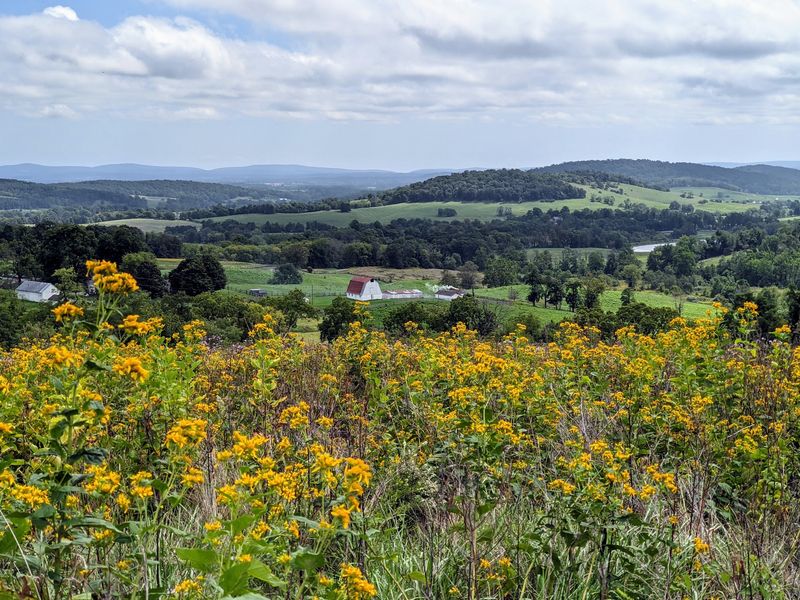
Autumn brings golden fields, blooming crownbeard and goldenrod, and fall colors that draw crowds for good reason. Spring and summer add scattered wildflowers like the blackberry lily.
The blend of open meadows, wooded ridges, historic farm buildings, roaming cattle, and dark night skies gives the park a range few spots can match. There truly is something for nearly every kind of visitor.
Add in the standout rangers, the free animal feedings, and the family-friendly discovery areas, and it is easy to see why word keeps spreading. People come for the views and stay for the whole experience.
If you have driven past without stopping, consider this your nudge to turn in. Sky Meadows State Park has quietly become one of Virginia’s most rewarding outdoor destinations, and the crowds are finally catching on.
Enjoyed this story?
Add Fast Food Club as a preferred source to see more of our reporting on Google.