


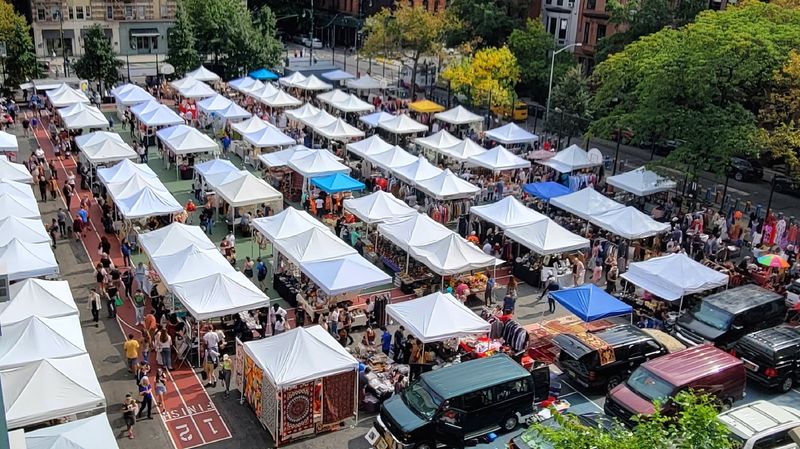
Most New York weekends come down to a choice between brunch lines and couch time, but one corner of the Upper West Side offers a third option involving vintage denim, handmade jewelry, and the thrill of a good haggle. Every Sunday, all year long, rows of vendors set up outside on open courts and inside a school gym, turning a quiet Manhattan block into a playground for treasure hunters.
Designer labels sit a few stalls away from engraved coasters and old board games, and some price tags will make you grin while others will make you gulp. Stick around to learn where this market lives, what sells, how to shop it smart, and the one item you should always pack before heading over.
A Sunday Ritual on West 77th Street
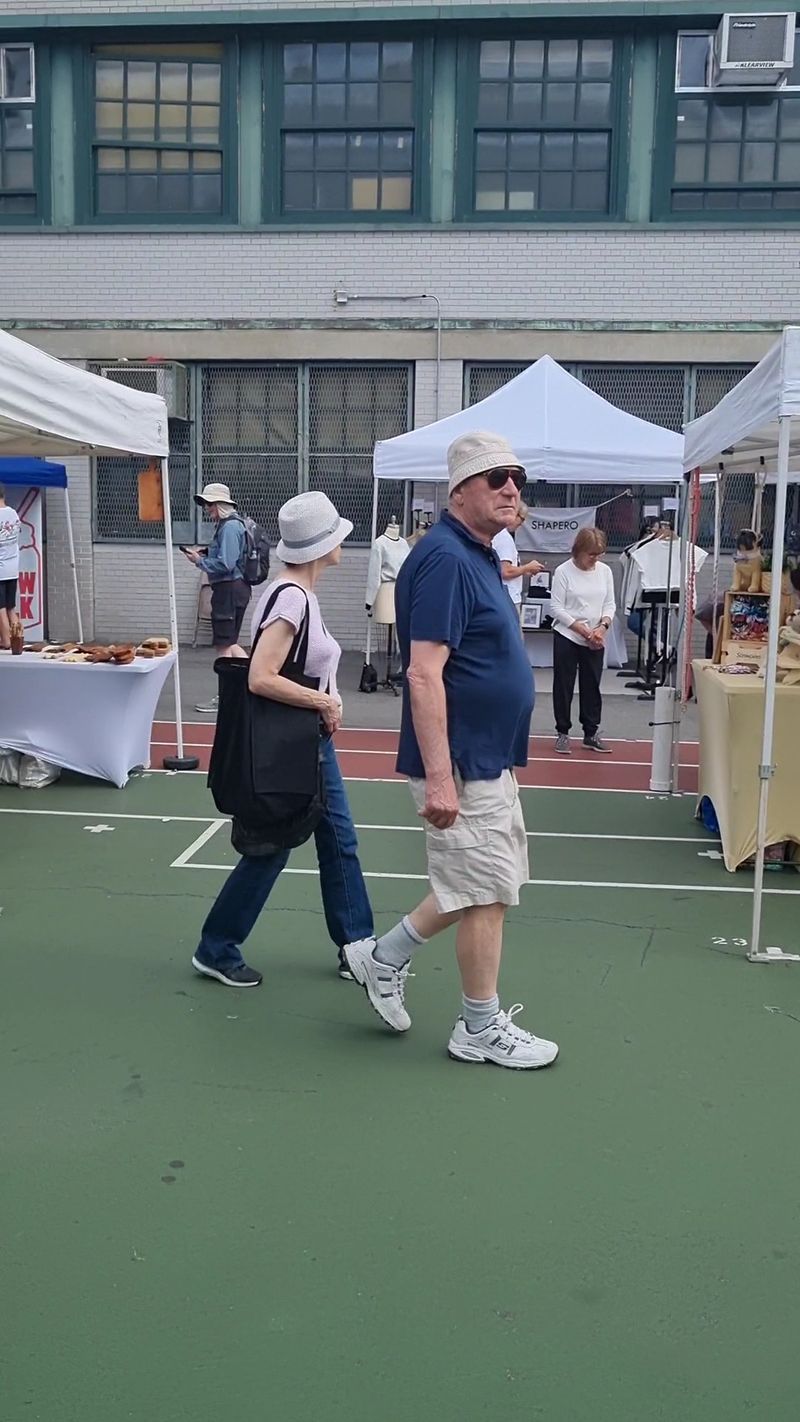
Manhattan has plenty of shopping, but very little of it happens on a tennis court.
Grand Bazaar NYC sets up at 100 W 77th St, New York, NY 10024, on the Upper West Side of Manhattan in New York State. It is a year-round flea market that runs both indoors and outdoors every single Sunday.
The idea is refreshingly simple. Dozens of independent sellers bring vintage clothing, furniture, jewelry, crafts, art, and collectibles, and shoppers get a full day to sort through it all.
The schedule stays tight and predictable. Doors open at 10 AM and everything wraps up at 5 PM, while the rest of the week stays completely quiet.
That one-day format is a big part of the appeal. Locals plan their weekends around it, and some out-of-town shoppers stretch their Manhattan trips through Sunday just to squeeze in a visit.
The crowd is a genuine mix. Serious vintage collectors share the aisles with families, couples on a casual stroll, and gift hunters looking for something they will never spot at a chain store.
Plenty of regulars call it their favorite flea market in Manhattan, and the reasons become obvious after a single loop around the stalls.
Up next is the unusual setup that makes the whole operation tick.
Tennis Courts Outside, a Gym Inside
Few flea markets can claim a split personality quite like this one.
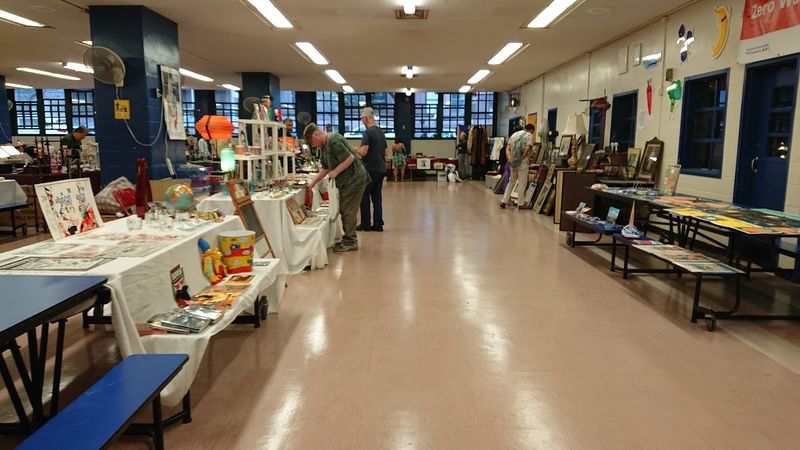
The outdoor section fills a tennis court, where rows of stalls line up in tidy aisles. When the court runs out of room, the market simply keeps going and expands into a high school gymnasium.
That indoor half is where many first-timers slip up. Plenty of people wander the outdoor stalls, assume they have seen everything, and head home without ever stepping inside.
Regulars will tell you not to make that mistake. Some of the strongest sellers set up indoors, and the organizers themselves point shoppers toward the gym for extra finds.
The team behind the market says it aims for plenty of variety while curating carefully in both spaces. The result is a layout that feels like two markets for the price of one trip.
The split setup also helps on rough weather days. Winter Sundays still bring vendors out, and the indoor space gives everyone a place to browse when the court is less inviting.
A small food area sits near the entrance, so it is easy to grab a bite before tackling the aisles or after finishing a full lap.
Once the layout makes sense, the next question is how a setup this quirky has lasted so long.
One of the City’s Longest-Running Weekly Markets
Staying power is rare in a city that reinvents itself every few months.
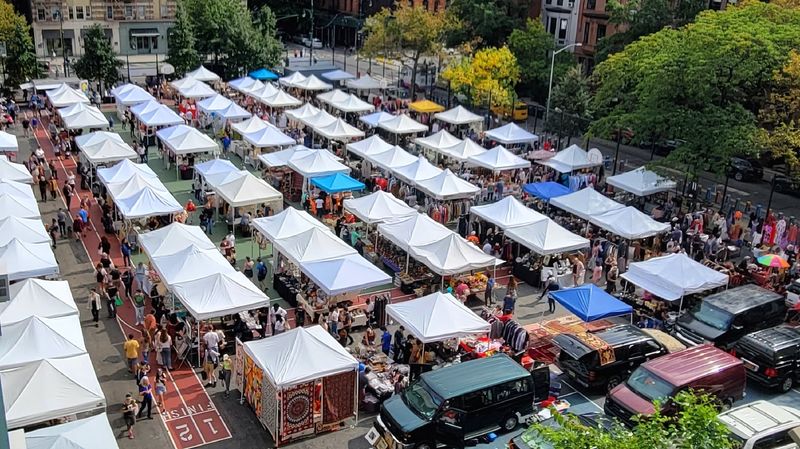
Grand Bazaar NYC is known as one of the oldest and largest weekly flea markets in New York City. That reputation comes from showing up week after week, year after year, without taking seasons off.
Snow does not stop it either. Even on frosty Sundays, a solid lineup of vendors arrives to show off handmade goods, which says a lot about the loyalty of the people who sell here.
The mix of sellers keeps things from going stale. There are longtime regulars with familiar tables, plus pop-up vendors who appear for a week or a season and then make room for someone new.
Repeat shoppers often mention that there is always something different to look forward to. Several longtime fans note that the market seems to grow a little each time they return.
Warmer months tend to bring the biggest turnout of vendors. Early in the season the lineup can feel smaller, and the organizers have said more sellers join as the weather improves.
The market also leans into special themes on certain Sundays, which are listed on its official website. Those themed days can be fun, though the regular lineup of vendors is still the main event.
So what exactly fills all those tables? The racks of vintage clothing deserve their own spotlight.
Vintage Racks and Big-Name Labels
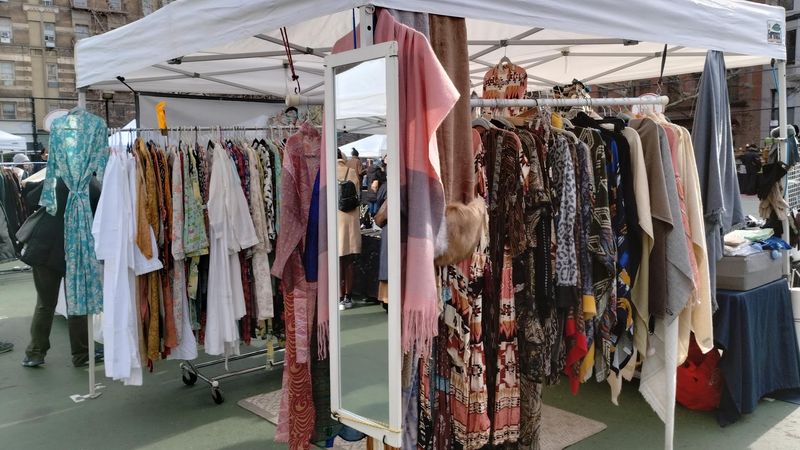
Vintage is the headline act here, and the antique and vintage clothing section is big enough to eat up an entire afternoon.
Serious thrifters come for the labels. Racks have turned up vintage Burberry, Levi’s, Barbour, and Dior, along with designer bags that would look right at home in a boutique window.
The selection goes beyond famous names. Boots, jackets, suits, scarves, and quirky mid-century accessories all show up, and a pair of whimsical 1950s clip earrings is the kind of small prize that makes the hunt worthwhile.
Emerging designers add a fresh angle. Some stalls sell brand-new pieces from up-and-coming creators, so vintage history and modern style end up sharing the same aisle.
Size ranges vary from table to table. Plus-size options can be limited overall, though some vendors make a real effort to carry more inclusive stock.
Patience pays off in this section. Sellers generally know exactly what they have, so the reward comes from digging carefully rather than stumbling onto a miracle.
A few quick tips help. Check seams, linings, and any stains before paying, since condition can vary widely on older garments.
Clothing is only one corner of the story, though, and the handmade side of the market has plenty to brag about too.
Makers, Crafters, and Rising Designers
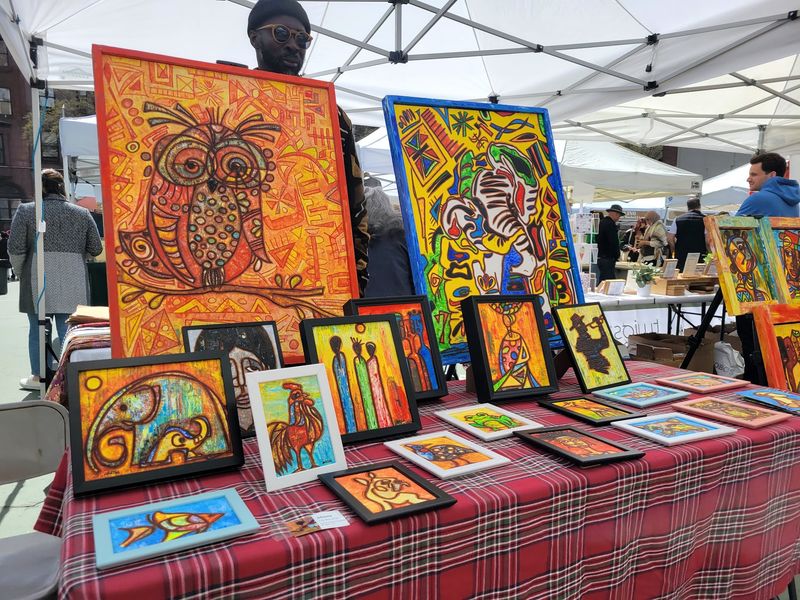
Small businesses are the beating center of this market, and local artisans bring a steady stream of one-of-a-kind goods.
Handmade jewelry is everywhere. Rings, necklaces, and earrings made by the sellers themselves fill many tables, which makes it easy to find something nobody else at the office will be wearing.
Home goods get plenty of attention too. Engraved wooden coasters, pottery, prints, silk scarves, and recycled leather totes are all part of the lineup.
Gift shoppers tend to love this section most. Many of the pieces feel personal and creative, the kind of present that sparks a conversation instead of a polite thank you.
The atmosphere around these stalls is especially friendly. Makers are usually happy to chat about how their pieces are made, and many shoppers leave impressed by how kind and approachable the vendors are.
Quality among the handmade items tends to explain the prices. A scarf or necklace crafted in small batches will usually cost more than a mass-produced version, but the craftsmanship is often easy to see up close.
Home decor fans get a real treat here. The mix of art, ceramics, and kitchen pieces makes it a solid stop for anyone refreshing an apartment on a budget of creativity rather than cash.
Beyond crafts and clothing, a wonderfully random collection of odds and ends waits to be discovered.
Watches, Games, and Glorious Odds and Ends
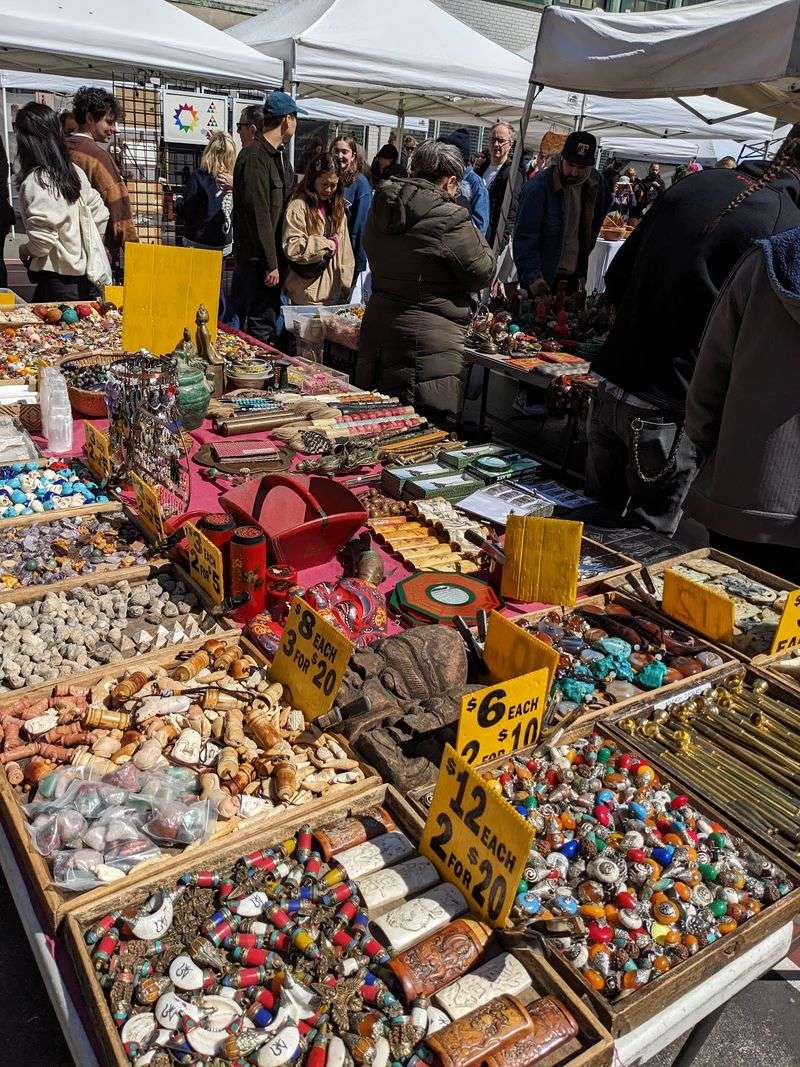
Part of the fun at any good flea market is never knowing what the next table holds.
This one delivers on that promise. Vintage watches, classic games, paintings, crockery, antiques, and collectibles all compete for attention, and every aisle seems to hide a surprise.
Furniture pops up as well. Larger pieces are not always easy to carry home on the subway, but they add to the sense that almost anything could appear on any given Sunday.
Artwork covers a wide range. Paintings and prints from different sellers make it possible to find something for a blank wall without stepping into a gallery.
A word of caution on watches and other mechanical items. Test anything with moving parts before buying, and get clear answers about exchanges, since not every seller handles returns the same way.
That kind of care applies to antiques in general. Look closely, ask questions, and only pay once the item checks out, because sales at a flea market are often final.
Still, the treasure-hunt factor is what keeps people coming back. Shoppers regularly mention spotting things they would never find in a regular store anymore, which is exactly the point of a place like this.
All that browsing can build an appetite, and luckily the market has that covered too.
Food Trucks and a Farmers Market Bonus
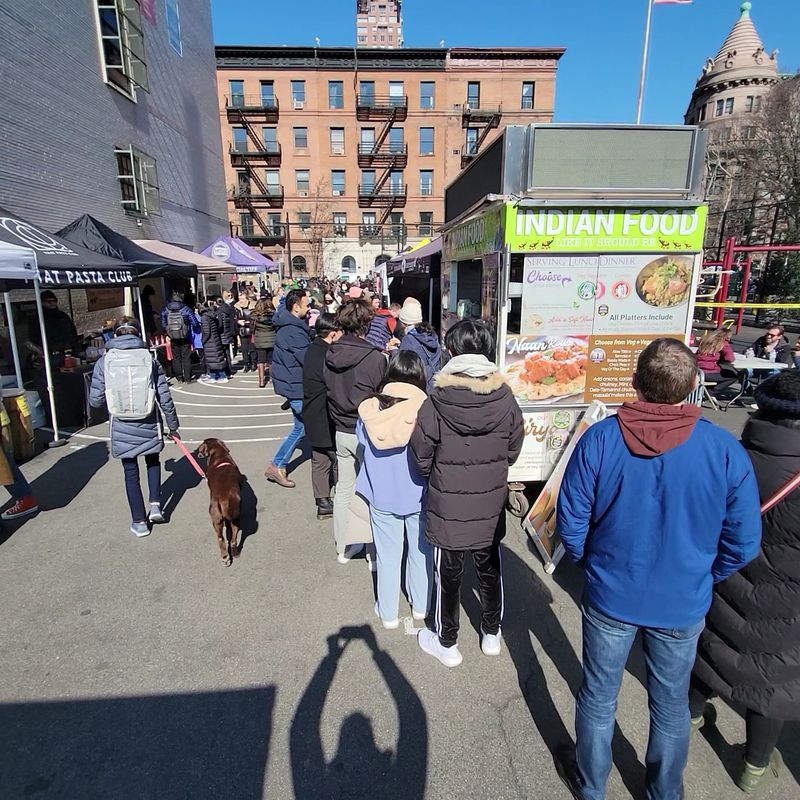
Shopping marathons need fuel, and the market handles that with a cluster of food options near the entrance.
Food trucks draw a steady crowd. On busy Sundays, they sometimes seem to attract as much attention as the vintage racks, which says a lot about how popular they are.
Smaller food stands round out the choices. They sit together in one corner, so it is easy to take a break without losing your place in the flow of the market.
There is also a farmers market section nearby. Technically it sits outside the official bazaar, but it shares the same Sunday energy and gives shoppers a chance to pick up fresh produce on the same trip.
That combination turns a simple flea market visit into a full outing. A morning of browsing can easily include a snack break, a produce run, and a second lap through the stalls.
The food offerings can change from week to week. Themed Sundays sometimes promise special treats, though the actual lineup may be smaller than the website suggests, so it is best to keep expectations flexible.
Timing a break well helps. Grabbing a bite during a lull lets you return to the aisles with fresh eyes and a better sense of what is worth a second look.
Of course, the real question for most shoppers is how much all these treasures cost.
Price Tags From Friendly to Fancy
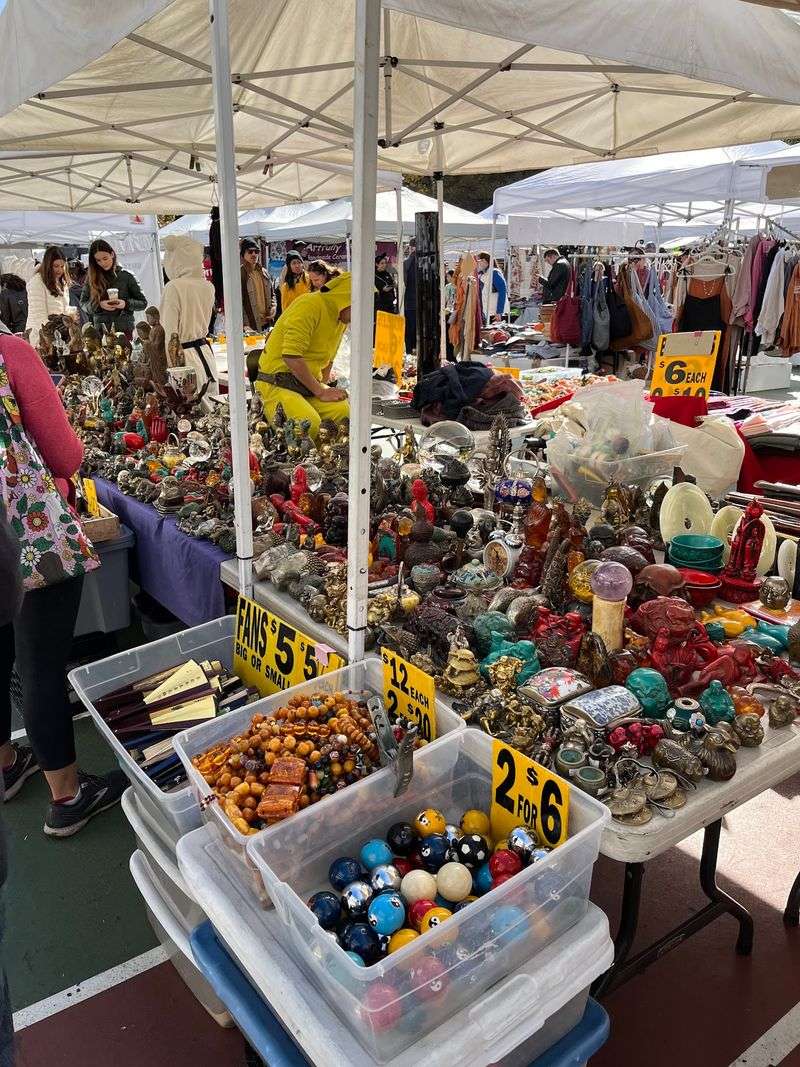
Here is the honest truth: this is not a place for rock-bottom bargains.
Prices swing widely depending on the seller. Some tables feel reasonable and fair, while others carry tags that land closer to boutique territory than classic flea market deals.
A few examples show the range. A plain vintage scarf might go for around $20, while standout vintage clothing and handmade pieces can climb past $500, and one vintage fur coat reportedly carried a $1,600 tag.
Condition does not always match the price. Some older garments show stains or wear, so inspecting every piece carefully is a smart habit before handing over any money.
On the other hand, plenty of shoppers find the quality justifies the cost. Many first-timers arrive expecting lower prices, then change their minds once they see how well-made certain items are.
Haggling is part of the game. Vendors generally know what their goods are worth, so expect modest discounts rather than wild markdowns.
The best approach is to set a budget and stay curious. Good finds are absolutely out there, and patient shoppers often go home happy with pieces worth every dollar.
Price aside, the overall mood of the market is a big reason people keep returning.
A Crowd-Pleaser for Browsers and Collectors
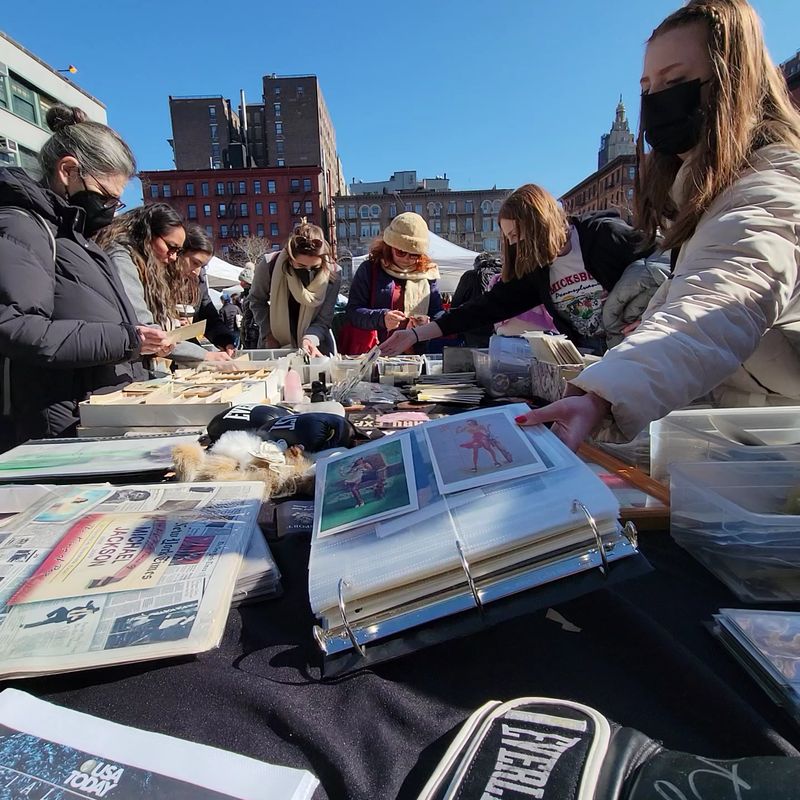
Some places are about the purchase, but this market is just as much about the stroll.
The atmosphere feels lively, friendly, and very New York. Shoppers describe it as a fun way to spend a few hours exploring local businesses and creative products that rarely show up in regular stores.
Casual browsers fit right in. There is no pressure to buy, and plenty of people treat a lap around the stalls as a relaxed Sunday afternoon activity.
Collectors get their own kind of thrill. The antique and vintage sections reward careful digging, and designer hunters can spend hours flipping through racks for the right label.
Gift shoppers also have plenty of options. Handmade jewelry, prints, and home decor make it easy to find a present with personality.
Bringing a companion is a popular tip. A good friend makes the browsing more fun, helps with second opinions, and keeps you honest before that impulse splurge.
The market carries a trendy streak that suits the Upper West Side crowd. Some longtime thrifters feel the city’s flea market scene has changed over the years, yet many still call this one of the best weekend activities in NYC.
Ready to go? A few practical pointers will make the day much smoother.
Smart Moves Before You Go
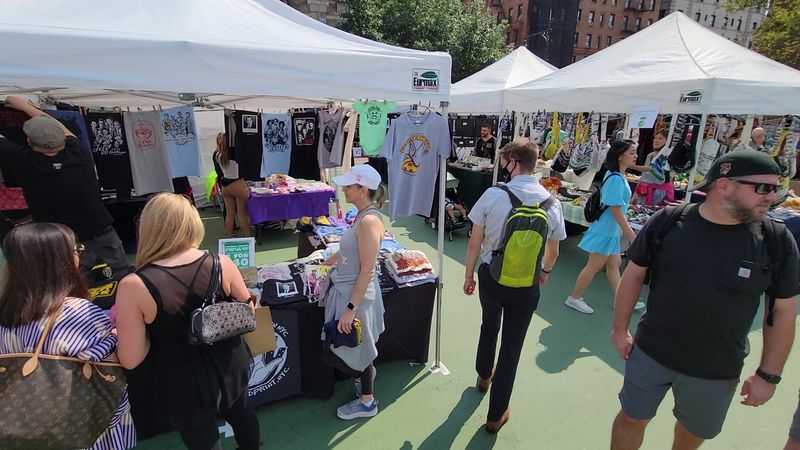
A little planning goes a long way at a market this size.
Timing comes first. The market runs on Sundays only, from 10 AM to 5 PM, and it stays open all year, so any Sunday can work.
Cash is a handy tool. It makes haggling easier and helps with smaller purchases, although most vendors also accept cards or Venmo.
Pack a tape measure. There is no place to try on trousers, so knowing your measurements can save you from a purchase that does not fit.
Plan ahead for restroom needs as well. The market does not offer public restrooms, which is one of the few common complaints from regular shoppers.
Give yourself enough time. The antique and vintage sections alone can take hours, and rushing through means missing the indoor gym, where some of the best sellers set up.
Check items carefully before paying, especially clothing and anything mechanical. Ask sellers about exchanges up front so there are no surprises later.
The official website at grandbazaarnyc.org lists upcoming themes and updates. A quick look before heading out can help you choose a Sunday that matches your interests.
With the logistics sorted, all that is left is deciding whether this market deserves a spot on your weekend plans.
Worth a Spot on the Sunday Calendar
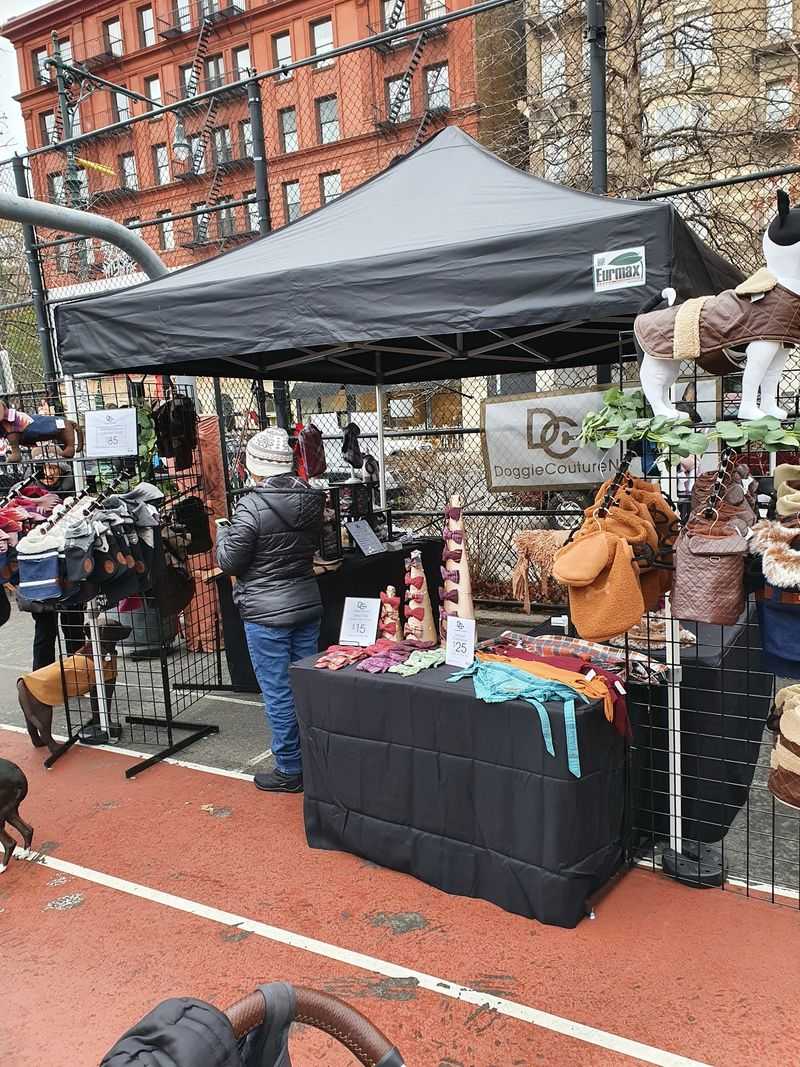
So, is it worth the trip? For most treasure hunters, the answer leans strongly toward yes.
Grand Bazaar NYC offers something increasingly rare in Manhattan. It brings together vintage fashion, handmade crafts, antiques, art, and food in one place, every single Sunday, rain, shine, or snow.
The indoor-outdoor layout keeps things interesting. Just when the tennis court seems fully explored, the gymnasium opens up a whole second round of browsing.
It is not a perfect fit for everyone. Budget thrifters hunting for dirt-cheap deals may find some prices steep, and the lack of public restrooms takes a bit of planning.
Still, the upsides tend to win out. Friendly vendors, one-of-a-kind finds, and a relaxed neighborhood mood make it a favorite for locals and travelers alike.
The smartest way to enjoy it is to arrive with cash, a tape measure, and realistic expectations. Browse slowly, ask questions, and let the hunt be half the fun.
Some shoppers leave with a designer jacket, others with a pair of earrings, and some with nothing more than a great afternoon.
Any of those outcomes counts as a win, and the next Sunday is never more than a week away.
Enjoyed this story?
Add Fast Food Club as a preferred source to see more of our reporting on Google.