


Cincinnati has a breakfast food that most of the country has never heard of, and locals will happily argue about who makes it best. It is called goetta, a humble mix of meat and oats that German immigrants brought to the Ohio River valley well over a century ago.
One historic public market in the city still keeps that tradition alive at its butcher counters, surrounded by stalls that have fed the neighborhood for generations. Keep reading to find out where it is, when to go, and how to shop it like a regular.
A Public Market With 1855 Roots on Race Street
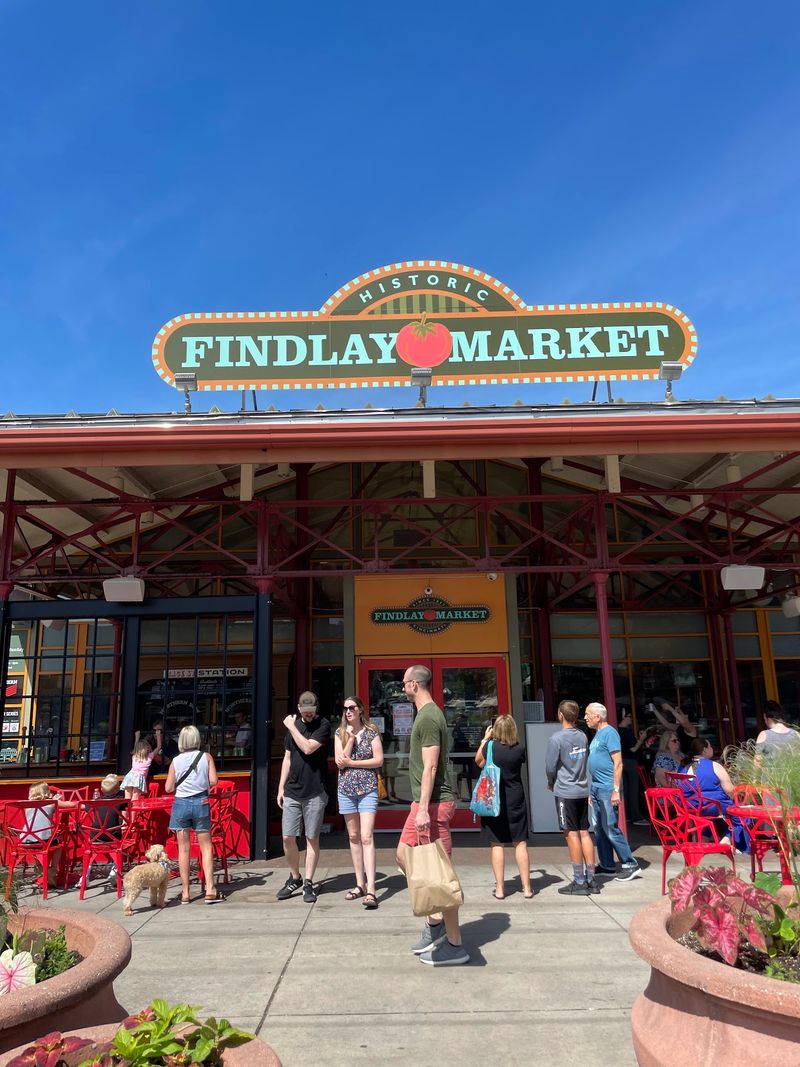
Some addresses carry more history than others, and 1801 Race St, Cincinnati, OH 45202 is one of them.
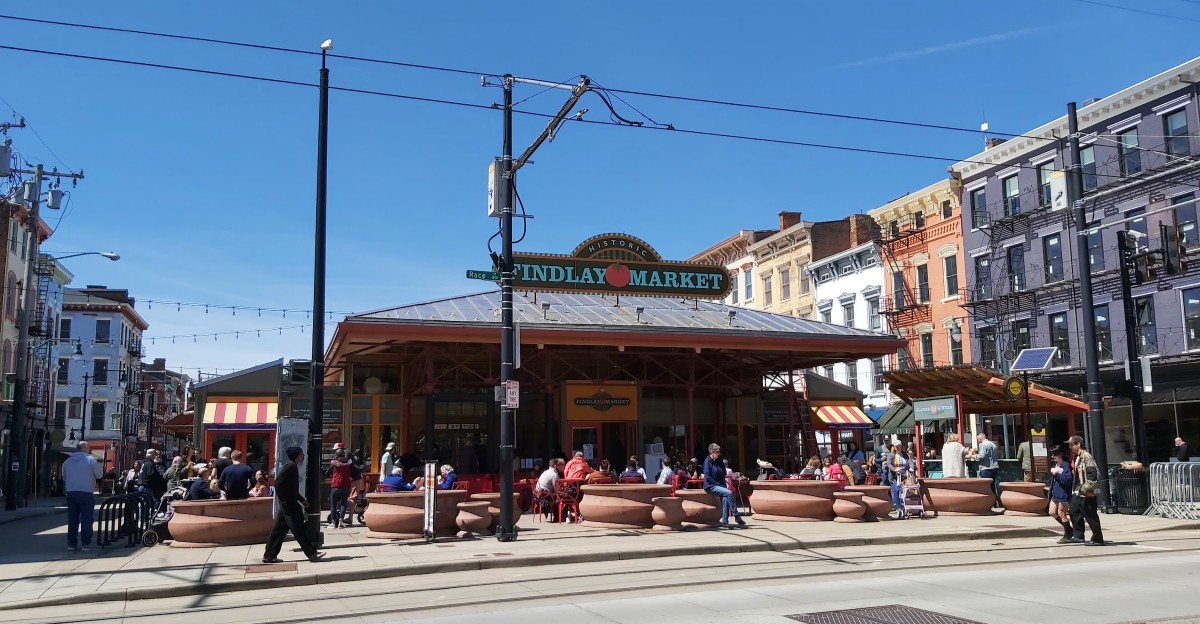
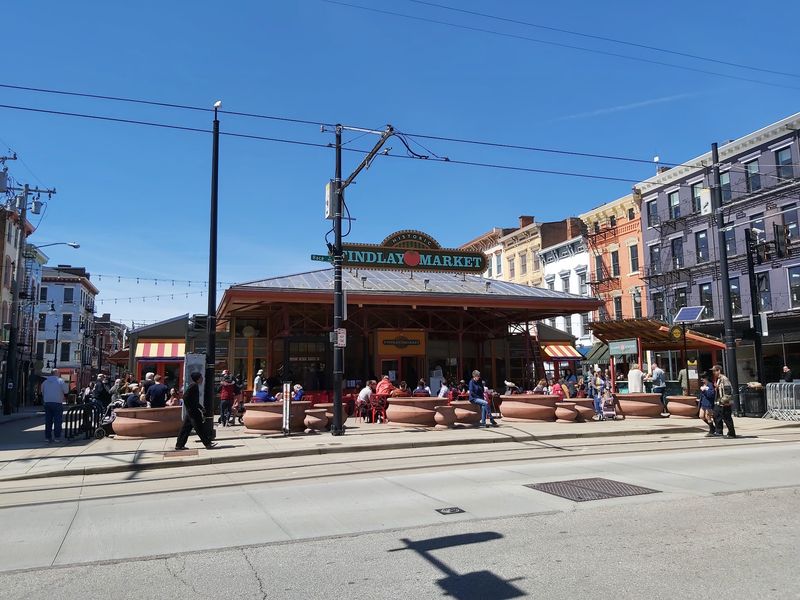
That is the home of Findlay Market, a public market that has served the city since 1855. It sits in Cincinnati, Ohio, in the United States, in the Over-the-Rhine neighborhood just north of downtown.
The market is a longtime hub for local food. Vendors sell meat, produce, and a long list of other local goods, and a seasonal farmers market adds even more choices when the weather cooperates.
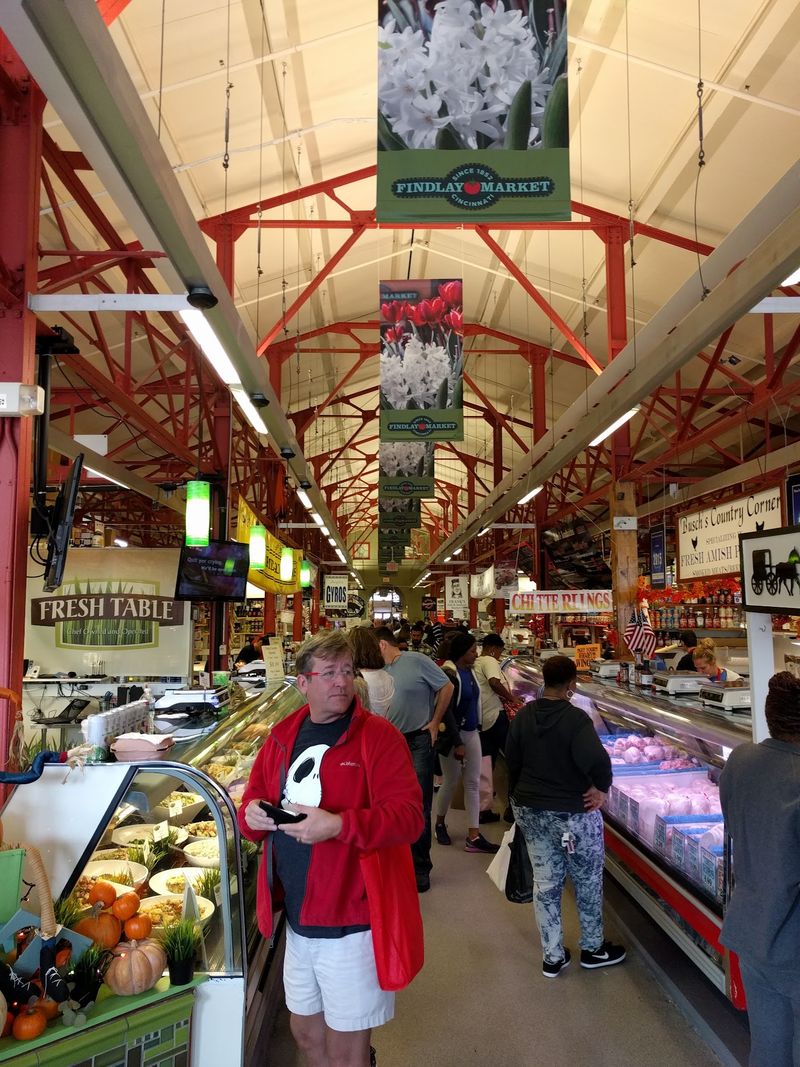
Shoppers find two kinds of spaces here. There is an indoor area with permanent vendor stalls, plus an open-air section where more sellers set up.
The mix runs from fresh fruit and flowers to prepared market food, small restaurants, and crafts. That range is a big reason the place has stayed busy for more than 160 years.
Its popularity is no quiet secret, either. Locals treat it as a regular errand, while out-of-town guests often put it near the top of their Cincinnati plans.
Tucked among all those stalls are the butcher counters, where a very Cincinnati kind of breakfast keeps its old German character. More on that in a moment.
German Cincinnati and the Neighborhood That Built It
Long before food trucks and pop-up shops, Cincinnati was a magnet for German immigrants.
Many settled in the area now called Over-the-Rhine during the 1800s. The market opened in 1855, right in the middle of that era, and it grew up alongside the families who shopped there.
That history still shows in the streets around it. The neighborhood keeps a strong local feel, and many surrounding buildings are painted in bright colors, with murals covering a large number of walls.
German cooks brought practical habits with them. One of the most lasting was stretching meat with grain so a household could make a little go a long way.
Goetta came out of that thinking. It became a regional staple in greater Cincinnati, and it is still far more common here than almost anywhere else in the country.
A public market with deep German roots is a natural home for a dish like that. Meat has been one of the core goods sold here for generations, and the butchers keep that role going.
The history is not locked away in a museum case. It is sold at the counter and carried home in shopping bags every single week.
Butcher Counters at the Heart of the Hall
Ask a regular what makes this market tick, and the answer usually circles back to meat.
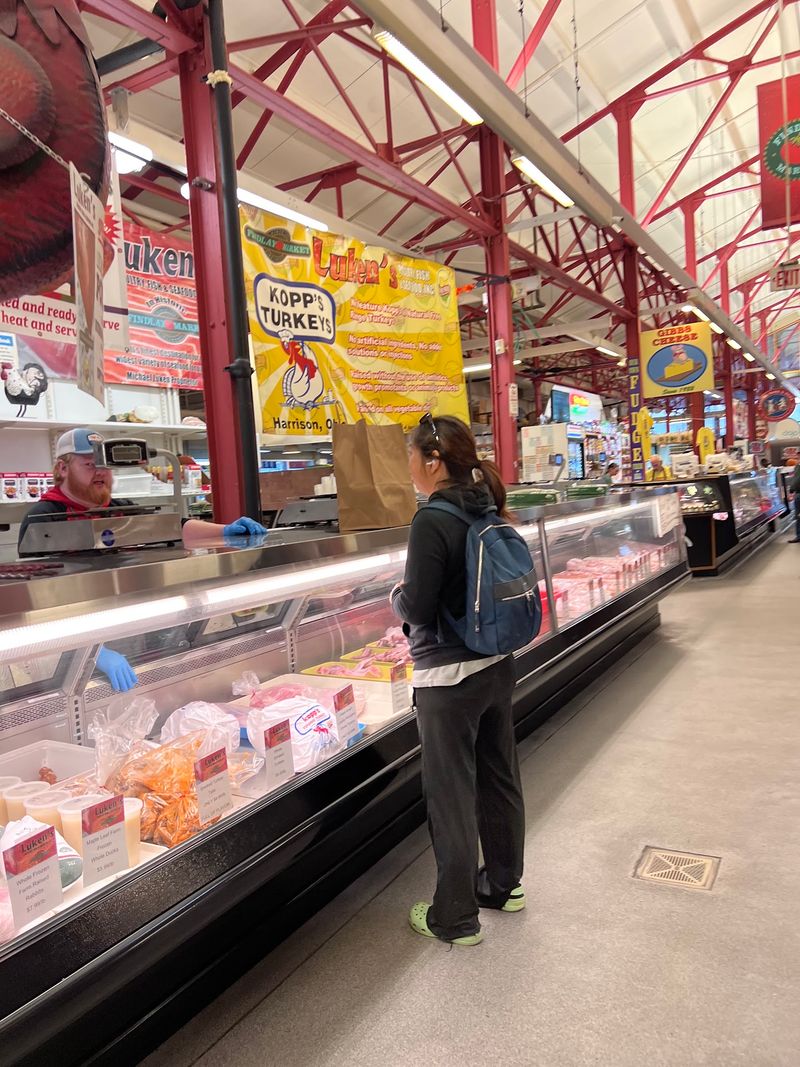
Fresh meat and butchers rank among the things people bring up most often about the market. Meat counters are a central part of the indoor hall, and they draw steady lines.
That focus fits the market’s story. Since the 1850s, it has been a place where city residents could buy meat directly from the people who cut it.
The butchers here are approachable. Vendors across the market are known as friendly, patient with questions, and not pushy, which helps first-timers who are unsure what to order.
Shoppers can ask about cuts, portions, and house-made products. A short conversation at the counter often leads to a better dinner.
Seafood and other fresh groceries are sold nearby, so a single trip can cover several items on a shopping list.
For goetta fans, the butcher counters are the main event. The stand at the center of this story keeps the dish close to its German roots, which is exactly what longtime Cincinnati eaters hope to find.
A practical tip: bring a cooler if the drive home is long, since fresh meat does not travel well in a warm car.
Goetta, Explained for the Uninitiated
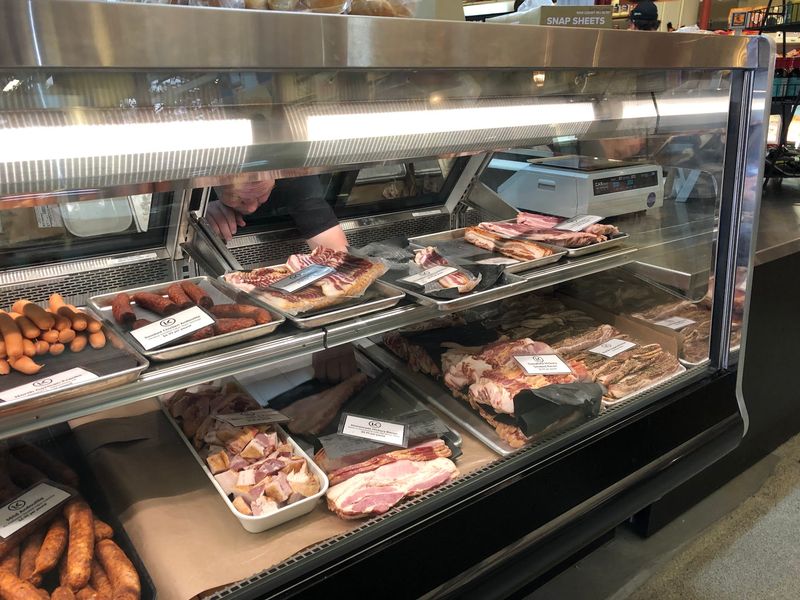
Outside greater Cincinnati, the word goetta tends to earn a blank stare.
The dish is a sausage-style mix built mainly from ground meat, usually pork and sometimes beef, combined with steel-cut or pinhead oats. Onions and spices round it out.
The mixture is cooked slowly, pressed into a loaf, and chilled until firm. Cooks then slice it and fry it until the outside turns brown.
The old German approach depends on patience. The oats need long, slow cooking to reach the right consistency, and no shortcut produces the same result.
That grain is the whole point. German immigrants used oats to stretch a smaller amount of meat into many meals, a habit rooted in thrift.
Goetta is most often served at breakfast next to eggs. Plenty of locals also put it on sandwiches or eat it at any hour.
Buying it at a butcher stand inside a market that opened in 1855 adds another layer. The dish and the market both grew out of the same German community in this part of Cincinnati.
First-timers should ask the butcher how thick to slice it and how long to cook it. Those small details separate a soft slice from a properly browned one.
The Supporting Cast Beyond the Meat Case
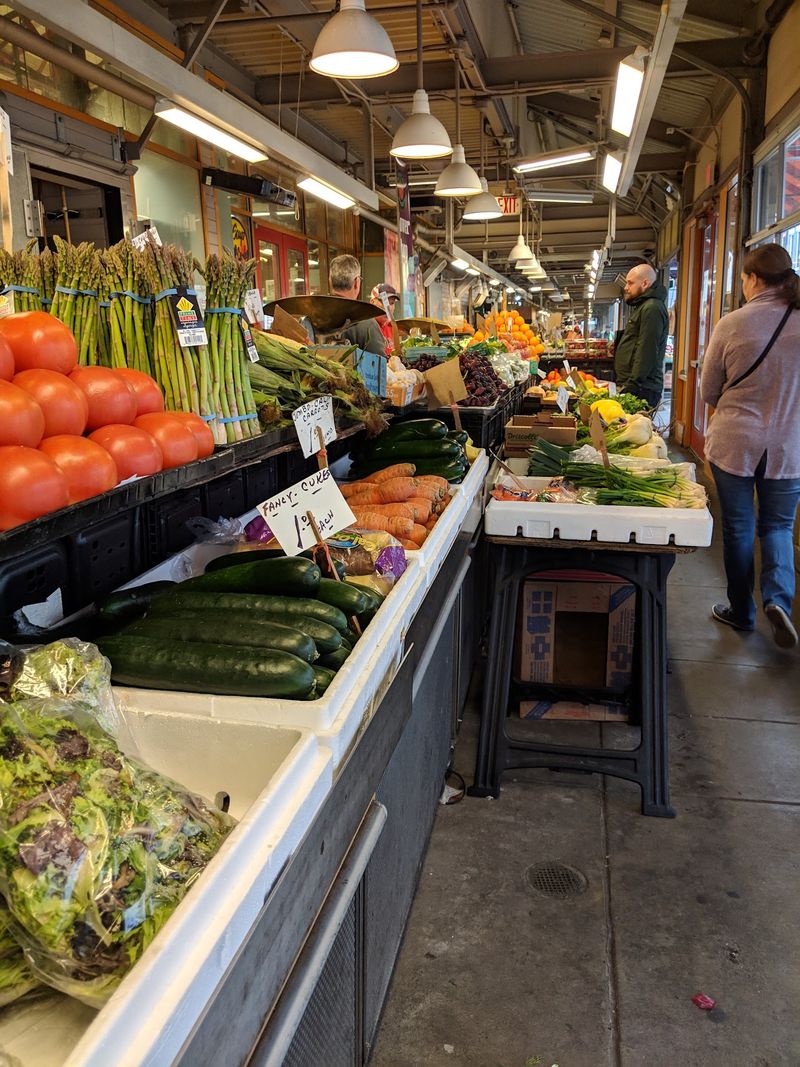
Goetta may be the headliner, but the supporting cast is large.
The market is packed with independent vendors, and many shoppers leave with more than they planned to buy. Cheeses, baked goods, and spices come up again and again as favorite stops.
The spice selection is broad enough to slow down even the most focused shopper. Choosing just one jar can take a while.
Bakeries and sweet shops are well represented, with homemade treats spread across several stalls. Some vendors offer small samples, which makes deciding easier.
Hard-to-find ingredients are a big part of the draw. The goods lean toward specialty and ethnic foods rather than cheap trinkets, and the focus stays on fresh, genuine items.
Prepared food is easy to find as well. Small restaurants and ready-to-eat counters let shoppers grab lunch on the spot or take it to go.
Not everything is edible. Natural body products, essential oil items, flowers, and crafts sit among the food stalls.
During the growing season, a farmers market adds local produce to the lineup. Anyone planning a big stock-up trip should aim for those months and bring extra bags.
Murals, Music, and the Streets Outside
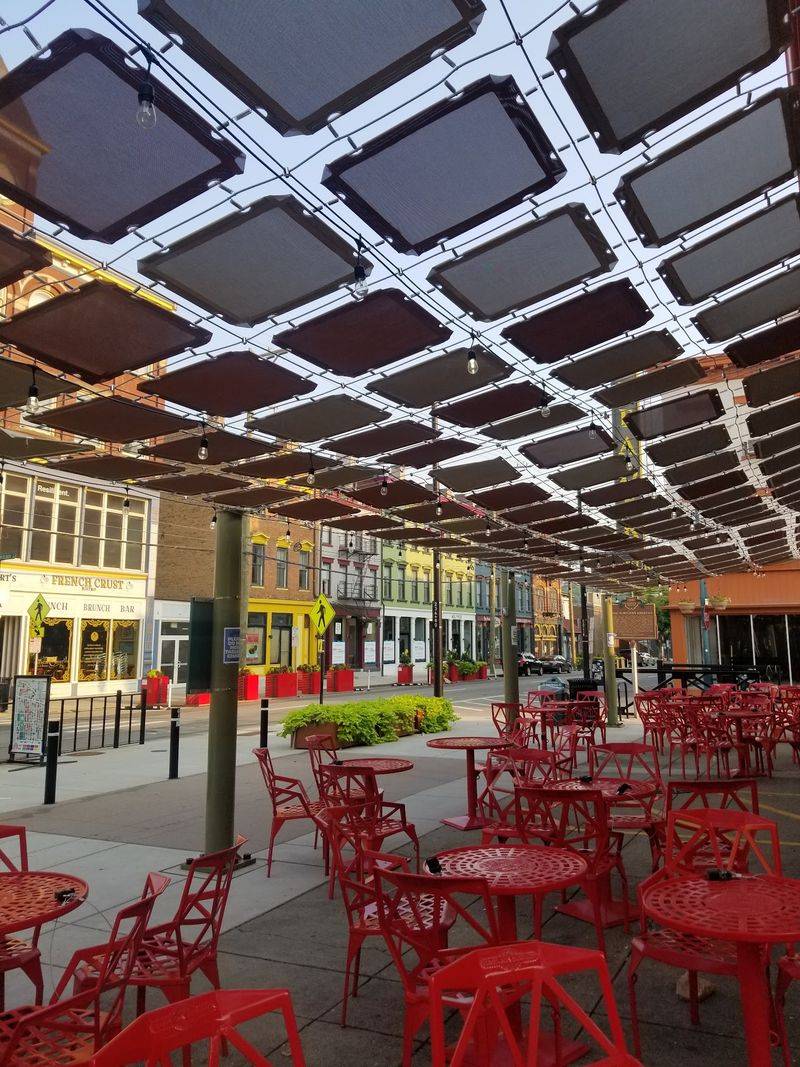
The shopping does not stop at the market doors.
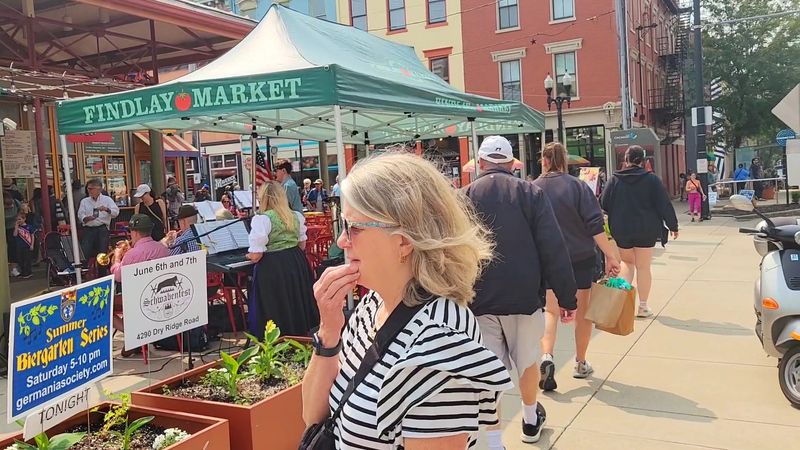
The blocks around the market are lined with brightly painted buildings, and murals cover many of the walls. Some locals call it the most colorful part of Cincinnati.
Boutique shops fill the nearby storefronts. The mix includes a bee-themed shop and a candle shop where guests can make their own candles.
Plenty of outdoor seating gives shoppers a spot to sit down with whatever they picked up inside. A grocery run can easily stretch into a relaxed afternoon.
Live music often joins the scene. Bands set up outdoors, especially later in the day, and the performances give the area a lively, festival-style energy.
Surprise guests show up now and then. The Cincinnati Reds mascot has been spotted making the rounds, a fun moment for kids and baseball fans alike.
Early risers have an option, too. A coffee shop a short walk away opens at 7 AM, while the market’s own coffee spot opens at 9 AM.
All of this makes the market feel less like a single building and more like the center of a whole neighborhood.
Crowds, Energy, and Who Will Love It Most
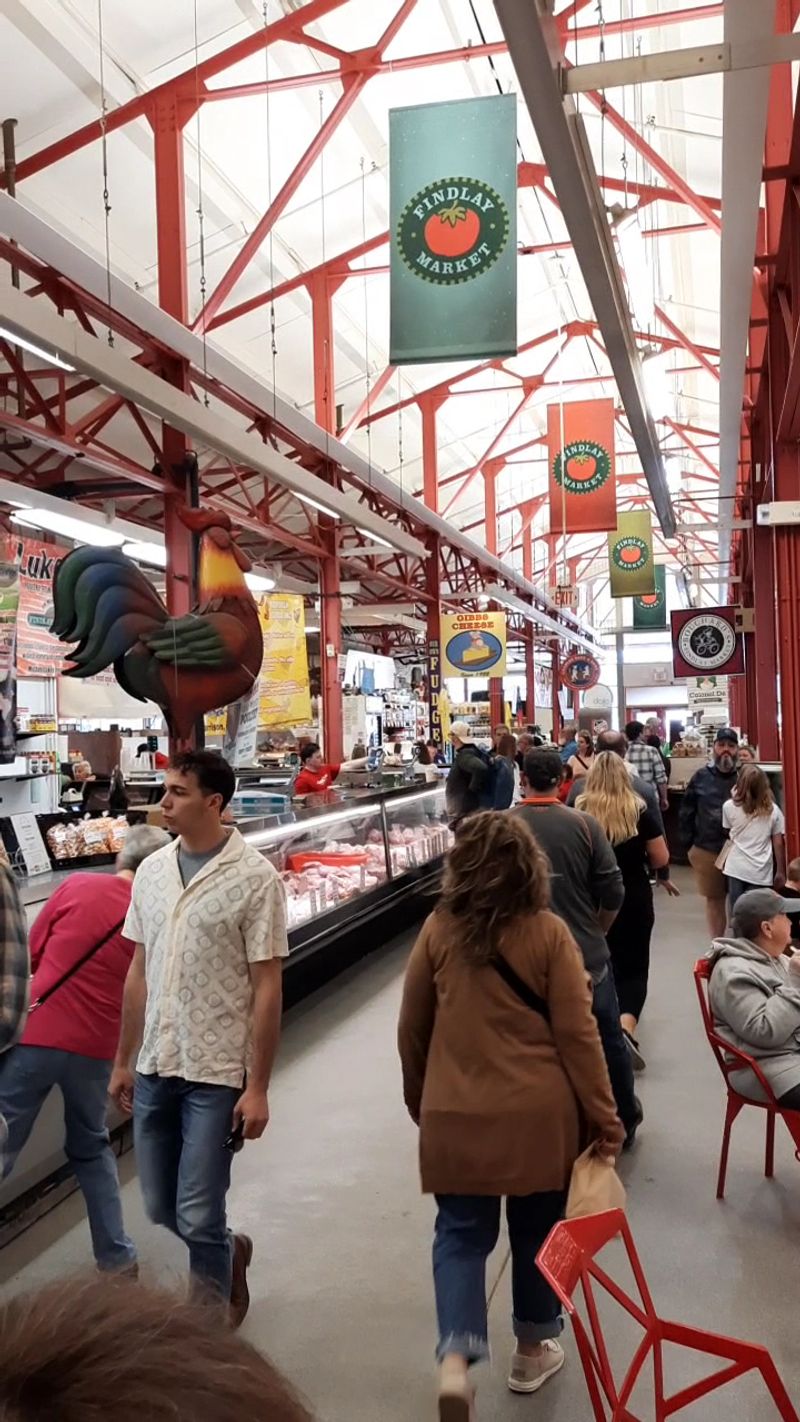
Expect company.
The market draws big crowds, and even on a chilly Sunday morning in February, lines can form at nearly every stall. Anyone expecting a sleepy farmers market will be surprised.
The busy aisles call for a little patience. Shoppers should be ready to say excuse me more than a few times.
Despite the crowds, the hall stays clean, organized, and comfortably cool, which keeps browsing pleasant. Vendors keep the mood welcoming and answer questions quickly.
Families with kids tend to have a good time, with snacks and treats at every turn. Dog owners get good news as well, since the market is known as very dog friendly.
Food lovers get the most out of a trip. Home cooks can stock up on meat, cheese, bread, and spices, while travelers can build a lunch from several stalls.
Out-of-town guests should plan around one catch. Fresh groceries are hard to carry home on a plane, so prepared food and shelf-stable goods make better souvenirs.
Arriving hungry is the smartest move. Showing up right after a big meal is a common regret, since the prepared options are hard to pass up.
Comfortable shoes help, because there is plenty of ground to cover inside and out.
Hours, Parking, and the Streetcar Shortcut
Timing matters here, so a quick look at the schedule saves frustration.
The market is open Tuesday through Friday from 9 AM to 6 PM. Saturday runs from 8 AM to 6 PM, and Sunday hours are shorter, from 10 AM to 4 PM.
Monday is the day to skip. The market is closed.
Fridays tend to be calmer. There are fewer vendors, but parking is much easier to manage, which makes it a smart pick for a relaxed trip.
Weekends bring the biggest crowds and the most energy. The early Saturday opening gives serious shoppers a head start at the butcher counters.
Parking is the most common headache. It is paid, spaces fill up fast, and many people end up parking a block or so away.
The free streetcar is a handy alternative. It links the market with other parts of downtown Cincinnati, so a stop here fits easily into a bigger day in the city.
Public restrooms are available across the street, a welcome detail for families. The market’s website is the best place to confirm details before a holiday trip.
A Soft Verdict From Race Street
Some places try hard to feel historic. This one simply is.
Findlay Market has been part of Cincinnati life since 1855, and it still works the way a public market should. People come for groceries, stay for lunch, and leave with something they did not plan to buy.
The butcher counters give the place its backbone. Goetta made the old German way connects today’s shoppers to the immigrant families who shaped this neighborhood.
Everything around the meat case adds to the appeal. Cheeses, spices, baked goods, a seasonal farmers market, murals, boutiques, and live music turn a simple errand into a full outing.
It is not a quiet stop. Crowds, tight parking, and busy aisles come with the territory, so a calm Friday or an early Saturday can make a real difference.
For locals, it is a weekly habit worth keeping. For travelers, it is one of the easiest ways to understand what makes Cincinnati different from other Midwestern cities.
Goetta skeptics are welcome, too. A pound from a market butcher, cooked at home the next morning, has a way of turning doubters into regulars.
Enjoyed this story?
Add Fast Food Club as a preferred source to see more of our reporting on Google.