


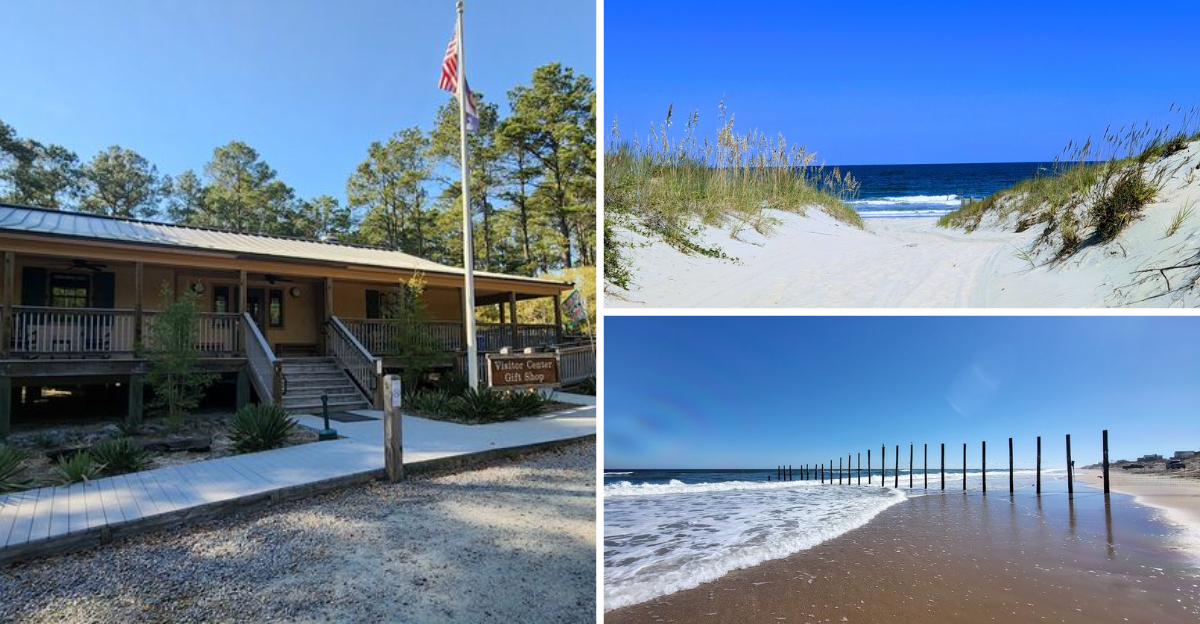
Some of the wildest coastline on the East Coast sits just a short distance from one of Virginia’s busiest beach cities, yet almost nobody drives there because they simply cannot. No cars are allowed past a certain point, which means the only way in is under your own power by foot, bike, or paddle.
That single rule keeps the crowds thin, the sand nearly empty, and the whole place feeling like a secret. Reaching it takes real effort, with miles of flat trails, soft sand, and plenty of bugs waiting along the way, but the payoff is a stretch of undeveloped shoreline that most people never get to see.
Ready to learn where it hides, how to get there, and what makes the trip worth every mile? Keep reading.
Where This Wild Coast Actually Sits
Tucked along the Currituck Banks Peninsula, False Cape State Park carries the address 4001 Sandpiper Rd, Virginia Beach, VA 23456. It stretches down toward the North Carolina border, sharing its southern edge with the state line.
The name suggests a place far removed from anything, and in many ways that holds true. Even though the park sits only a few miles from Virginia Beach, the setting feels like a different world entirely.
A maritime forest preserve threaded with trails, the park protects pristine forest and coastline that no private car can reach. That single fact shapes everything about a visit here.
Wedged between Back Bay on one side and the Atlantic Ocean on the other, the strip of land offers something rare on this coast. You can watch the sun rise over the ocean and set over the bay from the same patch of wild ground.
Getting oriented matters here more than at most parks, because there is no drive-up entrance. Understanding the layout before you go turns a confusing trek into a rewarding one, and it sets the tone for an adventure that rewards a little planning.
A Coastline No Car Can Reach
The defining feature of the park is written into its rules: no motor vehicles for the general public. To get in, you hike, bike, paddle, or pay for a guided tram tour.
That restriction is not a hassle so much as the whole point. Because cars stay out, the park stays quiet, and the beach remains mostly empty even during peak season.
Regulars often say the difficulty of getting there adds to the charm. When the effort filters out casual traffic, the reward is a shoreline you may have largely to yourself.
Many describe the place as feeling like true wilderness despite being only a few miles from a major beach city. That contrast is exactly what draws people back again and again.
You will not hear the hum of an RV generator when you settle into a tent for the night. What you get instead is a self-selecting crowd of hardy folks who came under their own power, and a landscape that feels genuinely wild because of it.
Biking In Beats Every Other Option
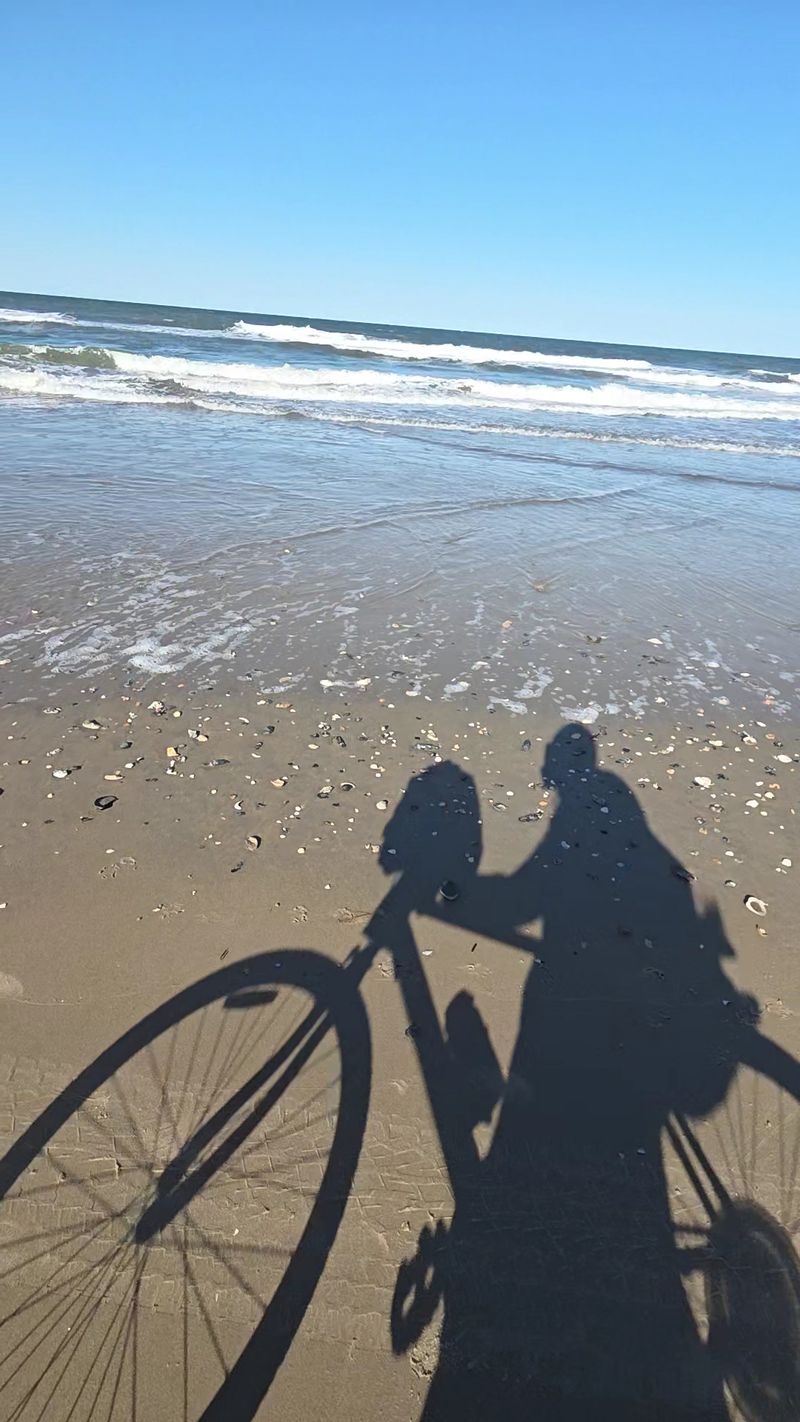
Ask around and the advice comes back the same: bring a bike. The most common and most enjoyable way to reach the park is on two wheels, and the trails are built for it.
Distances add up quickly out here. Parking at Little Island leaves you roughly a 10-mile round trip to reach the park interior, and much of that runs over gravel roads that feel far longer on foot.
The dike paths, known as the east and west dikes, make excellent biking routes when they are open. Only one dike stays open at a time, so check before you roll out.
A fat-tire bike or eBike earns its keep here. Some stretches turn to deep, soft sand near the beach, and a wider tire handles that far better than a standard road bike.
Folks have ridden all the way to the North Carolina border and back, soaking up trailside scenery along the way. If you have the means to bike, skip the hike and let the wheels carry you into the wild.
Six To Nine Miles Of Undeveloped Shore
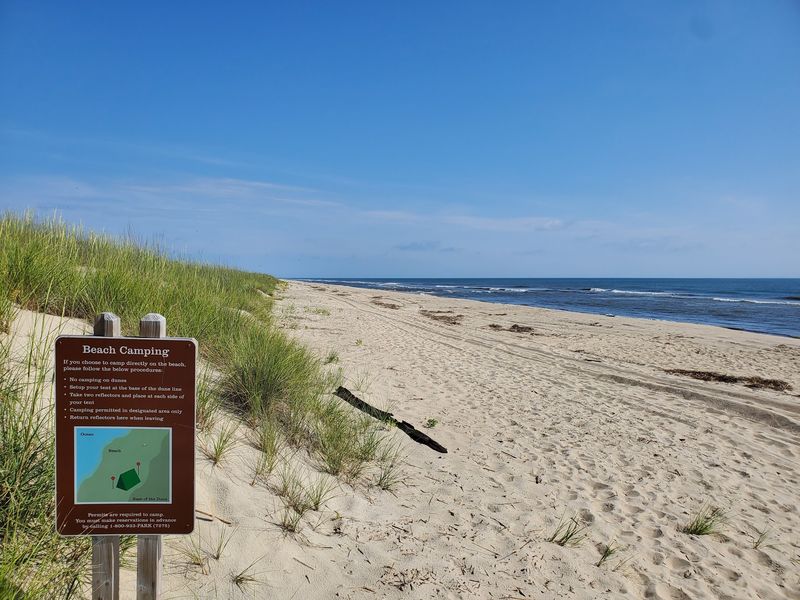
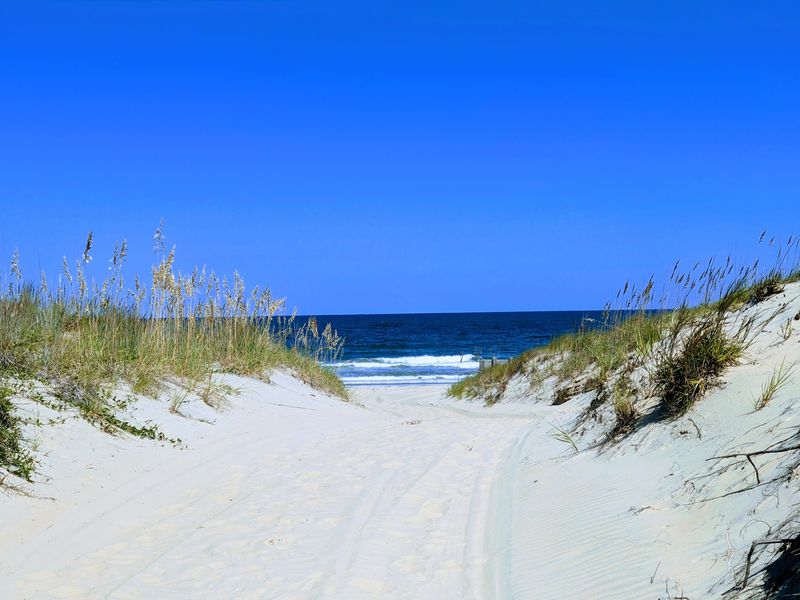
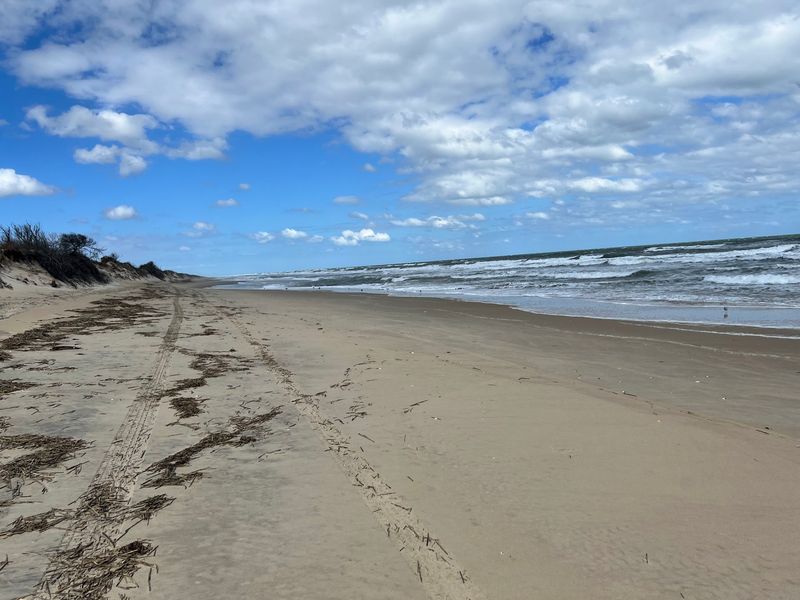
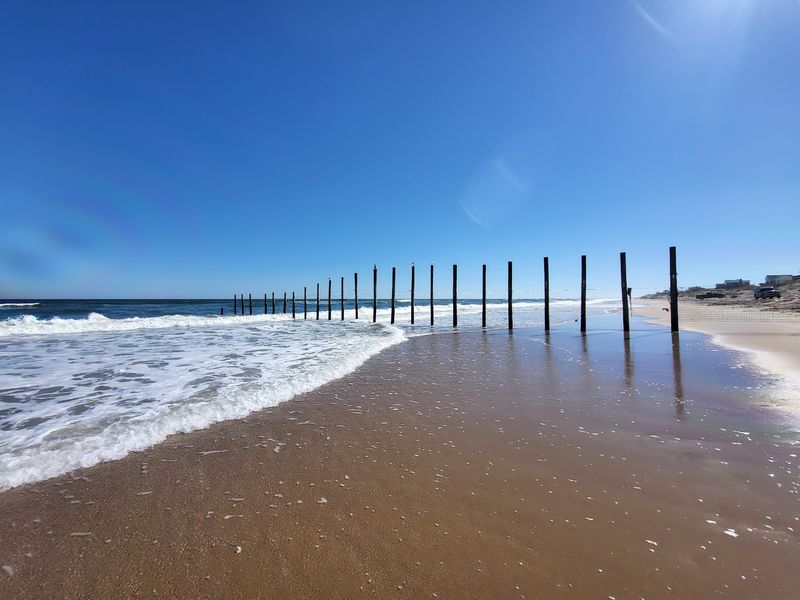
The heart of the park is its coastline, and it delivers on the promise of solitude. Depending on how you count it, the park holds around six to nine miles of undeveloped Atlantic beach.
Some call this the best undeveloped coastline on the East Coast, and it is easy to see why. There are no boardwalks, no shops, and no crowds, just sand, dunes, and open water.
Even at the height of summer, the beaches often sit nearly deserted. The effort required to reach them keeps foot traffic light and the sense of discovery high.
Seashell hunters do well here, with a shoreline that collects an impressive variety of shells. Beachcombing becomes its own reward once you make it over the dunes.
Getting from the trails to the water involves a bit of dirt path followed by deep sand, so many people chain their bikes at the rack near the primitive campsites and walk the final stretch. Cross the dunes, and miles of open shore stretch out in both directions.
Paddling Through Back Bay
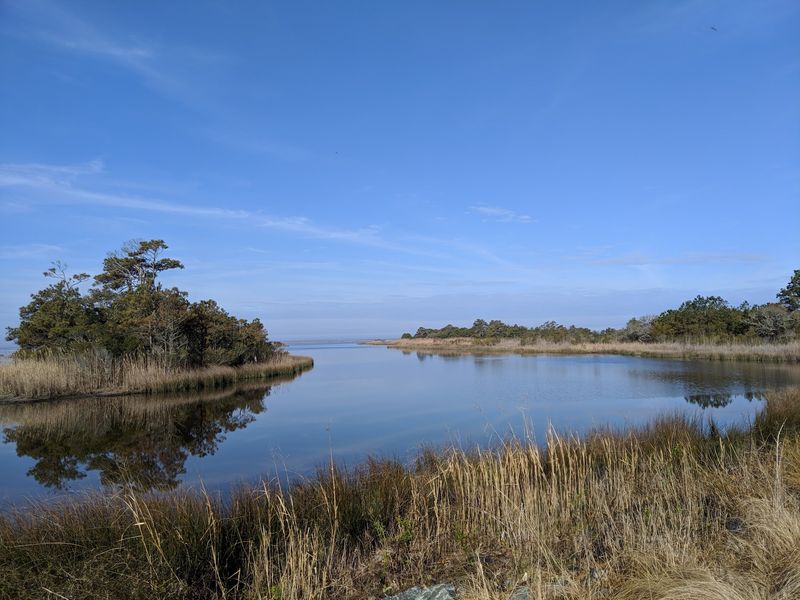
For those who prefer water travel, kayaking offers one of the most memorable ways in. Paddlers launch from the bay side of Little Island Park and work their way toward the park.
The route runs through Back Bay National Wildlife Refuge, and that passage often becomes the highlight of the trip. It is a challenging paddle, but the payoff along the way is well worth the effort.
Wildlife shows up in abundance on this route. Paddlers have spotted eagles, ospreys, otters, and plenty of other creatures moving through the marsh and water.
Reaching the campsites by kayak is entirely doable, and it adds a layer of adventure that the land routes cannot match. You arrive having earned every mile of the journey.
Anyone comfortable on the water and looking for a remote, wildlife-rich outing will find this approach hard to beat. Trade the trail dust for open bay, and the park greets you from a whole new angle.
Primitive Camping Under Open Sky
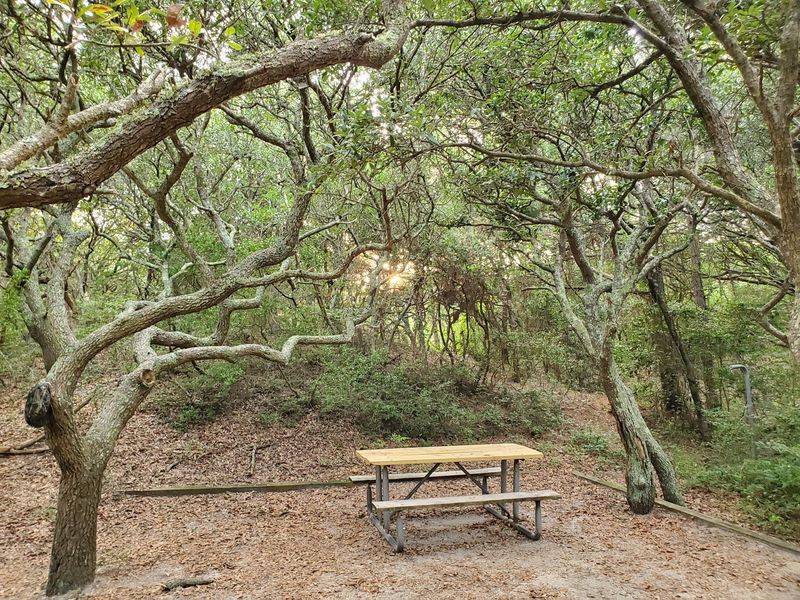
Spending the night here is a genuine adventure, though it is not full backcountry either. The park sits somewhere pleasantly in between, with primitive sites that still cover the basics.
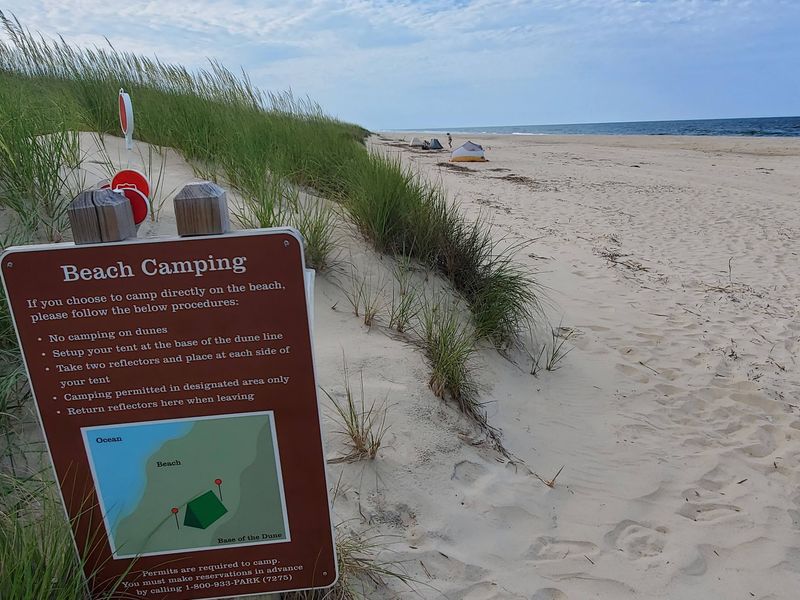
Campsites come well maintained and surprisingly private, tucked into shaded spots with a picnic table and a lantern hook. Sites sit roughly six to eight miles from the visitor center, reached by hiking or biking.
There are two main flavors of camping: forested sites and beach-side sites. Some people split their trip, spending one night at a wooded campsite and another right on the beach.
Facilities lean rustic but functional. Pit toilets are about as tidy as pit toilets get, and a motion-sensor light inside keeps things interesting when it clicks off mid-visit.
No campfires are allowed, so plan meals accordingly. Fall in with the rhythm of the place, and a night out here delivers quiet that developed campgrounds simply cannot offer.
Wildlife That Steals The Show
Nature runs the place here, and it puts on a good show for anyone paying attention. The park shelters a diverse mix of creatures across its forest, marsh, and shore.
Along the trails, people have crossed paths with deer, turtles, snakes, beavers, and even a wandering raccoon. Wildflowers dot the route in season, adding color to the ride or walk.
Out on the water and shoreline, the cast grows larger. Sightings include dolphins, sea turtles, herons, egrets, and a wide variety of birds working the bay and beach.
Waterfowl gather along the fences and shoreline, and morning is a fine time to catch them soaking up early sun. Birders in particular find plenty to keep their eyes busy.
Respecting the animals is part of the deal, so keep your distance and let them go about their business. Come with patience and a bit of luck, and the park’s wild residents will make the trip unforgettable.
The Story Behind Wash Woods
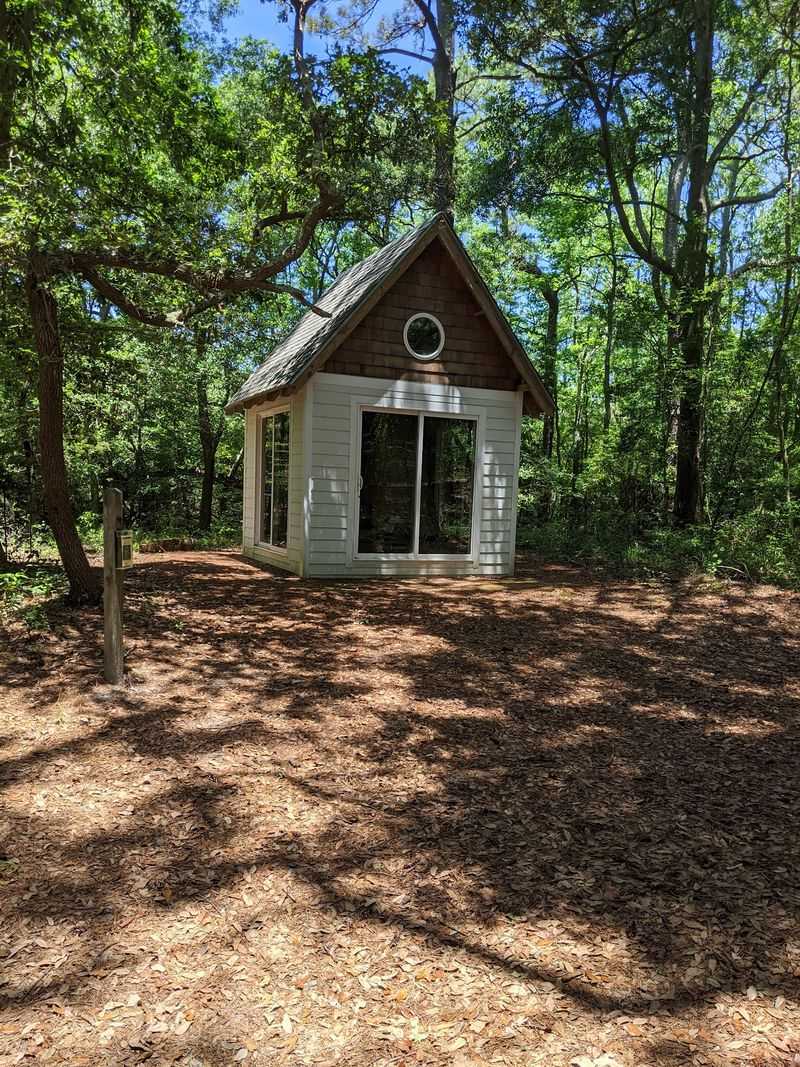
History hides in the forest here too, and it rewards the curious. The Wash Woods historic site preserves a fascinating look back at a community that once lived on this remote stretch of coast.
A cemetery marks part of the site, offering a quiet window into the area’s past. For people who love pairing outdoor adventure with a bit of local heritage, it becomes a natural stop.
Many campers keep Wash Woods on their must-see list, sometimes saving it for a return trip when time runs short. The site sits deep enough in the park that reaching it is its own small mission.
What makes it special is the contrast. In a place defined by wild, undeveloped land, these remnants remind you that people once carved out a life along this shore.
Nature lovers and history buffs alike tend to come away intrigued. Add it to your route, and the park’s story grows richer with every mile you cover.
Trails, Dikes, And Deep Sand
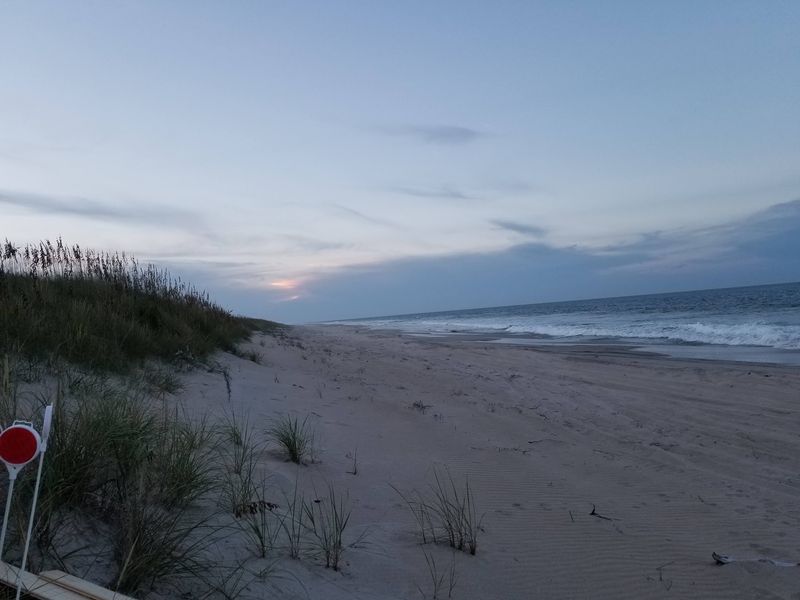
Getting around inside the park means understanding its network of trails, and there are plenty of them. The park offers 15 or more miles of well-maintained trails winding through varied terrain.
The dike roads form the main arteries, running through open, mostly unshaded stretches with glimpses of Back Bay along the way. Only one dike stays open at a time, and much of it runs in full sun.
Inside the park proper, the scenery shifts. Shade returns under pines and live oaks, with a few beautiful groves that make the interior trails feel worlds apart from the exposed dikes.
Surfaces range from packed dirt to gravel, with some potholes and puddles mixed in. As you near the ocean, the path turns to deep, soft sand that can slow both feet and wheels.
Checking a tide chart pays off in the cooler months, since the beach route works best at low tide. Plan around the sand and the sun, and the trail system opens up the whole park.
The Welcome At The Visitor Center
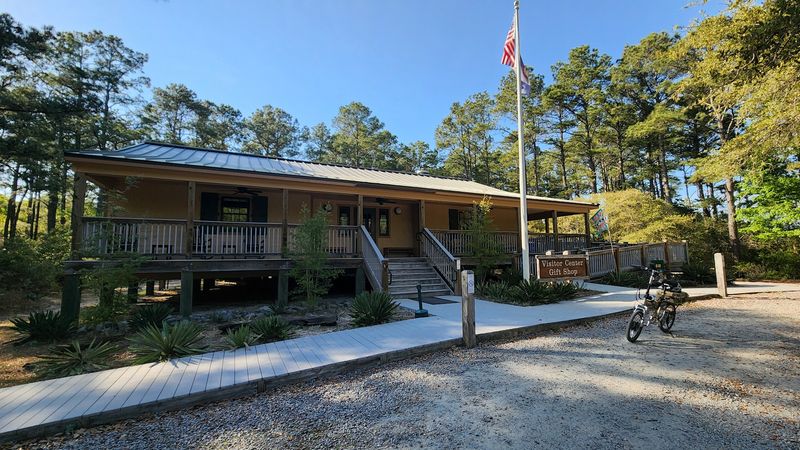
After miles of trail, the visitor center feels like a genuine reward. Regulars often mention it as a welcome reprieve, and it earns that reputation.
Inside, you will find snacks, cold drinks, and small essentials, plus real bathrooms with air conditioning. Cold fruit pops get singled out as worth every penny after a hot ride.
The main office building itself draws compliments for being well kept and genuinely pleasant. Out front, a line of rocking chairs invites tired travelers to sit for a spell.
Practical touches make a difference here. A water fountain and refill station let you top off bottles, and there is even a plug to charge electronics while you rest.
The staff and volunteer stewards keep the whole place running, and their friendliness comes up constantly. Roll up dusty and worn, and the center offers exactly the comfort you need before the trip back.
Bugs, Heat, And Honest Warnings
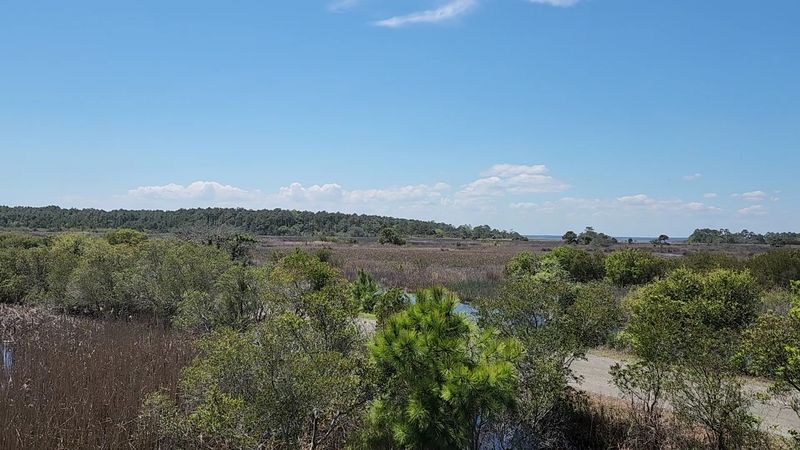
No honest account of the park would skip the bugs, because they are a real part of the experience. During warmer months, biting flies and ticks can turn a pleasant outing into a test of patience.
People come home reporting dozens of bites, and the biting flies near the beach seem indifferent to spray. The heat adds another challenge, especially on the unshaded dike roads.
Preparation goes a long way. Treating clothing with permethrin the night before, packing picaridin repellent, and wearing long sleeves and pants all help keep the pests at bay.
Timing matters just as much. A warm weekend in spring or fall tends to be far more comfortable than a humid summer day, when the insects are at their worst.
Sunscreen and plenty of water round out the essentials, since shade is scarce on the way in. Come armed and dressed for it, and the bugs become a footnote rather than the headline of your trip.
Fees, Access Seasons, And Getting There
A little planning around access saves a lot of frustration. Most people park at Little Island, sometimes listed as Little Island City Park, which is where you leave the car if you are camping.
There is a parking fee of $5 during the busy season, often cash only, though the off season may be free. The lot is small, and trailers are not permitted, so arrive prepared.
The route through Back Bay National Wildlife Refuge is only open from around April through the fall. Outside those months, you reach the park by traveling along the beach instead, which is where checking the tide really matters.
Pets are not allowed through the wildlife refuge, so leave them behind if you enter from the Virginia side. Entering from the North Carolina side has different rules regarding pets.
A guided tram tour exists for those who would rather ride than pedal. Sort out the season, the fee, and your mode of travel ahead of time, and the rest of the trip falls into place.
Why The Effort Pays Off
All the miles, sand, and bug spray build toward something genuinely rare. This is a place that rewards people willing to arrive under their own power, and that reward runs deep.
Many rank it as their favorite in the entire Virginia park system, and some even say it edges out national parks for pure, unspoiled beauty. With a rating of 4.8 stars across more than 500 reviews, the enthusiasm is hard to miss.
What you get is a stretch of wild coast where you can watch the sunrise over the Atlantic and the sunset over the bay, all from one patch of land. Solitude like that is increasingly hard to find on the East Coast.
The trip demands commitment, no question. Long distances, primitive facilities, and summer insects keep it from being a casual outing.
Still, get the timing and gear right, and False Cape State Park offers a remote, peaceful escape that stays with you. Pack smart, pedal in, and this hidden island shore will show you why so many keep coming back.
Enjoyed this story?
Add Fast Food Club as a preferred source to see more of our reporting on Google.