


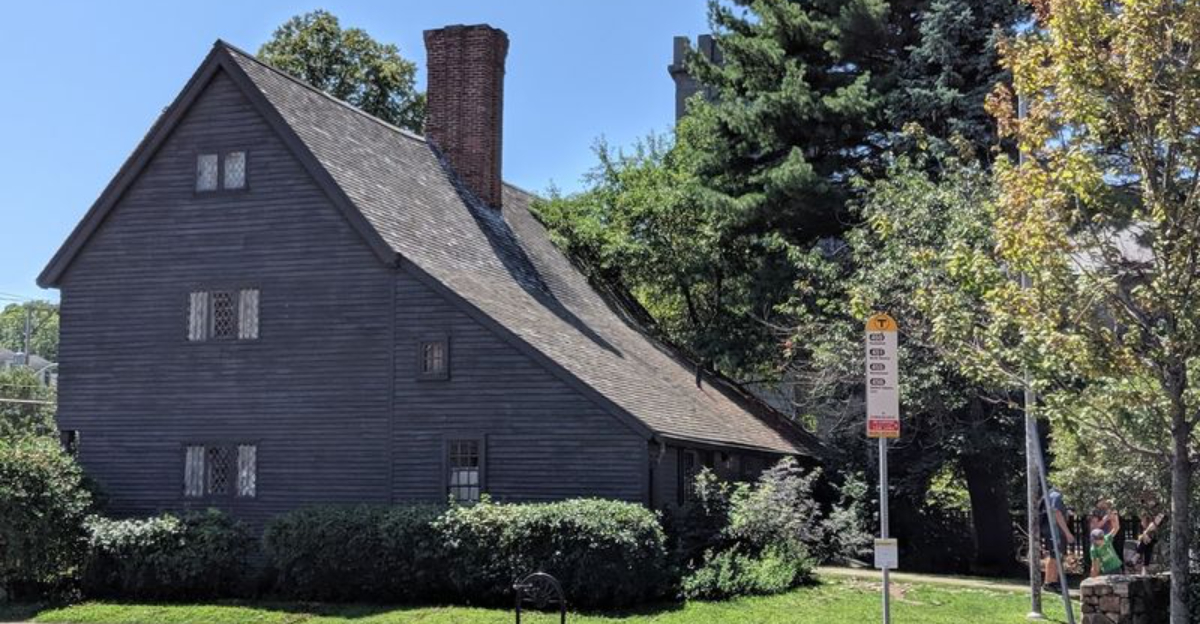
Tucked along Essex Street in Salem, Massachusetts, the Witch House stands as one of the most chilling and authentic reminders of the 1692 Salem Witch Trials. This 17th-century home was once owned by Judge Jonathan Corwin, a man directly involved in one of America’s darkest legal chapters.
Stepping inside feels like walking through a portal to another era, where fear, superstition, and injustice shaped the lives of ordinary people. Whether you love history, mystery, or just want to experience something truly unforgettable, this place delivers on every level.
The Only Surviving Building With Direct Ties to the 1692 Witch Trials
Here is a jaw-dropping fact: out of all the structures connected to the 1692 Salem Witch Trials, the Witch House is the only one still standing with a direct historical link to those terrifying events. That alone makes it a one-of-a-kind destination in all of America.
Judge Jonathan Corwin, who lived and worked here, was personally involved in examining accused witches. Walking through the same rooms where those examinations may have taken place gives visitors an eerie, unforgettable feeling.
No other building in Salem can claim this level of authenticity. History buffs will especially appreciate knowing they are standing inside a genuine piece of American colonial history, not a recreation.
Arriving early is a smart move, since the small exhibit space can fill up quickly, particularly on weekends and during October when Salem draws enormous crowds from across the country.
Judge Jonathan Corwin and His Chilling Role in the Trials
Jonathan Corwin was not a background figure in the Salem Witch Trials. He was right at the center of it all, serving as one of the magistrates who examined the accused and helped determine their fates.
His name appears on legal documents that sent innocent people to their deaths.
Learning about Corwin while standing inside his actual home adds a layer of weight that no textbook can replicate. The guides at the Witch House do a remarkable job of explaining who he was, what motivated him, and how the hysteria of the time shaped his decisions.
Understanding Corwin helps visitors grasp how fear and religious pressure could push educated people into making terrible choices. His story is a sobering reminder that history is made by flawed human beings.
Talking with the on-site historians brings his complicated legacy to life in a surprisingly personal way.
A Rare Look at 17th-Century Colonial Architecture
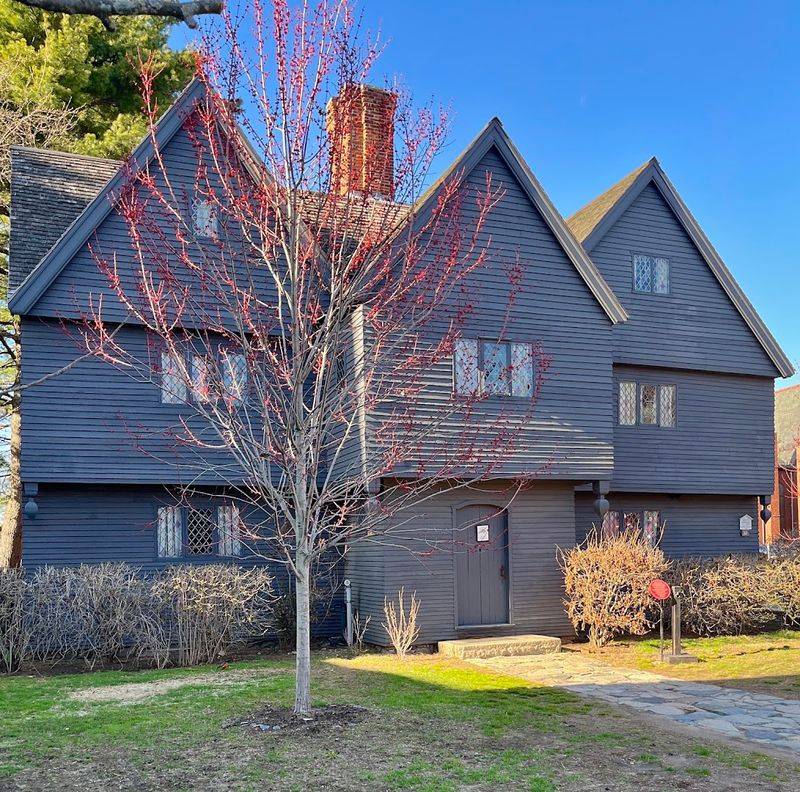
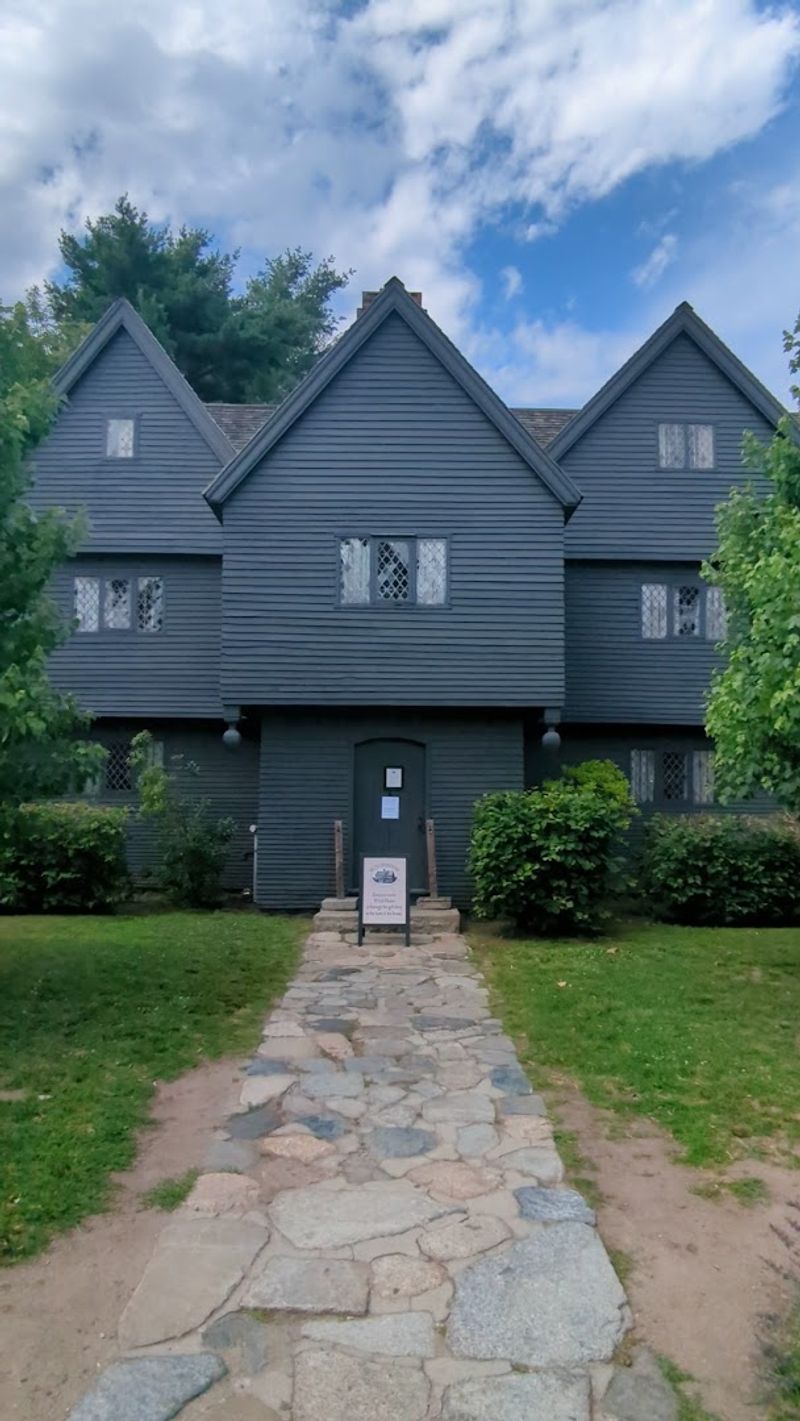
One visitor described the windows as remarkably small, and the overall shape of the building as cool and different from anything they had ever seen. That reaction makes perfect sense once you see the Witch House up close for the first time.
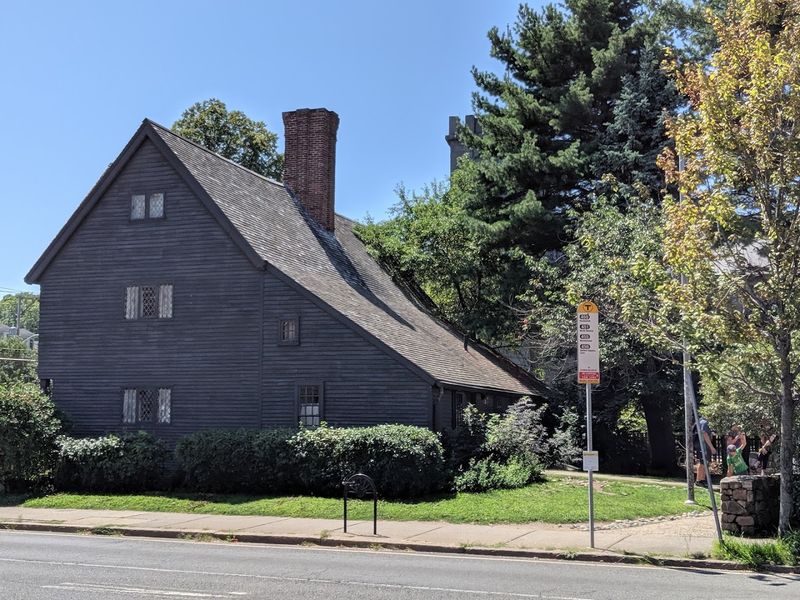
Built in the late 1600s, the structure features a steeply pitched roof, overhanging upper story, and tiny leaded glass windows that barely let in light. These design choices were not just aesthetic but practical, helping homes retain heat during brutal New England winters.
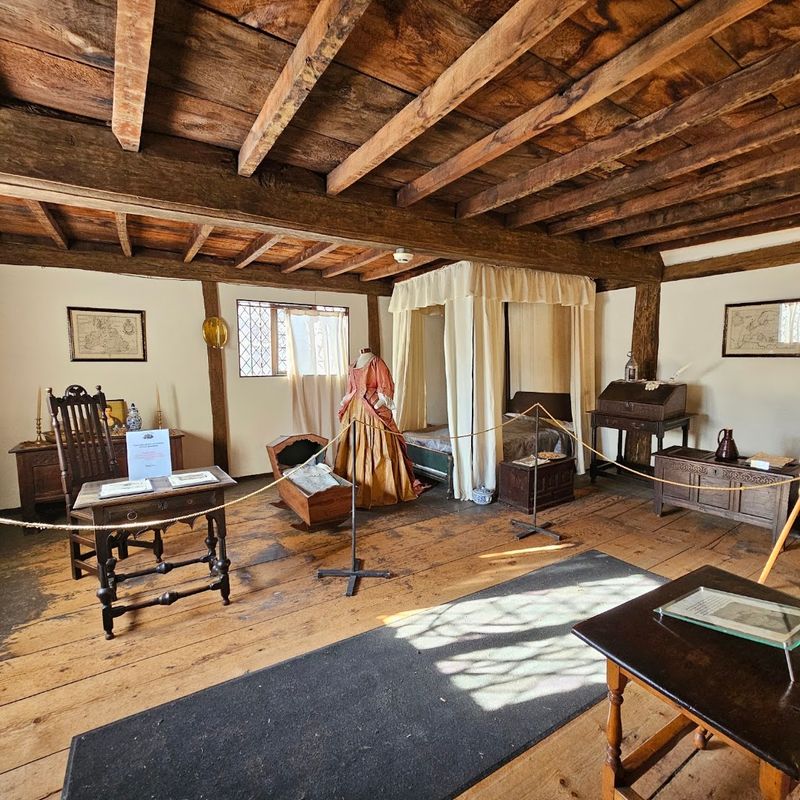
Architecture enthusiasts will find plenty to admire and study here. The building is considered one of the oldest surviving homes in the entire United States, which makes every creaking floorboard and hand-hewn beam feel like a treasure.
Guides are happy to explain construction techniques of the era, giving visitors a fresh appreciation for the craftsmanship of colonial-era builders.
Period Furnishings That Transport You Back in Time
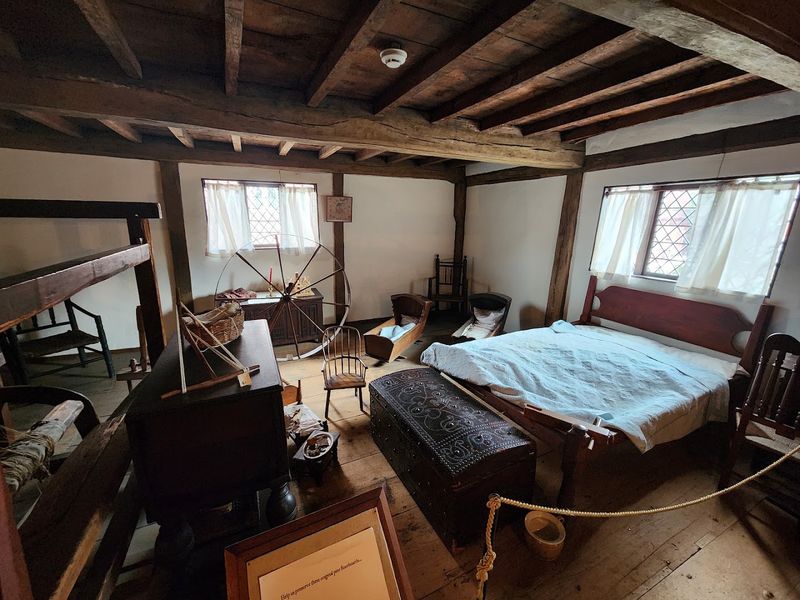
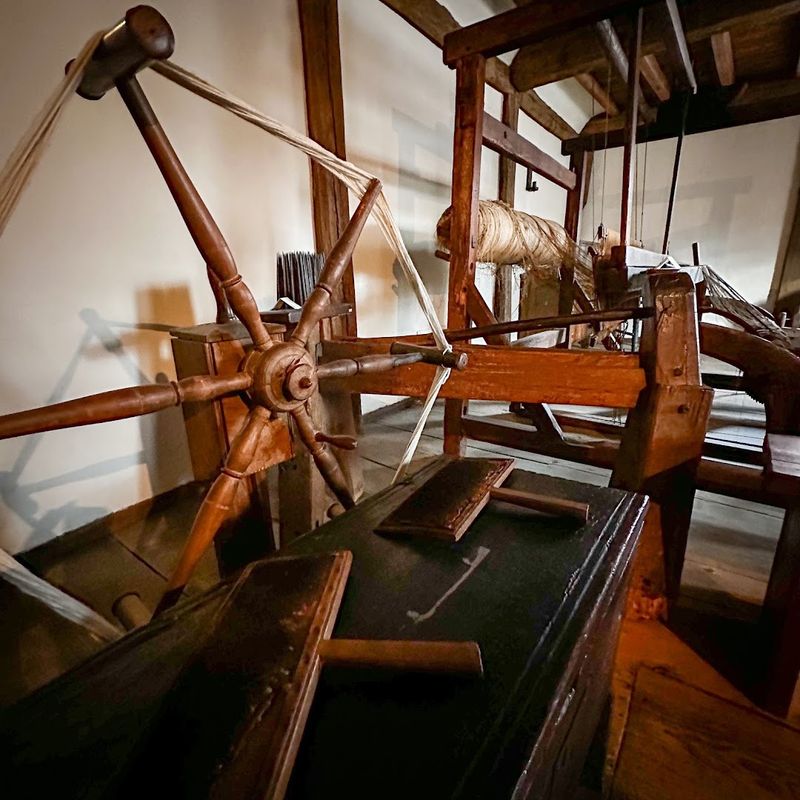
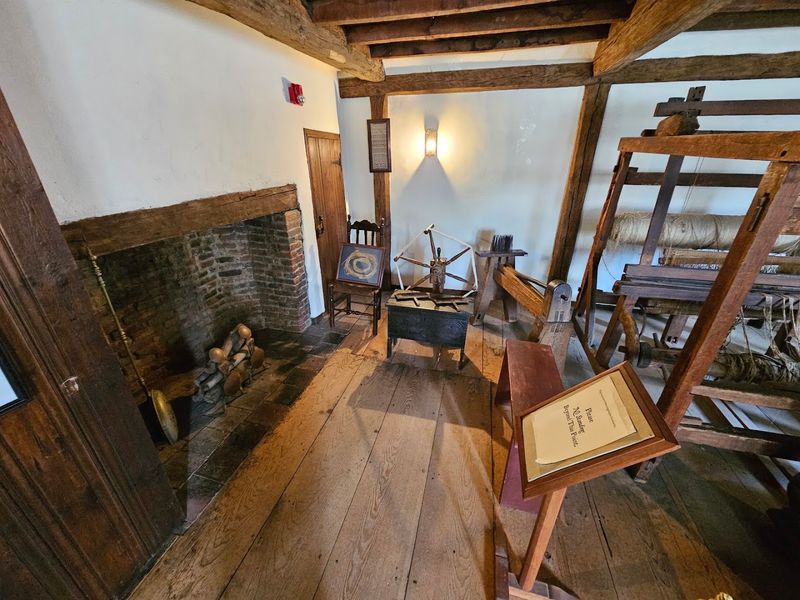
Wandering through the rooms of the Witch House, you will notice furniture and household items that look like they belong in a history painting. While the pieces are not original to the Corwin family, they are authentic to the 17th century, carefully selected to reflect what daily life would have looked like in this very home.
Seeing a dress that Jonathan Corwin’s wife might have worn, or the type of bed the family would have slept in, makes the past feel surprisingly close. One reviewer was especially moved by the detail put into representing the lives of the people who actually lived here.
If you have ever struggled to picture what colonial life really looked like beyond textbook illustrations, this exhibit does the heavy lifting for you. Every room tells a quiet story about survival, faith, and family in one of America’s most turbulent historical moments.
Self-Guided and Staff-Guided Tour Options for Every Type of Visitor
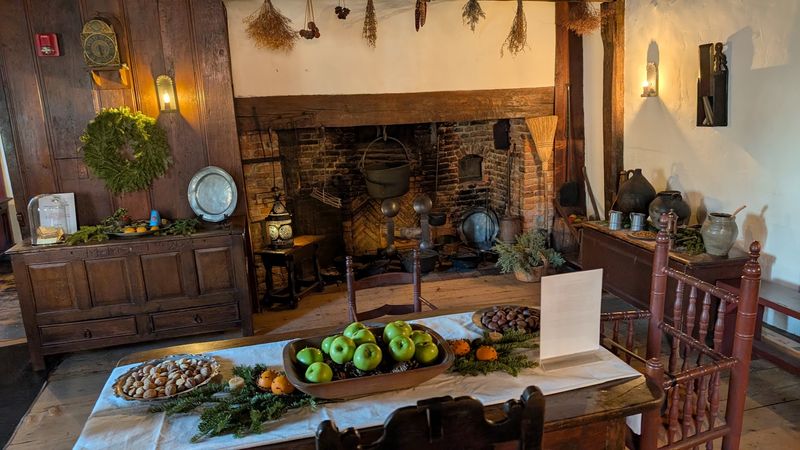
Not everyone explores history at the same pace, and the Witch House gets that. Visitors can choose between a self-guided experience or interact directly with the knowledgeable staff members stationed throughout the rooms, ready to answer questions and share fascinating details.
Multiple reviewers strongly encouraged stopping to chat with the historians on-site rather than just breezing through. One visitor said they could have spent the entire day talking with the guides, learning about construction techniques, family history, and the social climate of the 1600s.
For families with curious kids or adults who love going deep on historical topics, engaging with the staff turns a short visit into something truly memorable. The guides bring warmth and enthusiasm to a subject that can feel heavy, making the experience feel educational without ever becoming a lecture.
Plan to slow down and soak it all in.
The Fascinating Book Room That Leaves Visitors Speechless
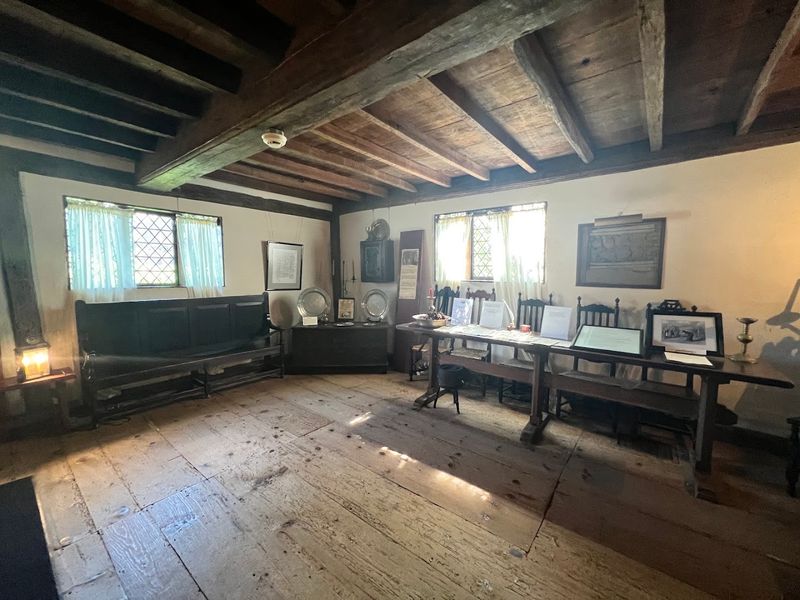
Ask almost any visitor what surprised them most about the Witch House, and a good number will mention the room filled with books. Rows of historical texts, records, and documents create an atmosphere that feels like stepping into a scholar’s private library from another century.
One reviewer called it amazing, saying they could have spent far longer just absorbing the sheer volume of history contained in that single room. For anyone fascinated by primary sources, old manuscripts, or the written record of the witch trials, this space is a genuine highlight.
It is the kind of room that makes you realize how much was actually documented during this period, and how those written records shaped everything that historians know today. Bringing a notebook or snapping photos of interesting titles is a great way to continue exploring the stories long after you leave Salem.
Debunking Myths About the Salem Witch Trials
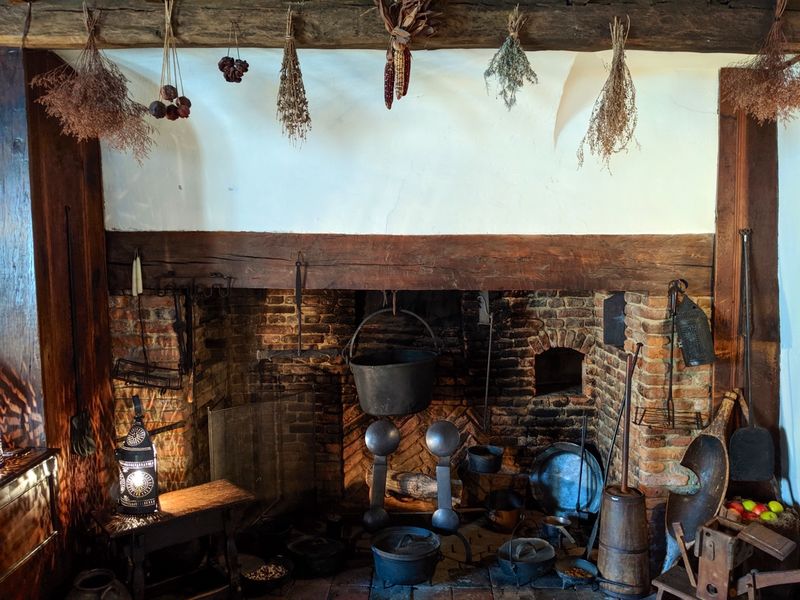
Popular culture has filled our heads with dramatic images of witches on broomsticks and wild courtroom confessions, but the real story of the Salem Witch Trials is far more complicated and far more human. The Witch House tackles these misconceptions head-on with clear, engaging exhibits.
Visitors learn about the religious culture of Puritan New England, the social pressures that fueled accusations, and the very real fear that gripped the community during 1692. Understanding the context behind the trials helps explain how such a tragedy was possible without reducing it to simple good versus evil storytelling.
One reviewer specifically praised the exhibit for separating popular myths from documented facts. That honest, educational approach makes the Witch House stand out from more theatrical Salem attractions.
Guests leave with a clearer, more nuanced understanding of a chapter in American history that is still deeply relevant to conversations about justice and mob mentality today.
Affordable Admission That Makes History Accessible
At just twelve dollars per person, the Witch House offers one of the most affordable genuine historical experiences in Salem. For families, history students, or budget-conscious travelers, that price point is hard to argue with given what you receive in return.
Tickets are purchased in the gift shop located at the back of the house, which means you get a preview of the merchandise before your tour even begins. No advance booking is required for most visits, and several reviewers noted that they simply walked in at opening time and went straight into the exhibit without any wait.
The proceeds from your visit also support other Salem historical preservation projects, so every dollar spent here goes toward keeping more of the city’s incredible heritage alive. Visiting at opening time on a weekday is the best strategy for avoiding crowds and enjoying the space at your own comfortable pace.
The Gift Shop Experience Worth Exploring
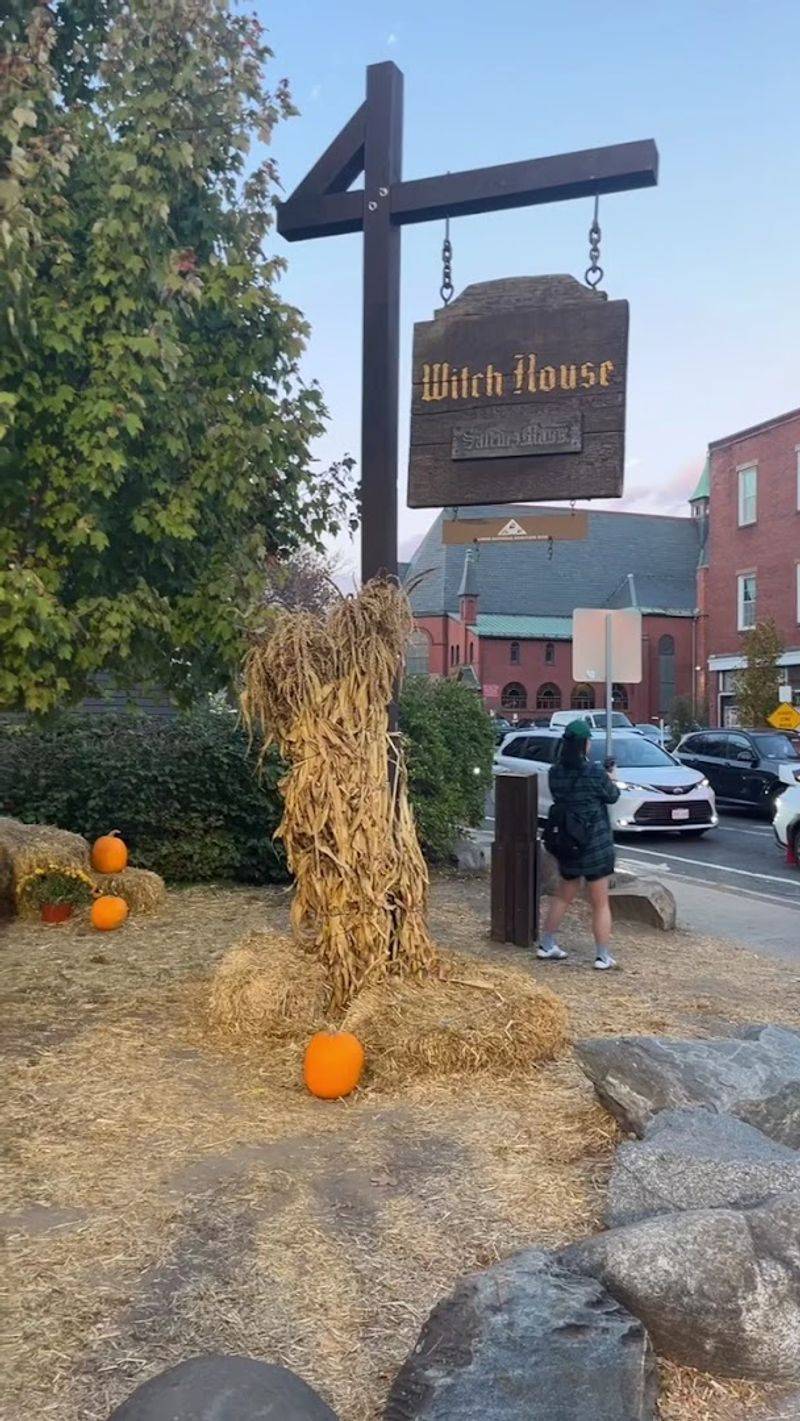
Gift shops at historical sites can feel like an afterthought, but the one at the Witch House has earned genuine praise from visitors. Tucked around the back of the building, it stocks a thoughtful selection of items ranging from books about the witch trials to Salem-themed keepsakes.
One reviewer specifically raved about the stained glass mini souvenirs, calling them adorable and highly recommending them as a memento. The shop also carries items that connect to the broader history of the region, making it a good spot to find something meaningful rather than just generic tourist trinkets.
Even if you are short on time, popping into the gift shop is worthwhile. Since ticket purchases happen here, you will naturally pass through on your way in and out.
Picking up a book about the witch trials is a wonderful way to keep learning once you head back home.
Visiting Hours and Planning Your Trip Wisely
Planning ahead always pays off when visiting popular historical attractions, and the Witch House is no exception. The museum is open every day of the week from 10 AM to 5 PM, giving visitors plenty of scheduling flexibility throughout the year.
October is by far the busiest month in Salem, with thousands of tourists flooding the city for its famous Halloween season. Arriving right at 10 AM is the smartest move during that period, as the small exhibit space can feel crowded by midmorning.
Visiting on a weekday rather than a weekend also helps you enjoy a quieter, more personal experience.
For the most relaxed visit possible, spring and early summer are wonderful times to explore Salem with shorter lines and cooler weather. The museum can be reached at 978-744-8815 or through their website at thewitchhouse.org if you want to check for any special events before your trip.
The Exterior of the House Is a Sight All on Its Own
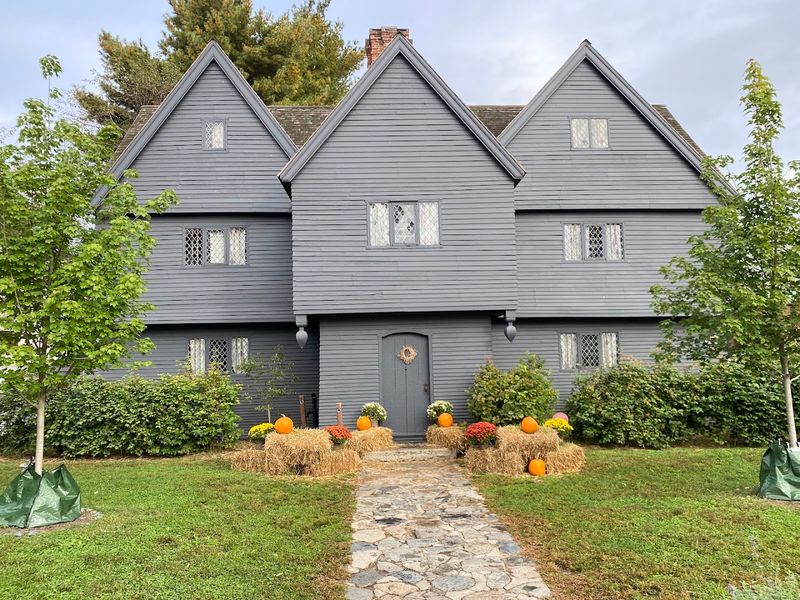
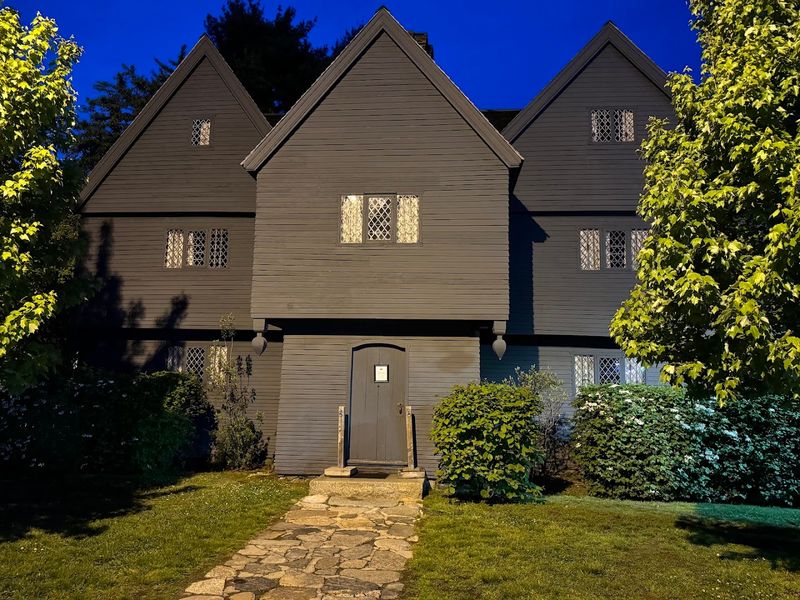
Even visitors who only see the outside of the Witch House tend to walk away impressed. The structure has a naturally eerie silhouette, with its dark weathered wood, steeply angled roofline, and centuries-old presence looming over busy Essex Street.
One reviewer noted that two large trees partially block the front view, which is worth knowing if you are hoping to capture the perfect photograph. Arriving early in the morning or during off-peak hours gives you the best chance of getting an unobstructed shot of this iconic building.
At night or during overcast autumn days, the house takes on an almost theatrical quality that feels entirely appropriate given its history. Even if you are short on time and cannot go inside, walking past the Witch House and pausing to take it in is an experience that Salem visitors consistently describe as genuinely memorable and spine-tingling.
What Visitors Are Saying: Real Reviews From Real Guests
With over 4,400 reviews and a 4.4-star rating, the Witch House has built a strong reputation as one of Salem’s most worthwhile stops. Guests consistently praise the knowledgeable staff, authentic atmosphere, and the way the exhibits balance historical accuracy with accessibility.
Common themes in the reviews include surprise at how impactful the short visit feels, appreciation for the affordable price, and delight at the quality of the gift shop. A handful of visitors noted that the exhibit space is small, so setting realistic expectations about the length of your stay helps keep the experience positive.
The most enthusiastic reviewers are those who took their time, spoke with the historians, and approached the visit with genuine curiosity rather than rushing through. Treating the Witch House as an immersive educational experience rather than just another tourist checkbox transforms a good visit into a truly unforgettable one.
Why the Witch House Matters Beyond Salem
The story told inside the Witch House is not just about Salem in 1692. At its heart, it is about what happens when communities let fear override reason, when accusations replace evidence, and when institutions fail the people they are supposed to protect.
Those themes feel relevant in every era, which is part of why the Witch House continues to draw visitors from across the country and around the world. History taught through a real place, with real names and real consequences, lands differently than a paragraph in a textbook ever could.
Educators, students, and anyone who cares about civil liberties and justice will find this museum quietly powerful. The Witch House is not just preserving a building.
It is keeping alive a cautionary story that humanity genuinely needs to keep hearing. A visit here is less like a tourist activity and more like a conversation with history itself.
Enjoyed this story?
Add Fast Food Club as a preferred source to see more of our reporting on Google.