


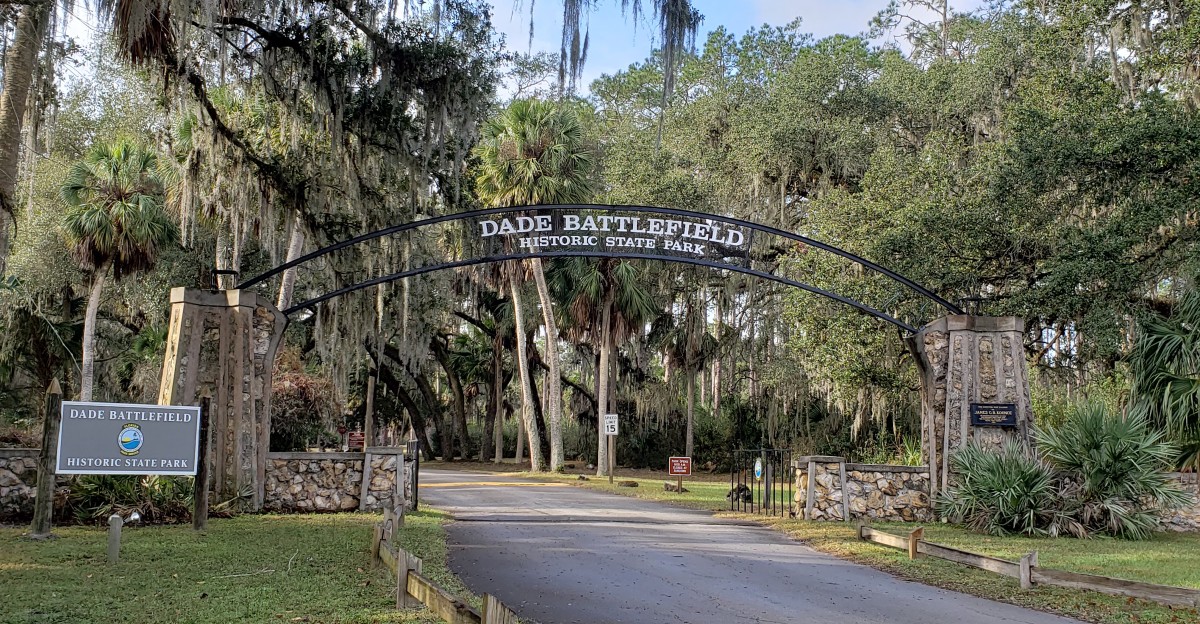
At the end of a dead-end road outside Bushnell sits an 80-acre patch of Florida woods that once changed the course of American history. On December 28, 1835, a single afternoon here sparked the Second Seminole War, the longest of three conflicts fought over the future of Florida.
Today the old battleground holds rebuilt log walls, white stone markers, and oak trees that were already old when the battle happened. Stick around to learn what to see, when to go, and why a three-dollar stop here can fill an entire morning.
A Dead-End Road With a Big Story
Some of the best history lessons hide at the end of roads that look like they lead nowhere. Dade Battlefield Historic State Park sits at 7200 Battlefield Pkwy, Bushnell, FL 33513, in the United States, tucked inside a residential neighborhood in Sumter County.
The park covers about 80 wooded acres. It holds a historic battlefield, a visitor center, a recreation hall, picnic pavilions, and walking trails.
Getting there is simple for anyone traveling on Interstate 75. Take exit 314 for Bushnell, head east, and follow the signs to the gate.
Plenty of people stumble onto the place by accident and end up staying for hours. One traveler pulled in just to take a break from a long drive and left with a full history lesson.
A quick word on the title: the remains here are not crumbling factory walls. The ruins worth seeking out are the reconstructed pine log breastworks and the stone markers that trace the battle, and the official park materials center on that story rather than on any mill.
That is plenty, because the ground under those oaks carries one of the most important stories in Florida history.
The Afternoon That Started a War
History rarely turns on a single afternoon, but December 28, 1835, comes close. On that day, Seminole warriors ambushed a column of about 108 U.S.
Army soldiers led by Major Francis Dade along the military road through these woods.
The Seminoles won the battle decisively. The fight became the opening clash of the Second Seminole War, the second of three wars between the Seminole people and the United States.
The larger backdrop was a federal push, under President Andrew Jackson, to move the Seminoles out of Florida and west to what is now Oklahoma. The win here did not stop that effort, and the war that followed lasted for years.
Only two soldiers from Dade’s column made it back to Tampa. Their accounts are a major reason so many details of the battle survive today.
The park handles this complicated chapter with care. Exhibits explain the event from more than one point of view, which gives the stop real weight.
Brushing up on the basics before arriving pays off. A little background turns each marker on the trail into a page of a story already in mind.
Rebuilt Log Walls Out Front
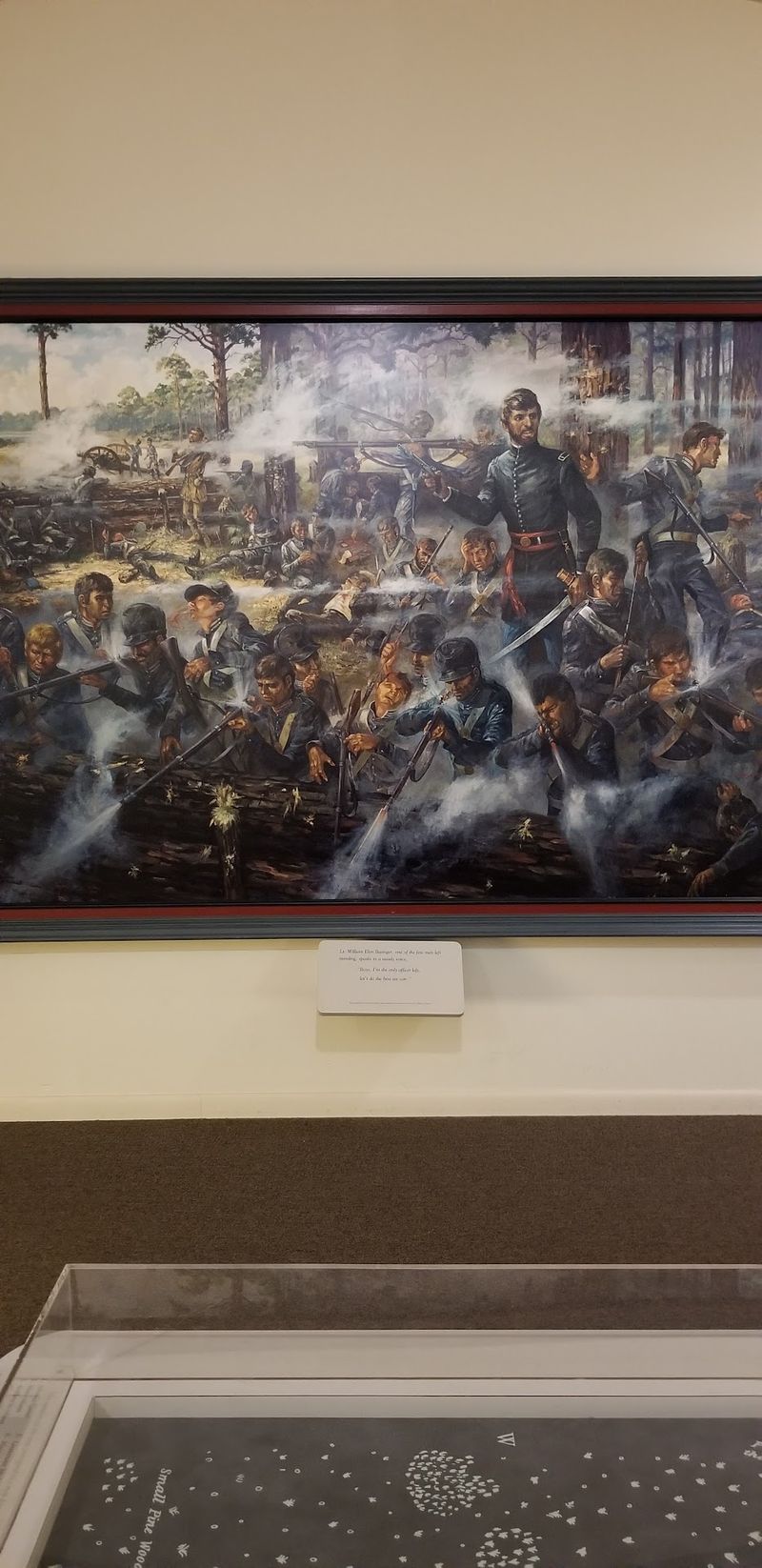
Right outside the visitor center stands the closest thing the park has to ruins. A reconstruction of pine log breastworks marks the spot where surviving soldiers quickly built a defensive wall after the first round of fighting.
The originals were thrown together in a hurry that same afternoon. The rebuilt version shows the shape and scale of what they managed to stack before the battle resumed.
Standing beside the logs helps the numbers from the history books feel real. The structure is low, modest, and clearly made under pressure.
This is one of the first things most people notice after leaving the building. It also serves as a natural starting point for the trail that follows.
Photographers tend to like this spot in the early morning. Light coming through the surrounding trees gives the grounds an almost surreal look before the day warms up.
Spend a minute reading the nearby signs before moving on. They set up everything waiting down the path.
White Markers Along the Battlefield Trail
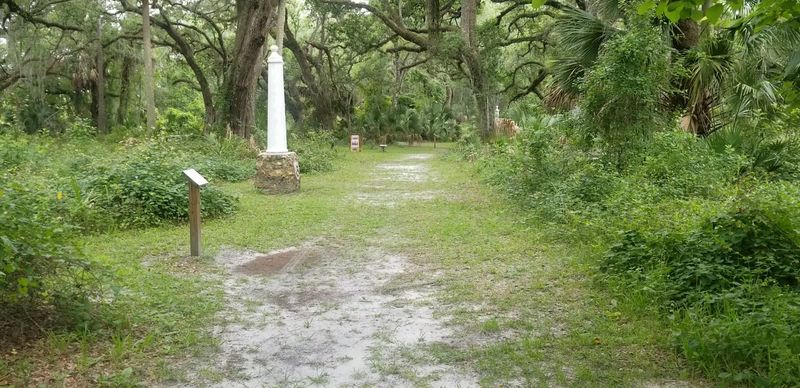
Just inside the front gate and off to the left, a short interpretive trail traces the actual battleground. Depending on the route, it runs somewhere between about 150 yards and a quarter mile.
White pillars along the path mark the approximate positions of the three company officers at the time they fell during the fighting. Informational placards between them explain each phase of the ambush.
The walk is easy and flat. It is not paved, so sturdy shoes beat flip-flops here.
Many people describe the trail as moving and a little haunting. The calm setting and the weight of the history make an unusual pair.
Reading every placard takes longer than the distance suggests. Budget extra time for the markers, especially for anyone who likes details.
There is also a geocache hidden in the park for those who enjoy a treasure hunt with their history. Bring a phone app and a bit of patience.
Inside the Air-Conditioned Visitor Center
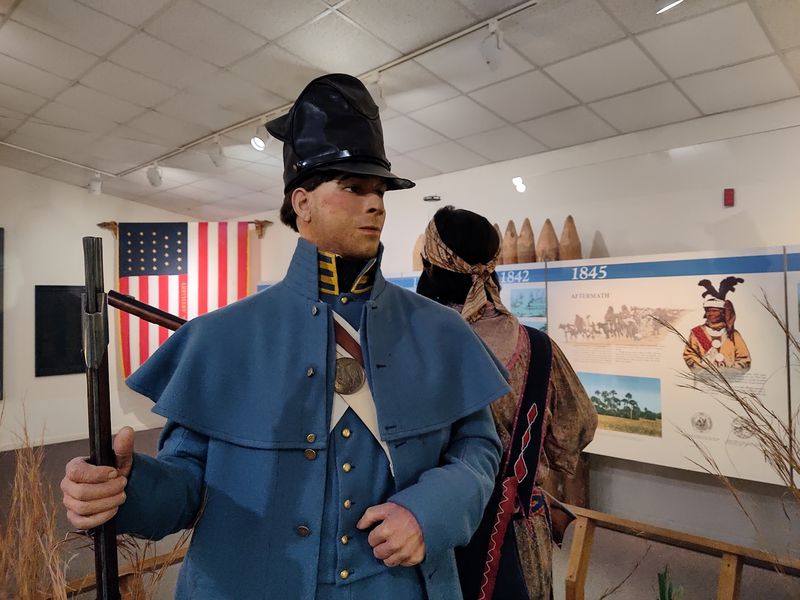
Florida heat has a way of making museums look extra appealing. The air-conditioned visitor center here is a welcome break and a genuinely rich stop.
Roughly 20 dioramas and displays cover the history of the Seminole Wars in detail. One display lists the names of the soldiers in Dade’s column, and many people find that list especially powerful.
Framed photographs from past reenactments line the walls too. They come across as respectful and well made rather than gimmicky.
The building also has clean restrooms and a small selection of items for purchase. It works as both a classroom and a pit stop.
Plan on an hour or more inside for a thorough look. Pairing it with the outdoor trail fills about two hours comfortably.
Park staff are often around to answer questions. Their knowledge adds a layer that no panel can match.
A Short Film Worth the Seat
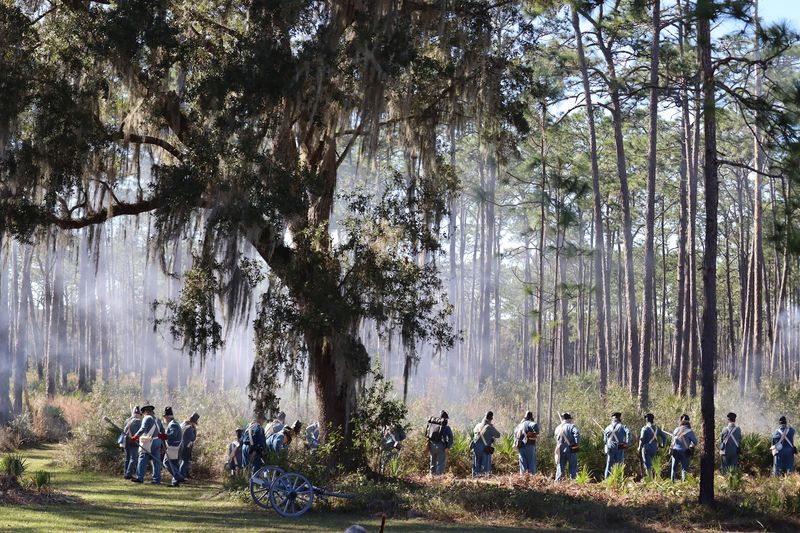
Before heading to the battlefield, grab a seat for the introductory video. It runs about 12 to 15 minutes and lays out the background of the conflict and the action of the battle itself.
The film includes reenactment footage that helps the events make sense on the ground outside. Watching it first makes the trail markers much easier to follow.
Rangers are known for offering to start it even for a group of two. One pair arrived near closing time and still got a private screening.
For travelers on a tight schedule, this is the best value for limited minutes. It delivers the core story fast.
The video also covers how the park approaches its major reenactment. Seminole participants take part, and a Seminole translator joins the event.
That detail alone tells a lot about how seriously the park treats this history. Consider the film the opening chapter of the visit.
Oaks Older Than the Battle
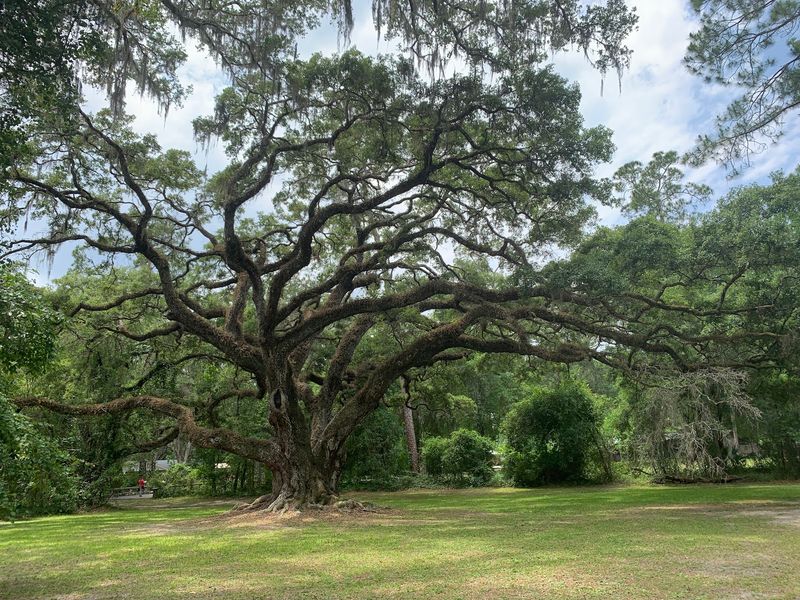
Some trees here were already centuries old when Major Dade’s column marched past. The park’s ancient live oaks are one of its most talked-about features.
A dirt road along the south side of the grounds is lined with oaks estimated at around 300 years old. One standout is often described as roughly 400 years old.
For many people, these trees are the biggest they have ever seen. A traveler from England counted one as the largest tree of a lifetime.
The oaks also provide welcome shade across much of the park. Open fields are another matter, so plan accordingly in summer.
Walking this road makes a fine loop after the visitor center. It connects the historic core to the picnic areas on the north and west sides.
Bring a camera with a wide lens. Fitting a whole oak in one frame takes some backing up.
Gopher Tortoises and Woodland Wanderings
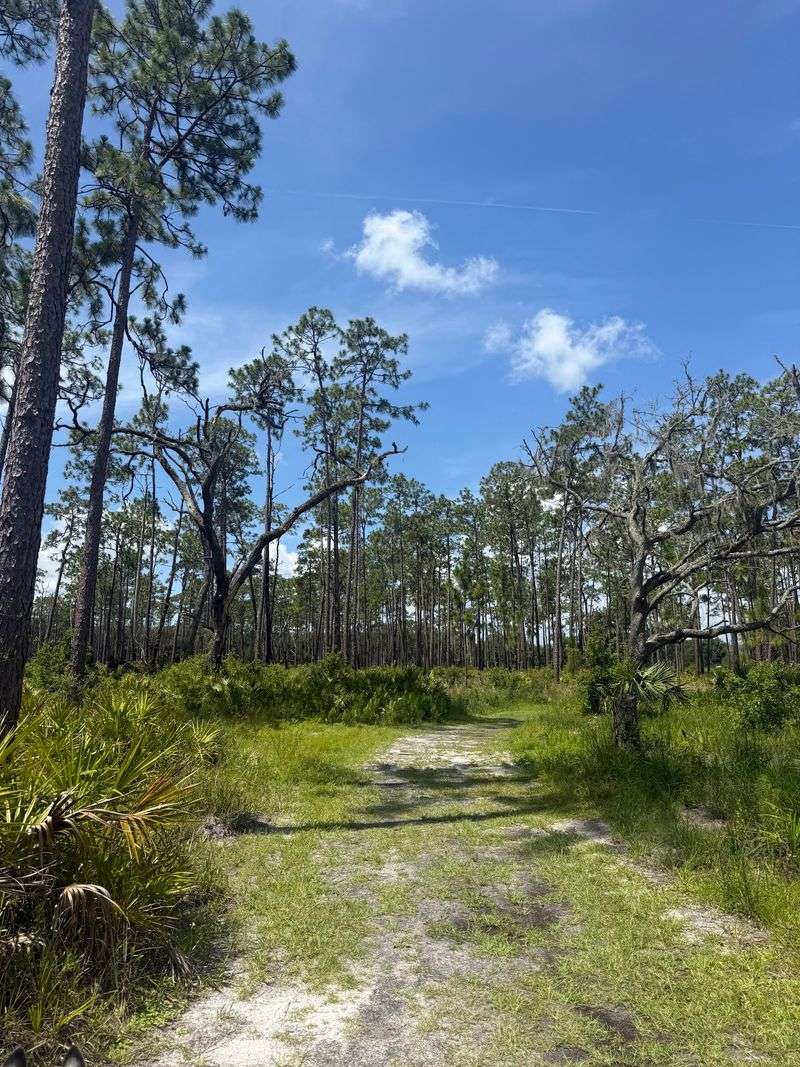
History buffs come for the battle, but plenty of people leave talking about the wildlife. The nature trails wind through pine and oak woods dotted with wildflowers.
Gopher tortoise burrows show up along the way, and lucky walkers spot the tortoises themselves. Armadillos and a variety of birds also make appearances.
For travelers from outside Florida, these sightings can be a first. A tortoise up close tends to become a trip highlight.
The trails are pleasant and manageable for most ages. A forest educational tour sometimes adds context about the local ecosystem.
Bug spray and water belong in every bag, especially in warmer months. The woods are lovely, but the insects agree.
Leashed dogs are welcome on the grounds, which makes the trails a good outing for four-legged companions too. Just give the tortoises plenty of room.
Reenactment Weekend and Other Big Days
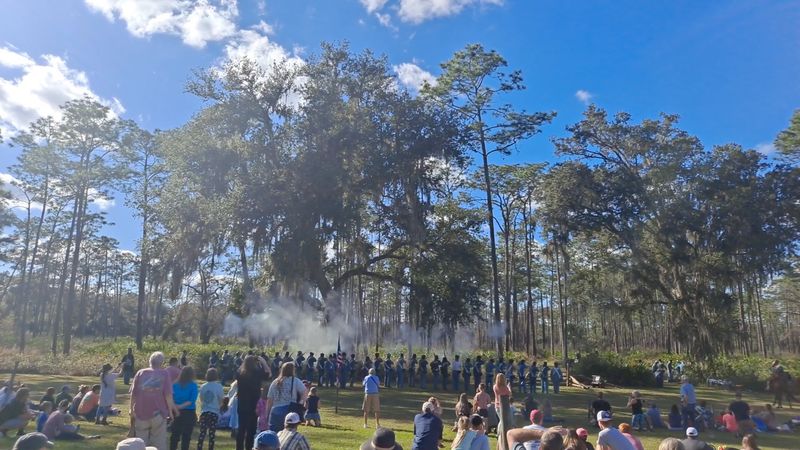
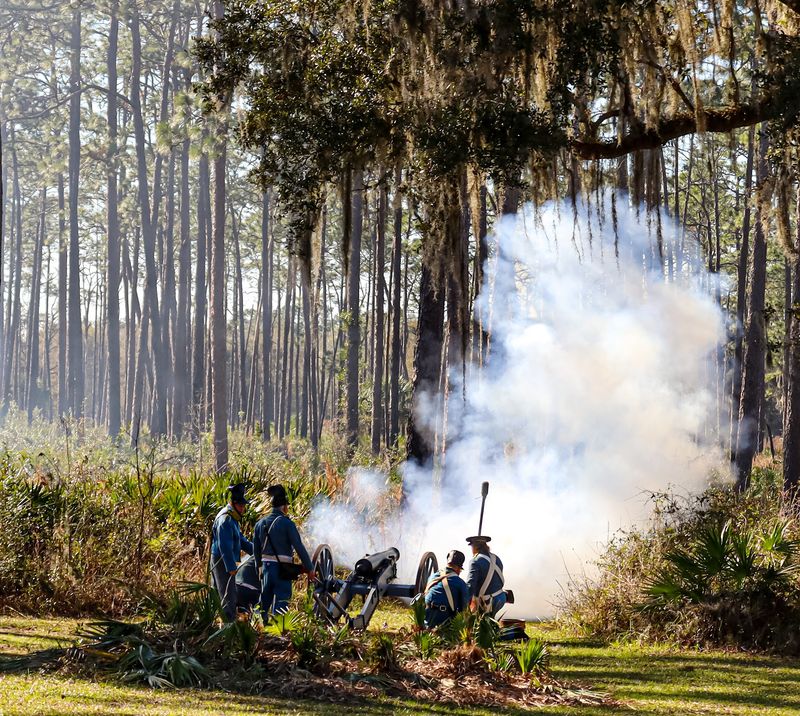
Once a year, the quiet battleground gets a crowd. The annual reenactment of the Battle of Dade is the park’s signature event.
Bleachers are set up near the field, with room to bring a personal chair. Vendors line the grounds, and the visitor center and trail stay open for exploring beforehand.
The staged battle is known for being well done and engaging. Seminole and Native American participants portray the Seminole side.
Shade is scarce in the viewing area. A hat and sunscreen are smart additions.
The calendar holds more than reenactments. A free Easter egg hunt with games draws families back year after year.
Volunteers also lead hands-on programs such as Dutch oven campfire cooking classes. Check the park website for upcoming dates before planning a trip around an event.
Rangers and Volunteers Who Love to Talk History
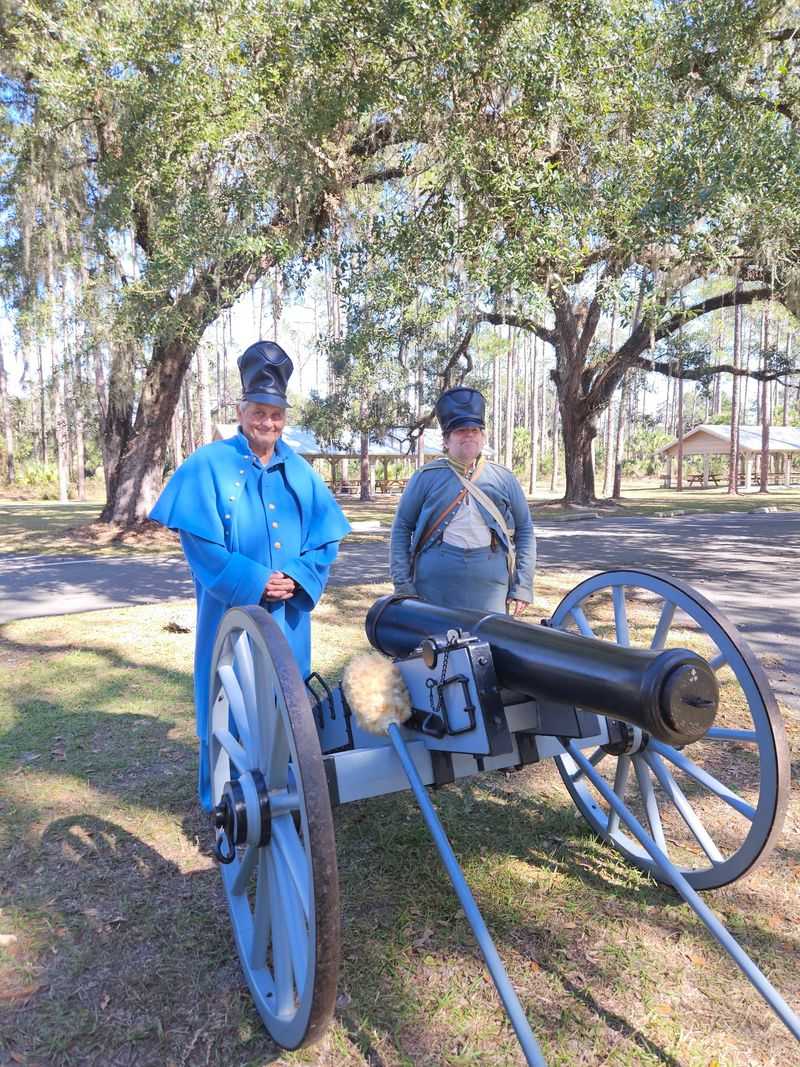
The real secret weapon here wears a ranger hat or a volunteer badge. Staff at this park have a reputation for going well beyond the basics.
One traveler bumped into a ranger and walked away with a personal history tour lasting about an hour. Others mention rangers welcoming them at the door and offering the film without being asked.
Volunteers earn just as much praise. They lead classes and events with patience and plenty of knowledge.
Even neighbors get in on it. A local resident walking her dog once offered newcomers a quick rundown and a suggested route.
That kind of welcome makes a small park feel personal. Questions are not just tolerated, they are encouraged.
So bring curiosity along with the sunscreen. The people here clearly enjoy sharing what they know.
Picnic Pavilions, Fields, and a Recreation Hall
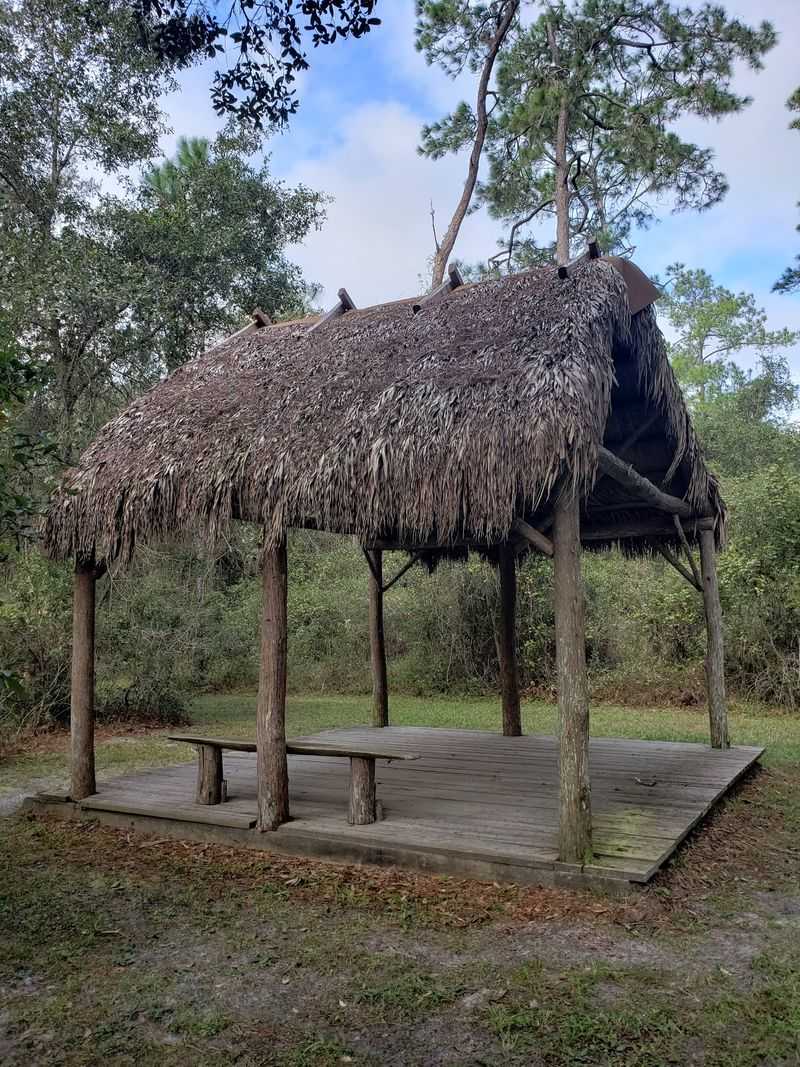
Not every trip has to be a deep history session. The north and west sides of the park open up into fields and several large picnic pavilions.
Covered tables and drinking fountains make it easy to settle in for an afternoon. Pavilions can be reserved for gatherings.
A recreation hall, sometimes described as a banquet hall or small conference center, handles indoor events. Church groups, clubs, and family reunions fit naturally here.
Restrooms across the grounds are consistently described as clean and well kept. That matters a lot on a long day out.
The mix of shade and open space suits kids who need room to run. Parents can relax at a table nearby.
Pack a lunch and turn a quick stop into a full outing. The setting rewards anyone who lingers.
Hours, Fees, and a Fair Verdict
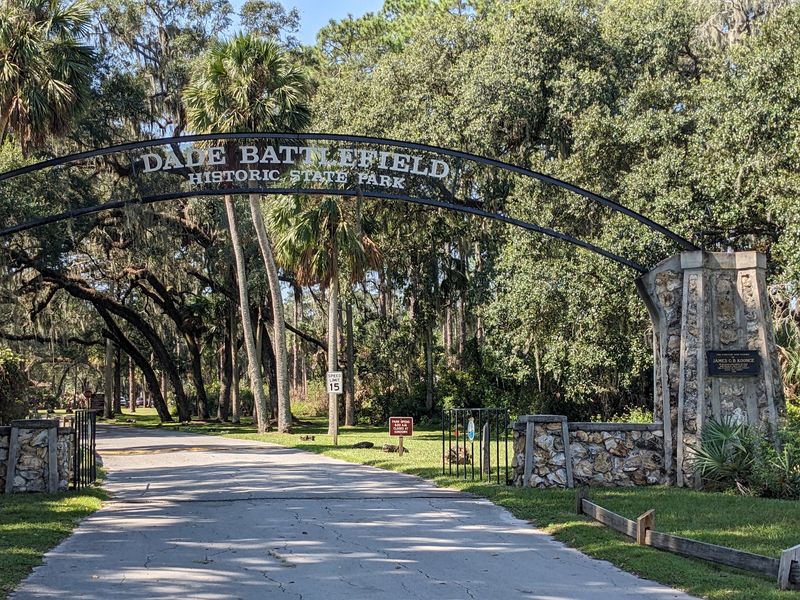
Three dollars rarely buys this much history. Entry costs $3 per vehicle, paid through an honor system envelope at the gate, and the envelope includes a tag for the dashboard.
Bring exact cash, since nobody is posted to make change. Annual Florida State Parks pass holders can write their pass number on the envelope instead.
The park is open every day from 8 a.m. to 5 p.m. Arriving right at opening means easy parking and cooler temperatures.
November through March offers the most comfortable weather. Summer trips work best early in the day with water and insect repellent in tow.
The grounds are compact, and most people can cover the highlights in two to three hours. Only the parking lot is paved.
For a small park with a big story, the verdict comes easily. Between the markers, the oaks, and the people who care for it all, this Bushnell stop earns its spot on any Florida road trip.
Enjoyed this story?
Add Fast Food Club as a preferred source to see more of our reporting on Google.