


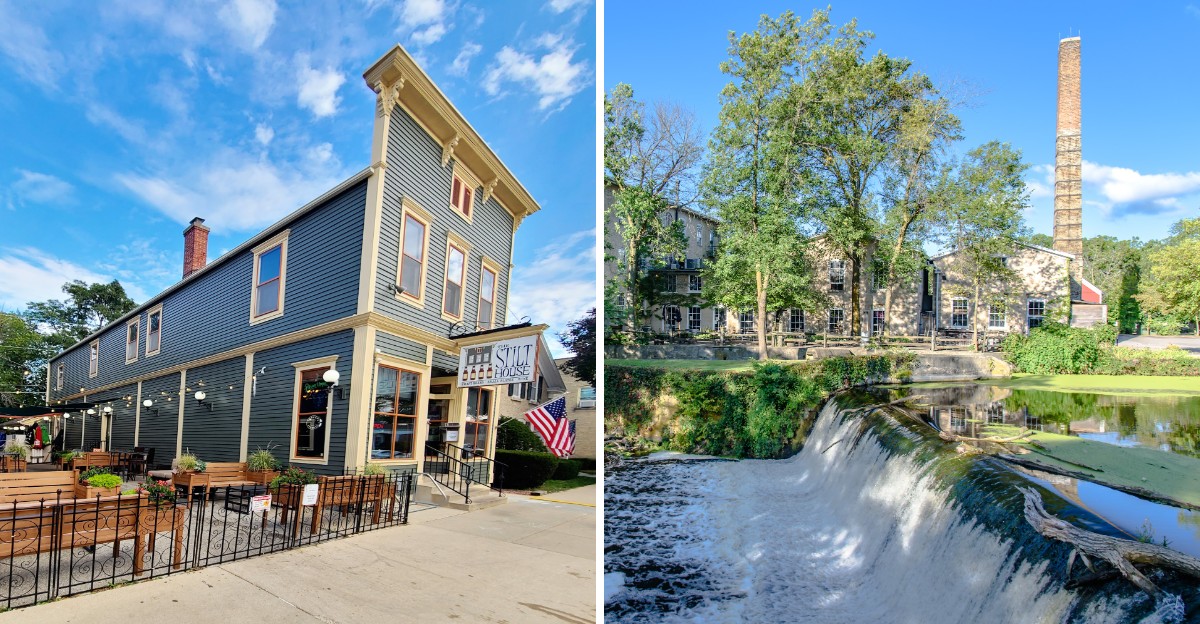
About twenty minutes north of Milwaukee sits a small town where old stone mills still stand along a quiet creek, and where the main street looks much like it did more than a century ago. Weekend drivers roll in for morning coffee, browse shops tucked inside restored buildings, and stay far longer than they planned.
The mix of history, easy parking, and a walkable center makes it one of the simplest day trips in the state. There is enough to fill an afternoon without ever feeling rushed or overplanned.
Keep reading to learn where this town is, what gives it such a distinct character, and how to make the most of a relaxed visit close to the big city.
A Mill Town Just North Of Milwaukee
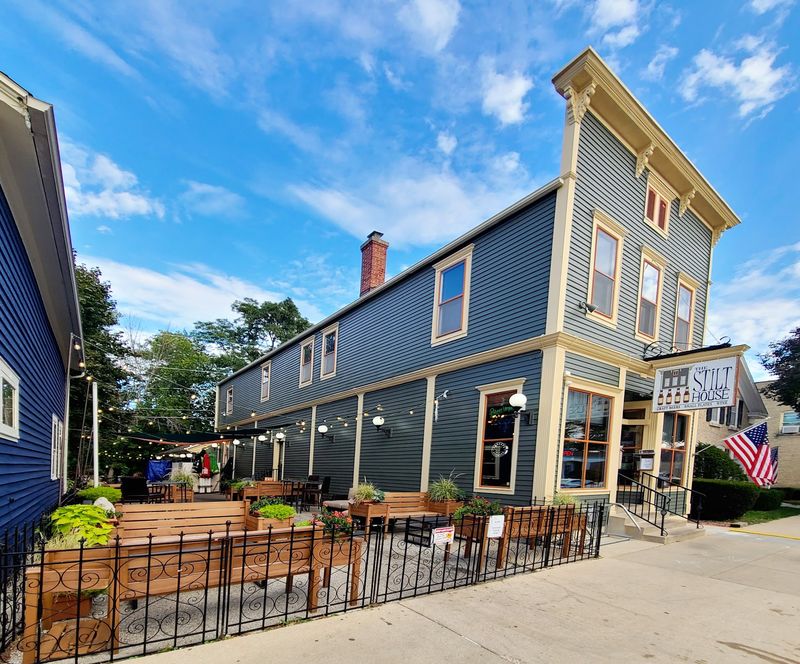
Cedarburg sits in Ozaukee County, Wisconsin, roughly 20 miles north of Milwaukee and close to Interstate 43. The full mailing shorthand is simply Cedarburg, WI, which tells you plenty about how compact and self-contained the place feels.
The city incorporated back in 1885, and the 2020 census counted a population of just over 12,000. That size keeps it firmly in small-town territory even as it sits inside the wider Milwaukee metropolitan area.
Being a suburb has its perks. You get the calm of a historic community without the long drive that usually comes with reaching somewhere this well preserved.
The town grew up around water and grinding stone, and that industrial past still shapes the streets you walk today. It is the kind of place where the buildings themselves carry the story.
For a day trip, the location is close to ideal. Quick highway access means you can leave the city in the morning and be strolling the historic center before you finish your first cup of coffee.
How A Creek Built A Community
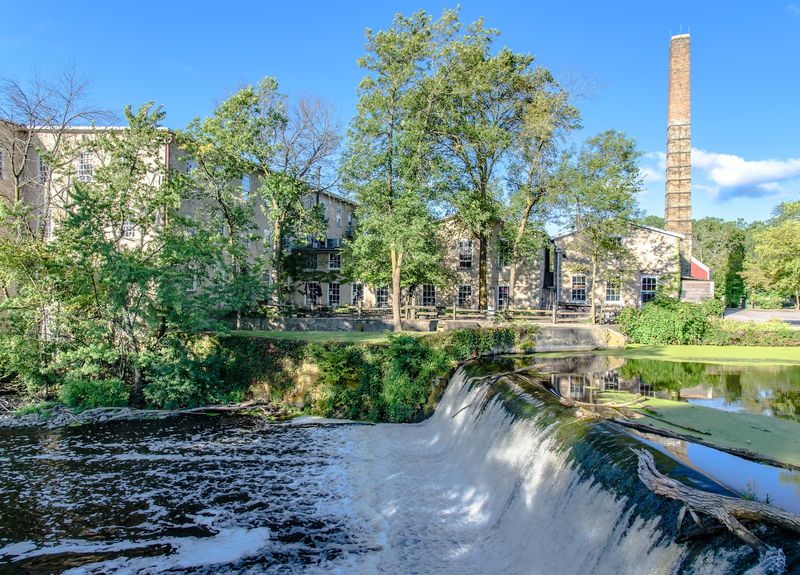
Water did the heavy lifting when this community first took shape. Cedar Creek powered the mills that gave the town both its industry and its identity in the 1800s.
Stone was the material of choice, and the sturdy construction is part of why so much of the early architecture survived. Buildings meant to last generations have done exactly that.
Incorporation in 1885 marked the point where a working settlement became an official city. The bones laid down in those years still define the layout you see today.
Instead of erasing the old mill structures, the town leaned into them. Former industrial buildings found second lives as places to shop, gather, and browse.
That decision to preserve rather than replace is what separates Cedarburg from many towns its size. The past was treated as an asset worth keeping around.
Understanding this backstory changes how you see the place. Every stone facade you pass carries a working history that started with a simple creek and a good idea.
The Riverfront That Sets The Scene
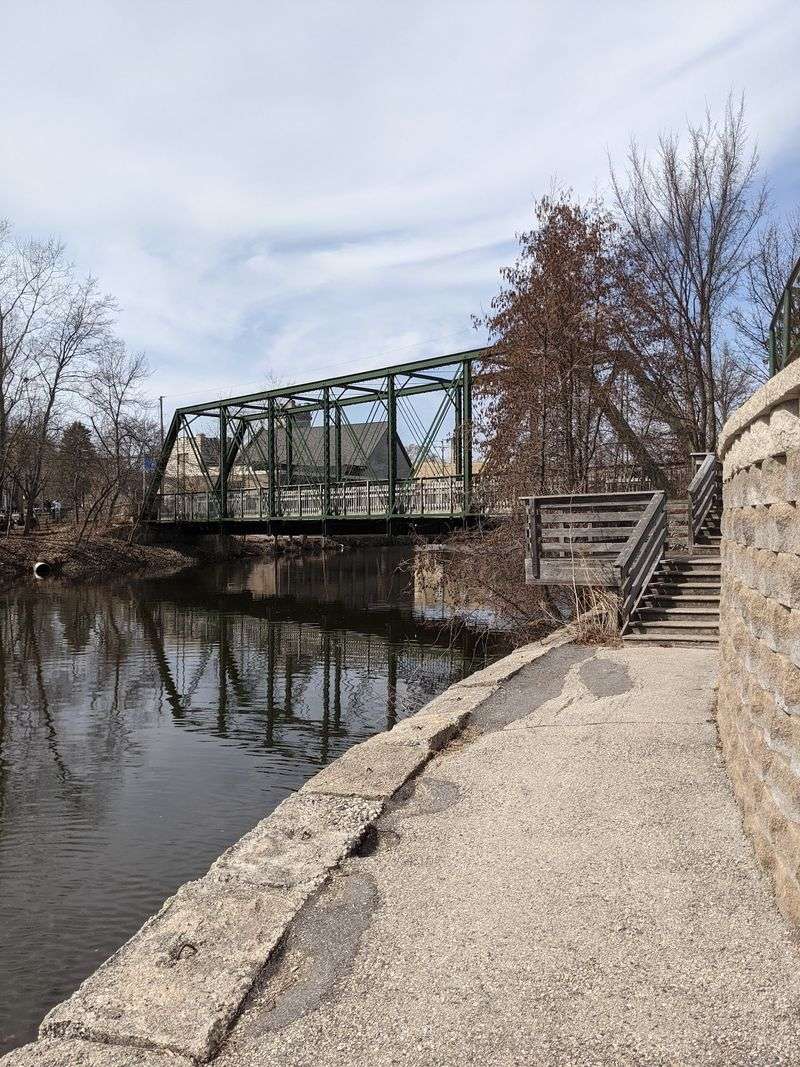
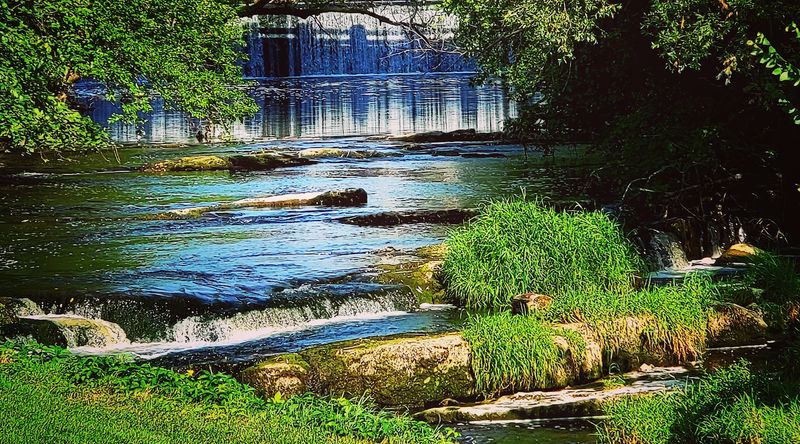
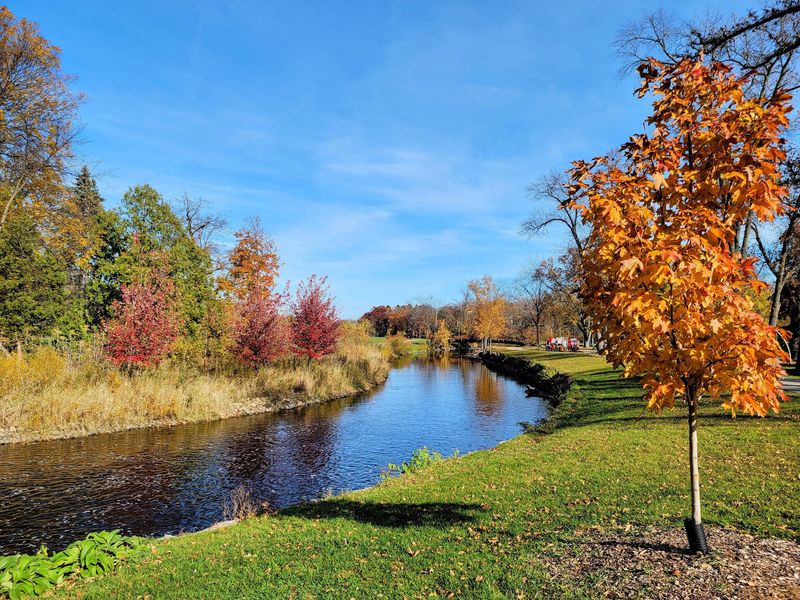
Cedar Creek runs right through the heart of the action, giving the town its riverfront personality. The water is not some distant backdrop but part of the daily setting.
Old mill buildings hug the banks, so a walk along the creek doubles as a walk through history. The proximity of water and stone is the whole point of the layout.
Bridges and short paths make it easy to move from one side of the creek to the other. You can pause at the edge of the water without ever wandering far from the shops.
The riverfront gives the town a natural rhythm. Errands and browsing feel less like chores and more like a gentle loop through a scenic setting.
Seasons change the mood dramatically here. The creek looks lively in spring and settles into quiet stillness in the colder months.
For anyone who likes their sightseeing paired with a little nature, this stretch of water delivers. It turns an ordinary shopping trip into something worth photographing.
Shops Tucked Inside Historic Walls
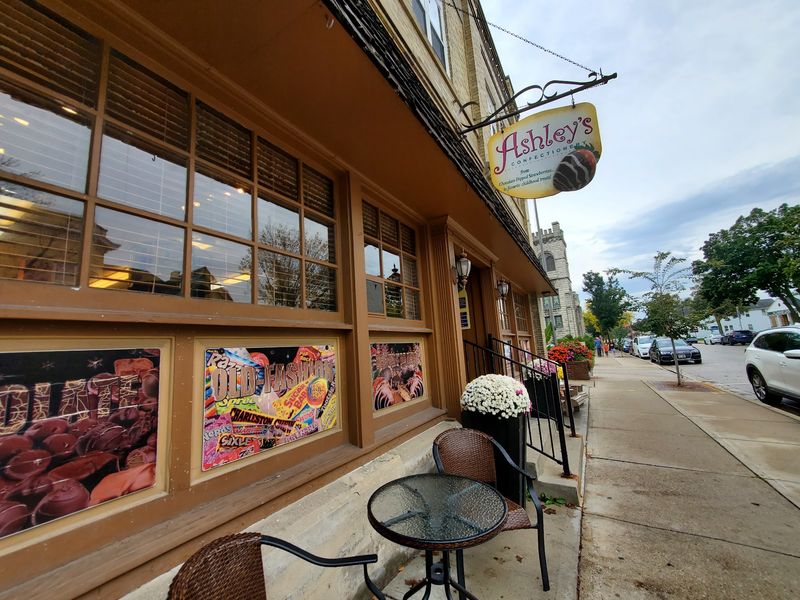
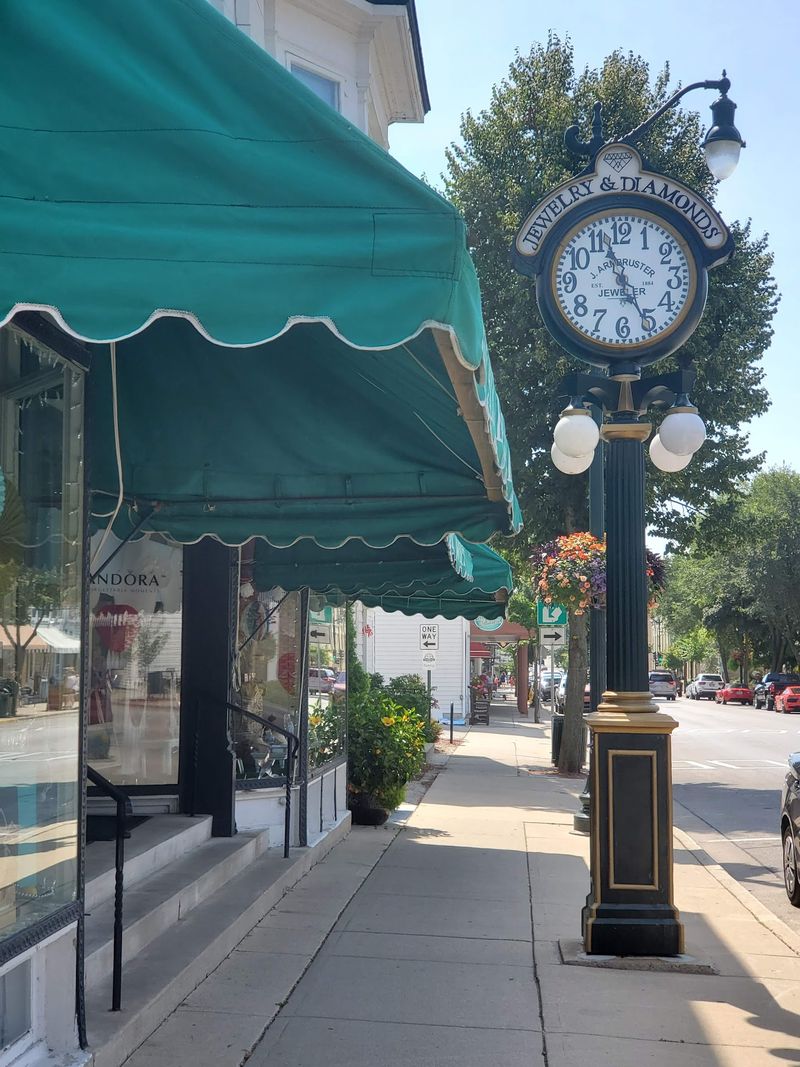
Retail here comes with a side of character, since many stores occupy restored historic buildings. The shopping is inseparable from the setting.
Small, independent shops fill much of the downtown, giving browsers a change from the usual chain-store routine. Each doorway tends to lead somewhere a little different.
Because the buildings are old, the shops feel intimate rather than sprawling. You move through them at a slower, more curious pace.
The variety keeps a stroll interesting. One storefront might specialize in local crafts while the next leans toward home goods or gifts.
Foot traffic is easy to manage since everything sits within a walkable center. You can duck in and out of several stores without hunting for parking each time.
Regulars often mention how the shopping feels unhurried, the kind you do for enjoyment rather than obligation. That relaxed pace is exactly what makes the district worth lingering in.
Cafes For A Slow Afternoon
Coffee culture fits naturally into a town built for wandering. Cafes give visitors a reason to pause between shops and settle in for a while.
The riverfront setting makes a mid-afternoon break feel like part of the destination rather than an interruption. A seat near a window turns into its own small event.
Because the downtown is compact, a cafe is never far off when energy starts to dip. You are rarely more than a short walk from a warm drink.
These stops also work well as meeting points. Groups splitting up to browse can regroup over a table without much planning.
The relaxed atmosphere encourages longer visits. Nobody seems in a hurry to move you along, which suits a day meant for taking it easy.
Pairing a cafe stop with a creekside stroll makes for a simple, satisfying afternoon. It is the kind of low-key routine that keeps day trippers coming back.
A Walkable Center Built For Browsing
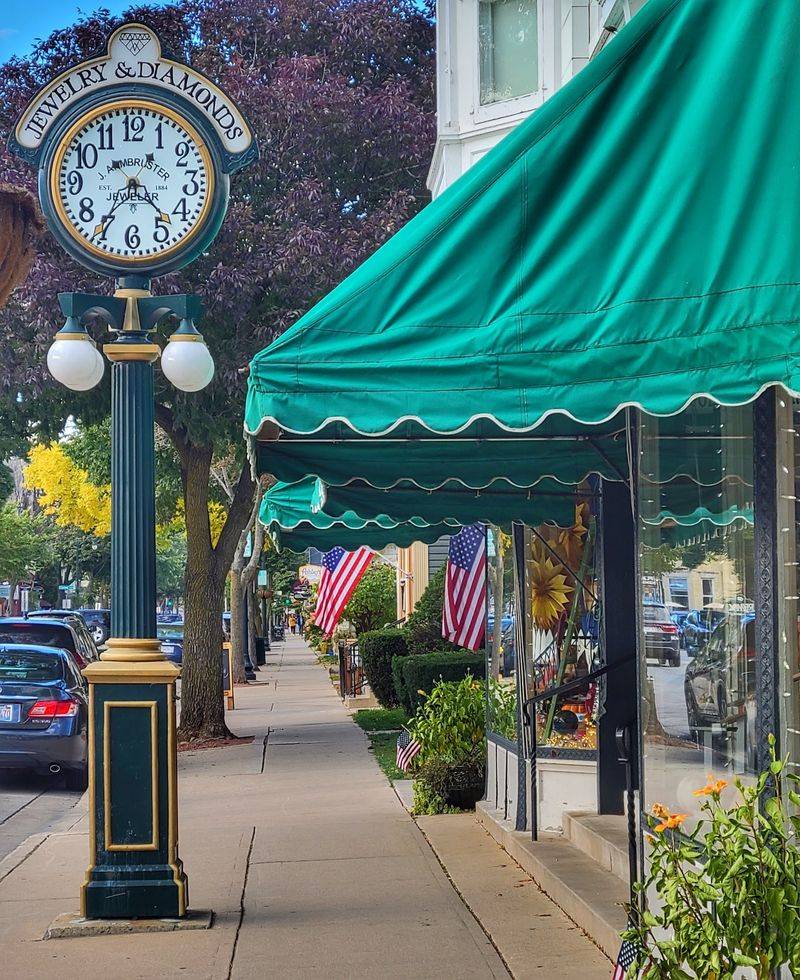
Everything worth seeing clusters close together, which is a big part of the appeal. You park once and explore on foot from there.
The historic main street keeps shops, cafes, and the creek within easy reach of one another. No long walks separate one attraction from the next.
Compact towns like this reward the wanderer. You can change direction on a whim and still find something interesting a few steps away.
For families, the walkable layout takes stress out of the day. Little legs manage the distances fine, and there is no need for constant driving.
The scale also suits solo visitors who want to move at their own speed. You set the pace rather than following a fixed route.
That ease of movement is part of why the town works so well as a quick escape. A full afternoon fits comfortably into a center you can cross in minutes.
Who The Town Suits Best
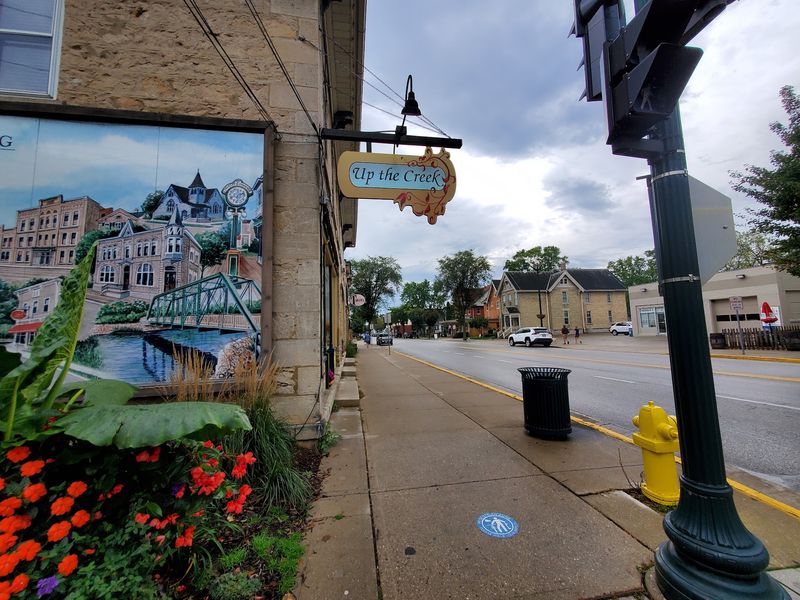
Day trippers looking for something low-effort tend to feel right at home. The town rewards a slow, unstructured visit more than a packed itinerary.
Couples find plenty to like in the quiet streets and creekside walks. It is an easy setting for spending unhurried time together.
Families benefit from the compact, walkable center that keeps everyone close. Parents can browse while kids take in the historic surroundings.
History fans get a genuine payoff here, since the preserved buildings tell a real story. The setting is authentic rather than staged.
Shoppers who prefer independent stores over big-box chains will appreciate the variety. The mix leans local and personal.
Milwaukee residents in particular have an easy option for a change of scenery. A short drive north swaps city bustle for small-town calm without much planning at all.
Getting There And Planning The Trip
Reaching town could hardly be simpler from the Milwaukee area. The drive runs about 20 miles north and connects easily by way of Interstate 43.
That highway access is the trip’s best friend. You spend little time on the road and most of your day actually exploring.
Because it sits within the metro area, Cedarburg pairs well with a broader Milwaukee visit. It slots in as a half-day or full-day add-on without much fuss.
The compact downtown means you only need to find parking once. From there the whole visit unfolds on foot.
Seasons will shape your plans, since the creekside setting shifts with the weather. Milder months make the outdoor strolling especially pleasant.
Little advance planning is required beyond picking a direction and setting out. That low barrier is exactly what makes it such a reliable easy day trip.
Why This Detour Is Worth Taking
Some towns work hard to feel special, and others simply are. Cedarburg lands firmly in the second group thanks to its preserved mill-town roots.
The combination of history, water, and a walkable center adds up to more than the sum of its parts. Each element supports the others.
What makes it stand out is the ease of the whole experience. A short drive delivers a genuine change of pace close to a major city.
You do not need a detailed plan or a full weekend to enjoy it. An afternoon is plenty to soak up the character of the place.
Repeat trips reveal new corners each time, since the compact layout rewards curiosity. There is always another shop or view to notice.
For anyone hunting a simple escape north of Milwaukee, this old mill town makes the decision easy. It proves a small place can leave a lasting impression.
Enjoyed this story?
Add Fast Food Club as a preferred source to see more of our reporting on Google.