


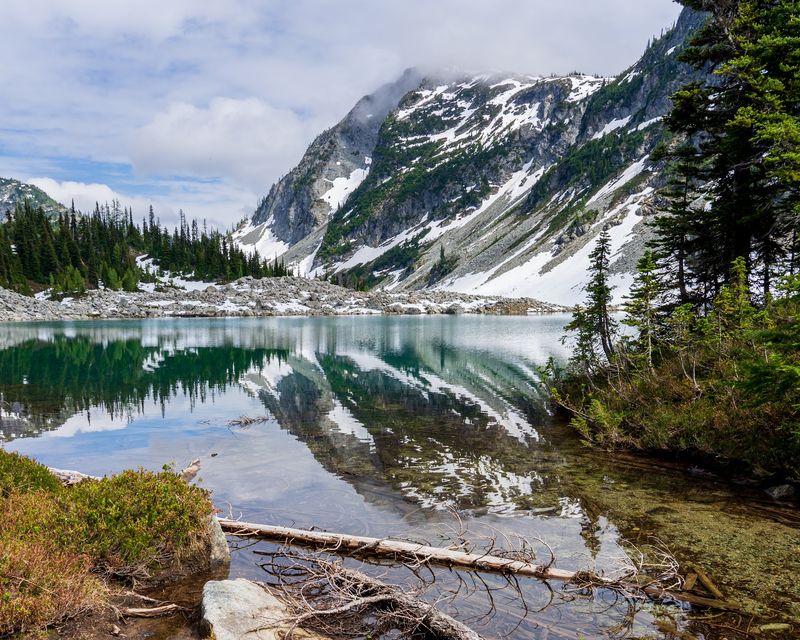
Fewer than a million people make it here each year, which is strange for a place packed with glaciers, turquoise water, and mountain ridges that stack up like folded paper. Tucked into the far north of Washington near the Canadian border, this park stays wild on purpose, with almost nothing built inside it except trails and a scenic road that carries you past overlooks worth stopping for.
The color of the lakes is real, the peaks feel endless, and the crowds you would expect just are not there. Give me the next few minutes and I will show you where the glaciers hide, which trails earn their reputation, when to go, and why a park most people skip might be the best surprise in the state.
Where Washington Keeps Its Wildest Corner
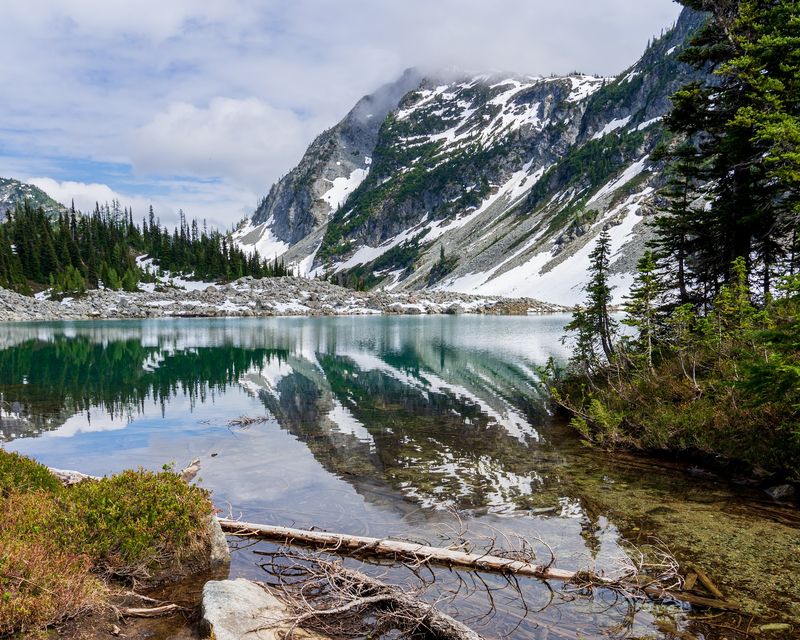
Northern Washington holds a park that most road trippers drive right past, and that is exactly its charm. North Cascades National Park sits in the state of Washington, near the Canadian border, stretching across rugged terrain that stays mostly undeveloped by design.
The park earns a 4.8-star average across more than 1,800 ratings, which is high praise for a place with no lodges, no restaurants, and barely any pavement inside its boundaries. What you get instead is raw country: mountains, glaciers, ancient forest, and a web of backpacking trails.
Highway 20, the scenic road that carries most people through, was completed in 1972, and the area was named a national park in 1984. That later designation is part of why it still feels overlooked compared to bigger names in the park system.
Regulars point out that the drive alone rewards you, with plenty of pullouts framing the peaks. The trade-off is real, though, because much of the actual park is backcountry you reach on foot.
That mix of easy access and deep wilderness is the whole personality of the place, and it sets up everything that follows.
A Young Park With a Long Wild Streak
Plenty of national parks have century-old histories, but this one is a relative newcomer with an outsized reputation. Congress granted it national park status in 1984, decades after the scenic parkway through the area opened in 1972.
That timeline matters. Because the land was protected later and developed less, the park kept a rugged character that many older parks slowly lost to roads and buildings.
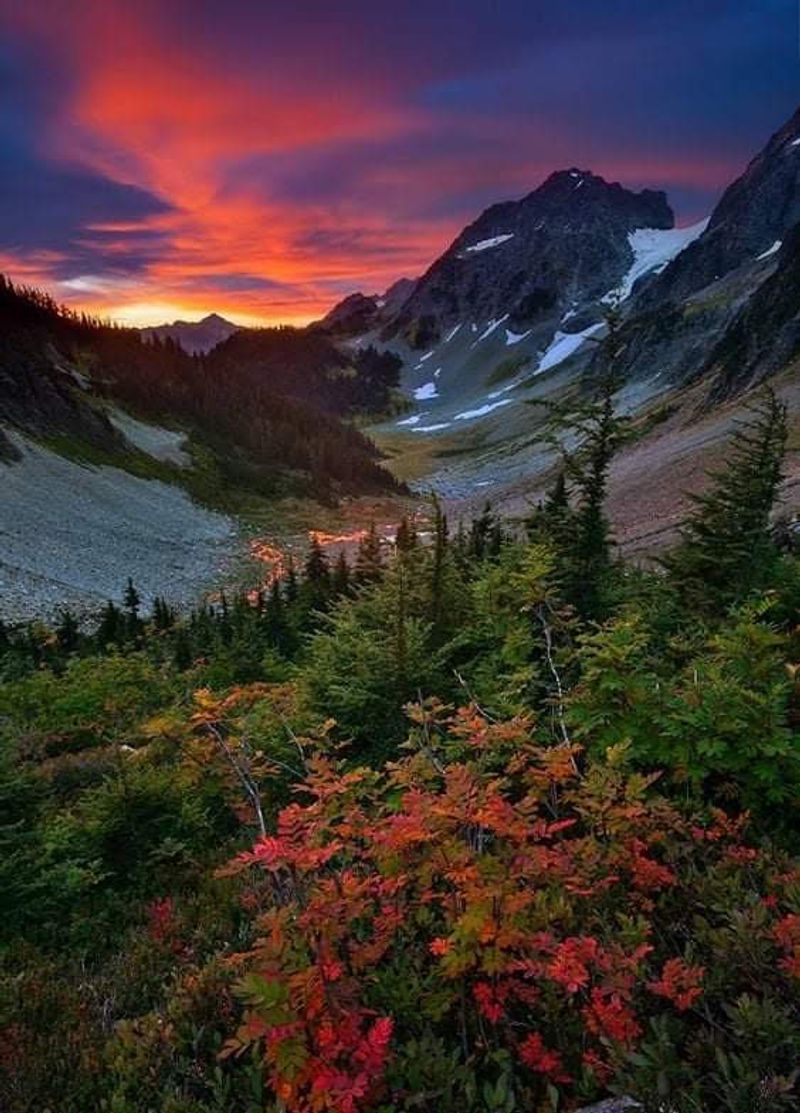
The official description sums it up plainly: rugged mountains, glaciers, and forests, a huge wilderness that stays undeveloped except for backpacking trails. There are no big resorts waiting at the trailheads and no crowded village at the center.
People who have hiked famous long-distance routes elsewhere, including sections of the Appalachian Trail and the Continental Divide Trail, come here and still walk away impressed. A stretch of the Pacific Crest Trail passes through, giving thru-hikers a taste of the same scenery.
The result is a park that feels older and wilder than its founding date suggests. It carries the atmosphere of country that was left mostly alone, and that untouched quality is precisely what keeps drawing people back for a second look.
Glaciers Hiding in Plain Sight
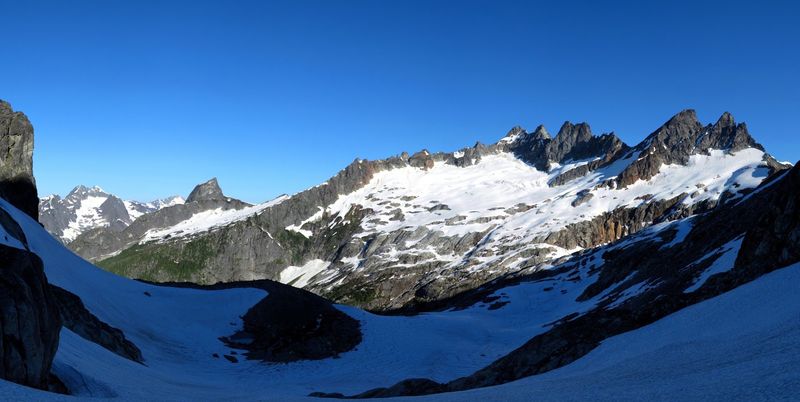
Few features define this park as clearly as its ice. Glaciers show up again and again as the standout draw, and for good reason, since the North Cascades hold more glaciers than almost anywhere else in the lower 48.
Those frozen fields are not just scenery. They feed the rivers and lakes below and give the water its unusual color once the summer melt begins.
Some of the most talked-about hikes lead straight toward the ice. The route from Cascade Pass up to Sahale Glacier Camp is described as brutal by people who have done it, with a steep climb that pays off in layer after layer of mountains and a glacier at the top.
Snow is a constant part of the story here, mentioned often by those planning trips. Early-season hikers sometimes need microspikes, poles, and even an ice axe, because conditions in June can lean toward mountaineering at high elevation.
The lesson is simple: check current conditions before committing to a high route. When you time it right, standing near one of these glaciers is the kind of moment that justifies the long drive north.
That Unreal Turquoise Water at Diablo Lake
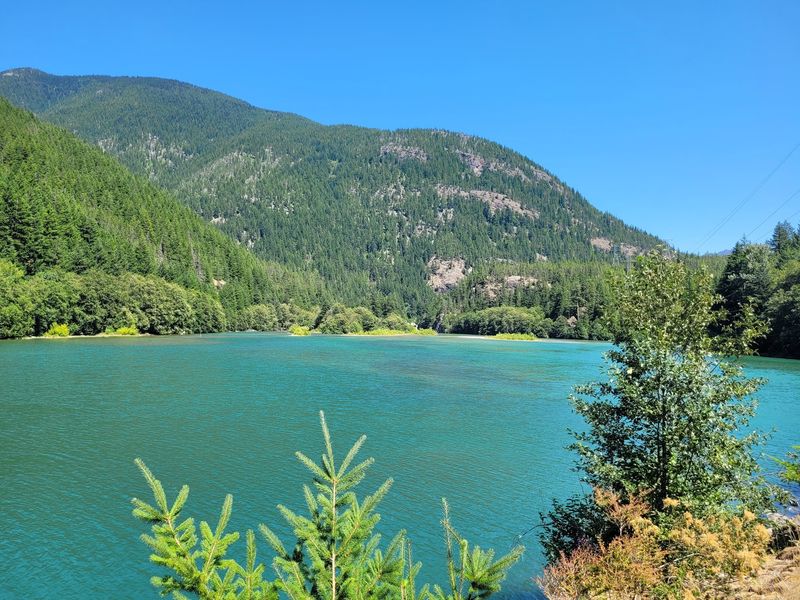
Anyone who has scrolled through photos of this park has probably seen the water and assumed it was edited. It was not.
Diablo Lake glows a striking turquoise, and people who visit confirm the color really is that vivid.
The reason is science, not filters. Glaciers grinding against rock create fine particles called glacial flour, and as that melt washes into the lake during summer, it scatters light and turns the water a milky blue-green.
Diablo Lake is one of the easiest highlights to reach, with a well-known overlook right off the scenic road. Kayakers dot the surface on warm days, and the surrounding peaks frame the view like a natural amphitheater.
Late June is a popular time to catch the color, since the summer melt is just getting going and the peaks still wear snow. The lake pairs beautifully with the dams in the area, which are part of the region’s hydroelectric history and add another 18 or so points of interest people mention.
You do not have to hike a mile to enjoy it, which makes Diablo a favorite even for travelers just passing through.
Alpine Lakes Worth the Climb
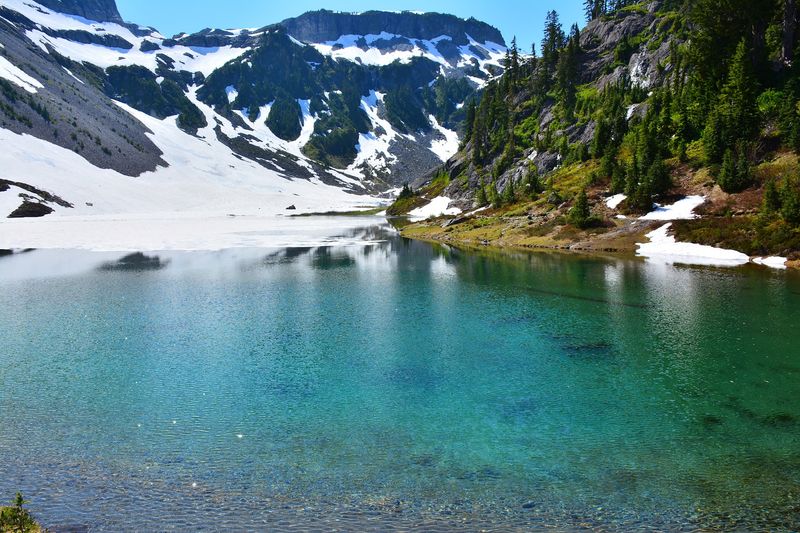
Beyond Diablo, the backcountry is stitched together with alpine lakes that give the whole park its Swiss reputation. Turquoise pools sit tucked below jagged peaks, and reaching them ranges from a gentle stroll to a serious effort.
Rainy Lake is one of the friendliest options, part of the Maple Pass area and described as an easy, family-friendly walk with serene lake views at the end. It is a smart pick for anyone who wants big scenery without a punishing climb.
Maple Pass itself climbs higher and rewards you with sweeping ridge-top views, and it comes up often as a favorite. Cutthroat Pass earns similar praise for its long mountain vistas.
Lakes get mentioned in dozens of trip notes for a reason. The color, the quiet, and the mountain backdrops combine into scenes that people repeatedly compare to postcards.
Because there is no food available inside the park, packing enough water and snacks for a full day of lake hopping is essential. Do that, and you can chain together several overlooks and short hikes, collecting one glassy alpine lake after another across a single unforgettable day.
A Scenic Drive That Does the Heavy Lifting
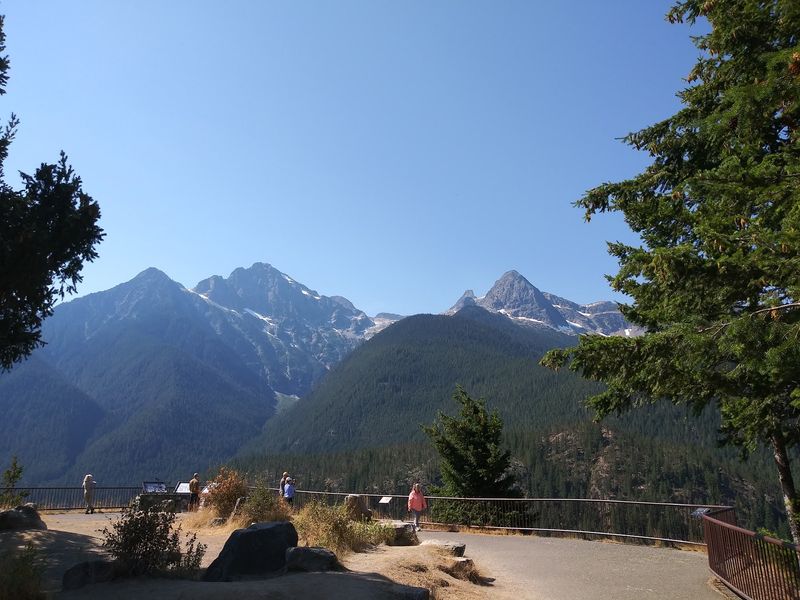
Not everyone wants to strap on boots and climb, and this park quietly accommodates that. Highway 20, the North Cascades scenic route, runs from one end of the region to the other and delivers spectacular views straight from the car.
Pullouts are the stars of this experience. People who do not consider themselves hikers still rate the drive as worth it, stopping at overlook after overlook to take in the peaks and valleys.
The Washington Pass overlook stands out as one of the most celebrated stops. Photographers note that the light there is best in the afternoon to late afternoon, when the ridges catch the glow.
The drive threads past small towns too, giving the trip a friendly rhythm of scenery and stops. Concrete is a nice spot for a break between hikes, and the road eventually reaches Newhalem, where there is organized parking and a solid visitor center.
A fair heads-up: some travelers wish there were more pullouts in a few stretches, and seasonal road closures from slides can limit how far you get. Even then, the accessible portions serve up views that make the fuel worth it.
Solitude You Can Actually Find
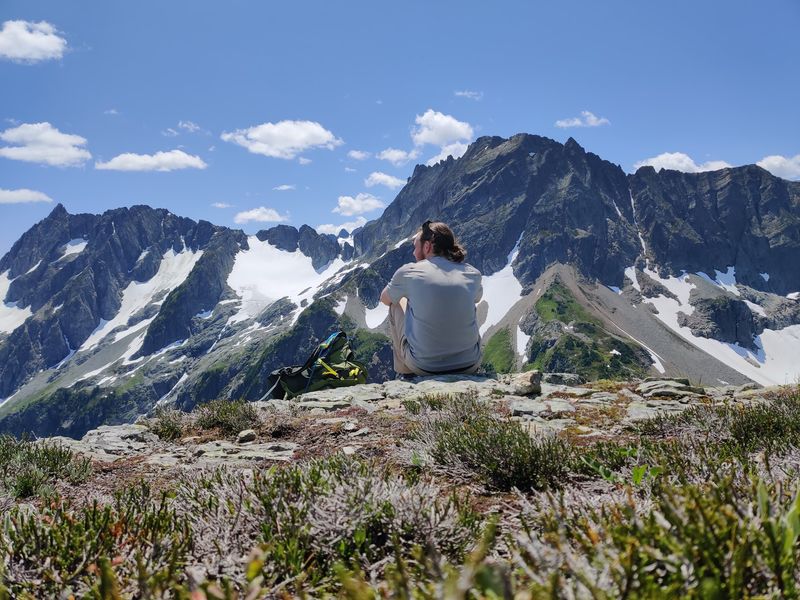
Crowds define the experience at many famous parks, and their absence defines the experience here. As one of the least-visited national parks, this place trades traffic jams for quiet, and people love it for that.
The reasons for the low numbers are practical. Its far-north location, the long drive to reach it, and a relatively short weather window all keep casual traffic down.
What remains is a park where trails do not feel like a parade. Hikers describe wind, mountains, and the sound of their own boots rather than the theme-park bustle of busier destinations.
That solitude makes it a favorite for people chasing photography, peaceful nature, and long stretches of trail without a line. It also means you have space to slow down and take a place in on your own terms.
Being remote does come with fair criticism. Some point out that the restrooms are not well maintained, which stands out at a park this beautiful.
It is an honest flaw worth knowing before you go, though it rarely dents the overall enthusiasm for the peace and openness the park delivers.
Hikes for Every Kind of Wanderer
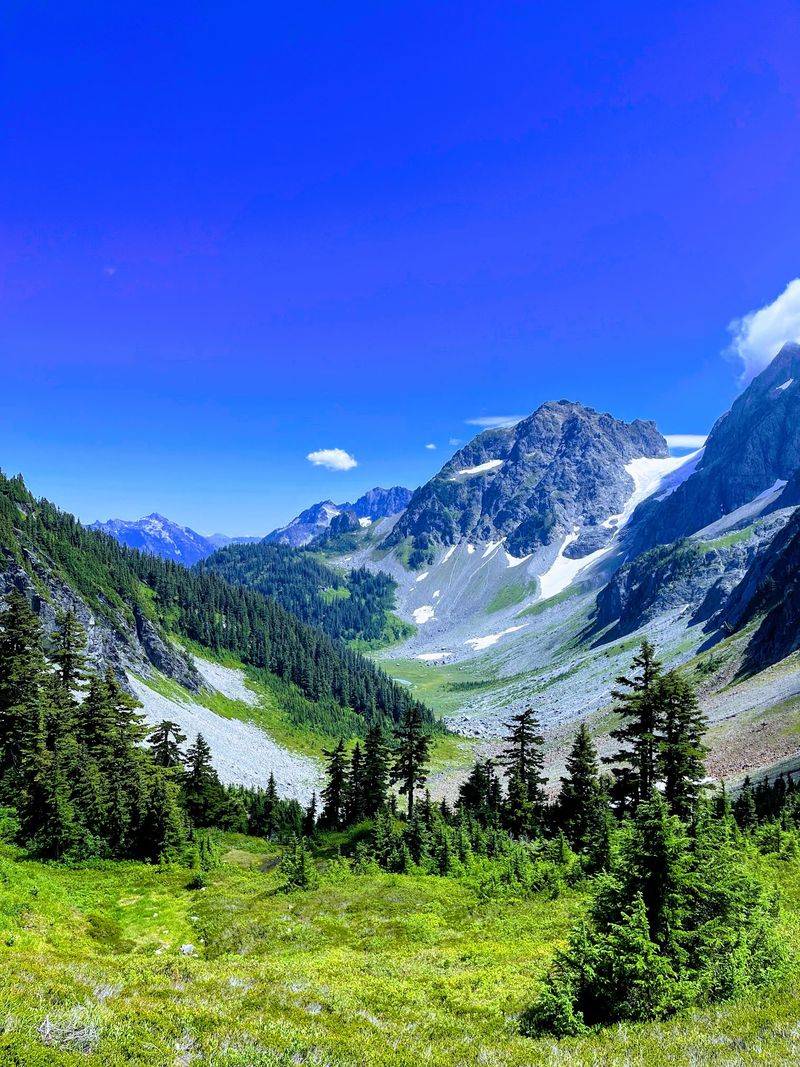
Hiking is the beating heart of this park, mentioned in hundreds of trip notes, and the range of trails is wider than the tough reputation suggests. There is something here for a casual family walk and something for a serious climber alike.
On the gentler end, Rainy Lake offers an easy, family-friendly payoff, perfect for travelers who want scenery without strain. Short interpretive walks near the visitor center add more low-effort options.
The middle ground includes classics like Maple Pass and Cutthroat Pass, both praised for ridge-line views that reward a moderate climb. These are the trails people recommend first when someone asks where to start.
At the demanding end, Cascade Pass to Sahale Glacier Camp tests your legs with a steep, punishing route toward the ice. Early-season high routes can require microspikes, poles, and an ice axe, so preparation is not optional.
Camping folds neatly into the mix, with spots like Goodell Creek Campground giving hikers a base for multi-day trips. To truly get the full effect, plan several days, mix your trail difficulty, and let the park unfold at its own pace.
Timing Your Trip Around the Seasons
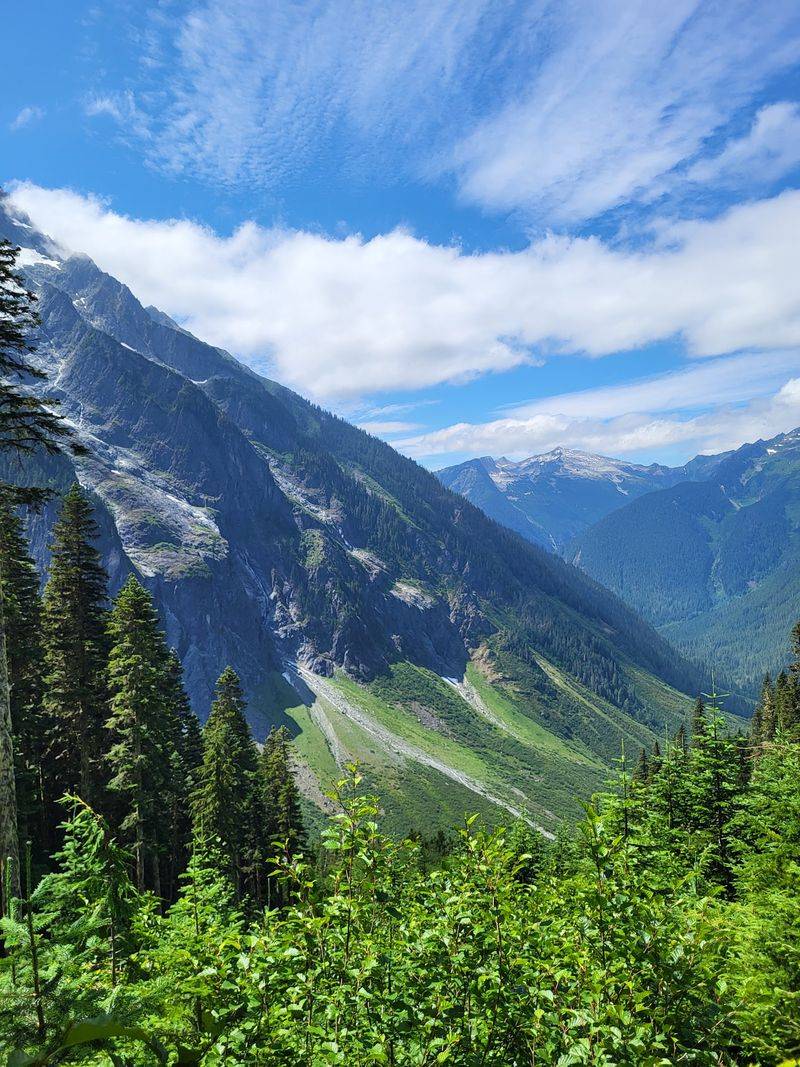
Season makes or breaks a visit here more than at most parks. The window is relatively short, shaped by mountain weather, and picking the right months changes everything about what you can do.
Summer, from roughly late June onward, is when the glaciers melt, the lakes hit their brightest turquoise, and most trails open up. Late June visits catch the season just as it begins, with snow still dusting the peaks.
Fall earns some of the highest praise of all. Autumn brings standout color and comfortable hiking, and it comes up repeatedly as a favorite time to see the park at its best.
Winter is a different story. Snow can close portions of Highway 20, and landslides have shut sections of the road, so parts of the park may be unreachable in the colder months.
The takeaway is to plan around that short warm season and check conditions before you set out. Early-summer trips especially can still carry serious snow at elevation.
Match your timing to your goals, and the park meets you with its most generous version of itself.
Free Entry, Simple Planning, Big Payoff
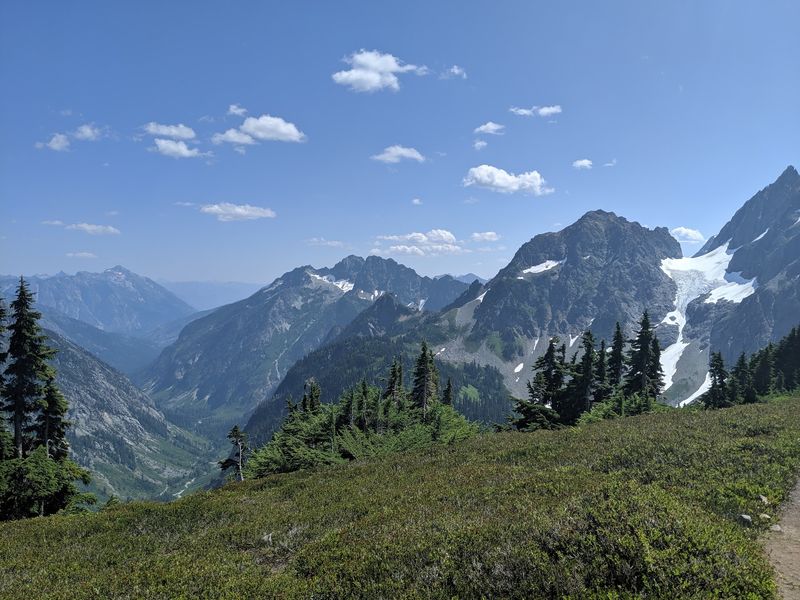
Here is a detail that surprises a lot of people: this national park is completely free to visit. There is no entrance fee at all, which is rare among marquee parks and makes the long drive north easier to justify.
Planning revolves around a few essentials. The visitor center, praised as helpful with friendly and knowledgeable rangers, is a smart first stop near Newhalem, where there is also organized parking.
Because there are no restaurants or food options inside, packing enough for the whole day is a must. Bring water, snacks, and layers, since mountain weather shifts quickly.
For the official word on conditions, closures, and trail status, the park’s website at nps.gov and the main line at 360-854-7200 are your go-to resources before you set out. Checking ahead matters, especially with seasonal road closures in play.
Give yourself time, too. Day trips work for the drive and a short hike, but people who want the epic backcountry, glacier camps, and even a boat trip recommend planning several days.
A little preparation turns a free park into one of the richest outdoor experiences in the state.
Enjoyed this story?
Add Fast Food Club as a preferred source to see more of our reporting on Google.