


Some meals feel like old friends, always there when you need quick comfort. But when everyday favorites show up on your plate again and again, your body keeps the score.
This guide breaks down what really happens with repeat servings and how to tweak each dish so you still enjoy it. You will see simple, doable swaps that protect energy, mood, and long term health without losing flavor.
Fried Chicken
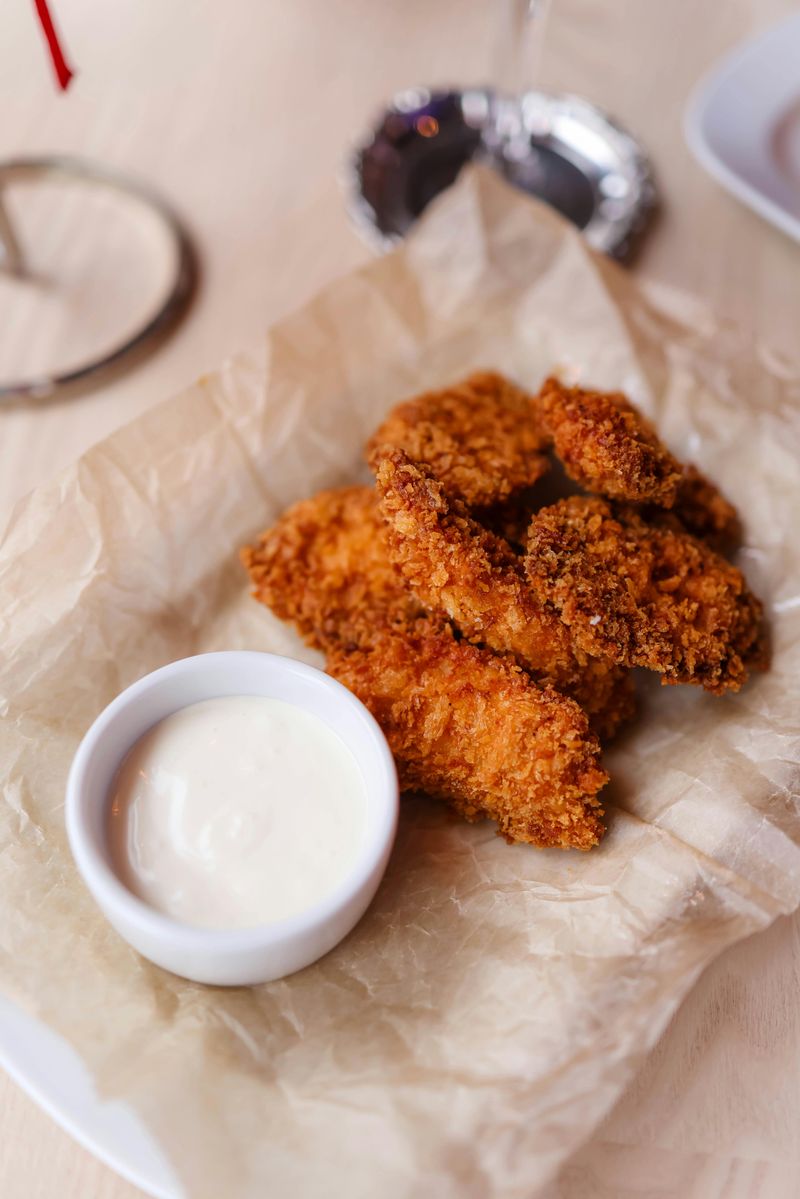
Crispy fried chicken hits that bliss point of salt and crunch. Eat it regularly and the combo of refined flour, sodium, and frying oil adds up quickly.
Reheating oil creates oxidation products that may stress arteries, while the breading packs fast digesting carbs that spike hunger later.
Lighten the habit by choosing skinless pieces and air frying at home. Season boldly with paprika, garlic, and pepper to rely on flavor rather than salt.
Pair with slaw dressed in yogurt or vinegar, not heavy mayo. You will still get crunch, just with less grease and regret.
Spaghetti
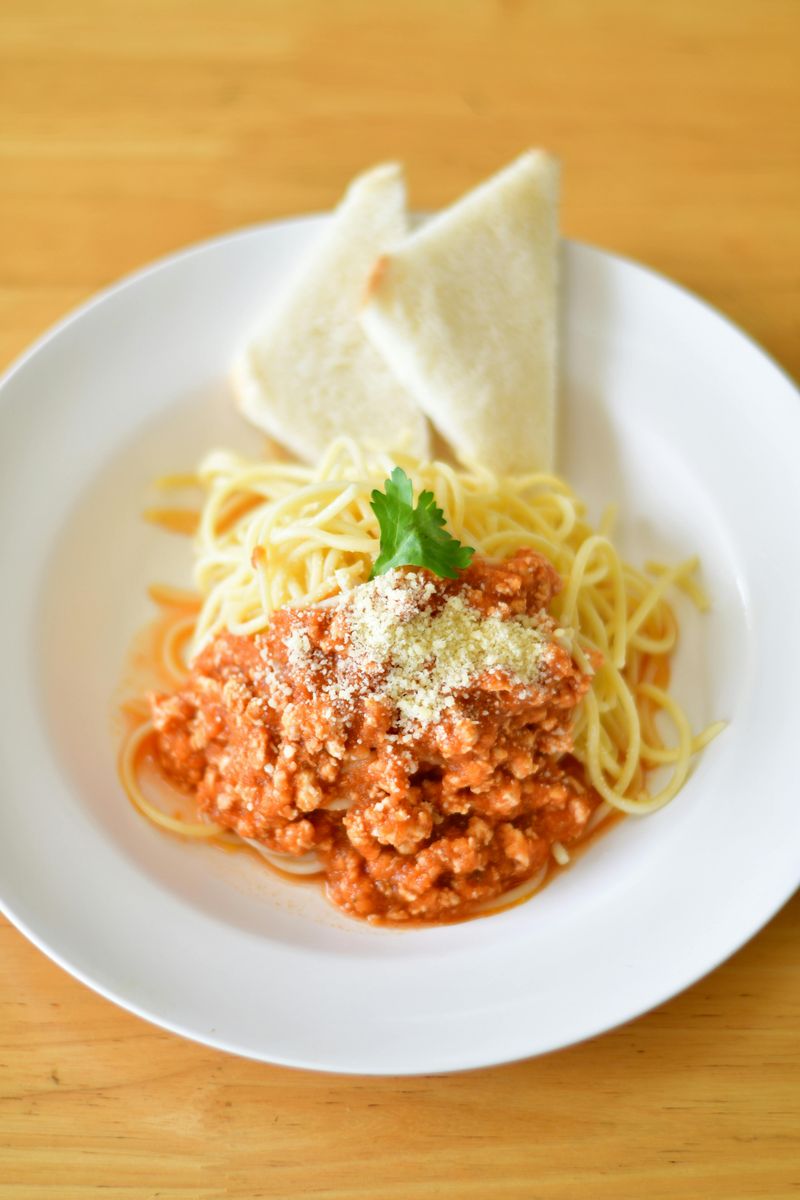
A big plate of spaghetti tastes nostalgic and satisfying. Keep serving oversized bowls and you can outpace your energy needs before you notice.
White pasta digests quickly, pushing blood sugar up, and jarred sauces often hide added sugar and salt, which can bloat, dehydrate, and keep cravings cycling.
Go half whole wheat and half regular to upgrade fiber without losing texture. Ladle on a chunky sauce loaded with tomatoes, garlic, olive oil, and vegetables for volume.
Add turkey, lentils, or shrimp for protein so you feel full on fewer calories. Twirl slower, savor more, and stop earlier.
Mac And Cheese
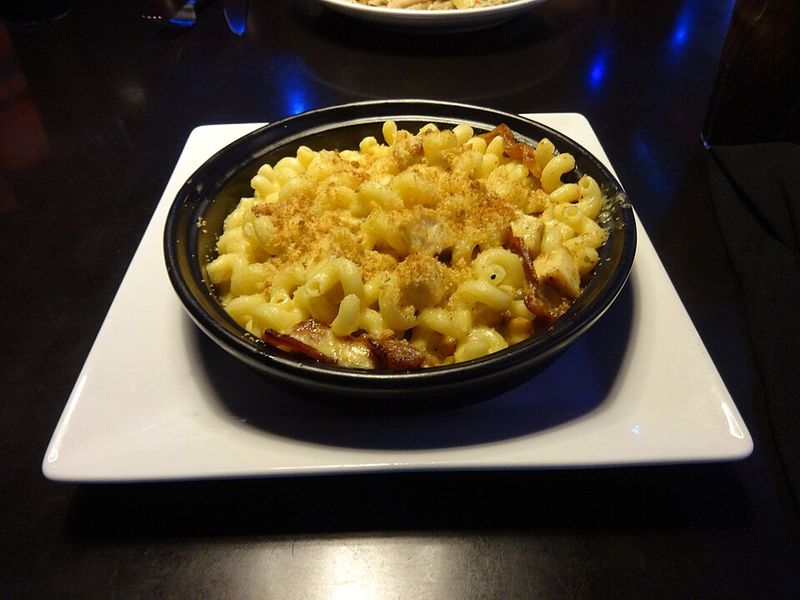
Comforting and creamy, mac and cheese feels like a hug in a bowl. Keep eating it often and the calorie load can creep up fast.
Saturated fat from butter and cheese may raise LDL cholesterol, nudging heart health in the wrong direction.
Portion sizes matter, so serve a smaller scoop and pair it with broccoli or a crisp salad. Swap part of the cheese for pureed butternut squash to keep creaminess without the heavy hit.
Choose whole wheat pasta for fiber, and you will feel satisfied longer with steadier energy. Add peas or chicken for protein to balance blood sugar.
Burgers
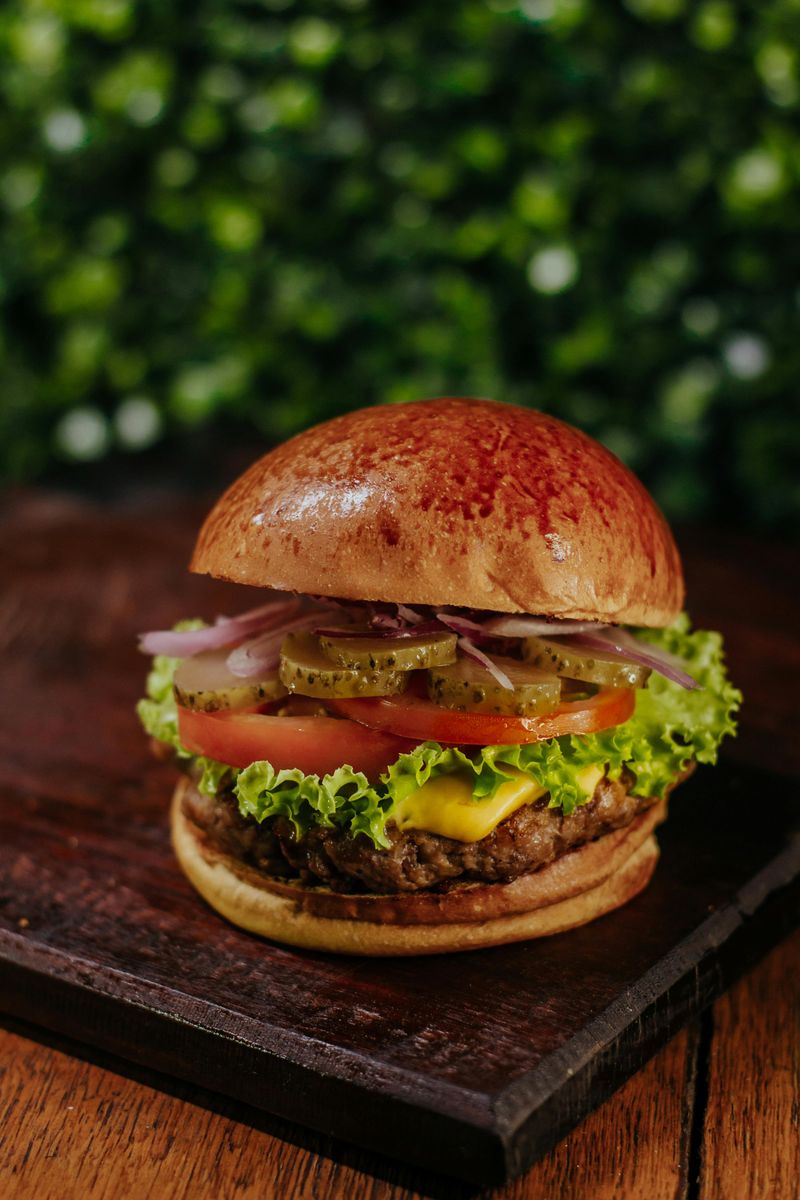
Burgers are iconic, but a steady stream can pile on saturated fat, refined buns, and salty sauces. Extras like cheese, bacon, and fries magnify the load.
Over weeks, that can edge weight up and nudge blood lipids higher, which is not the long term vibe most people want.
Keep the ritual, change the ratios. Choose a smaller patty, leaner grind, or plant based blend, and stack on lettuce, onions, tomatoes, and pickles.
Swap brioche for a seeded whole wheat bun or go bunless with a lettuce wrap. Share fries, add sparkling water, and finish feeling good.
Hot Dogs

Hot dogs are fun at games, but frequent bites can raise sodium, nitrites, and saturated fat. Processed meats are linked with higher risks when eaten often.
The soft white bun and sugary condiments add quick carbs, making you hungry again soon after and turning a snack into a spiral.
Keep the flavor by choosing nitrite free options, grilling instead of charring, and piling on sauerkraut, onions, and mustard. Go for a whole grain bun or cut the dog into a veggie packed salad.
Add beans on the side for fiber. You will still get the ballpark feel, minus regret.
Pizza
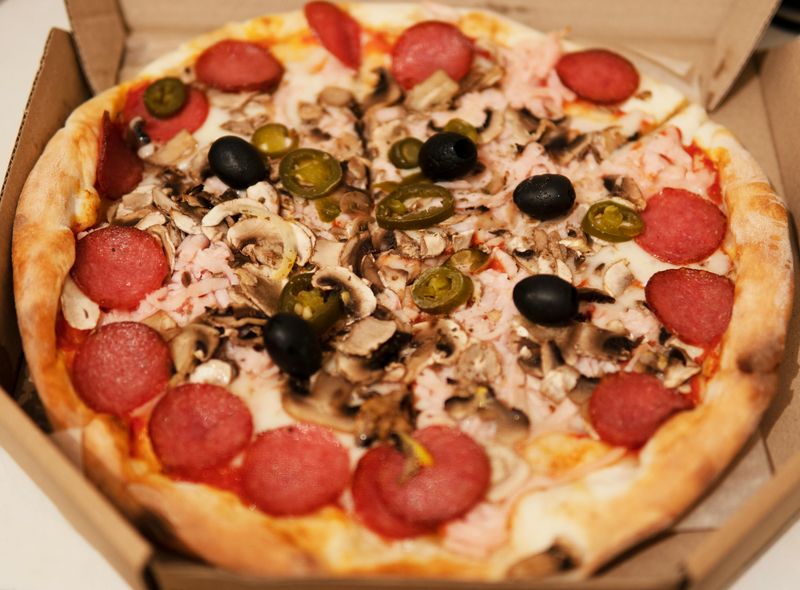
Weekly pizza nights add up when slices stack cheese, processed meats, and refined crust. The calorie density is sneaky, especially with stuffed edges or extra cheese.
Regularly overeating it may crowd out vegetables and fiber, leaving you hungrier tomorrow and more likely to snack late in a tired haze.
Balance the pie with thin crust, light cheese, and a bumper crop of vegetables. Choose lean toppings like chicken, mushrooms, spinach, peppers, and olives for flavor without overload.
Start with a salad and sip water so two slices feel perfect. Reheat leftovers in a skillet, not the microwave, for crispness.
Chili
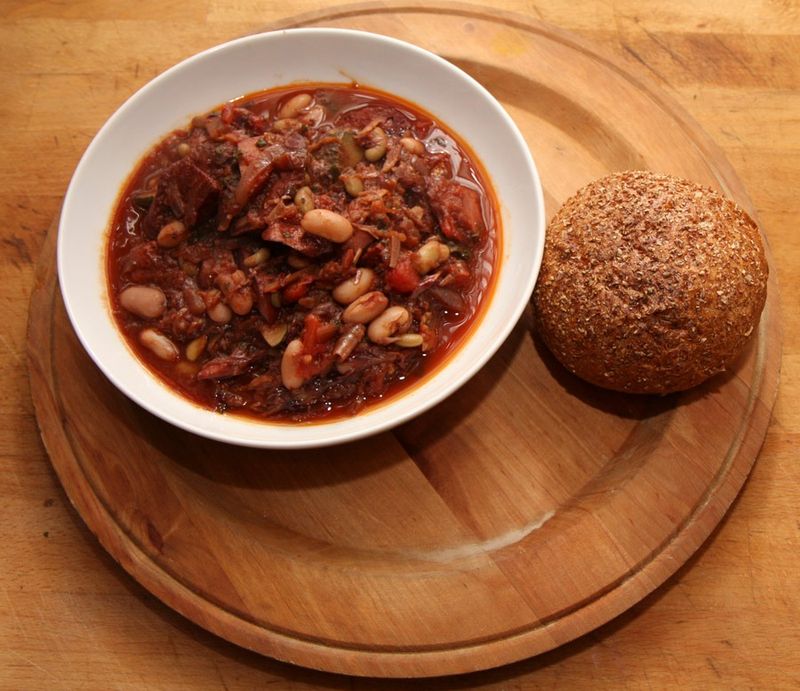
Hearty chili can be a champion if beans, tomatoes, and spices lead the way. Keep leaning on fatty beef and mountains of cheese, though, and saturated fat climbs.
Sodium from canned ingredients can stack quickly, which may raise blood pressure over time and leave you feeling thirsty and sluggish.
Upgrade the pot with extra beans, vegetables, and lean turkey or bison. Bloom spices in olive oil, use low sodium broth, and finish with lime instead of more salt.
Garnish with avocado and cilantro for richness and freshness. Serve over a small scoop of brown rice to make it stick.
Grilled Cheese
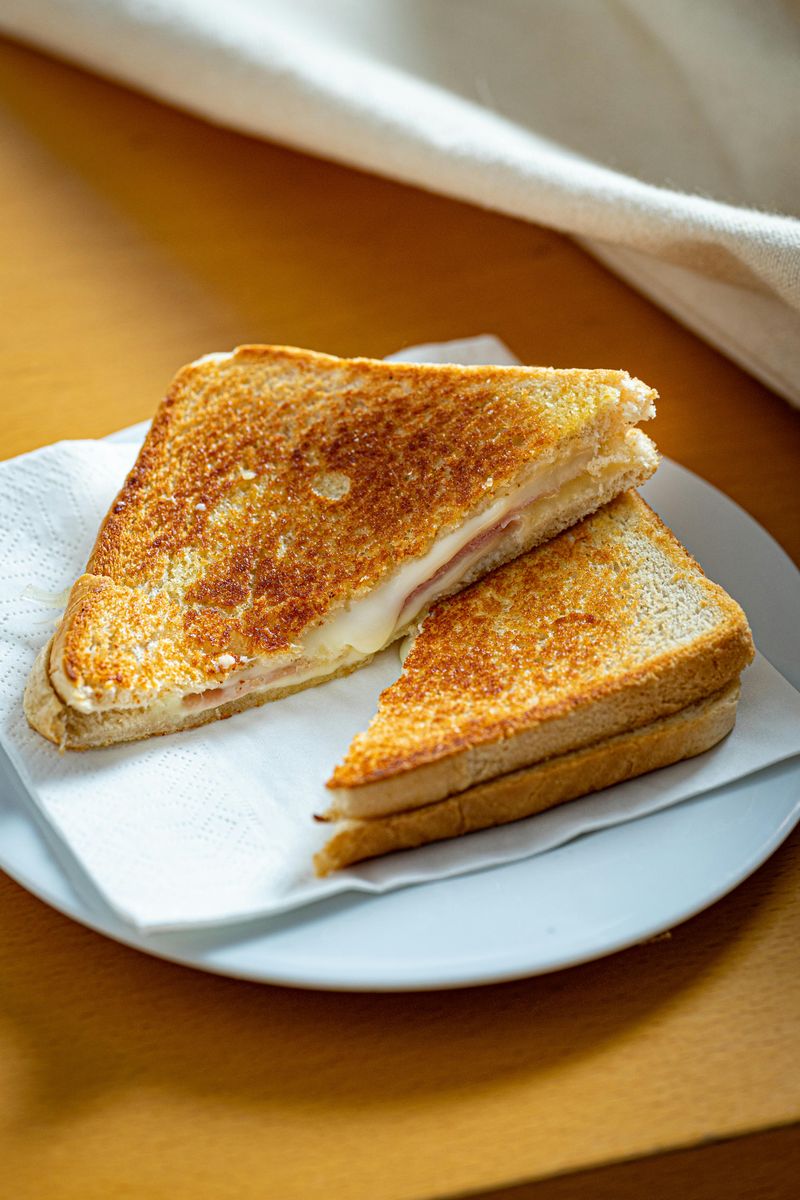
A golden grilled cheese scratches a nostalgic itch, yet daily melts pile on refined bread and saturated fat. Butter, multiple slices of cheese, and add ons like bacon increase calories fast.
Without fiber or protein balance, hunger rebounds quickly, encouraging snacking that can snowball into mindless nibbling all evening.
Make a smarter sandwich with whole grain bread, one slice sharp cheddar, and a tomato layer. Use a light brush of olive oil instead of butter, and toast slowly for crunch.
Add a bowl of tomato soup or a side salad. You will get cozy comfort with a steadier finish.
Chicken Soup

Chicken soup feels healing, but canned versions can be sodium bombs if slurped daily. Too much salt may raise blood pressure and dull taste buds.
Homemade pots with skin on thighs add extra saturated fat as well, which can undermine otherwise gentle, nourishing intentions when portions get oversized.
Make it work for you by using low sodium broth, plenty of vegetables, and skimming fat. Add shredded chicken breast or beans for lean protein and staying power.
Season boldly with herbs, lemon, and pepper so flavor sings without extra salt. Sip slowly and let warmth replace the rush.
Pancakes
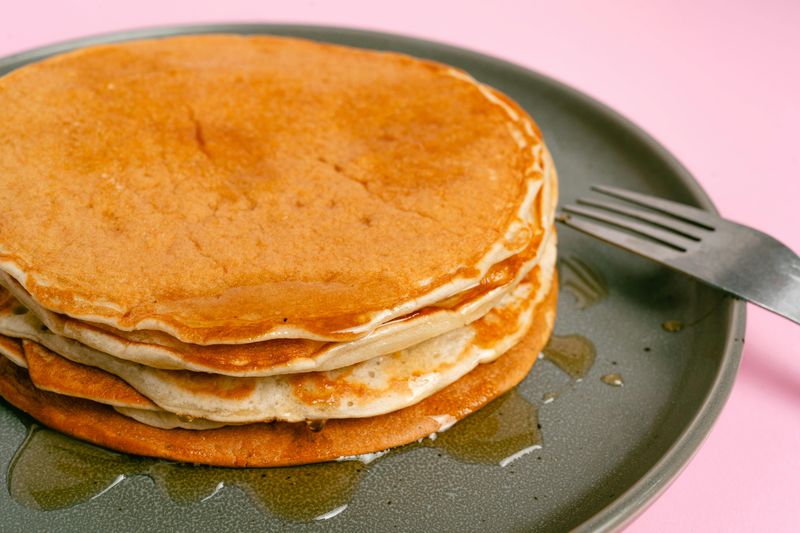
A short stack on repeat can push too much refined flour and syrup. That combo spikes and crashes energy, making you crave more sweets before lunch.
Large portions with butter add saturated fat and calories that sneak past awareness, especially when weekend brunch quietly becomes a weekday habit.
Keep the joy by flipping smaller cakes with whole wheat flour or oat batter. Stir in cottage cheese or Greek yogurt for protein, and top with berries and a drizzle of maple.
Add scrambled eggs on the side. You will walk away fed, not foggy, with energy that actually lasts.
Waffles
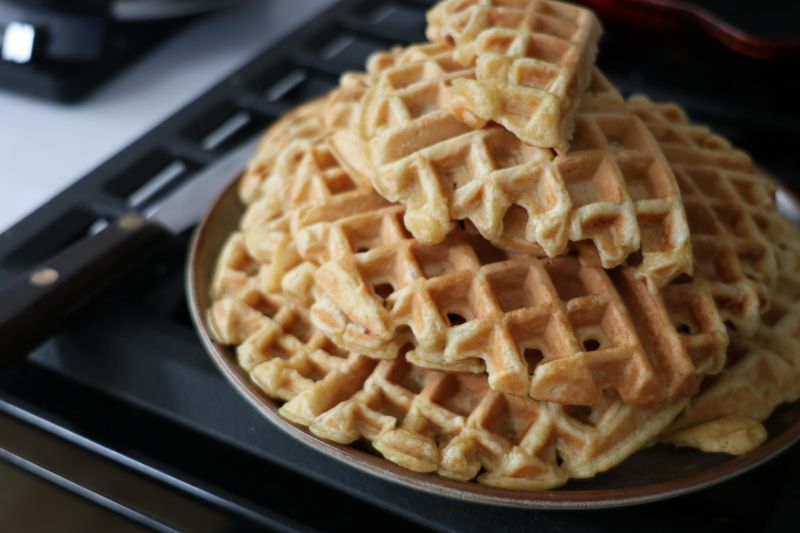
Waffles feel fancy, but frequent batches can mirror pancake pitfalls. The grid holds butter and syrup perfectly, which means a bigger sugar and calorie payload.
Frozen varieties may include additives and extra sodium, and big brunch portions can leave you stuffed, sleepy, and searching for coffee to power through.
Make weekday waffles work by using oat flour, eggs, and cinnamon. Crisp them in a lightly oiled iron, then top with yogurt, peanut butter, or warmed berries instead of a syrup flood.
Pair with water or tea. You will still get that toasty aroma, minus the nap that follows.
Mashed Potatoes

Silky mashed potatoes can carry a lot of butter, cream, and salt. Make them nightly and saturated fat plus easy carbs can crowd out vegetables and bump blood sugar.
Huge portions also disappear quickly, which can trick hunger cues and extend the cycle of seconds, thirds, and sleepy evenings.
Give them a lift by folding in roasted garlic, olive oil, and Greek yogurt. Keep skins on for fiber and mix with cauliflower to cut starch.
Serve with a ladle, not a shovel, and add greens for balance. You will still taste comfort while keeping tomorrow’s energy on track.
Chicken Pot Pie
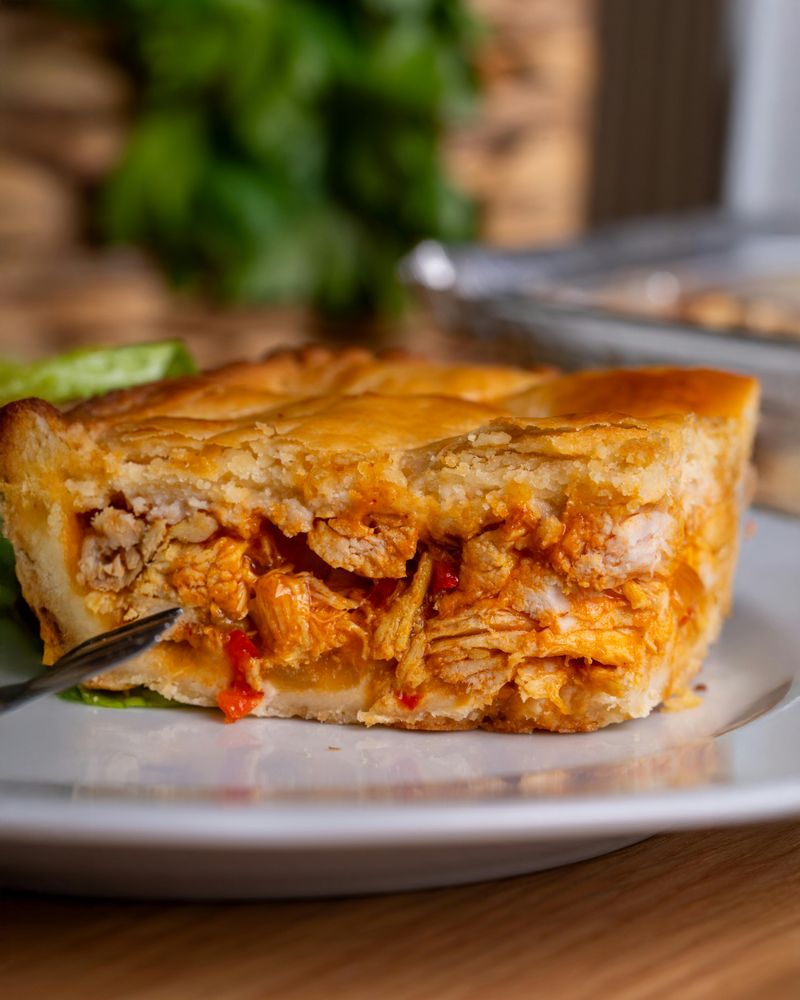
Chicken pot pie brings creamy sauce, buttery crust, and cozy memories. Eat it often and calories surge fast, especially with double crusts and rich fillings.
The combination of saturated fat, sodium, and refined flour can leave you sleepy after dinner and inch weight upward week after comfortable week.
Lighten the classic by using a single crust or puff pastry lid. Load the filling with vegetables, poached chicken breast, and a lighter roux made with milk.
Season deeply with thyme and pepper so flavor shines. A smaller slice with a salad keeps comfort high while the impact stays reasonable.
Rice And Beans
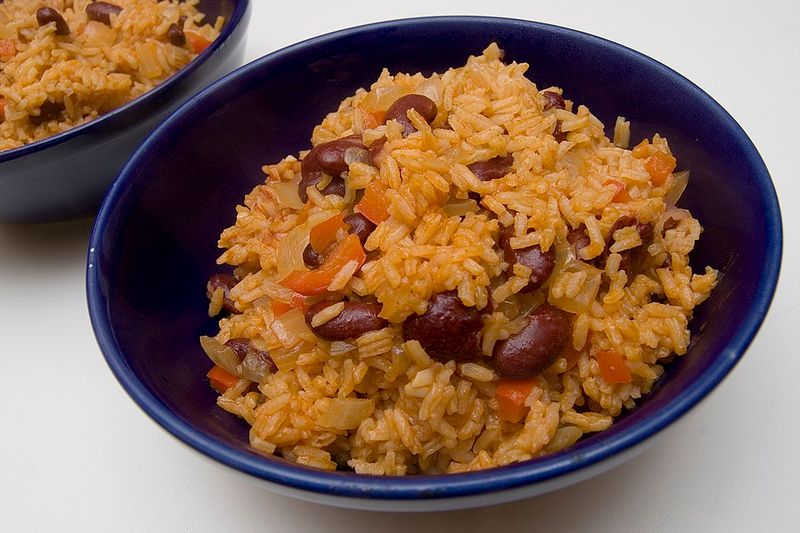
Rice and beans are a budget hero, especially when cooked with aromatics. Eaten daily without tweaks, though, portions can quietly exceed needs and white rice alone can nudge blood sugar.
Add heavy toppings like cheese and sour cream and the mix slides from hearty and balanced to calorie dense.
Keep the strengths by choosing brown rice, extra beans, and colorful vegetables. Stir in cilantro, lime, cumin, and a splash of olive oil for satisfying flavor.
Add eggs, chicken, or tofu for protein, and watch portions. You will stay full longer with fiber, minerals, and steadier energy across hours.
Fried Fish
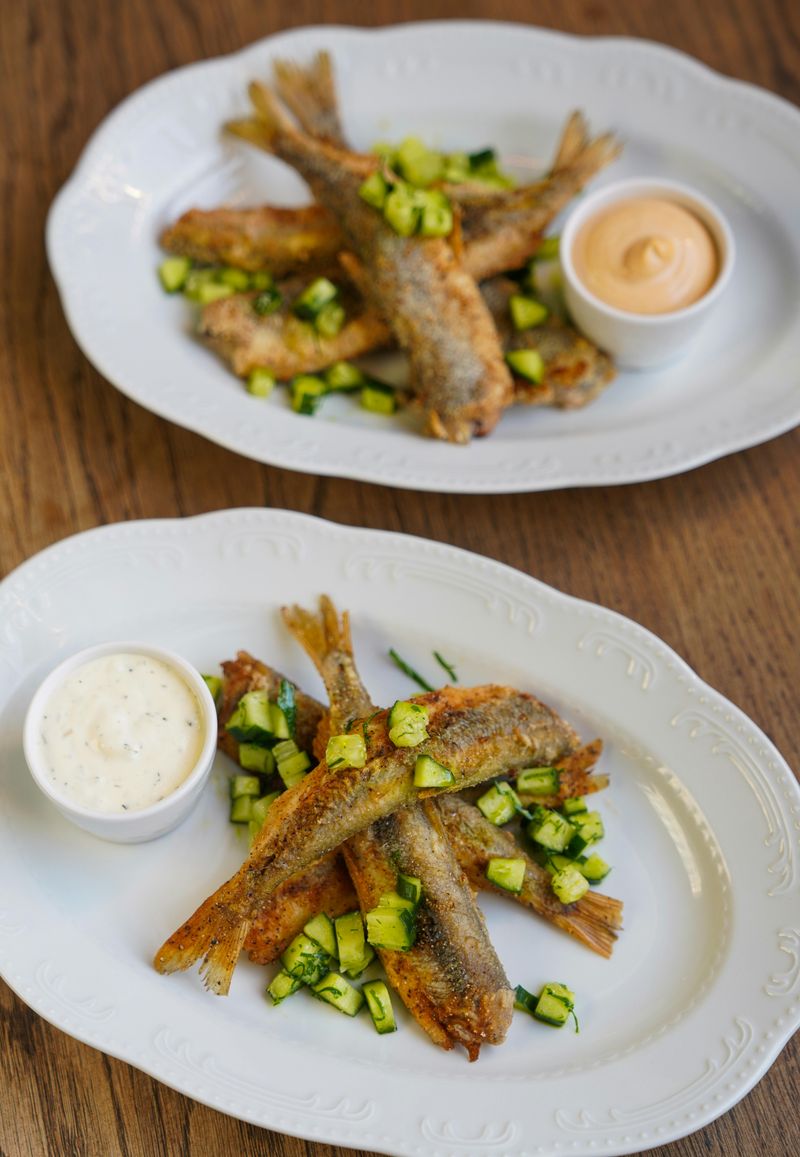
Fish can be heart smart, but deep fried fillets change the math. The batter and oil boost calories and may introduce oxidation products that are rough on arteries.
Pair that with fries and tartar sauce and you have a heavy meal that slows you down and crowds out fiber.
Go for baked or air fried fish with a crunchy whole wheat crumb. Season with paprika, lemon, and dill, then serve with slaw dressed in yogurt and vinegar.
Swap fries for roasted potatoes or beans. You will get satisfying crunch and protein while protecting heart health and weekday energy.
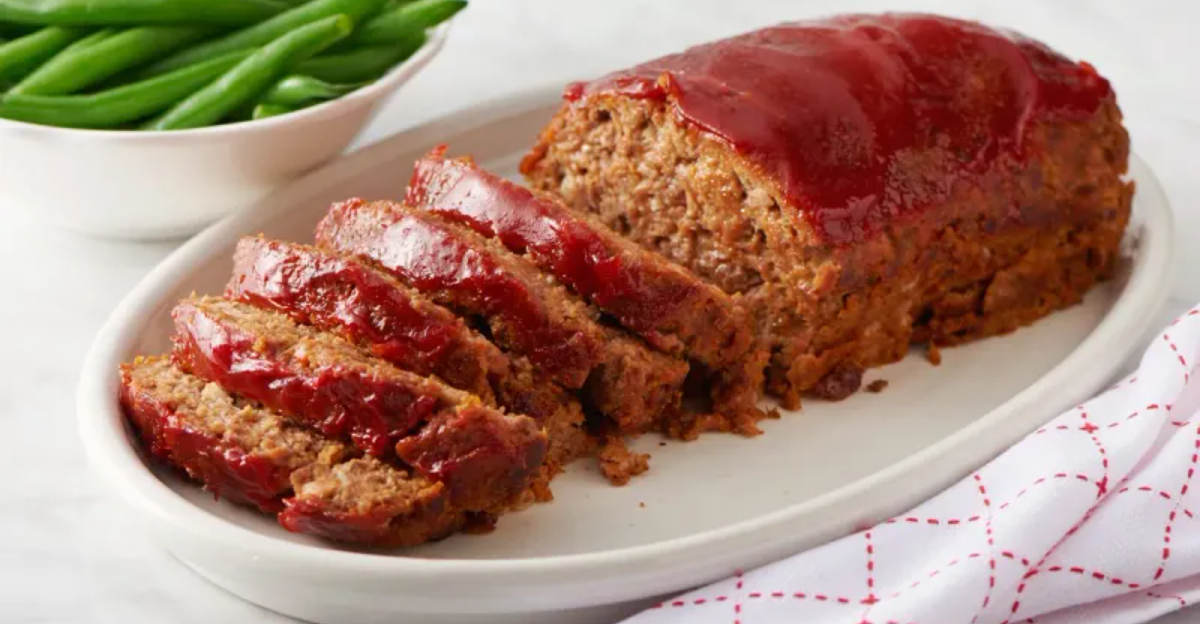
Meatloaf
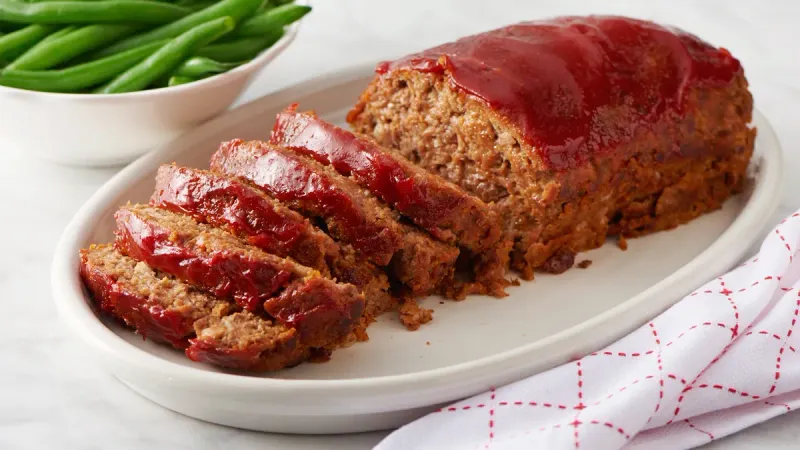
Classic meatloaf can be cozy, but frequent servings stack saturated fat and sodium. Many recipes lean on fatty beef, breadcrumbs, and ketchup loaded with sugar.
Over time, that pattern may nudge weight upward and elevate triglycerides, which puts pressure on the heart and leaves you dragging through afternoons.
Shift the balance with leaner meat, mushrooms, and oats for fiber. Brush the top with tomato paste and balsamic instead of sugary glaze.
Bake a double batch, slice thin, and freeze portions so dinner stays simple without derailing goals. Add a sheet pan of carrots for color and potassium.
Enjoyed this story?
Add Fast Food Club as a preferred source to see more of our reporting on Google.