


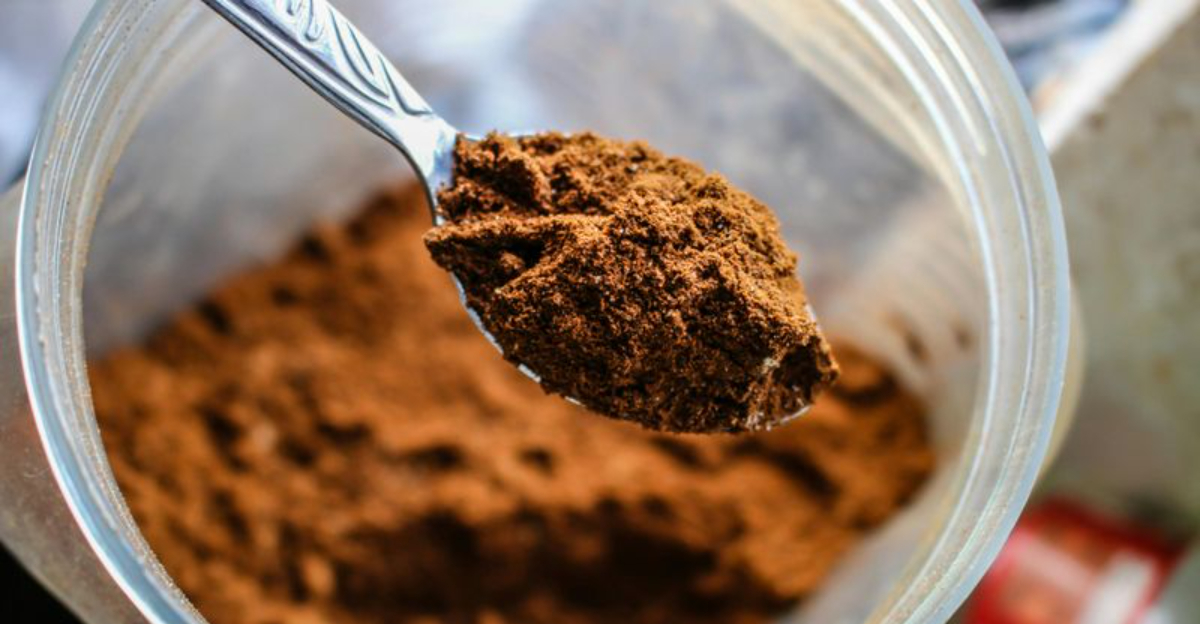
Ever notice how the simplest pantry items somehow make your bakes taste like home? These essentials do far more than fill out a recipe card.
They unlock texture, flavor, rise, and that bakery quality finish you crave. Stock them well and you will bake with confidence any night of the week.
Baking Powder
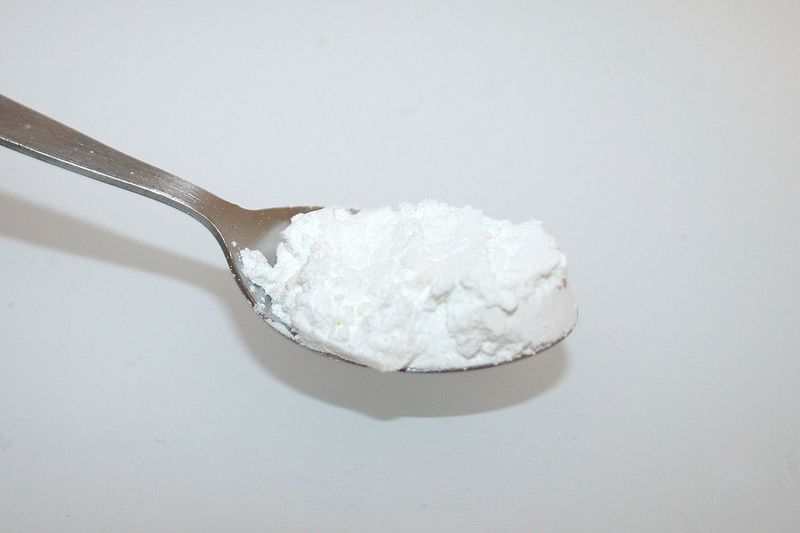
Baking powder is your dependable lift in quick breads, pancakes, and cakes. It combines alkaline and acidic ingredients with starch, releasing carbon dioxide when moistened and heated.
That gas expands tiny bubbles in batter, creating rise, tenderness, and a fine crumb without long fermentation or waiting.
Check freshness by stirring a spoonful into warm water and watching for steady fizz. Store it sealed and cool to protect its power.
Use double acting powder when you want consistent results from bowl to oven. Whisk it with flour for even distribution.
Measure lightly, because too much tastes soapy and flattens delicate crumbs.
Brown Sugar
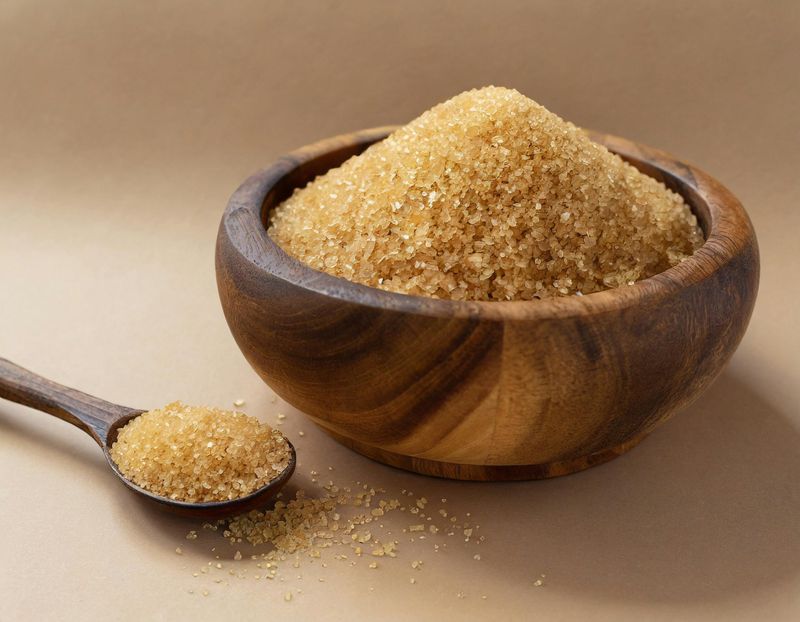
Brown sugar brings moisture, color, and deep toffee richness. Its molasses content keeps cookies soft and adds chew to bars and blondies.
In cakes and sauces, it dissolves into warmth that tastes cozy, balancing spices while improving browning and keeping baked goods tender for days afterward.
Pack it into cups to measure accurately. If it hardens, revive it with a slice of bread or a few apple pieces.
Use light for gentle caramel notes, dark for bold depth. Sprinkle over fruit crisps or swirl into oatmeal bakes.
That extra moisture helps you get fudgy centers and glossy, irresistible tops often.
Eggs
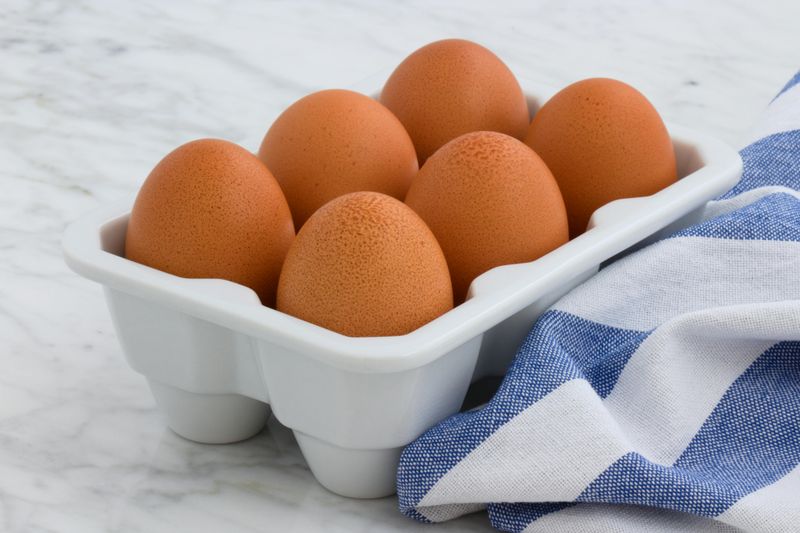
Eggs are multitaskers, adding structure, richness, and emulsifying power. Whites coagulate to set cakes and custards, while yolks tenderize and carry fat soluble flavors.
Beaten, they trap air for height; gently stirred, they create silky curds, batters, and sauces that hold together without separating under heat.
Use room temperature eggs for better blending. Separate cleanly to whip towering meringues.
Add one at a time when creaming to maintain emulsion. For shine, brush beaten egg on pastries.
And remember, a single egg can transform texture, turning crumbly dough cohesive, making brownies fudgier, and giving your baked goods that satisfying, professional finish.
Butter
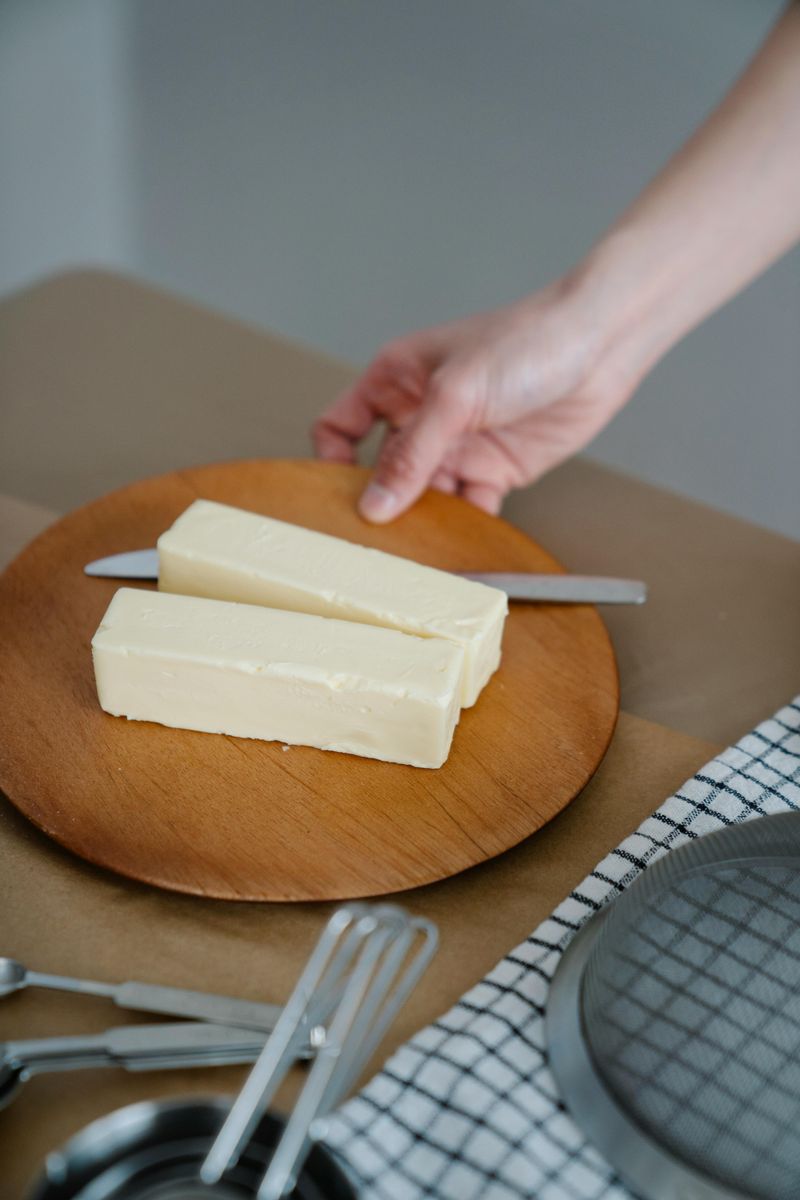
Butter brings flavor, tenderness, and structure. Its milk solids brown beautifully, adding nutty notes, while its water creates steam that lifts laminated dough.
Cold, it builds flaky layers; softened, it creams with sugar to capture air, giving cakes and cookies appealing rise and delicate crumb textures.
Choose unsalted for control, salted for simple snacking bakes. Let it soften at room temperature for even mixing, not melting.
Brown it for richer bars and frostings. Rub it into flour for tender scones.
With a few sticks on deck, you can pivot from crisp shortbread to plush cupcakes whenever a craving hits hard.
White Sugar
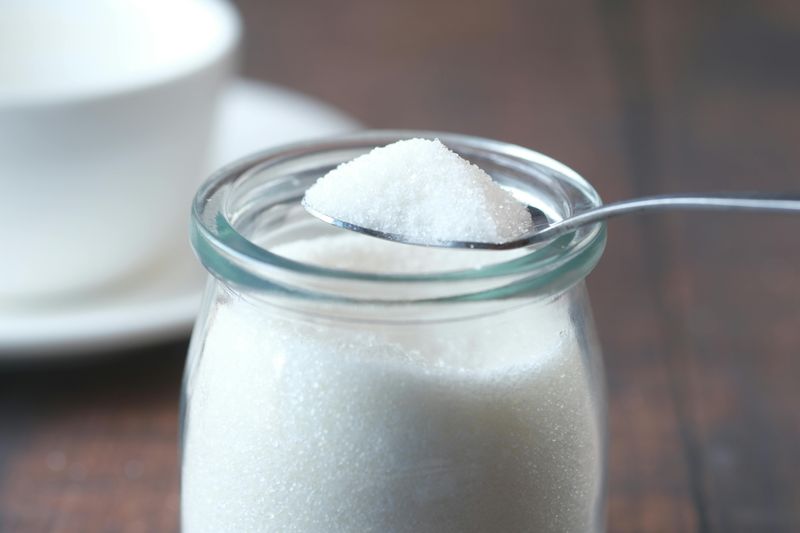
White sugar sweetens, but it also shapes texture, color, and moisture. As crystals dissolve, they aerate butter and eggs, trapping air that helps batters rise.
In the oven, sugar caramelizes and drives Maillard reactions, giving golden crusts and a clean, balanced sweetness that lets other flavors shine.
Choose granulated for crisp cookies, or superfine for delicate cakes and meringues. Moisten fruit with a sprinkle to draw juices for quick sauces.
Rub zest into sugar to perfume your bakes. Store it airtight so it never clumps.
When you cream it properly, you set up tender crumbs, impressive spread, and predictable browning.
Vanilla Extract
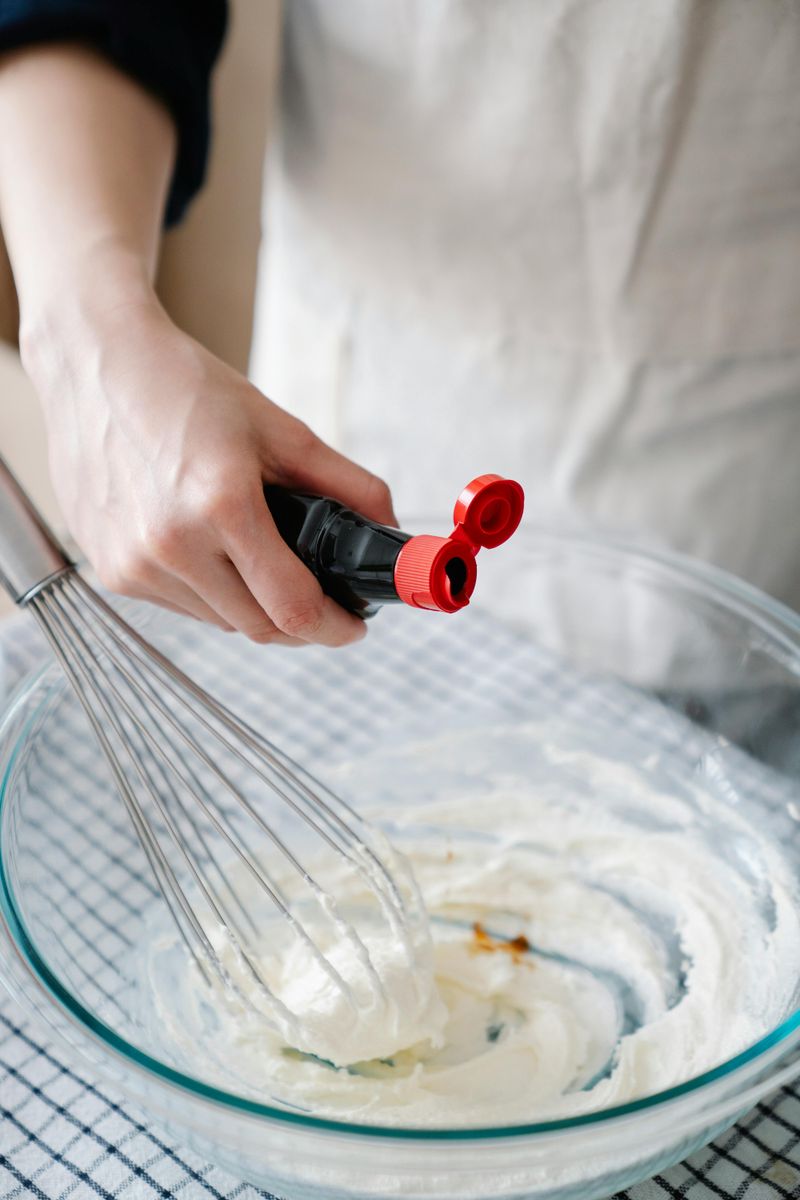
Vanilla extract is the quiet enhancer that makes everything taste more like itself. Its aromatic compounds round sharp edges, softening bitterness and amplifying butter, sugar, and chocolate.
Even a small splash turns simple batters into bakery smelling comfort, adding nostalgia and warmth that read as homemade and special for you.
Use pure extract when possible, and add it near the end to preserve aroma. Cream it with sugar for fragrant lift.
Pair with cinnamon, caramel, or berries for layered flavor. A teaspoon in whipped cream or frosting ties desserts together.
Keep a bottle handy, because a dash rescues bland batches fast on tough days.
Yeast
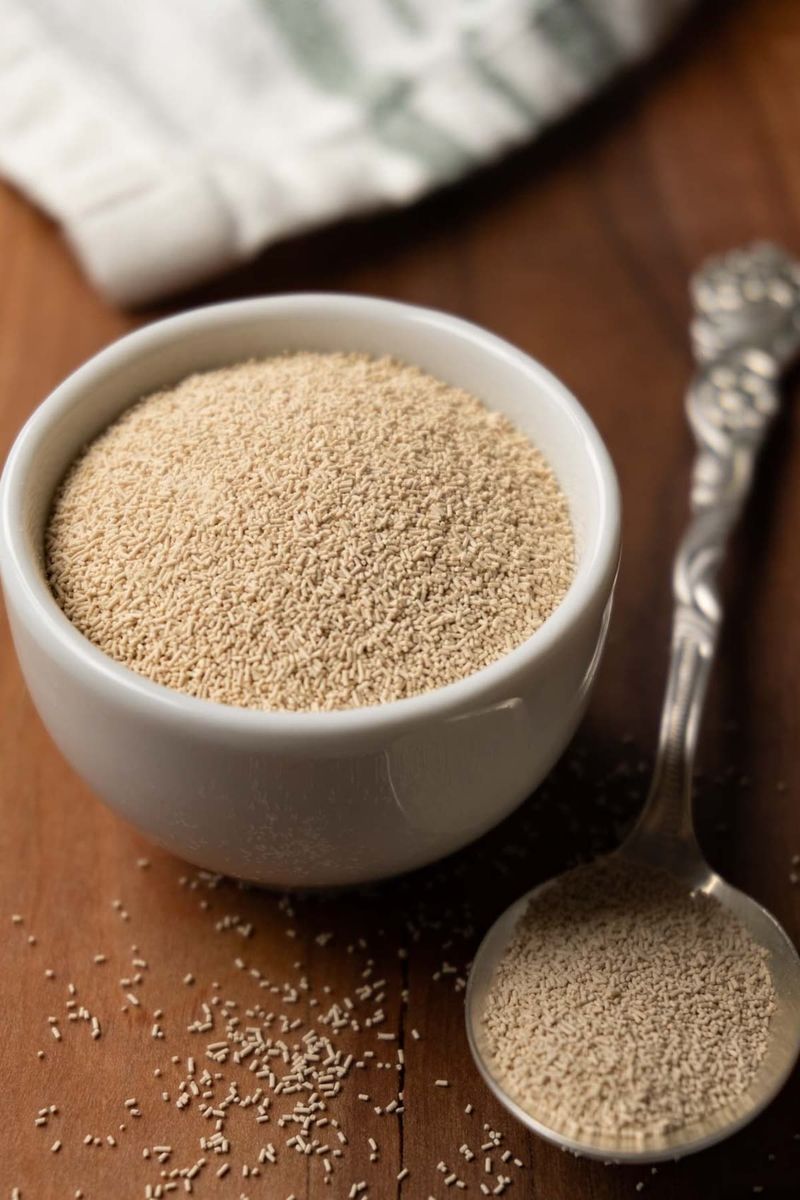
Yeast is a living leavener that transforms simple dough into fragrant bread. As it feeds on sugars, it releases carbon dioxide and ethanol, puffing structure while building flavor.
Slow fermentation develops nuanced aromas and extensible dough, giving you crusty loaves, pillowy rolls, and pizza with beautiful blistered edges.
Keep instant for speed and active dry for classic proofs. Hydrate in warm water, not hot, to avoid harm.
Add salt separately to prevent sluggish starts. Chill dough overnight for flexibility and complex taste.
With a tiny packet, you can turn pantry staples into Saturday bakery energy that fills the house with happy aromas.
Salt
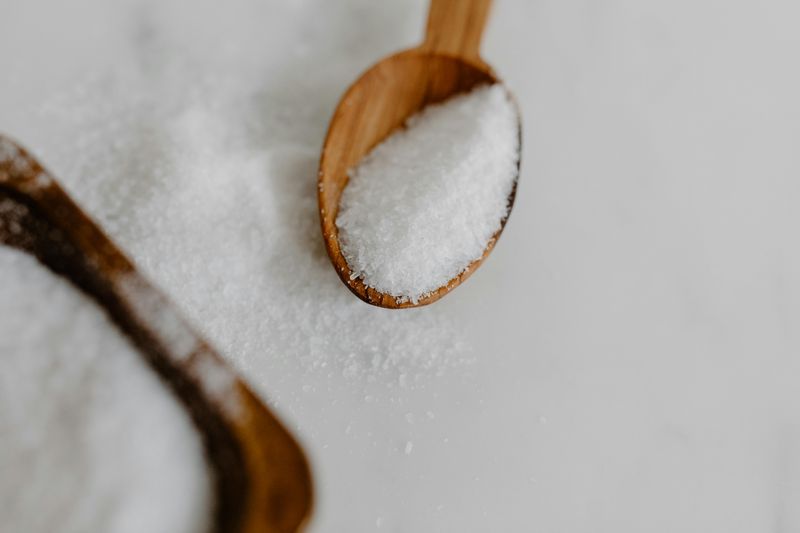
Salt is the quiet architect of flavor and texture. It strengthens gluten in doughs, sharpens sweetness, and tames bitterness.
Even small amounts make chocolate taste darker, fruits seem juicier, and butter feel rounder, so bakes land balanced rather than flat with every pleasing single bite today.
Use fine salt for batters and flaky salt for finishing. Add it early in doughs to manage fermentation and elasticity.
Dissolve in liquids for even distribution. A sprinkle on cookies or brownies wakes up complexity.
Keep it close, because salt turns good into great, guiding flavors exactly where you want them at bake time.
Milk
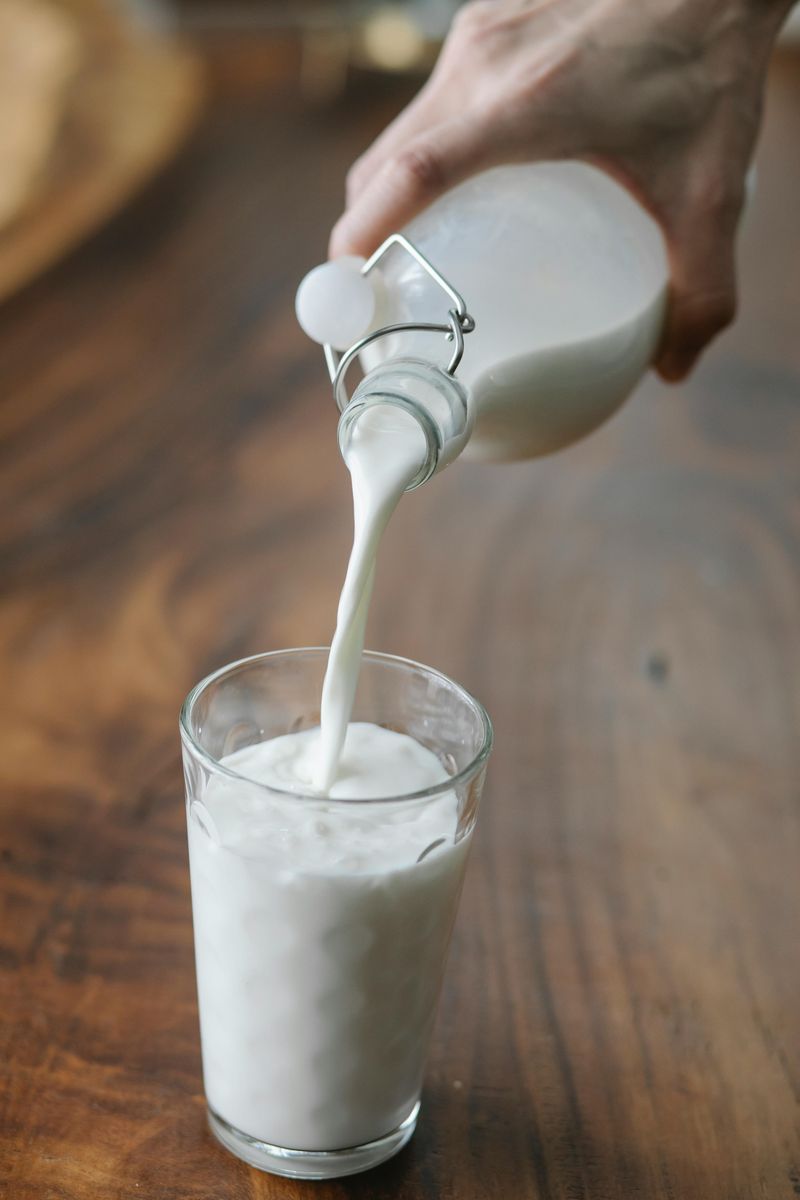
Milk adds moisture, proteins, and sugars that brown beautifully. Its lactose encourages caramelization, while casein and whey contribute tenderness and structure.
In pancakes, muffins, and breads, milk creates a soft crumb, gentle sweetness, and an even golden color that signals comforting, homemade success for busy bakers.
Use whole milk for richness or skim to lighten. Warm it slightly to help dissolved sugar and melted butter mix smoothly.
Sour milk or buttermilk adds tang and extra lift with soda. Scalding deactivates enzymes that weaken gluten.
With a carton in the fridge, you have smoother batters and tender, reliable results most days.
Olive Oil
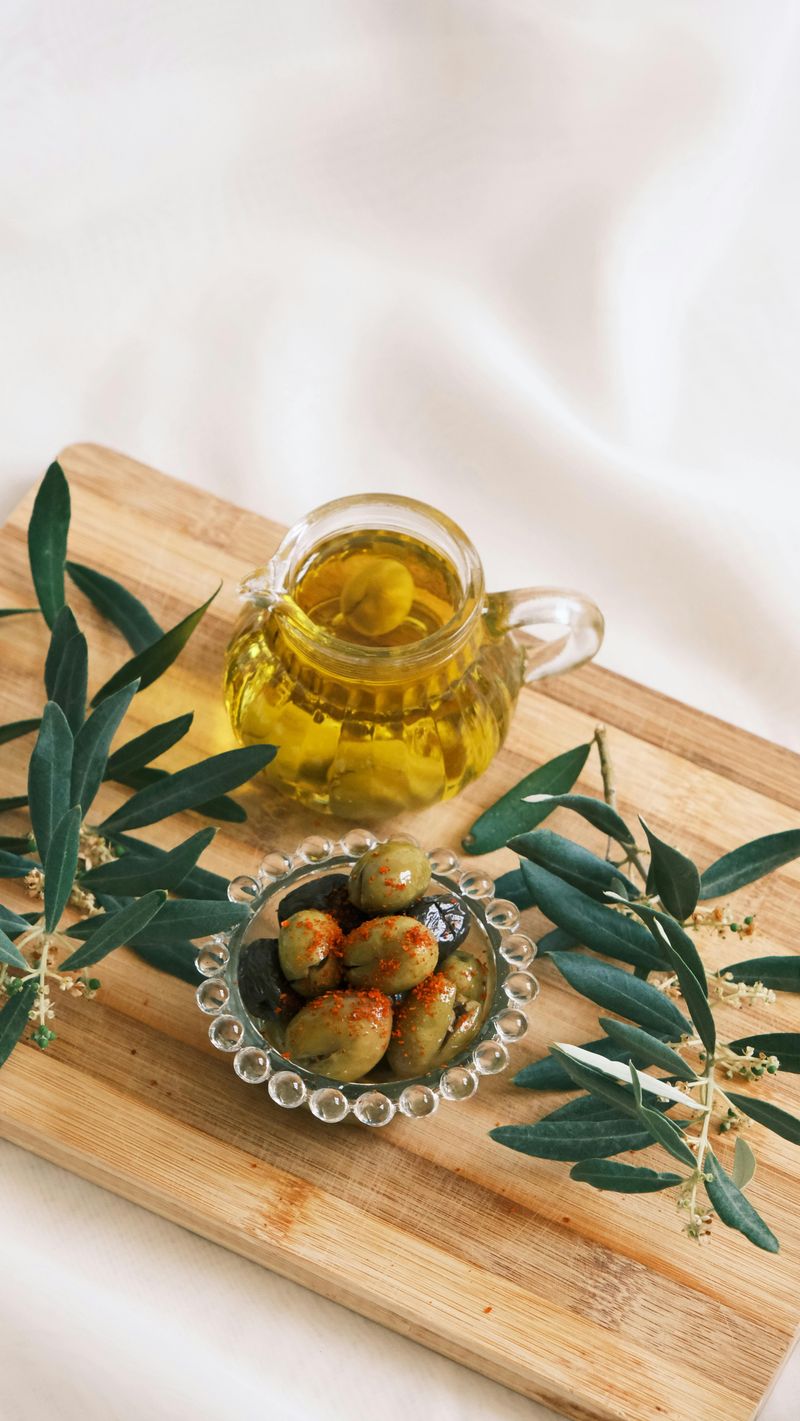
Olive oil brings plush moisture and nuanced, savory fruitiness to cakes, loaves, and cookies. Its liquid nature keeps bakes tender longer, even at room temperature.
Good oil also carries aromatic notes that pair beautifully with citrus, nuts, and chocolate, turning simple recipes into confident, grown up favorites.
Choose mild for versatile baking, or robust for statement desserts. Whisk with sugar and eggs for glossy batters without creaming.
It stays fluid in cold weather, so mixing feels effortless. Swap part of butter to reduce saturated fat.
With one bottle, you can bake plush snacking cakes that stay fresh all week at home.
Baking Soda
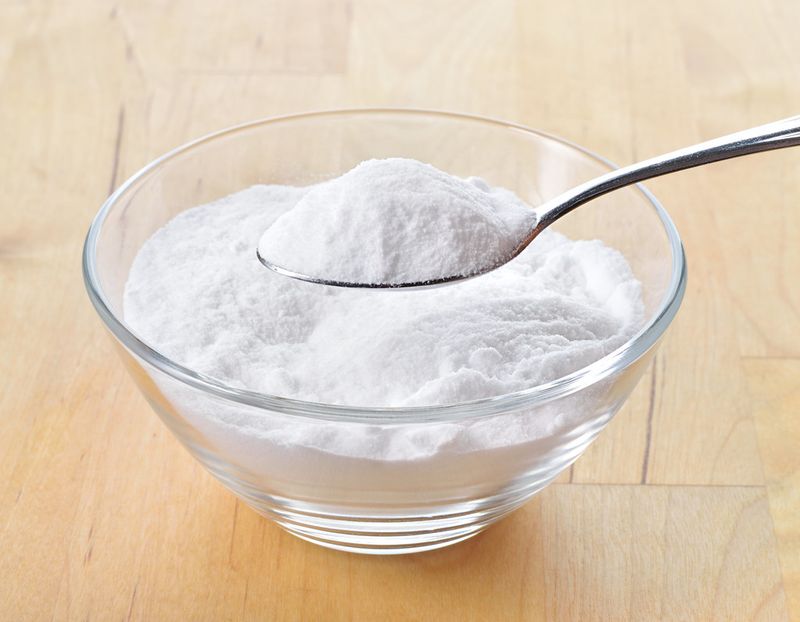
Baking soda is pure sodium bicarbonate, a strong alkaline that reacts with acids to produce lift. When it meets buttermilk, yogurt, molasses, or brown sugar, bubbles form quickly.
Those bubbles expand in the oven, raising muffins and cookies while promoting browning through faster Maillard reactions beautifully.
Use it sparingly and pair with enough acid, or flavors can turn soapy. A pinch neutralizes sharp tomato or citrus notes in batters.
It also encourages spread in cookies, giving crinkly edges. Sift with dry ingredients for even action.
Test freshness by adding vinegar and checking for vigorous foam before baking on busy days.
Honey
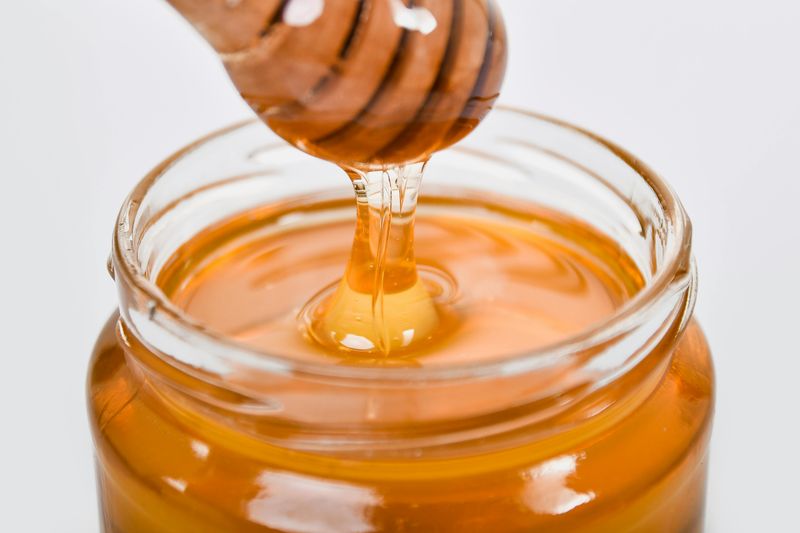
Honey sweetens with floral depth while adding moisture that keeps bakes soft. Its acidity and enzymes promote browning and help retain freshness longer than sugar alone.
In muffins, breads, and granola, honey builds nuanced flavor, tenderizes crumbs, and draws gentle color that reads wholesome and inviting.
Use less liquid elsewhere when swapping in honey. Warm a measuring spoon so it slides out cleanly.
Pair with cinnamon, ginger, or nuts for cozy balance. A glaze of honey and butter makes breads shine.
When you want natural sweetness and a little complexity, honey delivers comfort that lingers pleasantly after each bite nicely.
Cinnamon
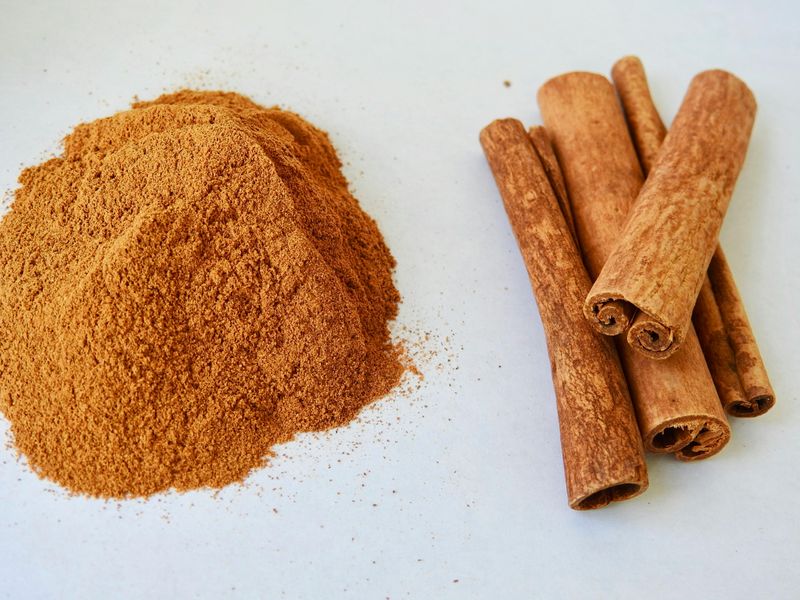
Cinnamon adds instant warmth and nostalgia, making kitchens smell like comfort. Its sweet spiciness brightens fruit, chocolate, and nuts while masking bitterness.
In doughs and batters, it enhances perceived sweetness, so you can reduce sugar slightly without losing delight, and it perfumes swirls, crumbs, and toppings with cozy character.
Bloom it in butter or milk for rounder flavor. Choose Ceylon for delicate, Cassia for bold.
Mix with sugar for simple finishes on toast and pies. Add to chocolate cake for satisfying depth.
A jar in your spice drawer ensures quick, fragrant upgrades whenever you crave bakery style comfort on a weeknight at home.
Cornstarch
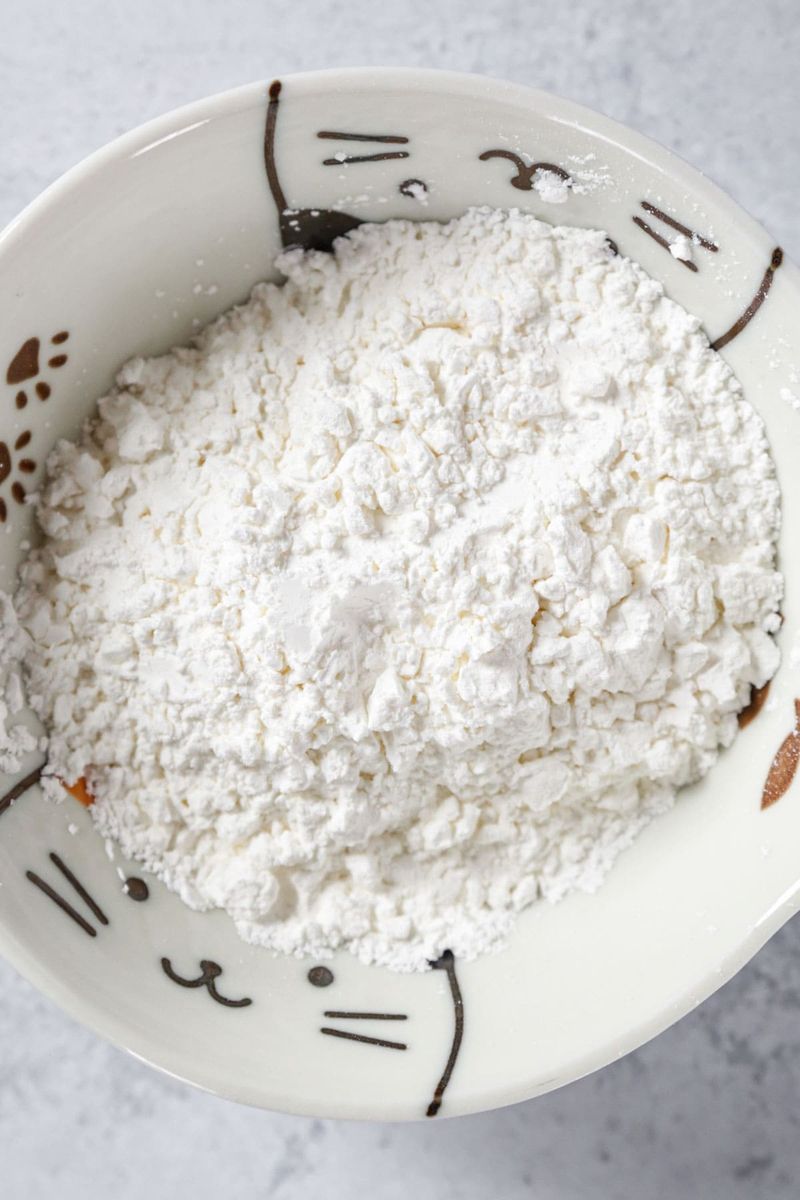
Cornstarch is a pure starch that thickens fillings, puddings, and sauces with clarity. When heated with liquid, its granules swell and gel, creating silky textures without heaviness.
In cookies and shortbread, a spoonful softens structure for delicate crumbs that feel sandy crisp, then tender as they melt.
Mix it with sugar to prevent clumps before adding liquid. Simmer briefly to activate full thickening power.
In cake batters, blending cornstarch with flour mimics cake flour for extra softness. Dust fruit pies to capture juices cleanly.
Keep a box nearby for fast fixes when sauces run thin or custards need polish at service.
Nutmeg
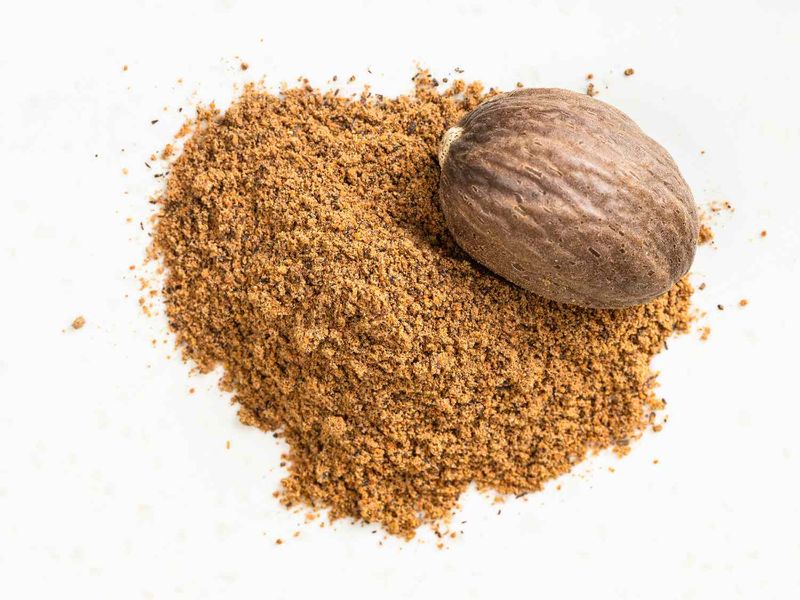
Nutmeg brings heady, piney sweetness that feels luxurious in small amounts. Freshly grated, it releases volatile oils that bloom beautifully in custards, cakes, and cream sauces.
Because it is potent, a pinch changes everything, rounding harsh edges and adding intrigue that whispers rather than shouts gently.
Grate to order with a microplane for perfume you notice. Pair with spinach, ricotta, or brown butter in savory bakes.
Sprinkle into doughnuts, eggnog cakes, and bechamel. It harmonizes with cinnamon and cloves.
Keep a whole nut in the pantry, and you can finish desserts with aroma that feels instantly special at the table.
Chocolate Chips
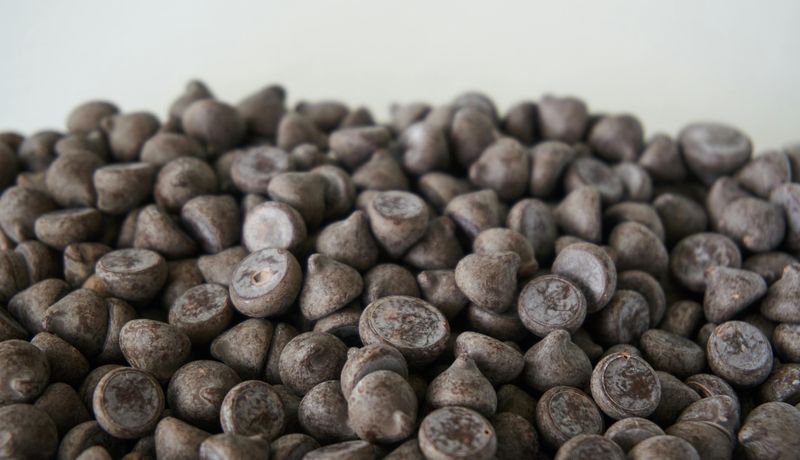
Chocolate chips deliver pockets of molten joy and set into satisfying bites as bakes cool. They hold shape thanks to stabilizers, so cookies keep distinct chunks.
Chips also provide built in portioning and easy mixing, letting you fold chocolate into muffins, pancakes, and snack cakes without extra steps or fuss.
Choose semisweet for balance, milk for gentle sweetness, or bittersweet for intensity. Toss with a little flour to prevent sinking in batters.
Melt a handful with butter for quick frosting. Mix chip sizes for delightful texture.
With a bag in the pantry, you can upgrade any bake fast, satisfying sudden chocolate cravings.
All Purpose Flour
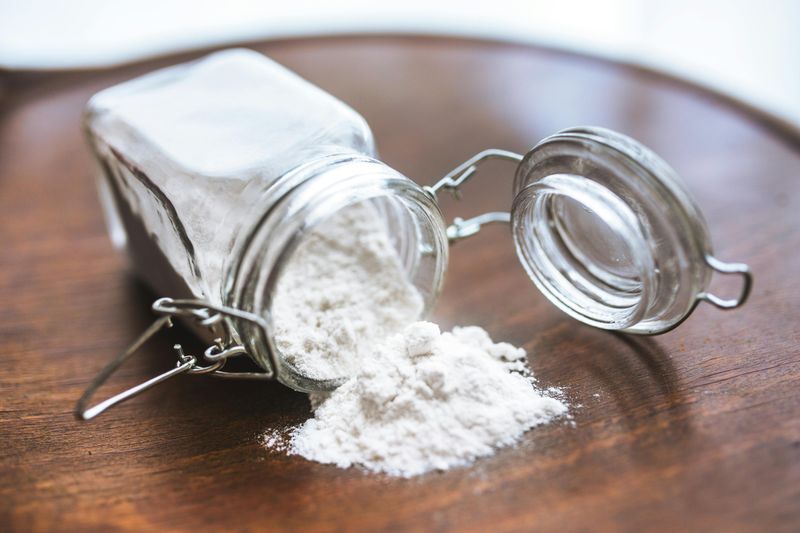
All purpose flour is the backbone of home baking, giving structure to cookies, breads, and cakes. Its moderate protein content balances tenderness and chew, so recipes turn out reliably.
When you whisk it with liquids, gluten develops, trapping steam and gas that lift batters and doughs.
Measure it correctly and you control texture and crumb. Spoon and level for cakes, scoop for heartier bakes.
You can toast a portion for nuttier flavor, or blend with cake flour to soften results. Keep it dry and cool to prevent clumps.
With a simple bag on hand, you unlock countless comfortable, repeatable classics.
Cocoa Powder
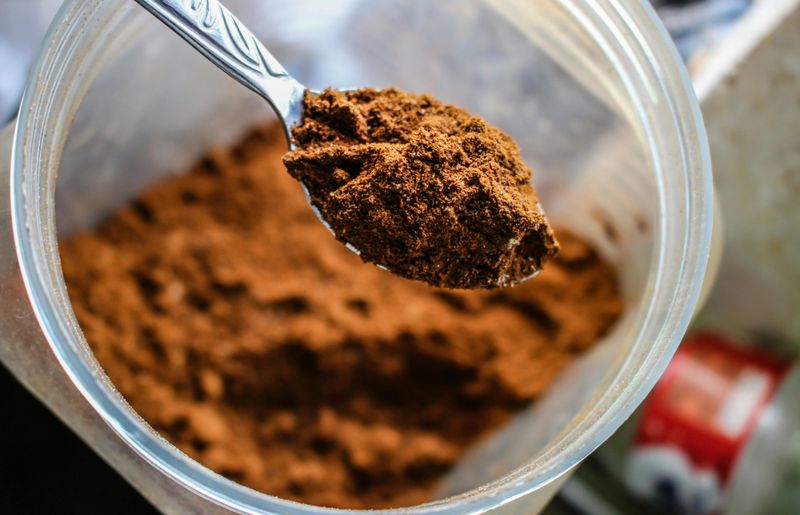
Cocoa powder concentrates chocolate flavor without extra sugar or fat. Natural cocoa is bright and sharp, while Dutch processed is mellow and dark, each shaping color and acidity.
Because it is dry, you can add big chocolate notes to cakes, brownies, and frostings without upsetting batter balance.
Bloom it with hot water or coffee to enhance depth. Sift to avoid lumps and streaks.
Swap part of flour for cocoa to make tender chocolate doughs. Pair with vanilla and salt for satisfying complexity.
Keep both styles available, so you choose vivid snap or smooth elegance depending on what craving strikes at home.
Enjoyed this story?
Add Fast Food Club as a preferred source to see more of our reporting on Google.