


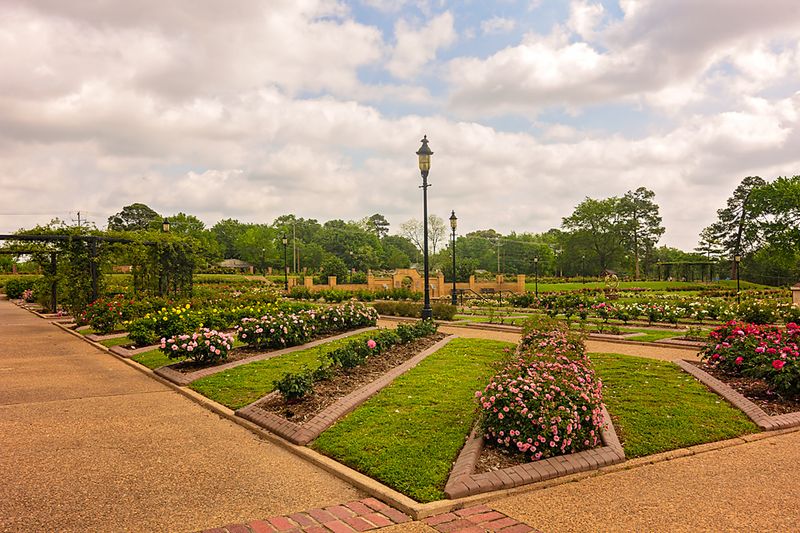
Most people circle spring on the calendar when they plan a rose trip, and most people miss the best-kept secret in East Texas. In Tyler, a city that calls itself the Rose Capital of America, one public garden keeps blooming well after the summer heat fades.
Late fall and even early winter can bring a second wave of color that catches families, photographers, and road-trippers off guard. The grounds cover 14 acres, hold more than 38,000 rose bushes, and cost nothing to enter.
Fountains, gazebos, quiet corners, and a small museum round out the experience. Keep reading to learn when to go, what to look for, which corners to find first, and why an autumn detour might become your favorite surprise of the year.
Fourteen Acres on Rose Park Drive
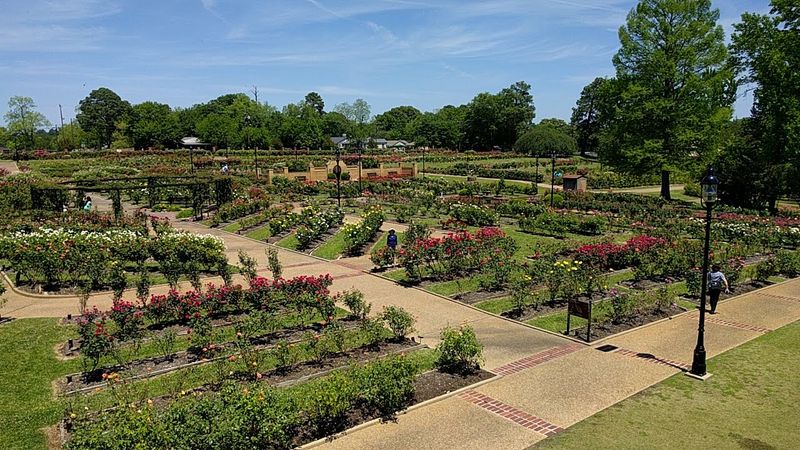
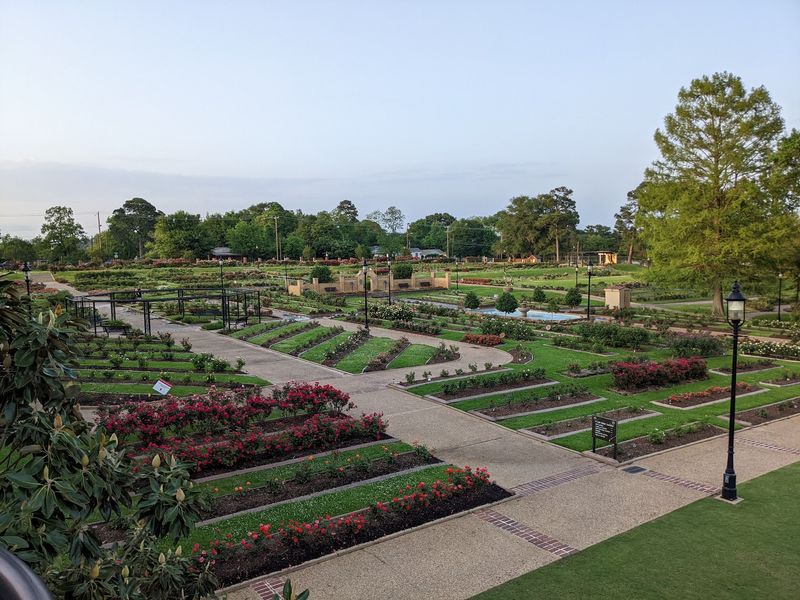
Thirty-eight thousand rose bushes need a lot of room, and Tyler gave them fourteen full acres.
The Tyler Rose Garden sits at 420 Rose Park Dr, Tyler, TX 75702, in the heart of East Texas in the United States. It is a public park run by the city, and it ranks among the most celebrated rose gardens in the country.
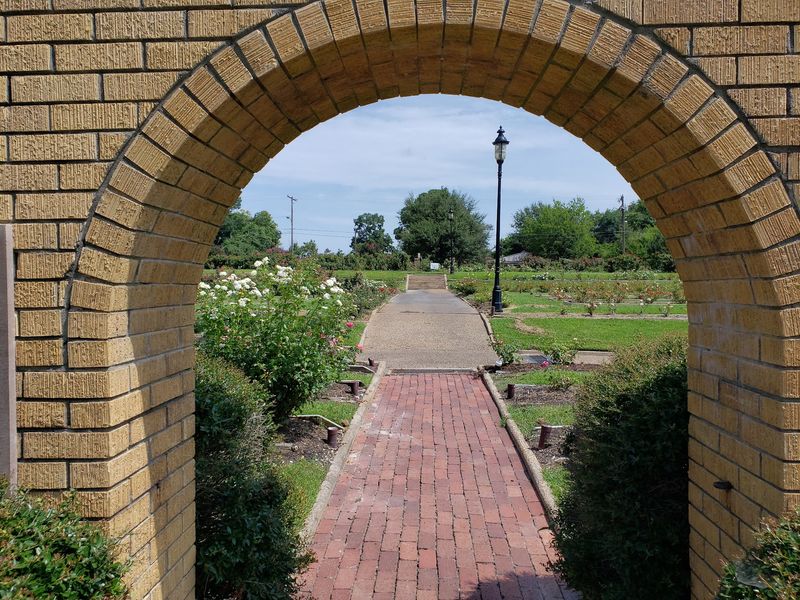
The layout is simple to grasp once you arrive. Long beds of roses stretch across the grounds, broken up by fountains, ponds, gazebos, and walking paths.
Hundreds of rose varieties grow here, so the beds never feel like a copy of each other. Some rows lean toward classic hybrid types, while others mix in companion plants and specialty collections.
The garden is easy to find, even for first-timers who have never set foot in Tyler. It lands close to the center of town, which makes it a handy stop during a longer East Texas trip.
There is no gate fee to wander the outdoor grounds. That single detail surprises plenty of people, especially those who expect a botanical garden of this size to come with a ticket booth.
So the stage is set, the price is right, and the roses are waiting. The real question is when to show up, and the answer might not be the one you expect.
The Surprise Season After Summer
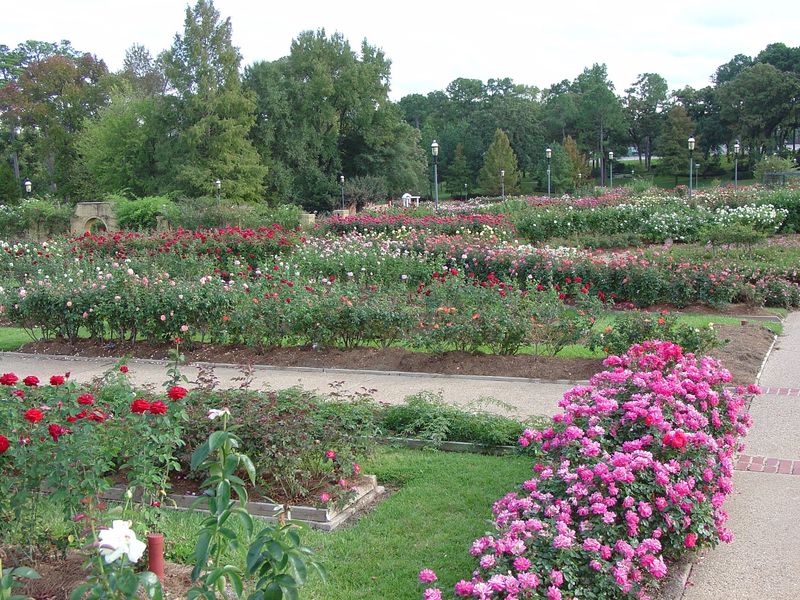
Here is the twist most trip planners never hear about: autumn can be a headline act at this garden.
Plenty of people assume the show ends when spring does. Yet late fall and even early winter often bring an abundant bloom across the beds, drawing families, travelers, and folks posing for keepsake photos.
The timing works in your favor in more ways than one. Texas summers can be brutal on both people and petals, and by late summer the roses are usually past their full bloom.
Cooler weather gives the bushes a chance to push out fresh flowers again. It also makes a long stroll far more comfortable than it would be on a sweltering June afternoon.
Crowds tend to thin out once school is back in session. That means more elbow room on the paths and fewer strangers wandering into your photos.
Nothing about the fall bloom is guaranteed to the day, of course. Weather plays its part, so checking the garden’s social media updates before the drive is a smart move.
Still, arriving in the cooler months turns an ordinary road trip into a pleasant ambush of color. Call it the encore nobody bought tickets for, and one worth staying in your seat to catch.
A Year-Round Bloom Calendar
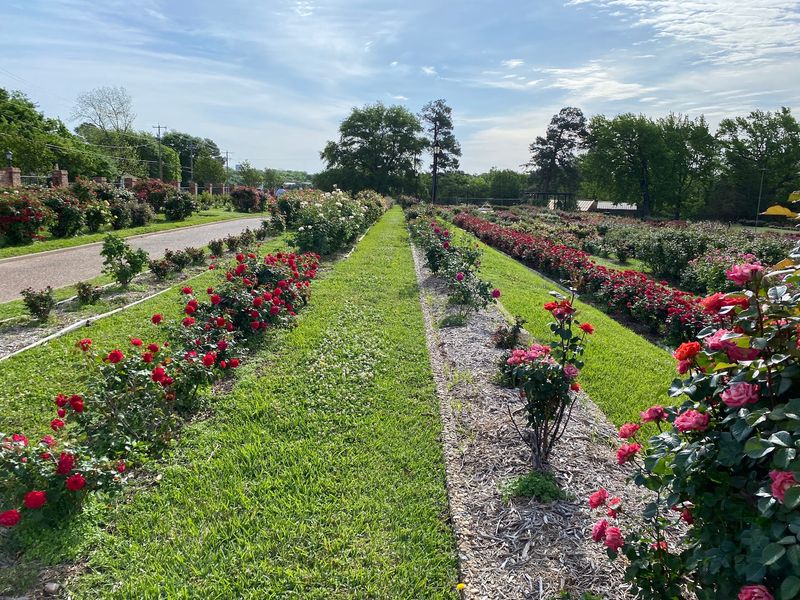
Roses keep their own schedule, and it pays to learn it before loading up the car.
Spring brings the first big round of blooms. Timing matters, though, because an April stop can fall into an awkward gap between the first and second flushes, leaving some beds quieter than expected.
Late April has still shown plenty of color in past seasons. By the end of May, many bushes continue to hold nice blooms, even as some flowers start to fade.
Summer is a mixed bag. The roses are generally no longer at full strength by late summer, but the grounds stay tidy and green, and other plants carry the show.
Then comes the fall rebound covered earlier, often stretching into early winter.
February is the quiet month. The bushes are not in bloom, yet the park still works well for a picnic under a gazebo on a mild day.
The easiest way to avoid guesswork is the garden’s Facebook page. It shares updates on whether the blooms are out, which can save a long drive from ending in bare stems.
A little homework goes a long way here. Match your trip to the calendar, and the garden returns the favor.
Fountains and Ponds at the Center
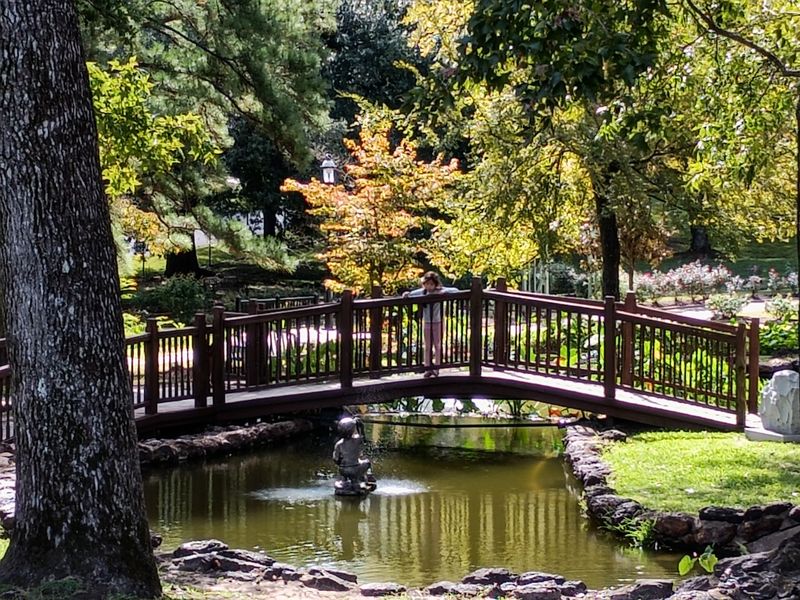
Roses may get top billing, but the water features quietly steal a few scenes.
Fountains appear throughout the grounds, and they rank among the most talked-about parts of the garden. The central area holds peaceful water features and ponds that many people name as their favorite spot.
There is a practical reason these corners fill up on hot days. Shaded places near the water offer a welcome break during a Texas June, when the open beds can feel like a frying pan with petals.
The fountains also make handy landmarks. Families split up to explore different rose rows and then regroup by the water, which keeps everyone from wandering off in fourteen directions.
Photographers tend to frame shots with a fountain in the background. The combination of flowing water and rose beds gives pictures a sense of place that a lone flower cannot.
The grounds around the water stay well kept, with tidy edges and careful landscaping. That attention to detail extends across the entire park, not just the showpiece areas.
Take a few minutes to sit near the ponds before moving on. The roses will still be there, and a short pause makes the rest of the loop feel less rushed.
The Meditation Garden Hideaway
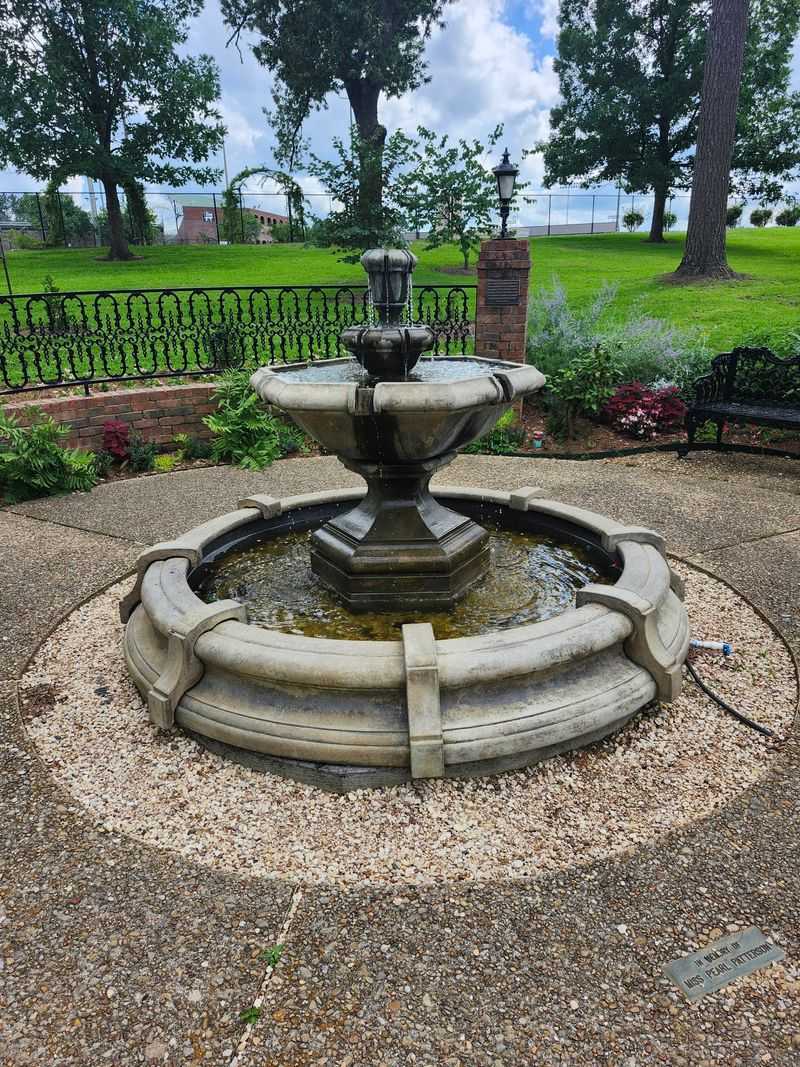
Some corners of the park seem built for slowing down, and one of them says so right in its name.
The meditation garden is a favorite among people who come for calm rather than a checklist. It pairs well with a nearby fountain, making a natural resting point after a long loop through the rose beds.
A peaceful atmosphere comes up again and again when people describe this park. The meditation area is where that feeling is strongest.
Quiet spots are spread around this part of the grounds. They work for a few minutes of reflection, a bit of admiration, or a private conversation away from the main paths.
Seating is plentiful, so there is rarely a scramble for a bench. That makes it easy to stop, relax for a while, and take in the view without feeling pressure to move along.
The space also suits guests who might tire on a long walk. Older relatives, for instance, can rest here while others explore farther.
A garden this large can feel like a lot to cover in one afternoon. The meditation garden offers the opposite message, reminding everyone that there is no prize for seeing every single bush.
Sit, breathe, and let the schedule wait.
Idea, Heritage and Education Gardens
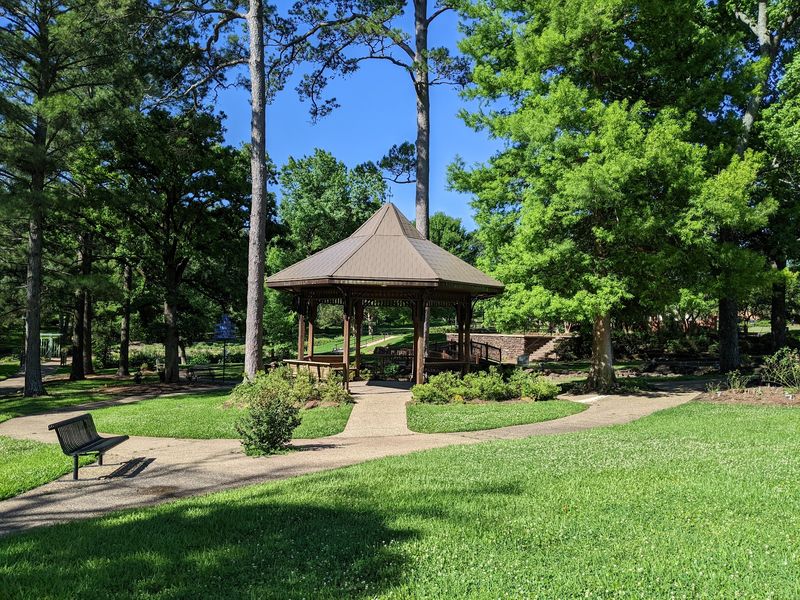
Beyond the long rows of hybrids, the park tucks in a few themed gardens that reward curious minds.
The Idea Garden is exactly what it sounds like. It gives home gardeners a place to see plant combinations and borrow a spark or two for their own yards.
The Heritage Garden brings a different flavor. It leans toward older roses and a sense of history, which fits nicely in a city so closely tied to the flower.
An education garden area also earns warm praise, partly thanks to a nice shaded path. Some of its plants are still young, so the display is a work in progress that should fill out as the seasons pass.
These sections break up the scale of the grounds. After a stretch of big open beds, a smaller themed space feels like turning a new page.
They also appeal to a wider crowd. Kids who lose interest in rose after rose may perk up in a garden that tells a story or shows a new idea.
Gardeners hoping for planting tips will find these areas the most useful stop of the day. Bring a notebook or a phone camera, because the best ideas are easy to forget by the time you reach the parking lot.
Camellias, Daylilies and Other Scene-Stealers
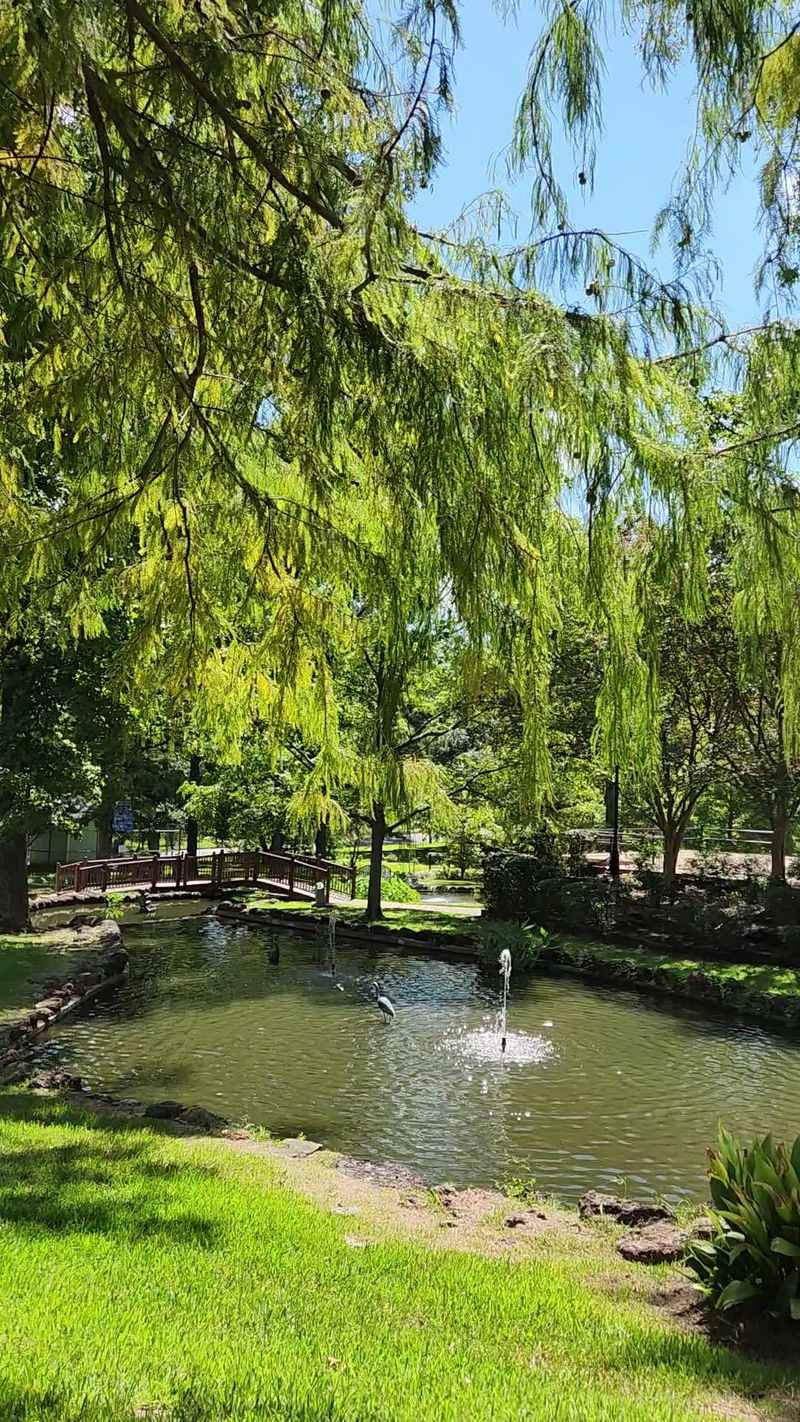
Roses do not get to have all the fun at this park.
A camellia collection and a daylily collection share the grounds, and both are standouts for photographers who come to capture more than one kind of bloom. They add welcome variety between the rose beds.
These companion plantings matter most when the roses take a breather. Late summer, for example, may find the rose bushes past their peak while other parts of the garden are in full bloom.
Wildlife joins the party too. Plenty of winged garden traffic flits and buzzes around the flowers, which gives nature lovers something extra to watch from a bench.
The landscape itself earns credit. Careful upkeep of the plants and grounds shows across every section, from the showy beds to the quieter edges.
A mix of plant types also helps the park feel less like a single-subject museum. There is a rhythm to walking from roses to camellias to lilies and back again.
For anyone arriving between rose flushes, these collections soften the letdown. They turn a so-so rose day into a respectable garden day, and on the right afternoon, into a very good one.
Shade, Sun and Easy Paths
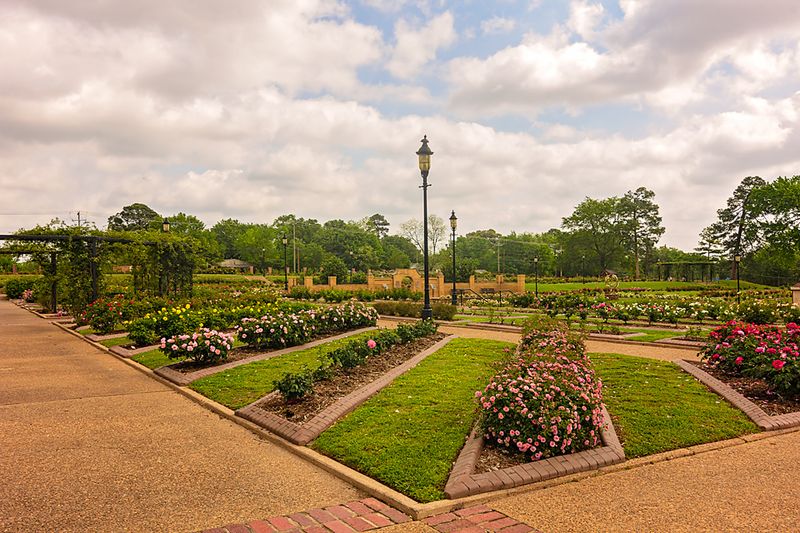
Good news for tired feet: the grounds are built for easy wandering.
Level paths run throughout the park, making it friendly for strollers and wheelchairs. The garden is easy to meander, browse, and explore at any pace.
Sun exposure is worth planning for. About half of the grounds sit in direct sunlight, while the other half offers shade, so the route you choose can make a real difference on a hot day.
Shaded paths stand out as a highlight, especially in the education area and around the central water features. On a scorching June afternoon, those spots can feel like the smartest real estate in Tyler.
A cooler day is the best bet for a long walk. Spring mornings and the fall bloom season both fit the bill nicely.
Hats, water bottles, and sunscreen are sensible companions any time of year. Texas weather has a habit of ignoring the calendar.
The accessible layout means multi-generation groups can explore together. Grandparents, toddlers, and everyone between can share the same route without anyone being left behind at the entrance.
Map out a shady loop first, then save the sunny beds for the gentler part of the day.
Gazebos, Proposals and Photo Days
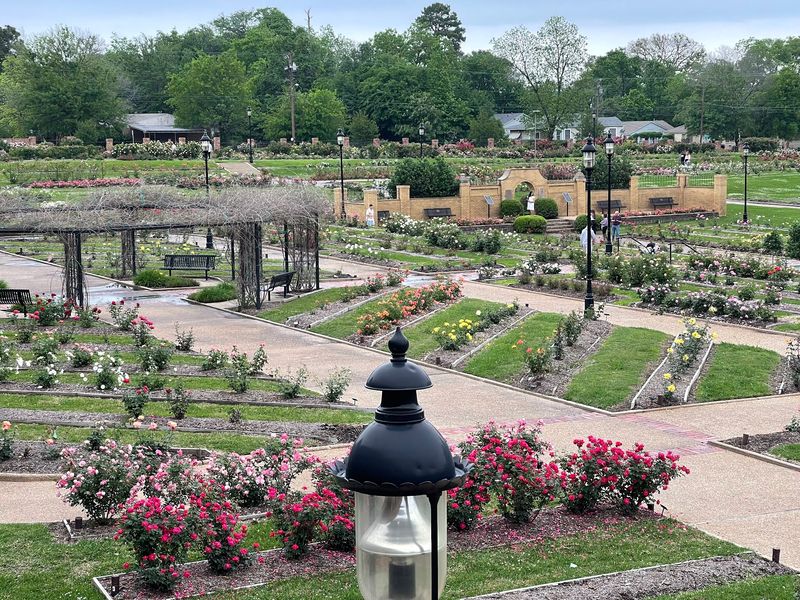
Some people come for the roses, and some come to make a memory that happens to include roses.
The gazebos scattered across the park host plenty of small celebrations. A Galentine’s picnic under one of them, even in February when the bushes are bare, can turn out to be a real treasure.
Romance runs strong here too. The serene setting has earned a reputation as a lovely place to pop the question, so do not be shocked to spot a nervous person clutching a small box.
Families use the grounds for special photographs. A quinceanera photo session near the Tyler sign, just before sundown, is the kind of scene that fits right in.
Photographers love the golden hour. Warm evening light across thousands of rose bushes makes backlit petals and fine details stand out in pictures.
An hour before sundown also tends to bring smaller crowds. That calmer window works for spontaneous stops and planned shoots alike.
The mix of fountains, gazebos, and long rows of blooms gives photographers many backdrops in one place. Bring an extra battery, because the camera roll fills up faster than expected.
A garden this photogenic practically writes its own invitations.
Name Tags Gone Missing
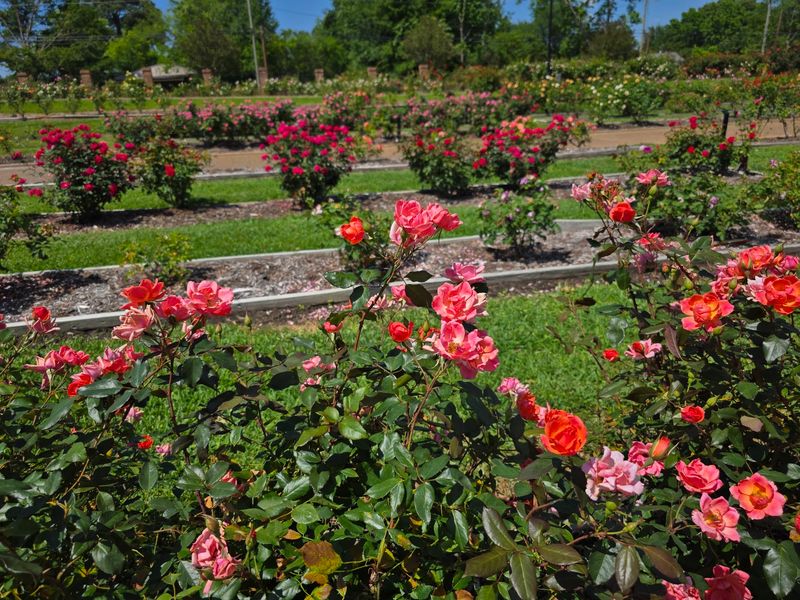
Every great garden has a small quirk, and this one involves missing name tags.
Many of the rose beds lack visible labels. The signs likely existed at one point, but a number of them seem to have disappeared over time.
For casual strollers, this barely matters. For home gardeners hoping to pick out varieties to plant back home, it can be a real frustration.
A handy workaround is to snap a photo of any rose you like. Plant identification apps or a local nursery can help put a name to it later.
Expectations matter in another way too. Some rose fans arrive hoping to see rare or boutique varieties and instead find many familiar types that home improvement stores also carry.
That does not make the display any less impressive in scale. It simply means the park leans more toward a grand public garden than a specialty collector’s catalog.
Arriving in a gap between bloom rounds can add to any letdown. Pairing the trip with the right season, and with realistic hopes, keeps the experience sweet.
Consider it a small puzzle rather than a flaw. The roses keep their names a secret, but they are still happy to pose.
The Museum Worth a Few Dollars
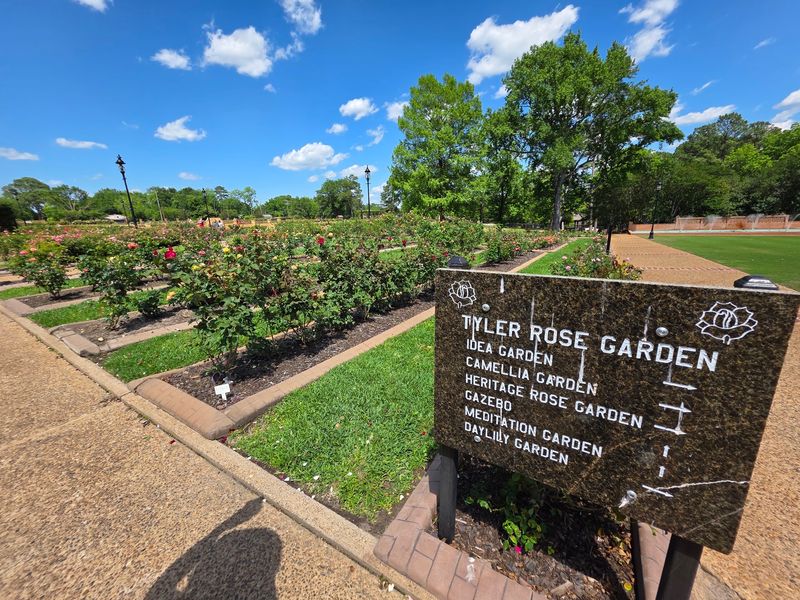
Plenty of Texans have known about these gardens for years without knowing the story behind them.
That is where the on-site museum comes in. It charges a minimal fee, separate from the free outdoor grounds.
People who go in with low expectations often walk out pleasantly surprised. The museum is small and quaint, yet it holds enough interesting material to explain why this city became so tied to roses.
Tyler proudly carries the nickname Rose Capital of America. The museum helps put that title into context for anyone curious about how a city earns such a reputation.
A visit inside works well as a break from the sun. It also adds a layer of meaning to the outdoor beds, making the rows of bushes feel like part of a bigger story.
Families with curious kids may find it a good way to connect the flowers to local history. Adults who love a good backstory will likely appreciate it too.
The stop does not take long, so it fits easily into a garden loop. Save it for the middle of the day, when the outdoor paths are at their hottest.
A few dollars and a half hour can turn pretty scenery into a place you actually understand.
Hours, Parking and the Free Ticket
Planning the trip is refreshingly simple.
The garden opens at 8 AM and closes at 5 PM Monday through Friday. Saturday hours run from 9 AM to 5 PM, and Sunday is the short day, from 1 PM to 5 PM.
Admission to the outdoor grounds is free. That fact comes up constantly, and many people still find it hard to believe for a garden of this size and quality.
The museum is the one exception, with a minimal fee for entry. Everything else, from the fountains to the gazebos to the rose beds, costs nothing.
Upkeep for fourteen acres of roses is not cheap, though. A donation on the way out helps keep the grounds in the shape everyone enjoys.
The location near the center of town makes it easy to reach. It also works well as a halfway stop on a longer drive, giving travelers a chance to stretch their legs.
Sunday afternoon visits leave the least wiggle room, so plan accordingly. Weekday mornings offer the longest window and often a calmer crowd.
Check the city website or the garden’s Facebook page before heading out. Bloom updates and any schedule changes tend to show up there first.
A Detour Worth Taking in Autumn
Not every roadside stop earns a spot in the memory bank, but this one has a way of sneaking in.
The Tyler Rose Garden offers fourteen acres, more than 38,000 bushes, fountains, gazebos, and quiet corners, all without an entry fee. It suits romantics, photographers, gardeners, families, and anyone who needs a peaceful hour in the middle of a long drive.
Spring gets most of the attention, and it deserves some. Yet the late fall and early winter bloom is the part that turns a nice garden into a genuine surprise.
A few honest caveats apply. Many roses lack name tags, bloom timing can be tricky, and summer heat can wear down even the most eager walker.
None of that outweighs the big picture. The grounds are carefully kept, the paths are easy for everyone, and the calm atmosphere is hard to find in a busy week.
Tyler itself adds to the appeal, with a clean, laid-back feel that works well for a weekend getaway. The garden is simply the easiest place to start.
So check the bloom updates, pick a cooler day, and leave room in the schedule for a slow loop. The roses have a second act planned, and it would be a shame to leave before the curtain call.
Enjoyed this story?
Add Fast Food Club as a preferred source to see more of our reporting on Google.