


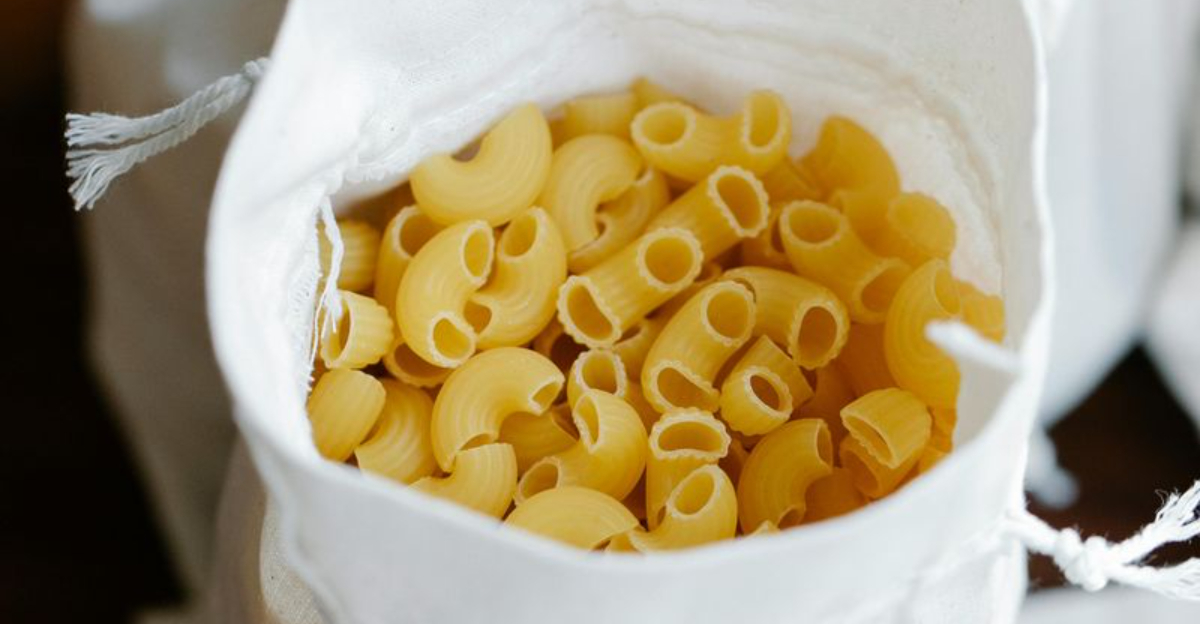
Think you know your everyday groceries? The truth is, small details behind staples like milk, pasta, and coffee can change flavor, nutrition, and how well recipes work.
With a few insider tips, you can stretch dollars, reduce waste, and cook with way more confidence. Let’s unpack what people often miss so your next cart works smarter.
Milk
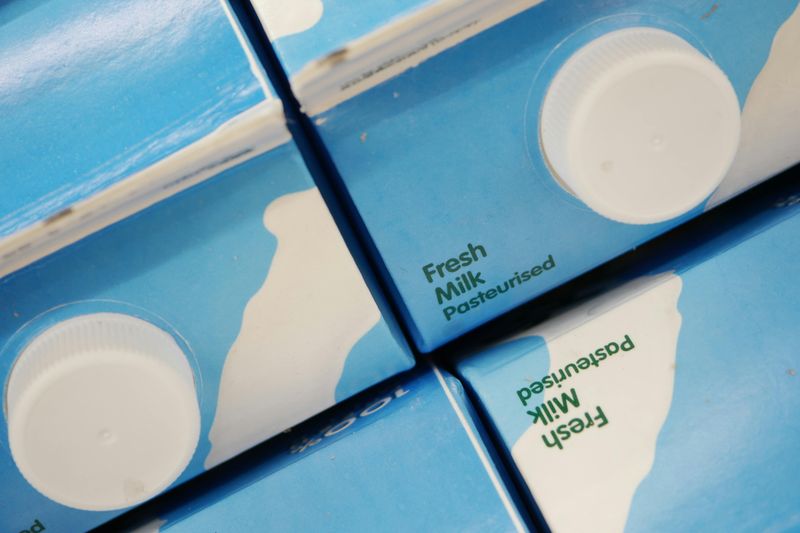
Milk labels can confuse, but the big difference is fat percentage, not calcium. Ultra pasteurized cartons last longer because they are heated hotter, which can taste slightly cooked.
Lactose free milk is regular milk with the lactose broken into simpler sugars, so it tastes sweeter even without added sugar.
Keep milk cold in the back of the fridge, not the door where temps swing. Close the cap tightly to prevent off flavors from absorbing.
If expiration looms, you can freeze small portions for cooking, or turn extra into yogurt, ricotta, or a quick béchamel for weeknight pasta.
Eggs
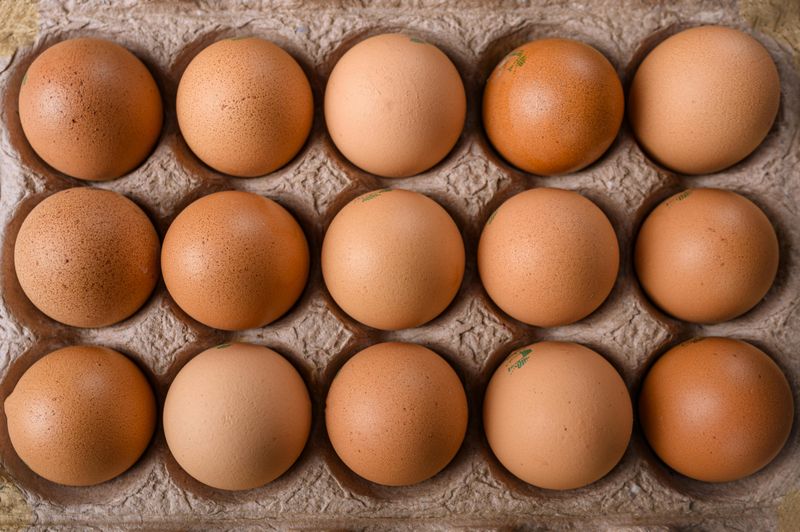
Egg color does not affect taste; breed determines shell shade. The cloudy white you sometimes see means the egg is very fresh, thanks to more dissolved carbon dioxide.
Dates on cartons vary, but the float test in water is a handy freshness check you can do at home.
Store eggs pointy end down to keep the yolk centered and the air cell stable. Skip the door rack so temperature stays consistent.
If you hard boil a week old batch, peeling is easier, and leftover shells can surprisingly neutralize coffee grounds acidity when tossed into your compost.
Butter
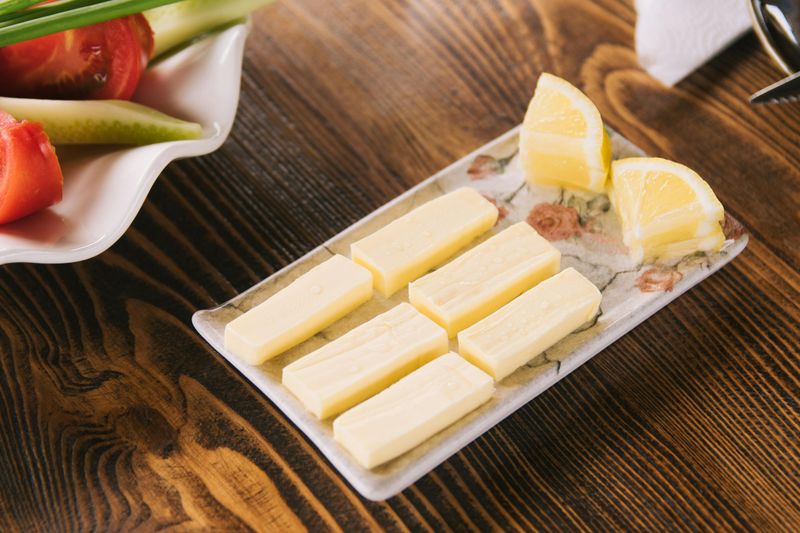
Butter’s flavor blooms because butterfat carries aromatic compounds that release faster at room temperature. Many sticks hide more water than you think, which can sputter when sautéing.
European style butter has higher fat, so pastries get flakier and sauces feel silkier without extra effort from you.
Keep butter wrapped to block fridge odors that it gladly absorbs. For baking, cut cold butter into flour to trap steam and lift dough.
Clarifying removes milk solids, boosting high heat tolerance for searing. If you forget to soften, grate a stick and it warms evenly in minutes flat.
Cheese
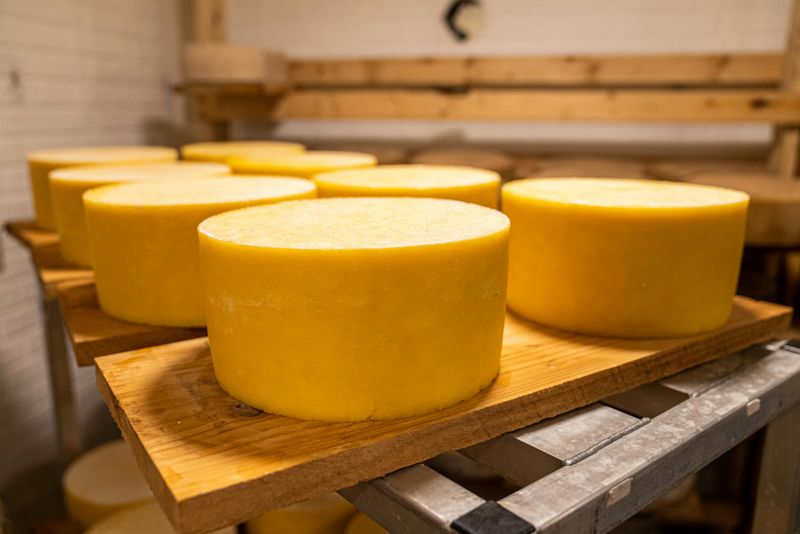
Cheese is alive, with microbes shaping flavor, texture, and aroma as it ages. Pre shredded bags often include anti caking starches that can slow melting into stubborn clumps.
Hard cheese rinds are usually edible, and they turn broths or tomato sauce deeply savory when simmered then removed.
Wrap wedges in breathable paper, not airtight plastic, so they do not suffocate. Let cheese warm slightly before serving for maximum aroma.
If mold appears on a hard block, trim generously and keep going. For softer styles, freeze leftovers grated, then sprinkle into eggs, gratins, or weeknight quesadillas.
Ground Beef
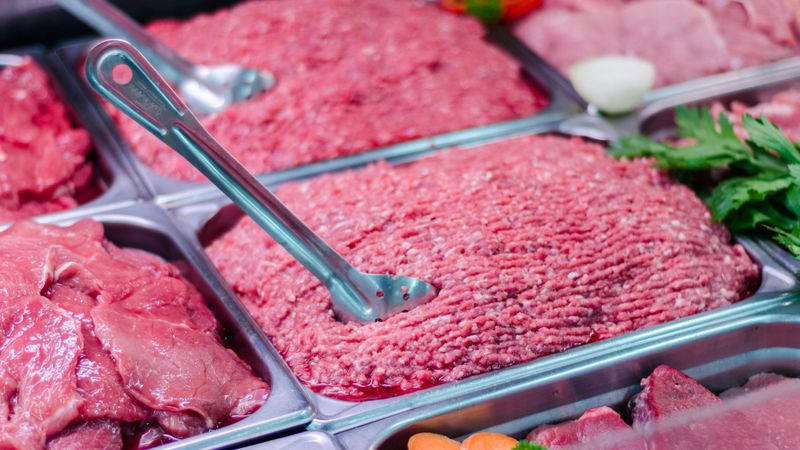
Ground beef varies wildly because fat ratio controls juiciness, browning, and flavor. Higher fat means better crust and moisture, but more shrinkage in the pan.
Pre formed patties can be compacted, which tightens texture, so a light touch when forming by hand keeps burgers tender.
Salt right before cooking to avoid drawing out excess moisture early. For chili or tacos, brown in batches so the meat actually sears.
If you see a gray interior after cooking, that can be normal from myoglobin changes. Chill ground beef quickly after purchase and use or freeze within days.
Chicken

Chicken’s label claims like natural or hormone free can mislead; federal law already bans added hormones. The safest flavor boost is dry brining with salt in advance, which seasons deeply.
Dark meat stays juicier because it has more myoglobin and connective tissue that melts into tenderness when cooked well.
Pat chicken dry before searing so the skin crisps. Cook to 165 degrees in the thickest part, then rest to redistribute juices.
Avoid washing raw chicken, since splashes spread bacteria. Save bones for stock, and roast backs and wings first to add browning, then simmer gently for clarity.
Rice
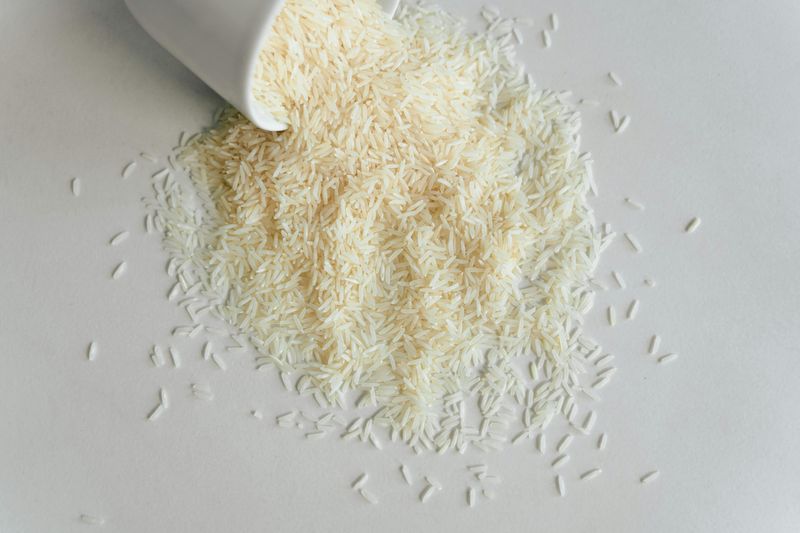
Rice is not one thing; varieties cook differently because starch structure changes texture and aroma. Rinsing removes surface starch so grains stay separate, especially with long grain types.
For risotto or sushi, do not rinse, since that extra surface starch binds broths or vinegar and builds desirable cling.
Use the right ratio and keep the lid closed to trap steam. After cooking, rest and fluff so excess moisture redistributes evenly.
Chill leftovers fast and reheat with a splash of water under a lid. Day old rice fries better because it is drier, delivering distinct kernels and quick browning.
Cereal
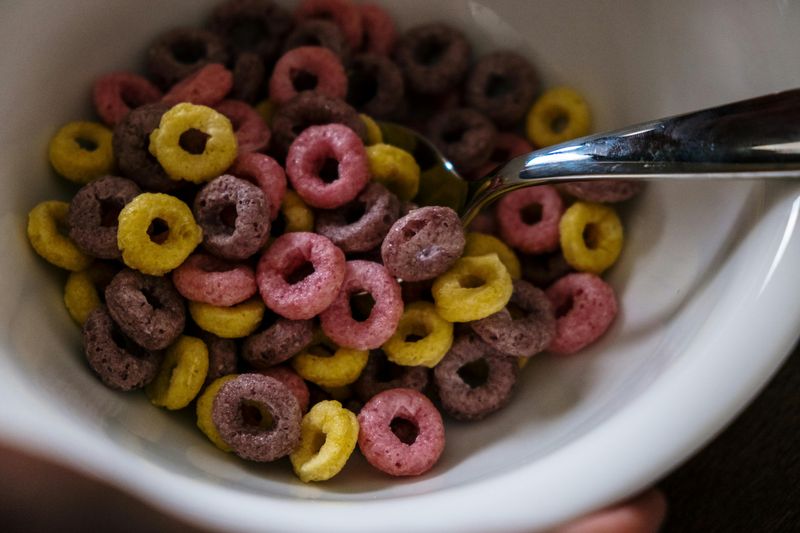
Cereal often seems light, but many flakes are sprayed with sweeteners and vitamins after baking. The loud crunch you hear in milk is partly trapped air collapsing, which is strangely satisfying.
Whole grain options deliver more fiber and slower burning energy, keeping you full longer without much extra effort.
Store cereal in an airtight bin to block humidity that turns crisp into chewy. Mix plain and sweet cereals to control sugar while keeping fun textures.
If a box goes stale, toast it on a sheet pan briefly. Crushed cereal also makes speedy breading for chicken tenders or crispy tofu.
Sugar
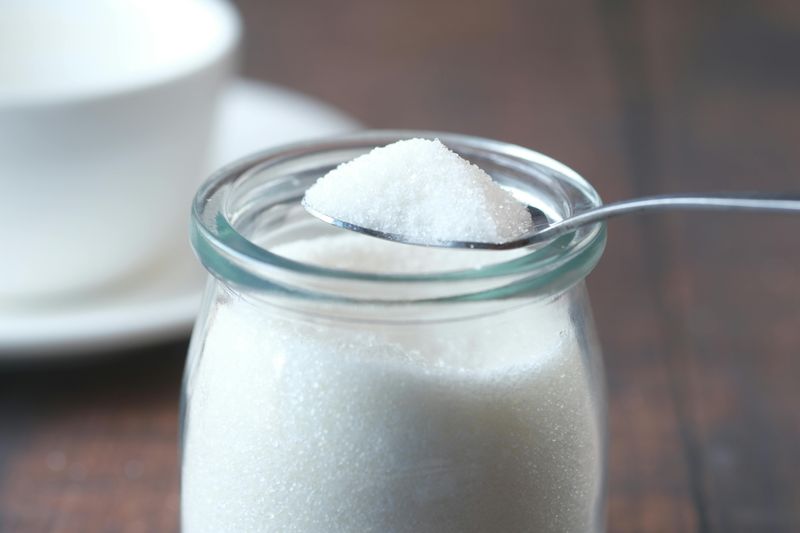
Sugar is not just sweet; it affects browning, tenderness, and moisture retention in baking. Granulated, caster, and superfine are similar, with particle size changing how quickly they dissolve.
Brown sugar is white sugar with molasses, bringing acidity and flavor that activate baking soda and deepen caramel notes.
Store sugar airtight to stop clumps. If brown sugar hardens, a slice of bread or a damp paper towel in the container softens it overnight.
In sauces, a pinch balances acidity without tasting dessert sweet. For coffee or tea, try less sugar than usual and let your palate adjust gradually.
White Bread
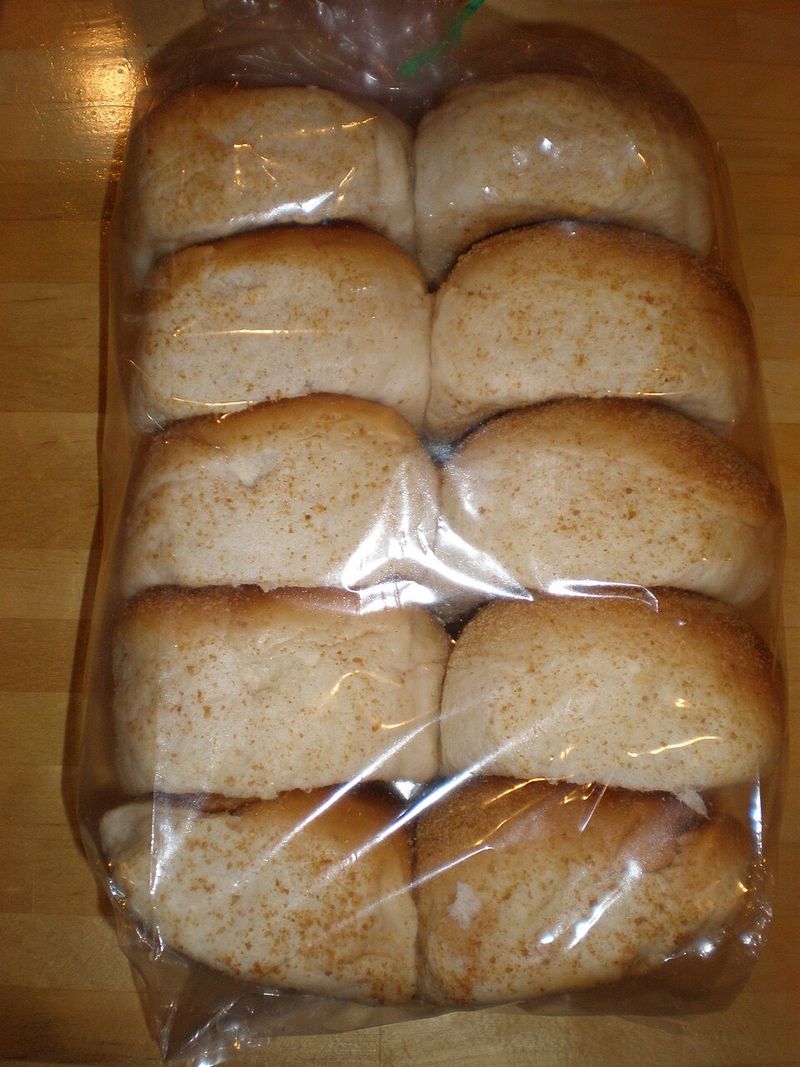
Most white bread is enriched, which means vitamins get added back after milling strips them away. The softness you love often comes from conditioners like DATEM or enzymes that keep slices springy for days.
You might also notice sugar or corn syrup, which helps browning and boosts that toasty aroma.
For longer freshness, squeeze out air and store the loaf at room temperature, not in the fridge. Freezing slices works great if you separate them first.
If it goes stale, revive it by toasting or making croutons, bread pudding, or panzanella, turning yesterday’s loaf into today’s easy win.
Flour
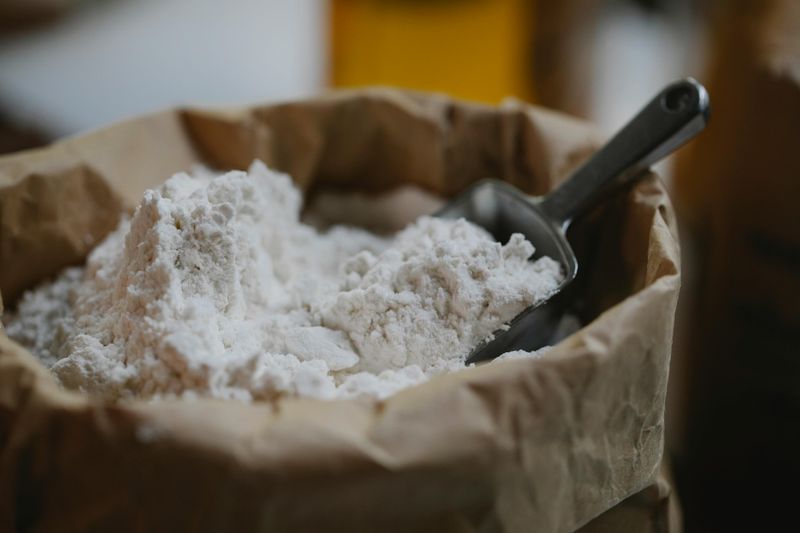
All purpose flour is a blend that balances protein for cookies, breads, and cakes. Measuring by weight prevents dense results, since scooping packs more flour than you think.
Resting dough hydrates starch and lets gluten relax, so rolled sheets stop shrinking back like stubborn rubber bands.
Store flour cool and sealed to deter pests and rancidity. Whole wheat spoils faster because its oils remain, so freeze it for long storage.
If you overmix batter, tenderness drops, but folding gently rescues many bakes. For sauces, toast flour briefly to remove raw taste before whisking in stock or milk.
Potatoes
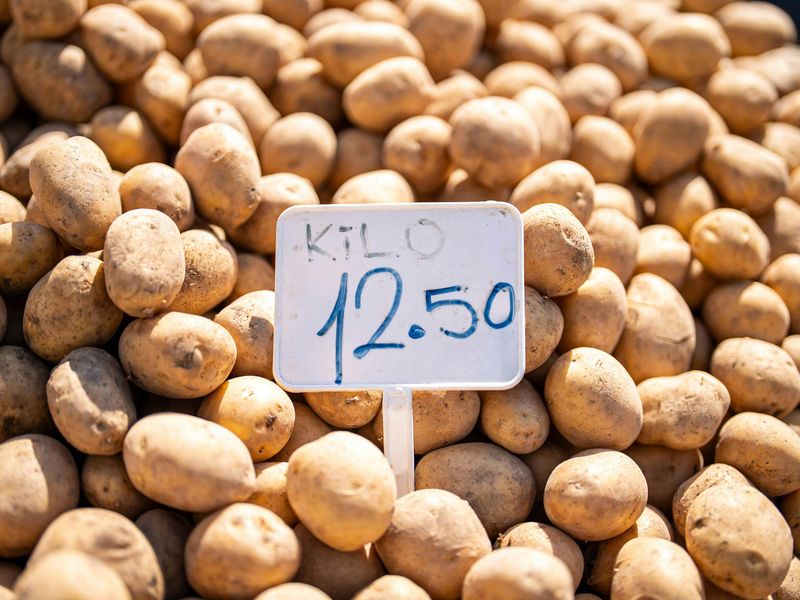
Potato varieties behave differently, which is why russets mash fluffy while waxy potatoes hold their shape in salad. Green tinges signal solanine, so trim generously.
Starch converts to sugar in the fridge, leading to darker fries, so store at cool room temperature in a breathable bag away from onions.
Start potatoes in cold water for even cooking. Salt the water well to season all the way through.
For crisp roasted cubes, parboil, rough the edges, then roast hot on preheated metal. Leftover mashed potatoes reinvent themselves as pancakes, gnocchi, or croquette centers that turn scraps into dinner.
Onions
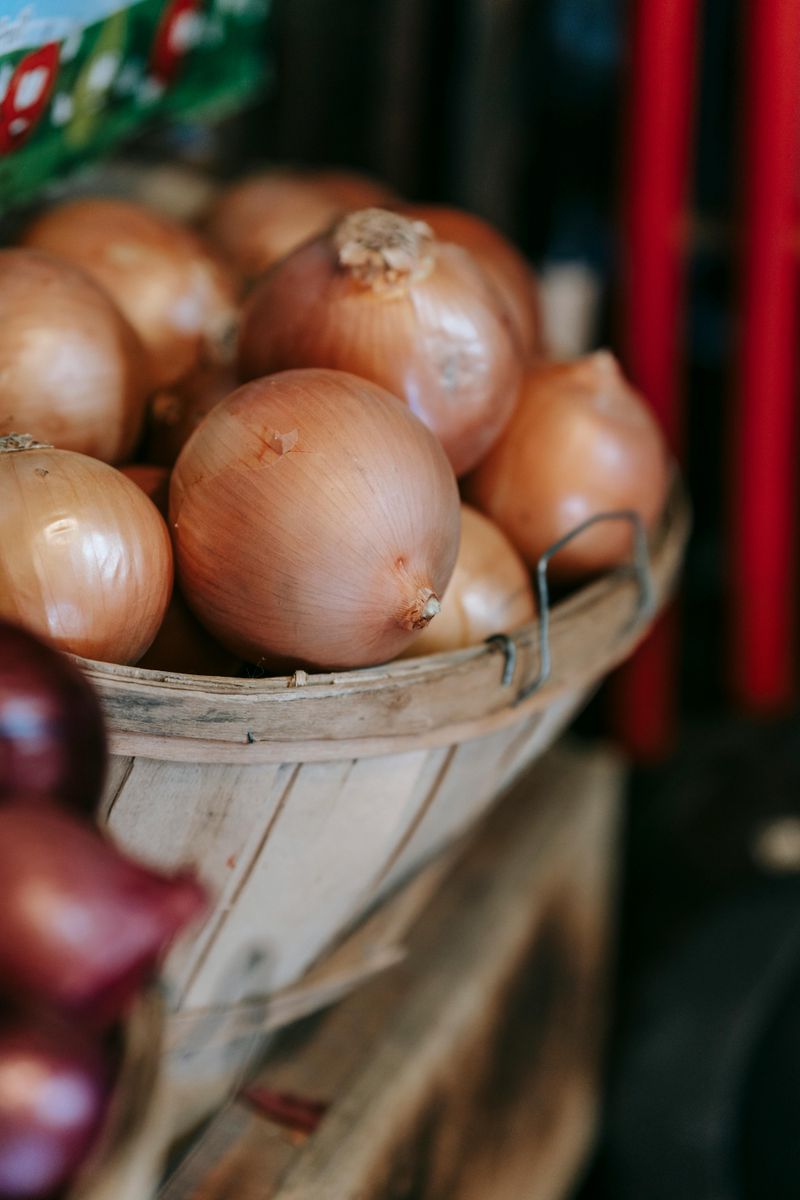
Onions transform with time and heat, turning sharp sulfur into sweetness through slow reactions. Different types matter: yellow for cooking, red for raw crunch, sweet for mild caramelization.
A chilling rest in the fridge before slicing reduces tears by slowing the enzyme action that creates those eye stinging vapors.
Salt onions early to draw moisture and speed browning. Cut root end last to limit enzyme release.
For quick pickles, toss thin slices with vinegar, sugar, and salt, then rest briefly. Save skins and ends for stock, which adds golden color and savory depth you would otherwise throw away.
Frozen Vegetables
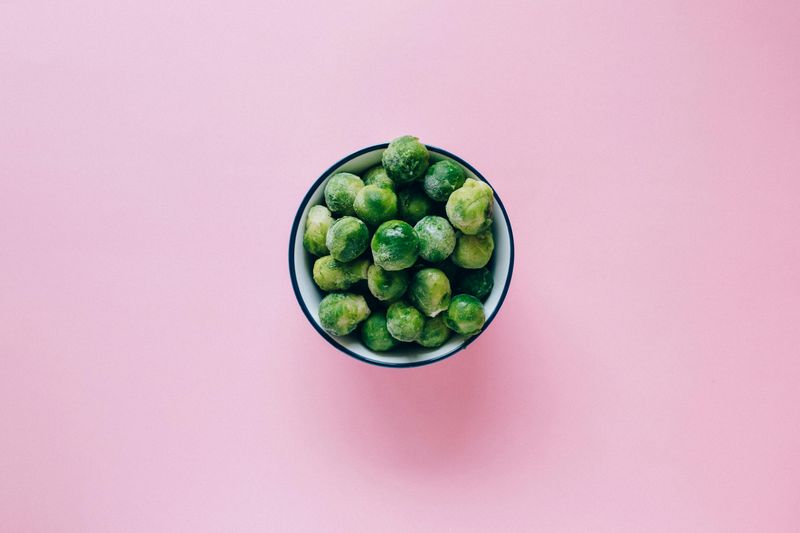
Frozen vegetables are picked at peak and quickly blanched, so nutrition can rival fresh. The key is cooking method; microwaving or roasting keeps textures better than boiling.
Do not thaw before sauteing or roasting, otherwise they steam and turn soggy instead of caramelizing into sweet, browned goodness.
Spread vegetables on a hot sheet pan for concentrated flavor. Toss with oil, spices, and salt while still frozen to coat evenly.
For quick soups, blend frozen peas with hot stock, herbs, and a swirl of yogurt. Keep a backup bag for nights when produce drawers look sad and empty.
Yogurt
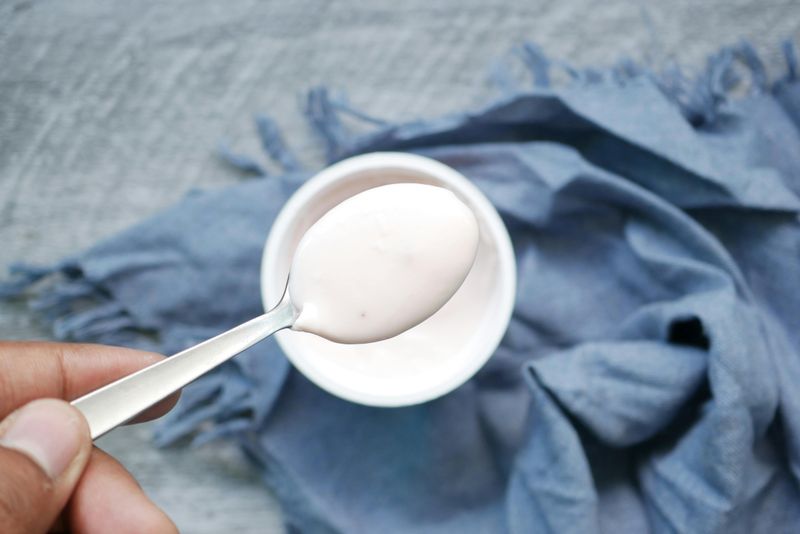
Yogurt’s tang comes from live cultures that ferment milk sugars into lactic acid. Greek style yogurt is simply strained, concentrating protein and thickening texture without stabilizers.
Many flavored cups hide more sugar than dessert, so mixing plain yogurt with fruit and honey gives control and keeps things balanced.
Check labels for active cultures if gut health is a goal. For savory uses, whisk yogurt with lemon and salt for a quick sauce.
Temper before adding to hot soups to prevent curdling. Strained yogurt transforms into labneh, a spreadable cheese that pairs beautifully with olive oil and herbs.
Orange Juice

Not all orange juice is just squeezed fruit; many shelf stable cartons use flavor packs to standardize taste. Pulp content does not equal freshness, and calcium added versions can taste slightly chalky.
Fresh squeezed oxidizes quickly, so brightness fades fast unless the juice is chilled immediately after pressing.
Gently agitate the container before pouring to re suspend pulp. For less sugar, cut juice with sparkling water and add a pinch of salt to pop flavor.
Zest the peel before juicing for aromatic oils. Freeze extra in cubes for sauces, marinades, or cocktails that need sunshine on demand.
Canned Soup
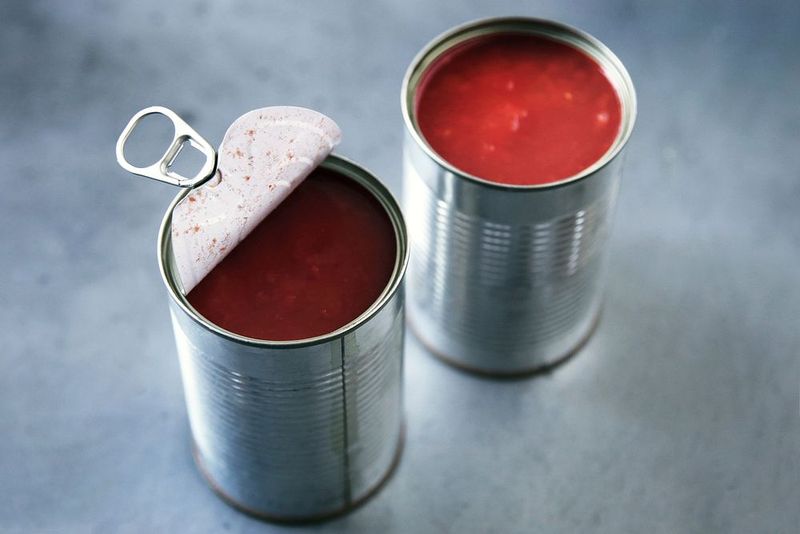
Canned soup is pressure cooked in the can, which is why vegetables feel softer than homemade. Sodium can be high, but diluting with unsalted stock or water balances seasoning fast.
Many labels hide added sugar and starches that thicken body, so reading ingredients helps you pick cleaner choices.
Brighten bowls with acid, herbs, or a knob of butter for richness. Add frozen vegetables or beans to stretch servings.
For quick casseroles, combine soup with cooked grains and leftover meat, then bake. Keep a couple cans on hand for emergencies, power outages, or zero energy evenings.
Peanut Butter
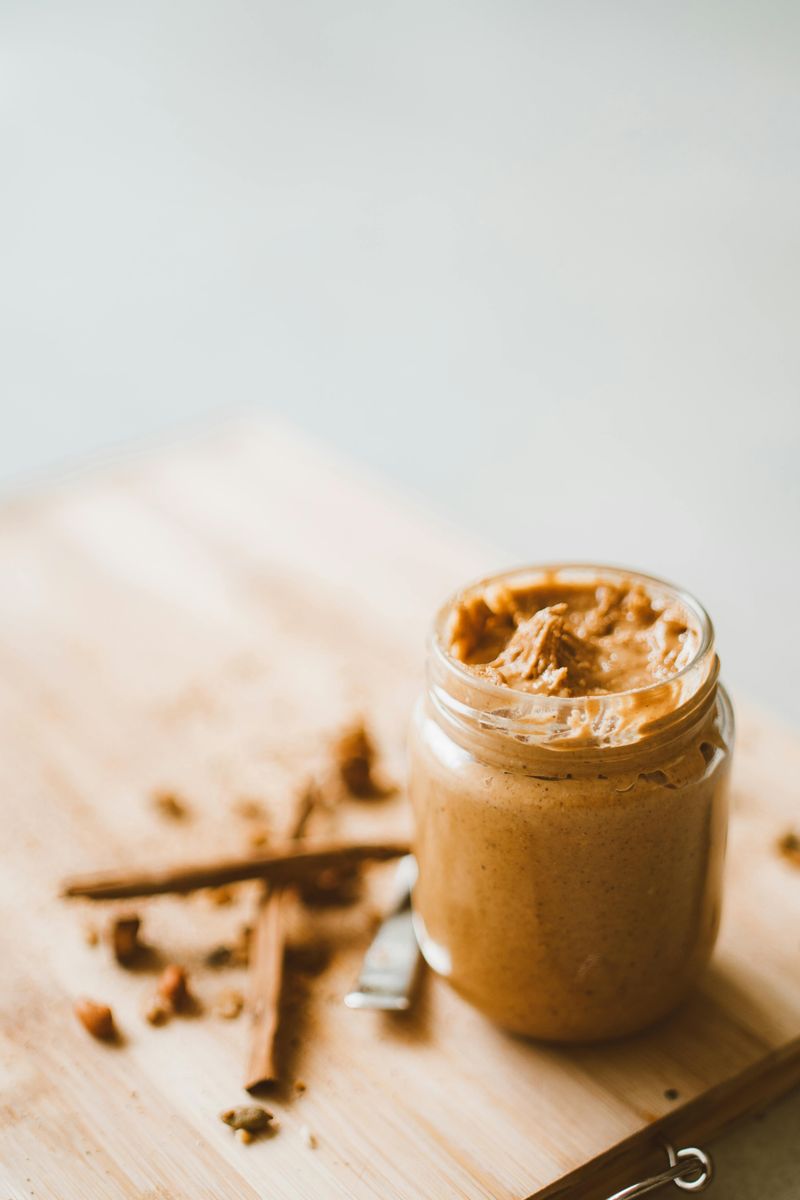
Peanut butter separates because natural oils rise, not because anything is wrong. Stirring from the bottom up helps, or store the jar upside down to distribute oils gradually.
Hydrogenated versions resist separation but trade texture for added stabilizers, while powdered peanut butter lowers fat at the cost of richness.
Spread on toast is classic, but savory uses shine too. Whisk with soy sauce, lime, and chili for a quick noodle sauce.
For cookies, chill dough to prevent excessive spread. If allergies are a concern, sunflower seed butter can substitute, though it may turn green when baked from chlorophyll reactions.
Coffee
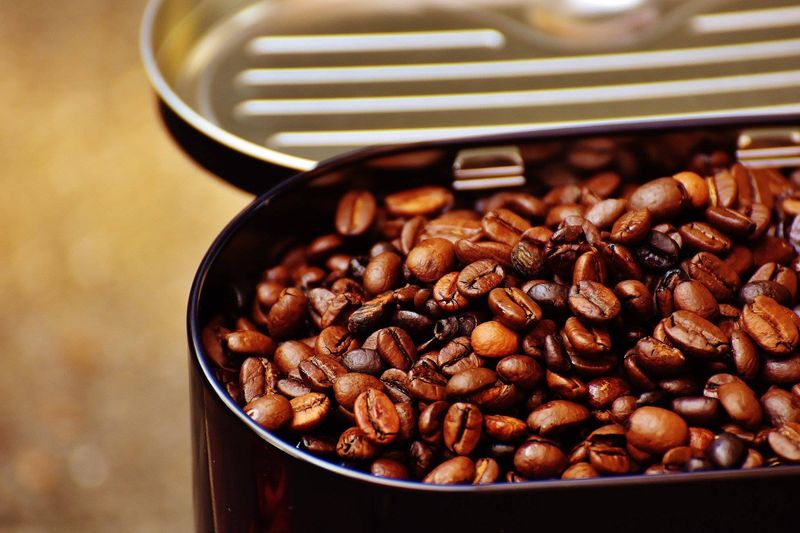
Coffee beans are seeds, and freshness depends more on roast date than an airtight seal alone. Grinding right before brewing preserves aromatics that disappear quickly.
Darker roasts taste bolder but can mask origin nuances, while lighter roasts showcase acidity, florals, and fruit that shine with pour over methods.
Use a scale and consistent ratios for repeatable cups. Water quality matters, so filter it if your tap tastes off.
Let brewed coffee cool slightly to taste sweetness better. For iced coffee, brew stronger or use flash brew over ice to lock aromas, preventing the flatness you might expect.
Pasta
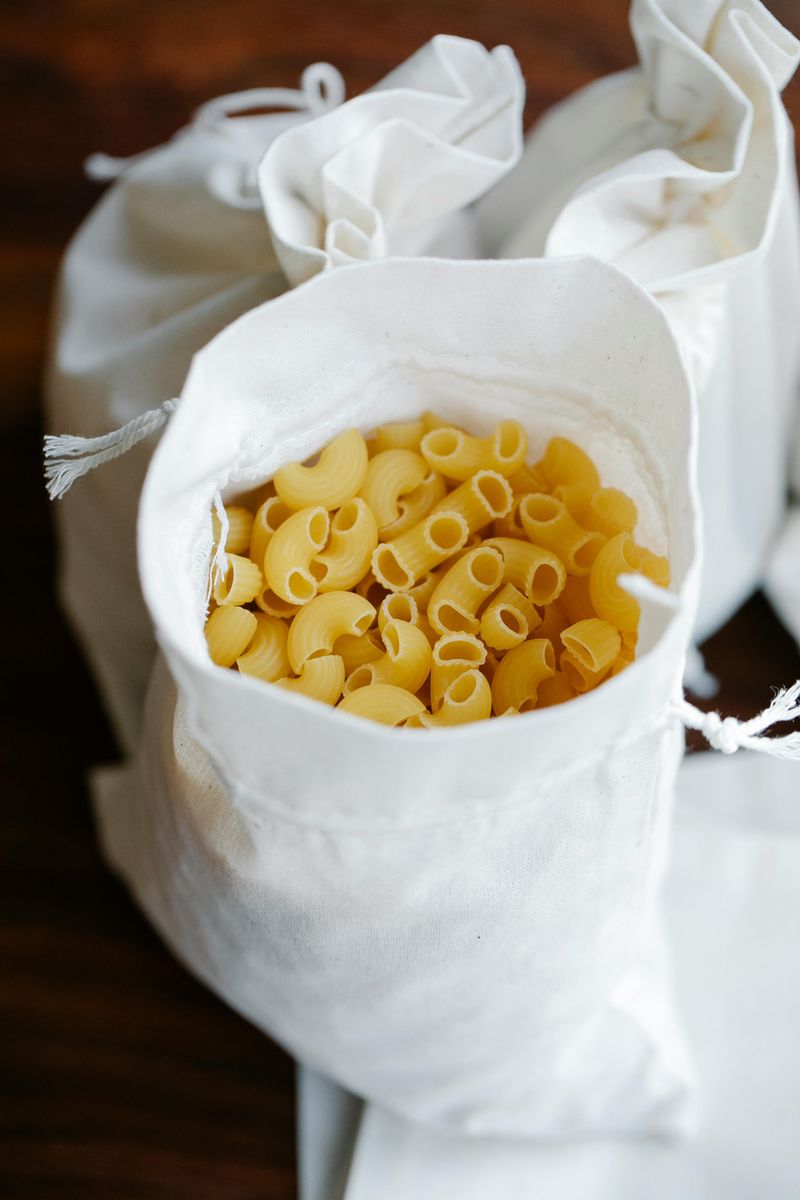
Dried pasta and fresh pasta are not interchangeable because protein and moisture change bite and sauce pickup. Salting the water heavily seasons pasta from the inside, so sauces pop without oversalting later.
Finishing noodles in the sauce with reserved cooking water emulsifies everything into a glossy, clingy coating.
Cook shapes in vigorously boiling water so they move freely and do not stick. Taste early, since al dente is a range, not a moment.
For weeknights, pan toasting dry pasta before adding liquid adds nuttiness. Leftovers reheat best in a skillet with a splash of water, not the microwave.
Enjoyed this story?
Add Fast Food Club as a preferred source to see more of our reporting on Google.