


You probably eat these foods all the time without thinking twice, but some surprising truths are hiding in plain sight. Small details like how they are processed, combined, or stored can change how your body feels afterward.
Once you know what to look for, you can make smarter swaps without giving up the flavors you love. Get ready to rethink your kitchen staples in the most practical way possible.
White Bread
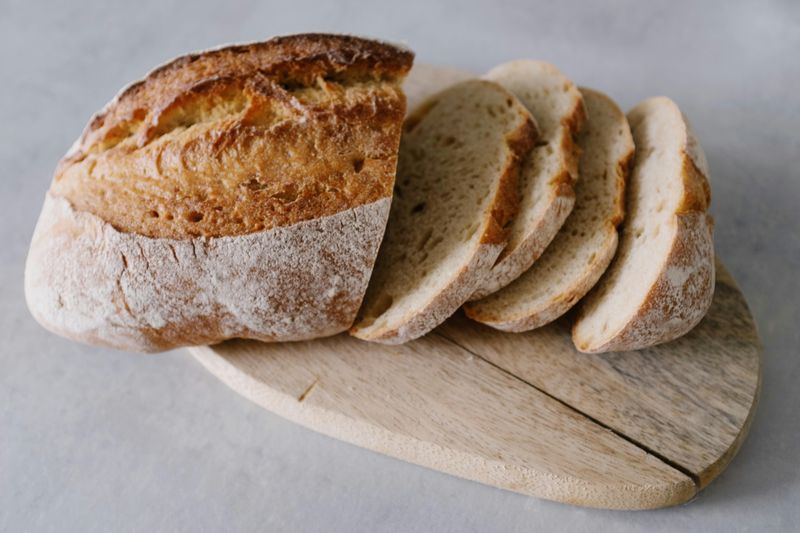
Many people think white bread is harmless, but its refined flour digests quickly and spikes blood sugar. That quick hit can leave you hungry sooner, nudging you to overeat without realizing why.
Fortification adds vitamins, yet it does not restore fiber and phytonutrients lost during processing.
If you love sandwiches, you can balance things by adding protein, healthy fats, and crunchy vegetables. Toasting changes texture, not nutrition, so do not count on it for benefits.
Consider mixing in whole grain slices during the week to keep energy steadier. Small swaps add up, especially when breakfast sets your cravings for the day.
Milk
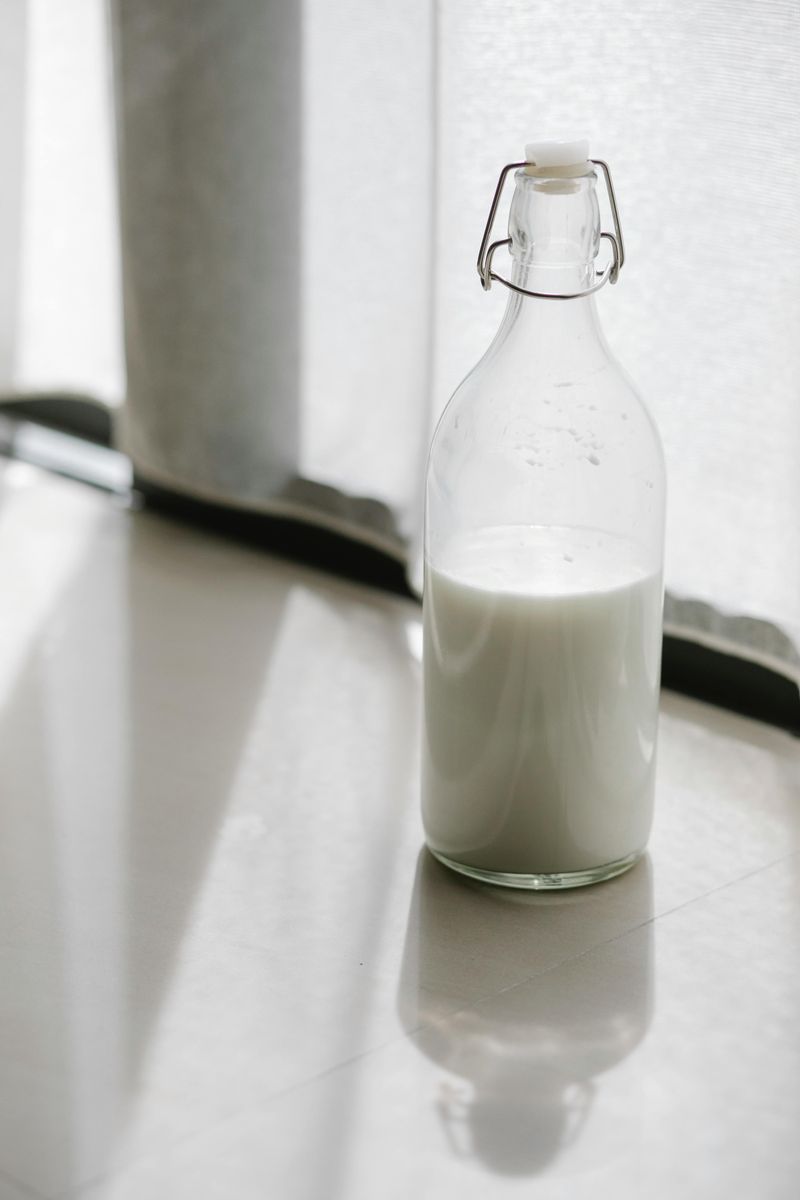
You often hear that milk is a perfect food, yet its benefits depend on timing, fat level, and tolerance. Lactose can upset digestion if your enzymes are low, making you feel bloated or sluggish.
Calcium is there, but absorption improves alongside vitamin D and weight bearing movement.
Ultrafiltration and ultra high temperature processing change taste and shelf life in ways you might notice. Skim milk can spike hunger for some people, while whole milk may feel more satisfying.
Try testing different fat levels and pairing with protein rich meals. Your best choice is the one your body digests comfortably and consistently.
Eggs
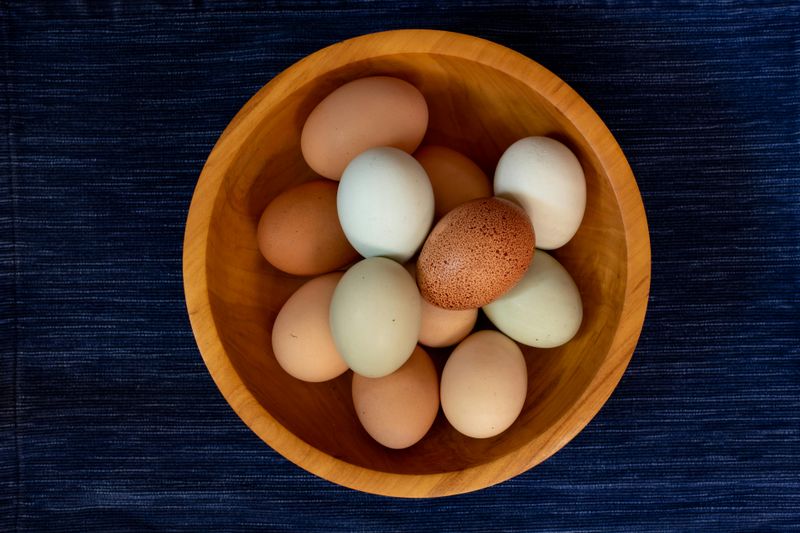
Eggs carry high quality protein, yet many forget that cooking method changes satiety and texture. A runny yolk preserves delicate nutrients, while longer cooking makes protein firmer and sometimes tougher to digest.
Cholesterol in eggs affects blood markers less than saturated fat and refined carbs overall.
Storage matters because eggs slowly lose moisture and quality in the fridge. If you struggle to peel hard boiled eggs, use slightly older ones and cool quickly.
Pair eggs with vegetables and fiber so you stay full longer. Smart seasoning and a little acid can brighten flavor without adding much sodium.
Cheese

Cheese varies wildly in moisture, salt, and protein, which changes how much you need to feel satisfied. A sharp aged cheese offers bigger flavor per bite, so smaller portions can still hit the spot.
Hard cheeses often have less lactose, which may sit easier if milk bothers you.
Melting behavior depends on moisture and acidity, so not every cheese stretches beautifully on heat. Salt can creep up quickly across slices, so balance with fresh produce.
Grate your own to skip anti caking additives and get better melt. A little thoughtful pairing turns cheese into a mindful treat, not a mindless habit.
Pasta
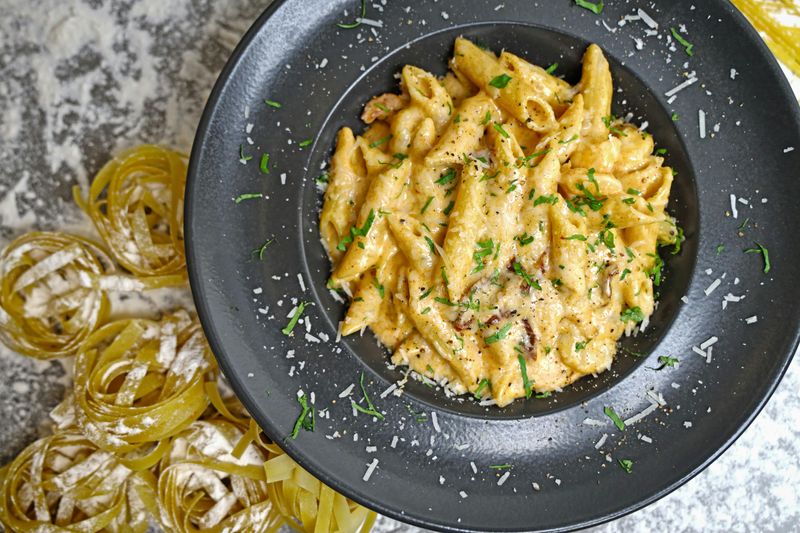
Pasta surprises many people because its texture affects how full you feel later. Al dente pasta digests a bit slower, which can help steady energy for some.
Finishing noodles in sauce with starchy pasta water creates a silky emulsion that clings beautifully without extra butter.
Portions grow quickly if you eyeball dry pasta, so weigh it once to learn your baseline. Pairing with protein and vegetables turns a bowl into a balanced meal.
Save salty cheese for finishing, not heavy stirring. When leftovers firm up, reheat with a splash of water to revive that glossy, satisfying bite.
Ground Beef
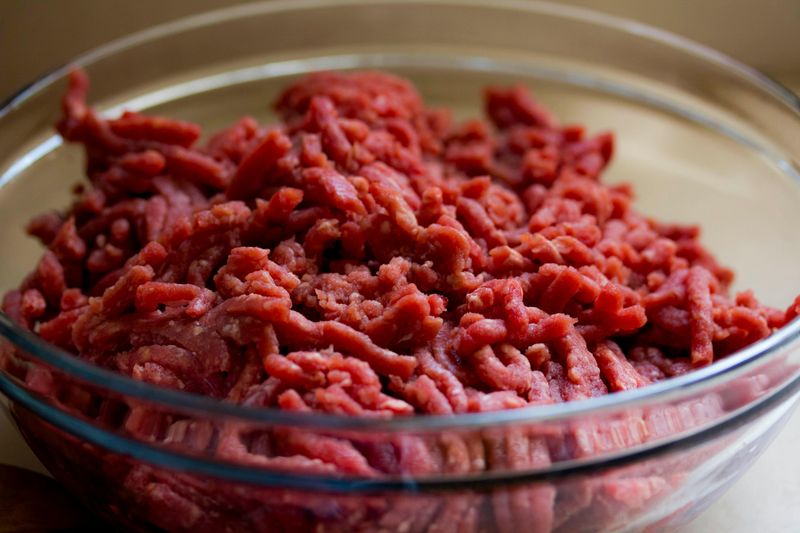
Ground beef is about balance between fat content, cooking method, and what you pair it with. Lean blends can dry out, while higher fat improves juiciness yet adds calories quickly.
Browning deeply develops flavor, but you can drain rendered fat to adjust richness without losing tenderness.
Not all pinkness means undercooked, because myoglobin and smoke interact with color differently. Use a thermometer for safety, especially with burgers.
Add chopped mushrooms or lentils to boost moisture, stretch portions, and sneak in fiber. Season generously with salt on the surface, then finish with acidity to cut heaviness and keep cravings satisfied longer.
Chicken Breast

Chicken breast seems lean and simple, yet dryness happens fast because there is little fat to cushion heat. Brining or salting ahead helps retain moisture, especially if you cook just to temperature.
Carryover heat keeps cooking after you remove it, so rest the meat before slicing.
Pounding to even thickness ensures consistent doneness, minimizing tough edges. Marinades add flavor, but oil and acid ratios matter for tenderness.
For meal prep, chill quickly to keep texture pleasant and safe. Pair with a sauce or juicy vegetables so the lean protein feels indulgent and keeps you full longer.
Rice
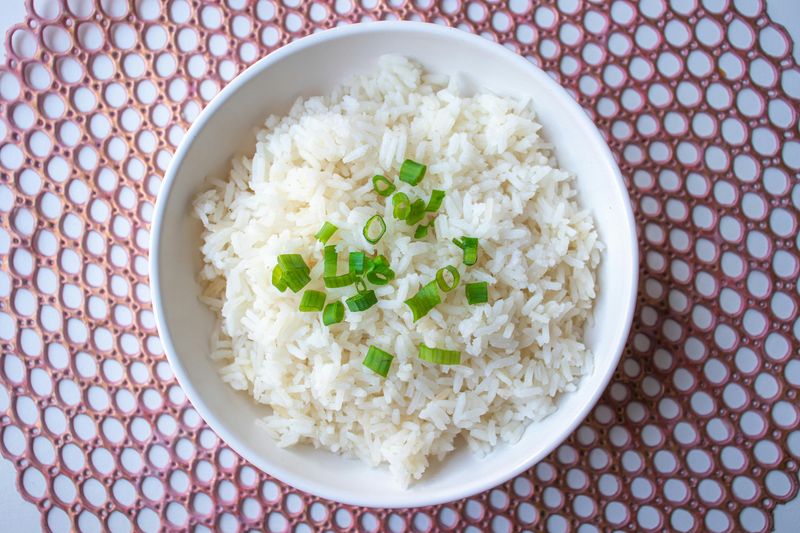
Rice is not one thing, it is dozens of textures and starch profiles that change meals dramatically. Short grain turns sticky, great for bowls, while long grain stays fluffy and distinct.
Rinsing removes surface starch, altering stickiness and preventing gummy clumps in many recipes.
Cooling and reheating rice can slightly increase resistant starch, which may feel gentler for you. Texture depends on water ratio, resting covered, and fluffing with a fork.
Add fat or acid to adjust mouthfeel and flavor without heavy sauces. Store cooled rice promptly for safety, then reheat thoroughly so leftovers are tasty and reliable.
Breakfast Cereal
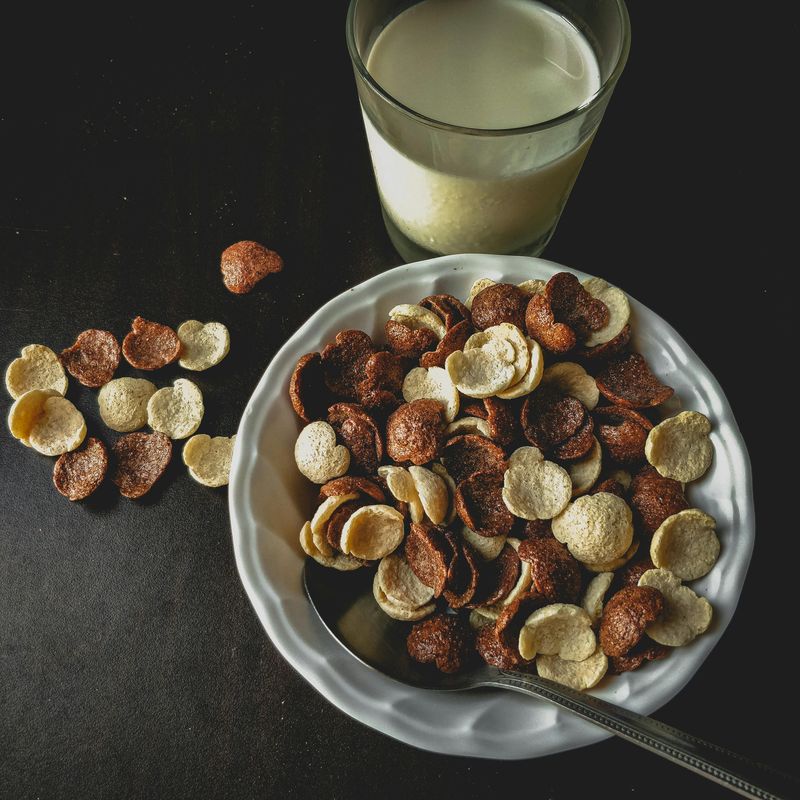
Breakfast cereal often looks healthy with whole grains on the box, yet sugar and processing vary wildly. Extrusion changes texture and speed of digestion, which can swing hunger mid morning.
Fiber claims can hide tiny serving sizes that few people actually follow at the table.
If you love cereal, you can still win the morning with smart pairings. Add Greek yogurt, nuts, or berries to slow digestion and boost staying power.
Measure once to learn what a real serving looks like for you. Keep sweeter cereals as toppings over plainer ones so flavor pops without a sugar avalanche.
Coffee

Coffee is more than caffeine, it is acids, oils, and roast chemistry that shape how you feel. Lighter roasts often carry brighter flavors with slightly more caffeine per scoop by volume.
Grind size and water temperature steer extraction, swinging from sour to bitter if you miss the window.
Milk, sugar, and syrups can quietly turn coffee into dessert without you noticing. If jitters hit, try smaller doses or a half caf blend.
Hydration still matters, so drink water alongside your mug. Brew consistency beats gadget obsession, meaning repeatable ratios and timing help you enjoy every cup.
Sugar
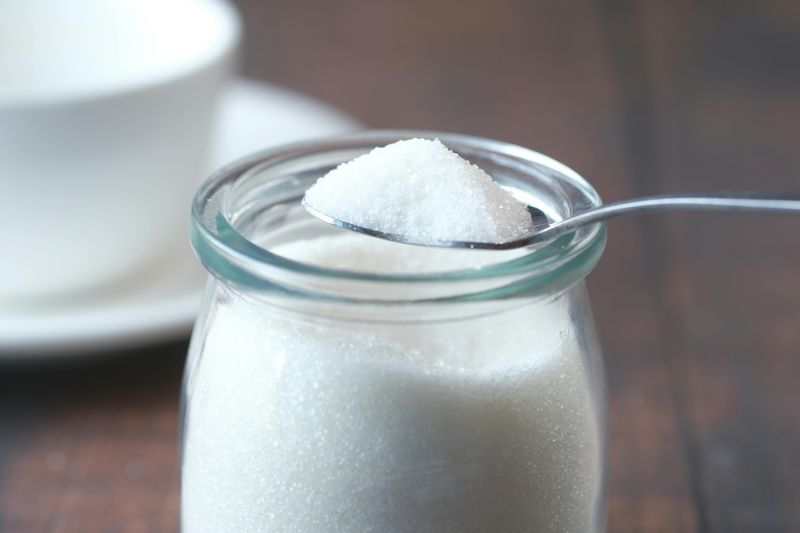
Sugar does more than sweeten, it fuels browning, tenderizes baked goods, and preserves jams reliably. Your palate adapts to sweetness over time, so gradually reducing sugar can feel surprisingly easy.
Different sugars behave differently, with molasses rich varieties adding minerals and deeper flavors to recipes.
Liquid sugars like syrups dissolve faster, which changes texture and moisture in cakes and sauces. Hidden sugar shows up in savory foods like dressings and bread.
Reading labels helps you choose when sweetness truly matters. When cravings strike, pair a treat with protein or fiber so the rush softens and your energy stays steadier afterward.
Flour
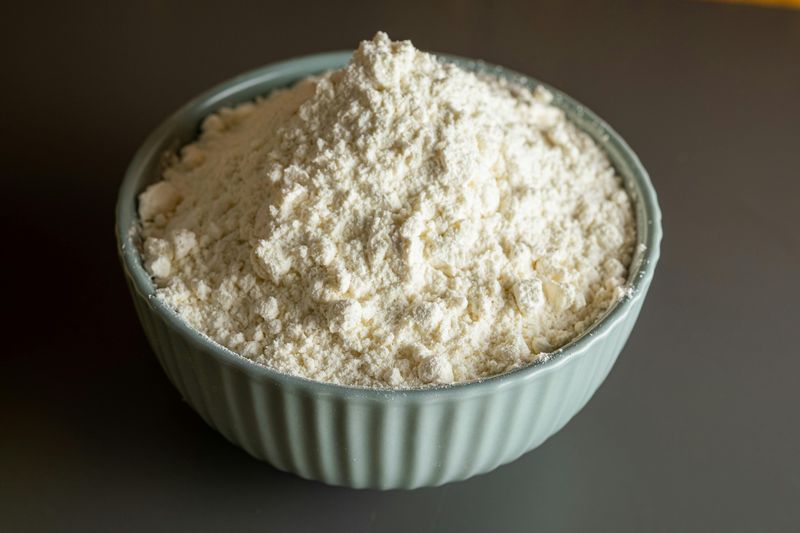
Flour is not just white powder, it is protein potential waiting for water, time, and kneading. Strong flours build gluten structure for chewy bread, while softer flours keep cakes tender.
Resting dough lets enzymes work, improving extensibility and flavor without extra ingredients.
Whole wheat absorbs more water and benefits from autolyse, otherwise bakes can feel dense and dry. Sifting changes volume, so weigh flour for reliable results.
Toasting a portion adds nutty aroma without much effort. If you struggle with texture, adjust hydration in tiny steps and track results, because even small shifts can transform your crumb.
Potatoes
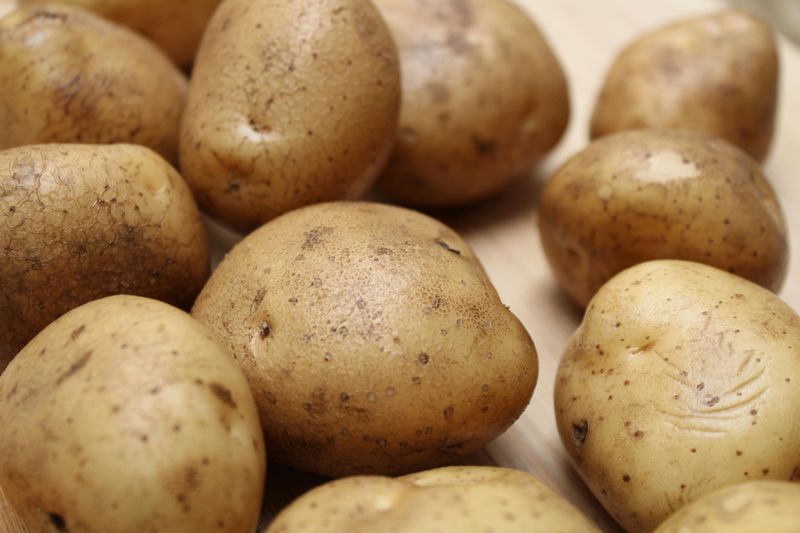
Potatoes differ in starch, meaning russets fluff while waxy varieties hold their shape in salads. Parboiling and cooling can increase resistant starch slightly, which may change how you feel after eating.
Rinsing cut fries removes surface starch and helps with crisping in the oven or air fryer.
Salt your water like pasta when boiling, because seasoning inside beats surface sprinkling later. Roasting works best with enough space on the pan for browning.
A splash of vinegar can brighten buttery potatoes without more salt. Pair potatoes with protein and vegetables to keep the meal balanced, comforting, and surprisingly steady on energy.
Onions
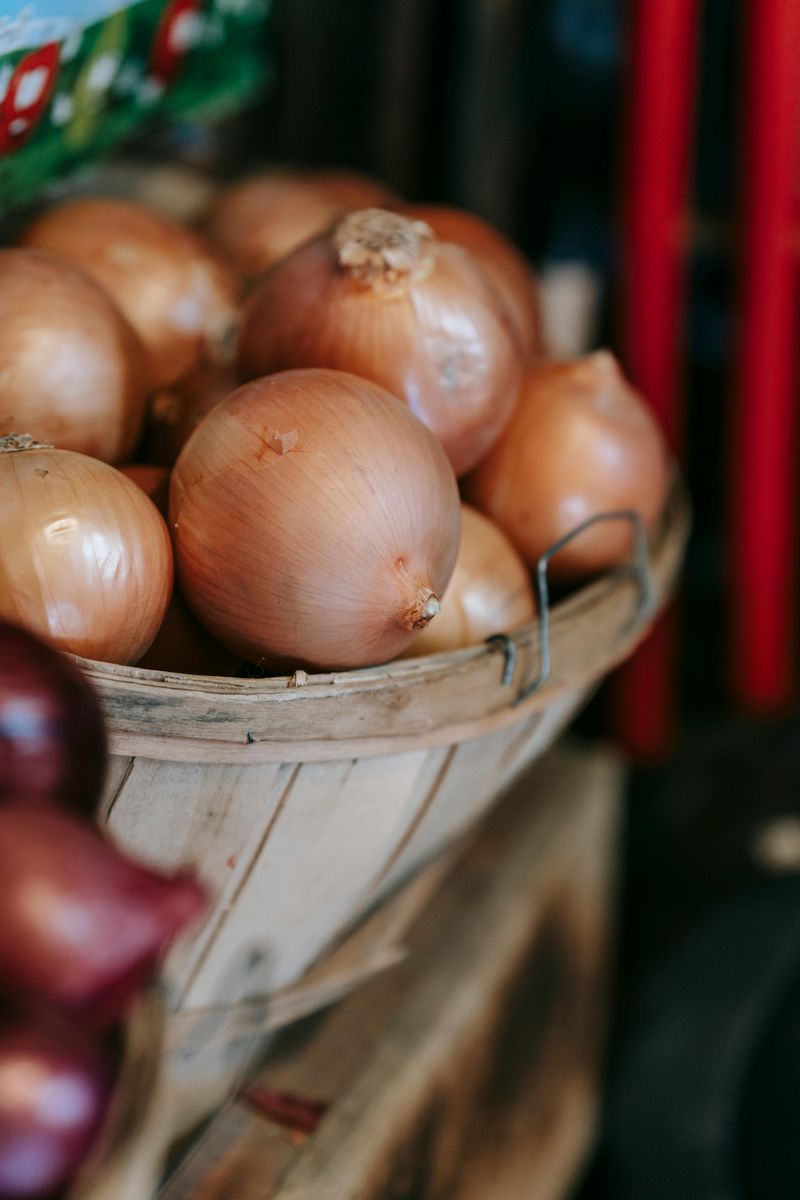
Onions seem simple, yet their punch changes dramatically with how you cut and cook them. Slice, and you break more cells, ramping up alliinase that creates sharper sulfur notes.
Let chopped onions rest a few minutes before heating, and you preserve more quercetin and flavor.
Raw onions may feel harsher on your stomach because fructans ferment in the gut, triggering gas for some. Cooking reduces that hit, but high heat can dull sweetness unless you give them time to caramelize slowly.
For soups, a long, steady sweat coaxes complexity, while a quick pickle brightens tacos without lingering aftertaste.
Tomatoes
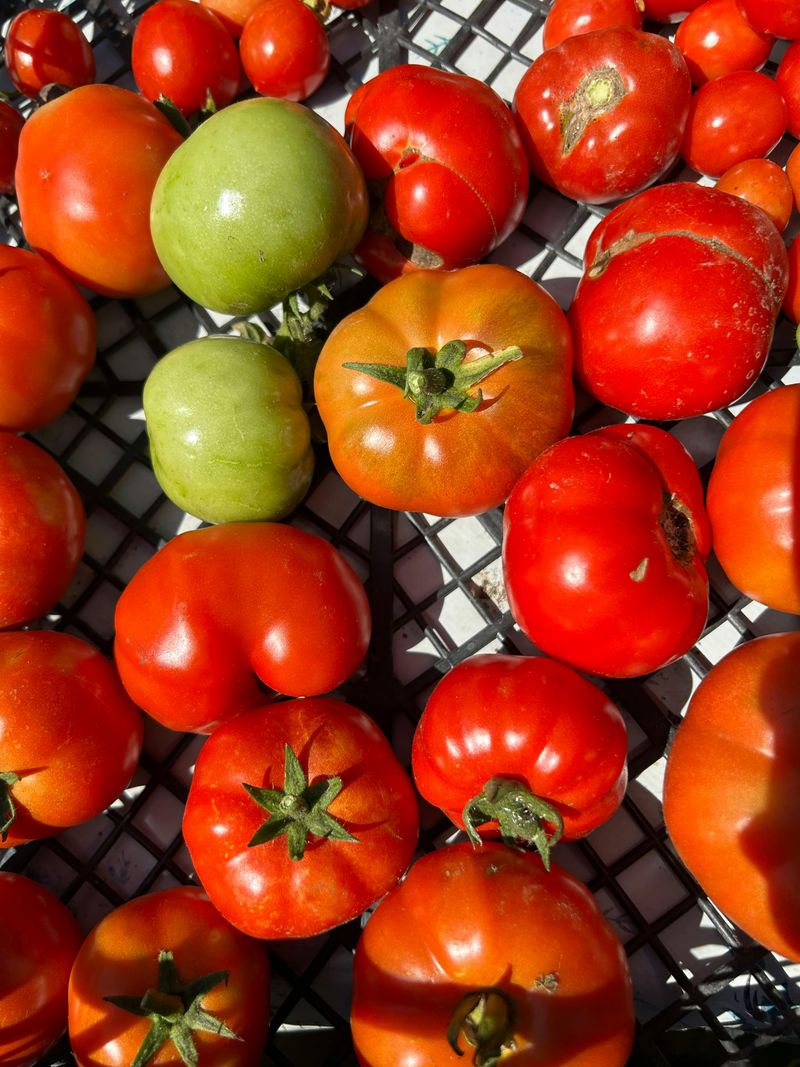
People prize raw tomatoes for freshness, but heat unlocks lycopene your body absorbs more easily. A little oil helps, too, because lycopene is fat soluble and loves a ride with olive oil.
Refrigeration, though convenient, can mute aroma by slowing volatile development.
If mealy textures disappoint you, choose firmer plum varieties for cooking and let them fully ripen on the counter. Salt early to draw water, then roast to intensify sweetness without a watery sauce.
For salads, room temperature tomatoes taste brighter, and a pinch of acid balances dull winter fruit when you cannot find peak season.
Frozen Meals
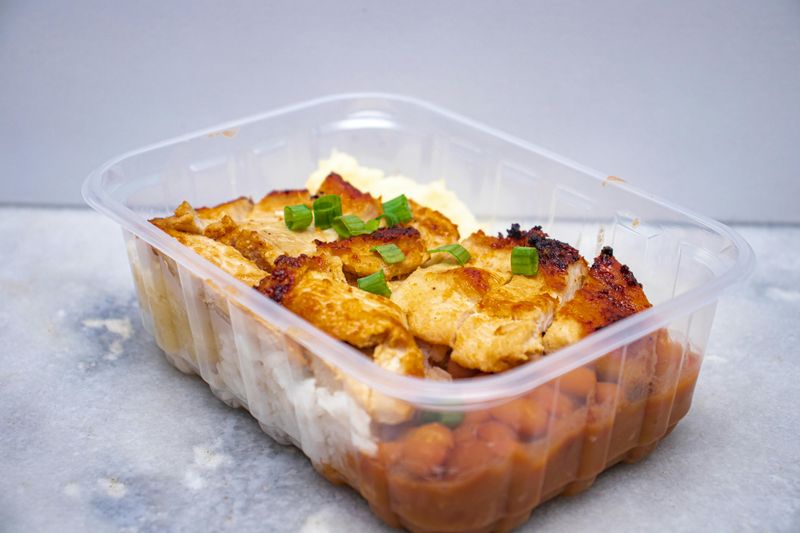
Frozen meals feel convenient, yet portion sizes and sodium often hide in plain sight. Manufacturers rely on salt to maintain texture and flavor after freezing, so one tray can exceed half your daily target.
Steam escaping during microwaving can also leave pasta rubbery if you skip resting time.
Read the label and compare serving size to the whole package, because many include two portions. Add a handful of frozen vegetables or a side salad to boost fiber and tame the sodium effect.
Letting the meal stand a minute helps heat equalize, improving bite while reducing those scalding hot and still cold patches.
Snack Cakes

Snack cakes look tiny, but their ultra processed mix of refined flour, sugar, and emulsifiers is engineered for craveability. Airy crumb melts fast, spiking blood sugar and dropping it just as quickly.
That swing leaves you reaching for another wrapper before your body recognizes fullness.
Portion control helps, yet pairing with yogurt or nuts slows digestion and steadies energy. Read the ingredients for partially hydrogenated oils or hidden syrups, and watch those deceptively small serving sizes.
If a sweet is non negotiable, consider a square of dark chocolate with fruit, which delivers flavor intensity without the same rollercoaster aftermath.
Processed Meat

Deli slices and sausages seem handy protein, but nitrites and high salt do more than preserve. When cooked at high heat, nitrites can form nitrosamines, which researchers link with higher colorectal risk.
Curing also concentrates sodium, quietly pushing blood pressure upward over time.
You do not have to quit entirely, but shifting to smaller portions a few times a week matters. Choose minimally processed options, and pair with vitamin C rich produce to counter some compounds.
For grilling, lower heat and turn often to limit charring, then save bold flavor with spices instead of another salt heavy marinade.
Sweet Drinks

Sodas and sweet teas glide down quickly, but liquid sugar bypasses satiety signals more than solid food. Even fruit juice can contribute sugar surges without the fiber that slows absorption.
That pattern trains your palate toward sweeter thresholds and nudges insulin higher across the day.
Start by shrinking cup sizes and adding sparkling water for fizz without overload. If you love juice, cut it half and half with water, then move toward whole fruit.
Unsweetened tea with citrus keeps flavor lively, and a pinch of salt can enhance perceived sweetness so you need less sugar to feel satisfied.
Yogurt

Yogurt wears a health halo, yet many cups hide as much sugar as dessert. Cultures matter too, because not all products contain live, active strains at meaningful levels.
Greek styles are strained, concentrating protein and reducing lactose, which can feel gentler for some.
Choose plain, then sweeten yourself with fruit and a drizzle of honey so you control dosage. Check for grams of protein per serving, and look for calcium and vitamin D if fortified.
If you crave creaminess, add chopped nuts for texture, letting fat and fiber keep hunger satisfied long after the cup is empty.
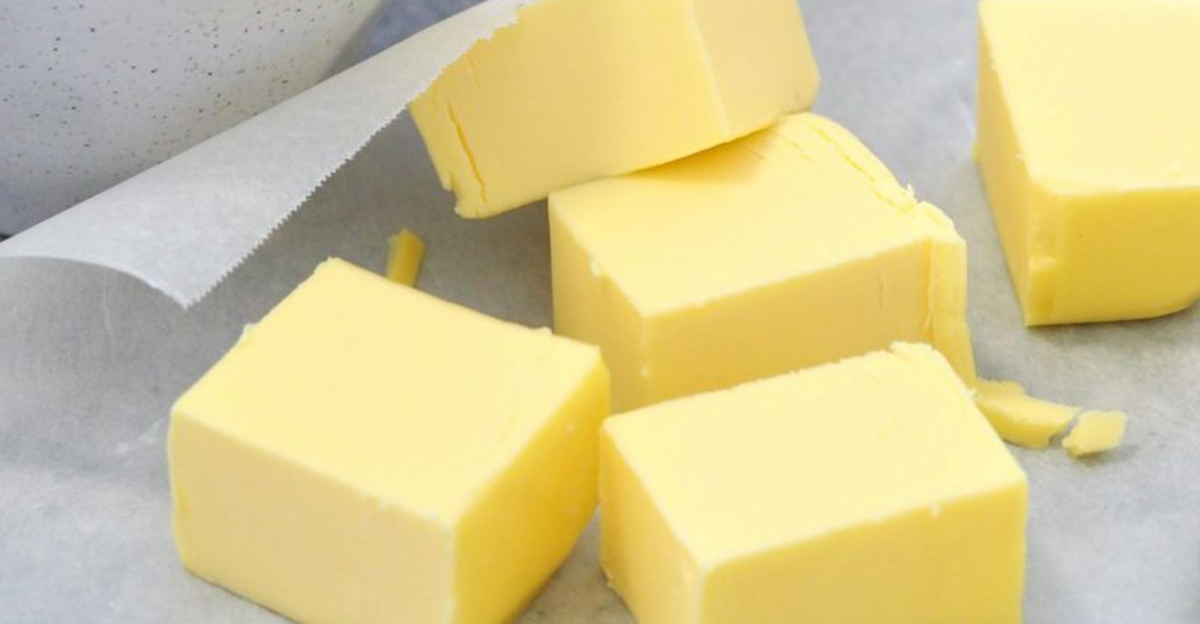
Butter
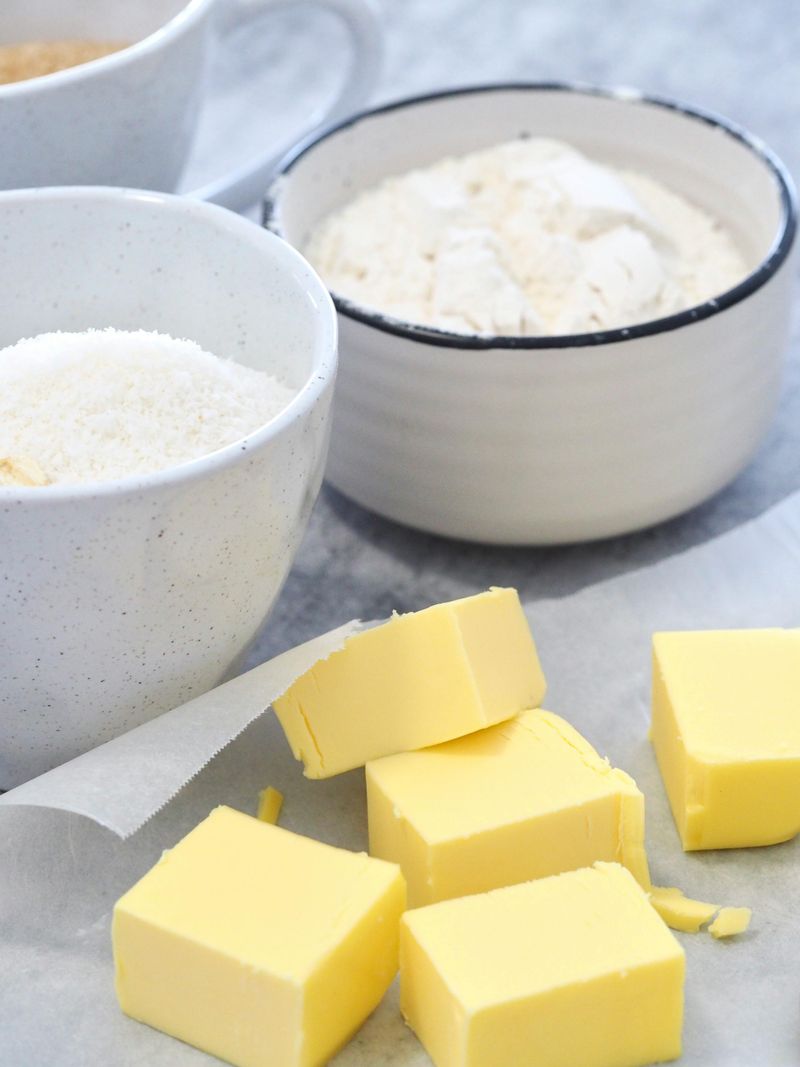
Butter is not just fat, it is flavor that carries fat soluble vitamins like A and K2 in small amounts. Salted and unsalted behave differently in baking, subtly shifting moisture and browning.
Clarified butter removes milk solids, raising smoke point and delivering a cleaner taste for high heat cooking.
Your portion size sneaks up because butter spreads thin yet packs dense calories. A measured pat can keep dishes satisfying without overdoing it.
For sauces, emulsify with a splash of pasta water to stretch richness. Balance butter with herbs, lemon, and crunchy textures so your palate enjoys more with less.
Enjoyed this story?
Add Fast Food Club as a preferred source to see more of our reporting on Google.