


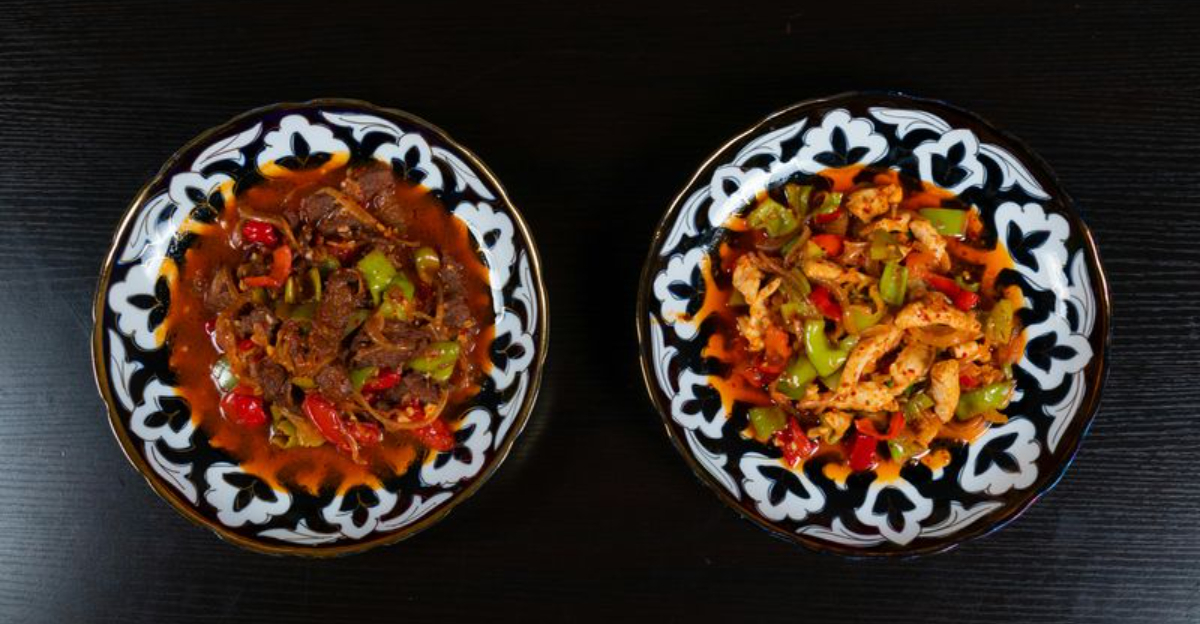
When your gut feels a bit off, even favorite foods can suddenly become a challenge. The culprits are not always obvious, and the timing can feel unpredictable.
Understanding why certain bites hit harder helps you choose smarter without giving up everything you love. Let’s break down the foods that often stir up trouble and how to navigate them with more comfort.
Fried foods
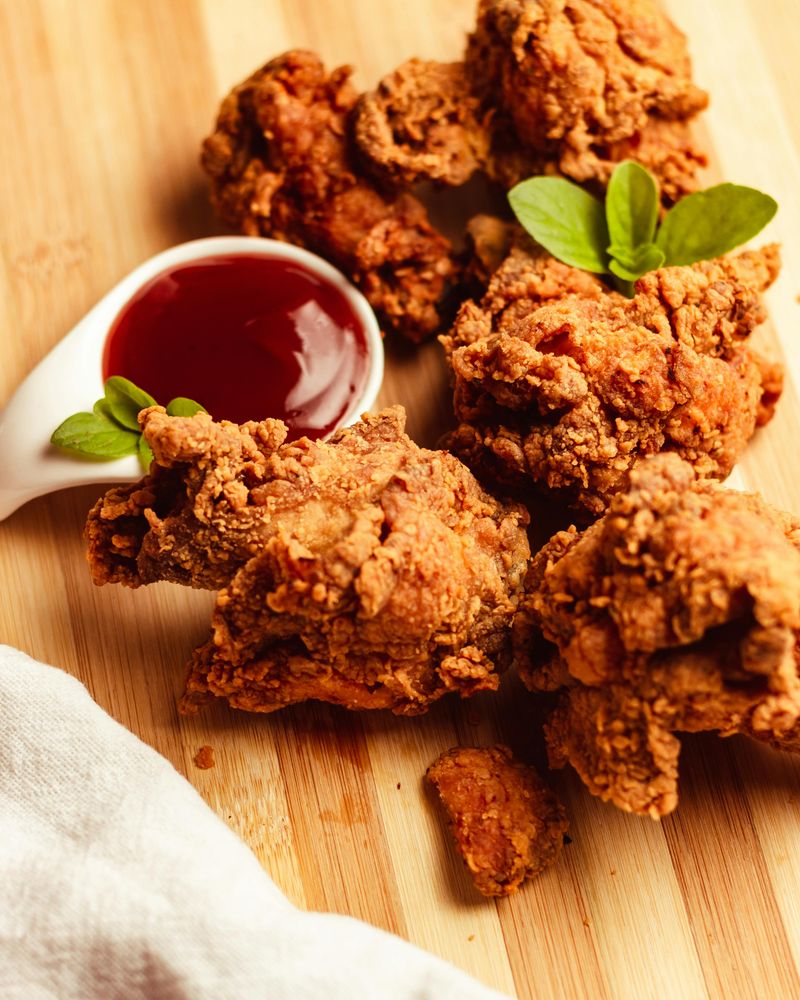
When your stomach is sensitive, fried foods can feel like a brick. High fat slows stomach emptying, so that heavy, greasy feeling lingers and may trigger nausea or reflux.
Crunchy coatings also trap oil that your gut must work harder to break down.
If you still crave the crisp, try air frying or baking with a light brush of oil. Pair smaller portions with leafy greens or citrus to brighten and cut richness.
You might feel better choosing grilled or roasted versions, especially at night when digestion naturally slows.
Dairy milk
Dairy milk is comforting until lactose does not get digested. Without enough lactase enzyme, the sugar ferments in the colon, creating gas, bloating, and sometimes diarrhea.
Even if you tolerate small amounts, a big latte might push things over the edge.
Consider lactose free milk or fortified plant milks for an easier sip. Pair milk with food, not on an empty stomach, to slow absorption and reduce symptoms.
If calcium is a concern, reach for leafy greens, canned fish with bones, or fortified alternatives so your bones stay happy while your gut stays calm.
Cheese-heavy meals

Cheese heavy meals combine lactose, saturated fat, and volume, a triple challenge when digestion feels off. The richness slows gastric emptying, while lactose and dense protein can ferment or sit heavily.
Add tomato sauce or wine and reflux might flare too.
Lighten the load by using strong flavored cheeses in smaller amounts. Try part skim mozzarella, aged cheddar, or parmesan, which tend to have less lactose.
Balance with crisp salads, roasted vegetables, or acidic greens that cut through fat. Smaller servings spaced out can deliver comfort without the slump.
Ice cream

Ice cream feels soothing going down, but the combo of cold, fat, and lactose can backfire. The chill may slow digestion briefly, while lactose ferments and fat lingers.
Late night bowls often lead to morning regret with reflux or bloating.
Try lactose free ice cream, sorbet, or coconut based options if dairy is the issue. Keep portions small and pair with berries for fiber and freshness.
If reflux is your nemesis, enjoy earlier in the evening. A few mindful bites can satisfy the craving without overwhelming your system.
Beans
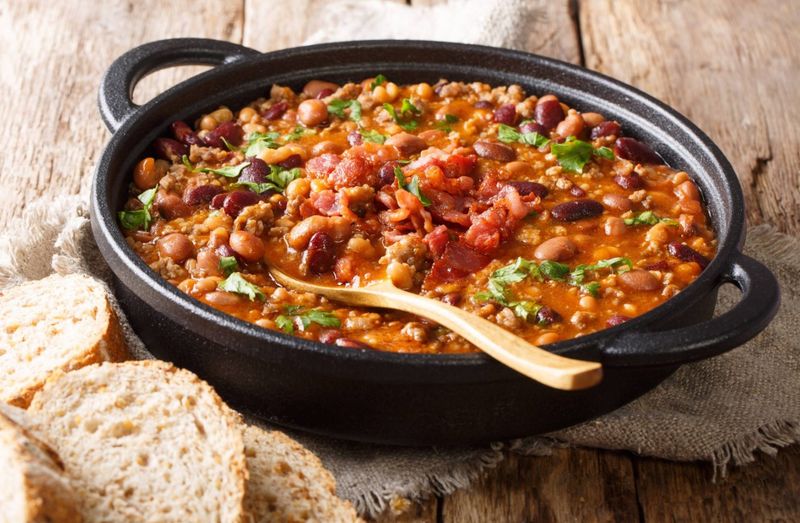
Beans are nutritional powerhouses, yet their oligosaccharides can cause gas when gut bacteria feast. If digestion is off, that fermentation may feel extra intense.
Large portions, especially when not used to fiber, can lead to pressure, bloating, and cramping.
Soak and rinse thoroughly, cook until very tender, and start with small servings. Add bay leaf, kombu, or ginger to the pot to help reduce gas forming compounds.
Pair beans with rice or quinoa for balance. Over time, your microbiome adapts and comfort often improves.
Lentils
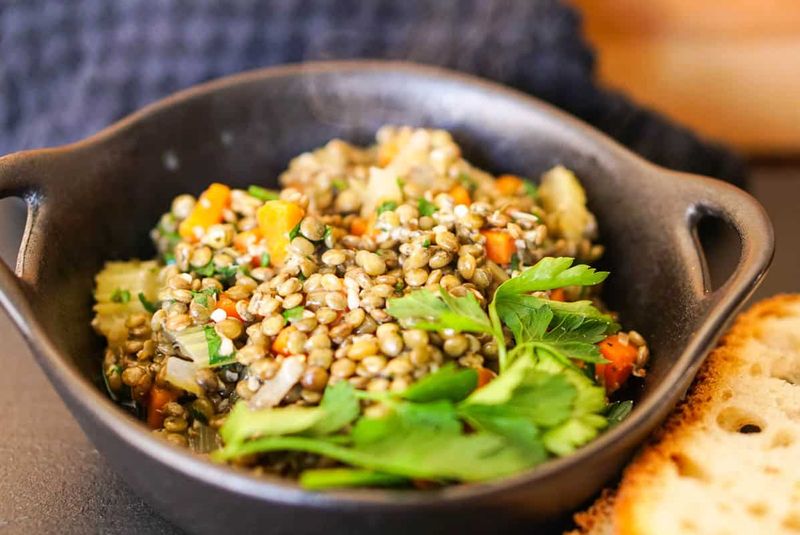
Lentils cook faster than many beans, but their fiber can still overwhelm a sensitive gut. Rapid increases in fiber draw water into the intestines, speeding things up and fueling gas production.
Spicy seasonings or onions in dal can add extra triggers.
Rinse well, cook until very soft, and start with red or yellow lentils, which tend to be gentler. Blend a portion into soups for a smoother texture that digests easier.
Keep portions modest and drink water steadily. Your system will often adapt with gradual, consistent intake.
Carbonated drinks
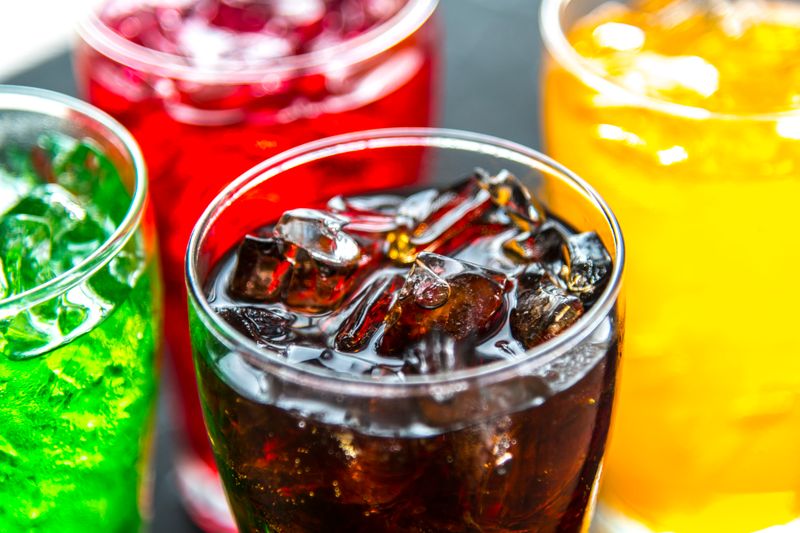
Carbonated drinks deliver bubbles that can expand in your stomach, creating pressure and belching. If reflux is lurking, carbonation can worsen it by increasing intra abdominal pressure.
Sugar or artificial sweeteners in sodas add another digestive curveball.
Try letting drinks go slightly flat, or switch to still water with citrus or cucumber. If caffeine is part of the problem, choose caffeine free options.
Herbal iced teas can be soothing without the fizz. Sipping slowly helps minimize swallowed air, which reduces gas and discomfort.
Cabbage
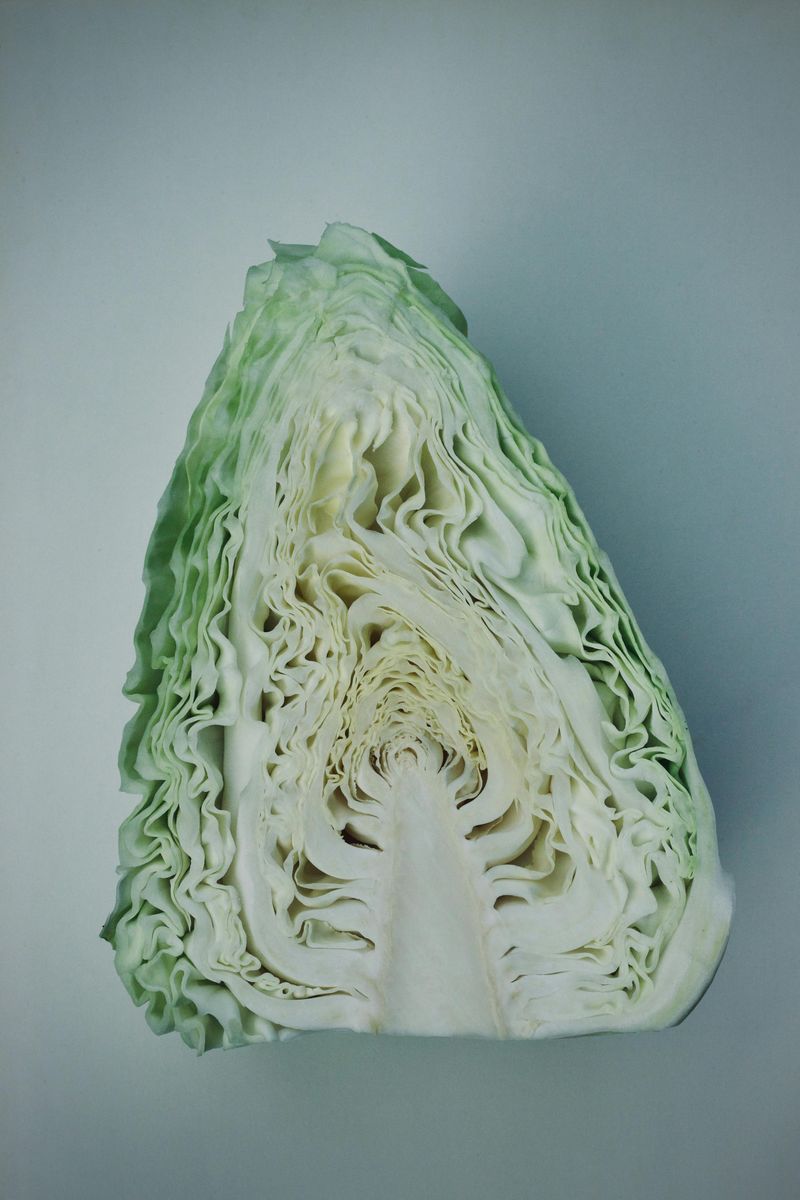
Cabbage is packed with nutrients but contains raffinose and fiber that can ferment and bloat. Raw slaws are often tougher to handle than cooked, especially when digestion feels delicate.
Dressings with vinegar or mayo can add their own challenges.
Soften the fibers by sautéing, braising, or fermenting into sauerkraut in small portions. Season with caraway or fennel to help reduce gas.
Start with modest servings and chew thoroughly. Over time, gentle cooking and patience often make cabbage more comfortable.
Broccoli
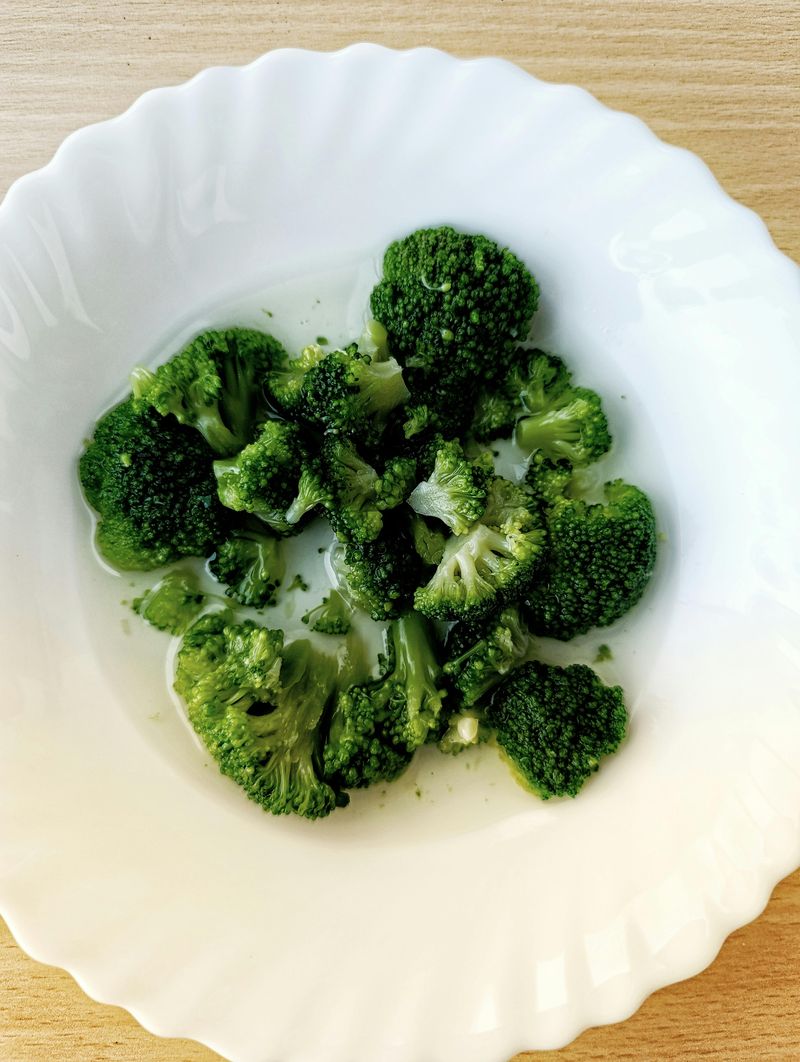
Broccoli’s fiber and sulfur compounds can gas up a sensitive gut. Raw florets are the biggest offenders, while steaming or roasting can make them easier to manage.
Large, fibrous stems may feel particularly bulky when your system is already taxed.
Cut florets small, cook until tender crisp, and season lightly with lemon. Pair with a simple protein like fish or eggs to balance digestion.
If crucifers are new to you, keep portions small and increase slowly. Your microbes often adapt, and discomfort may fade.
Cauliflower
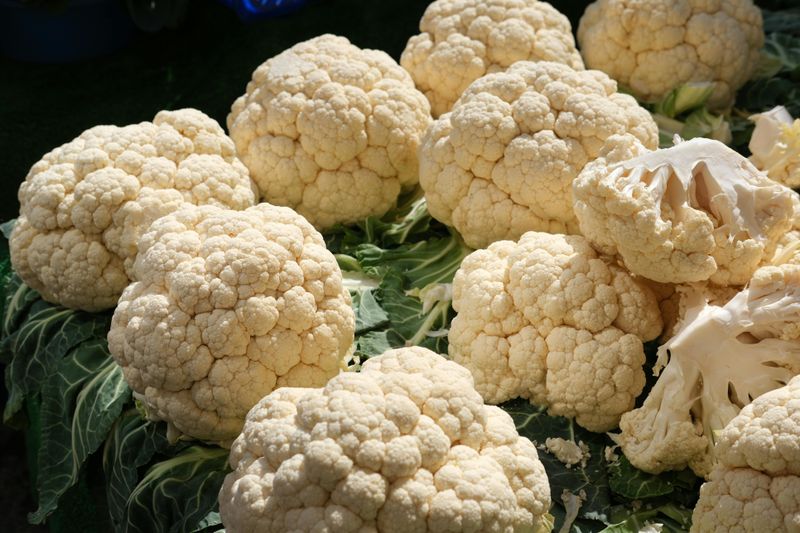
Cauliflower can be gentler than some crucifers but still triggers gas for many. Riced or mashed versions reduce particle size, yet the fiber and sulfur remain.
Heavy cheese sauces or breaded preparations turn a light vegetable into a digestive weight.
Steam until tender and season with olive oil, lemon, and herbs. Roast in small florets for caramelized edges and better flavor without heaviness.
If you love cauliflower rice, cook it well and keep portions reasonable. Pairing with ginger or turmeric can support comfort.
Onions
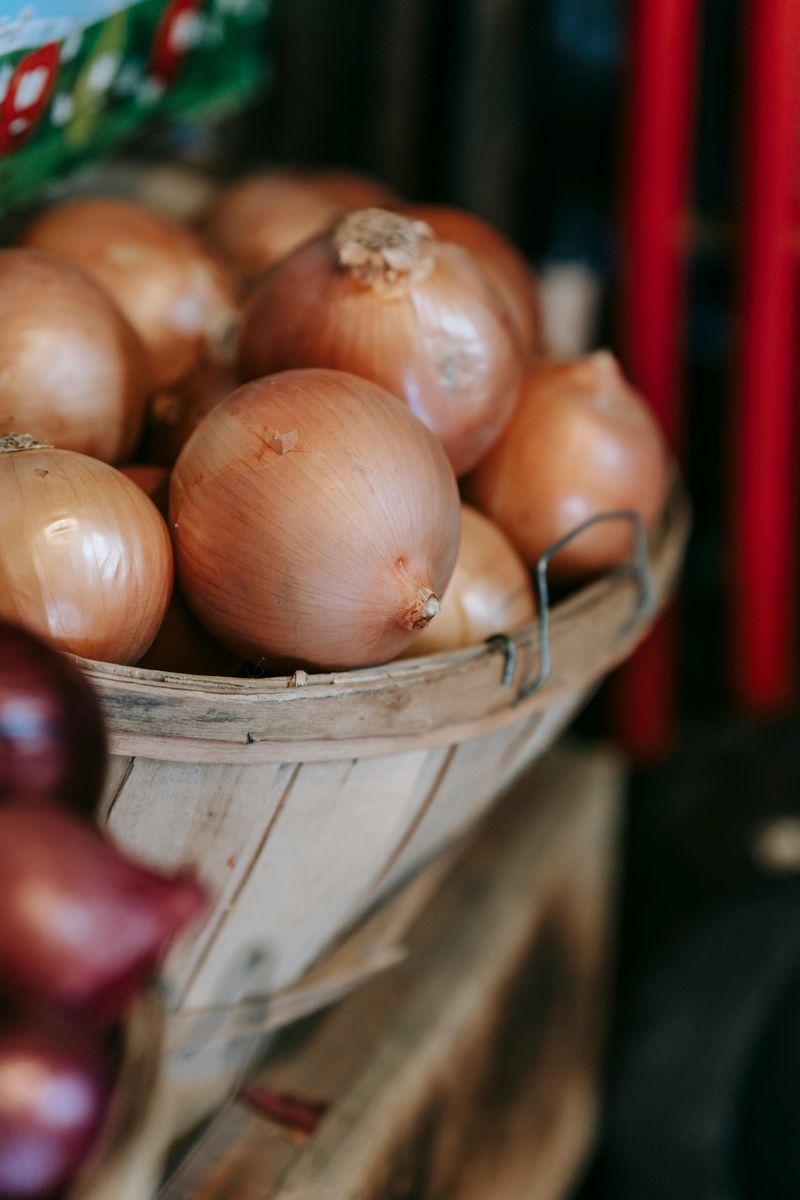
Onions are flavorful but rich in fructans, which ferment and create gas quickly. Raw onions are the most potent, often leading to bloating or sharp cramps when your gut is irritable.
They can also aggravate reflux when combined with fatty meals.
Cook onions slowly until very soft to reduce impact, or infuse oil with onion then remove solids. Choose green tops of scallions or chives for gentler onion notes.
Start with tiny amounts and see how you feel. Keeping portions small preserves flavor with fewer consequences.
Garlic
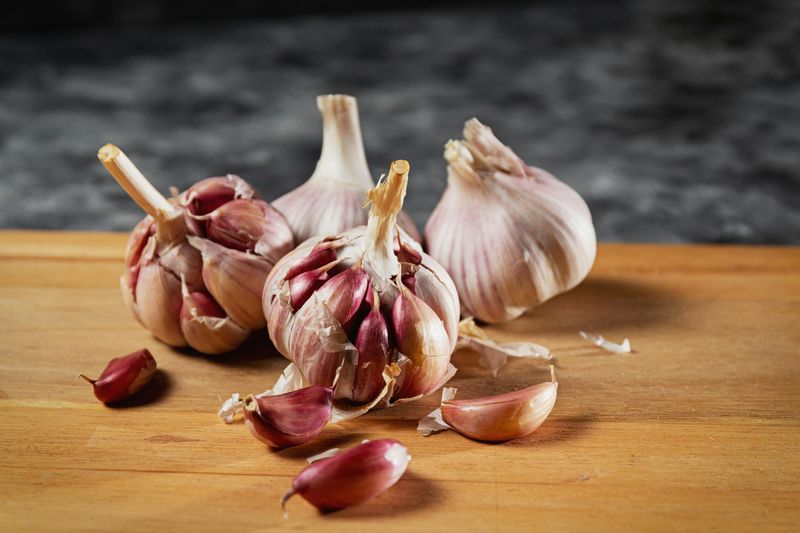
Garlic brings bold aroma, but its fructans can overwhelm a sensitive gut. Raw garlic is the strongest, and even small amounts may cause bloating or cramps.
Combined with oil and spice, it can also stoke reflux.
Try garlic infused oil for flavor without the fibrous bits. Roast whole heads to mellow intensity and experiment with small amounts.
Chives, asafoetida, or green onion tops can provide a similar vibe in gentler doses. Keep portions tiny and notice your response so you can keep flavor without fallout.
Processed meats

Processed meats pack fat, salt, and additives that can weigh heavily on digestion. Nitrates, spices, and smoke can irritate sensitive systems, while high saturated fat slows stomach emptying.
Large sandwiches or late night charcuterie often leave a sluggish, refluxy feeling.
Choose leaner, minimally processed options when possible, and keep portions small. Balance with fiber rich veggies and whole grains to keep things moving.
Hydrate well to counter salt bloat. If cravings hit, pair a few slices with a big salad rather than bread and cheese piled high.
Red meat
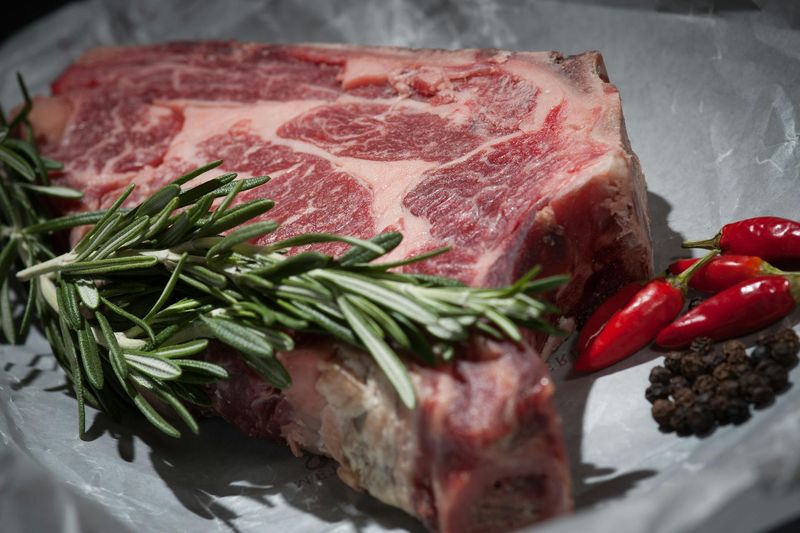
Red meat is dense in protein and fat, demanding longer digestive time. When your gut is off, that workload can translate to fullness, sluggishness, or reflux.
Large, heavily marbled cuts are the toughest, especially late in the day.
Opt for leaner cuts, smaller portions, and slower chewing. Pair with a generous serving of non starchy vegetables to lighten the plate.
Consider stews or braises, which break down fibers and may digest more comfortably. Spacing red meat meals farther apart can also help you gauge tolerance.
Alcohol

Alcohol relaxes the lower esophageal sphincter and can inflame the gut lining. That combination invites reflux, loose stools, or next day sensitivity.
Sugary cocktails or bubbly drinks add extra triggers from sweetness and carbonation.
If you choose to drink, go slow, eat beforehand, and hydrate between glasses. Dry wine, light beer, or a simple spirit with still water may be gentler.
Avoid late night rounds when your system wants rest. Taking alcohol free nights helps your gut reset and reveals your true tolerance.
Coffee

Coffee stimulates acid production and intestinal motility, which can spell trouble for sensitive stomachs. Caffeine also relaxes the lower esophageal sphincter, inviting reflux.
Empty stomach sips are often the harshest, especially with very dark roasts or multiple cups.
Try half caf, cold brew, or a low acid roast. Drink with food, add a splash of milk if tolerated, and sip slowly.
If anxiety spikes, consider switching to tea or chicory blends. A mindful routine turns coffee from chaos into a more manageable ritual.
Chocolate

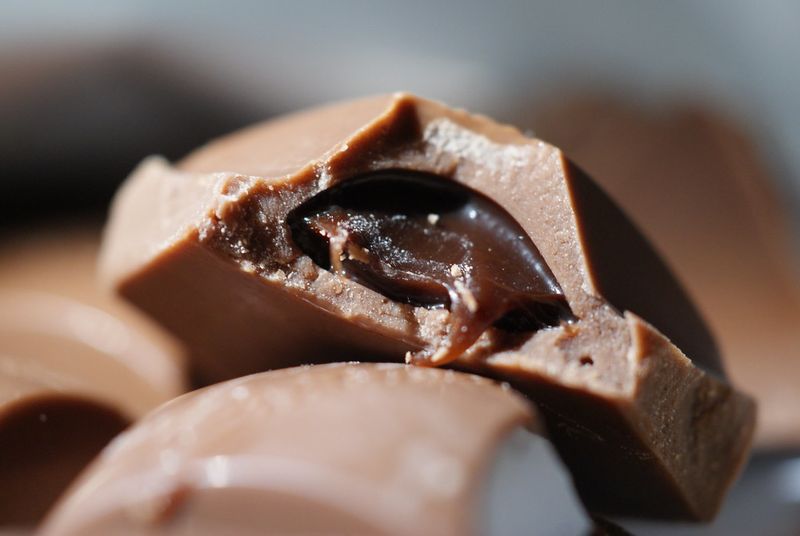
Chocolate blends fat, caffeine, and theobromine, a trio that can nudge reflux and speed gut motility. Rich fillings add more fat and sugar that may bloat or cramp a sensitive system.
Late night nibbling tends to hit hardest.
Choose darker varieties and savor small squares rather than creamy bars. Pair with fruit or nuts to slow the impact.
If reflux is persistent, keep chocolate as a daytime treat and avoid eating it right before bed. Listening to timing and portion size preserves pleasure without the payback.
Artificial sweeteners

Sugar alcohols like sorbitol and xylitol can ferment in the gut, pulling water into the intestines and causing gas or diarrhea. Some non nutritive sweeteners may also alter the microbiome, changing how you feel after meals.
Chewing gum and diet candies are sneaky sources.
Scan labels and test one product at a time. Reduce total amount rather than swapping brands endlessly.
If you need sweetness, try small amounts of maple syrup, honey, or fruit while watching symptoms. Hydration and fiber balance can lessen side effects.
Fast food
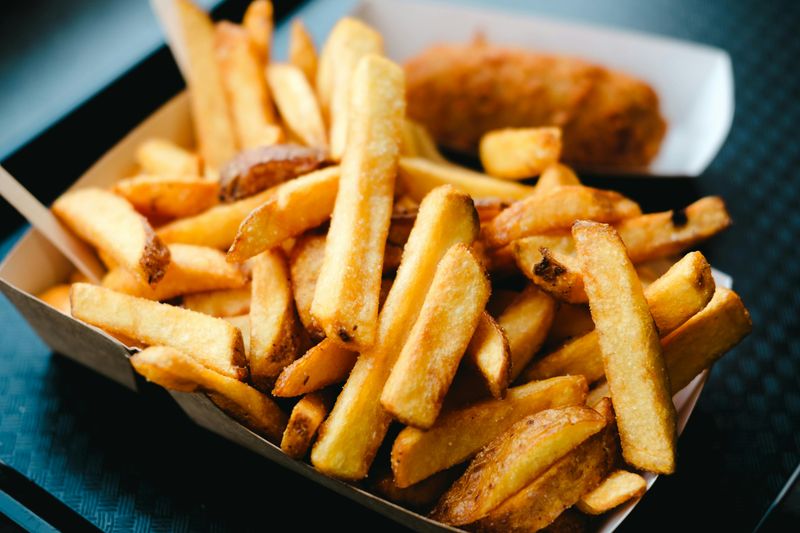
Fast food often combines refined carbs, high fat, salt, and carbonation, a perfect storm for an uneasy gut. Large portions rush in quickly, outpacing your fullness cues.
Fried sides and sugary drinks magnify bloating and reflux.
Downsize the meal, skip the soda, and choose grilled over fried. Add extra lettuce, tomato, or a side salad to lighten the load.
Eat slowly and stop before stuffed. If you crave convenience, consider a grilled chicken wrap, extra veggies, and still water for an easier ride.
Cream sauces
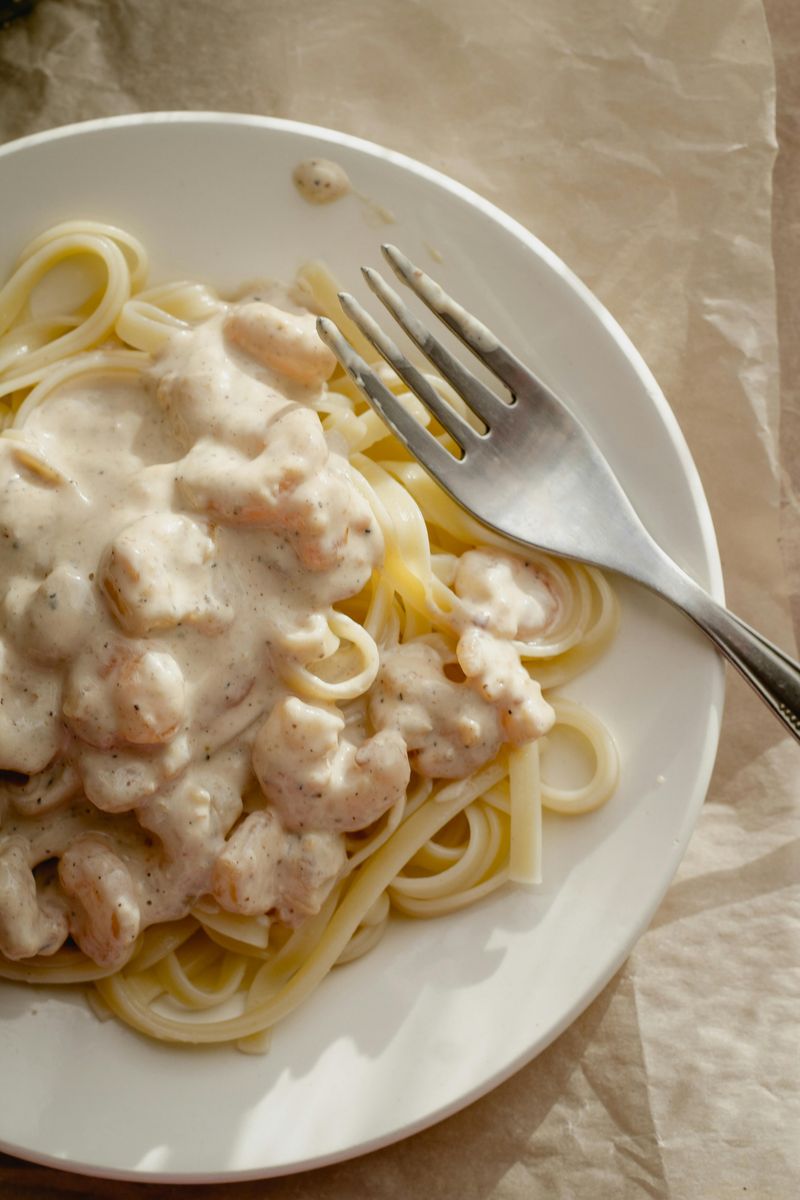
Cream sauces mix dairy fat and sometimes cheese, creating a rich coating that slows digestion. The combination often triggers reflux and lingering fullness when your system feels fragile.
Add garlic or wine and the effect can intensify.
Lighten sauces with broth, pureed cauliflower, or a splash of olive oil and lemon. Use hard cheeses for strong flavor in small amounts.
Toss with plenty of vegetables and choose smaller pasta shapes for easier portions. Eating earlier in the evening can help you enjoy the comfort without the crash.
Spicy dishes
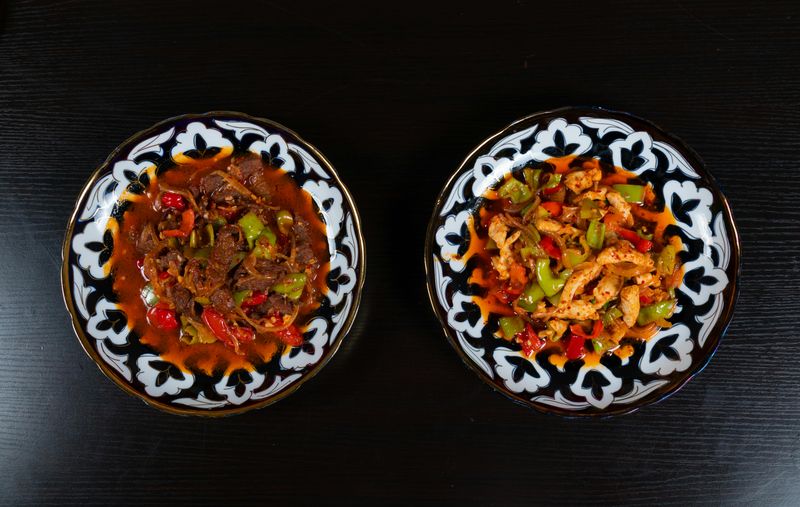
Spicy dishes can wake up your palate and also your gut. Capsaicin can irritate sensitive linings, increasing motility and sometimes cramping or urgent trips.
If reflux lurks, heat may intensify that burn as the lower esophageal sphincter gets irritated.
Dial it back by blending mild spices with heat, like cinnamon, cumin, or turmeric. Cool it with yogurt, avocado, or coconut milk, and avoid eating too quickly.
If you love spice, try building tolerance slowly and avoid pairing heat with alcohol or big fatty meals, which can amplify discomfort.
Enjoyed this story?
Add Fast Food Club as a preferred source to see more of our reporting on Google.