


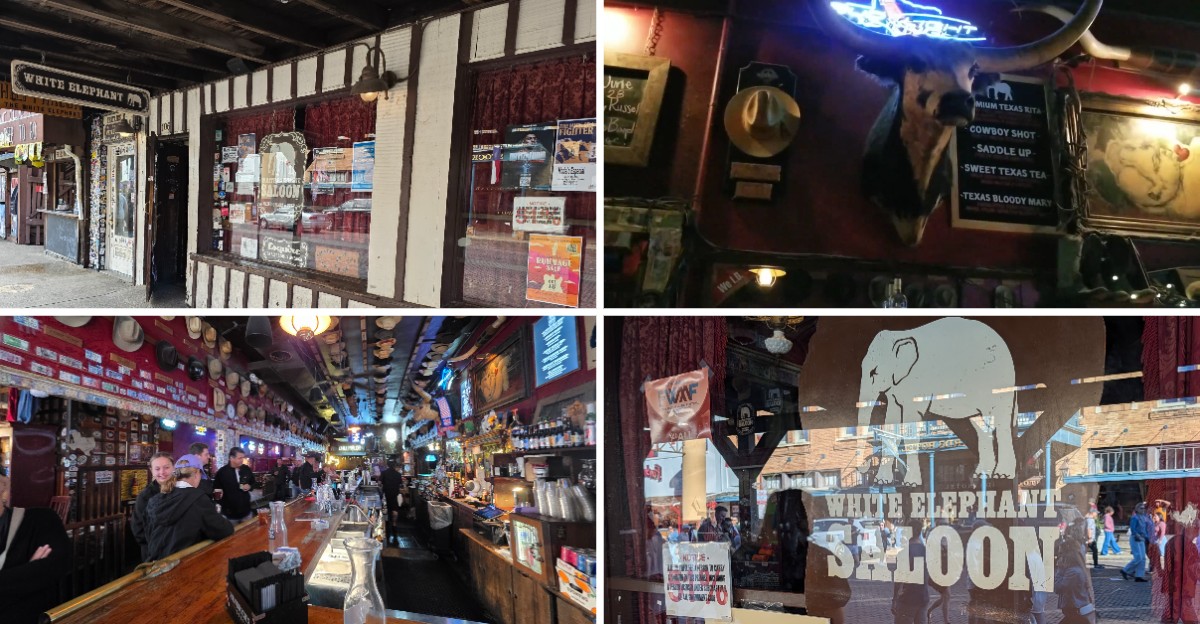
Some places in Texas wear their history like a well-worn pair of boots, and one corner of the Fort Worth Stockyards has been doing it since 1884. The walls are covered with cowboy hats.
The ceiling is covered with cowboy hats too. A famous TV ranger once hung around here, a legendary lawman’s name is tied to its past, and a local legend says a ghost might still be on the guest list.
Country bands play most nights, people two-step across a small dance floor, and strangers end up swapping stories at the bar. Keep reading to learn where this saloon sits, why it matters, what makes it so different, and what to know before you go, including hours, cover charges, and age rules.
A Stockyards Address With Deep Roots
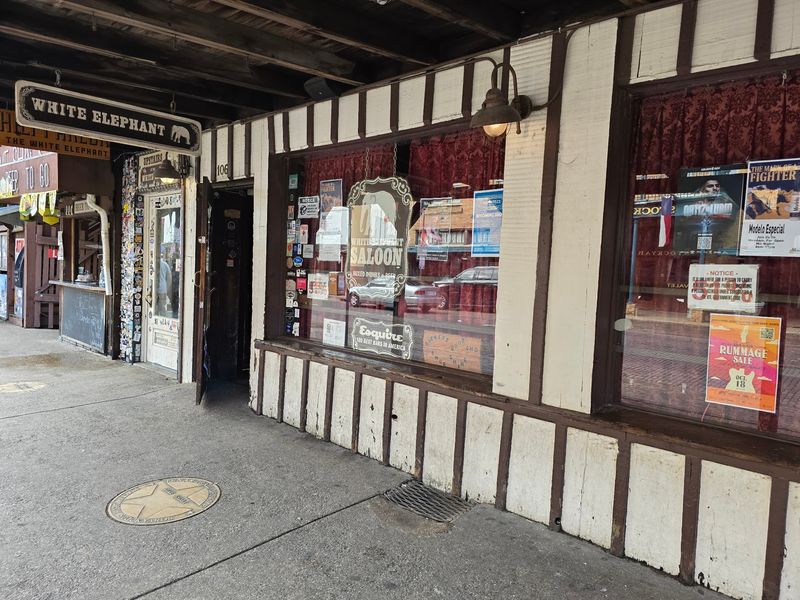
Right at the front of the Fort Worth Stockyards stands a saloon that has outlasted almost everything around it. The White Elephant Saloon sits at 106 E Exchange Ave, Fort Worth, TX 76102, in the heart of Texas and the United States.
Exchange Avenue is the main street of the Stockyards district. It is the same street where the famous Texas Longhorn cattle drive moves through, so the cowboy setting is not a costume here.
The saloon is listed as a bar, and it leans fully into its Wild West roots. Its story traces back to 1884, which makes it one of the older watering holes still running in Texas.
Getting oriented is easy once you arrive in the district. Most people find it while strolling the Stockyards, popping in for a break between sights.
The location does a lot of the heavy lifting. A short walk puts you near shops, historic buildings, and the cattle drive route, so the saloon fits neatly into a day of exploring.
The building may look simple from the street, but there is much more inside than the doorway suggests. Let’s head through it.
Born in 1884, Still Kicking
Plenty of bars claim to be old. This one has the paperwork of history behind it, with roots stretching to 1884.
That date places it in the era when Fort Worth earned its cowtown reputation. Cattle, cowboys, and colorful characters shaped the neighborhood, and the saloon was part of that scene.
The legendary lawman Bat Masterson is connected to its past. His name pops up whenever locals talk about the saloon’s early days, and it adds real Old West weight to the place.
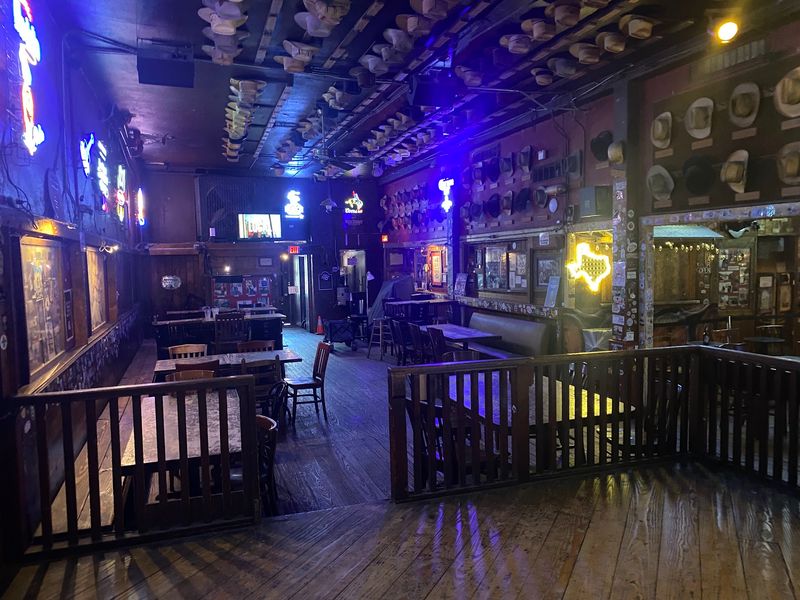
Historic photos line parts of the interior. They give a quick visual timeline of how long the saloon has been part of Fort Worth’s story.
What stands out is that it does not feel like a theme park version of history. It is not a tourist trap pretending to be historic, because it actually is historic.
Some call it divey, and that is fair. It could probably use an update, yet a full makeover would likely erase the charm that keeps people coming back.
Generations of Fort Worth residents have passed through these doors. That long timeline sets the stage for one of the saloon’s quirkiest features, which is hanging right over your head.
A Ceiling Full of Hats
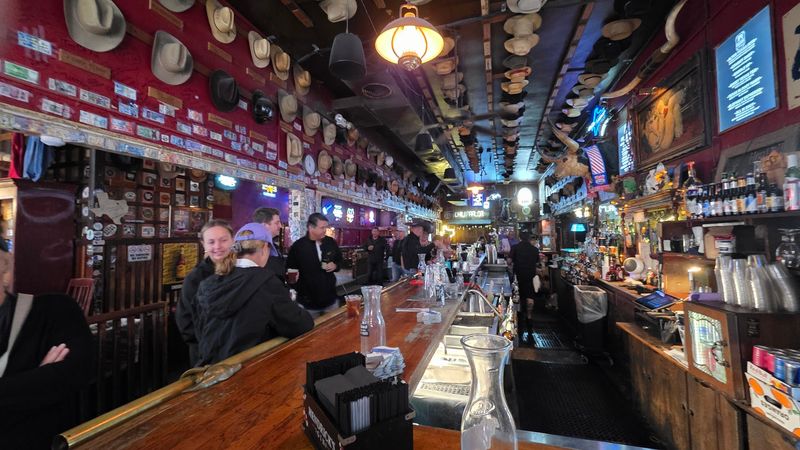
Look up. Then look left, then right, and you will keep finding cowboy hats.
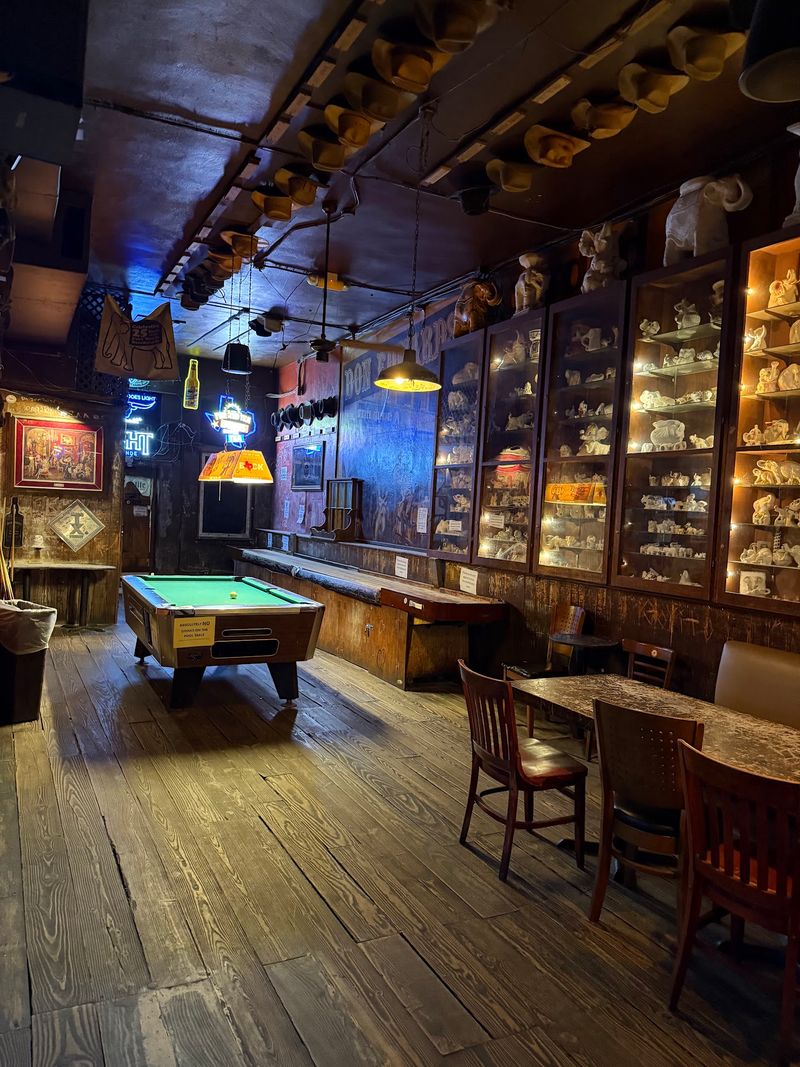
Hats cover the walls and the ceiling, turning the whole room into a giant collection. Many belong to special personalities, and some were donated by guests over the years.
The hats are not just decoration tossed up at random. Some carry personal meaning, including hats hung in memory of loved ones.
One story shows how much they matter. A family once asked staff to find a hat hung more than 20 years earlier in memory of someone, and the bar manager searched through the collection, found the exact one, and sent pictures.
That kind of care turns a quirky display into something more personal. Each hat has a story, even if most of those stories stay private.
The collection also makes the saloon a favorite photo stop. People snap pictures of the ceiling before they even find a seat.
Hats are only part of the decor puzzle, though. The saloon’s name hints at another collection worth spotting.
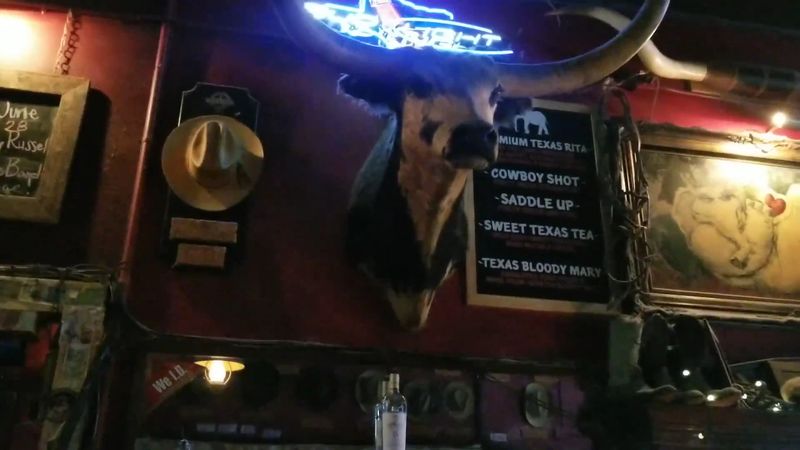
The Herd of White Elephants
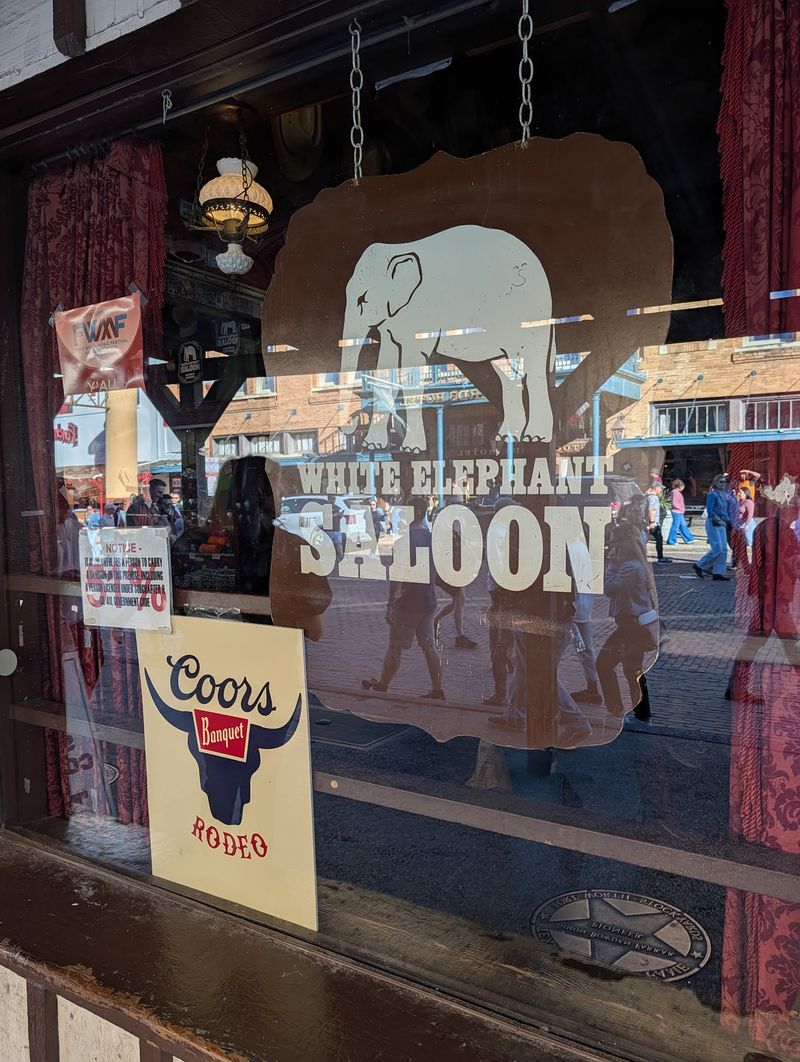
A saloon called the White Elephant would feel a little incomplete without actual white elephants. Good news: there is a whole herd.
Tucked among the Western decor is a large collection of white elephant figures. Some fans think it might be one of the biggest collections of its kind anywhere.
That claim is hard to measure, so treat it as a fun bit of local lore. Either way, the collection is big enough to make people stop and count.
The elephants add a playful twist to an otherwise rugged rodeo theme. Cowboy hats above, elephants on display, and rustic wood all around make for an unusual mix.
Contributions from guests show up across the room as well. The space feels built over time, piece by piece, rather than designed all at once.
Spotting the elephants becomes a small game during a visit. Kids at heart will enjoy the hunt, even if actual kids have to leave by evening, more on that later.
The decor tells part of the saloon’s story. A certain Texas Ranger tells another part, and fans of 1990s TV will want to hear it.
Walker, Texas Ranger Walked In Here
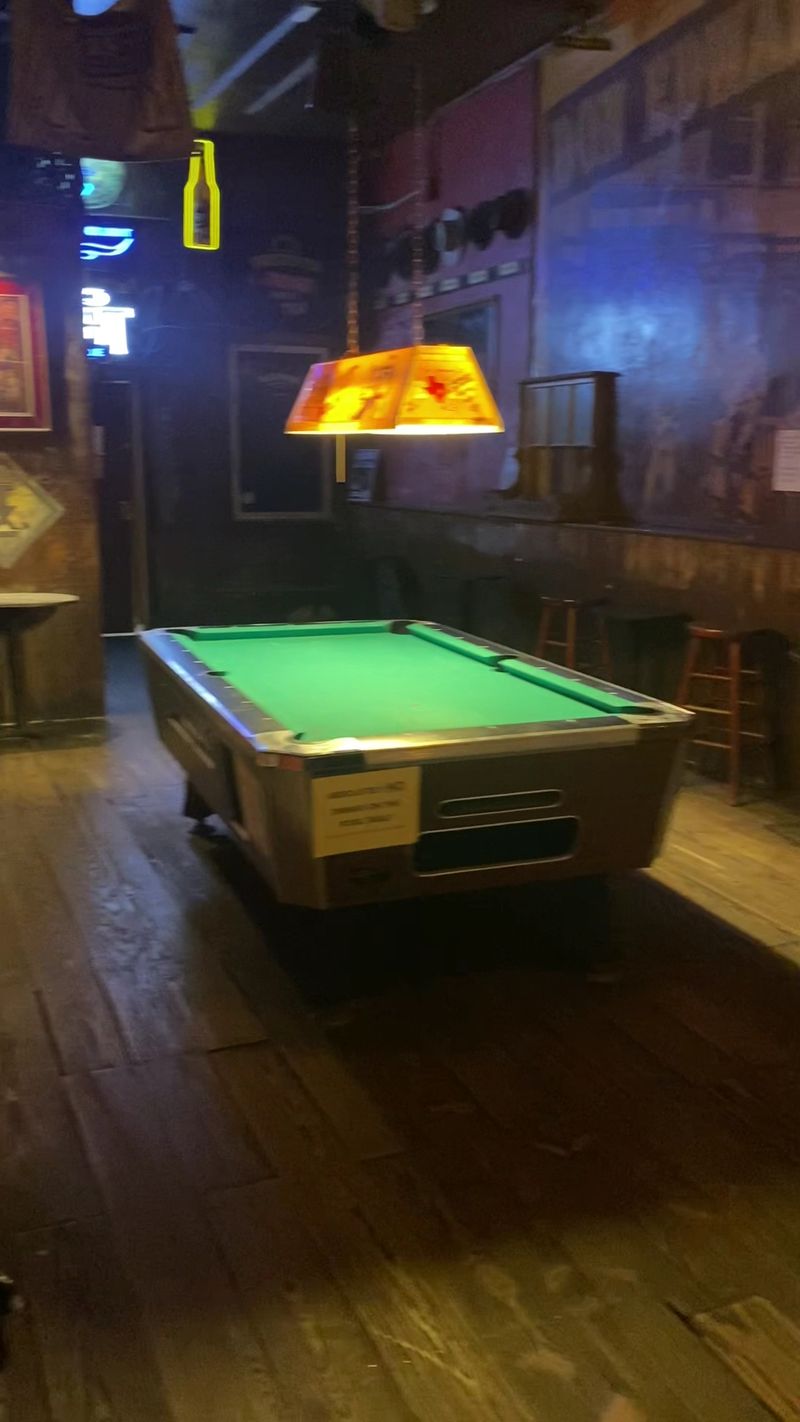
Grew up watching Chuck Norris handle bad guys on Saturday night TV? Then this saloon has a familiar face, sort of.
Scenes for Walker, Texas Ranger were filmed here. In the show, the saloon stood in as CD Bar, the hangout tied to the series.
That connection pulls in a steady stream of fans. Many stop in just because of the show, curious to stand in a spot they once saw on screen.
It is one of the most talked about parts of the saloon. People mention the show almost as often as the hats.
The TV link fits naturally with the building’s older history. A place tied to Bat Masterson and a famous TV ranger covers both the real and the screen versions of Texas lawmen.
T-shirts are sold here too, which makes it easy to bring home a souvenir. Fans of the show tend to appreciate that option.
Fame from television fades over time, but live music keeps the place busy in the present. That is where the evenings really come alive.
Country Music On the Stage
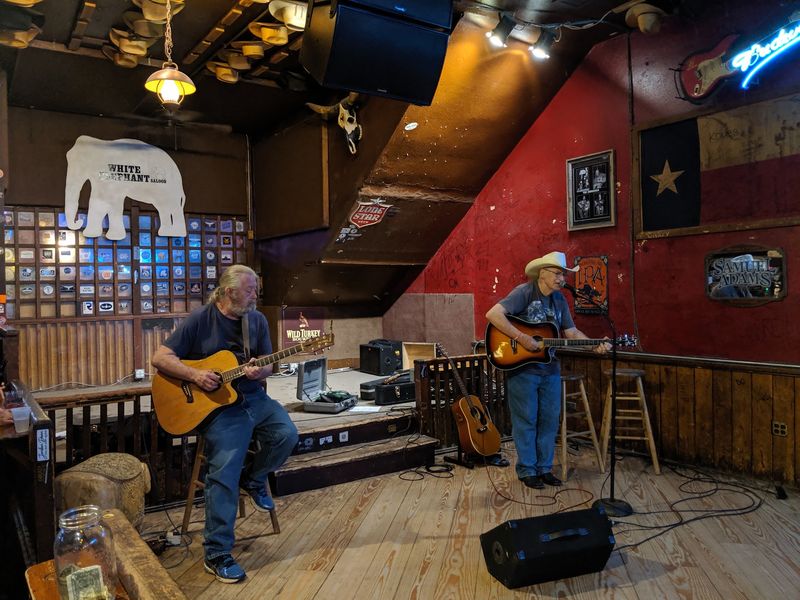
Live music is the heartbeat of this saloon. It is the topic people bring up more than anything else.
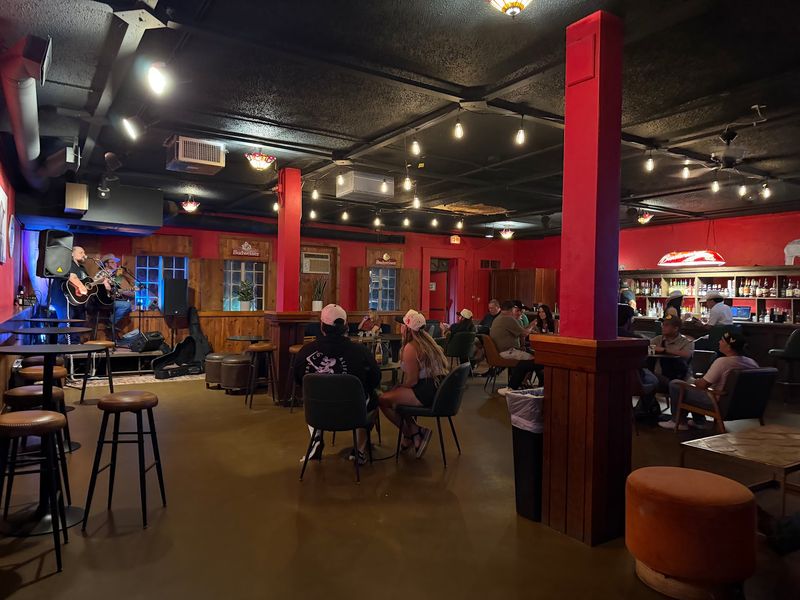
Regular live performances feature Texas country played the classic way. The volume tends to stay at a level where conversation is still possible, which is a welcome balance.
Performers often engage the crowd directly. One entertainer was known to take song requests from the audience and nail them, getting the room singing along.
Music is not guaranteed every hour. On some Sundays, for example, there may be no band playing, so plan around evenings and weekends if music is the goal.
Upstairs is worth a look too. A separate listening room setup features talented artists, its own bar, and a calmer atmosphere.
That upstairs space suits people who want to sit back and focus on the songs. Downstairs runs livelier, especially when the crowd gets moving.
Speaking of moving, the music rarely stays a spectator sport for long. Boots tend to find the dance floor.
Two-Steps, Pool, and Shuffleboard
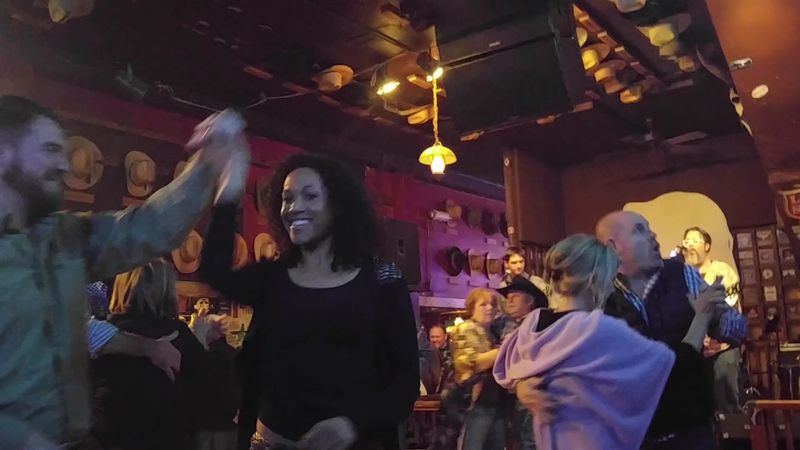
Some folks arrive planning on one quick stop and end up two-stepping with new friends. It happens here a lot.
A dance floor sits near the stage. It is on the small side, so expect friendly closeness when the band picks up.
Dancing ranks among the most mentioned activities at the saloon. Couples, groups, and brave beginners all give it a try.
Not into dancing? There are other games to keep hands busy.
Shuffleboard is a popular pick, and pool tables are available too. Many groups bounce between a game and the dance floor as the band takes breaks and returns.
That mix gives the saloon a true honky-tonk feel. It is a place to do things, not just sit.
The bar area can get tight on busy nights. Elbows will bump, and most people treat it as part of the charm rather than a problem.
Activity keeps the energy up, but the people behind the bar and in the crowd shape the mood just as much.
The Crowd and the Crew
Strangers become tablemates fast in a room this cozy. The crowd tends to be relaxed, friendly, and happy to chat.
Staff get plenty of praise for being attentive and personable. Several bartenders are known by name among regulars, and service is often quick even during busy stretches.
That said, it is not flawless. Service can be spotty at times, and not every night goes smoothly.
Overall, the saloon earns a 4.5-star average across more than 1,700 opinions shared online. That is a strong showing for a busy historic bar.
The atmosphere suits a wide mix of people. History fans, music lovers, TV fans, and casual Stockyards explorers all fit right in.
Families should plan carefully, though. No one under 21 is allowed after 5 p.m., so daytime is the only window for younger guests.
Food is not made in-house in the usual way. Meals come from the Love Shack next door, and ordering can feel a little confusing at first.
Knowing these quirks ahead of time helps a lot. The same goes for money matters at the door.
Hours, Covers, and Door Rules
Timing a visit right makes a big difference. Hours run long, so there is plenty of room to fit it in.
From Sunday through Thursday, the saloon is open from 12 p.m. to 12 a.m. On Friday and Saturday, doors open at 11 a.m. and stay open until 2 a.m.
A cover charge has become part of the routine. Amounts mentioned include $5 on a quieter day and $10 on a Friday night with live music.
The cover is a sore spot for some longtime guests. A few were surprised to pay it during slow hours with no band playing.
Drink prices are generally considered normal for the area. A bottled drink can run around $6.
Remember the age rule. Anyone under 21 must leave after 5 p.m., so families should plan an afternoon stop.
Weekend evenings get busy. Arrive earlier for an easier time finding a spot near the stage.
The official website, whiteelephantsaloon.com, is a handy place to check before heading out. With logistics sorted, all that is left is deciding whether it is worth the trip.
Worth Hanging Your Hat On
So why do cowboys, and everybody else, still ride up to this old saloon? The answer is a mix of history, music, and personality that is hard to copy.
A building dating to 1884 gives it real roots. Ties to Bat Masterson and Walker, Texas Ranger give it stories worth retelling.
Hats on the ceiling, a herd of white elephants, and a busy stage give it character. Shuffleboard, pool, and a small dance floor keep the night moving.
It is not perfect. Cover charges, tight quarters, and the occasional slow service can test patience.
Families need to plan for the age rule, and anyone hoping for a band should aim for evenings. A quick look at the website before going can save some guesswork.
Still, the saloon earns its spot on any Stockyards itinerary. It feels lived in, honest, and proud of where it came from.
Stop in for a round of music and history, look up at the hats, and maybe take a spin on the floor. Odds are good the visit lasts longer than planned, which is exactly how a true Texas saloon should work.
Enjoyed this story?
Add Fast Food Club as a preferred source to see more of our reporting on Google.