


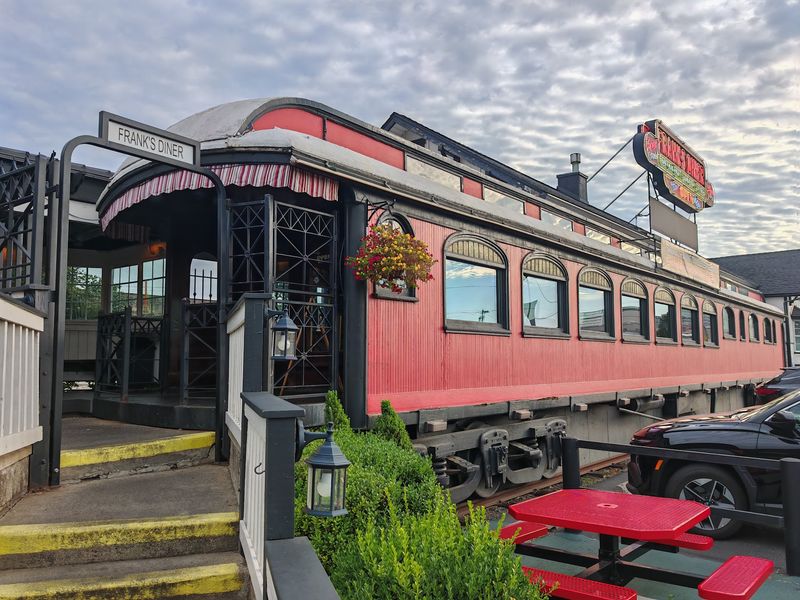
Plenty of restaurants claim to have character, but very few can say their dining room once had wheels. In downtown Spokane, one breakfast spot does its business inside a railroad car built in 1906, long before most of the city’s current buildings existed.
Today that car sits parked for good, packed with wood booths, a busy counter and a steady line of hungry locals who keep coming back week after week. The sections ahead explain where to find it, what keeps the crowds loyal, how to handle the famous wait, and why so many people treat a meal here as a Spokane tradition instead of just another morning out.
A Railcar Parked on West 2nd Avenue
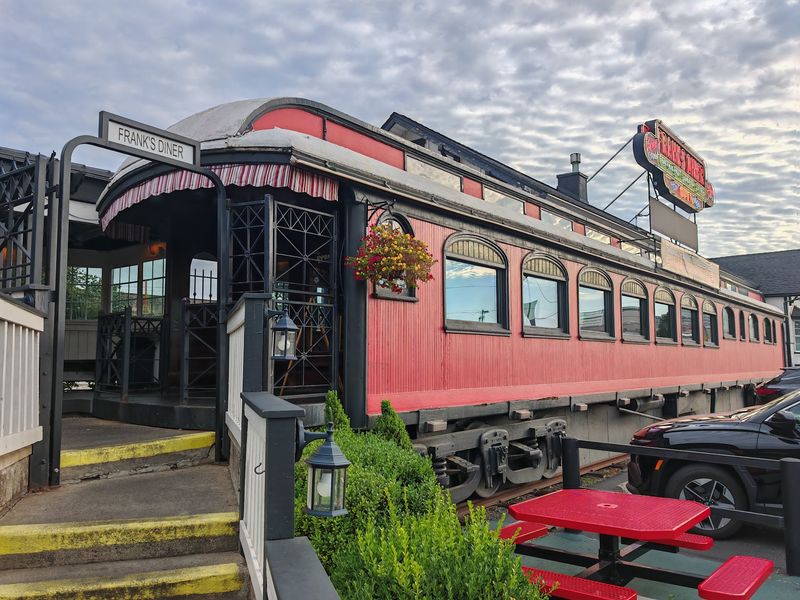
Spokane has plenty of breakfast counters, but only one of them arrived by rail. Frank’s Diner – Downtown Spokane sits at 1516 W 2nd Ave, Spokane, WA 99201, in eastern Washington, United States.
The restaurant lives inside a restored railroad car built in 1906, with a classic red exterior that makes it easy to spot from the street. Nobody has to wonder if they found the right place.
Officially, it is listed as a breakfast restaurant. In practice, it serves local American diner fare from early morning into the evening, with a farm-to-fork approach at the heart of the kitchen.
That mix of old rail history and modern kitchen habits is a big part of the draw. Locals treat it as a dependable staple, while travelers often put it near the top of their Spokane plans.
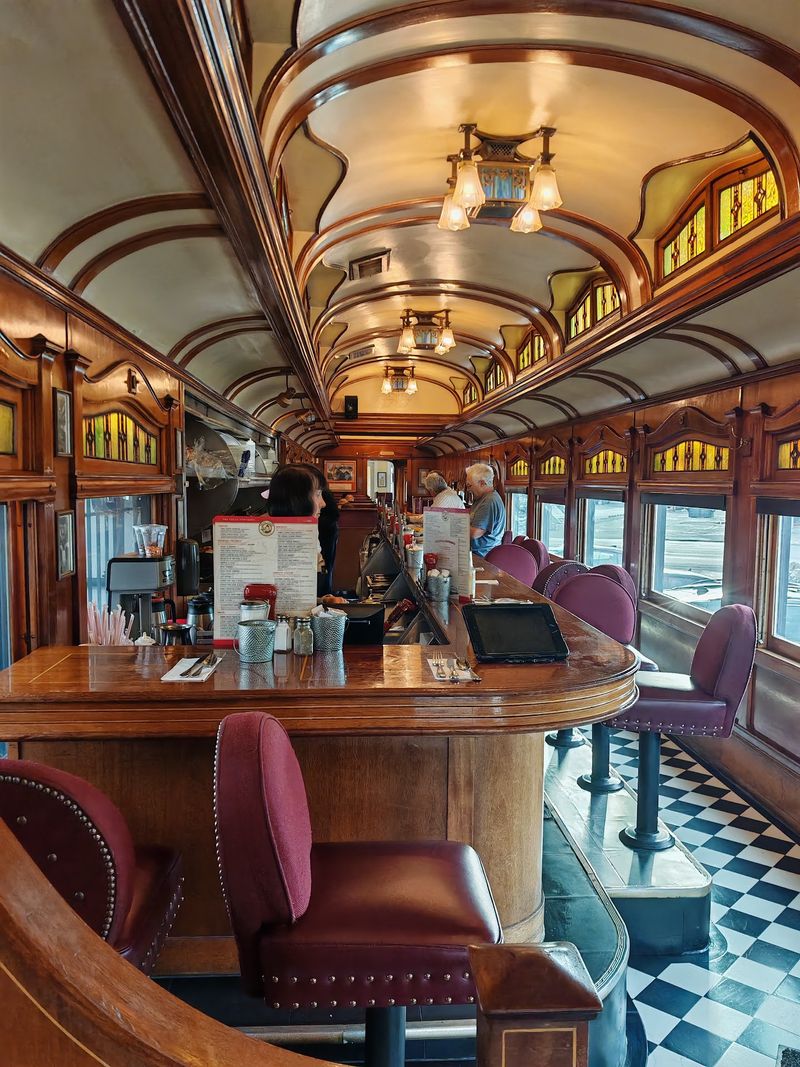
The setup is refreshingly simple. There are wood booths, a counter with stools, and a kitchen crew working in plain view of the guests.
Seating is limited, since a train car only offers so much room. That small footprint shapes nearly everything about the experience, including the well-known wait at the door and the friendly closeness inside.
More than a few out-of-towners make it their very first stop in the city. For a restaurant with no wheels anymore, it certainly keeps people moving in its direction.
More Than a Century on the Rails
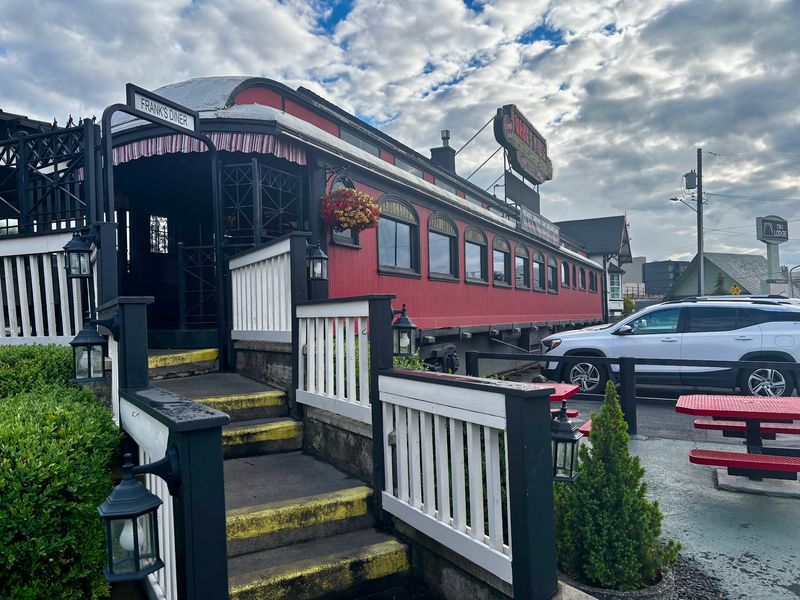
Here is a fun fact to start the day. The car that houses this diner is older than sliced bread by more than two decades.
Its first career was on the railroad. Its second career, as a dining room anchored in one spot, is the one Spokane knows best.
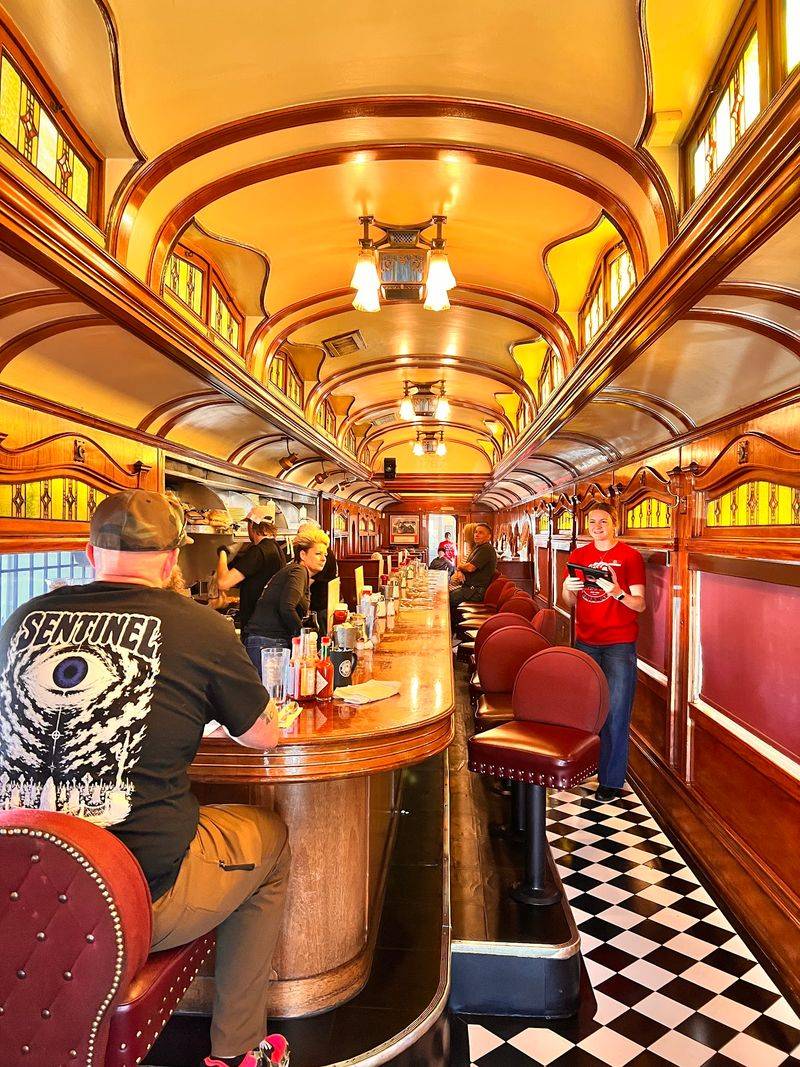
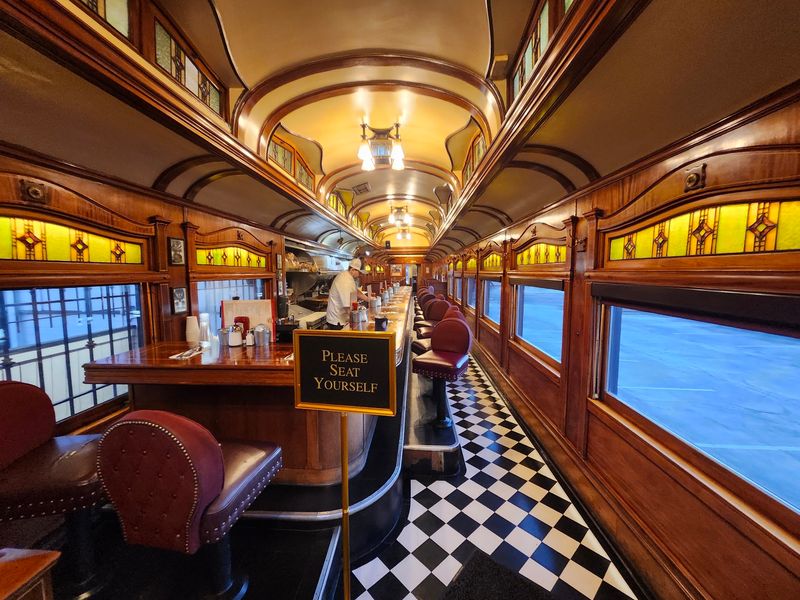
Restoration kept the spirit of the old car intact. The interior still reads as a genuine dining car, with vintage decor that feels frozen in time.
That sense of the past is not a gimmick layered on top. The railroad story runs through the whole place, even into the menu, where dish names borrow from train life with a healthy dose of conductor humor.
Plenty of diners across the country lean on retro styling. Few can point to an actual rail car more than a hundred years old as their dining room.
Did you know? The early 1900s were a peak era for passenger rail in the United States, well before highways and airports took over most long trips.
For history fans, that backstory adds real depth to an ordinary breakfast. Everyone else simply gets a memorable place to grab a table, assuming one opens up soon.
Wood Booths and Vintage Dining Car Details
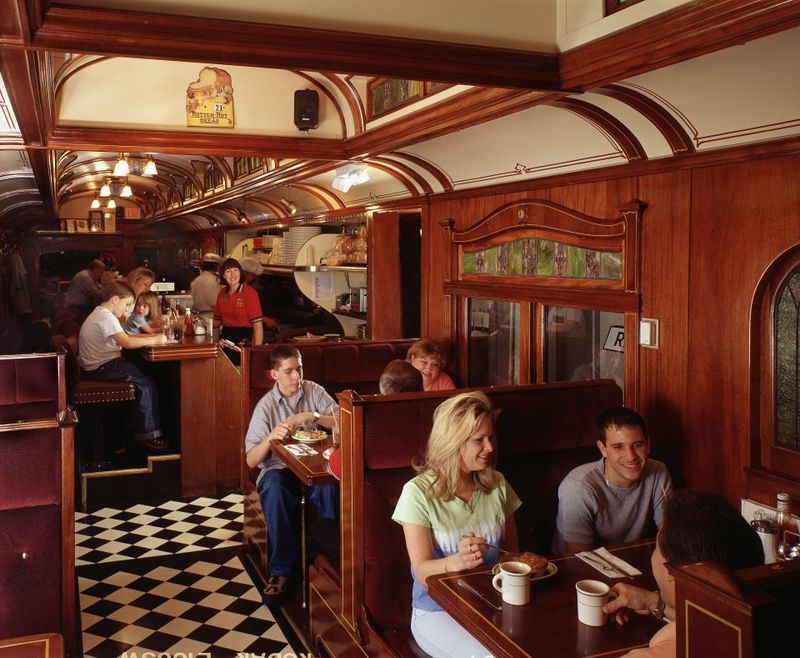
Some restaurants spend a fortune trying to seem old. Here, the old part came standard.
Inside, the layout follows the long, narrow shape of the rail car. Wood booths line the space, and a counter faces the kitchen with stools for solo diners and pairs.
Those counter stools come with backs and padded seats. It is a small detail, yet it makes a leisurely breakfast far more comfortable.
Nothing about the decor tries too hard. The vintage touches simply support the story of the car itself, which gives the room a relaxed, unfussy personality.
Cleanliness earns frequent praise, and that extends all the way to the restrooms. In a space this compact, keeping things tidy takes steady effort from the whole team.
Tight quarters do come with a trade-off. Tables sit close together, so private conversations can be a bit of a challenge on busy mornings.
Most people take that in stride. Sharing elbow room with neighbors is part of the charm of eating in a train car, and nobody expects a rail carriage to offer the space of a banquet hall.
Front-Row Seats at the Counter
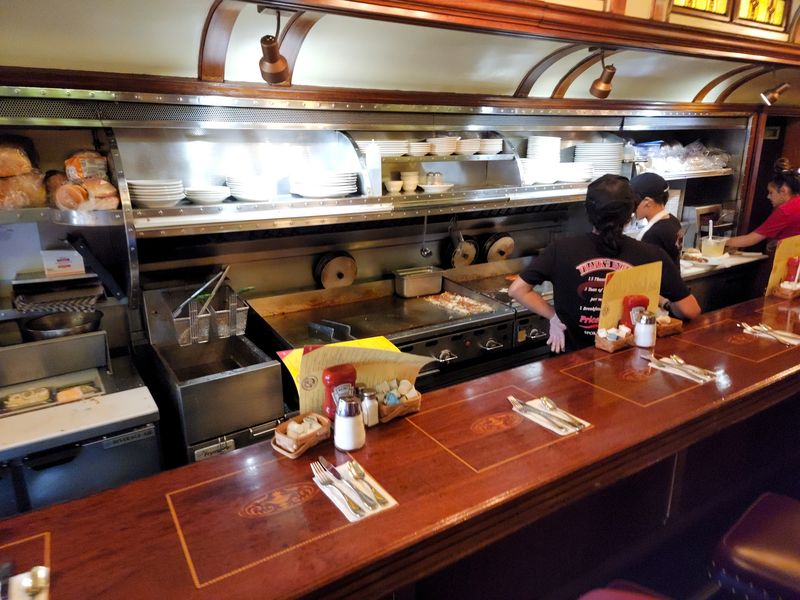
Counter seating ranks among the most talked-about features of the diner, and for good reason.
From a stool, guests get a direct view of the cooks at work. Orders come in, plates go out, and the whole rhythm of a busy diner kitchen plays out a few feet away.
Kids and grown-ups who enjoy seeing how things are made treat that view as half the entertainment. Watching the crew juggle a packed room during the morning rush is its own small show.
The counter also suits solo travelers well. Someone passing through town can grab a seat, chat with the staff, and enjoy a cup of coffee without needing a full booth.
Friendly conversation tends to flow at the counter. Servers who stop for a quick chat make a lone breakfast feel far less lonely.
Couples who do not mind sitting side by side often enjoy it as much as a booth. There is always something to watch while the food is on its way.
Newcomers usually understand the appeal after a single visit. In a restaurant built inside a train, the counter just might be the best seat on the line.
Hearty Plates With a Farm-to-Fork Heart
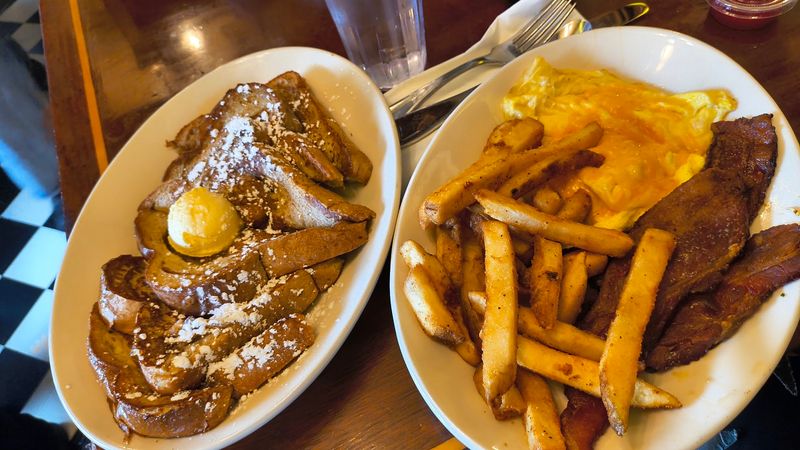
Nobody leaves hungry, and that is not an exaggeration. Portions come up more than almost any other topic when people talk about the diner.
Plates arrive loaded, and many guests end up packing leftovers to take home. Half orders are available on some items for anyone with a smaller appetite.
The kitchen follows a farm-to-fork approach. Local American comfort fare anchors the menu, with breakfast as the headline act and classic lunch and dinner plates filling out the rest of the day.
Starters get plenty of attention too. One house specialty appetizer has earned a devoted following, and first-timers are often urged to order it before anything else.
Menu names lean into the railroad theme, which makes ordering part of the fun. Train-loving kids may get an extra kick out of reading the choices aloud.
Seasonal items show up throughout the year, so the menu is worth a fresh look on each visit. Some favorites only appear when local produce is at its peak.
Desserts and to-go treats round things out for anyone with room left. Given the size of the main plates, that is a very big if.
A Crew That Keeps the Train on Schedule
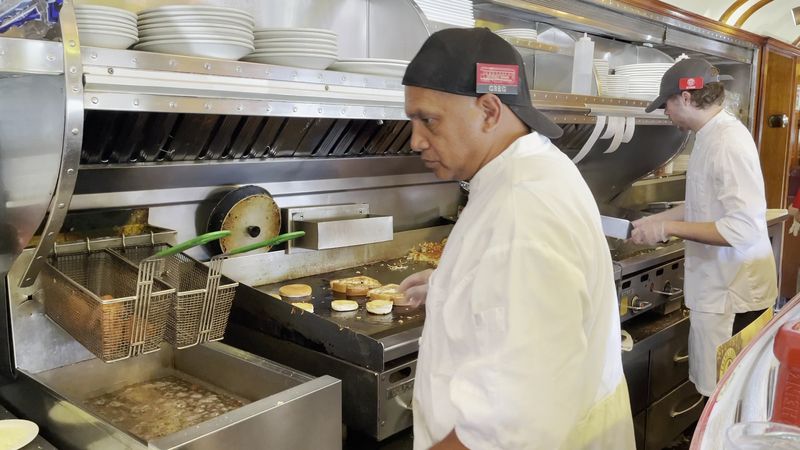
Busy restaurants can lose their warmth when the room fills up. The staff here seem determined to prove otherwise.
Friendliness is one of the most consistent themes around the diner. Servers welcome guests at the door and keep checking in even when every seat is taken.
Teamwork stands out in particular. Employees move quickly and back each other up, and guests often leave impressed at how smoothly a packed train car keeps running.
Some of the team have been around for years, including one longtime server with about two decades on the job. The crew generally appears to enjoy being there, and that loyalty says a lot.
Small gestures matter too. Staff have handed out to-go cups for drinks, brought extras for guests who ask, and tracked down special requests from the back.
When things go sideways, the team tends to make it right. On a day the kitchen ran short of an ingredient, one table received an apology, a complimentary side, and money taken off the bill without asking.
Parties in a hurry get looked after as well. A group on a tight schedule once found staff hustling to seat them and get them out the door with time to spare.
Good crews make good diners, and this one rarely misses a stop.
Who Feels at Home in the Dining Car
Train buffs are the obvious fans, but the guest list runs much wider than that.
Families show up in big numbers. The diner is kid-friendly, and the owner has made it clear that the team loves to spoil young guests.
Grandparents with train-obsessed grandkids have a natural outing here. Even a quick breakfast becomes a small adventure when the dining room used to ride the rails.
Couples use the diner for relaxed breakfast dates, while friends drop in for a late brunch. The mood stays lively and casual, with no pressure to dress up.
Travelers make up another big share of the crowd. Out-of-state guests often plan a stop after spotting the place online, and many leave calling it the best breakfast of their trip.
A few things are worth knowing before bringing the whole crew. The car is narrow, seating is limited, and large parties may wait longer for enough space.
In the colder months, the old car can struggle to hold heat against freezing temperatures outside. A light extra layer is a smart move during a Spokane winter.
People who value character over wide aisles will find themselves on exactly the right track.
Hours, Waits and Getting There
Early birds are in luck. The diner opens at 6 AM and closes at 8 PM, seven days a week, which leaves plenty of room for an early start or a later meal.
The wait is the biggest thing to plan around. It is easily the most discussed topic about the diner, and busy mornings can bring a sizable line.
Staff help ease the delay. Coffee and water are often set out for guests waiting to be seated, and the extra time is handy for studying the menu.
Many find the wait shorter than expected, and some call it just about perfect. Still, anyone on a tight schedule should build in a cushion.
Prices are a pleasant surprise. Guests frequently call them reasonable and even refreshingly old-fashioned, especially given the size of the portions.
Getting there is simple thanks to the West 2nd Avenue address in downtown Spokane. The Spokane Falls sit roughly a five-minute drive away, so a post-breakfast stroll by the river makes an easy add-on.
Travelers with a flight later in the day have made it a final Spokane stop. Coffee and leftovers can come along, thanks to to-go cups and boxes.
A quick check of the official website before heading out never hurts.
The Case for a Return Trip
Plenty of restaurants earn one visit through novelty alone. Earning the second, third and tenth visit takes a lot more than a clever building.
That is where this diner stands apart. The 1906 railroad car gets people through the door, but hearty plates, fair prices and a genuinely warm crew are what bring them back.
Locals treat it as a dependable breakfast habit. Travelers leave with a story about eating in a century-old train car and a strong urge to return on their next trip through eastern Washington.
The trade-offs are honest ones. Expect a wait, expect snug seating, and expect to leave with a to-go box more often than not.
None of those quirks seem to slow the crowds. If anything, the full booths and busy counter only add to the sense that something good is happening inside.
A little patience at the door tends to pay off. Once the plates land and the coffee refills begin, the line becomes a distant memory.
Spokane has no shortage of places to eat, yet this one holds a special spot in the city’s routine. Some trains stop running, but this one keeps collecting passengers every single day.
Enjoyed this story?
Add Fast Food Club as a preferred source to see more of our reporting on Google.