


Less than an hour from the Las Vegas Strip, the desert suddenly turns red, as if someone flipped a switch on the landscape. Bright sandstone rises out of plain brown ground, and twisted rock shapes line a winding road.
In the cooler months, the trails feel calmer, the hikes feel easier, and the low light makes those red rocks look their boldest. Summer heat here is serious enough that some trails close for part of the year, so timing matters more than most people think.
This guide covers where the park sits, the trails worth your morning, the ancient rock art, the wildlife that likes to pose, and the practical details that help a day trip go smoothly. Stick around, because the best spots are not always the famous ones.
Nevada’s Oldest Park, Hiding in Plain Sight
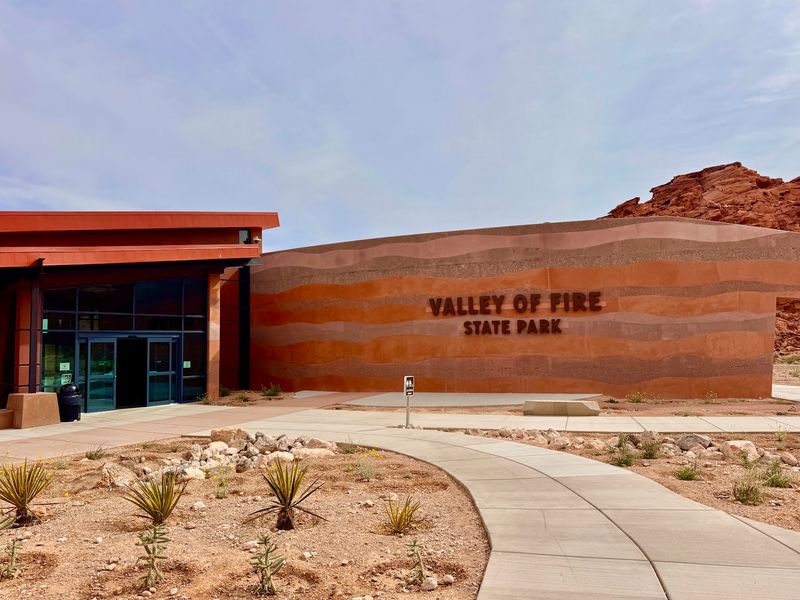
Valley of Fire State Park sits at Moapa Valley, NV 89040, in southern Nevada, United States. It holds the title of Nevada’s oldest and largest state park, which is a pretty big claim for a place many travelers drive past on their way somewhere else.
The drive from Las Vegas runs roughly 45 minutes to an hour, which makes it one of the easiest escapes from the city lights. Plenty of people treat it as a quick break from the Strip and end up wishing they had planned a full day.
The park mixes red sandstone and petrified wood with hiking trails and campgrounds. Short walks lead from parking lots to scenic spots, while longer loops stretch past four miles.
Approaching the park, the surrounding desert looks fairly plain. Then the bright sandstone appears seemingly out of nowhere, and the name suddenly makes complete sense.
That contrast is the first surprise of many, and it shows up before you even reach a trailhead.
Why Cooler Months Win
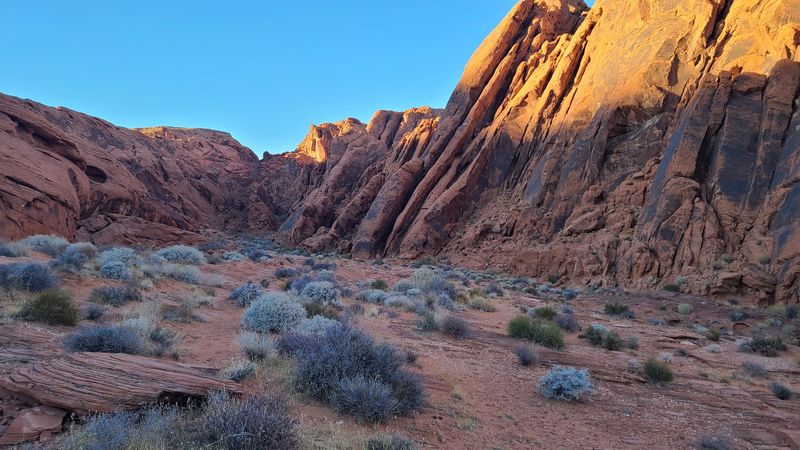
Summer at this park is no joke. Some trails close from May to September because of heat hazards, and even early October can still hit the 90s.
That is exactly why winter has such a strong case. Cooler temperatures make the sandy, shade-free trails far more manageable, and you can hike past noon without racing the thermometer.
Light matters too. The red tones can look softer in harsh midday sun, so early morning and late afternoon are the times when the rocks really earn their fiery reputation.
One caution belongs here. The rainy season can bring flash floods, and the park has dealt with mud slides that led to closures.
Road closures and construction can also change your route, including a west entrance that has been closed on certain weekdays. Checking the park’s official website at parks.nv.gov before you leave can save you a long detour.
A little planning turns a quiet winter visit into the version of this park most people never get to see.
Fire Wave and the Seven Wonders Loop
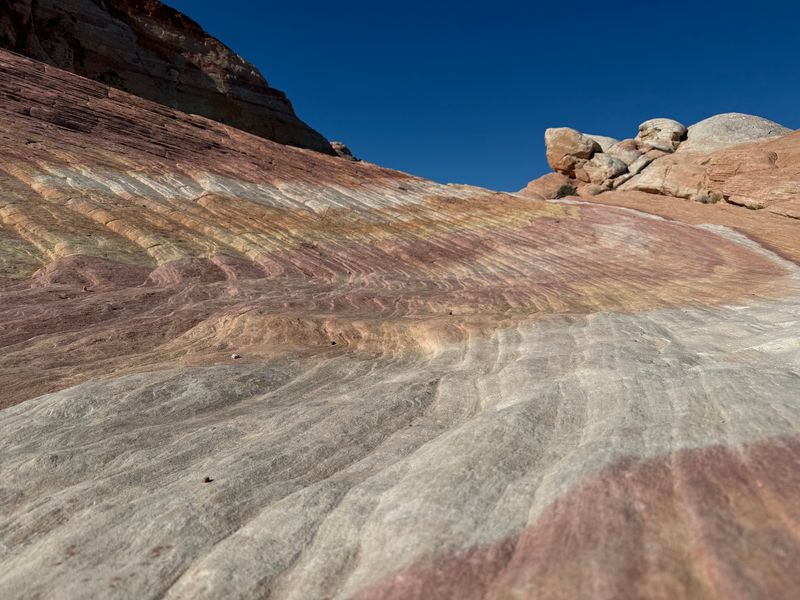
Some rocks are just showoffs. The Fire Wave is one of them, with its striped sandstone that curves across the ground in bold bands of color.
It anchors the Seven Wonders Loop, a route that strings together slickrock, colorful formations, and slot canyons. Many hikers rank it among the best in the park.
The loop pairs nicely with the White Domes area nearby. Together they deliver a wide sample of what makes this landscape so different.
A practical note helps here. Trail markers on the Seven Wonders route can be tricky near the southwest and west corner when walking clockwise, so pay attention and keep a map handy.
Sand is a constant companion on this stretch, so sturdy shoes are a smart choice. Shade is rare, which is another reason the cooler months feel like a gift.
Go early or late in the day, and the Fire Wave lives up to its name without any filter required.
White Domes Road and Its Slot Canyon
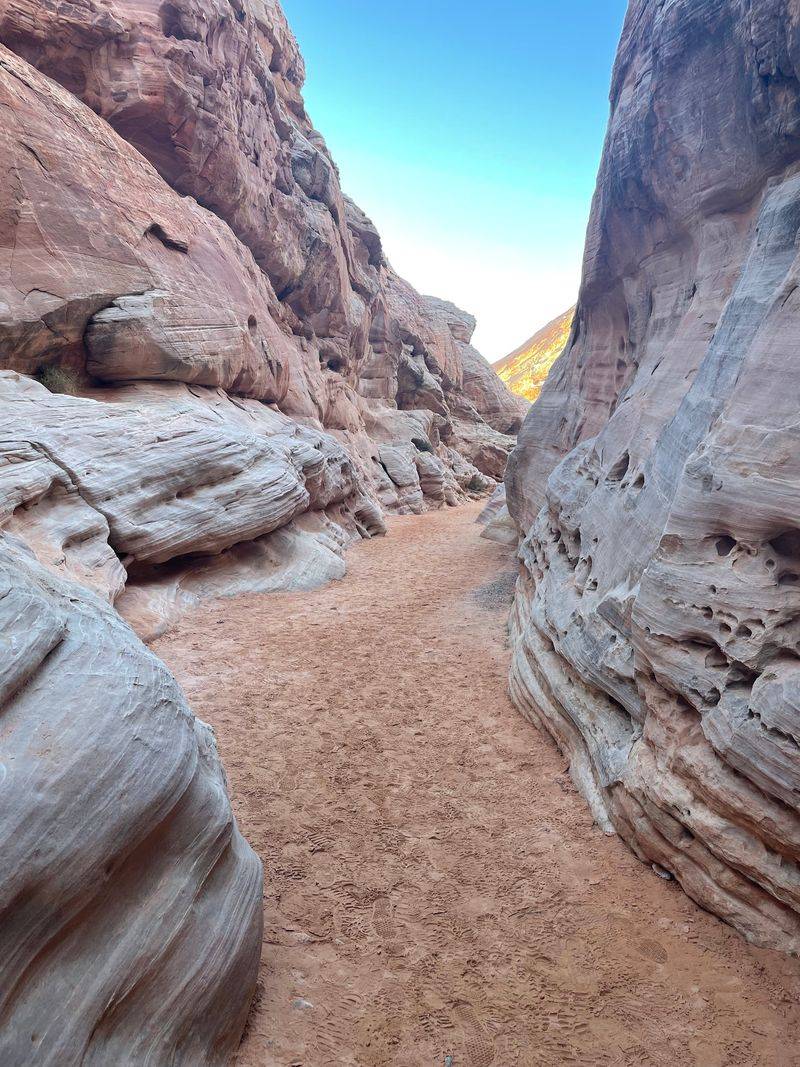
White Domes Road earns its spot as one of the park’s most talked-about drives. It winds deeper into the park toward pale and red formations that keep shifting color with every bend.
At the end, the White Domes Loop offers a short hike with real payoff. A slot canyon along the route lets you walk between tall rock walls, which feels like a secret passage carved just for hikers.
The road also gives access to Rainbow Vista. From there, the views down toward Mouse’s Tank Road stretch across layers of colored stone.
Pulling over is easy, since there are plenty of places to stop along the way. Even if you only explore by car, the drive delivers a full menu of scenery.
Restrooms appear every few miles and navigational signs are clear, so getting lost is less of a worry than getting distracted. The real challenge is deciding which turnout deserves your camera first.
Petroglyphs That Predate the Highway
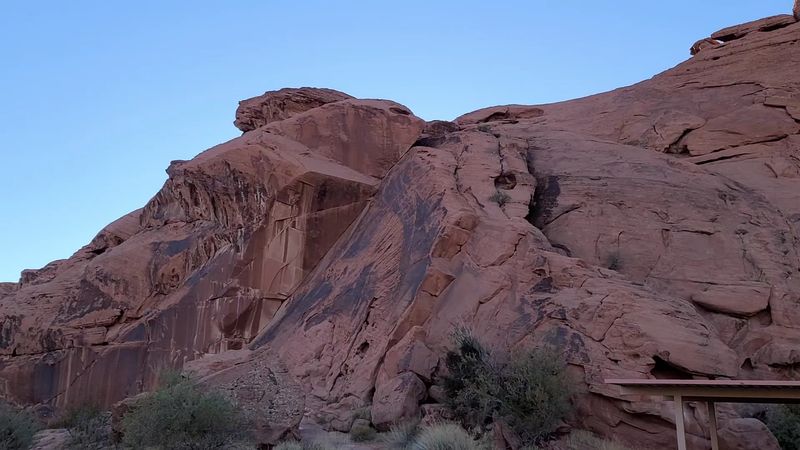
Long before road trips and phone cameras, people were leaving their own marks on these rocks. The park’s petroglyphs are among its most meaningful sights.
The Petroglyph Canyon Trail, which leads to Mouse’s Tank, is one of the most mentioned walks in the entire park. It is an easy trail, making it a good pick for families and casual hikers.
Along the way, carved figures appear on the canyon walls. They connect the landscape to Native American history, adding an archaeological layer to all that geology.
Atlatl Rock is another spot known for rock art. It gives a second chance to study these ancient designs up close.
Please look and photograph without touching. These carvings have lasted for a very long time, and keeping them intact means the next hiker gets the same experience.
History here is not behind glass in a building. It is right on the trail, waiting for anyone patient enough to slow down.
Bighorn Sheep, the Park’s Unofficial Greeters
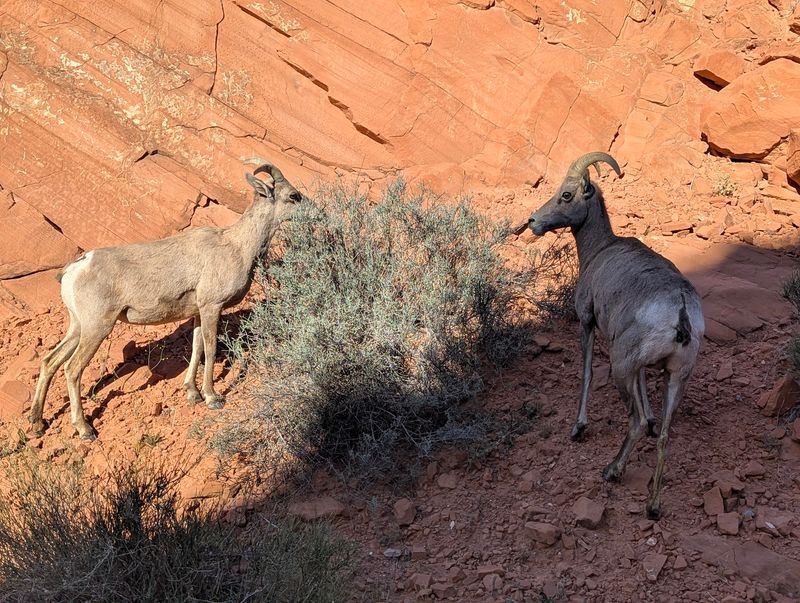
Spotting a desert bighorn sheep here is surprisingly common. They show up often enough that they rank among the most mentioned highlights of the park.
Sometimes a lone ram appears near the road. Other times, a whole family wanders through, looking almost out of place against the bright red rock.
The sheep are not the only residents. Lizards and squirrels dart around trails and picnic areas, keeping things lively.
Give the animals space and keep your distance. A zoom lens works far better than inching closer, and it keeps everyone safe.
Cooler months may make for more comfortable wildlife watching, since you can stay outside longer without the heat pushing you back to the car. Morning drives are a solid time to keep your eyes on the ledges.
Nobody can promise a sighting, of course. Still, the odds here are good enough that many people leave with a photo of a curly-horned new friend.
Elephant Rock, Balancing Rock and Other Characters
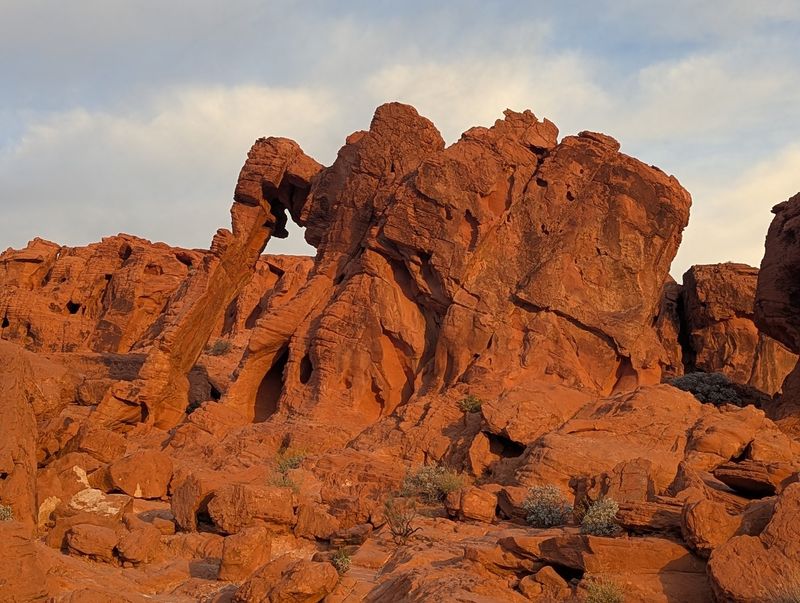
Rock formations are the main event in this park, and a few of them have personalities. Elephant Rock is the famous one, with a shape that truly resembles its name.
It sits near the park’s east side and requires only a short walk. That makes it an easy stop even on a tight schedule.
Balancing Rock is another quick visit that looks like it is defying common sense. Fire Canyon and the Silica Dome Overlook add sweeping views of deep red terrain.
Many of these highlights are short hikes from the parking areas. You could cover a long list of them in a single morning if the weather cooperates.
The park is fairly compact, so ambitious hikers can tackle most trails in one day. Trails range from a tenth of a mile to more than four miles.
Every formation seems to have its own quirk, and part of the fun is deciding what each one looks like to you.
Campgrounds, Cabins and a Sky Full of Stars
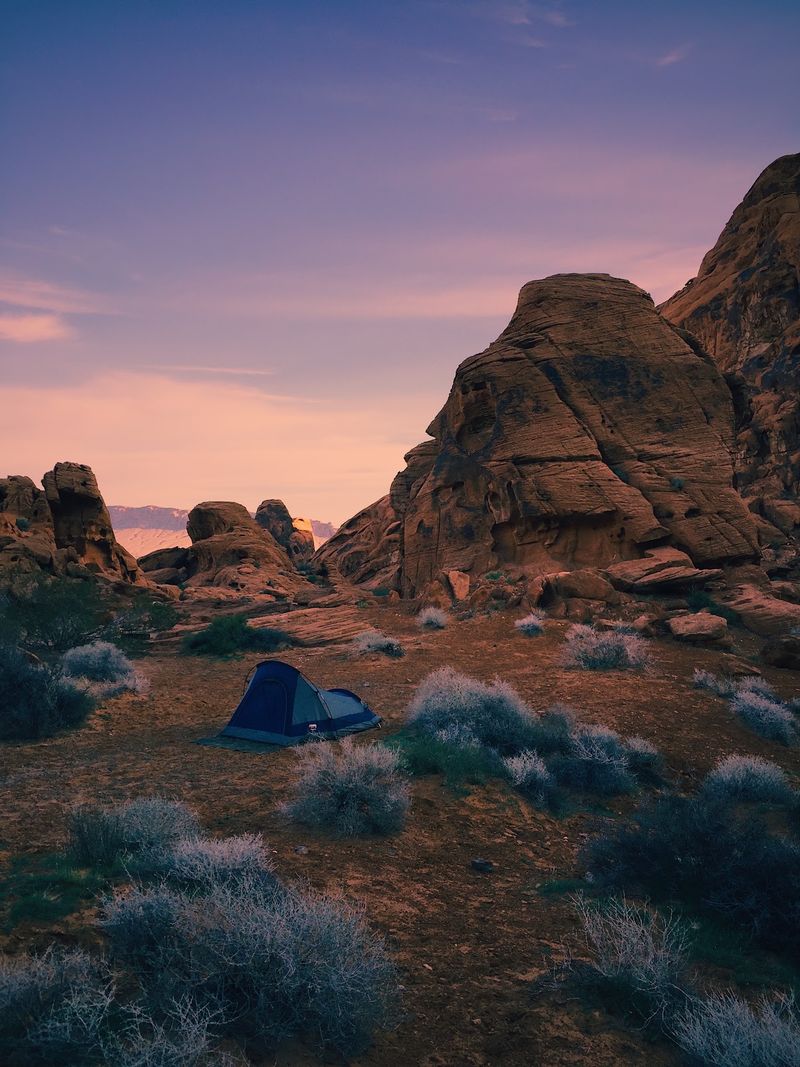
When the day crowds head back to Las Vegas, the park changes character. Staying overnight reveals a whole new side of it.
The campgrounds are well maintained and popular with people who return again and again. On quiet nights, some campers have nearly a whole campground to themselves.
Stargazing is the big reward. Far from city lights, the night sky puts on a show that the Strip simply cannot match.
Nights can get gusty, so secure your gear well. Pack layers too, especially in winter.
Don’t overlook the historic cabins either. They are an interesting stop worth adding to your route during the day.
Cell service is weak or missing in much of the park. That can feel strange at first, but many people find being unreachable is part of the appeal.
An evening here turns a quick sightseeing trip into a real getaway, with the stars doing most of the entertaining.
Fees, Facilities and Smart Packing
Good news for budget travelers. Entry runs $15 per car for out-of-state residents, which many consider money well spent.
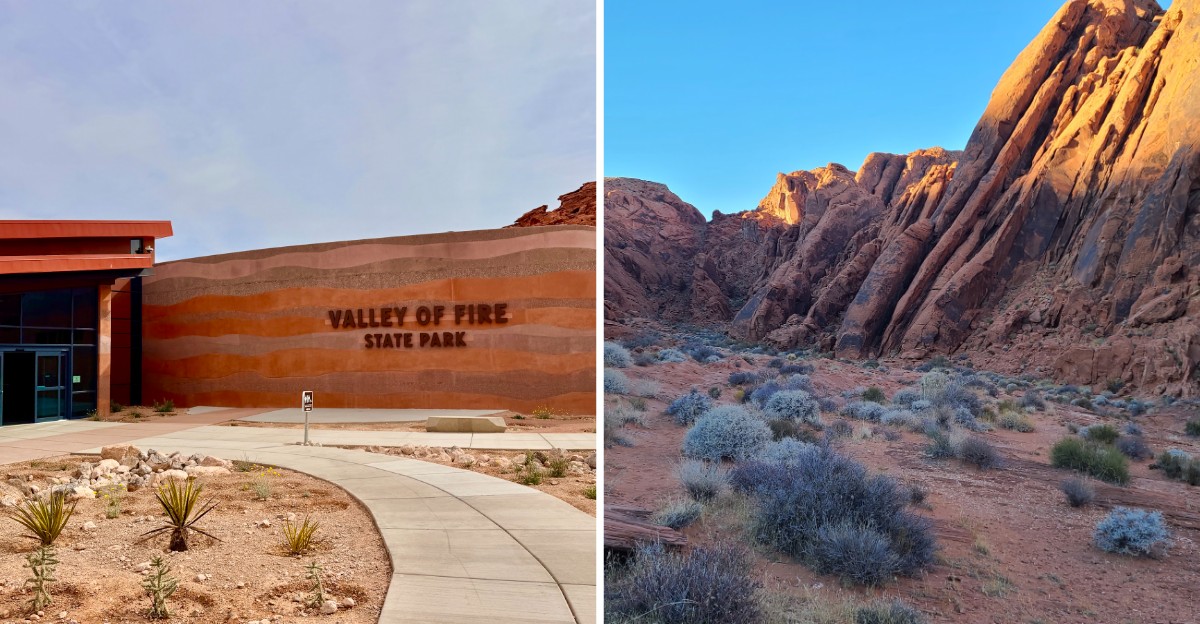
The visitor center is a strong first stop. Staff can point out trails and must-see spots, and the museum shares information about the area and its animals.
A souvenir shop sits inside too. It is handy if you want a keepsake beyond your photos.
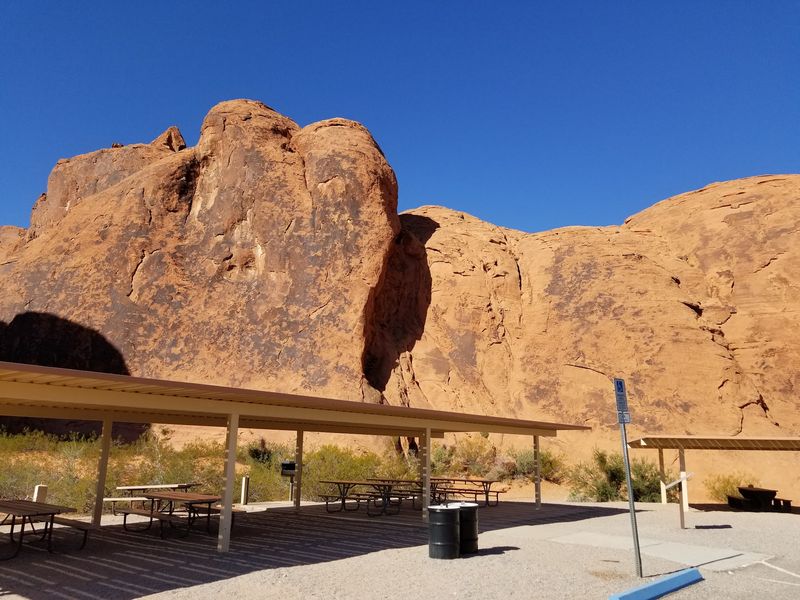
Restrooms and picnic areas are spread throughout the park. Signage is clear, which helps since phone maps may not load without service.
Water is the most important item to pack, even in winter. Sun protection and sand-ready shoes come next.
Some pets are allowed, but not on every trail. Check the rules before bringing a four-legged hiker.
Arrive well before dark so you have time to enjoy everything safely. Park hours and closures can change, so the official site is worth a look before you go.
A Quiet Season Worth Chasing
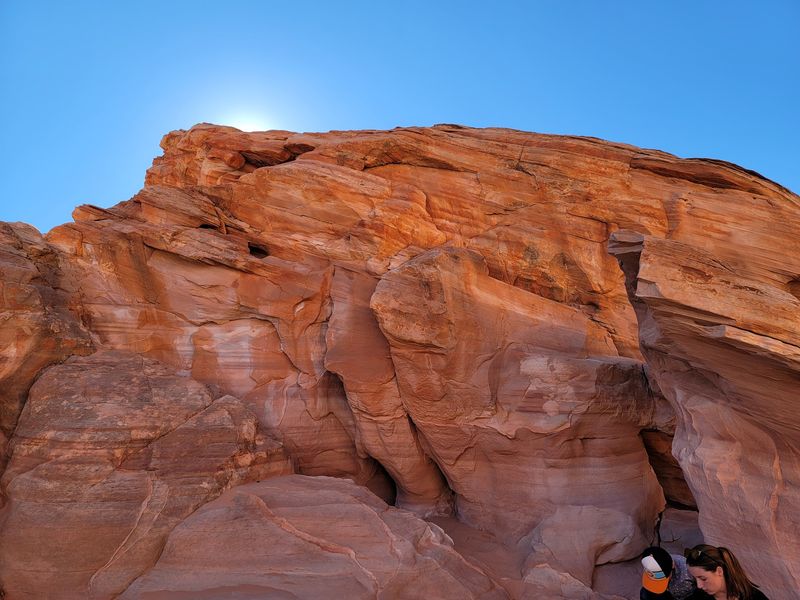
Plenty of places look good in photos. Fewer look better in person, and this park is one of them.
Its 4.8-star standing across nearly 19,000 opinions says a lot about how people feel after leaving. Even with heavy traffic at times, it remains easy to find a quiet trail and walk alone with the scenery.
Winter brings the right mix for most travelers. The temperatures are friendlier, the light flatters the rock, and the hikes feel less like a battle with the sun.
Families will enjoy short walks like Mouse’s Tank. Experienced hikers can link the Fire Wave, Seven Wonders, and White Domes for a fuller day.
Campers get the bonus of dark skies and calm nights. Road trippers can simply cruise, pull over, and soak up the views from the car.
So when the Las Vegas lights start to feel like too much, point the car north. The red rocks are waiting, and in winter, they have a lot fewer people to share with.
Enjoyed this story?
Add Fast Food Club as a preferred source to see more of our reporting on Google.