


Some places are loud in summer and honest in winter. Down in the hills of southwest Missouri, there is a park where a spring rises from a cave, trout fill clear pools, and bald eagles drift in once the weather turns cold.
In the busy months, campgrounds fill up and families line the riverbanks. Once the crowds thin out, the park shows its quieter side, and the spring that started it all gets the spotlight it deserves.
Fly fishing stays open all year, the trails are still there to climb, and the hatchery keeps doing its steady work. Read on to learn where this place is, what makes it special, which trails test your legs, how the fishing works, and why so many people keep coming back for decades.
It might change how you think about a winter getaway.
A Spring-Fed Valley Near Cassville
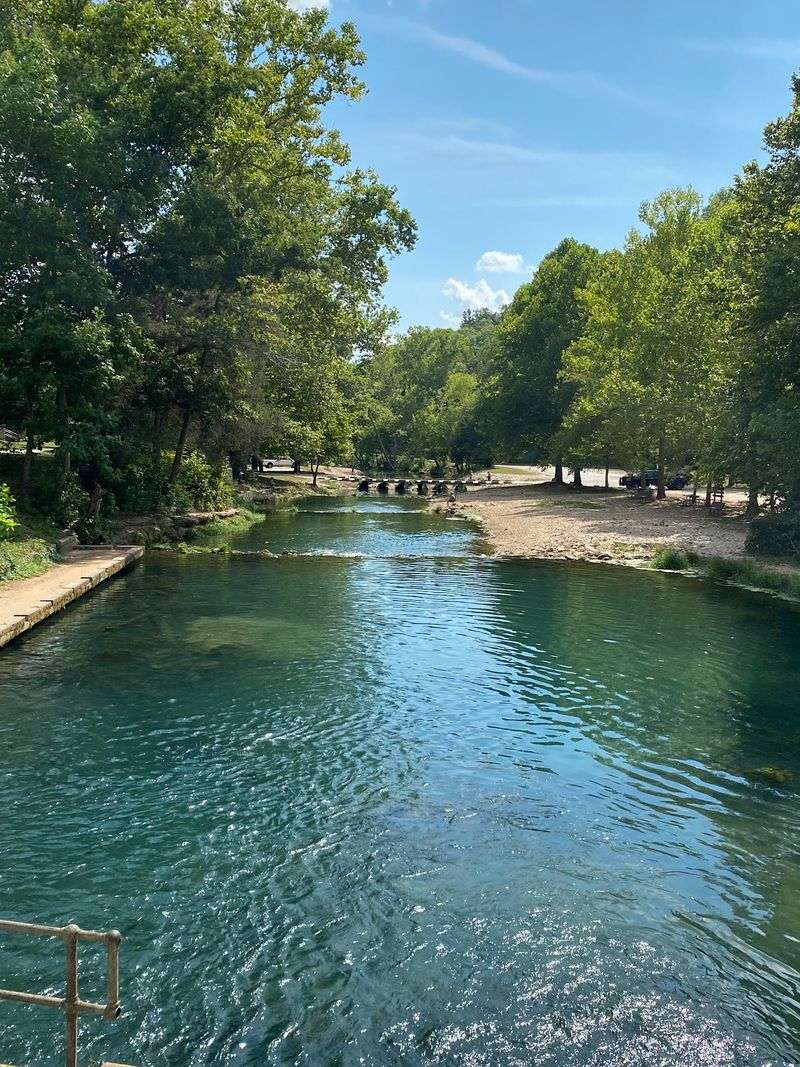
Southwest Missouri hides one of its favorite outdoor escapes in a deep, wooded valley. Roaring River State Park sits at 12716 Farm Rd 2239, Cassville, MO 65625, in the Ozark country of southern Missouri.
The park is best known as a trout-fishing destination. Its river is stocked with trout, and a rugged natural backdrop wraps around the water on every side.
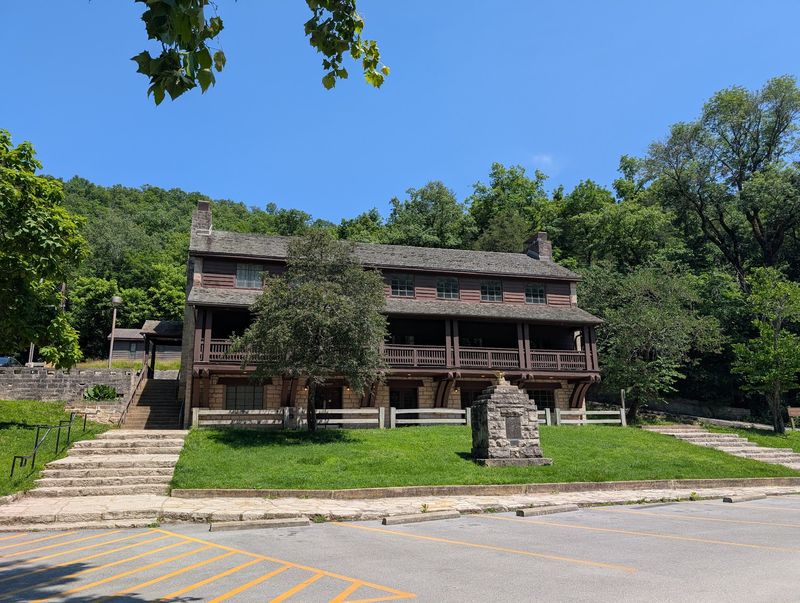
Hiking trails, campgrounds, lodging, a hatchery, and a cave where the spring emerges all fit inside the park. That is a lot to pack into one valley, and it explains why the place earns such strong loyalty.
The numbers back it up. The park holds a 4.8-star standing from more than 4,000 people who have weighed in, which is rare for any outdoor spot.
Many people describe it as one of the most beautiful places in Southern Missouri. Others say it is the kind of place that keeps you coming back year after year.
Winter changes the mood here without changing the basics. The spring still flows, the trails still climb, and the river still holds fish, just with far fewer people around them.
So where does all that water come from in the first place? The answer starts underground.
The Cave Where the River Begins
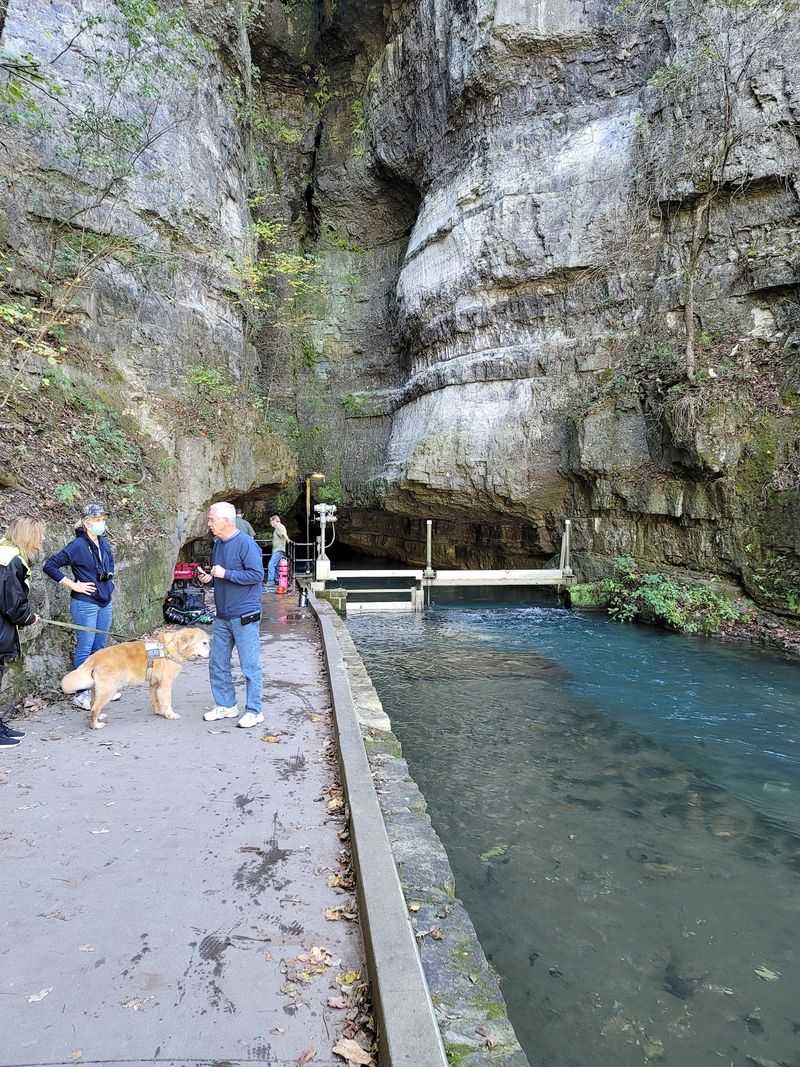
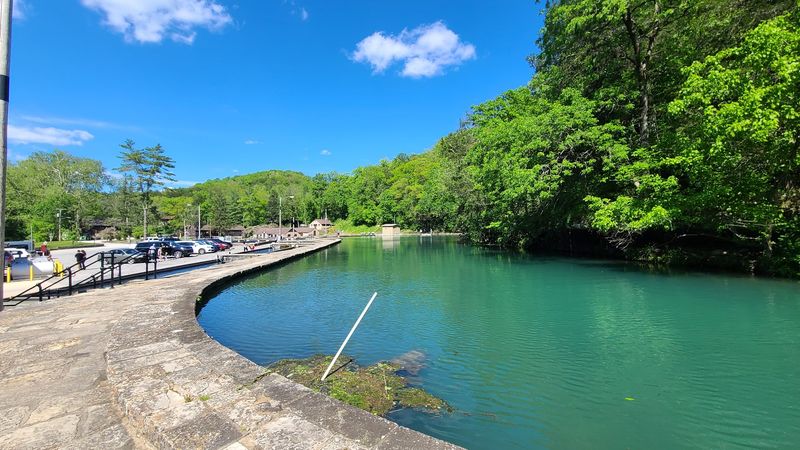
Every river has a starting line, and this one begins at a cave. Water rises from the rock and forms the spring that feeds the entire park.
People who make the short walk often call the cave and spring one of the highlights of their trip. You can see exactly where the water comes out of the caves, which makes the whole system easy to understand.
The spring-fed pools nearby are a big draw. They are filled with large fish swimming around in water that stays remarkably clear.
Winter is a smart time to visit this spot. Fewer people crowd the overlook, so there is more room to stand, read the setting, and take in how the spring shapes everything downstream.
Some people leave impressed by more than the scenery. The park has been praised as a feat of engineering for the way it cultivates trout while protecting a natural spring.
That balance between nature and careful management shows up again just a short walk away. The next stop is where the fish get their start.
Inside the Trout Hatchery
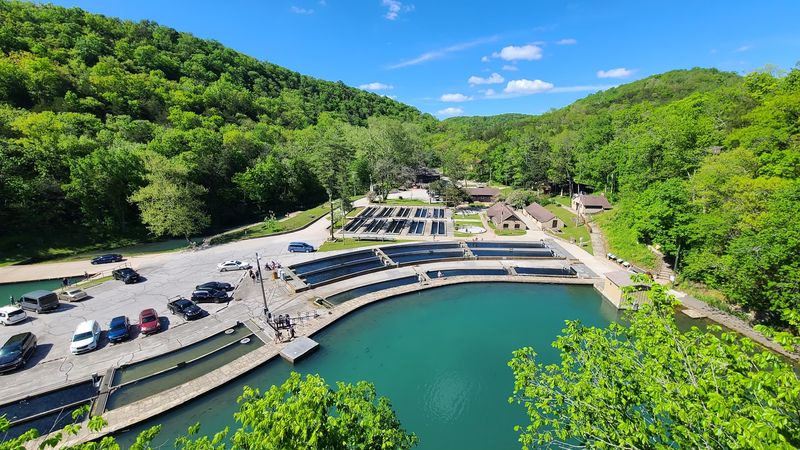
Big fish do not appear by accident. The hatchery at Roaring River raises the trout that end up in the river, and it is one of the most talked-about parts of the park.
Visitors can walk around the hatchery and look into the pools where trout are raised. It is a big old operation, and kids especially tend to get hooked on watching it.
Feeding the fish is a popular activity too. Families often make it part of their routine before or after time on the trails.
One hiker who planned only a quick trail stop ended up sidetracked by the hatcheries for much longer than expected. That happens a lot here, so leave extra time.
Park staff add to the experience. Workers have been known to stop and explain how the hatchery operates, which turns a casual walk into a mini lesson.
Because the river is stocked from this upstream hatchery, the connection between what you see in the pools and what you catch downstream is very direct. Speaking of catching, it is time to talk about the main event.
Trout Country, All Year Long
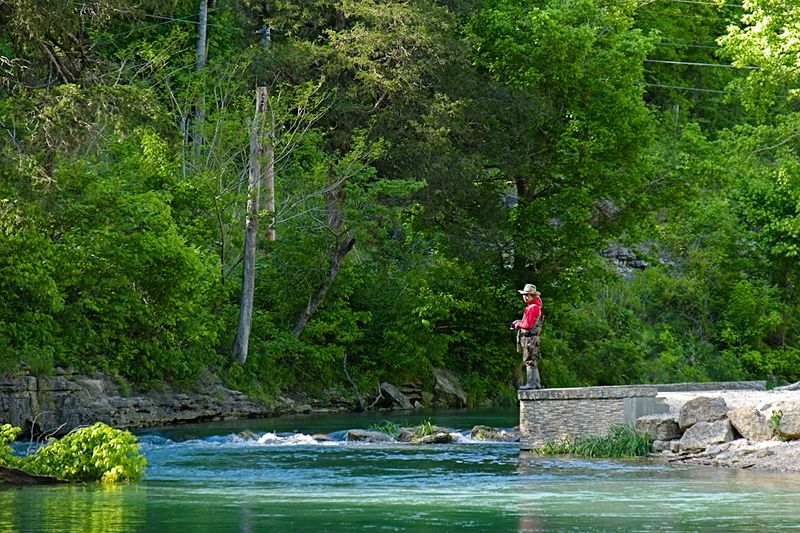
Ask longtime anglers about Roaring River and you will hear one word over and over: reliable. Some have been fishing here for over forty years and still say the trout fishing is always good.
The park is divided into three fishing zones. That setup helps spread people out and gives different styles of fishing their own space.
Here is the winter angle. Fly fishing is available all year round, with a creel limit of four per day, so the cold season does not shut the action down.
You will need a fishing license, which comes up often in conversations about the park. Plan to sort that out before you cast.
The water stays clear, which makes it fun for kids learning to catch fish. Experienced anglers and first-timers both find something to like.
Watching others fish in the lower pools is a pastime of its own. Even non-anglers often stop along the bank just to see who lands one.
A fish cleaning station is on site as well. Catch, clean, and head back to camp without much fuss.
Devil’s Kitchen and Other Leg-Testers
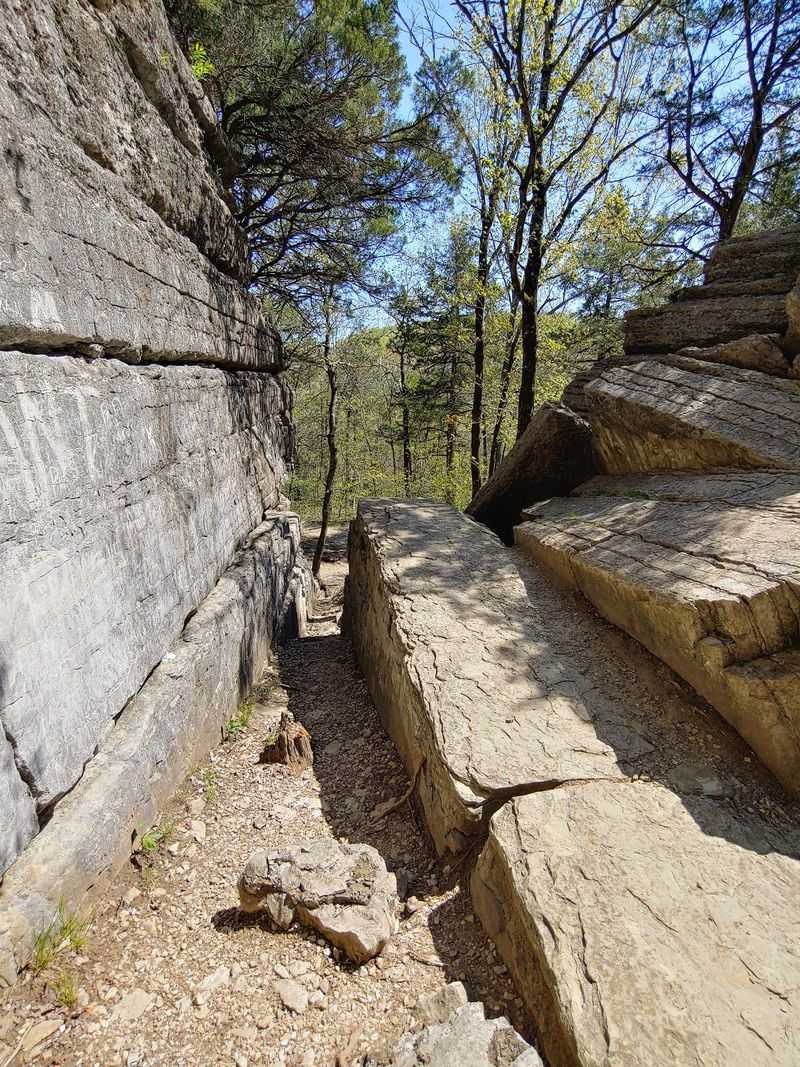
The trails here have a sense of humor, at least in their names. Devil’s Kitchen, Deer Leap, Springhouse, and the Fire Tower Trail all appear on hikers’ lists.
Devil’s Kitchen is a bit challenging, especially after rain. Even so, a couple in their 60s made it through and called the trails pristine, without a speck of trash anywhere.
The Springhouse Trail makes a good warmup. Deer Leap is another option for people who want to keep going.
One somewhat challenging trail rewards the climb with excellent views of the park. The effort pays off when the whole valley opens up below.
The Fire Tower Trail is another named route that hikers mention. It is a fine pick for anyone who wants a longer outing.
Winter hiking has a practical advantage. With the leaves down, the bluffs and streams are easier to see through the trees.
Wear solid shoes, since rocky ground and wet conditions can make the footing tricky. Then again, a little challenge is half the fun, and the views are the other half.
Bald Eagles in the Off-Season
Winter brings a guest list that summer crowds never see. Bald eagles are present as they migrate through during the colder months.
Longtime park fans say the eagles make winter an even more exceptional experience. For many, it is a reason to plan a trip once the temperatures drop.
The river corridor and wooded bluffs give the birds plenty of room. Bring binoculars and some patience.
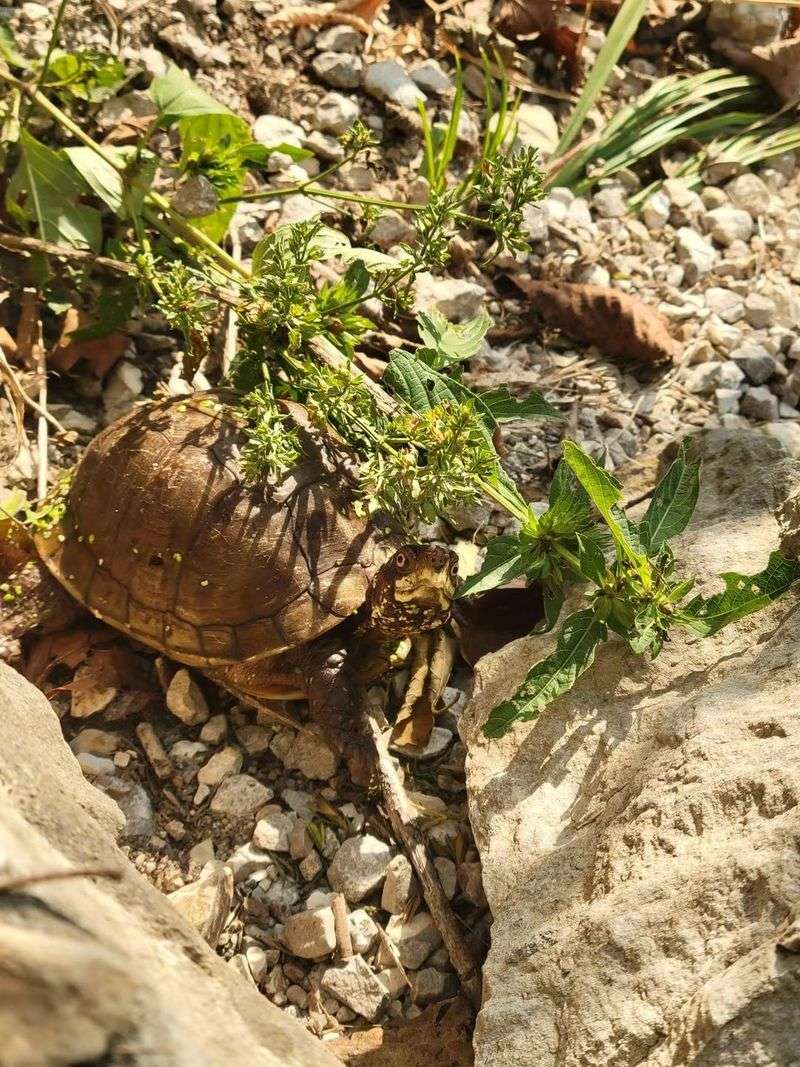
Eagles are not the only wildlife worth noticing. One park worker made a family’s day by showing them a turtle he had found.
Wildlife watching fits the quieter season well. Fewer people on the trails and riverbanks means a calmer setting for spotting birds.
No guarantees, of course. Eagles keep their own schedules, but the chance alone makes a winter walk along the river feel like a small treasure hunt.
Once the binoculars come down, you will want a warm place to stay. Thankfully, the options are plentiful.
Three Campgrounds and Plenty of Roofs
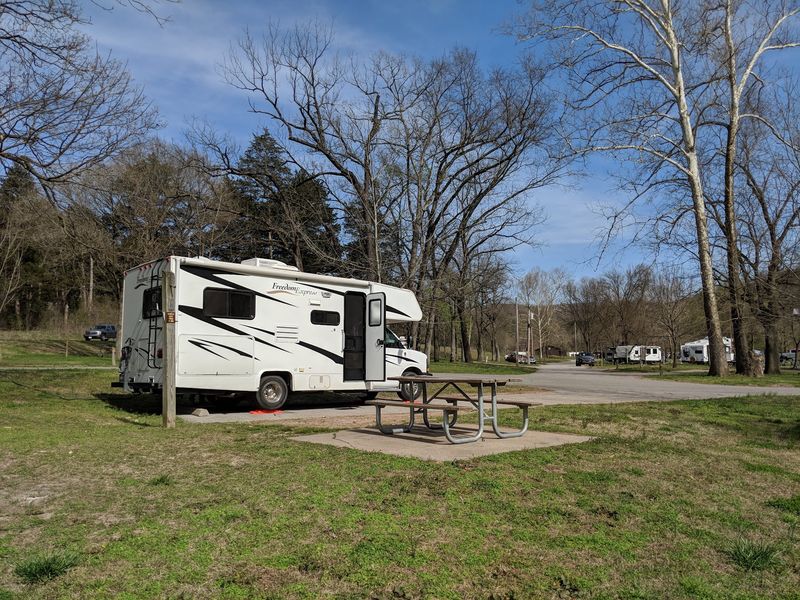
Camping is the single most popular topic among park fans, and it is easy to see why. There are three campgrounds, along with restrooms and a shower house.
Campground 3 appears to be newer. RV campers have found full hookups and concrete pads right next to the river.
Campground 1 is convenient for reaching popular fishing areas. The store sits close by, which helps when you forget something.
Not a camper? No problem.
Lodging options include a hotel, lodges, and cabins, many within walking distance of the main areas.
The campgrounds are known for being clean and well maintained. Even during busy stretches, people describe neighbors as courteous and stays as peaceful.
Evenings around the campfire and cooking a fresh catch together are a classic part of the routine. Families say these moments become memories they carry for years.
The park has even hosted its very first official wedding, which shows how far the hospitality can stretch. For most people, though, a quiet campsite is celebration enough.
The Store, the Fly Shop, and Soft Serve
Forgot your flies? The park store has you covered.
It carries everything you need to trout fish, plus a variety of other items.
Staff at the store have a friendly reputation. Helpful faces behind the counter make a first trip much easier.
Need more selection? Tim’s fly shop at the top of the hill is a go-to for extra gear, with lots of stuff to browse.
The camp office and fly shop both get credit for having plenty to offer. Between them, gearing up is rarely a problem.
Summer brings a sweet bonus at the park office: soft serve ice cream. It is a seasonal treat, so do not count on it during a winter visit.
There is also a restaurant at the big hotel. Opinions on the food are mixed since it changed hands, though the building itself is considered a nice place.
Bottom line, packing light is possible here. Just check what is open in the off-season before you leave home.
Who Fits Right In
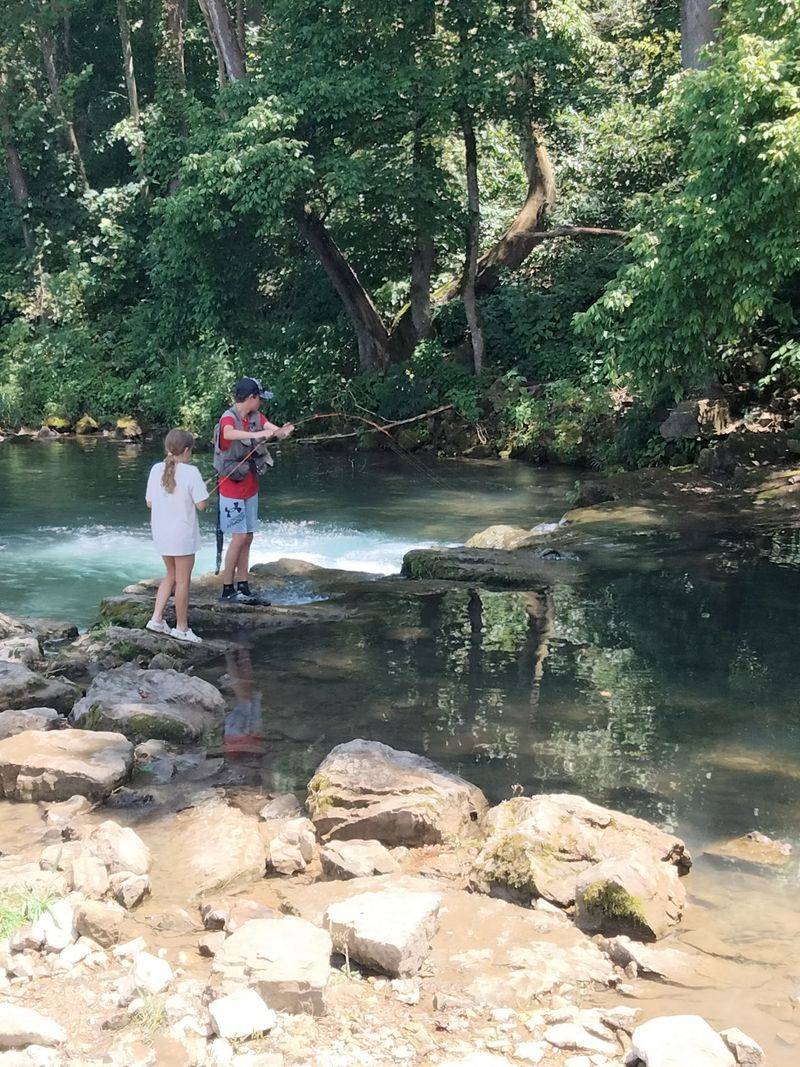
Grandparents, toddlers, solo hikers, and serious anglers all share the same riverbanks here. The park is obviously family friendly, and kids seem to have a great time.
It is a strong place to bring children fishing for the first time. Clear water and a stocked river help keep young attention spans engaged.
Solo adventurers fit in too. The trails and quiet corners give plenty of space to unplug.
Many people describe the park as a spot to reconnect with family and friends. No distractions, just time outdoors together.
Loyalty runs deep. Some have been fishing, camping, and hiking here for 25 years and still call it their favorite.
A swimming area adds warm-weather appeal, and autumn foliage draws campers in the fall. Winter suits people who want calm over activity.
Day trippers can extend their outing easily. Eureka Springs is about a 40-minute drive from Cassville, which makes a nice side trip.
Planning a Quiet-Season Visit
A little planning goes a long way before a winter trip. Start with the official park page at mostateparks.com, which covers current details and updates.
Get your fishing license sorted before arrival. Remember the year-round fly fishing creel limit of four per day.
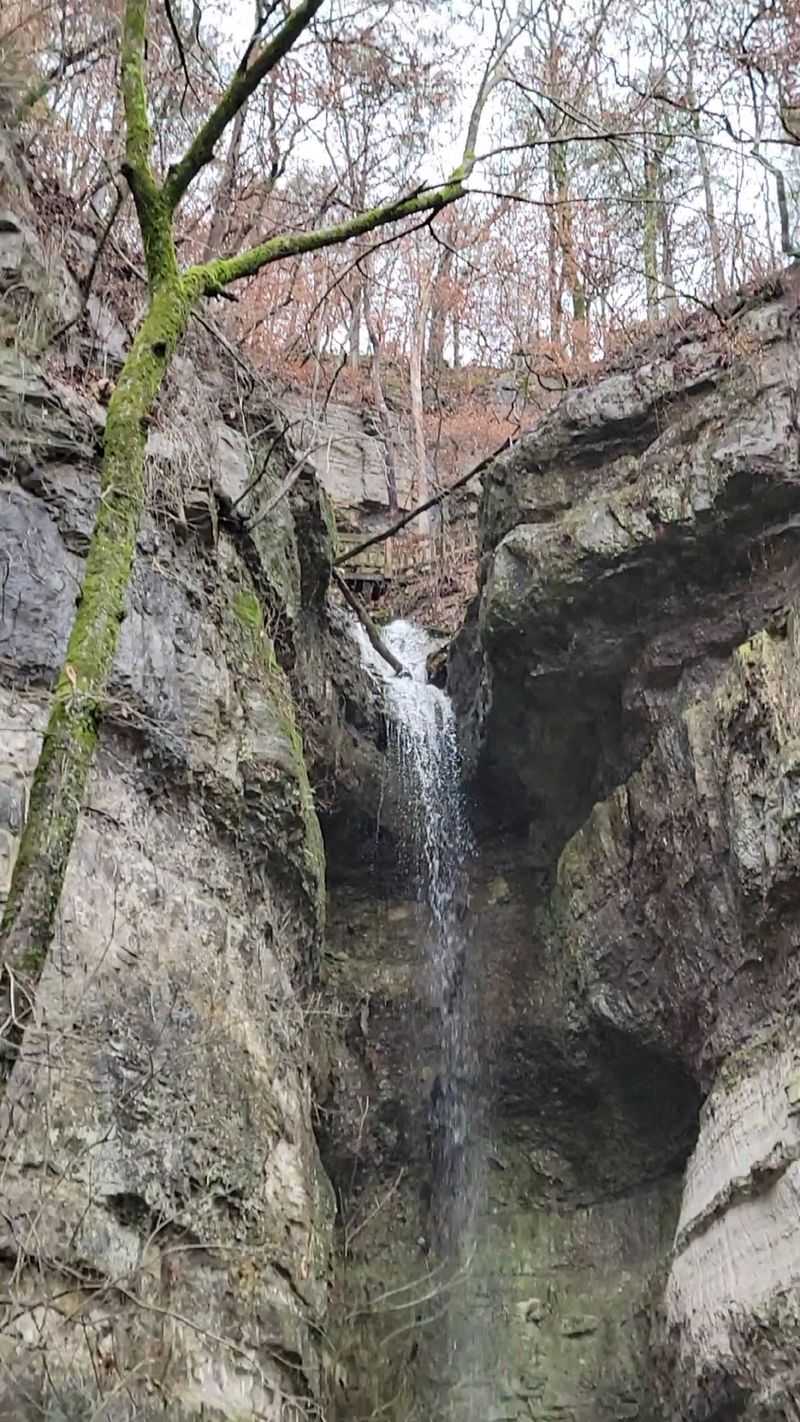
Seasonal water levels can vary. Some people have found the waterfalls not flowing during their visit, so keep expectations flexible.
Pack for rocky, possibly wet trails. Devil’s Kitchen in particular gets trickier after rain.
Check which lodging and store services are open in the colder months. Some perks, like soft serve, lean toward summer.
Leave time for the hatchery. Quick stops have a habit of turning into long ones.
As for the verdict, it is hard to argue with a place people return to for decades. In winter, the crowds fade, eagles arrive, and the spring that started it all finally gets the attention it has earned.
Bring a rod, some sturdy boots, and a little patience. The river will handle the rest.
Enjoyed this story?
Add Fast Food Club as a preferred source to see more of our reporting on Google.