


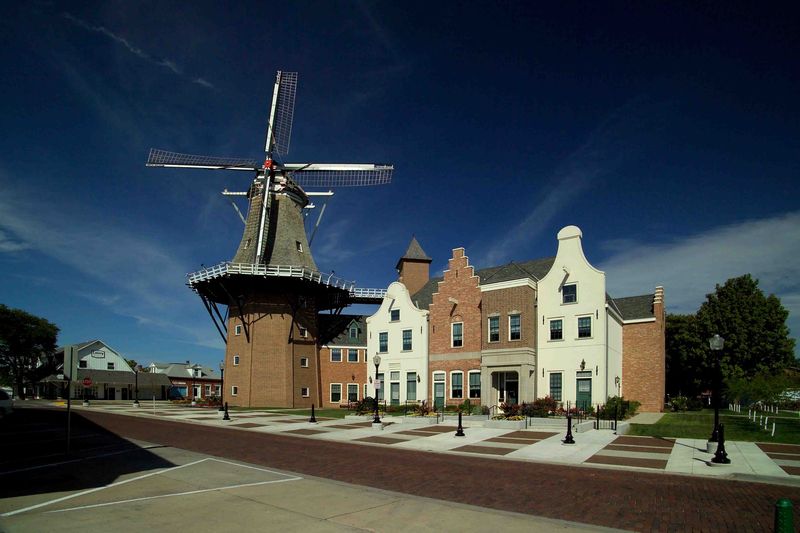
Tucked in central Iowa sits a small town where the tallest working windmill in the country still turns its blades, grinding grain the same way it did generations ago. Behind that windmill waits a cluster of 22 buildings from the 1800s, complete with a blacksmith shop, a tiny model village, and even the boyhood home of a famous frontier lawman.
It is the kind of place where you can wander for hours and keep stumbling onto something new. Add in Dutch pastries, boutique shops, and thousands of tulips in spring, and you have the makings of a truly easy day away.
Ready to meet the little Iowa town that decided to keep its heritage alive one brick building at a time? Keep reading, because the surprises pile up fast.
A Dutch Corner of Iowa
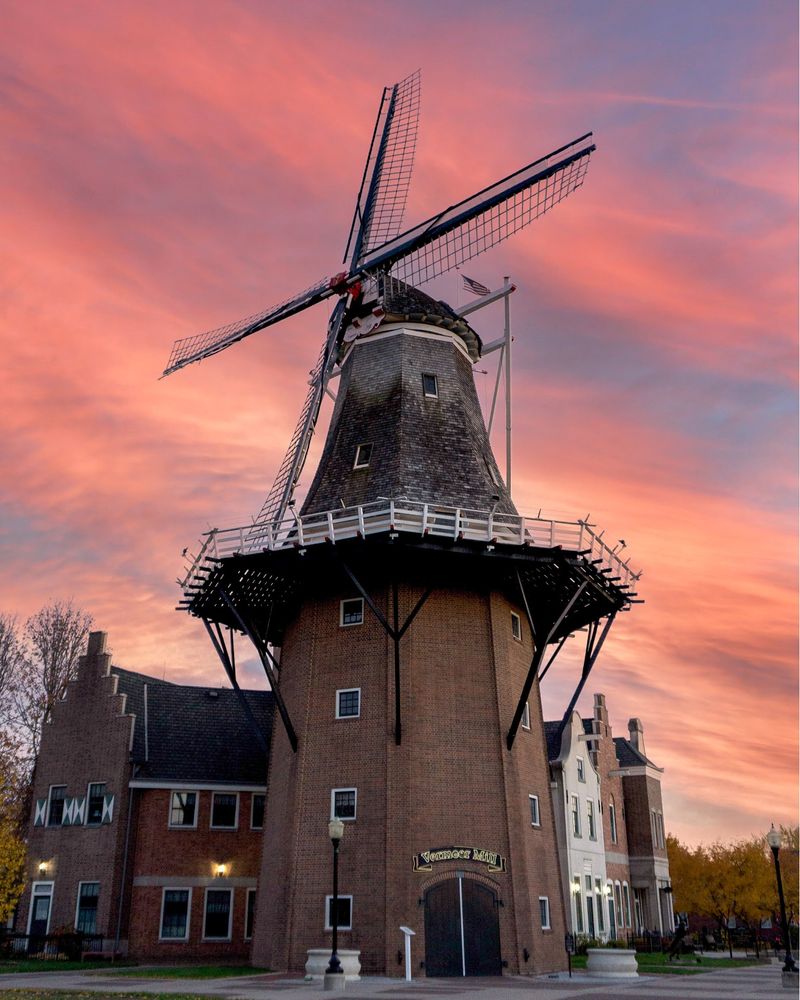
The heart of it all sits at 507 Franklin St in Pella, Iowa, a town settled by Dutch immigrants back in 1847. The complex is officially known as Pella Historical Village and Vermeer Windmill, and it carries a rating of 4.7 stars across more than 700 opinions.
What makes the setting special is how tightly the community has held onto its roots. Buildings around town follow a Dutch architectural style, and the historical village pulls all of that heritage into one walkable spot.
The main draw is the towering windmill, but it shares the grounds with 22 preserved structures dating to the 1800s. Together they tell the story of how a group of settlers from the Netherlands built a new life on the Iowa prairie.
Regulars describe the town as clean, welcoming, and full of culture. It works beautifully as a slow, unhurried day trip where you can learn plenty without ever feeling rushed.
Set aside a few hours, and this quiet corner of Iowa rewards the curious.
The Windmill That Still Grinds Grain
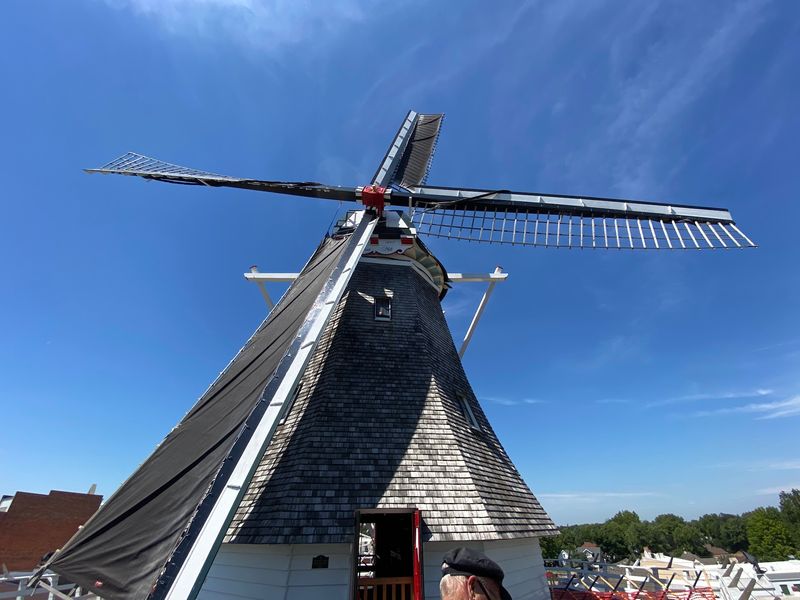
Standing guard over the whole village is the Vermeer Windmill, and it is no museum decoration. The blades actually turn, and the mill actively grinds grain, which makes it a rare working example in the United States.
Volunteer millers in uniform run the show, walking guests through how a grain mill operates from the inside out. The inner mechanisms are clearly labeled, and there is even an interactive moment where you can see the miller start and stop the mill.
Climbing to the top rewards the effort with one of the best views in town. From up there you can look out over Pella and see the giant blades turning up close.
The trip does involve several flights of stairs, though each level offers something to look at along the way for a natural pause. For the climb back down, an elevator handles the descent.
Guests who love windmills say this big one lives up to the hype, especially with the millers on hand to explain every gear and pulley.
Twenty-Two Buildings From the 1800s
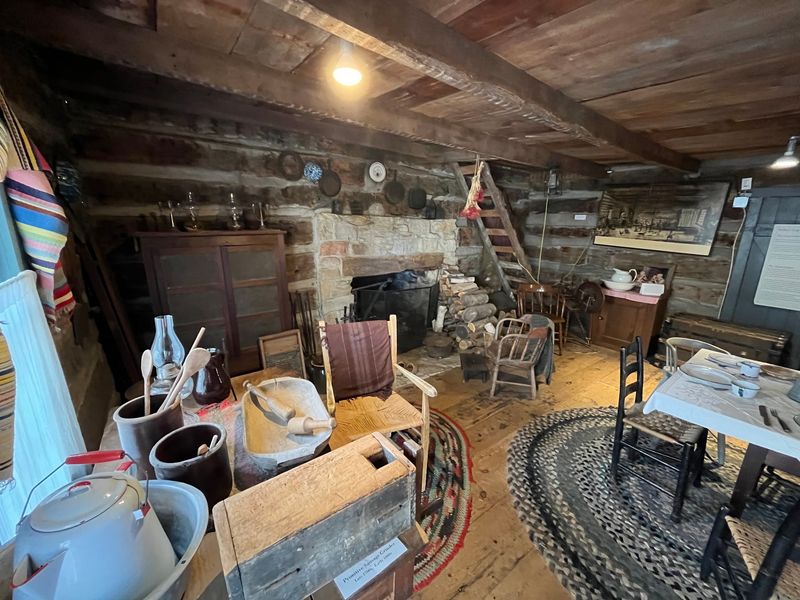
Beyond the windmill stretches a village of 22 period buildings, each one preserving a slice of 19th century life. The layout is beautifully arranged, and the self-guided path lets you set your own pace.
Inside, the displays range from fully decorated rooms to regional Dutch clothing that shows what settlers from different provinces once wore. Every room carries brief text so you can read up on what you are seeing.
People who spend time here often describe it as the museum that just keeps going. You round one corner expecting the end, only to find another exhibit waiting.
Guests learn a great deal about Dutch immigration, architecture, and the culture the settlers carried across the ocean. The whole village feels curated with care rather than thrown together.
Give it a few hours if you want to soak in the details. Many people find their legs give out before they run out of things to explore.
The Miniature Netherlands Village
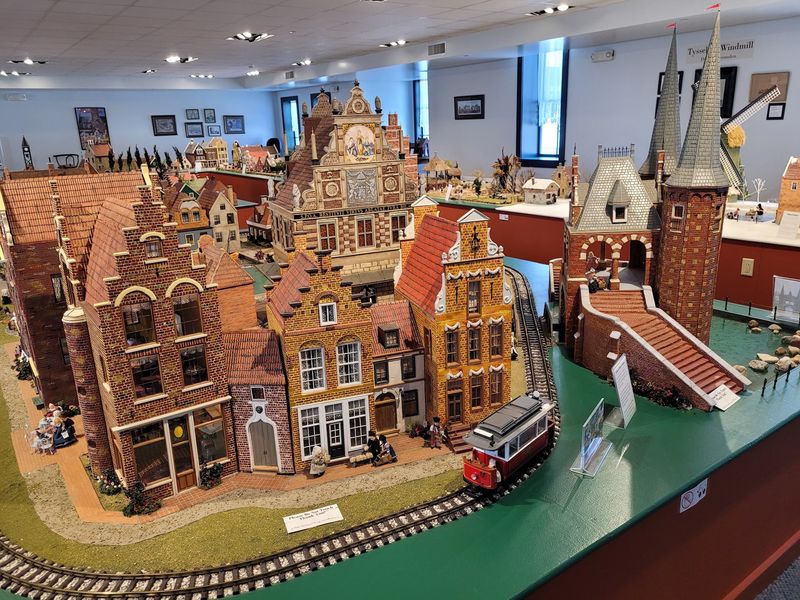
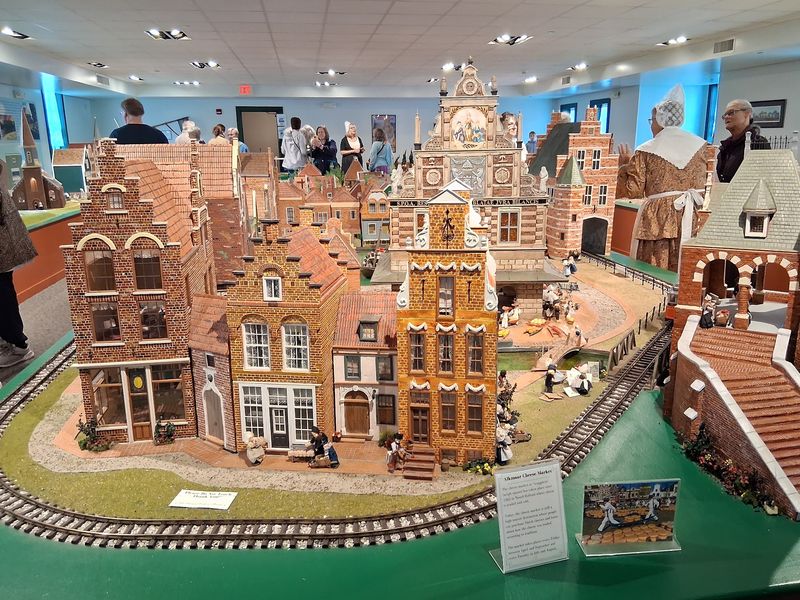
A surprise favorite hides among the exhibits: a detailed miniature village depicting the Netherlands of the 1840s. It captures each season, complete with figures, animals, and even moving vehicles.
The charm lies in the tiny stories tucked into the scenes. Look closely and you might spot a goat causing trouble with someone’s drying laundry, one of countless small details rewarding sharp eyes.
Little signs are placed throughout, explaining why things appear the way they do. A volunteer often stands nearby to answer questions about the craftsmanship and history.
Even guests who never thought they cared about miniatures come away impressed by how much life the tiny scenes hold. It is easy to lose track of time hunting for hidden moments.
Some wish the guided tour allowed more time here, which says plenty about how captivating the little world turns out to be. Do not skip it on your way through.
Wyatt Earp’s Boyhood Home
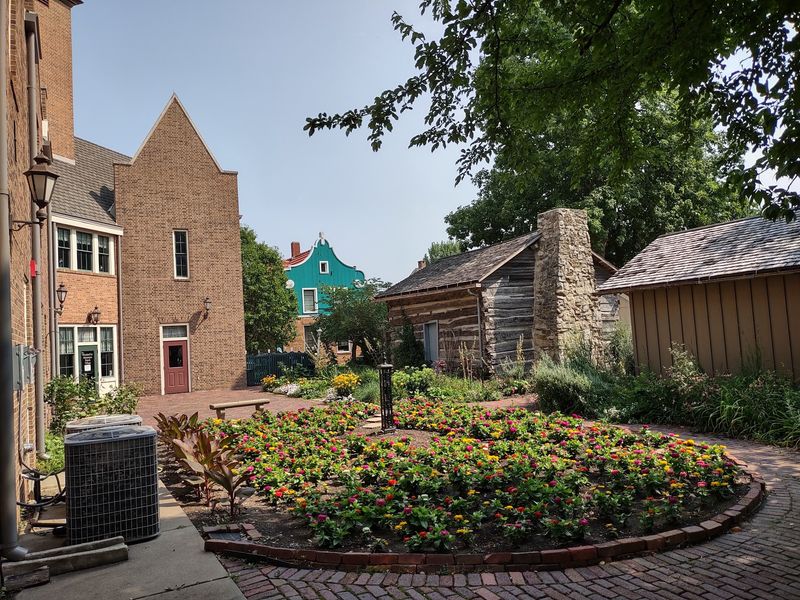
Frontier history buffs will recognize a big name on the grounds: the boyhood home of Wyatt Earp, who lived in Pella between the ages of 13 and 16. The site now hosts a redesigned experience about his early years.
An audio tour walks guests through his story, though you can also stroll the rooms on your own and read the text at your own speed. His life turns out to be far more somber than the legends suggest.
The exhibit was recently updated, and opinions on the change are mixed. Those new to Earp will pick up interesting facts, while longtime fans hoping for the old house-museum feel may find the new interpretation different from what they remembered.
The staff explained the update came after research showed the building held no artifacts actually tied to the Earp family. The goal was accuracy over nostalgia.
Whatever your take, it adds an unexpected chapter of Wild West history to a very Dutch setting.
The Blacksmith Shop and Old Grain Mill
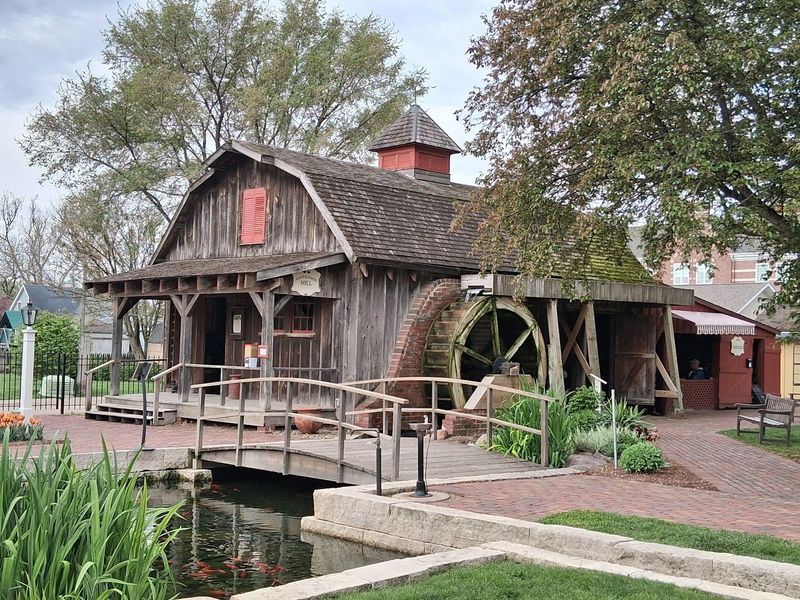
Working demonstrations bring the village to life, and the blacksmith shop is a standout. It features a running machine with volunteers on hand, so you can watch old-fashioned metalwork in action rather than just reading about it.
Nearby, the old grain mill offers another look at how early settlers handled daily labor. Both stops show the practical side of 19th century life, the kind of work that kept a frontier town running.
Guests especially enjoy seeing how the community once made wooden shoes, a craft tied deeply to Dutch tradition. The demonstrations make the history feel active instead of frozen behind glass.
These hands-on corners appeal to all ages, and the volunteers clearly enjoy sharing their knowledge. Their enthusiasm turns simple exhibits into memorable moments.
For anyone curious about how things were built and repaired long ago, this part of the village delivers plenty to admire.
Tulip Time in Full Bloom
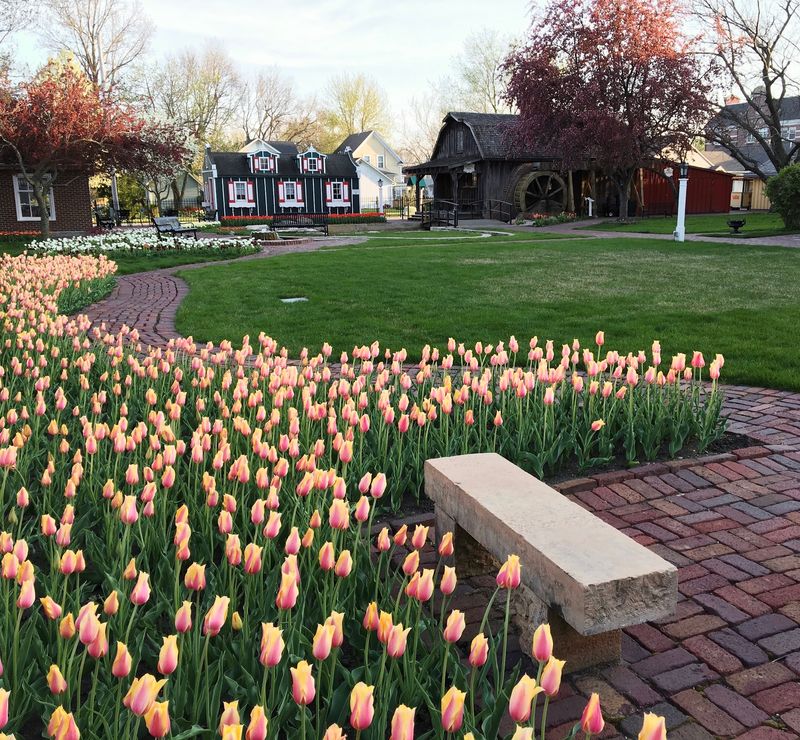
Come spring, the whole town transforms during the famous Tulip Time Festival, usually held in early May. Thousands of tulips burst into color, turning Pella into a celebration of Dutch culture.
The festival brings parades, traditional dances, and historical actors who help the village come alive. It draws visitors from across the country and leaves a lasting impression on nearly everyone who attends.
Standing beside the Vermeer Windmill during the festival is described as feeling like stepping into another world. The blooming beds and festive energy make it the town’s busiest and most colorful week.
Fair warning: crowds do pack in during the celebration, and ticket prices climb during the festival. Arriving early helps you beat both the lines and the crush.
Even a drive through town on the Sunday after can still show off gorgeous flowers blooming everywhere. The tulips are the crown jewel, and they are worth planning a trip around at least once.
Quieter Days in the Off Season
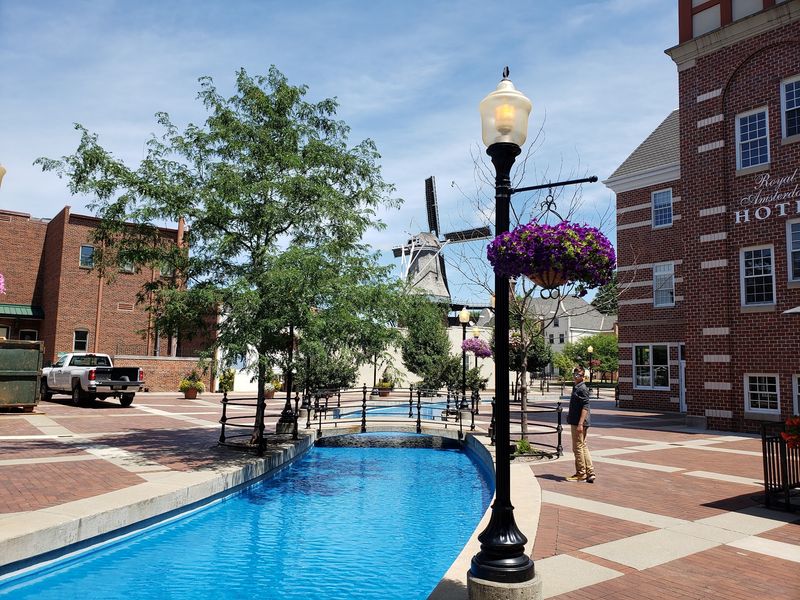
You truly do not need to wait for Tulip Time to enjoy this place. Off-season visits offer a calmer experience, with only a handful of other guests wandering the grounds.
A quiet Monday in October, for instance, gives you the chance to watch gardeners prepare the tulip beds for next year’s festival. It is a behind-the-scenes look most spring visitors never catch.
Parking becomes easy, lines shrink, and the windmill tour feels more personal without a crowd pressing in. The village settles into a peaceful rhythm that suits a relaxing day trip.
Staff and guides remain informative and kind no matter the season, which makes the slower visits just as rewarding. Some guests even prefer the calm to the festival buzz.
If you want the heritage without the hustle, the months outside the festival are your best bet. The windmill still turns, and the history still shines.
Gardens, Canals, and Photo Spots
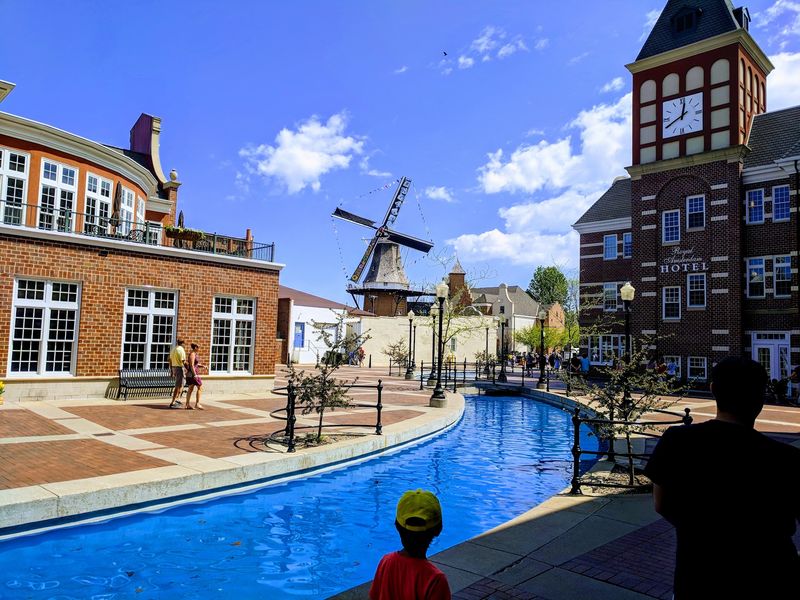
Photographers find plenty to love scattered throughout the grounds and the surrounding town. The historical village is dotted with beautiful gardens and tulip beds that offer photo opportunities in and around the buildings.
Beyond the museum gates, Pella’s town square adds canals and blooming flowers that give the whole area a picturesque feel. The sunken garden nearby makes for a pleasant walk and another scenic stop.
Everything sits fairly close together, so strolling from flower patch to flower patch is genuinely easy. The town’s cleanliness only adds to how inviting it all looks.
Leisurely walks reward you with charming views at nearly every turn. Even a short loop around the center leaves cameras full.
For anyone who enjoys capturing pretty scenes, the combination of gardens, canals, and Dutch architecture is hard to beat in Iowa.
Boutiques and Local Shops
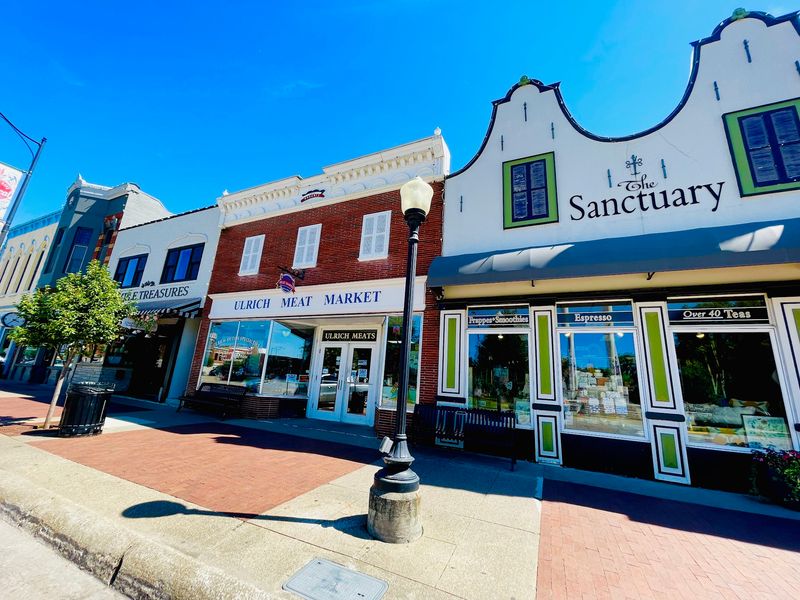
Shopping fans have a genuine reason to linger in Pella. The downtown boutique shops and cozy storefronts make wandering the square a pleasure, and many guests plan return trips just to browse.
The historical village keeps its own gift shop stocked with an assortment of gorgeous products tied to the Dutch theme. Some folks feel the prices there run a bit high, so comparing with other Pella shops can be worth it.
Around town you will find butchers, coffee spots, and local businesses that keep the small-town character alive. The old meat market is a popular stop for those loading up on cheeses and other treats.
Many find the shops around the square affordable and fun to explore. It is the kind of place where a quick errand turns into an hour of happy poking around.
Between the village gift shop and the downtown boutiques, there is no shortage of souvenirs to carry home.
Family-Friendly Corners and Curiosities
Traveling with kids? The village keeps younger guests engaged with a room dedicated just for them.
Children can put on a puppet show, color, and generally have a great time while the grown-ups explore.
The Heritage House holds two levels of Pella history, including a section that music buffs will especially enjoy. There is a small house setup, a library, and plenty of curiosities packed into the connected spaces.
One fun quirk to remember: you will want a few quarters on hand if you plan to feed the fish. Not everyone carries coins these days, so tuck some in your pocket ahead of time.
The variety keeps surprising people as they move from room to room, with each stop offering something a little different. It never settles into a dull stretch.
Between the puppet stage, the exhibits, and the fish pond, families find enough small delights to fill a happy afternoon.
Hours, Admission, and Getting There
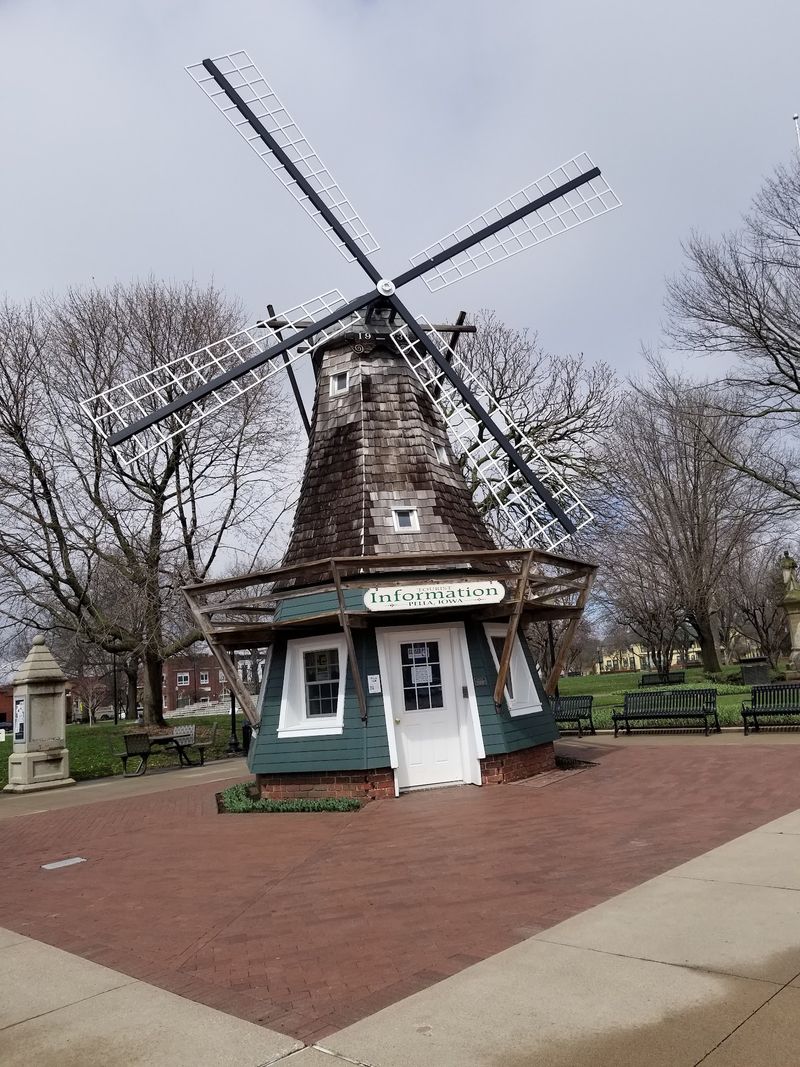
Planning a visit is straightforward. The village sits at 507 Franklin St in Pella, Iowa, and opens Monday through Friday from 10 AM to 5 PM, Saturday from 10 AM to 4 PM, and closes on Sunday.
Adult admission runs about $20, and the wristband lets you come and go all day, so you can break for a meal and return. Off-festival pricing has also been noted around $15, while ticket prices increase during Tulip Time.
A family group of two adults and one child was charged $68 during the festival, so budget a bit more if you visit in peak season. Many feel the price is fair given the upkeep such a large complex requires.
One thing to keep in mind: because these are historic buildings, several areas are not handicap accessible. It is an unavoidable trade-off for preserving the original structures.
Guided windmill tours fill up, so arriving early helps you skip the longest lines.
Why This Day Trip Sticks With You
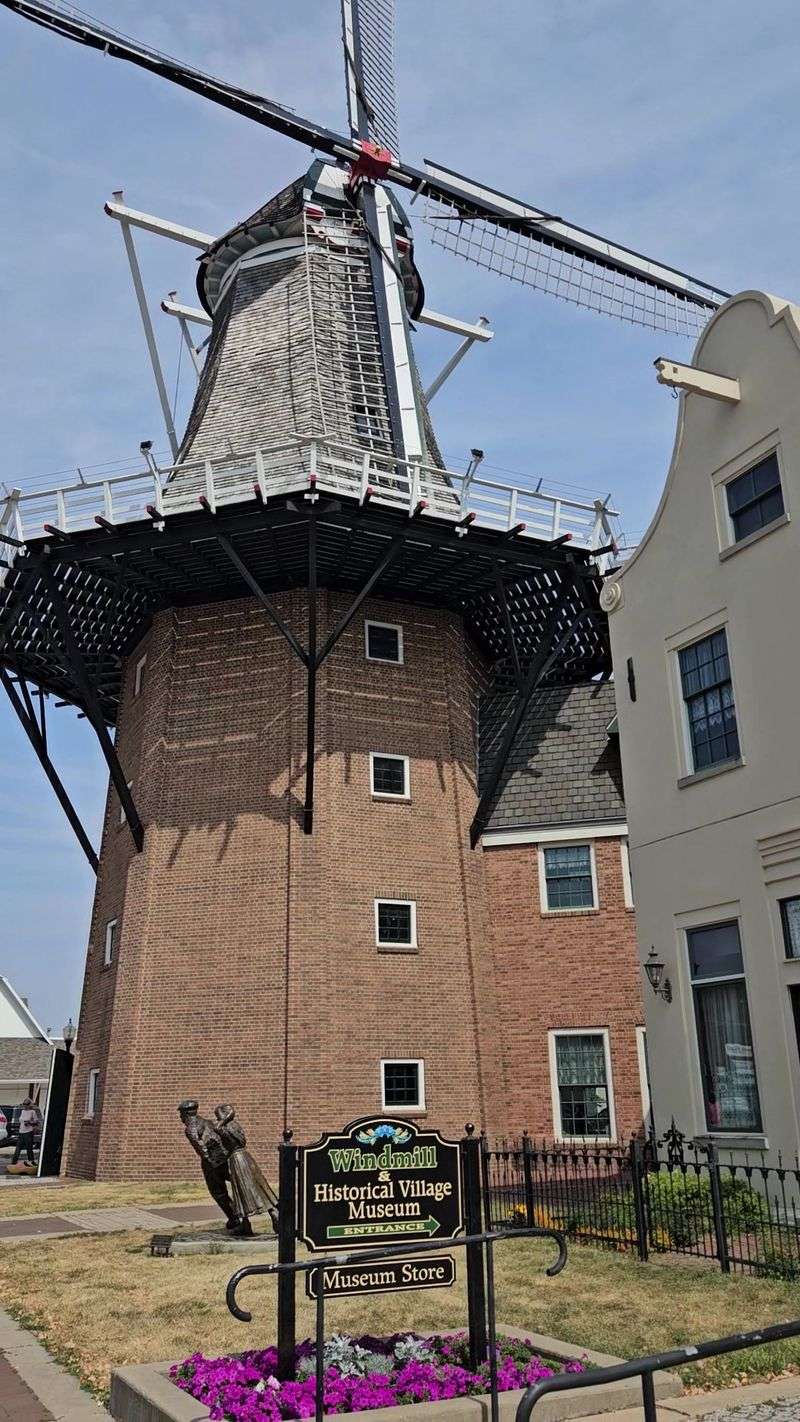
What lingers after a day here is how much heritage one small town manages to preserve. Between the working windmill, the 22 historic buildings, and the miniature village, the place keeps unfolding long after you expect it to end.
Guests routinely spend three or four hours and still wish they had more time. The mix of Dutch culture, frontier history, and pretty gardens gives the visit a depth that few small-town stops can match.
Warm staff, knowledgeable volunteers, and a genuinely clean, welcoming town round out the appeal. Whether you come for the tulips in spring or the quiet of the off season, the experience holds up.
Pella Historical Village and Vermeer Windmill earns its strong reputation the honest way, by taking care of the details. It is an easy recommendation for anyone looking to slow down and learn something along the way.
Carve out the hours, climb the windmill, and let this little corner of Iowa charm you at its own gentle pace.
Enjoyed this story?
Add Fast Food Club as a preferred source to see more of our reporting on Google.