


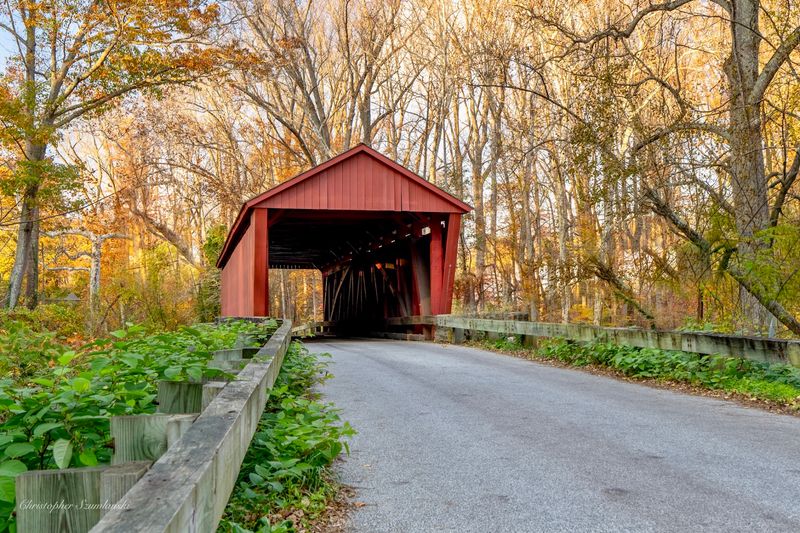
Tucked into rural Maryland, only minutes from the highway yet quiet enough to feel a world away, sits an 18th-century village that most people drive right past without ever knowing it exists. A weathered covered bridge, a working blacksmith shop, and miles of wooded trails wait for anyone curious enough to pull off the road.
Add a creek perfect for wading, a stage that hosts live music, and volunteers who bring centuries of history to life, and you have the makings of a day trip that surprises almost everyone who tries it. The best part is that it costs nothing to walk in.
Keep reading, because the story behind this storybook spot is even better than its postcard scenery.
Where History Hides in Kingsville
Right along Little Gunpowder Falls in Kingsville, Maryland, a cluster of stone and timber buildings has quietly stood for more than two centuries. The address is 2813 Jerusalem Rd, Kingsville, MD 21087, and the setting is far more scenic than a simple road number lets on.
Jerusalem Mill anchors a preserved 18th-century Quaker village, complete with a mill, a blacksmith shop, a stone house, and other restored structures. The whole site sits inside Gunpowder Falls State Park, giving it acres of woods and water to explore.
What makes the location clever is its balance. The village feels rural and peaceful, yet it sits just minutes from Interstate 95, so reaching it does not require a marathon drive from Baltimore.
Earning a 4.7-star average across more than a thousand ratings, the mill has clearly won over the people who find their way here. Many describe it as a place they passed hundreds of times before finally stopping to look.
Once they do, the mystery of that old bridge and cluster of colonial buildings tends to pull them back for a second visit.
A Quaker Village Frozen in Time
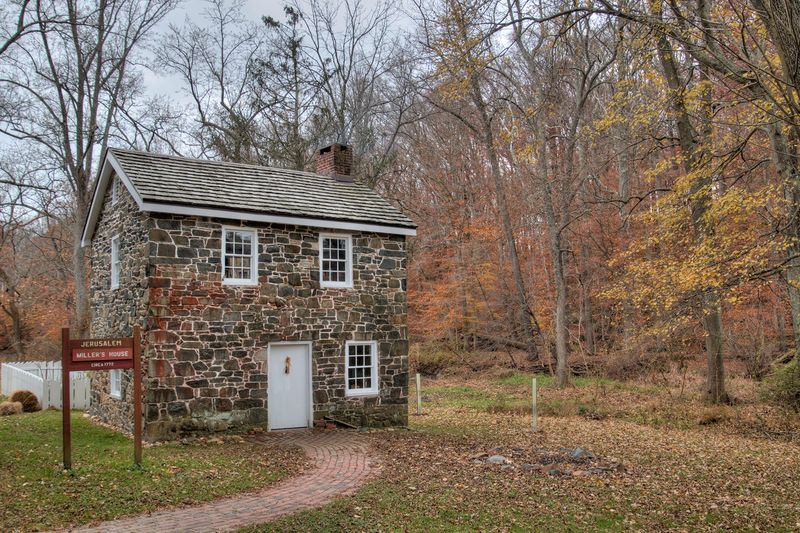
Long before subdivisions and highways, a community of Quakers built a working settlement along the banks of Little Gunpowder Falls. The mill that gives the site its name once ground grain for the surrounding farms, and the village grew around that steady, practical purpose.
Today the restored buildings tell that story through educational exhibits and interpreters who spend their weekends explaining how the community lived and worked. The museum inside covers the village roots and the many decades of American history that passed through this quiet corner of Maryland.
Volunteers and locals handle nearly all of the upkeep, and their dedication shows in the details. They maintain the structures, guide field trips, and keep the historical spirit alive so that families can walk through real spaces rather than replicas.
The result is a landmark that spans several centuries in one compact stroll. Restored buildings, old farm equipment, and a partially reconstructed barn give visitors a genuine sense of how self-sufficient this village once had to be.
The Covered Bridge Everyone Comes For
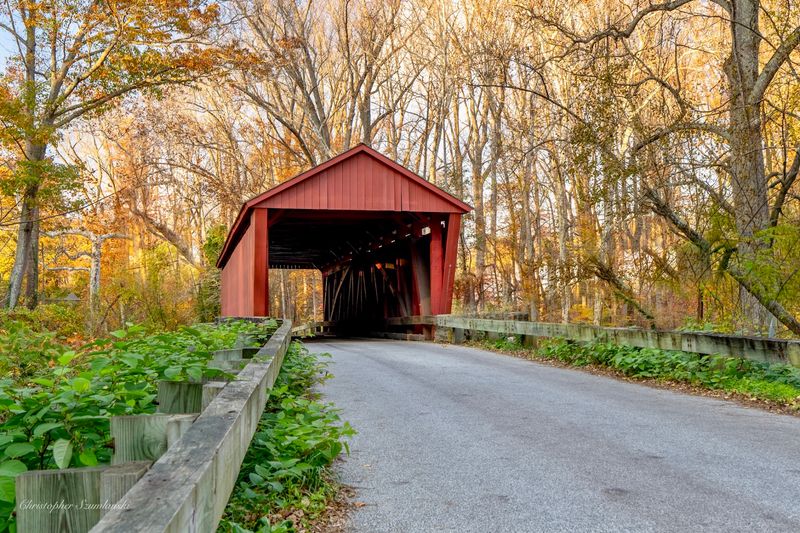
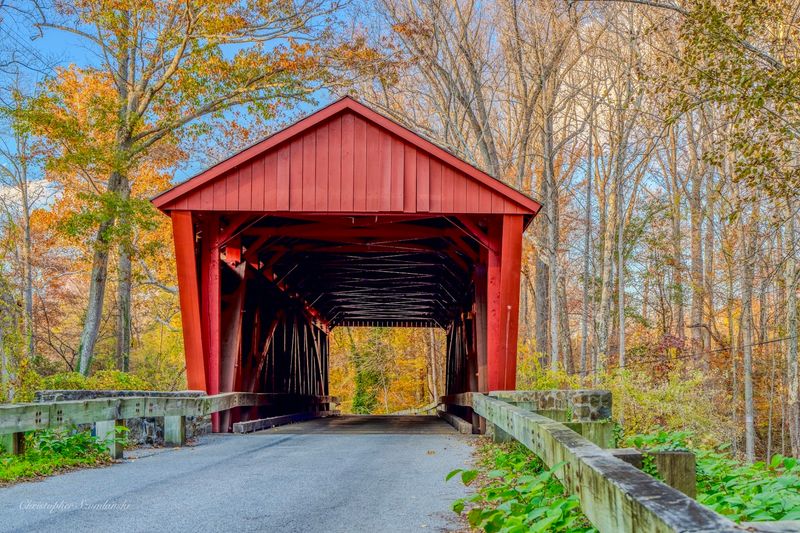
Nothing draws a camera faster than the covered bridge that spans the water near the village. Dating back to the late 1800s, it gives the whole property that storybook quality people mention again and again.
A short walk of roughly half a mile leads from the parking area to the bridge, crossing a wooded ridgeline and passing over the creek before looping back through the woods. That easy distance makes the bridge accessible to almost anyone, including families with young children.
The structure has become the unofficial symbol of the site, showing up in graduation photos, family portraits, and countless casual snapshots. Its rustic charm is exactly the kind of backdrop that makes a plain afternoon feel special.
One friendly reminder worth keeping in mind: the road near the bridge is a single lane that carries two-way traffic. When crowds gather to admire the view, staying mindful of passing cars keeps the scene relaxed for everyone.
Reach it early on a busy Saturday and you may have that beautiful old crossing nearly to yourself.
Sparks Fly at the Blacksmith Shop
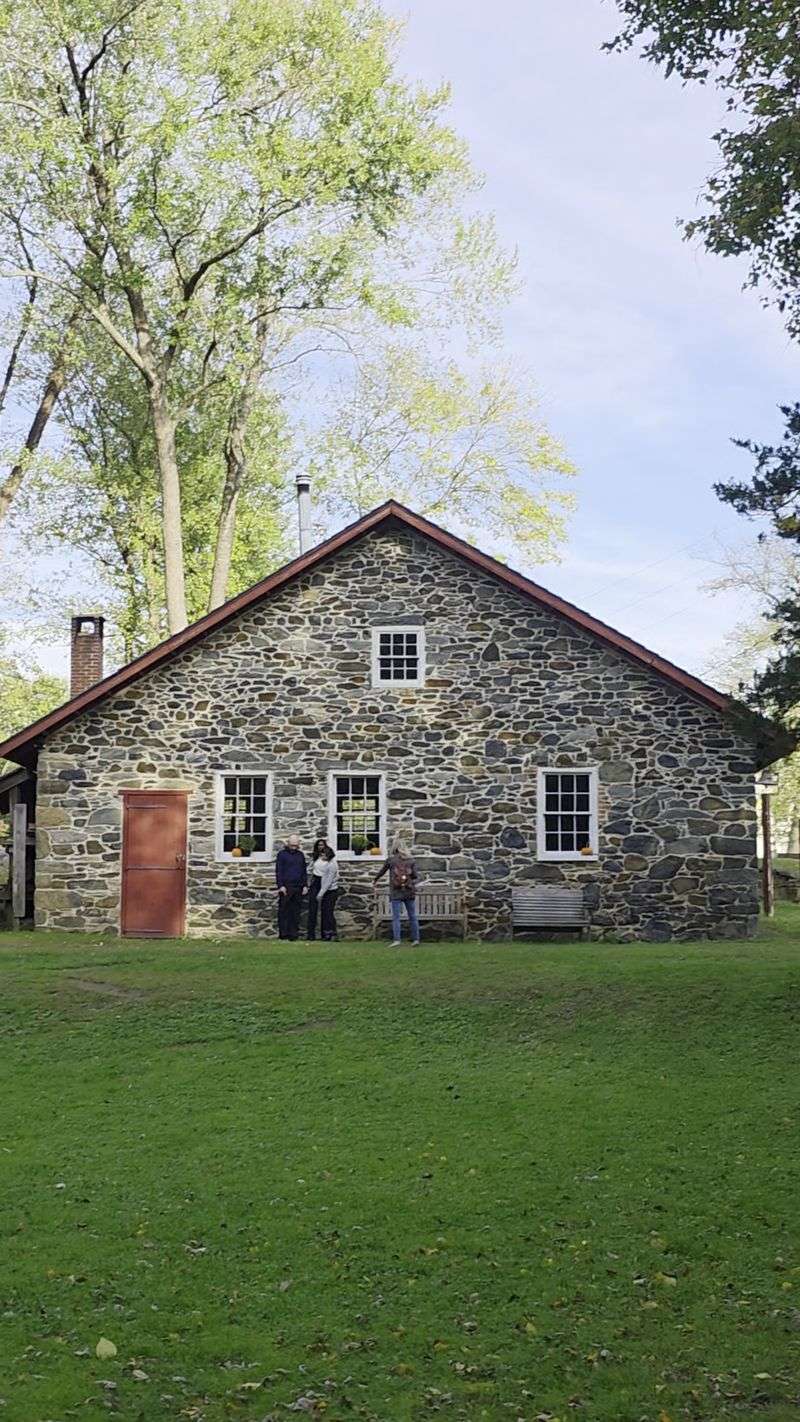
Weekends bring the old blacksmith shop roaring back to life, and it might be the most memorable stop of the entire visit. On days when the smith is working, families gather to watch metal shaped by hand the way it would have been generations ago.
The demonstrations are genuinely hands-on in spirit. Children have walked away with tiny keepsakes fashioned right in front of them, like a small sword forged from an ordinary nail.
Little touches like that turn a casual stop into a lasting memory.
The shop is one of many buildings that open primarily on weekends, so timing matters if watching a live demonstration is high on the list. Show up midweek and you may find the door closed, with the outdoor grounds still open to wander.
Among all the historic buildings here, the blacksmith shop tends to spark the most delight, especially for younger explorers. It connects the abstract idea of colonial life to something happening in real time, right before their eyes.
Miles of Trails Along the Creek
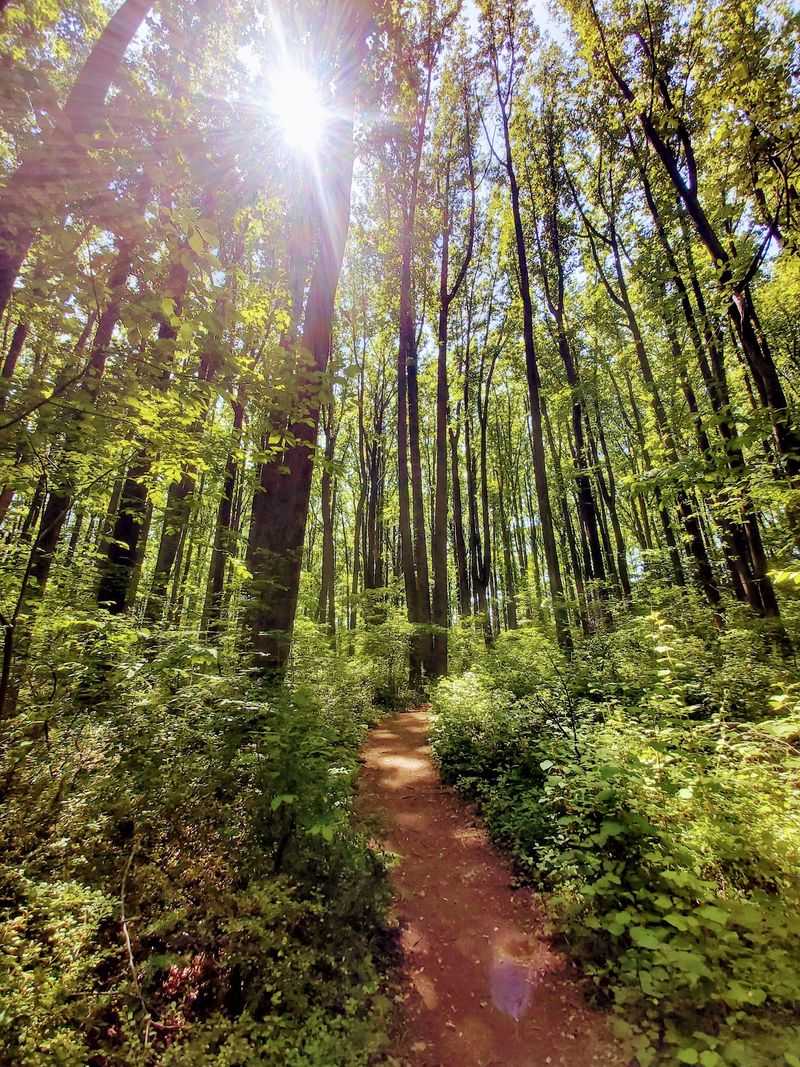
Hiking may be the single most popular reason people return to this spot, and the network of trails delivers. Paths wind through shaded woods, over little creeks, and alongside Little Gunpowder Falls, giving walkers plenty of scenery without much strain.
The routes suit a wide range of ability. A gentle half-mile loop crosses the covered bridge and returns through the trees, while a longer 2.5-mile loop heads north from the parking area for those wanting more distance.
Elevation change stays modest at around 200 feet.
Colored trail markers appear frequently along the way, and much of the path enjoys a fair amount of shade. Some sections turn rocky or muddy after rain, especially in fall and winter, so sturdy footing helps.
Beyond simple walking, the trails welcome running, biking, and even horseback riding, and they connect directly into the surrounding state park. For a first-time hiker or a family looking for an easy outing, few places make the woods this approachable.
Wading and Water by the Bridge
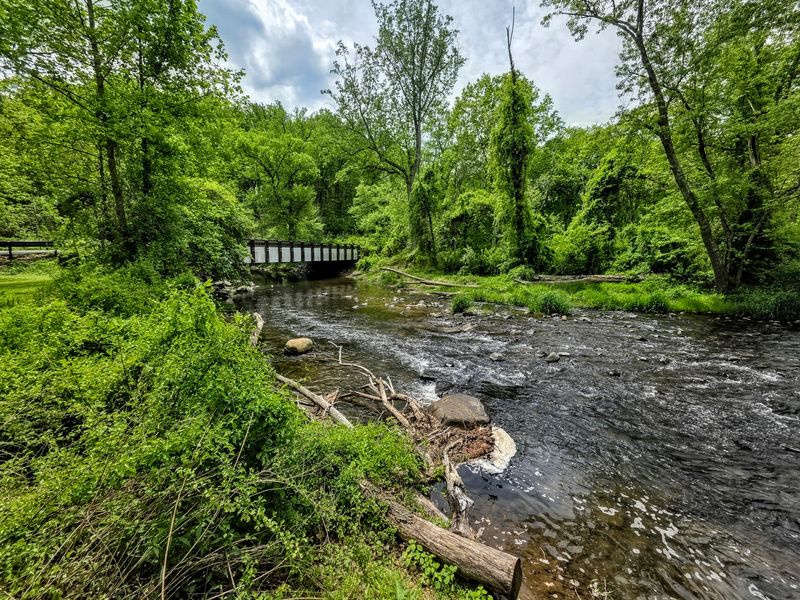
Warm days reveal one of the site’s most beloved secrets: a rocky beach area near the bridge where the creek slows enough for wading and cooling off. It has been a local favorite for years, drawing families who want more than just a walk.
Little Gunpowder Falls runs as a peaceful backdrop to the whole property, and the shallow spots invite children and adults to splash around on hot afternoons. Water shoes come highly recommended, since the streambed can be rocky underfoot.
Picnic tables sit conveniently close to the water, making it easy to spread out a lunch between dips. Families often settle in for hours, alternating between wading and relaxing on the bank.
The creek also appeals to those who prefer a fishing line to a swimsuit. Whether the goal is a quiet cast or a lively afternoon of wading, the water gives the village an outdoor playground that changes with the seasons.
Live Music Under the Open Sky
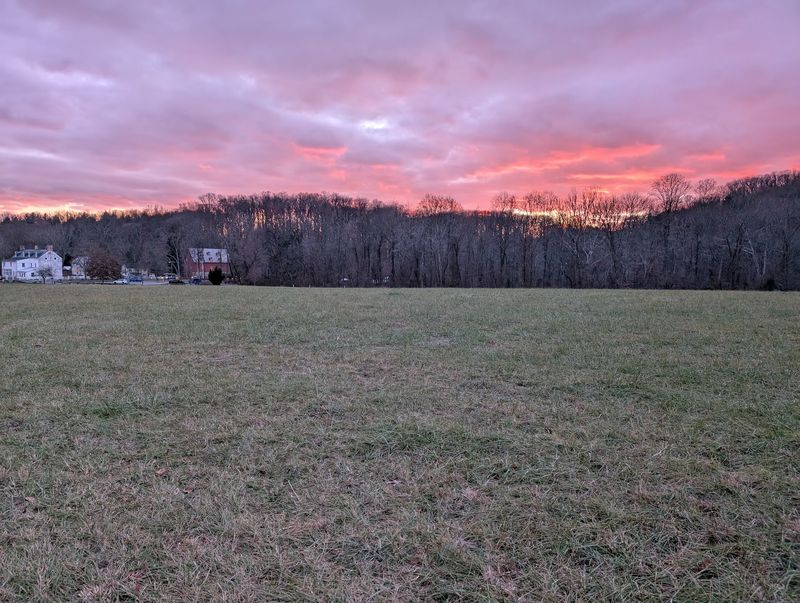
Come certain evenings, the historic grounds transform into an outdoor concert venue, and the crowds prove just how popular it has become. One recent show reportedly drew close to a thousand people to enjoy live sounds from the stage.
The setup encourages a relaxed, community feel. Families pack a picnic basket, bring non-alcoholic drinks, spread out on the grass, and settle in for an evening of music beneath the open sky.
Sunday evenings have become something of a tradition for regulars who show up to dance and unwind. The combination of live performance and historic surroundings gives the whole event a warm, small-town atmosphere.
For anyone expecting only a daytime history lesson, the music series is a delightful plot twist. It proves the village is not a static museum but a gathering place that comes alive after the hiking boots come off.
Year-Round Events and Reenactments

Something is almost always happening on the calendar here, from living history reenactments to seasonal celebrations. The village hosts events throughout the year that keep locals coming back for reasons beyond a simple hike.
Reenactments and living history days let interpreters demonstrate how the community once functioned, and jousting events have taken place on the field during summer. Guided tours and educational field trips round out the offerings for schools and curious families.
The season matters when planning a visit. Early spring can find the living history aspect running in low gear, while summer and busier weekends tend to bring the fullest experience with more buildings staffed and more to see.
Winter has its own charm too. A holiday display with a decorated tree has drawn admiration, and visitors have watched roasted chestnuts prepared over a fire inside one of the buildings.
Checking the schedule before heading out ensures you catch the village at its most active.
A Peaceful Escape for Every Age
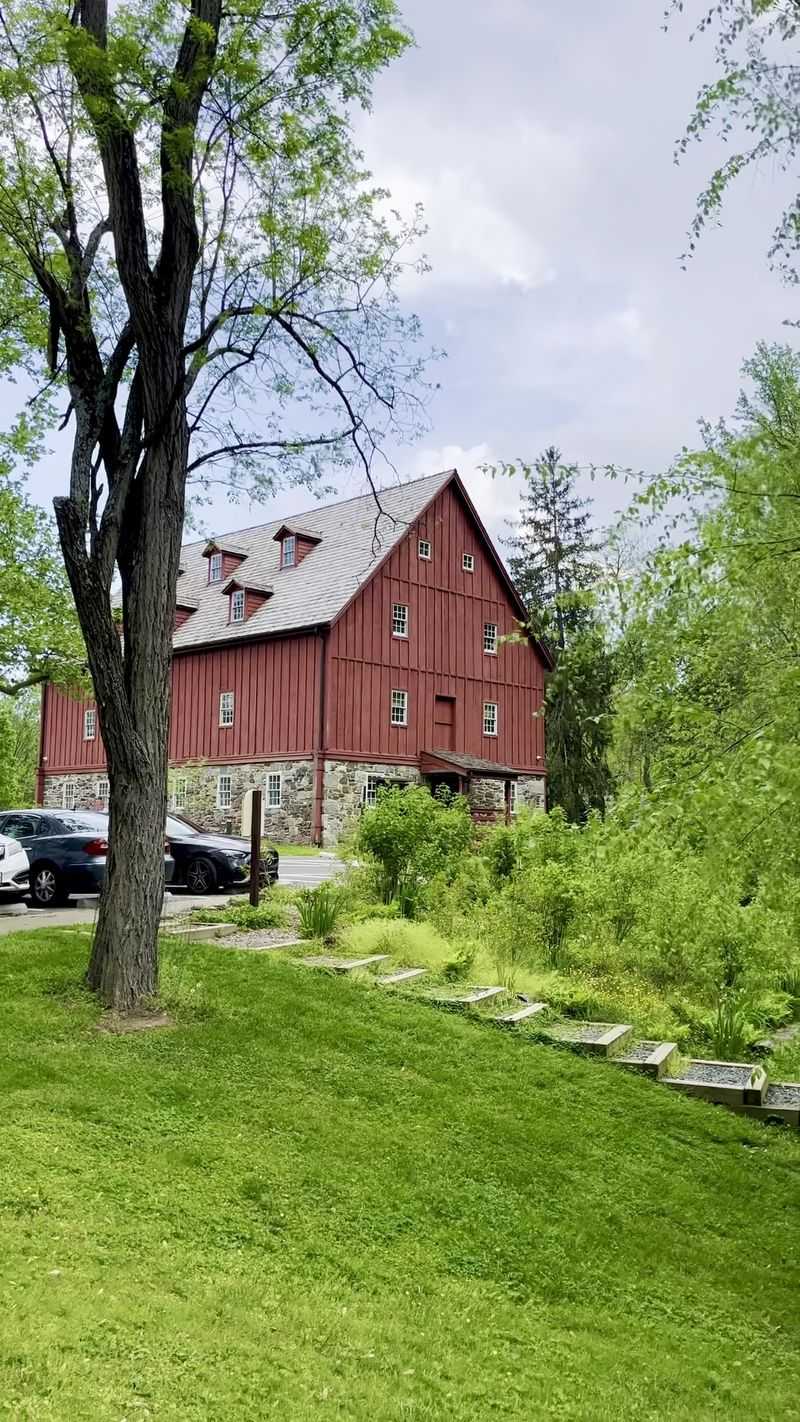
Calm settles over the property in a way that keeps people returning to hike, run, and relax. Regulars describe it as their favorite place to unwind, and the surrounding woods and water do much of the heavy lifting.
The trails feel welcoming and safe, with friendly faces passing along the paths and enough space that crowds rarely feel close. On quieter days, walkers can go stretches without seeing another soul.
Family friendly is an understatement here. Little kids, leashed pets, first-time hikers, and history buffs all find something that fits, whether that is an easy loop, a picnic bench, or a museum exhibit.
The mix of gentle scenery and genuine history creates a rewarding outing without any pressure to rush. For couples on an outdoor date or grandparents introducing kids to the woods, this pocket of Maryland offers a rare kind of unhurried peace.
Picnics, Photos, and Small Pleasures
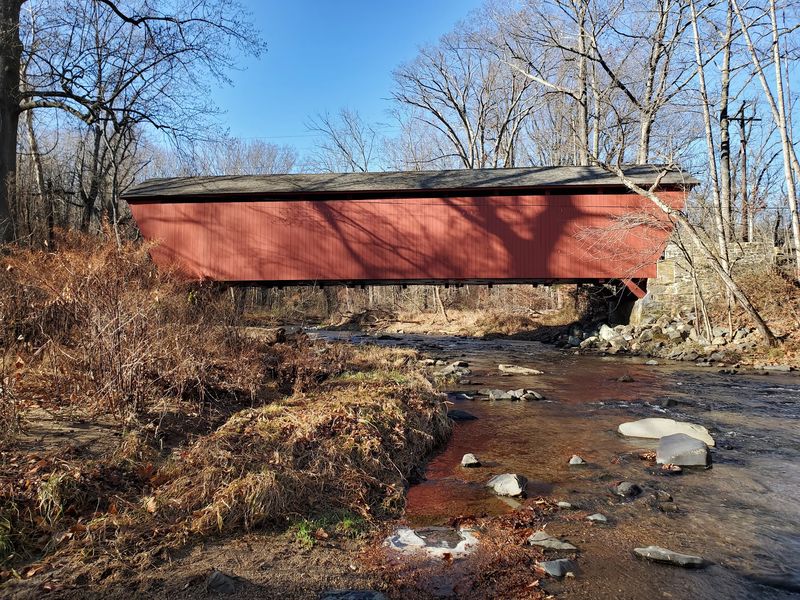
Few spots make a simple picnic feel this special. Roughly three dozen picnic tables dot the grounds, along with a pavilion, giving families plenty of room to settle in for lunch between adventures.
Photographers treat the place like an open-air studio. The covered bridge, the historic buildings, and the creek all serve as backdrops, and the site has become a go-to for graduation portraits and family sessions.
Practical comforts make longer stays easy. Indoor restrooms wait at the welcome center, along with a water fountain, so nobody has to cut a day short over the basics.
Small pleasures add up quickly here. A gift shop opens on weekends, historic buildings invite a walk-through, and knowledgeable volunteers happily strike up conversation about the village.
Between the photo ops and the easygoing pace, an afternoon slips by faster than expected.
Hours, Cost, and Getting There
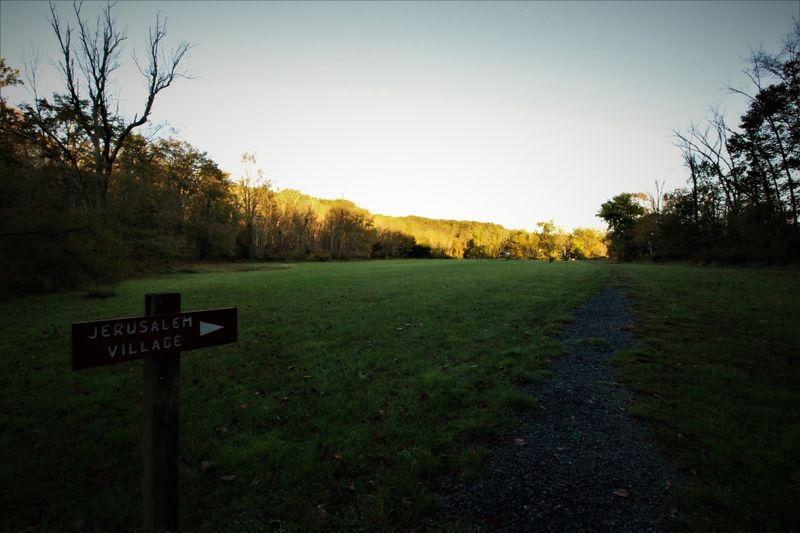
Good news for budget-minded travelers: visiting the grounds is free, and so is parking. The site gladly accepts donations, which help the volunteers keep the history alive, but there is no admission fee to walk in.
The grounds keep generous daily hours, open from 7 AM to 7 PM every day of the week. That said, the museum, gift shop, and many of the historic buildings open primarily on weekends, so a Saturday or Sunday trip unlocks far more to see.
Reaching the village is refreshingly simple. Sitting just minutes from Interstate 95 in Kingsville, it makes an easy detour from the Baltimore area without a long haul into the countryside.
Parking comes with designated lots and an overflow area, though perfect-weather weekends fill up fast. Arriving earlier in the day is the smart move if a quiet parking spot and open buildings are the goal.
A little planning turns a good visit into a great one.
Why This Storybook Stop Stays With You
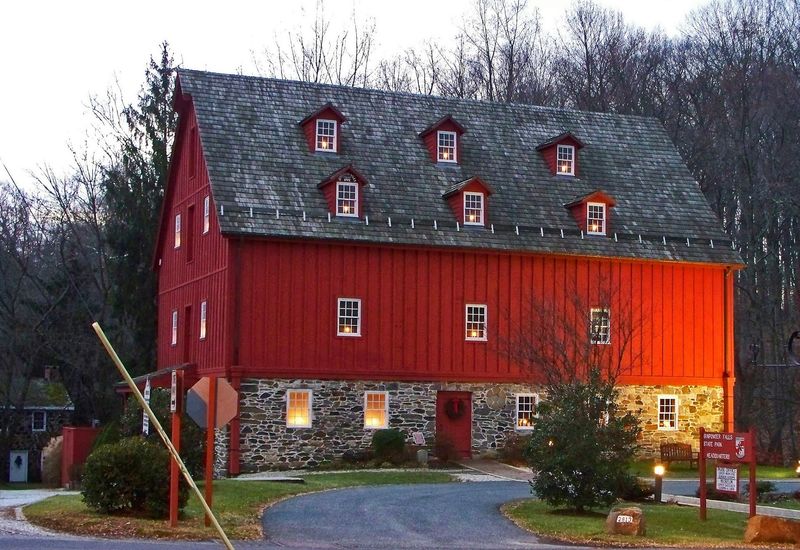
Some places reveal their charm slowly, and this village rewards those who give it a chance. First-time guests often arrive expecting a quick look and end up planning a return trip before they even leave the parking lot.
The blend of features is what sets it apart. A late-1800s covered bridge, a restored colonial village, working demonstrations, wooded trails, a wading creek, and a music stage all share one modest patch of Maryland.
It does ask a little preparation to enjoy fully. Checking the calendar, aiming for a weekend, and arriving early make the difference between a pleasant walk and a truly memorable day out.
What lingers is the feeling of having discovered something hidden in plain sight, so close to the highway yet so easy to miss. For a free day trip that mixes history, nature, and genuine small-town warmth, Jerusalem Mill quietly earns its place near the top of the list.
Enjoyed this story?
Add Fast Food Club as a preferred source to see more of our reporting on Google.