


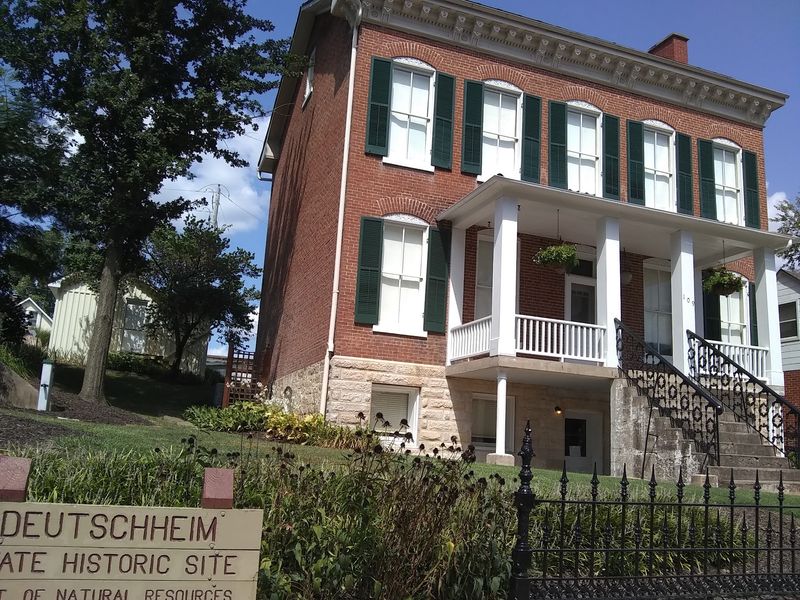
About 20 miles south of Interstate 70, down a winding one-lane road through rolling Missouri hills, sits a small town that has been quietly holding onto its German roots since the 1800s. Most people drive out this way for the wineries, but a short walk off the main street leads to a cluster of preserved buildings that tell a much older and richer story.
For only five dollars, you can join a guided tour that turns 19th century immigrant history into something surprisingly lively and easy to follow. The guides here are the kind of people who make facts stick, whether you love history or barely tolerate it.
What follows is a closer look at why this stop keeps earning near-perfect marks and how to make the most of a visit. Grab your walking shoes and a little curiosity, because there is plenty waiting.
A German Corner Tucked Into Missouri Wine Country
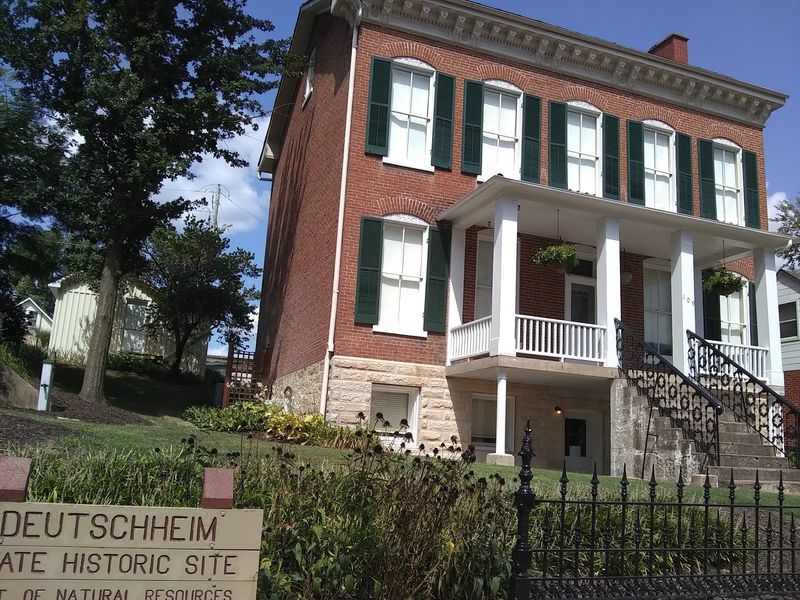
The address to punch into your phone is 101 W 2nd St #1045, Hermann, MO 65041, and it belongs to the Deutschheim State Historic Site. Set within the town of Hermann in central Missouri, it sits just steps from the shops and streets that give the area its old-world reputation.
Run as a Missouri state historic site, the property preserves a handful of buildings that date back to the earliest days of the settlement. Each one connects to the German immigrants who chose this spot along the river back in the 1800s.
The location was no accident. Settlers picked ground close to the river for trade yet near enough to other towns to stay part of everyday commerce.
That planning still shows today in how neatly the town holds its history together. The site works as an anchor for anyone wanting to understand how this pocket of Missouri came to feel so distinctly European.
The Story Behind The Settlement
Long before wine put the town on the map, German immigrants arrived here with a clear goal in mind. They wanted a place where their language, customs, and way of building could carry on far from home.
Hermann became exactly that. The families who settled the area were intentional about everything, from where they laid their foundations to how they arranged their trades along the river.
The historic site keeps that origin story front and center. It gathers the roots of the community into one place so the past does not fade into the background of a busy tourist town.
Guests often come away saying the visit made the town feel far more historically significant than they expected. What starts as a casual stop turns into a genuine lesson about how a corner of the Midwest ended up carrying such a strong German identity.
The result is a story that feels grounded and real rather than dressed up for show. It is history you can walk through, one building at a time.
Well-Preserved Buildings You Can Actually Walk Through
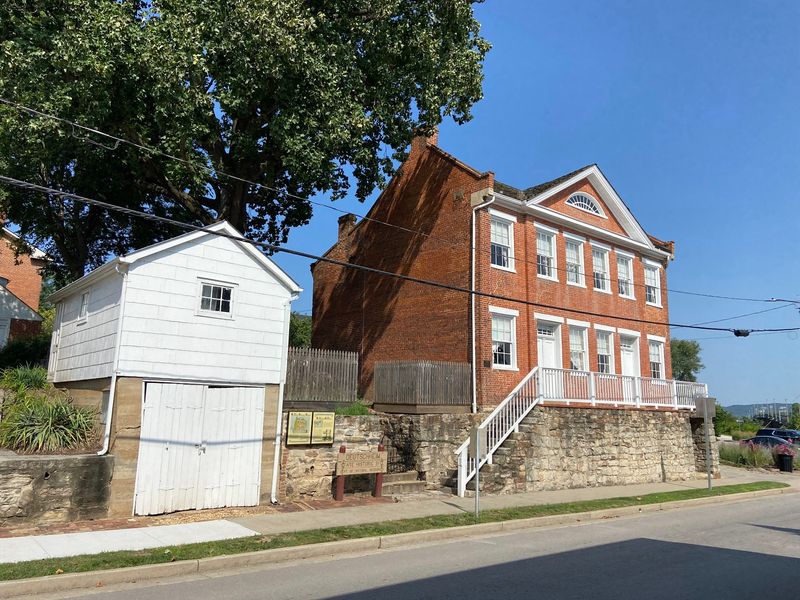
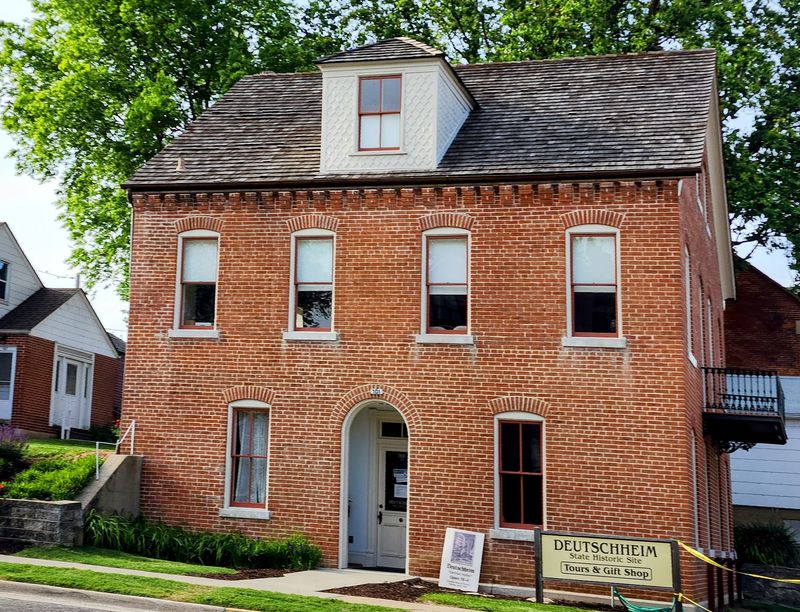
Few historic properties hold up as neatly as the ones gathered here. The buildings date back several generations, yet the upkeep and care put many other preserved homes to shame.
Guests frequently note that these structures are better maintained than most historic houses they have toured elsewhere. That level of attention lets every room feel authentic rather than worn down by time.
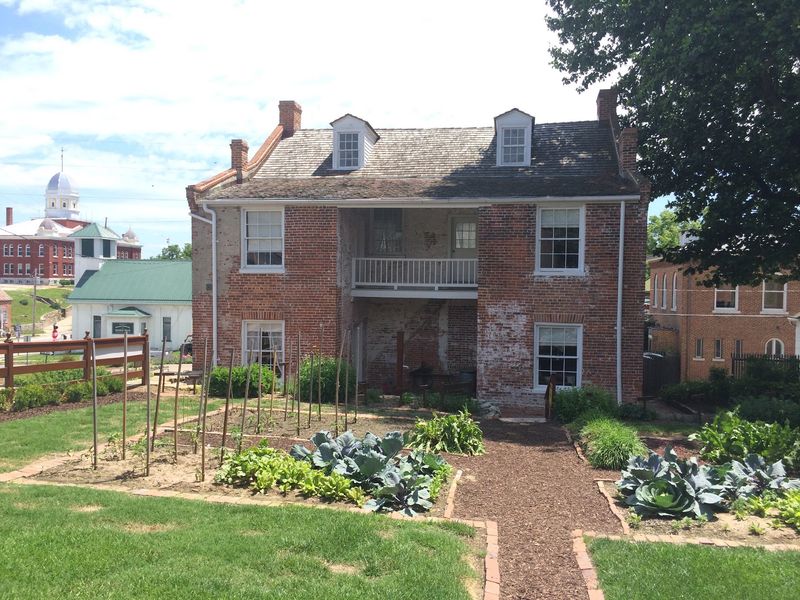
You get to tour more than one building during a visit, each with its own purpose and personality. The architecture leans into classic German styles, from the way the exteriors are built to the details tucked inside.
Because these are older buildings, a bit of that aged-structure character comes with them. Staff have been known to adjust their approach for guests with sensitivities, which speaks to how thoughtful the team can be.
Every corner seems to hold a piece of the past worth pausing over. It is a rare chance to move through history instead of just reading about it on a plaque.
Meet The Craftsmen Who Once Lived Here
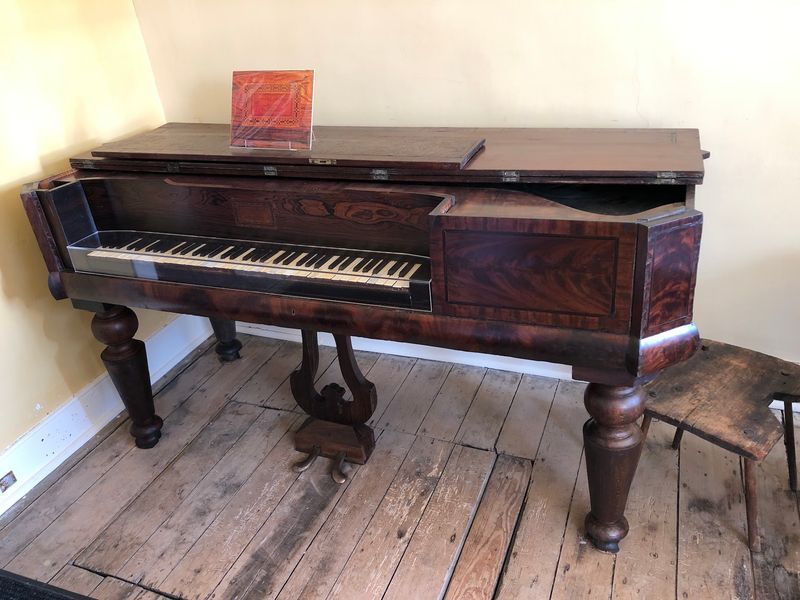
Two of the standout stops belong to men who built their livelihoods with their hands. Visitors tour a piano maker’s home and workshop along with a wine maker’s home and store.
Each property gives a window into a specific trade and how it fit into daily life back then. Instead of empty rooms, you get spaces tied to real work and real people who shaped the community.
The piano maker’s workshop shows the craft and patience that went into building instruments by hand. The wine maker’s home ties directly into the region’s long relationship with grape growing that continues to draw crowds today.
Every detail on the tour comes with its own bit of history attached. Nothing feels random, and that thoughtful layout is part of why the experience lands so well.
Seeing these homes side by side paints a fuller picture of how varied the settlers’ skills really were. It turns abstract history into something personal and easy to picture.
Guides Who Turn Dates Into Great Stories
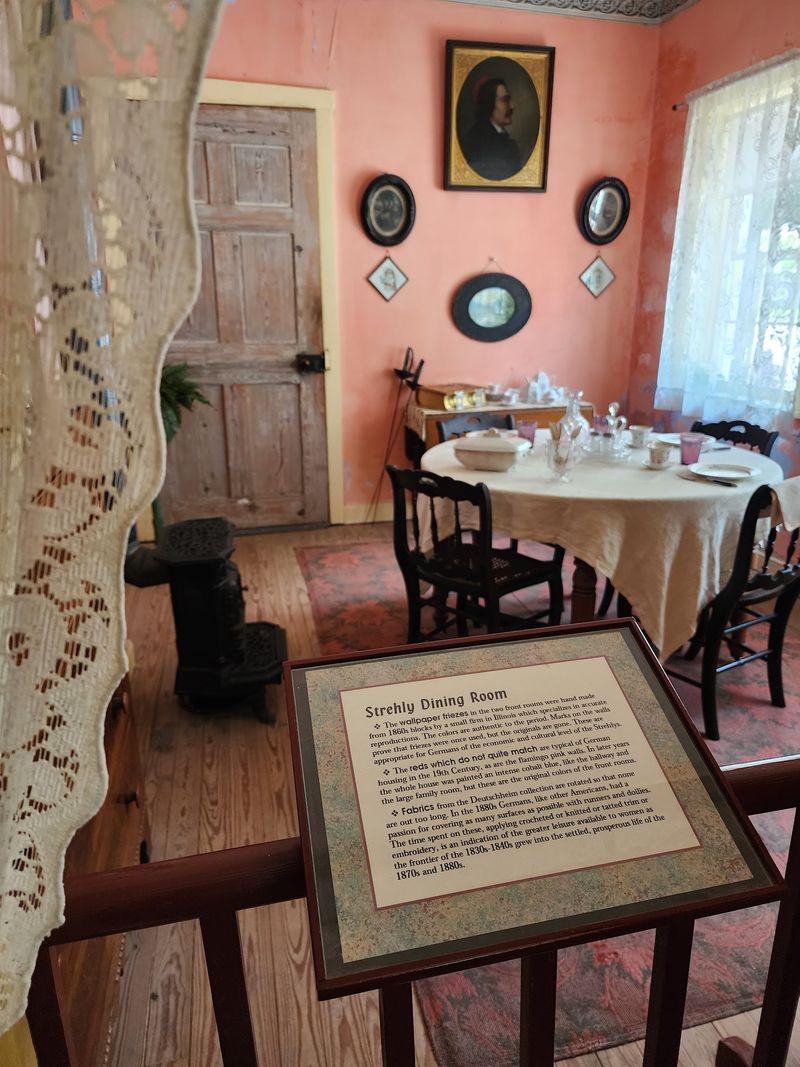
Ask anyone what makes this stop worth the drive, and the answer usually circles back to the guides. Time and again they are described as knowledgeable, engaging, and genuinely fun to follow.
The tour has been called one of the best some seasoned travelers have taken across countless museums. That is high praise for a small site in a small town.
What sets these guides apart is how they share the information. They know how to make history come alive, connecting local roots all the way back to the old country without ever sounding like a lecture.
Curiosity is welcome here. Guests often mention how happily their questions get answered, sometimes stretching a standard tour well past its usual length.
The passion for history is easy to spot, and it rubs off on the group. By the end, even people who never counted themselves as history fans tend to leave impressed and a little more curious than when they walked in.
Gardens And A Neighborhood Worth Lingering In
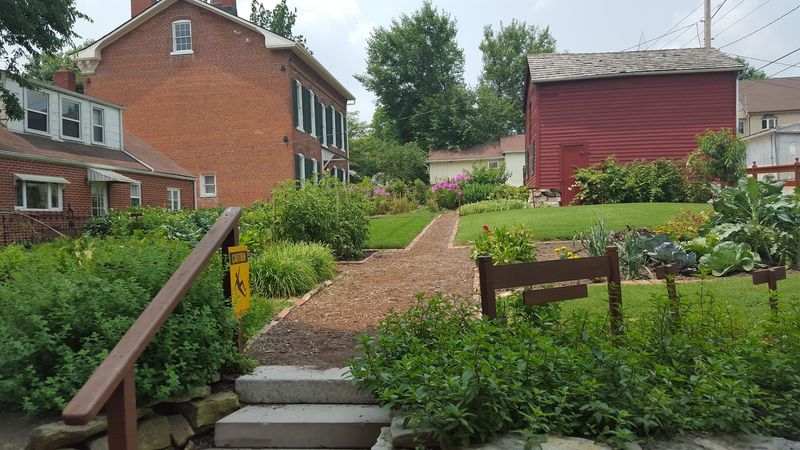
Beyond the walls of each building, the grounds carry their own quiet appeal. The gardens are tidy and attractive, adding a soft touch of green to the historic setting.
The neighborhood around the site feels calm and pleasant, the kind of place that invites an unhurried stroll. It blends into the rest of the town so naturally that the history seems to spill out onto the surrounding streets.
That charm has earned comparisons to older East Coast cities known for their preserved character. Finding that kind of atmosphere right in the middle of Missouri catches plenty of guests off guard.
Walking the property gives you a break between the indoor tour stops. It is a chance to slow down and take in how thoughtfully the whole area has been kept.
The mix of gardens, old buildings, and a friendly street layout makes the visit feel complete. There is a sense that every part of the site was arranged with care.
A Gift Shop Full Of One-Of-A-Kind Finds
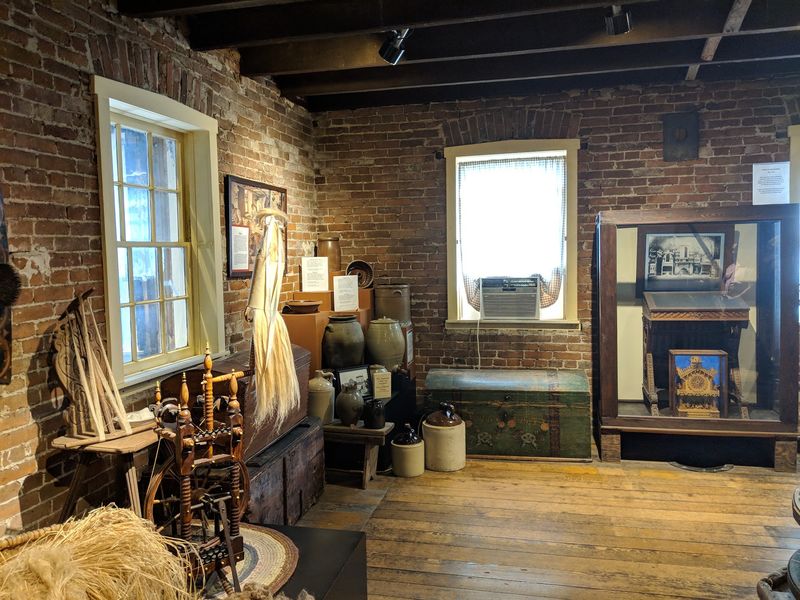
Tucked into the site is a small gift shop that punches well above its size. The shelves hold items you are unlikely to spot anywhere else, which makes browsing part of the fun.
Postcards, books, and specialty goods fill the space, giving guests plenty of ways to take a piece of the visit home. One standout is the Springerle mold selection, a nod to traditional German holiday baking.
These molds, along with resin, soap, and stamp options, appeal to anyone who loves detailed keepsakes or seasonal crafts. It is the sort of shop where you discover things you did not know you wanted.
Collectors of the unusual will find the mix especially rewarding. The offerings tie right back to the German heritage the whole site celebrates.
Before you head out, the shop is worth a proper look rather than a quick pass. It rounds out the day with a small treasure or two.
A Passport Stamp For State Park Fans
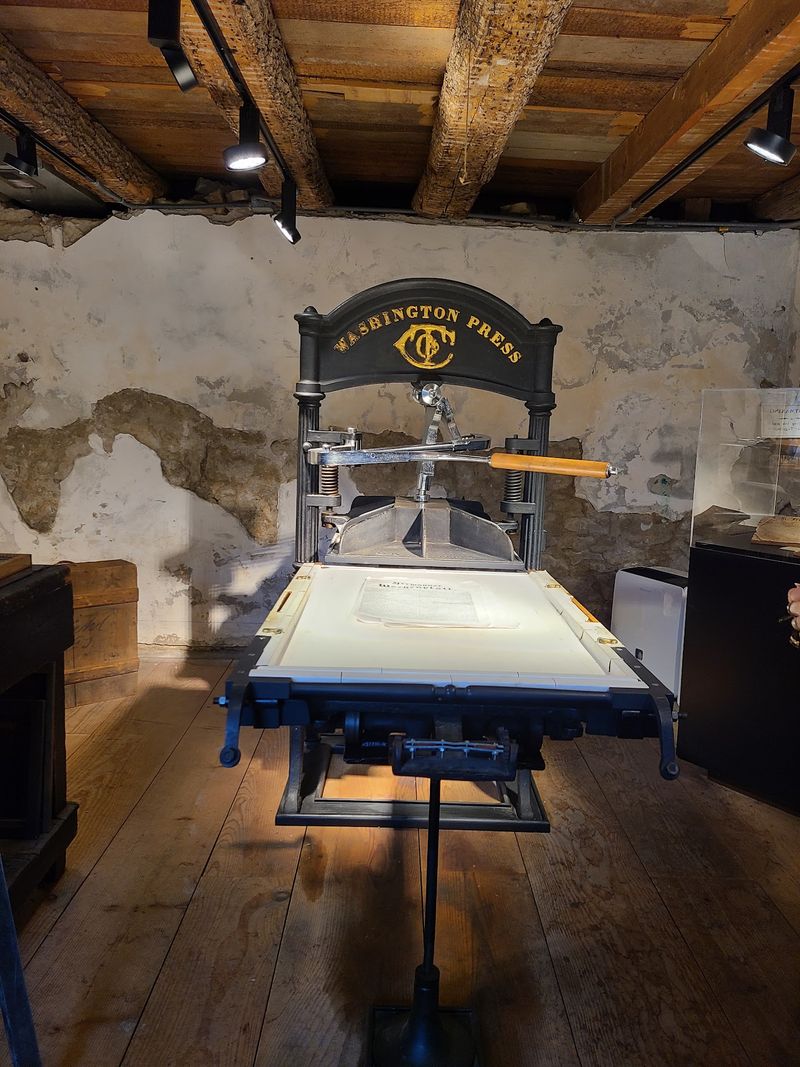
Collectors of experiences have another reason to stop by. The site participates in the Missouri State Parks passport program, letting you pick up a stamp to mark your visit.
For anyone working through the state’s parks and historic sites, this is a satisfying box to check. Some guests grabbed their very first stamp here while celebrating a park anniversary milestone.
The passport turns a single tour into part of a bigger adventure across Missouri. It gives repeat travelers a fun way to track everywhere they have been.
You can also handle postal touches at the site, including stamp cancellations, which is a small but memorable bonus. Little details like that add character to the stop.
Programs like this reward the curious and the completionist alike. It is one more layer that makes the visit feel like it counts toward something larger.
How Long The Tour Really Takes
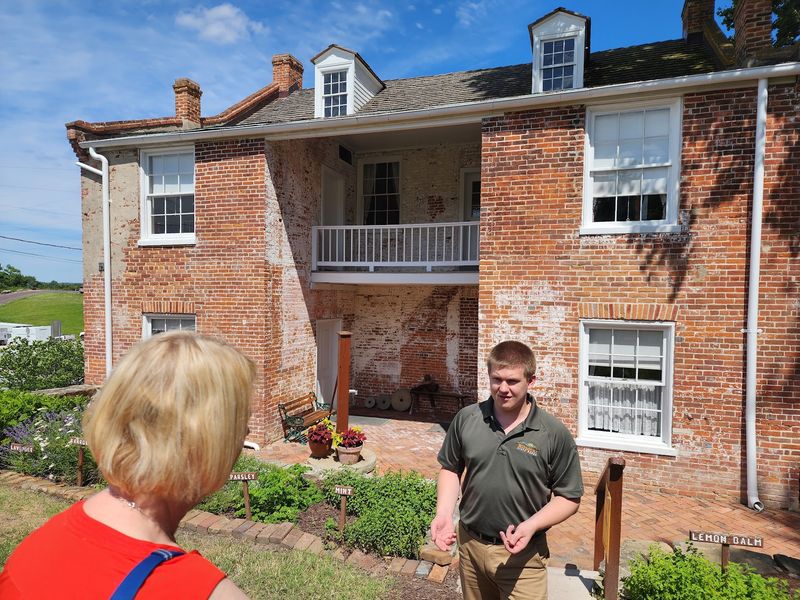
Set aside a solid chunk of time if you want the full experience. The guided tour runs around 90 minutes, though it can stretch longer when a curious group keeps the questions coming.
Some visits have grown to two hours simply because the guides were happy to keep sharing. Groups that reached that point often called it one of the highlights of their entire trip.
The pacing feels personal rather than rushed. With smaller groups, the experience turns into more of a conversation than a scripted walk-through.
That flexibility is a big part of the charm. You are not herded along a strict clock, and the guides seem genuinely glad to dig deeper when interest is high.
Plan your day with a little wiggle room so you are not cutting the tour short. The extra minutes tend to be the ones people remember most.
What It Costs And Why It Is A Bargain
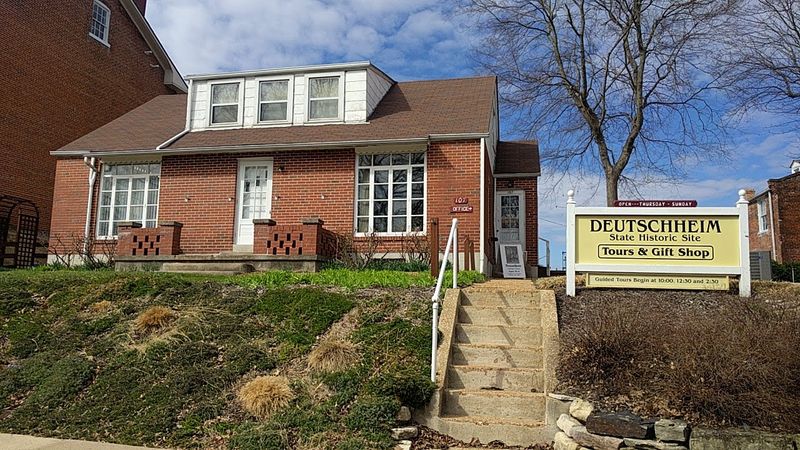
Few attractions this rich come with such a friendly price tag. Entry to the museum area is free, and the guided tour costs just five dollars per person.
For the depth and length of the experience, that number is hard to argue with. Guests routinely point out how affordable the whole thing is.
Booking ahead is a smart move if you want to lock in your spot. Some travelers registered online in advance and were glad they did, since it guaranteed their place on the tour.
A quick call or a check of the site’s page can help you confirm timing before you drive out. The main number for the site is +1 573-486-2200.
Getting this much history for so little makes the stop an easy yes. It is the rare outing where the value matches the memories you take with you.
Getting There And A Few Things To Know
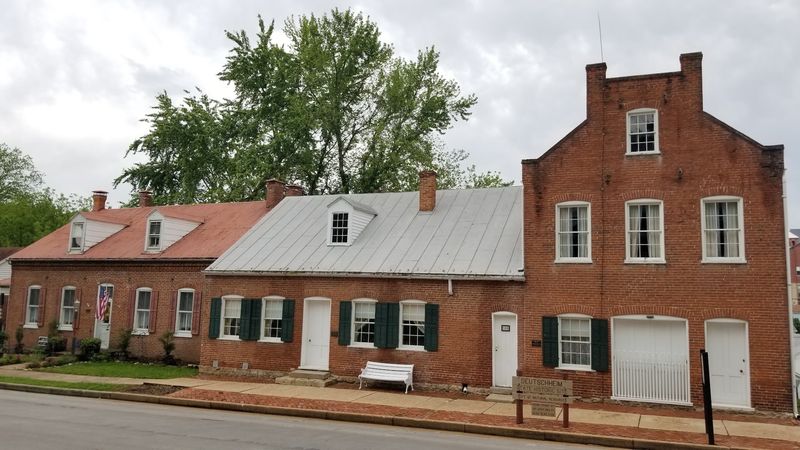
Reaching the town is half the adventure. The drive runs about 20 miles south of Interstate 70 along a scenic one-lane road that curves through the region’s rolling hills.
The route makes the arrival feel earned, and it sets the tone for a slower, more thoughtful kind of day. Once in town, the site sits within easy walking distance of the main streets.
One practical note worth flagging: the historic buildings are not wheelchair accessible. Guests using a cane have managed with some help, so plan according to your own needs.
Because these are older structures, a bit of that aged-building character comes along with the tour. The staff have shown they will adjust when guests raise concerns.
A little preparation goes a long way here. Knowing the layout and the drive ahead of time helps you settle in and enjoy the visit without surprises.
The Best Time To Plan Your Visit
Timing can turn a good visit into a great one. The town shows off its charm through the seasons, and certain weekends carry a special buzz.
The first two weekends in December bring festive Christmas events that light up the historic setting. Guides often tip guests off about upcoming festivals and holiday celebrations so they can plan a return trip.
Many travelers pair the historic site with the region’s well-known wineries, making it a natural part of a full day out. Shopping around town rounds things out nicely for those who want more than one stop.
Weekend getaways work well since the area gives you enough to fill a day or even two. It suits history lovers, curious day-trippers, and anyone chasing that old-world atmosphere close to home.
With a rating of 4.8 stars from more than 150 people, the stop earns its glowing reputation. It is the kind of place that leaves you already planning when to come back.
Enjoyed this story?
Add Fast Food Club as a preferred source to see more of our reporting on Google.