


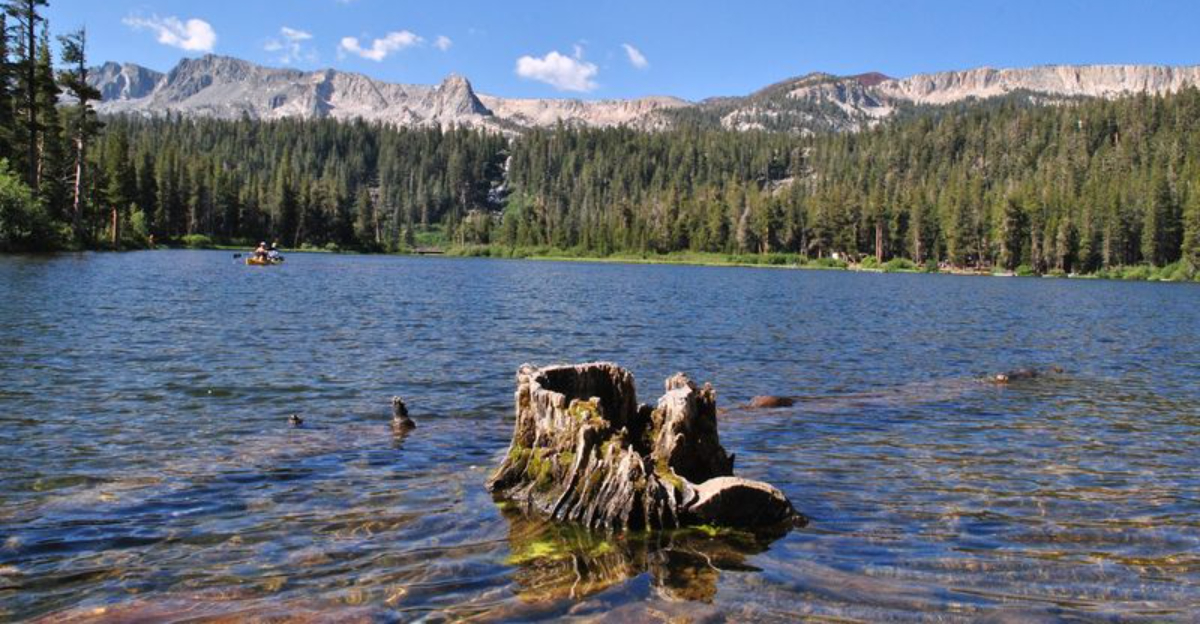
Retirement does not have to mean moving somewhere flat and expensive. Tucked into the stunning Sierra Nevada mountains of California, small foothill and mountain towns offer retirees a peaceful, affordable lifestyle surrounded by breathtaking natural beauty.
For roughly $2,000 a month, you can cover housing, food, healthcare, and still have money left over for fun. If you have ever dreamed of waking up to crisp mountain air and pine-covered peaks, this could be the retirement you have been waiting for.
Housing Costs That Will Surprise You
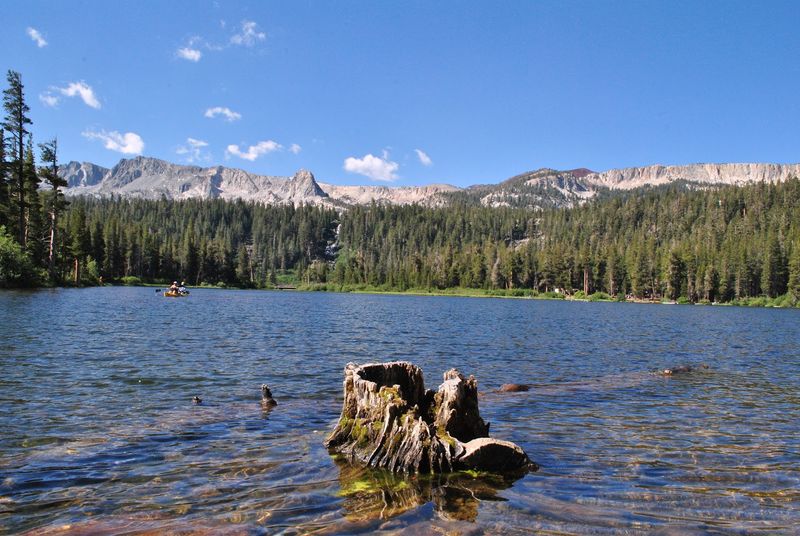
Forget the sticker shock of San Francisco or Los Angeles. In Sierra Nevada foothill towns like Grass Valley, Nevada City, or Sonora, you can rent a comfortable one-bedroom apartment for $800 to $1,100 a month.
That leaves plenty of room in a $2,000 budget for everything else life requires.
Buying is also surprisingly reasonable. Modest homes in these mountain communities often list between $250,000 and $350,000, which is a fraction of what coastal California demands.
Many retirees sell their city homes and buy a mountain property outright, eliminating a mortgage entirely.
Lower property taxes and minimal HOA fees sweeten the deal further. Living simply in the Sierra Nevada does not mean sacrificing comfort.
It means choosing a lifestyle where your dollar stretches further every single day.
Groceries and Dining on a Budget
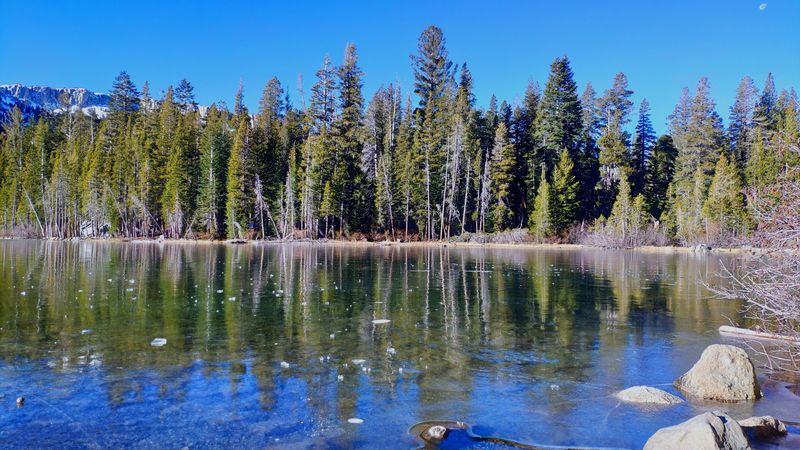
Food is one of the biggest monthly expenses for retirees, and Sierra Nevada towns keep costs manageable. Local grocery chains and discount stores serve most foothill communities, and weekly farmers markets offer fresh, affordable produce grown right in the region.
Eating well here does not require spending a fortune.
Dining out is genuinely enjoyable without the big-city price tag. A sit-down dinner for two at a local restaurant typically runs $30 to $50, including drinks.
Casual spots like diners and cafes charge even less, often under $15 for a hearty lunch.
Growing your own vegetables is also popular among mountain retirees. The Sierra Nevada foothills enjoy long sunny summers that are ideal for backyard gardens.
Between farmers markets, affordable stores, and homegrown produce, keeping your food budget around $300 to $400 a month is very realistic.
Healthcare Access in Mountain Communities
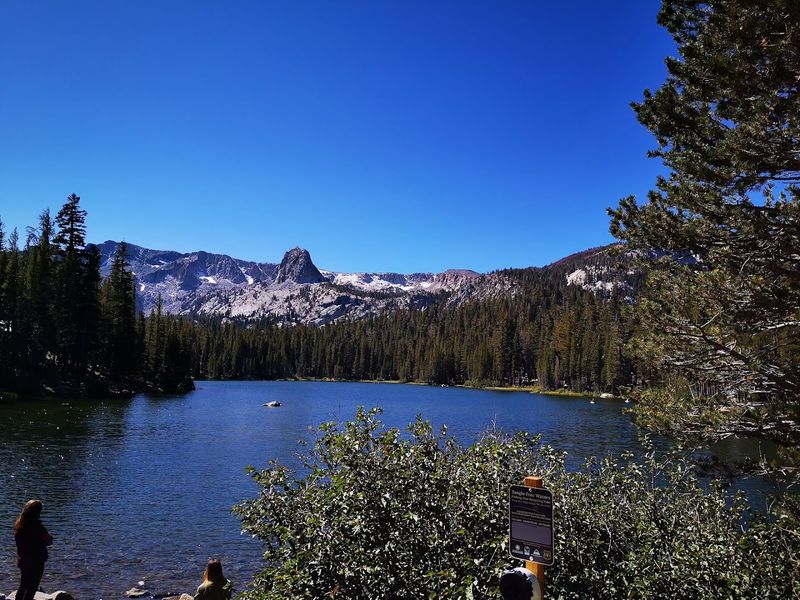
One common worry about retiring in a rural mountain area is access to good healthcare. Fortunately, Sierra Nevada foothill towns are better served than many people expect.
Communities like Grass Valley have full-service hospitals, specialist clinics, and urgent care centers that handle most routine and emergency medical needs without requiring a long drive.
For major procedures or specialized care, Sacramento is typically one to two hours away, putting world-class medical facilities within reach. Many retirees find this balance works perfectly for their needs.
Telehealth services have also expanded dramatically, making it easier than ever to consult doctors from your living room.
Medicare and supplemental insurance plans are widely accepted throughout the region. Monthly healthcare costs for a healthy retiree using Medicare can stay comfortably under $300.
Staying active outdoors, which the Sierra Nevada encourages naturally, also helps keep medical expenses low over time.
Transportation and Getting Around
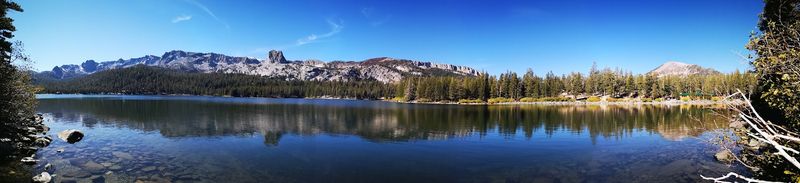
Mountain living means owning a reliable car is pretty much essential. Public transportation in Sierra Nevada foothill towns is limited compared to urban areas, so most retirees budget for a vehicle.
The good news is that driving here is genuinely pleasant, with scenic roads through forests, past meadows, and alongside sparkling rivers.
Gas prices in foothill towns are slightly higher than in valley cities, but overall transportation costs remain manageable. Many retirees find they drive less than they did during their working years, cutting fuel and maintenance expenses significantly.
Errands, appointments, and social activities are often clustered within a short driving radius.
For trips to Sacramento or Reno, the roads are well-maintained and straightforward. Budgeting around $200 to $300 a month for transportation, including gas, insurance, and routine maintenance, is realistic for most retirees living comfortably in the Sierra Nevada region.
Outdoor Recreation That Costs Almost Nothing
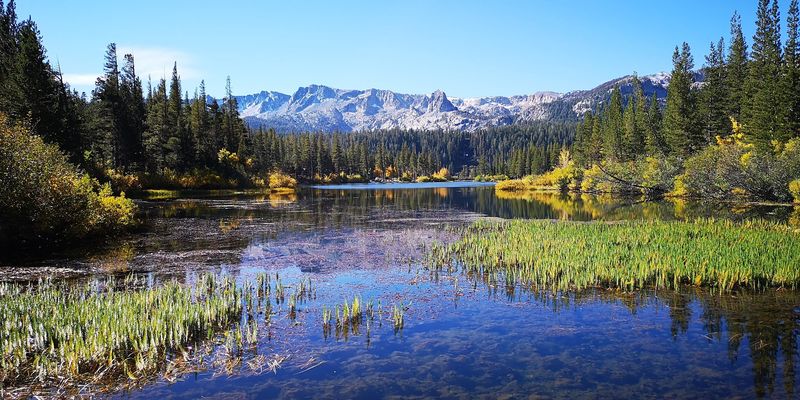
Here is something that makes Sierra Nevada retirement uniquely rewarding: some of the best entertainment available is completely free. Hundreds of miles of hiking trails wind through national forests, state parks, and wilderness areas.
You could spend years exploring and never run out of new scenery to discover.
Fishing in crystal-clear mountain streams and lakes is a beloved pastime for retirees here. A California fishing license costs around $50 a year, making it one of the most affordable hobbies imaginable.
Birdwatching, photography, and wildflower walks require nothing more than comfortable shoes and curiosity.
Even more active pursuits like cycling and kayaking can be enjoyed affordably with a modest equipment investment. John Muir famously called the Sierra Nevada the Range of Light, and anyone who spends a sunset watching alpenglow paint the peaks understands exactly what he meant.
Nature here is a daily gift.
A Four-Season Climate Full of Character
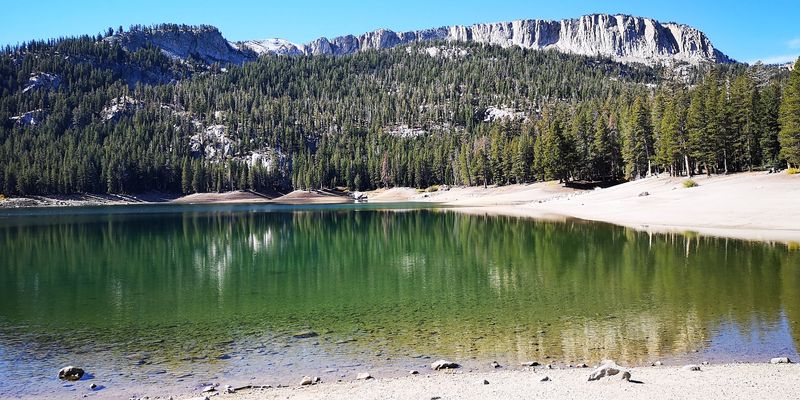
Unlike the flat, scorching Central Valley or the foggy coast, Sierra Nevada foothill towns enjoy four distinct seasons that keep life interesting all year long. Summers are warm and dry with temperatures in the 80s, perfect for outdoor adventures.
Winters bring occasional snow at higher elevations, creating a magical atmosphere without the brutal cold of true alpine living.
Spring is arguably the most spectacular season, when wildflowers carpet the hillsides and waterfalls roar with snowmelt. Fall brings golden oak leaves and crisp air that feels genuinely refreshing after a long summer.
Each season offers something new to look forward to, which many retirees find energizing and mentally stimulating.
Foothill towns like Grass Valley sit at elevations between 2,400 and 3,000 feet, which keeps summers cooler than the valley below. This elevation sweet spot means you get mountain charm without being buried under ten feet of winter snow.
A Tight-Knit Community Spirit
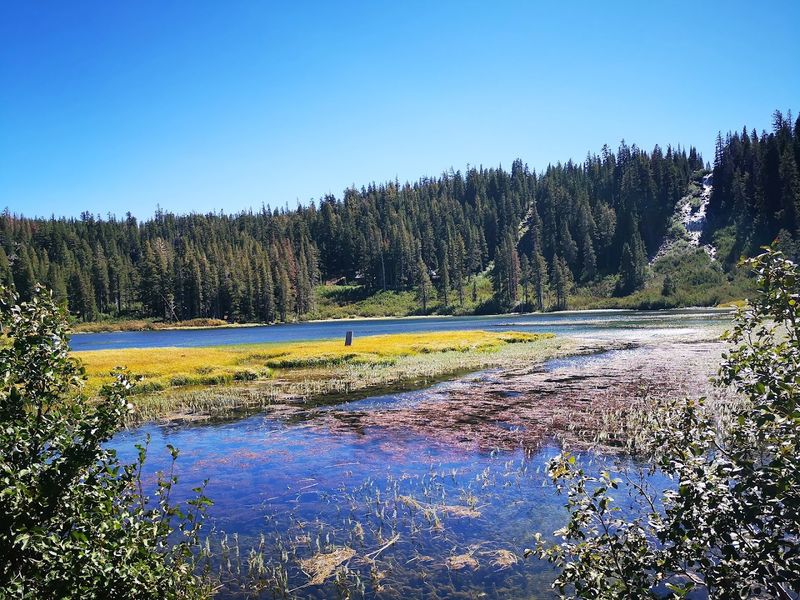
Something special happens when people choose to live in a mountain community together. Sierra Nevada foothill towns have a reputation for being warm, welcoming, and genuinely neighborly.
Locals look out for each other in ways that feel increasingly rare in modern life, and newcomers are generally embraced with open arms.
Volunteer organizations, civic groups, and community events are plentiful. From local theater productions to art walks and historical society meetings, there is always something happening that brings residents together.
Retirees often find this social fabric to be one of the most valuable parts of mountain living.
As one long-time Sierra Nevada resident put it, when you visit, be mindful of the people who live here and show respect for the mountain community. That mutual respect creates a quality of life that no city can easily replicate.
Belonging somewhere truly matters in retirement.
Rich History and Culture Right at Your Doorstep
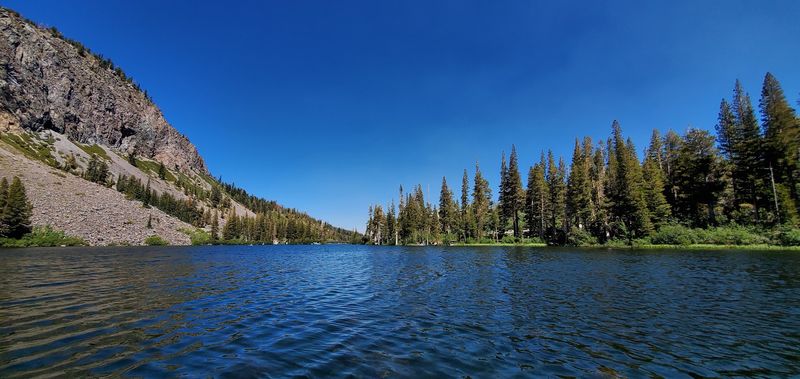
The Sierra Nevada foothills are soaked in Gold Rush history that dates back to 1849. Towns like Nevada City and Downieville have preserved their Victorian-era architecture so well that walking their streets feels like stepping into another century.
History enthusiasts could spend years exploring old mines, museums, and ghost towns without exhausting the stories embedded in this landscape.
The legendary ghost town of Bodie, a state historic park in the eastern Sierra, draws visitors from around the world. Closer to home, local historical societies and museums keep Gold Rush traditions alive through exhibits, events, and guided tours.
Culture runs deep in these communities despite their small size.
Art galleries, live music venues, independent bookstores, and film festivals add a creative energy that surprises many first-time visitors. Retirement here means living inside a living history book, with fresh chapters waiting to be explored around every mountain bend.
Utilities and Monthly Bills That Stay Manageable
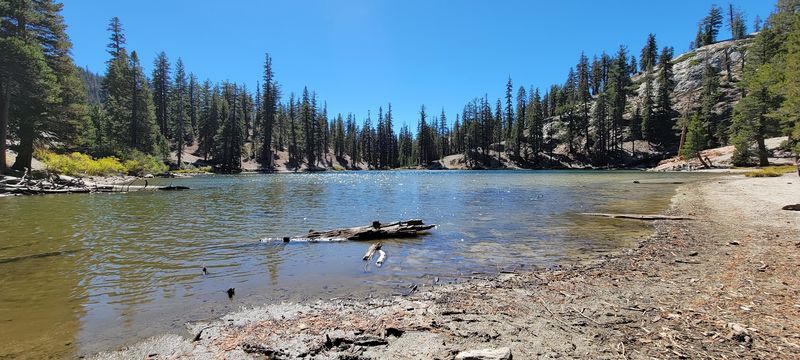
Monthly utility costs in Sierra Nevada foothill towns are generally reasonable, though they do vary by season and elevation. Electricity bills average around $80 to $120 a month for a small home or apartment.
Many residents use wood-burning stoves or pellet stoves during winter, which cuts heating costs significantly and adds a wonderfully cozy atmosphere to mountain living.
Water and sewer costs are typically modest in foothill communities, often running $50 to $80 a month combined. Internet service is available from multiple providers in most towns, with reliable broadband plans starting around $50 a month.
Cell coverage has improved considerably in recent years, though some rural pockets still have gaps.
When you add up housing, utilities, food, transportation, and healthcare, reaching a comfortable monthly total around $2,000 is genuinely achievable. Many retirees actually come in under budget, which leaves room for travel, hobbies, and the occasional splurge.
Wildlife Encounters That Become Everyday Magic
Waking up to a deer grazing in your backyard is not a special occasion in Sierra Nevada foothill towns. It is simply Tuesday.
The wildlife in this region is extraordinarily diverse, ranging from black bears and mountain lions to bald eagles, wild turkeys, and dozens of butterfly species. Living here means sharing your neighborhood with nature in the most literal and delightful sense.
Black bears are the most famous local residents. They are generally shy and avoid confrontation, but learning basic bear-aware habits is part of settling into mountain life.
Local rangers and community groups make it easy to learn the basics quickly.
For retirees who spent decades in concrete-heavy cities, the daily presence of wildlife is genuinely transformative. Spotting a great horned owl on your evening walk or watching a family of deer cross your street resets something deep inside you.
The Sierra Nevada reminds you that the natural world is extraordinary.
Proximity to World-Famous Destinations
Retiring in the Sierra Nevada foothills puts you within striking distance of some of the most celebrated natural wonders on earth. Yosemite National Park is roughly two to three hours away from most foothill communities, making spontaneous day trips entirely practical.
Lake Tahoe, one of the most beautiful alpine lakes in North America, is similarly accessible from the northern Sierra towns.
Mount Whitney, the highest peak in the contiguous United States, draws hikers from around the world to the eastern Sierra. The Pacific Crest Trail passes through the range, offering endless exploration for those who love long-distance trekking.
Mammoth Mountain provides world-class skiing just a few hours south for winter sports enthusiasts.
Having these legendary places as your extended backyard adds enormous value to daily life. You do not need to plan a vacation to experience grandeur.
Sometimes you just need to fill up the gas tank and drive.
Social Activities and Senior Programs
Staying socially connected is one of the most important factors in a healthy, happy retirement. Sierra Nevada foothill towns punch well above their weight when it comes to programs and activities for older adults.
Senior centers in communities like Grass Valley offer fitness classes, art workshops, card games, day trips, and regular social gatherings that make it easy to build friendships.
Many retirees get involved in volunteer work, which provides both purpose and connection. Local food banks, historical societies, trail maintenance crews, and literacy programs are always looking for experienced, motivated volunteers.
Giving back to a community you love is one of retirement’s most satisfying chapters.
Clubs for everything from photography and gardening to astronomy and book discussion groups meet regularly throughout the region. Whether your passion is creative, intellectual, or purely social, you will find your people in the Sierra Nevada foothills without much effort at all.
The Intangible Gift of Mountain Peace
Numbers can explain the affordability of retiring in the Sierra Nevada, but they cannot fully capture what makes this place truly special. There is a quality of stillness here that is genuinely hard to find in modern life.
Standing on a ridge at dusk, watching the last light turn the granite peaks copper and gold, you feel something settle inside your chest that no city can offer.
John Muir spent most of his life in these mountains and called them a place that heals and inspires. Generations of visitors and residents have echoed that sentiment.
The Sierra Nevada has a way of slowing time down and reminding you what actually matters in life.
For retirees seeking not just financial comfort but genuine peace of mind, this mountain range delivers something priceless. Around $2,000 a month covers your bills.
The mountains themselves cover the rest of what your soul needs.
Enjoyed this story?
Add Fast Food Club as a preferred source to see more of our reporting on Google.