


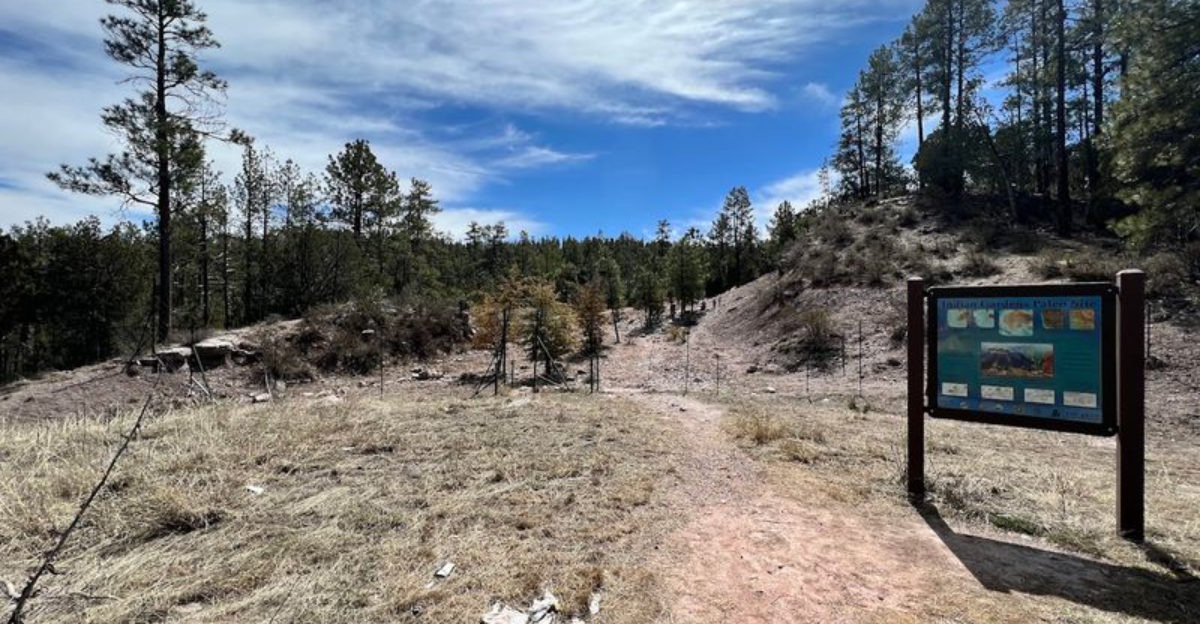
Hidden along Arizona Highway 260 near Payson, the Paleo Site Monument is one of the most surprising roadside stops you will ever make. Millions of years ago, this desert landscape was actually covered by a shallow sea, leaving behind a treasure trove of ancient seashell fossils buried in layers of sedimentary rock.
Today, visitors of all ages can explore the area, search for real fossils, and connect with a piece of Earth’s incredible history. Whether you are on a road trip or planning a family outing, this free and fascinating spot is absolutely worth the stop.
What Exactly Is the Paleo Site Monument?
Imagine pulling over on a highway and stepping into a place where the ground beneath your feet was once the floor of an ancient sea. That is exactly what the Paleo Site Monument offers visitors along AZ-260 near Payson, Arizona.
This archaeological site is a registered landmark where ancient marine fossils are preserved in layers of sedimentary rock.
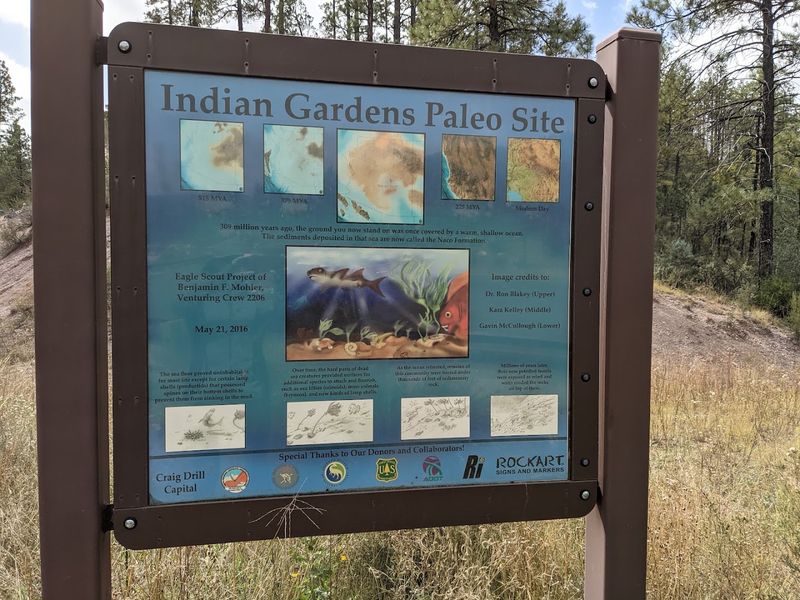
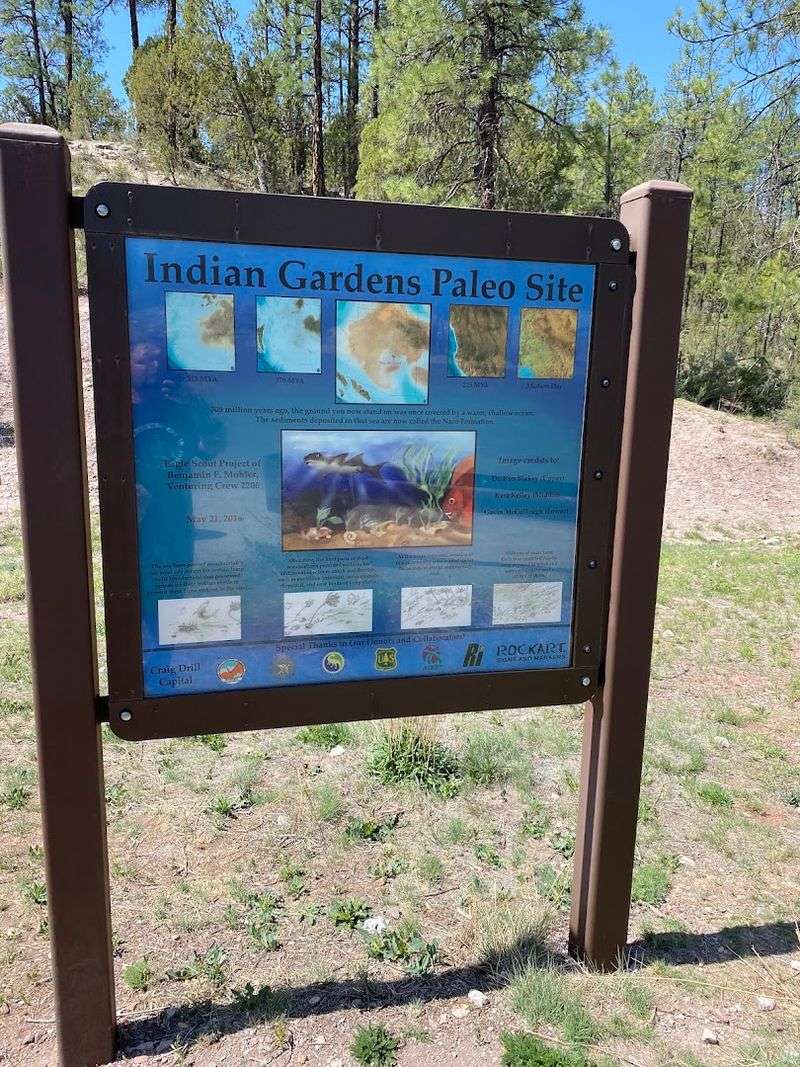
An Eagle Scout put together the informational sign at the entrance, which helps visitors understand what they are looking at and what types of fossils to search for. The site is free to visit, easy to access, and has a large paved parking lot right off the highway.
Operating hours run Wednesday through Sunday from 9 AM to 4 PM, so plan your visit accordingly.
Rated 4.5 stars by over 200 visitors, this hidden gem is a genuinely rewarding stop for curious minds of every age.
Ancient Seashells in the Desert: How Is That Possible?
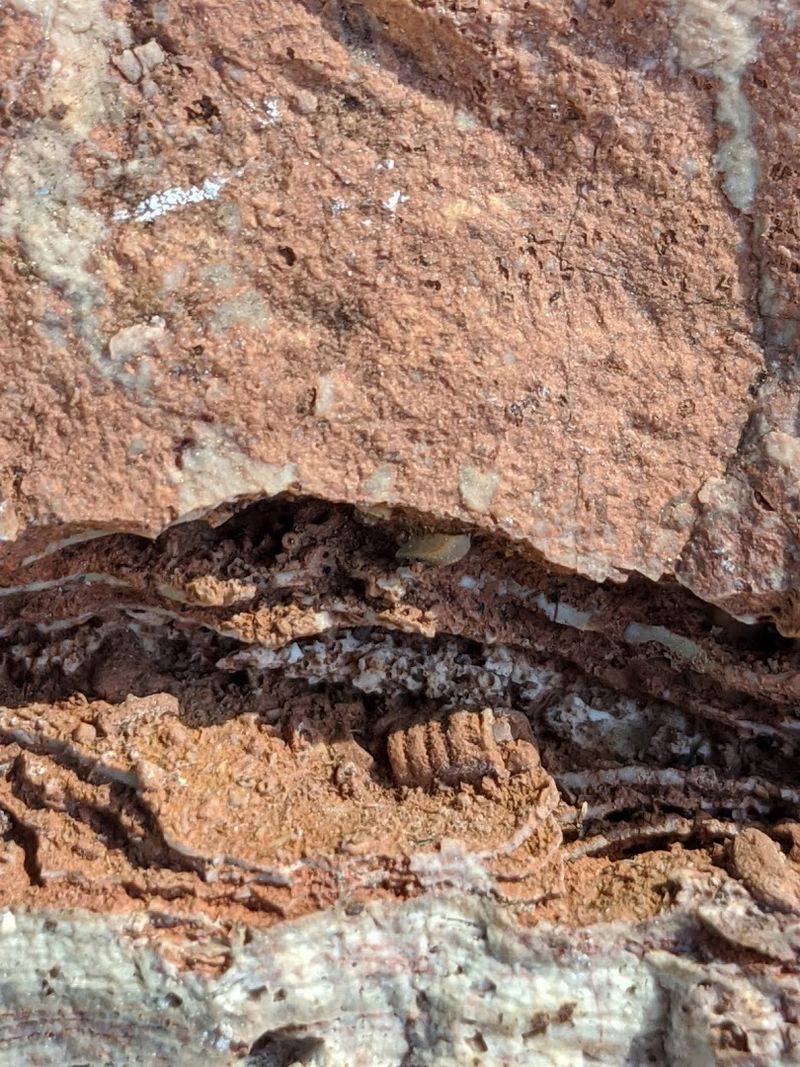
Finding seashell fossils in the middle of the Arizona desert sounds impossible, but science tells a fascinating story. Around 320 million years ago, a warm, shallow sea covered much of what is now the southwestern United States.
Over time, marine creatures died, sank to the seafloor, and were slowly buried under layers of sediment.
As the water receded and the land shifted, those layers hardened into sedimentary rock, preserving the shells and other organisms inside. Erosion over millions of years gradually exposed these fossil-bearing rocks at the surface, making them visible and accessible today.
The lighter-colored rock layers at the Paleo Site Monument are especially rich with these preserved marine remains.
Spotting a shell fossil in the rock and realizing it lived in a sea that no longer exists is a mind-blowing moment that turns a simple roadside stop into a genuine scientific adventure.
Types of Fossils You Might Find Here
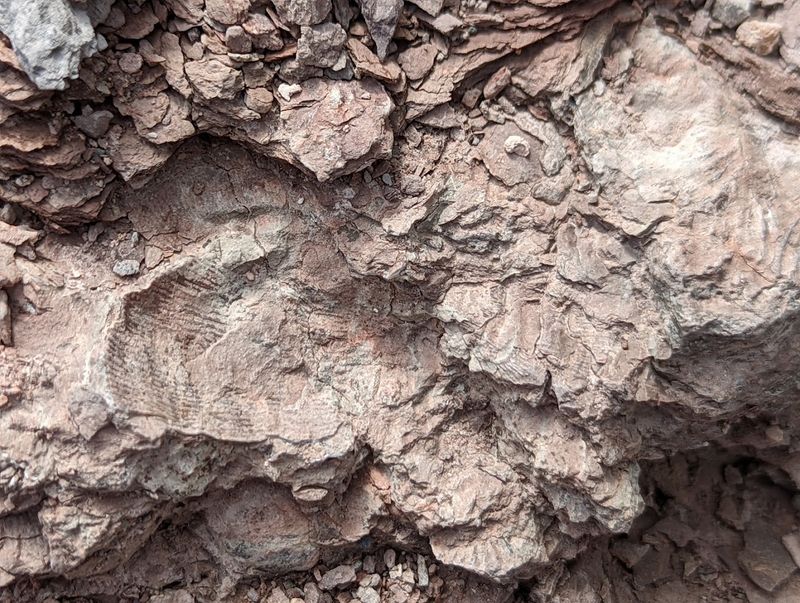
Not all fossils look like giant dinosaur bones. At the Paleo Site Monument, the treasures are small, delicate, and surprisingly detailed once you know what to look for.
Visitors commonly find bivalves, which are ancient two-shelled creatures similar to modern clams, as well as worm tubes and other mollusk impressions pressed into the grey rock.
Some reviewers have also spotted what appear to be trilobite ridges, tiny raised patterns in the stone that hint at creatures that lived before the dinosaurs even existed. The fossils range from barely visible to clearly defined, so sharp eyes and patience are your best tools out there.
The identification sign near the entrance gives you a helpful visual guide to common fossil types found at the site. Study it before heading up the slope so you know exactly what shapes and textures to look for in the rock layers.
Getting There and Finding the Entrance
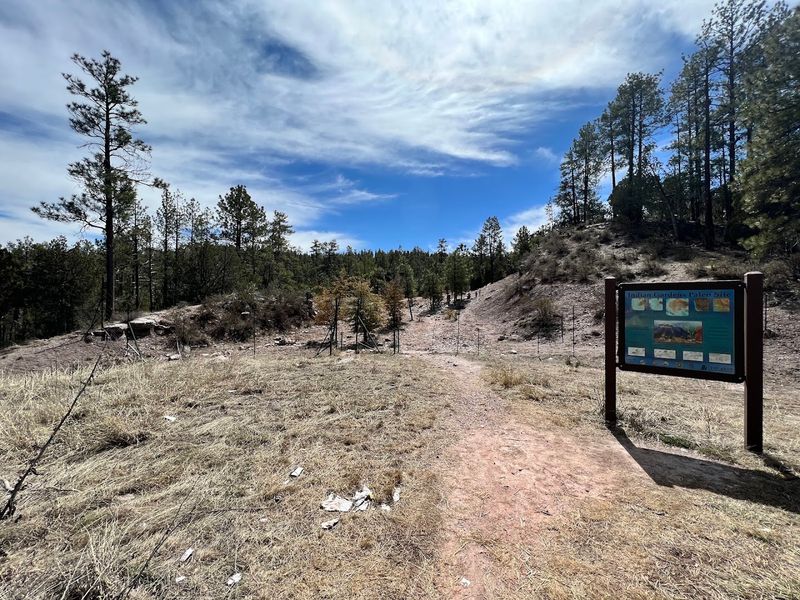
Located right on AZ-260 near Payson, Arizona, the Paleo Site Monument is technically easy to find but can sneak up on you fast if you are traveling at highway speed. Several reviewers warn that the exit ramp comes up quickly, so keep your eyes open and slow down well in advance, especially if you are driving a large vehicle or towing something.
Once you pull in, you will find a spacious paved parking lot that can handle plenty of cars. A pedestrian-only gate marks the entrance to the fossil area, which keeps vehicles out and makes the space feel safe and walkable for families.
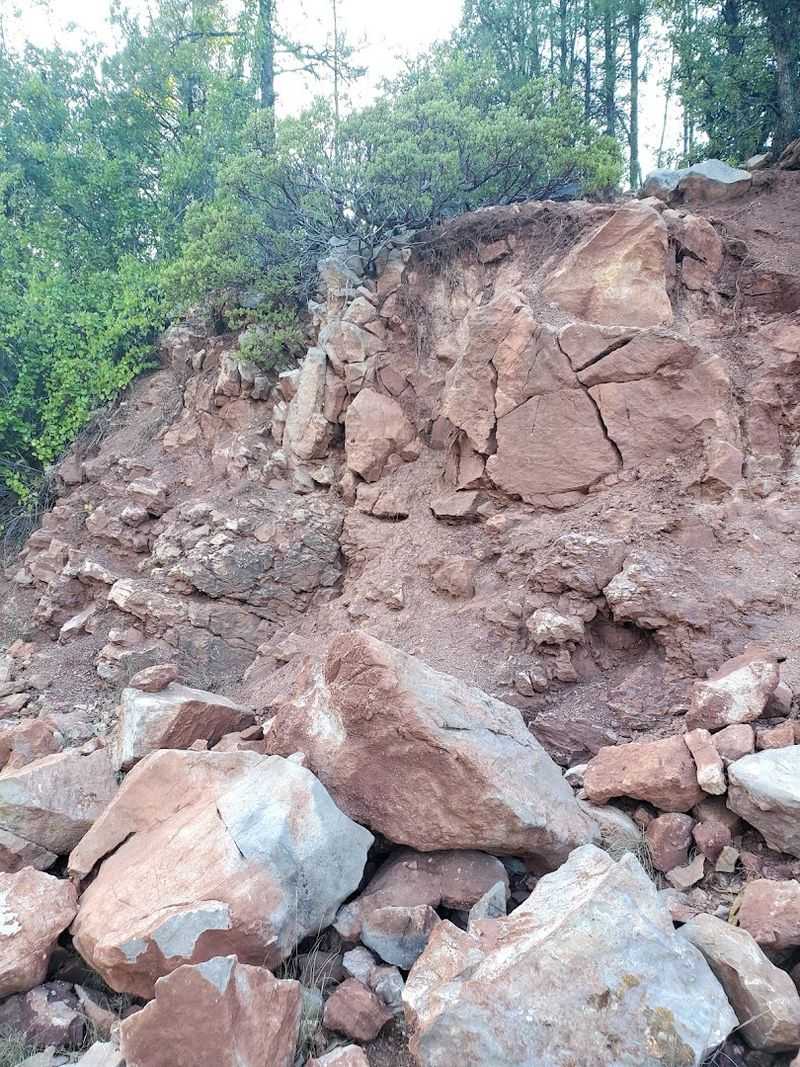
The site sits right at the base of a rocky slope filled with sedimentary layers.
No complicated trails or lengthy hikes are needed to reach the fossils. Most of the interesting areas are within a short, easy walk from the parking lot, making it very beginner-friendly.
Best Spots on the Site to Search for Fossils
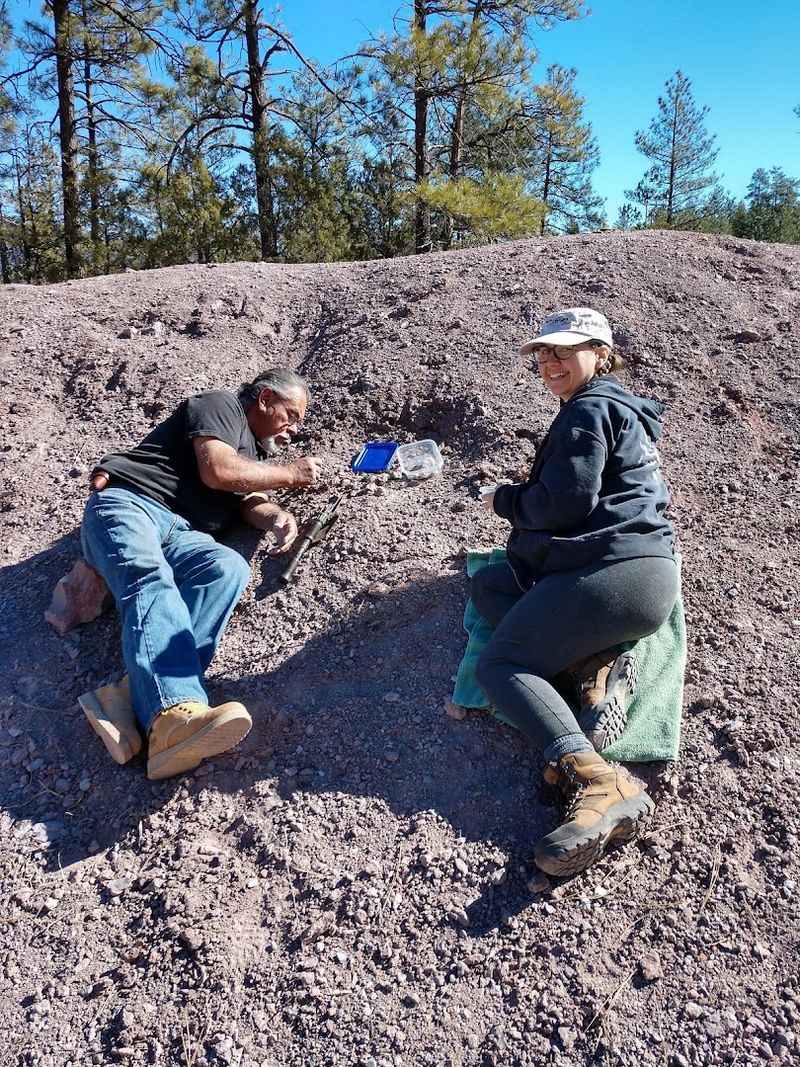
Knowing where to look can make the difference between finding a handful of fossils and going home empty-handed. At the Paleo Site Monument, the lighter-colored rock layers on the bluff or cliff face are widely considered the most productive hunting ground.
Many visitors find shells and impressions clearly visible right in those exposed rock faces.
However, do not overlook the flat, lower areas near the identification sign. Several families have found small fossils right at ground level without ever climbing the steeper sections.
After a rainstorm, fossils often wash out onto the surface and become even easier to spot among the loose gravel and grey material on the ground.
One reviewer recommends following the old road or jeep trail above the large rock outcropping, where water runoff exposes fresh fossils regularly. Spreading out and exploring different elevations gives you the best overall chance of finding something genuinely cool.
What to Bring for a Successful Fossil Hunt
Walking into a fossil site without the right gear is a missed opportunity. Water is the most important thing to pack, especially since the site is located in the Arizona desert where temperatures can climb quickly.
There are no stores nearby, so bring more water than you think you will need, particularly if you plan to spend an hour or two exploring.
A small trowel, brush, or digging tool can help you carefully loosen fossils from the grey sedimentary material without damaging them. Some visitors bring a magnifying glass to get a closer look at tiny shell impressions that are easy to miss with the naked eye.
A small bucket, bag, or container is handy for carrying your finds back to the car.
Wearing sturdy shoes with good grip matters too, since the rocky slope can be uneven in places. Sunscreen and a hat round out your fossil-hunting kit perfectly for a comfortable visit.
How Long Should You Plan to Spend Here?
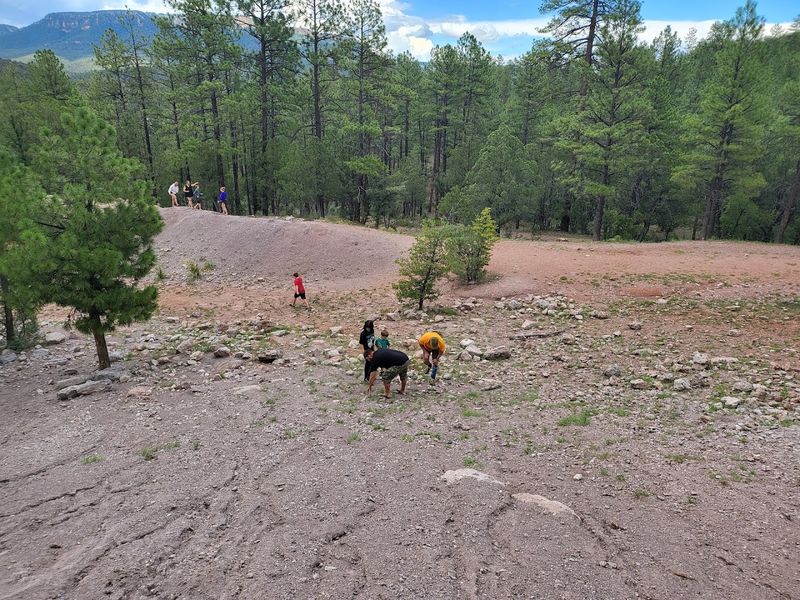
One of the great things about the Paleo Site Monument is that it works for almost any schedule. A quick stretch-your-legs stop can be done in 20 to 30 minutes, and even in that short time, many visitors manage to spot at least a few fossil impressions in the rocks.
It is a fantastic way to break up a long road trip without losing too much travel time.
For those who want a deeper experience, spending one to two hours allows you to explore multiple areas of the site, follow the wash downhill, and check out the upper jeep trail where fossils are reportedly less picked over. Families with young children tend to stay around 45 minutes to an hour, which is usually enough time for kids to find a couple of small treasures and feel genuinely proud of their discovery.
Either way, the experience is rewarding and the setting is scenic enough to make the time fly.
Is It Kid-Friendly? Absolutely Yes
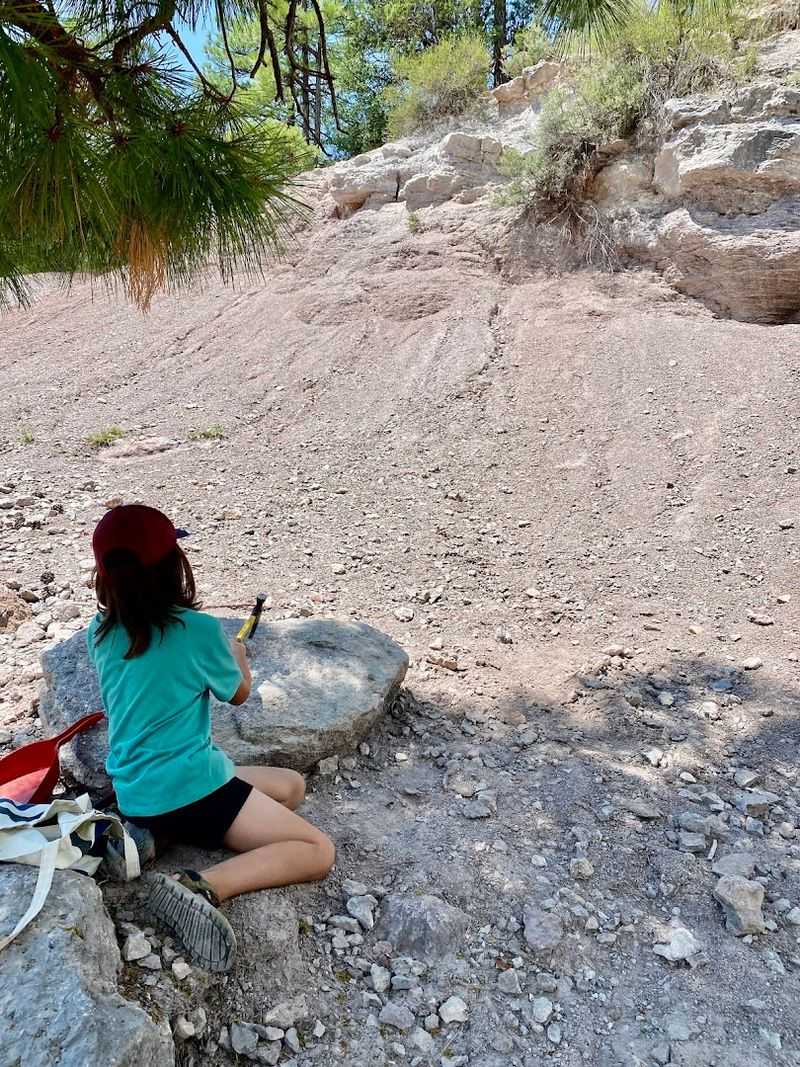
Few outdoor activities get kids more excited than finding something real buried in the earth, and that is exactly the magic this site delivers. Multiple families have visited the Paleo Site Monument and come away with happy, engaged kids who found actual fossils during their visit.
The lower, flatter areas of the site are safe and accessible for young children who are not ready to tackle the steeper rocky slope.
Searching for fossils naturally teaches kids patience, observation, and curiosity without feeling like a lesson. One parent described it as better than taking kids to a museum because the discovery experience is completely hands-on and personal.
When a child holds a shell that lived in an ancient sea millions of years ago, it sparks a sense of wonder that is hard to replicate anywhere else.
The site is clean, quiet, and has a safe, welcoming atmosphere that makes it a genuinely enjoyable outing for the whole family.
Tips for Spotting Fossils Like a Pro
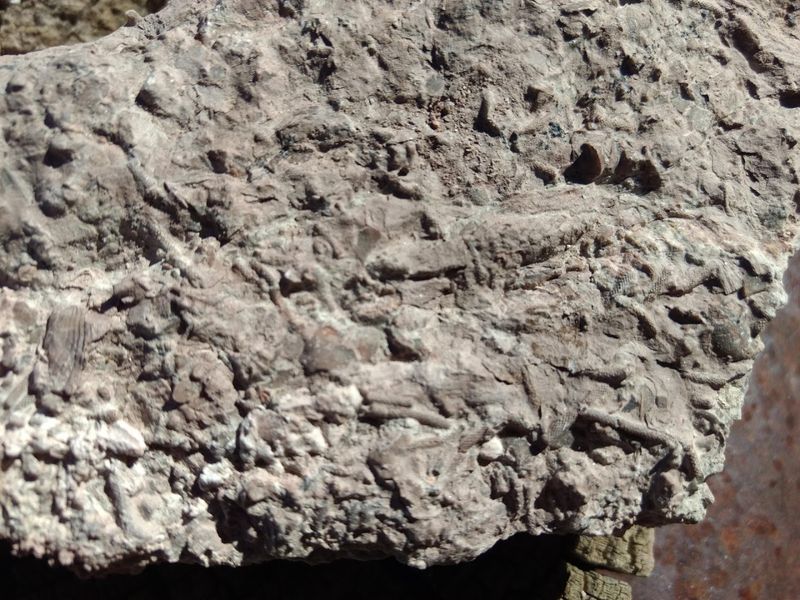
Fossil hunting is part patience, part skill, and a little bit of luck. At the Paleo Site Monument, the grey-colored sedimentary rock is your primary target.
Fossils often appear as slightly raised or indented shapes within the rock surface, and the contrast between the fossil material and the surrounding stone can be subtle at first glance.
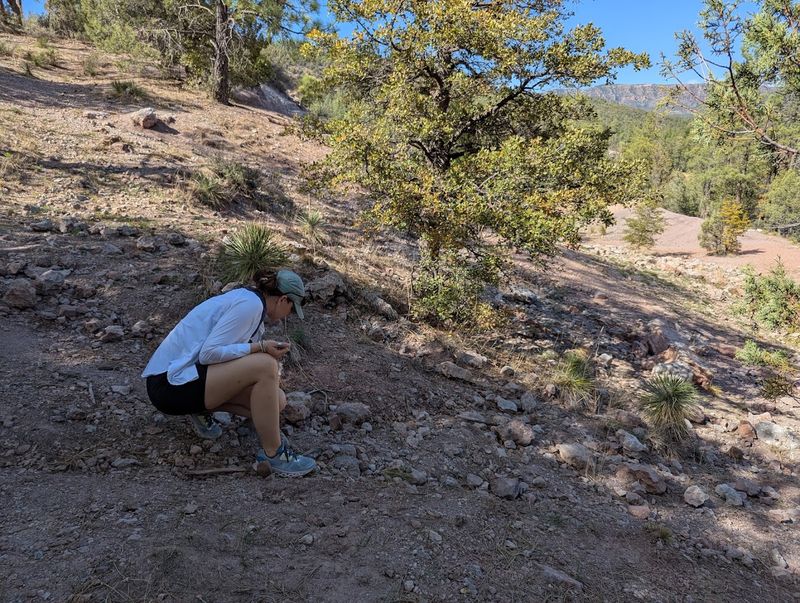
Wetting the rock with a small amount of water can dramatically improve visibility, making shell outlines pop against the background. Many experienced fossil hunters crouch low and use a side-angle view, letting natural light cast shadows across the surface to reveal textures that are invisible from above.
Moving slowly and scanning in a grid pattern helps you cover ground without missing anything.
Pay close attention to areas where rock layers meet, since fossils tend to concentrate along those boundaries. After a rain, freshly exposed surfaces are especially productive, so a post-storm visit is a smart strategy if timing allows.
The Informational Sign: Your Best Starting Point
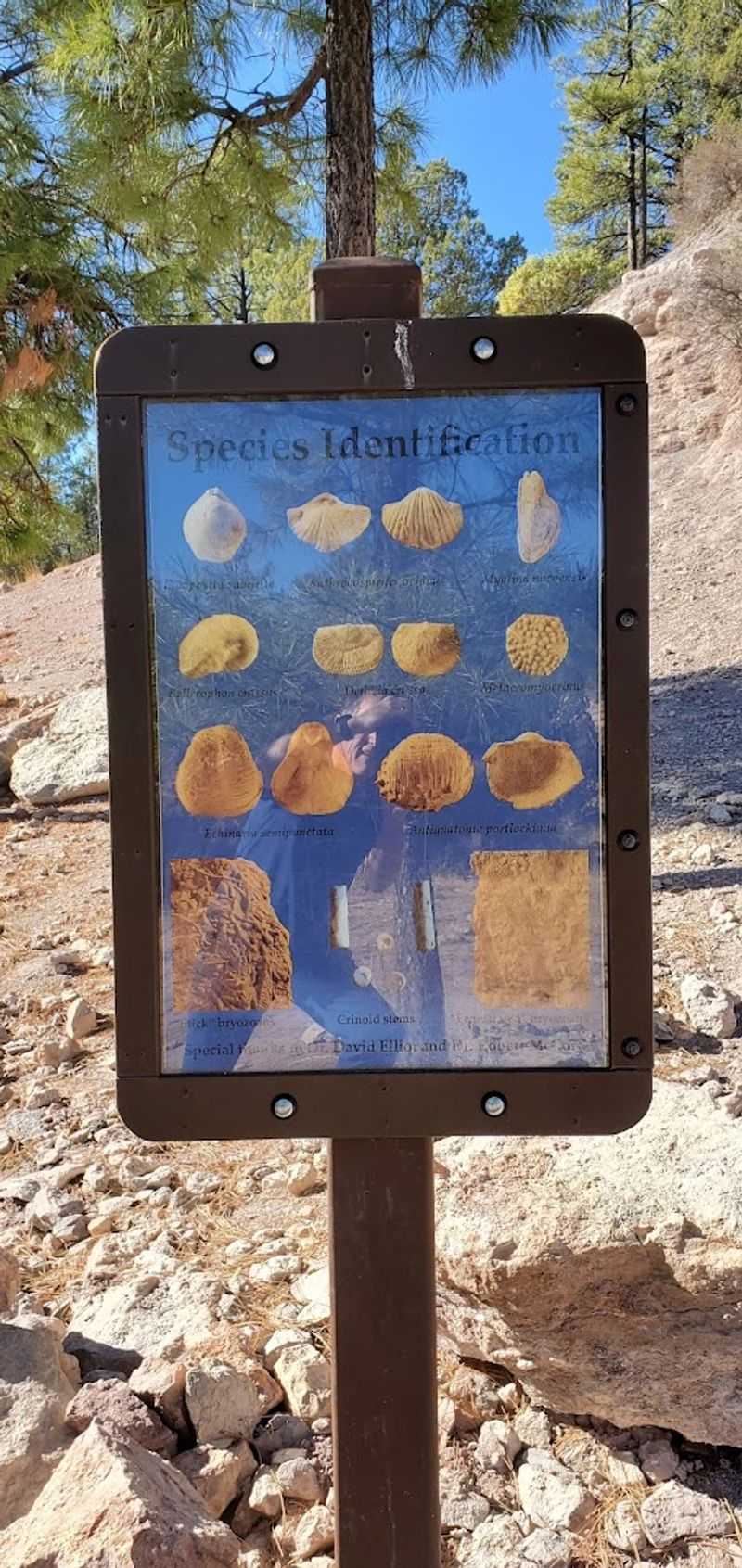
Before heading up the slope to hunt fossils, take a few minutes with the informational sign near the entrance. Put together by a dedicated Eagle Scout, this sign does a genuinely impressive job of explaining the geological history of the site and helping visitors identify the types of fossils they are likely to encounter.
Reviewers consistently mention it as a highlight of the visit.
The sign includes visual examples of common fossils found at the site, which gives you a mental image to match as you search through the rocks. Understanding what a bivalve impression or a worm tube looks like before you start hunting saves a lot of time and frustration, especially for first-time fossil hunters.
Taking a photo of the sign with your phone is a smart move so you can reference it while exploring further up the slope. Knowledge really is the most useful tool you can bring to a fossil site.
Visiting After Rain: A Game-Changing Strategy
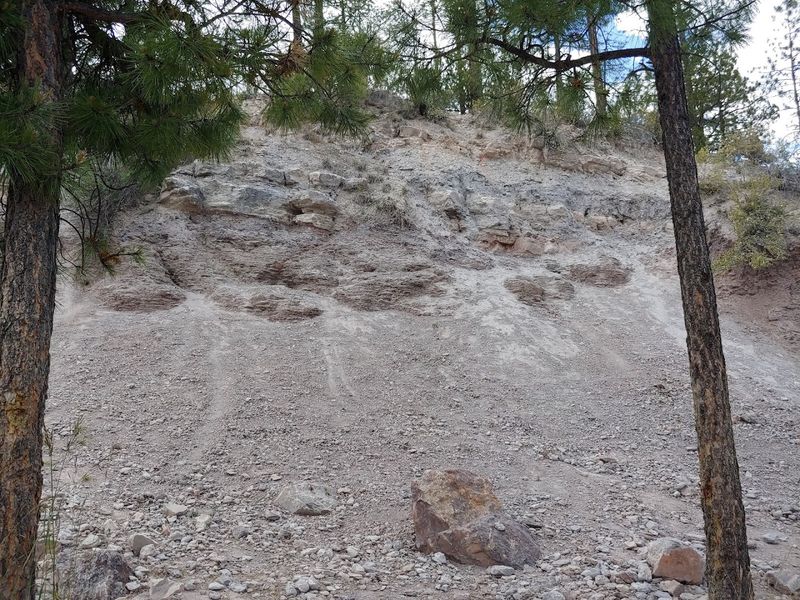
Rain transforms the Paleo Site Monument in the best possible way. When water washes over the sedimentary rock layers, it erodes away loose material and exposes fresh fossil surfaces that have not been picked over by previous visitors.
Multiple reviewers specifically recommend visiting after a good rain to maximize your chances of surface finds.
The grey material that makes up much of the hillside softens slightly when wet, making it easier to carefully work around embedded fossils without causing damage. Shells and impressions that were previously hidden under a thin layer of dust or debris become suddenly visible, almost like the rain is doing the digging for you.
Arizona monsoon season, which typically runs from July through September, brings frequent afternoon showers to the Payson area. Planning a visit the morning after a storm could turn a good fossil hunt into a great one.
Just check road conditions beforehand and wear shoes with solid grip on wet rock.
Can You Take Fossils Home?
This is one of the most common questions visitors ask, and the answer is a bit nuanced. The Paleo Site Monument sits along a state highway in Arizona, and the rules around collecting fossils from public land depend on the specific land designation and management agency.
Some reviewers mention being unsure whether collecting was allowed and chose to leave fossils in place out of caution.
Generally speaking, casual surface collection of reasonable amounts of common invertebrate fossils, like shells and bivalves, is permitted on many Bureau of Land Management properties in Arizona. However, removing fossils from state parks, monuments, or federally protected sites is prohibited.
Checking the specific land status of the Paleo Site Monument before your visit is the responsible move.
When in doubt, photograph your finds and leave them for the next visitor to enjoy. The thrill of discovery does not require taking anything home, and preserving the site keeps it amazing for future fossil hunters.
Leave No Trace: Keeping the Site Clean for Everyone
One recent reviewer left disappointed not by the fossils, but by the garbage other visitors had left behind. A site this special deserves to be treated with respect, and the Leave No Trace principle is especially important at a free, unattended location like the Paleo Site Monument.
Whatever you pack in, make sure it comes back out with you.
Food wrappers, water bottles, and other litter not only look bad but can also disturb the natural environment and harm local wildlife. Some visitors even go above and beyond by picking up trash left by others, which is a genuinely kind and community-minded thing to do.
A small trash bag tucked into your backpack costs nothing and keeps the site beautiful.
The Paleo Site Monument is a shared natural treasure that belongs to everyone who visits. Treating it well ensures that families, students, and curious travelers can keep enjoying this remarkable window into Earth’s ancient past for generations to come.
Enjoyed this story?
Add Fast Food Club as a preferred source to see more of our reporting on Google.