


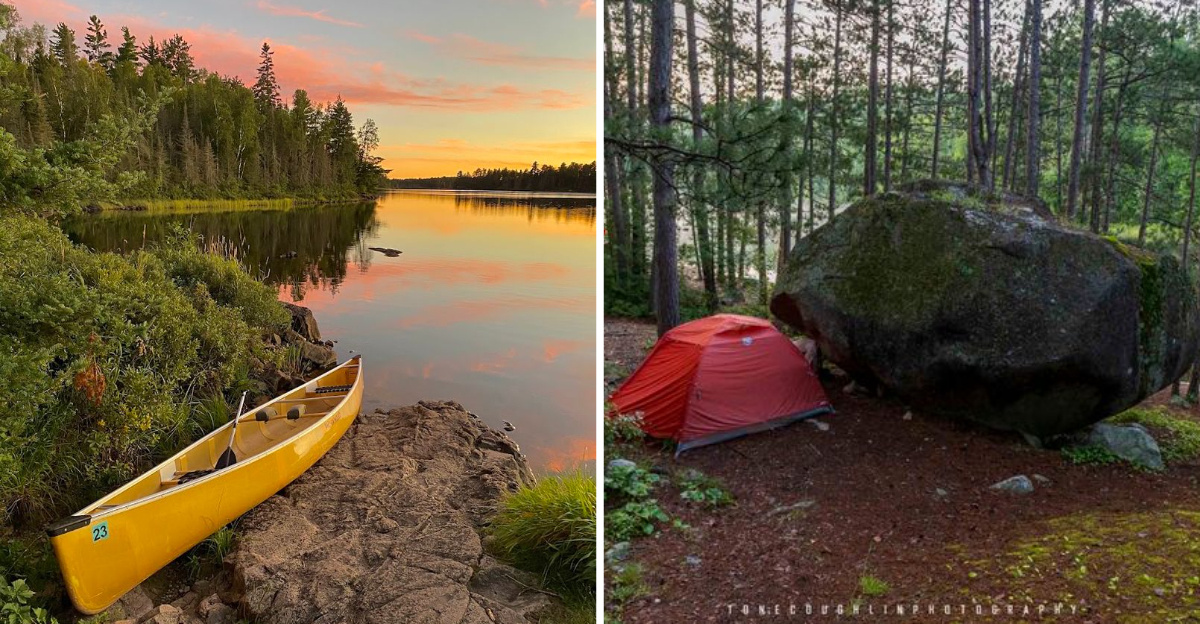
Tucked deep in the forests of northern Minnesota, the Boundary Waters Canoe Area Wilderness is one of the most breathtaking places in the entire country. The only way to reach many of its campsites is by paddling through a maze of crystal-clear lakes and rivers, which keeps the crowds away and the magic alive.
With over a million acres of untouched wilderness, this place rewards those willing to put in the effort with starry skies, howling wolves, and sunsets that look like paintings. If you’ve ever dreamed of truly escaping the modern world, the BWCA might just be your answer.
The Canoe-Only Access That Makes Everything Feel Earned
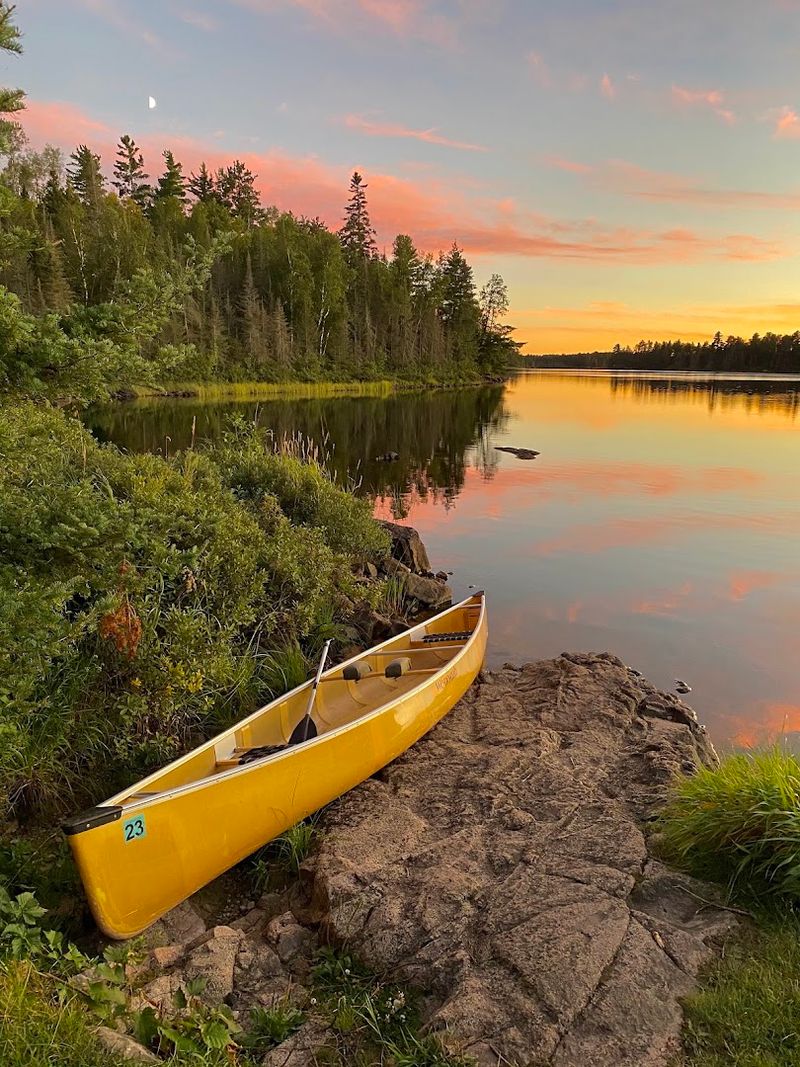
There’s something deeply satisfying about arriving somewhere most people will never see, simply because you paddled there yourself. In the Boundary Waters Canoe Area Wilderness, motorized vehicles are banned from most of the area, meaning your canoe is your car, your ticket, and your freedom all rolled into one.
That barrier to entry is exactly what keeps the BWCA so beautifully wild. When you finally pull your canoe onto a remote shoreline and set up camp, the effort makes the reward feel enormous.
You earned this view. You earned this silence.
First-timers should rent gear from outfitters near Ely, Minnesota, who can help with trip planning. Many offer complete canoe trip packages.
The physical challenge of paddling to your campsite builds a kind of pride you just can’t buy at a drive-up campground. This is wilderness on its own terms.
Stargazing So Stunning It Stops You Mid-Sentence

Campers who visit the BWCA consistently say the same thing: around midnight, they looked up and forgot what they were talking about. With zero city lights for miles in every direction, the night sky here is something most people have never truly experienced before.
The Milky Way stretches across the sky like a glowing river, and on lucky nights, the northern lights dance in shades of green and purple above the treeline. One reviewer mentioned being completely mesmerized around 1 a.m., barely able to look away.
Pack a blanket and plan to spend at least one full night lying on the rocks by the water just watching. No app or planetarium can replicate this.
Bring a red-light headlamp so you don’t ruin your night vision. The BWCA sky is genuinely one of the most underrated natural wonders in North America.
Wildlife Encounters That Remind You Who Really Lives Here
Wolves howling across the water at dusk. A bald eagle banking low over your canoe.
A moose standing knee-deep in the shallows just fifty yards away. The BWCA is absolutely packed with wildlife, and spotting animals here feels like a genuine privilege rather than a tourist attraction.
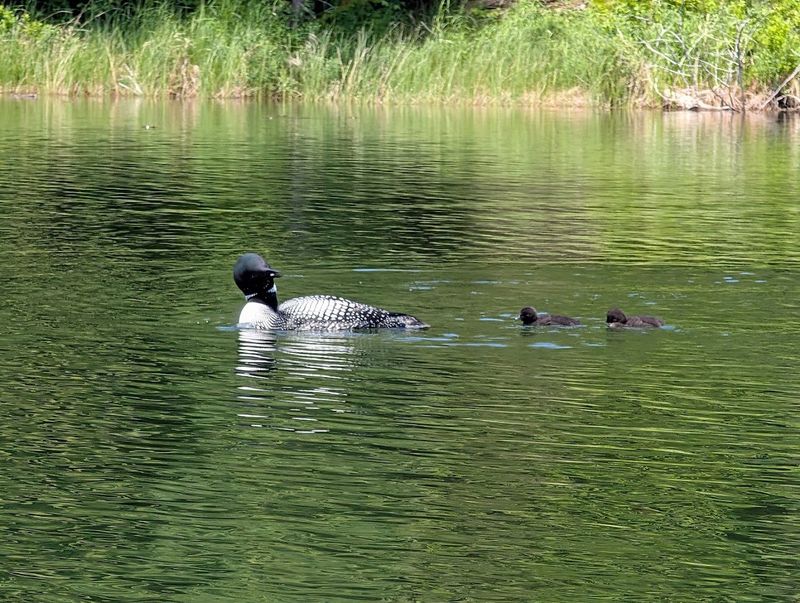
One reviewer described seeing wolves during their first-ever canoe trip, something locals say is incredibly rare. Others have reported loons calling through the fog at sunrise, which is one of the most haunting and beautiful sounds in all of nature.
Keep your eyes open during early morning paddles when animals are most active. Always store food in bear-proof containers or hang it from a tree well away from your tent.
Respect the animals by keeping your distance and staying quiet. In the BWCA, you are the visitor, and the wildlife are very much at home.
Portaging: The Workout Nobody Warned You About
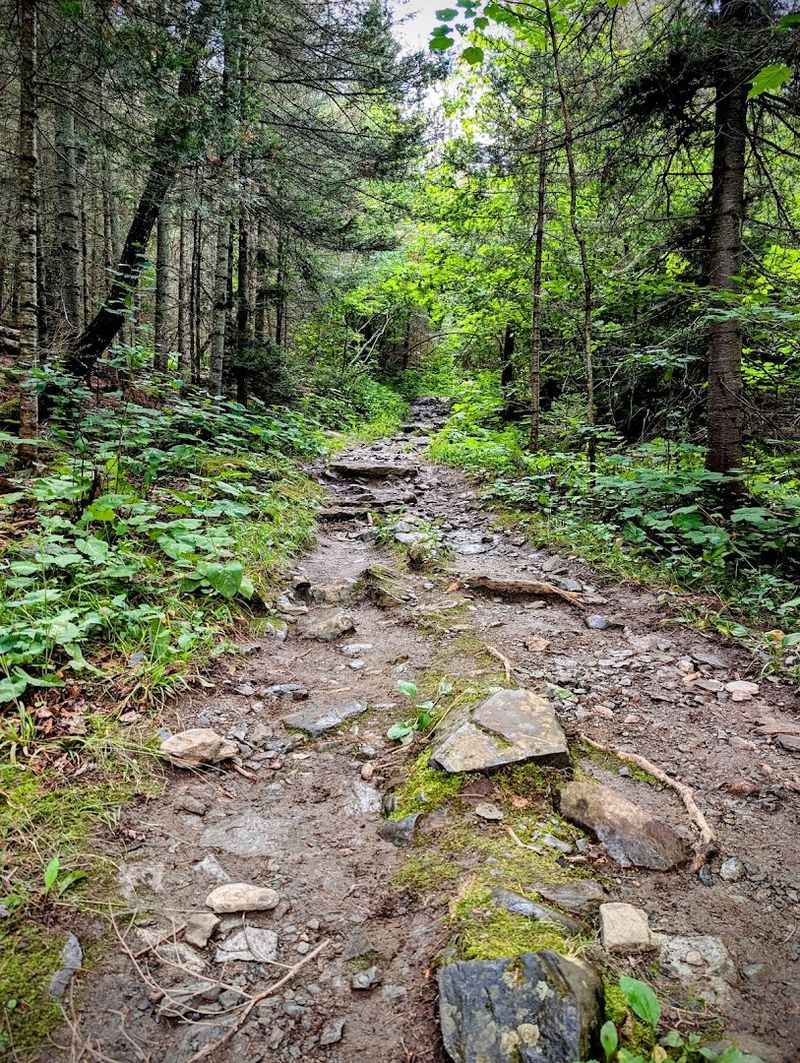
Portaging is the act of carrying your canoe and all your gear overland between lakes, and it is, without question, the most humbling part of any BWCA trip. Trails are measured in rods — one rod equals about 16.5 feet — and some portages stretch over a mile of rugged terrain.
One long-distance paddler reported completing 80 miles of paddling over eight days, with portages through challenging terrain like Bear Trap River requiring some creative bushwhacking. It sounds tough because it is tough.
But it also builds a team like nothing else.
Smart packing is everything. Use lightweight, waterproof dry bags and keep your load as trim as possible.
Divide gear between paddling partners so no one person carries everything. Portage carts can help on flatter trails.
When you finally drop your canoe back in the water on the other side, the sense of accomplishment is absolutely real and completely worth it.
Fishing That Feels Almost Unfair in the Best Way
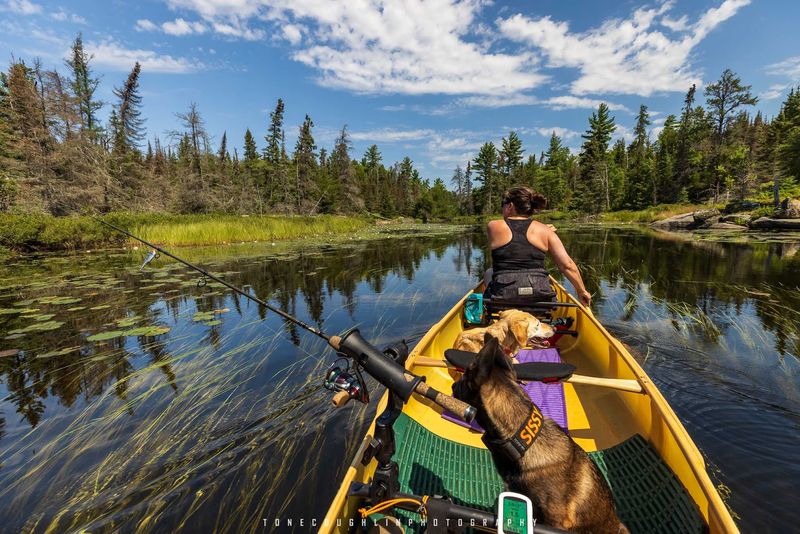
Ask almost anyone who has fished in the BWCA and they will tell you the same thing: it spoils you. Lakes like Crab Lake are legendary among anglers, and the walleye fishing in particular draws people back year after year.
One reviewer called the fried walleye they caught and cooked at their campsite the best fish they had ever eaten in their life.
The BWCA contains over 1,000 lakes, each with its own ecosystem and fish population. Walleye, smallmouth bass, northern pike, and lake trout are all common catches.
Some lakes hold fish that rarely see a lure, making for exciting and productive days on the water.
A Minnesota fishing license is required, and some species have specific regulations within the wilderness area. Check the rules before you go and practice catch-and-release when possible to protect these incredible fisheries.
Early morning and evening are the most productive fishing times throughout the season.
Leave No Trace: The Golden Rule of the BWCA
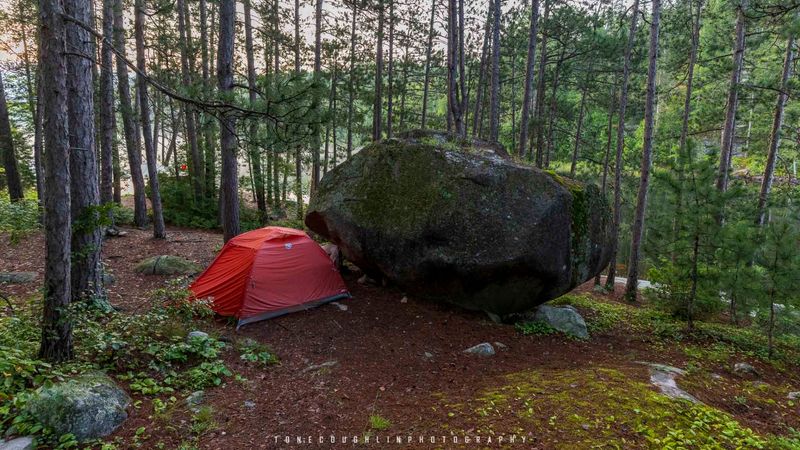
The BWCA stays pristine because of one simple principle: pack out everything you pack in. No cans, no glass, no trash left behind.
The wilderness area enforces strict Leave No Trace guidelines, and for good reason — this land has to be protected for every generation that comes after us.
Sadly, some reviewers have noted finding trash left by careless campers, and a few have gone out of their way to pack out other people’s garbage. That kind of community spirit is exactly what keeps special places like this alive.
It only takes one inconsiderate group to damage a site that took decades to develop naturally.
Before your trip, take time to learn the seven Leave No Trace principles. Bring a small trash bag for waste, use a camp stove instead of always relying on fires, and never bury food scraps.
Treat this wilderness like the rare treasure it truly is.
Campsite Setup: What to Expect When You Arrive
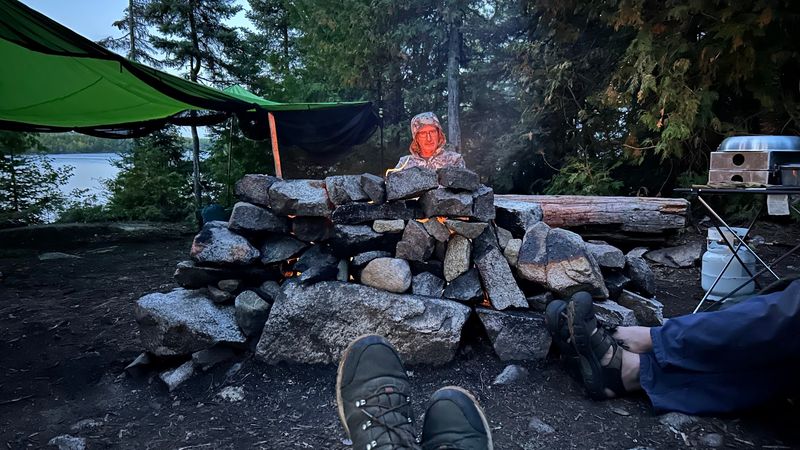
Pull up to a BWCA campsite and you will typically find two things waiting for you: a steel fire grate and a screened, open-air pit latrine set a safe distance from the water. That is pretty much it — and somehow, that simplicity makes everything feel just right.
Tent pads vary by site. Some have flat, cleared areas perfect for setting up camp, while others require a bit more creativity with rocky or sloped ground.
Reading campsite reviews on the BWCA permit system can help you pick a spot that suits your group’s comfort level and experience.
Water from the lakes is generally very clean, but always filter or treat it before drinking using a quality water filter or purification tablets. Set up your kitchen area well away from your sleeping tent to minimize wildlife attraction.
A well-organized camp makes every morning feel like a fresh adventure rather than a scramble.
The Gunflint Trail: Your Gateway to the Wilderness
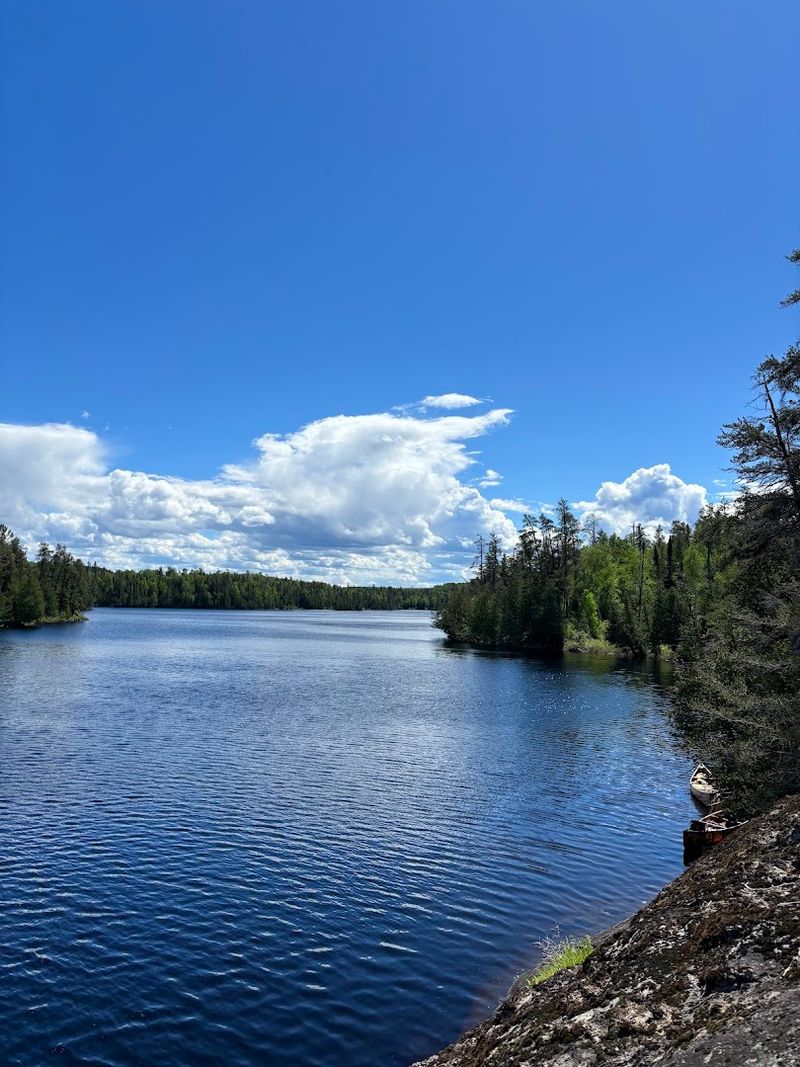
Before you ever dip a paddle in the water, the Gunflint Trail sets the mood perfectly. This iconic 57-mile scenic byway stretches from Grand Marais, Minnesota, all the way to the Canadian border, passing through some of the most jaw-dropping boreal forest scenery in the Midwest.
Reviewers consistently rave about driving the Gunflint Trail as a must-do experience on its own. Side roads branch off into hidden lakes and trailheads that reward curious explorers with gorgeous views and quiet solitude.
The trail serves as a major entry point into the BWCA and is lined with outfitters, lodges, and canoe rental shops.
Plan to arrive early enough to drive the trail slowly and stop often. Autumn is especially spectacular when the birch and maple trees turn brilliant shades of gold and red.
September is widely considered the single best month to experience this entire region at its most beautiful and bug-free.
Planning Your Permit: The Step That Makes or Breaks the Trip
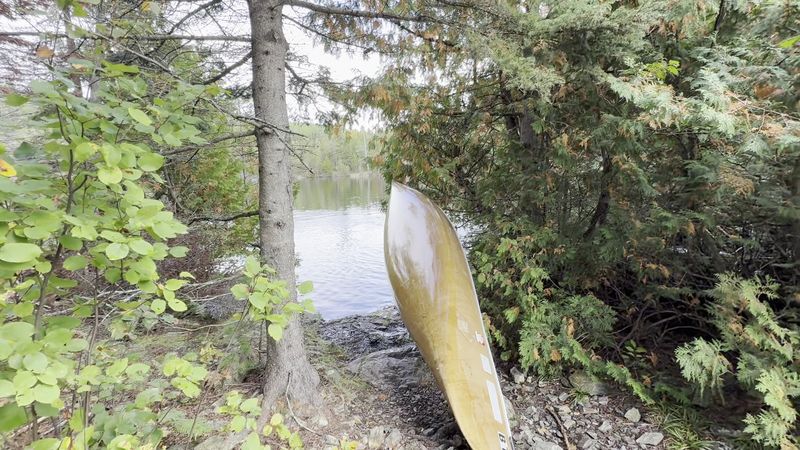
Here is something that catches first-timers off guard: you need a permit to enter the BWCA during peak season, and they sell out fast. Overnight permits are required from May through September and are issued per entry point, per day, with a limited number available to protect the wilderness from overuse.
The permit lottery opens in January each year through Recreation.gov, and popular entry points like Moose Lake and Fall Lake fill up almost immediately. If you miss the lottery, some permits become available on a first-come, first-served basis closer to your travel date, but competition is fierce.
Work with a licensed BWCA outfitter near Ely or Grand Marais to help secure permits and plan your route. Many outfitters handle the permit process as part of a trip package, which takes a huge amount of stress off first-time visitors.
Early planning is absolutely the difference between a dream trip and a missed opportunity.
Swimming in Water So Clear You Can See the Bottom
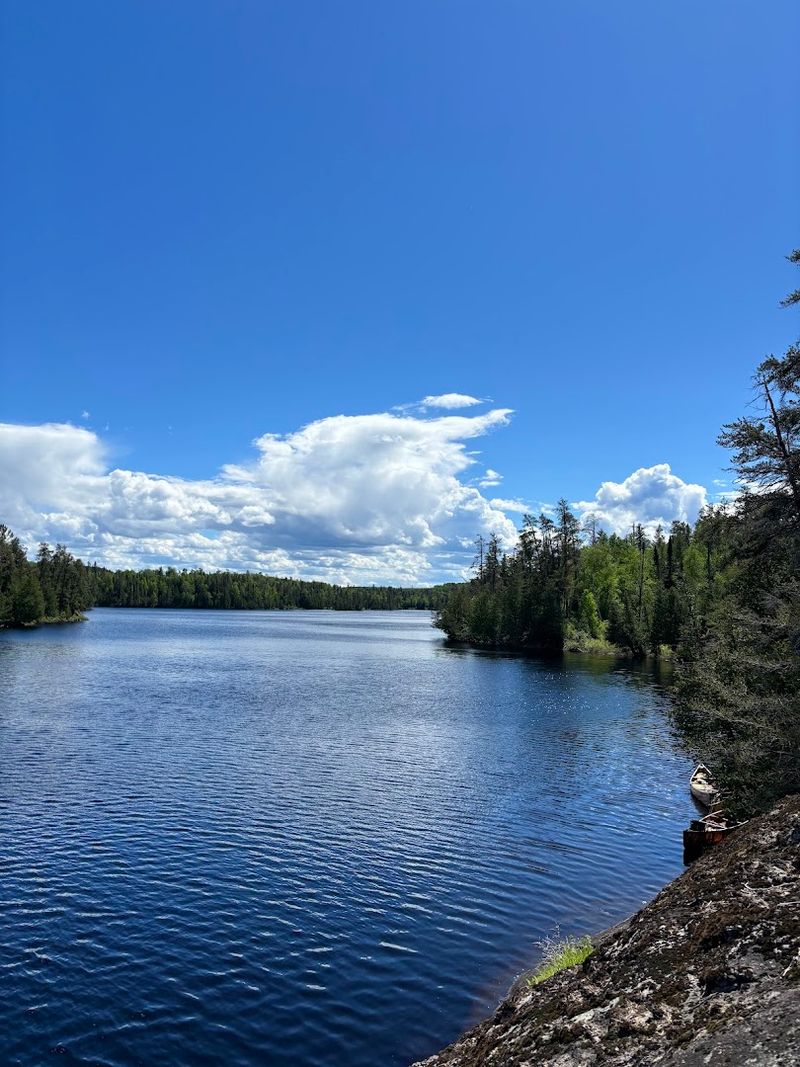
Forget chlorine and concrete pool edges. Swimming in the BWCA means jumping off sun-warmed granite boulders into water so clear and clean you can see the sandy bottom ten feet below.
Temperatures are refreshing rather than frigid during summer months, making a midday swim the perfect reward after a long morning of paddling.
The water quality in the BWCA is exceptional because the entire area is protected from development, agriculture, and industrial runoff. Many visitors describe it as the cleanest natural water they have ever swum in, and it genuinely earns that reputation every time.
Always check the depth before jumping from any rock and scout unfamiliar swim spots carefully. Wearing water shoes protects your feet on rocky lake bottoms.
Kids and adults alike tend to spend hours playing in the water at good campsites. Pack a quick-dry towel and a swimsuit you do not mind getting lake-water happy.
Northern Lights: When the Sky Decides to Show Off
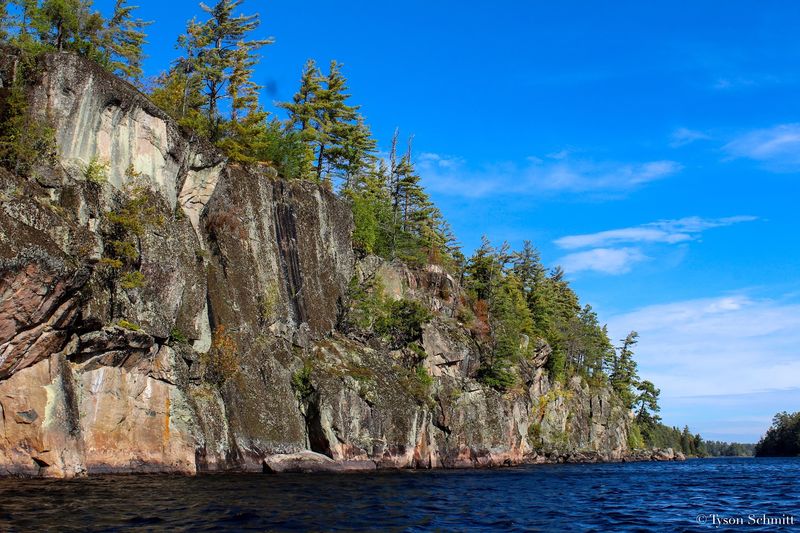
Imagine waking up at 2 a.m. to use the latrine and suddenly realizing the entire sky is glowing green. That is exactly the kind of moment BWCA campers talk about for the rest of their lives.
The northern lights, or aurora borealis, are visible from northern Minnesota multiple times per year, and the BWCA is one of the best places in the lower 48 states to see them.
Because there are absolutely no artificial lights for miles, even a moderate aurora display looks absolutely spectacular from a lakeside campsite. One reviewer described seeing the northern lights during a trip and calling it an unforgettable highlight of their entire outdoor life.
Download a free aurora forecast app like SpaceWeatherLive before your trip and set alerts for high Kp-index nights. Fall trips in September and October offer some of the best aurora odds combined with comfortable camping temperatures.
Keep your camera ready and your expectations high.
Best Time to Visit: Seasons, Bugs, and Sweet Spots
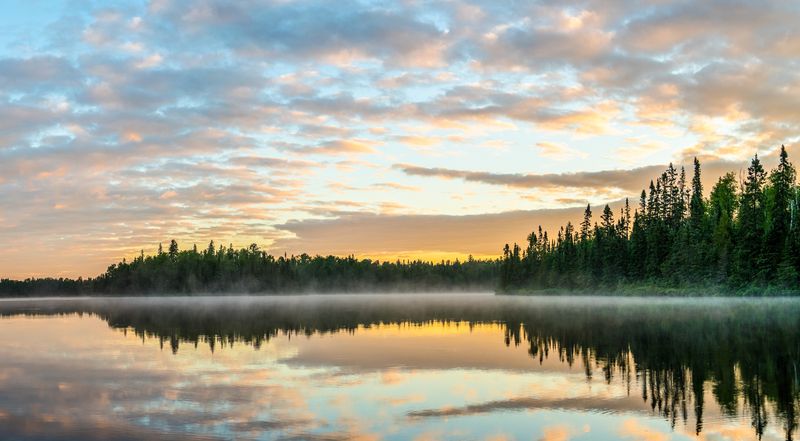
September is the word that comes up again and again when experienced BWCA visitors talk about timing. The bugs are gone, the crowds thin out, the fishing picks up as fish move shallower again, and the fall colors turn the entire wilderness into a living painting.
Multiple reviewers from as far away as Florida make the trip specifically in September just for this combination.
Summer is busy and beautiful, though May and June bring notoriously aggressive mosquitoes and black flies. Pack heavy-duty insect repellent with DEET if you visit in early summer, and consider a head net for cooking and camp chores.
Bug-proof tent mesh is non-negotiable during peak bug season.
Winter canoe trips do exist for the very adventurous, but most visitors stick to May through October. Whenever you go, check weather forecasts carefully — northern Minnesota weather can shift from sunny and warm to cold and stormy within hours, especially in spring and early fall.
Why People Keep Coming Back Year After Year
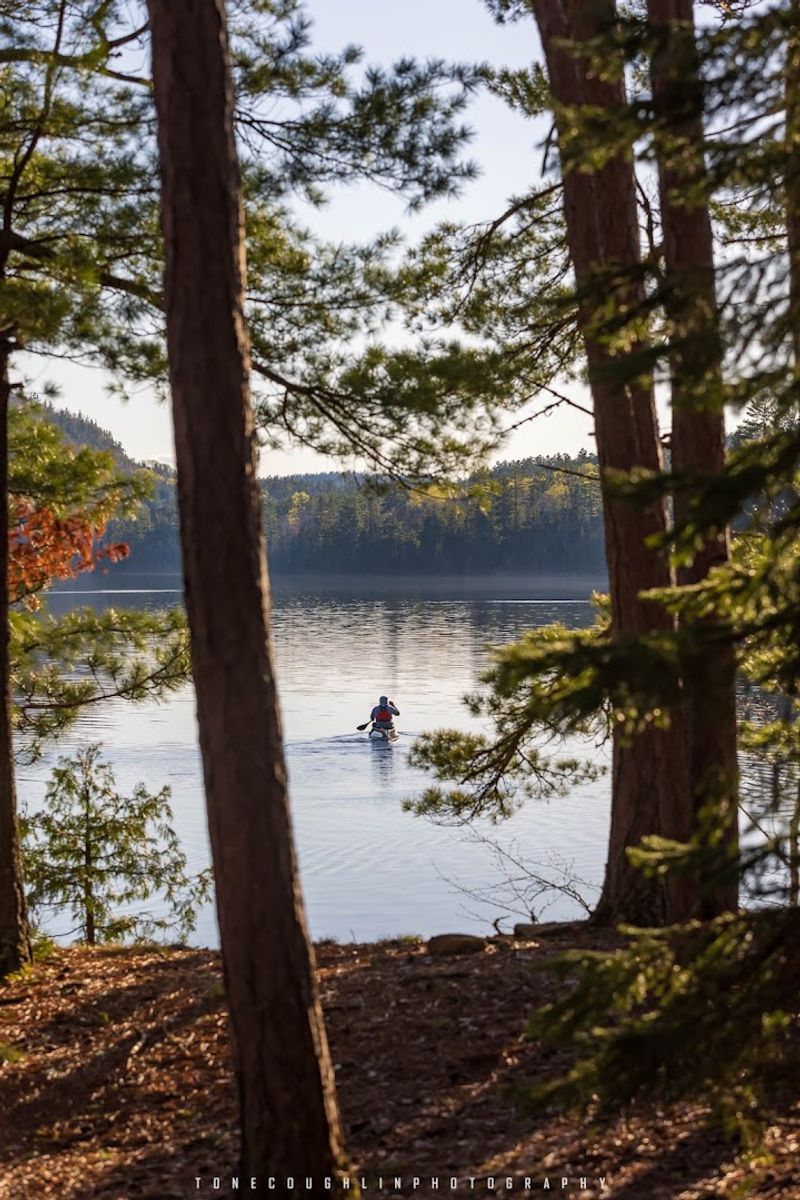
One reviewer has made the trip from Florida at least six or seven times over the past decade. Another family plans a BWCA trip every single year and is now bringing a grandchild for the first time.
A couple paddles in annually just to see a moose. Something about this place gets into people and refuses to let go.
The BWCA offers something increasingly rare in modern life: a place where your phone does not work, the schedule does not matter, and the only agenda is whatever the lake and the wind decide for the day. That kind of freedom is genuinely hard to find anywhere else in the contiguous United States.
Whether you are a first-timer nervous about the portages or a seasoned paddler planning a solo week-long route, the Boundary Waters has a way of meeting you exactly where you are. Put it on your bucket list.
Then go back and do it again.
Enjoyed this story?
Add Fast Food Club as a preferred source to see more of our reporting on Google.