


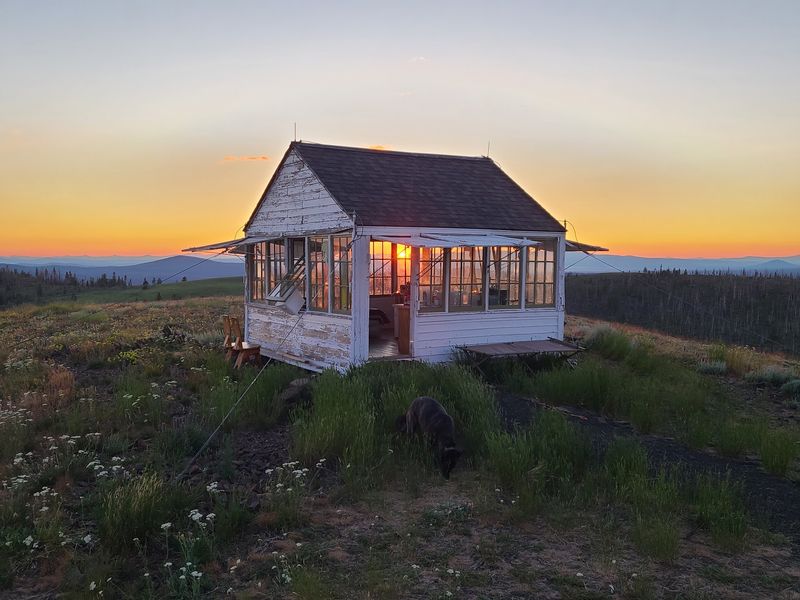
There is a spot in central Oregon where the sky feels close enough to touch and the nearest neighbor might be a hawk riding the wind. Perched high on a remote peak, an old fire lookout still stands guard over miles of forest, only now the guests are travelers instead of firewatchers.
On clear days the horizon stretches so far you can spot two of the region’s most famous landmarks without leaving the porch. It is rustic, wild, and gloriously quiet, the kind of place that trades luxury for solitude.
Getting there takes some grit and a capable vehicle, but the payoff is a night suspended above the ordinary world. Keep reading to learn where it sits, what to expect, and how to make the climb worth every bumpy mile.
A Historic Perch Above the Fremont National Forest
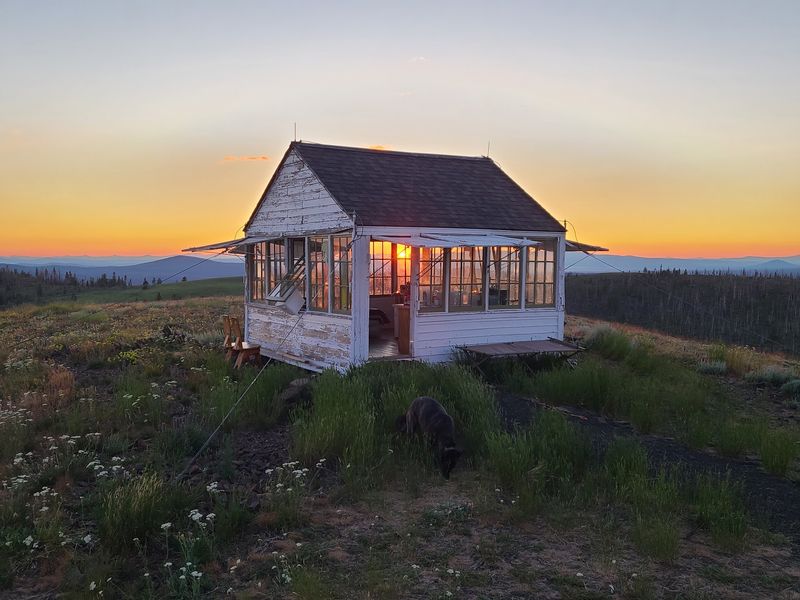
High on a rugged summit near Paisley, Oregon, sits Bald Butte Lookout, a former fire watch station now open for overnight stays. The address is Rd 449, Paisley, OR 97636, tucked deep within the Fremont-Winema National Forest.
Managed by the U.S. Forest Service, the structure once served a serious job, spotting smoke plumes across the timberland below.
Today it welcomes travelers looking for something far removed from ordinary lodging.
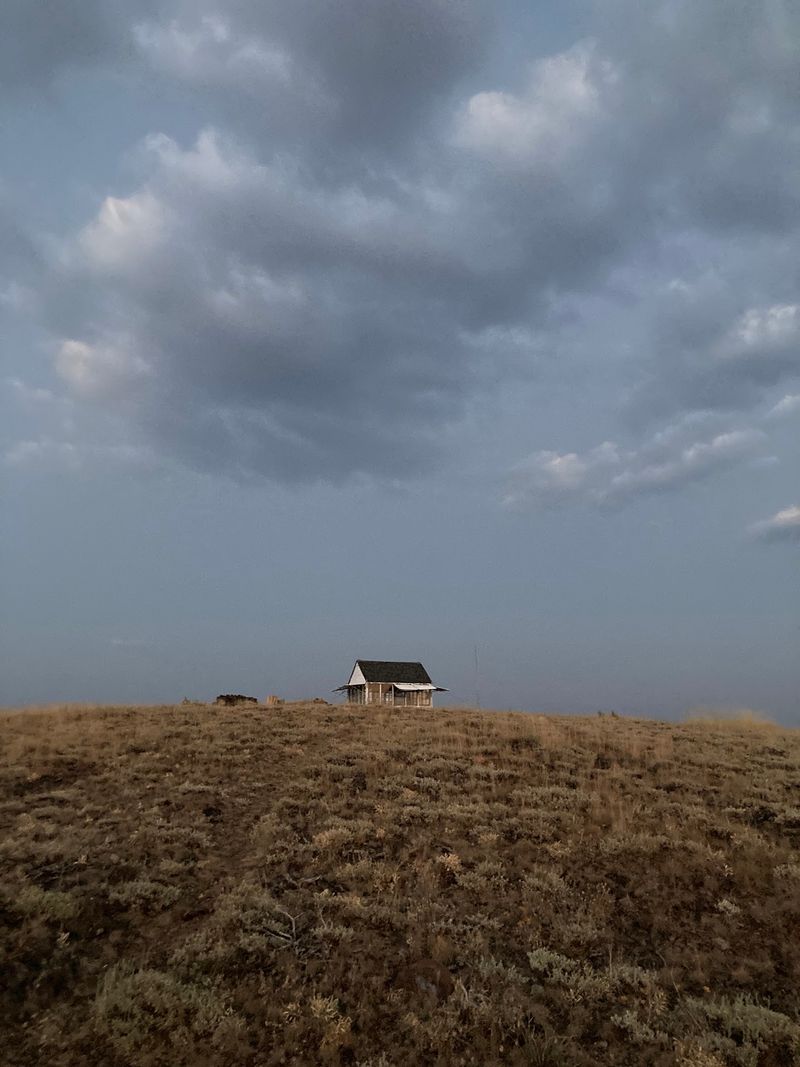
The cabin is classified as a mountain retreat, and the description fits. There are no crowds, no gift shops, and no bustling lobby, just a small square building set against an enormous sky.
People who make the trip come for the elevation and the stillness rather than the comforts. It holds a solid reputation among those who love back-country escapes, earning a respectable four-star standing over the years.
What makes it stand apart is the sense of stepping into a working piece of forest history. The lookout has kept its purpose recognizable while quietly reinventing itself as a rare and memorable place to spend the night.
From Firewatch Station to Guest Cabin
Long before it hosted overnight guests, this perch had a very different resident. Back in the late 1960s, a firewatcher spent many days and nights up here scanning the ridges for smoke sparked by summer lightning.
That legacy still lingers in the bones of the building. The design that once helped spot distant fires now frames sweeping views for anyone lucky enough to reserve a stay.
Folks who knew the place decades ago say it has changed remarkably little. The rustic character that defined its working years remains part of the charm.
Old dirt roads winding around the summit lead to bits of forgotten history for those willing to wander during daylight hours. Wandering these tracks turns a simple trip into a small treasure hunt.
The continuity is part of the appeal. Sleeping where someone once kept watch over the wilderness adds a layer of meaning that a standard cabin could never offer.
Its story gives the visit weight, connecting travelers to a chapter of Oregon’s forest-keeping past that most people never get to touch.
Views That Stretch to Mount Shasta and Crater Lake
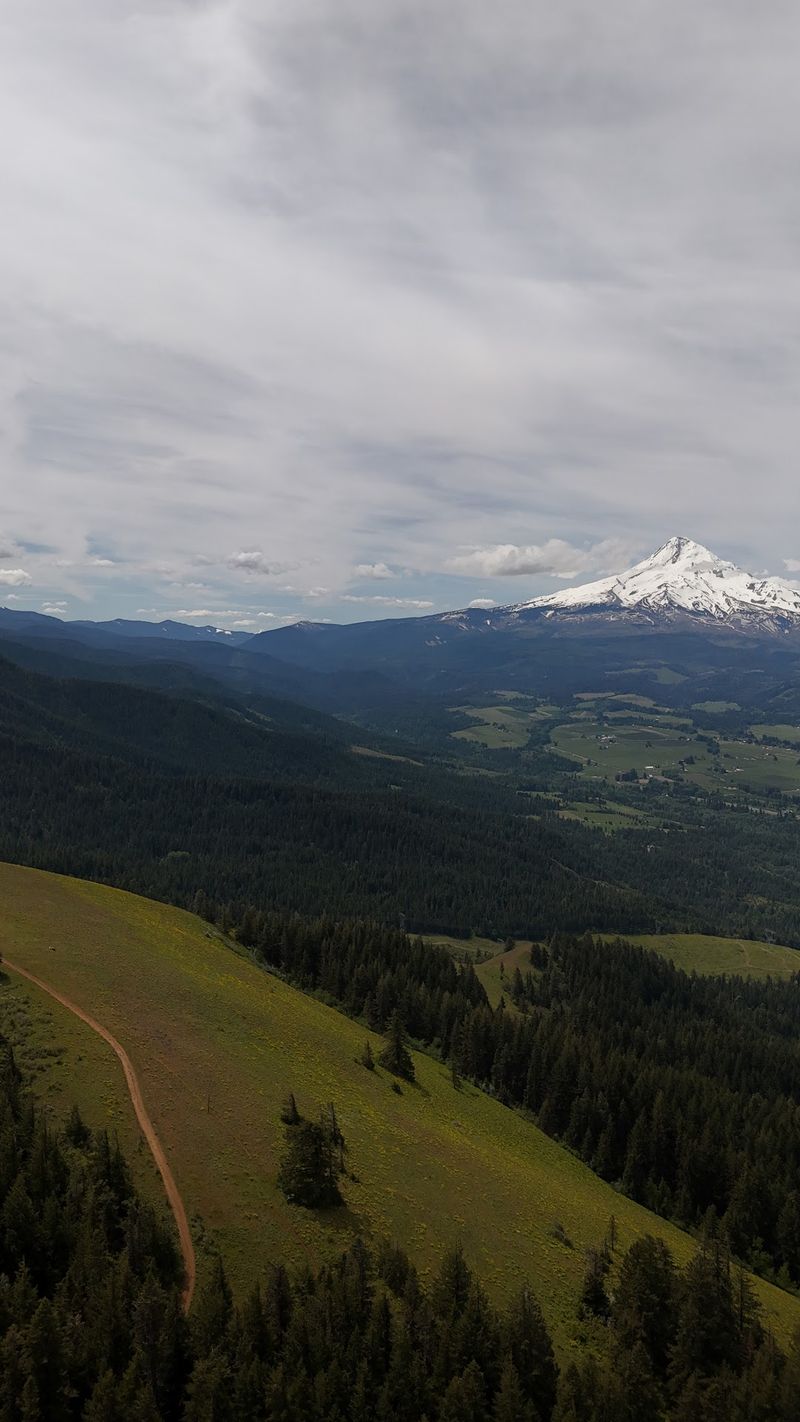
The reason most travelers endure the climb comes down to one word, views. From this height the land rolls out in every direction, ridge after ridge fading into the distance.
On a clear day the payoff is remarkable. Two of the region’s most iconic landmarks come into sight, with distant Mount Shasta and the rim of Crater Lake both visible from the summit.
Guests consistently rank the panorama among the finest they have found at forest service lookouts. Some who have stayed at several such cabins place this one near the very top for scenery.
Daytime offers the wide sweep of forest and faraway peaks. When the light shifts, the whole scene transforms.
Sunset here is a slow show of changing color, and the darkness that follows brings a sky thick with stars. Storm clouds gathering on the horizon can even add a dramatic edge to the display.
For anyone chasing an unobstructed horizon, the vantage point delivers exactly what it promises, provided the weather cooperates.
What the Little Cabin Actually Offers
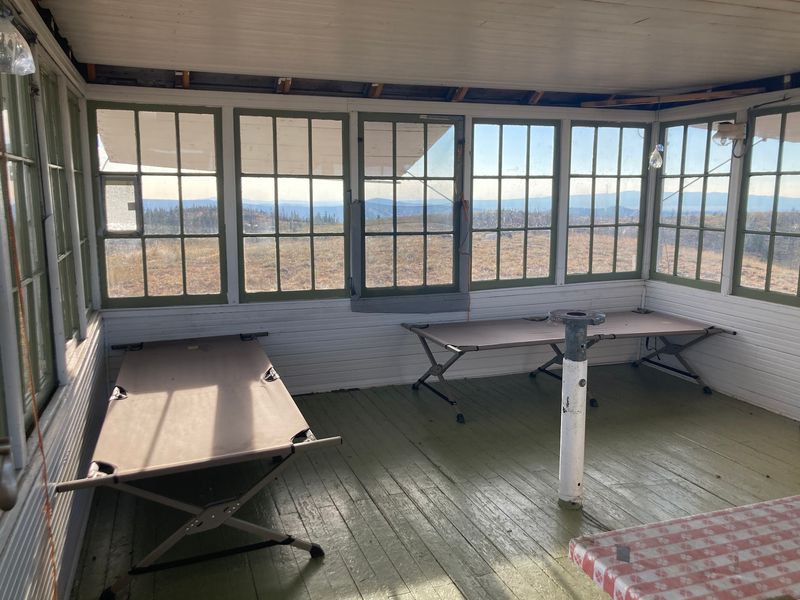
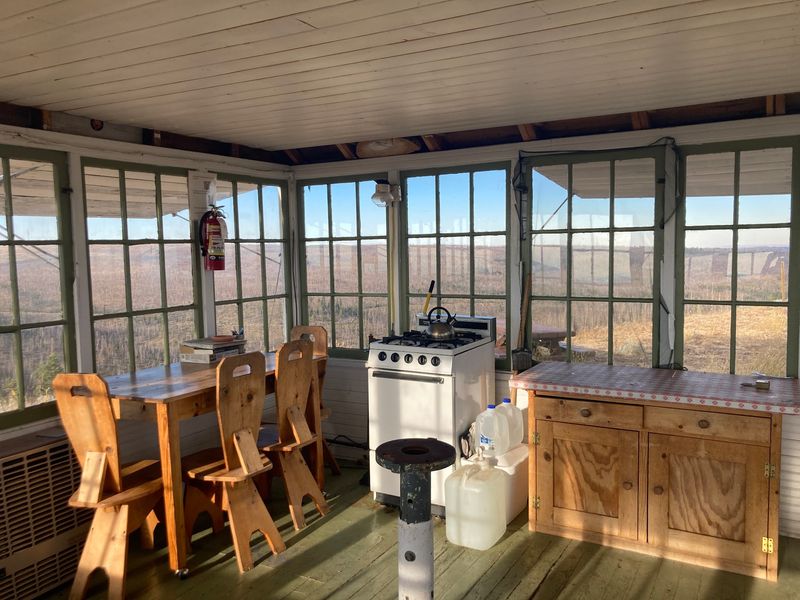
Do not expect a hotel room up here, because the cabin keeps things pleasantly basic. The single space is compact, with just enough room for two people to settle in comfortably.
Inside, guests have found propane lights, a heater, and a small stove that help take the edge off remote living. Two fold-out cots provide the sleeping arrangements rather than a full bed.
Those cots have become something of a legend among past guests. Bringing something soft to layer on top makes a real difference, and one of the cots has been patched with duct tape at times.
Many people simply bring an air mattress or sleep in a rooftop tent instead. The rustic setup is part of the deal, not a surprise.
The propane heater generally works but usually needs to be lit by hand with matches, since the electric striker can be unreliable. Packing a lighter or match supply is smart.
Anyone arriving with realistic expectations tends to enjoy the simplicity. The cabin is a shelter with a view, and that is precisely the point.
The Bumpy Road That Guards the Summit
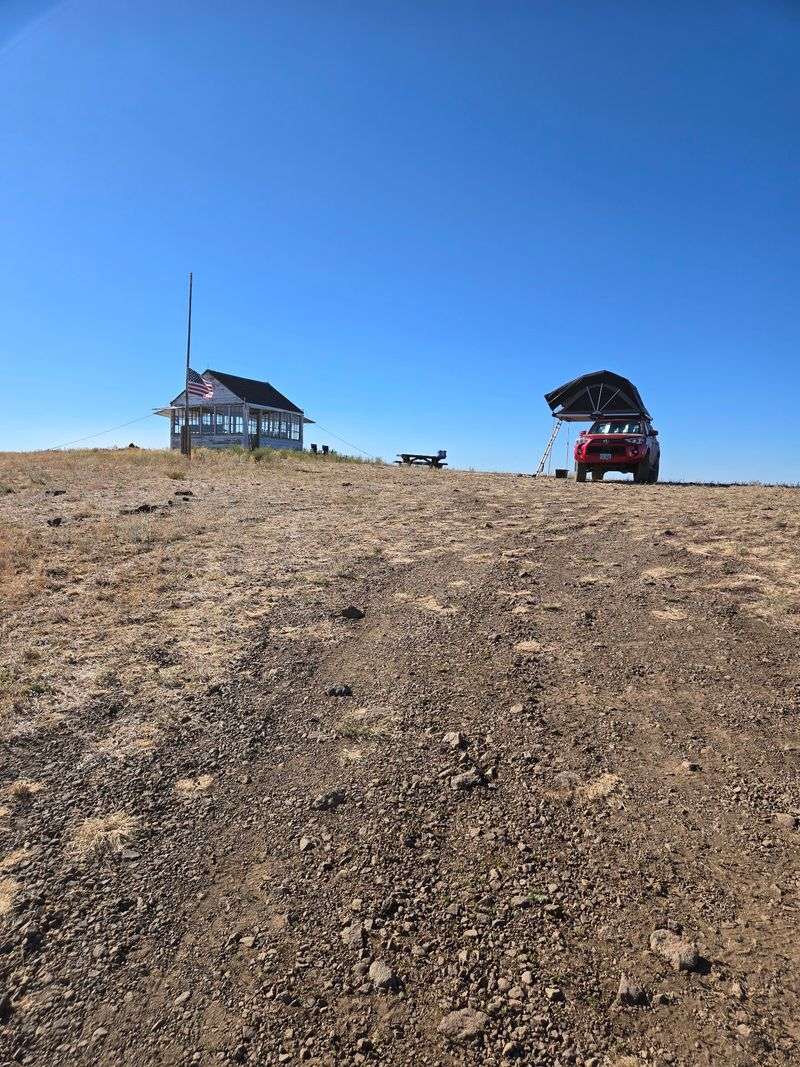
Reaching the top is half the adventure, and the road makes sure you earn it. The final mile or two turns rough, rutted, and slow going for even capable vehicles.
A high-clearance vehicle is strongly recommended, and four-wheel drive comes up again and again as the safe choice. A Subaru Outback or something sturdier tends to handle it best.
The route is also overgrown in places, so expect brush to brush back against the sides of your rig. Drivers describe some light scratching, sometimes called pinstriping, as part of the journey.
One brave traveler once attempted the climb in a Nissan Altima and lived to tell the tale, though the car probably did not thank them afterward. That story stands as a cautionary example rather than a recommendation.
There are two roads to the top, and one has been reported blocked by fallen trees in the past. Checking conditions ahead of time helps avoid a wasted trip.
Take it slow, pick the right vehicle, and the climb becomes a memorable prelude rather than a headache.
The Insect Battle You Should Prepare For
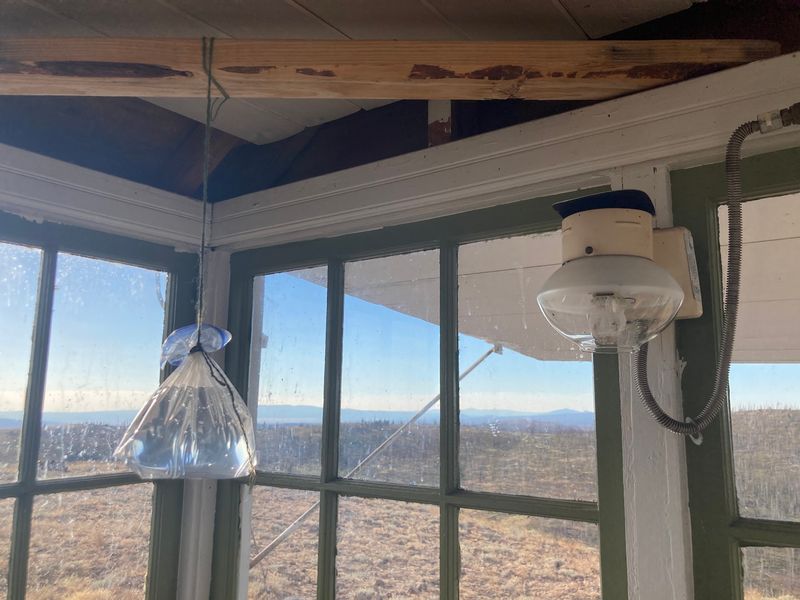
Honesty time, because the little cabin comes with a well-documented drawback. The lookout has a reputation for a horsefly and bee situation, especially during warmer months.
Several past guests describe arriving to find flies gathered inside and putting in some effort to clear them out. A few spent half an hour or more waging war before settling in.
The good news is that the insects tend to calm down once night falls. The bad news is that daytime can feel like an ongoing skirmish.
Coming prepared changes everything. Travelers who read up beforehand pack bug spray, a fly trap, and sometimes a bug zapper, and they generally come out on top.
Keeping the windows managed and clearing the floor on arrival also helps. It is part of the rustic reality here, not a hidden secret.
For folks who plan ahead, the bugs become a minor footnote rather than a trip-ender. Skip the preparation, though, and the tiny residents may win the day.
Wind, Cold, and Wild Weather at the Top
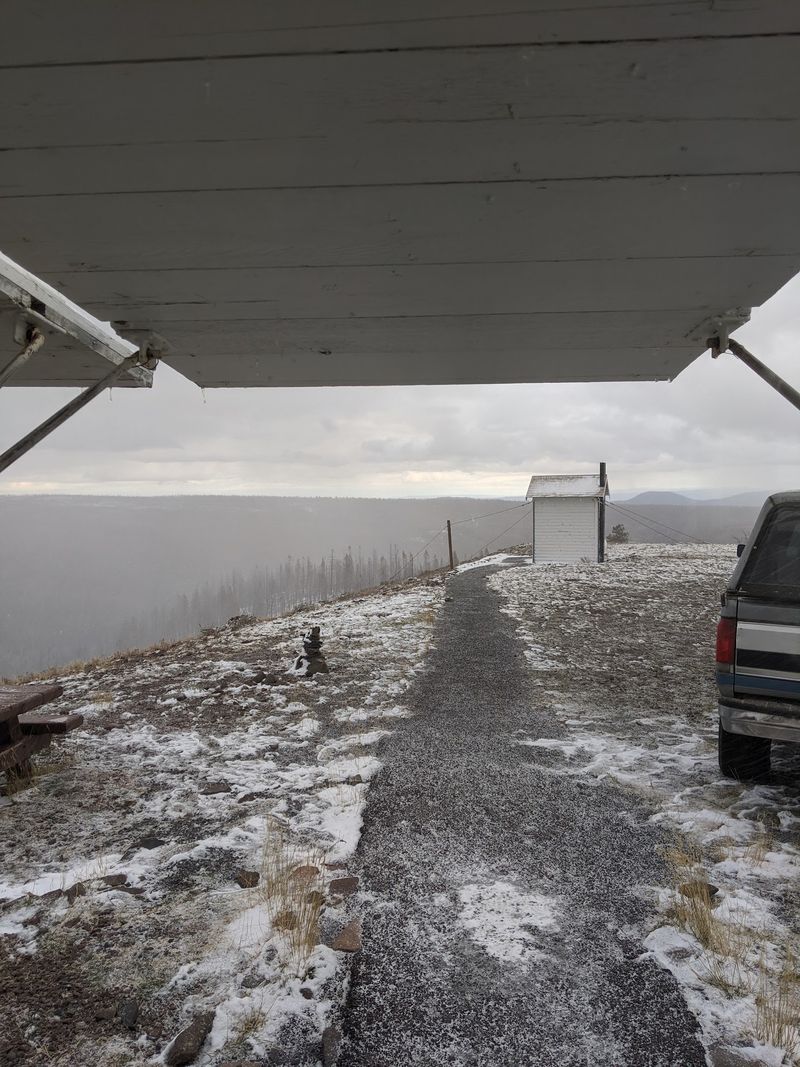
Elevation brings a climate all its own, and this summit does not hold back. Strong wind is a regular feature, with gusts strong enough to make a flag pole earn its keep.
Past guests have described steady winds around 30 miles per hour, which turned kite flying into an easy pastime. That same wind can feel biting when the temperature drops.
Cold is no joke here, even in summer. Hail has fallen in the middle of June, and evenings can turn chilly well before sunset.
Layers are your best friend at this altitude. Wind chill can climb high on the discomfort scale, so packing warm clothing matters even during the warm season.
Weather can also shift quickly, and a clear afternoon can give way to a passing storm. The local ranger station has been known to check on guests when conditions turn suddenly.
Respect the mountain climate, dress smart, and the elements become part of the memorable experience rather than a reason to head home early.
Seclusion That Money Cannot Usually Buy
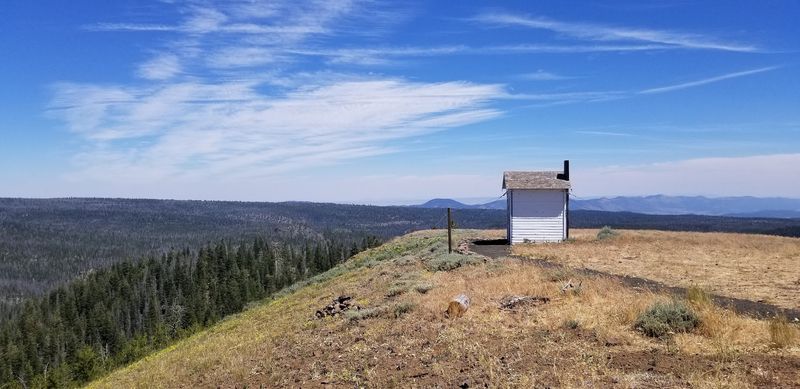
Solitude is the quiet headline of a stay up here. The lookout sits far from crowds, roads, and the noise of everyday life, offering a level of privacy that is genuinely rare.
Guests who value peace treasure exactly this. Wandering the dirt roads by day and returning to a cabin with no neighbors in sight makes the trip feel like a personal retreat.
The isolation is not accidental. Its whole purpose as a firewatch station meant sitting alone atop a high point, and that remoteness now doubles as its greatest charm.
There is space here to slow down, unplug, and simply take in the surroundings. Many describe it as a chance for quiet reflection and gratitude.
For people who love back-country stays, the seclusion elevates the whole experience. The lack of distraction becomes the main attraction.
Anyone craving a genuine escape from busy schedules will find the empty horizon and total quiet worth every mile of the rough approach.
Night Skies Worth Losing Sleep Over
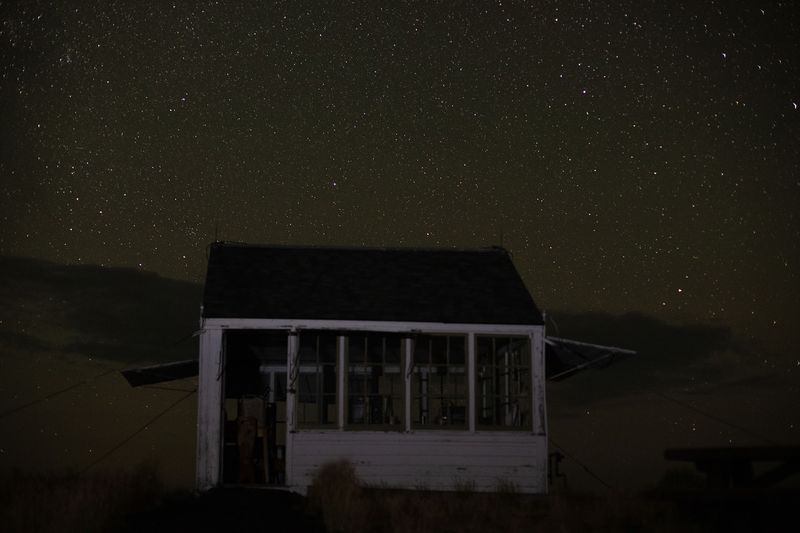
Once the sun drops and the wind eases, the summit reveals its finest trick. The night sky opens up in a way that light-polluted towns simply cannot match.
Stars scatter across the darkness in dazzling numbers up here. Even on evenings with some cloud cover, guests have caught memorable glimpses of the heavens overhead.
The remoteness that makes the drive tricky is exactly what makes the stargazing shine. There are no city glows to wash out the view.
Sunset, stars, and sunrise form a natural trio that many describe as well worth the rental fee. Watching the light fade and the constellations emerge is a highlight for overnight guests.
Bringing a blanket for the cots and stepping outside after dark pays off. The show up here runs all night for those willing to look up.
For anyone who rarely sees a true dark sky, a night on this peak turns the simple act of gazing upward into the main event.
Packing Smart for a Bare-Bones Stay
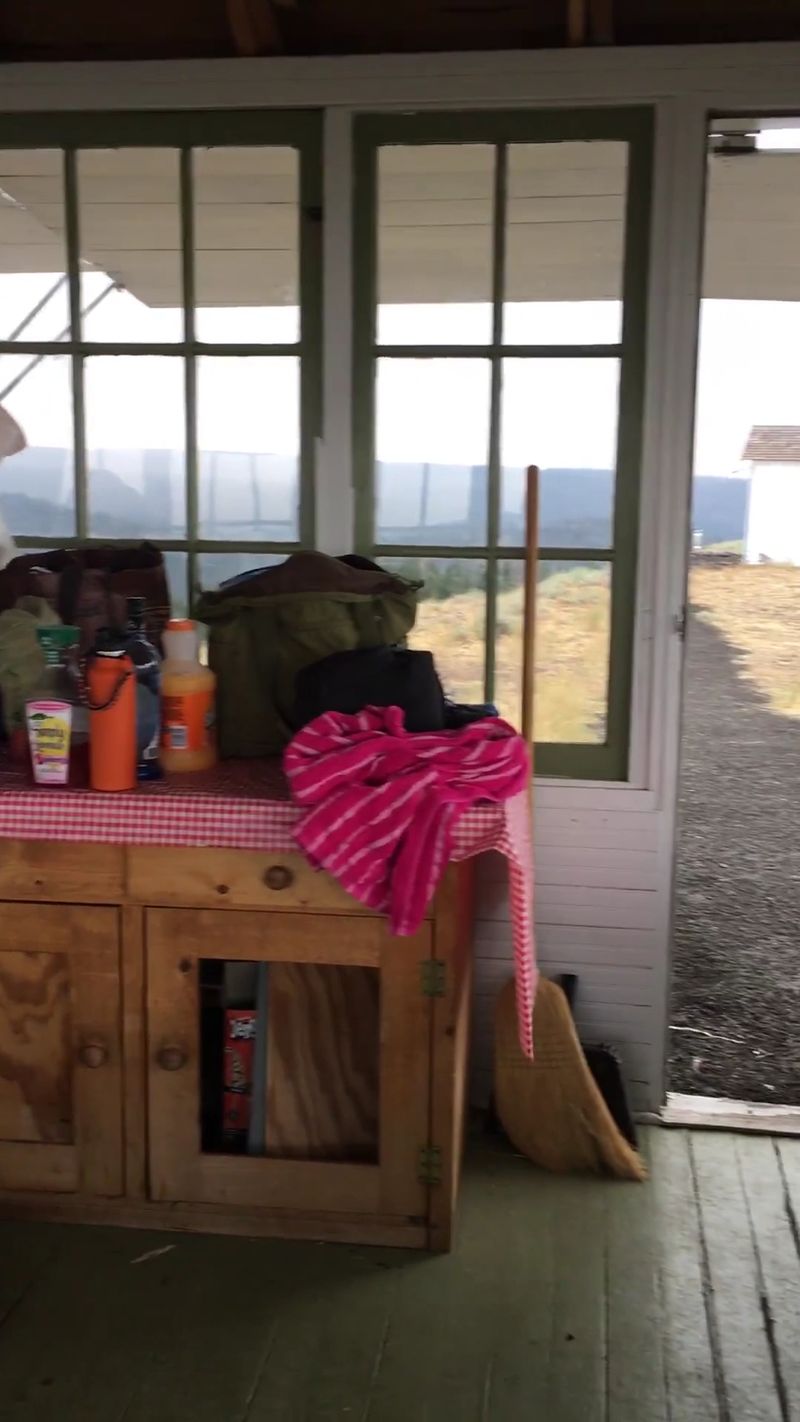
Preparation separates a great trip from a rough one at this lookout. Since the cabin runs on the rustic side, guests need to bring almost everything they will use.
Water tops the list because there is none available on site. Hauling in your own supply for drinking and washing is essential.
Toilet paper is another must, since the vault toilet does not come stocked. It is a small item that makes a big difference.
Given the reports of insects, bug spray and a fly trap deserve a spot in your bag too. Something soft for the cots, like an air mattress, keeps the night far more comfortable.
Warm layers round out the essentials thanks to the wind and cold. Matches or a lighter help with the propane heater, which often needs manual lighting.
Treat the packing list seriously and the stay becomes smooth and enjoyable. Forget the basics and the remote setting will remind you quickly.
A little planning turns roughing it into a rewarding adventure.
The Vault Toilet With a Killer View
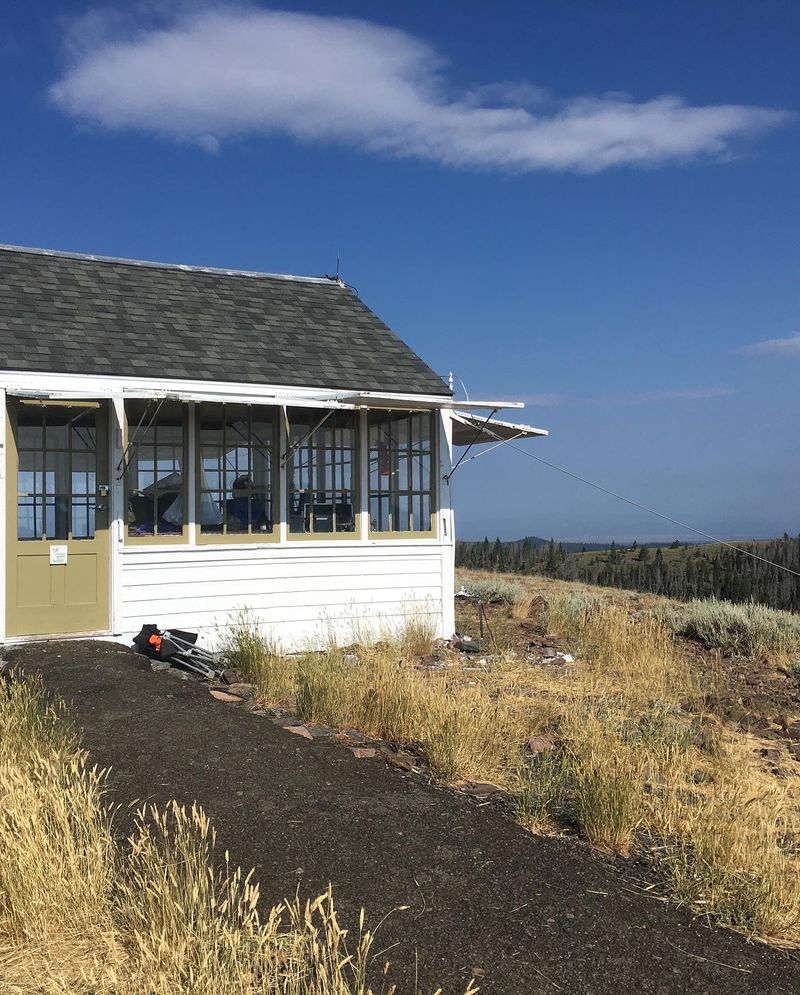
Not every travel article gets to praise an outhouse, but this one earns the mention. The vault toilet here comes with a genuinely impressive backdrop.
Guests have called the outlook from the facility one of the best they have encountered while handling nature’s call. The elevation does not stop at the cabin windows.
Getting there is easier than you might expect. A paved path connects the lookout to the toilet, a small convenience that stands out in such a remote setting.
The paving is a thoughtful touch given the rugged surroundings. It keeps the short walk simple even when the ground elsewhere is rough.
Just remember the golden rule of the mountain, bring your own toilet paper. The facility does not supply it, so pack accordingly.
It may be a humble detail, but it captures the spirit of the place perfectly. Even the most basic amenity here comes paired with a view that most fancy lodges could only envy.
Booking Details and the Paisley Ranger Station
Sorting out a reservation runs through the U.S. Forest Service, which manages the lookout as part of the Fremont-Winema National Forest recreation program.
Details are handled through the official forest service recreation area listing online.
The nearby Paisley ranger station serves as a helpful point of contact. Staff there have earned praise for going above and beyond, including checking on guests when weather turned unexpectedly.
Reservations come with a rental fee, and past guests generally feel the price matches the experience for the scenery alone. Booking ahead is wise given the single small cabin and limited capacity.
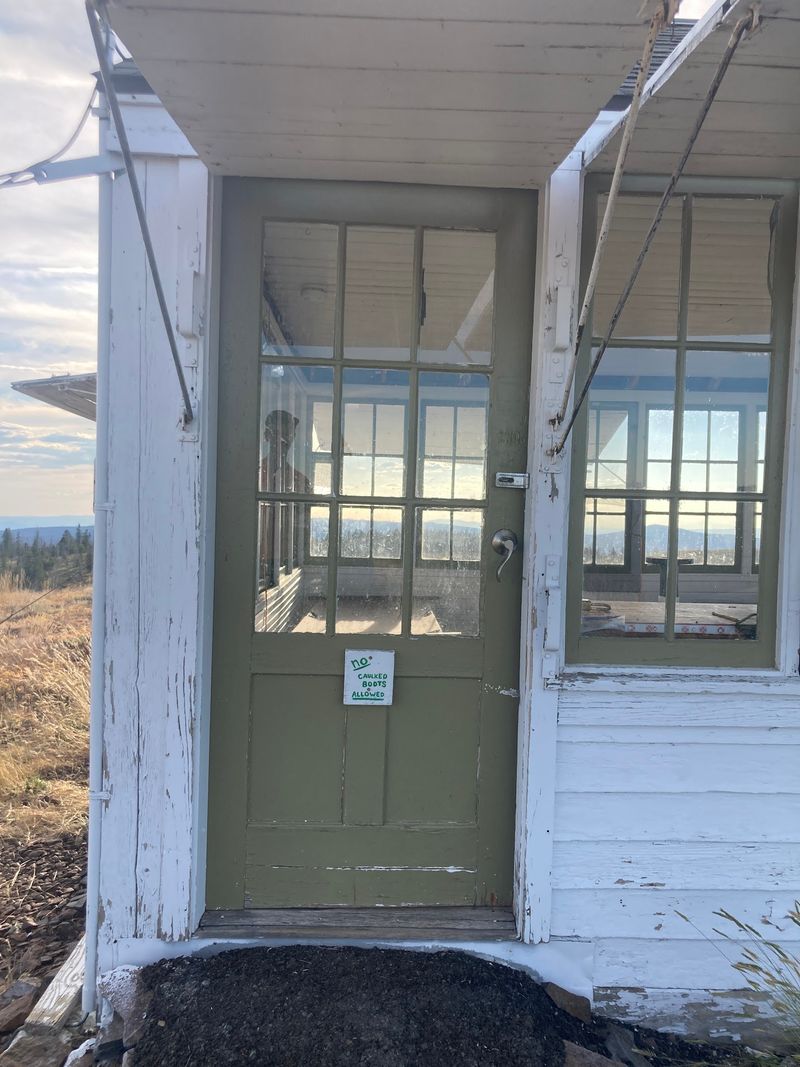
When you arrive, pay close attention to the lock. Guests note the combination code works, but the dashes marking where to enter the numbers are not in the obvious center position.
The site is best suited for two people, so plan your group size accordingly. Confirming current road and site conditions with the ranger station before setting out can save a lot of trouble.
A quick check-in with the folks in Paisley sets the stage for a smoother, better-prepared visit.
Who This Rugged Retreat Really Suits
Matching the right traveler to this lookout makes all the difference. The cabin rewards those who arrive with a back-country mindset and a taste for simple living.
Adventurers who have stayed at forest service facilities before tend to appreciate it most. They know to expect basic conditions and pack for the challenges rather than fight them.
People chasing luxury or easy access will likely leave frustrated. The rough road, the insects, and the sparse amenities are not for everyone.
But for couples or pairs seeking quiet, big views, and a real escape, it hits a rare note. The two-person capacity keeps things intimate.
Those who read up beforehand and prepare properly consistently walk away with a strong memory. The ones who show up expecting a resort do not.
Think of it as a filter, sorting casual tourists from genuine outdoor lovers. If a bumpy climb to a windswept peak with a star-filled sky sounds like a win, this place was practically built for you.
A Peak Worth the Climb
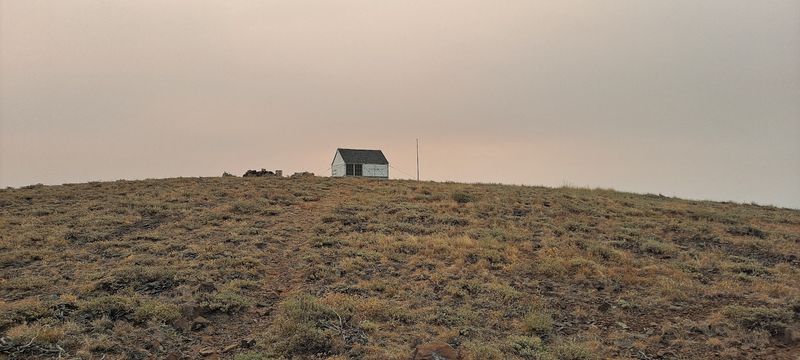
Everything about Bald Butte Lookout comes down to a simple trade. Give up comfort and convenience, and gain solitude, history, and a horizon that stretches for miles.
The place is not polished, and it never pretends to be. The cots are basic, the bugs demand a plan, and the road tests your patience and your vehicle.
Yet the rewards keep drawing people back to the idea of it. Sunsets that shift color, stars scattered thick overhead, and views reaching famous distant peaks make the effort worthwhile.
Come prepared with water, warm layers, bug spray, and realistic expectations, and the summit delivers something genuinely special. Show up unready, and the mountain will let you know.
It stands as a living slice of Oregon forest history, still perched where a watcher once scanned for smoke. Spending a night here connects you to that past in a way few lodgings can.
For the traveler who values quiet and a wide open sky over room service, this weathered little cabin near Paisley is a climb worth making.
Enjoyed this story?
Add Fast Food Club as a preferred source to see more of our reporting on Google.