


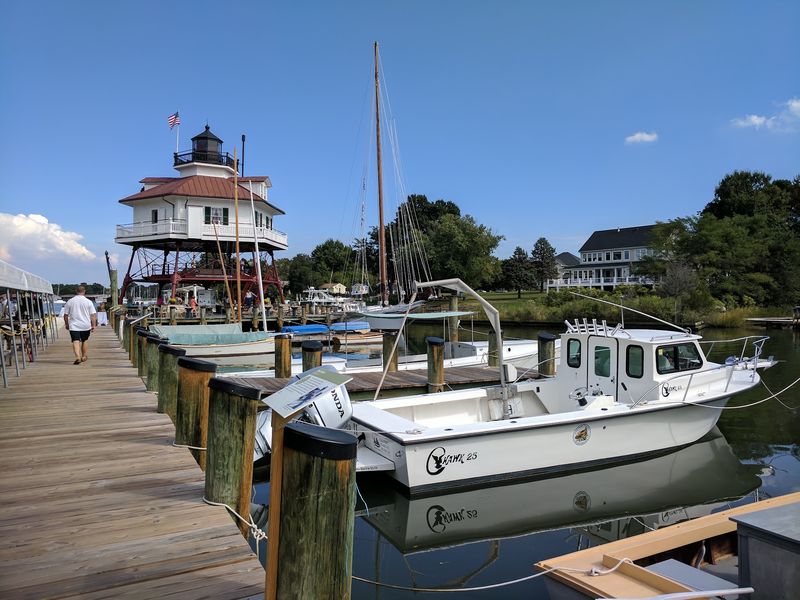
A wooden lighthouse that once perched right over the water still stands in southern Maryland, saved from ruin and carefully brought back to how it looked more than a century ago. Steep steps, narrow openings, and a real keeper’s kitchen wait inside, along with a working-style Fresnel lens near the top.
It is one of only a handful of its kind left on the Chesapeake Bay, and its rescue story is almost as interesting as the building itself. Families crowd its little rooms, history fans linger over the details, and the view of the Patuxent River rewards anyone who makes the climb.
There is a lot packed into this small structure, from cisterns to caretaker records to a few ghost tales. Keep reading to find out where it sits and why so many people leave grinning.
A Screwpile Survivor on the Patuxent
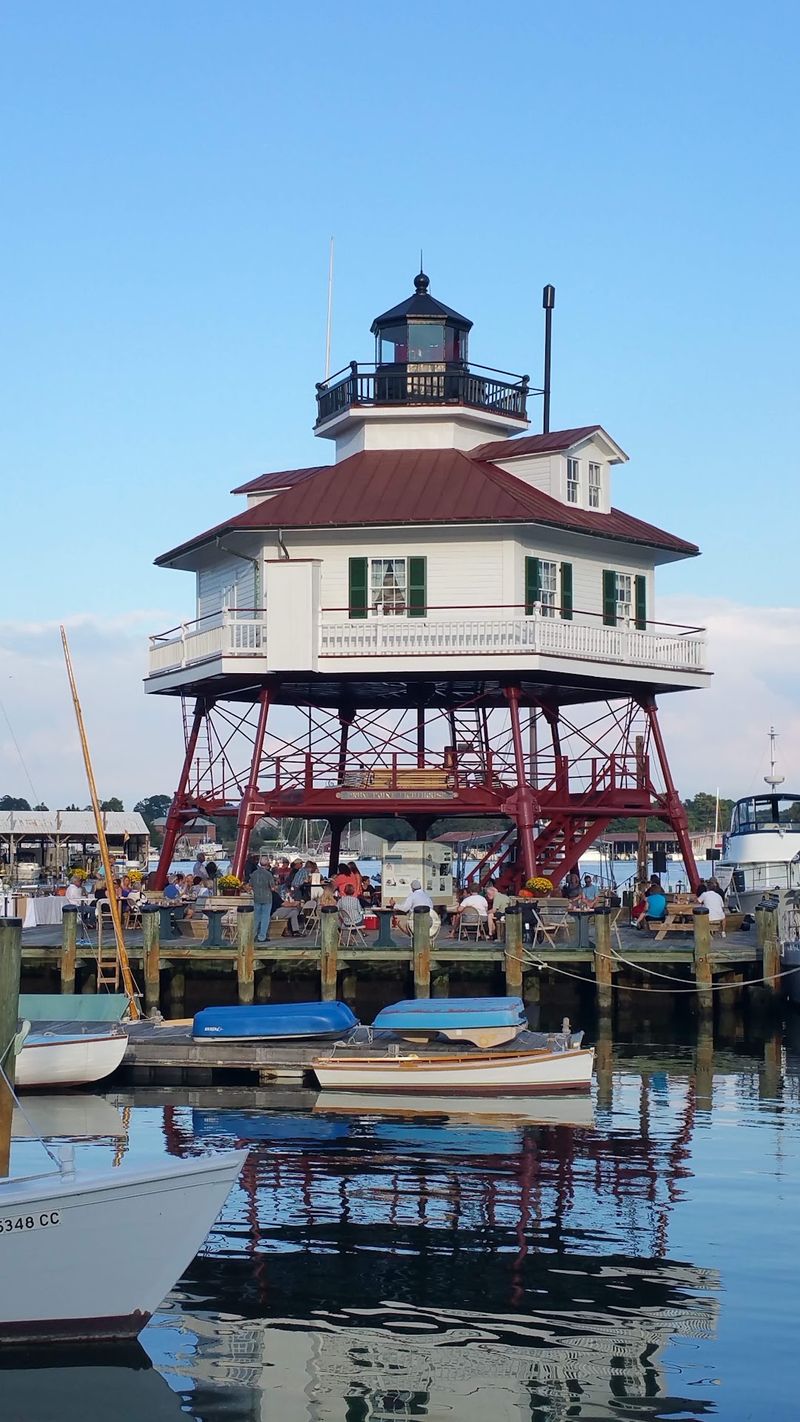
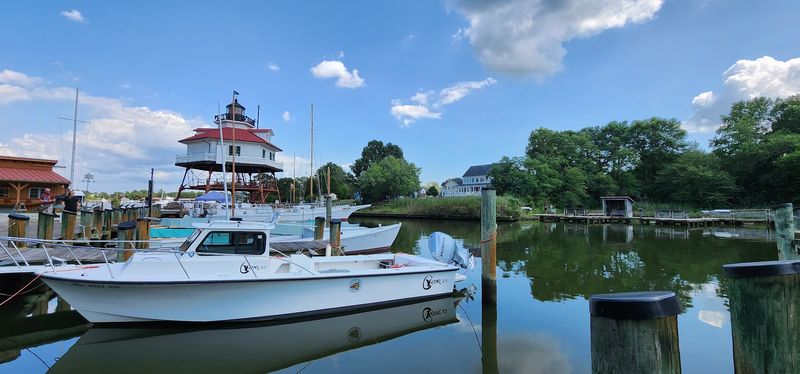
Right at the tip of southern Maryland, in the waterside town of Solomons, sits the Drum Point Lighthouse. You will find it at 14150 Solomons Island Rd S, Solomons, MD 20688, tucked alongside the Calvert Marine Museum.
Built in 1883, the structure is a screwpile lighthouse, meaning it once stood on legs driven into the bay floor. It served as both a home and a light source, since keepers actually lived out over the water.
It is one of only three screwpile lighthouses left on the Chesapeake Bay, which alone makes it worth the trip. That rarity gives it a quiet kind of importance that history fans pick up on quickly.
The little cottage-on-stilts design feels almost too charming to have done such serious work. Yet it guided boats for decades before the modern world moved on without it.
The setting near the mouth of the Patuxent River adds to its appeal, with open water in nearly every direction. It is the sort of landmark that turns a simple day trip into a memory worth keeping.
The Rescue That Saved a Landmark
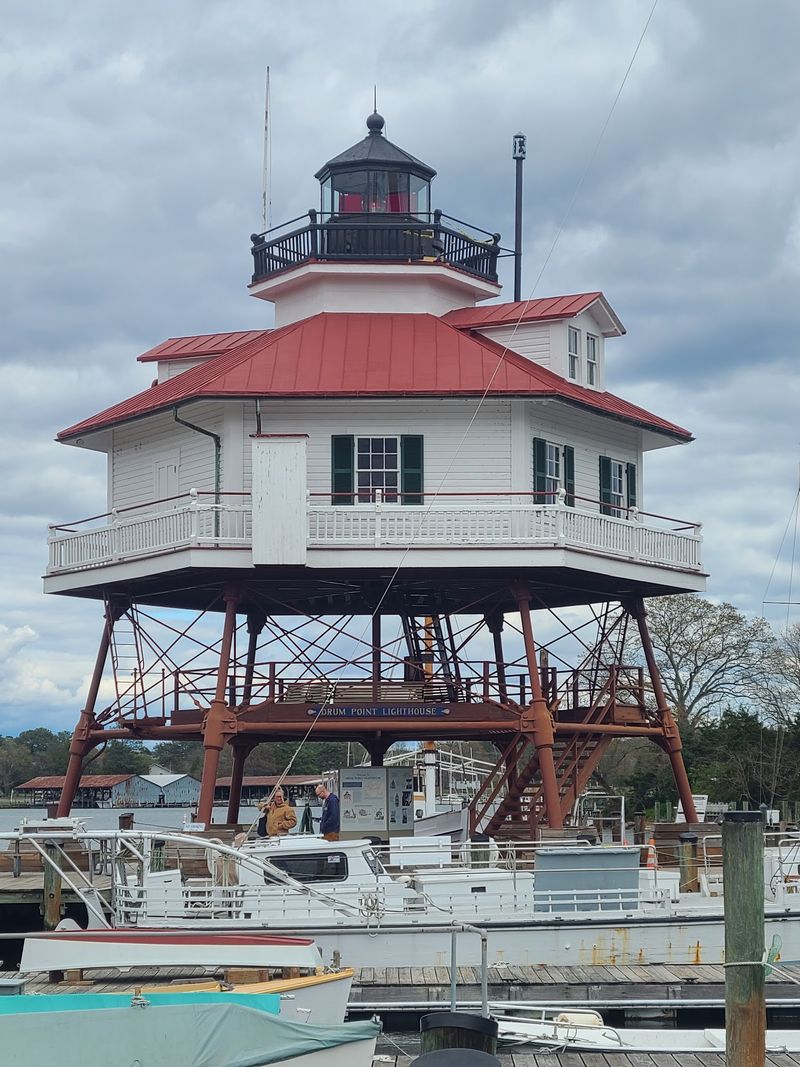
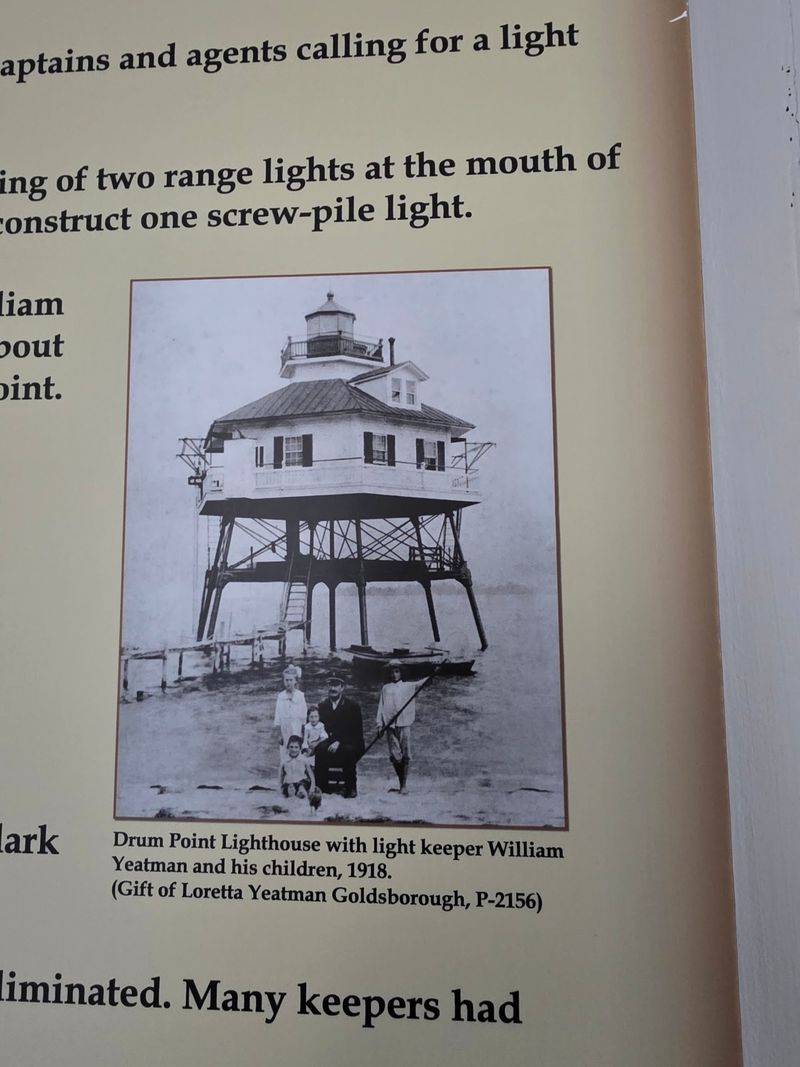
Not every old building gets a second act, but this one did. Facing neglect and damage at its original spot, the lighthouse was moved to the museum waterfront in 1975 to keep it from slipping away for good.
The relocation itself is part of what makes the place special. Rather than letting time and mischief wear it down, people chose to lift it, move it, and bring it back to life.
Once safely in its new home, the building went through a careful renovation that restored it to how it appeared roughly a hundred years ago. The work was done well, and the result feels honest rather than flashy.
That effort turned a forgotten structure into a centerpiece that draws steady crowds today. Preservation stories rarely get told this clearly, and here the whole rescue is baked into the experience.
Standing inside now, it is easy to forget how close this landmark came to fading out. Its survival is a reminder that a little determination can keep the past standing tall.
Where the Keeper Actually Lived
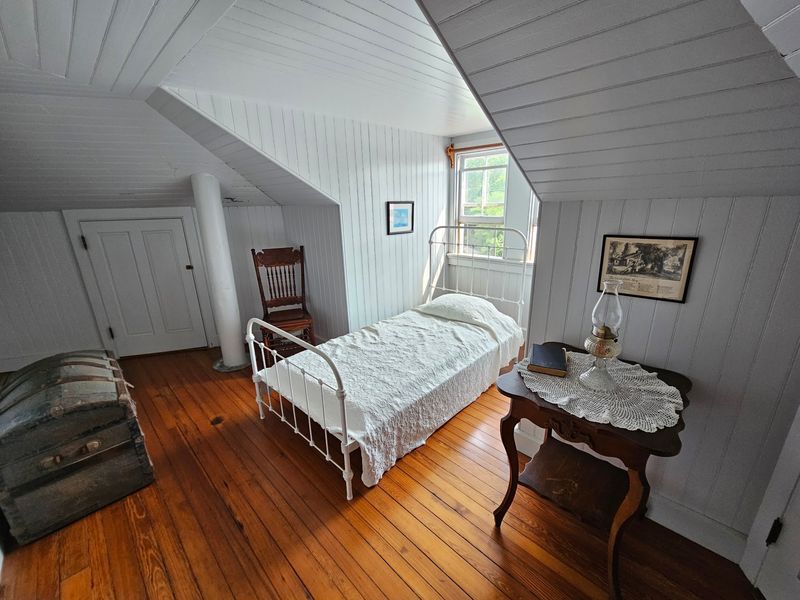
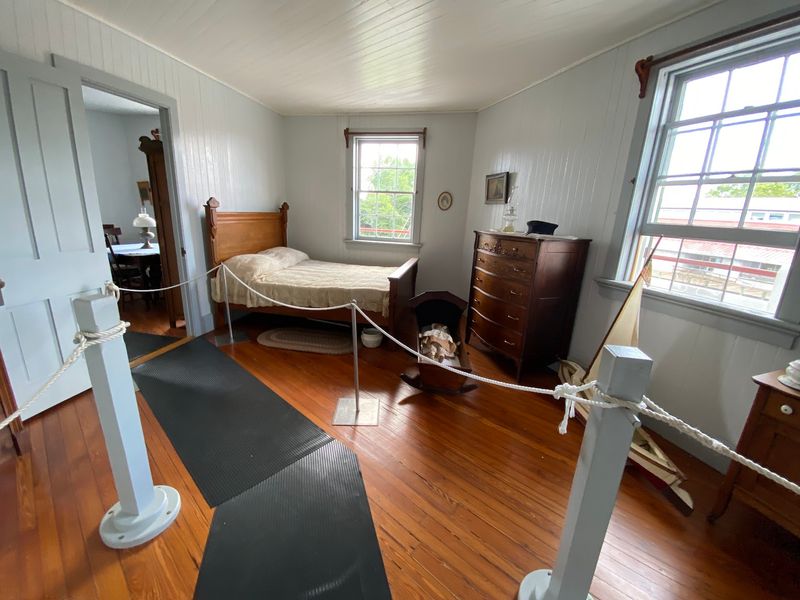
Most lighthouses are just a light and a tower, but this one doubled as a full home. Because it sat over open water, a keeper needed a real place to cook, sleep, and get through daily chores.
Walk through the rooms and you will find a kitchen and bedroom furnished with period items. Some of those pieces were donated by the family of the last keeper, which adds a personal thread to the whole thing.
The furnishings give a genuine sense of the keeper’s daily routine, from meals to quiet evenings above the river. It reads less like a display and more like a household paused mid-morning.
People who love lighthouses often single out this feature as a highlight. Getting to see where someone truly lived, not just where a lamp burned, sets this stop apart from ordinary towers.
The effect is a bit like traveling back in time the moment you step inside. Few places let you peek so closely into a working life from the 1800s.
The Climb to the Fresnel Lens
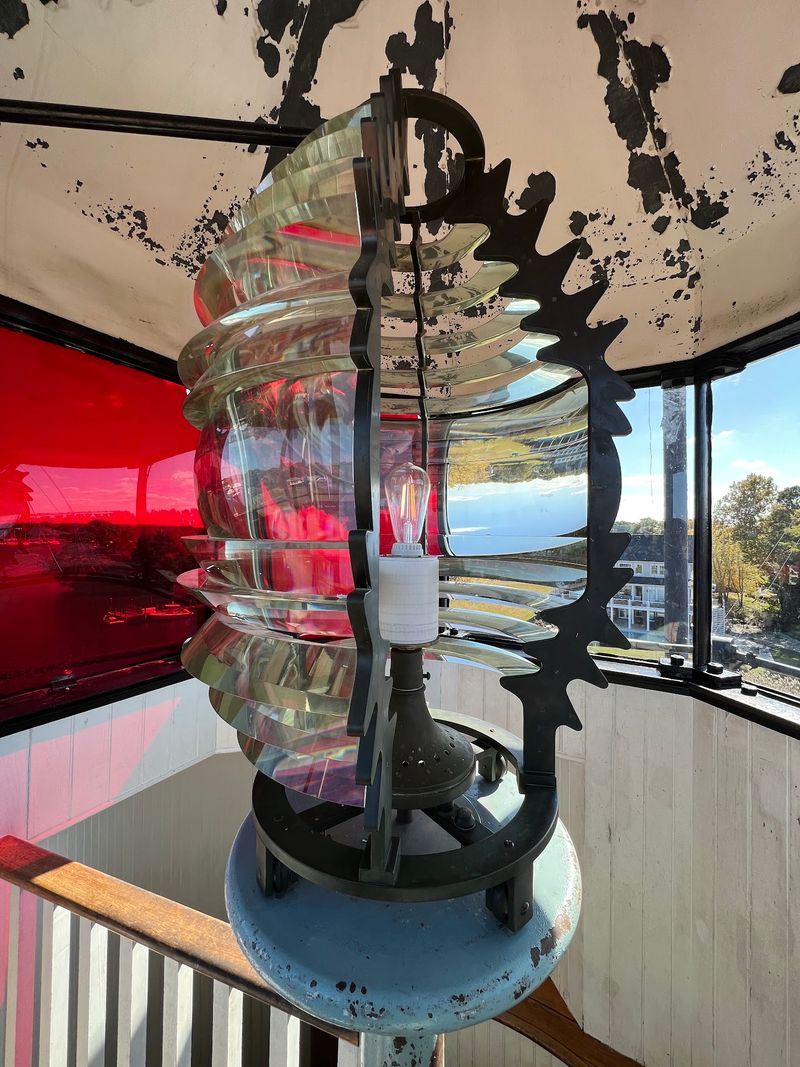
At the very top waits the reward for anyone willing to tackle the stairs: a fourth-order Fresnel lens. The glass optic is well preserved and sits right where it belongs, near the peak of the structure.
Reaching it means climbing all the way up through the narrow interior. The effort pays off with a close look at a piece of technology that once threw light across the water for miles.
From that height, the view of the Patuxent River opens up in a way the ground floor cannot match. Regulars mention it as the standout moment of the visit.
The lens itself has a certain quiet drama, all careful angles and layered glass built to bend light with purpose. It is the kind of object that makes the whole trip click into place.
Even folks who arrive mildly curious tend to leave impressed by this final flourish. The top of the lighthouse is where the history and the machinery finally meet.
Steep Steps and Narrow Openings
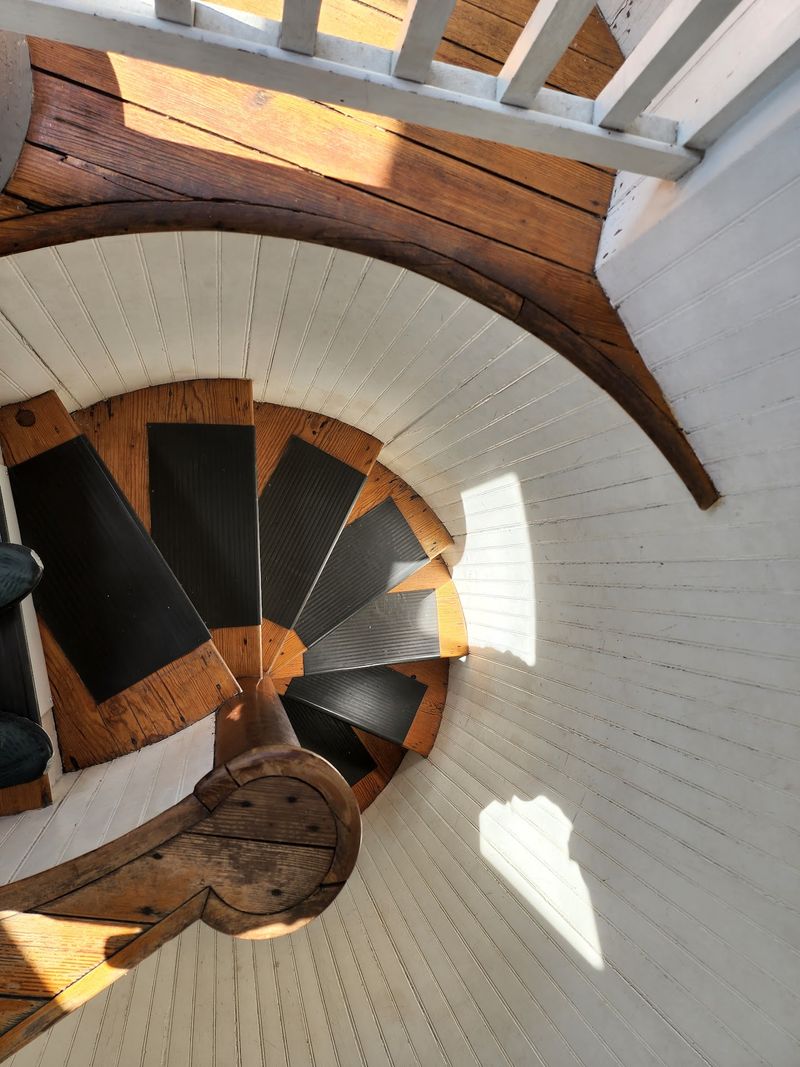
Charm aside, getting inside takes a bit of nerve and steady footing. The entry steps are steep, and the winding stairs between levels are as cramped as they are in most lighthouses.
The opening that leads up to the second floor is fairly narrow, so it is not the easiest spot for everyone. Comfortable shoes and clothing make the trip far smoother.
Part of the fun comes from the authenticity, since these tight passages are exactly how keepers navigated the building. Nobody smoothed them out for modern convenience, and that honesty is a plus.
Anyone worried about the climb should plan accordingly, though the effort tends to feel worthwhile once you are up top. The tight spaces are simply part of the deal with a structure like this.
Despite the cramped layout, there is a surprisingly good amount of room once you are inside. It manages to feel both compact and complete at the same time.
Cisterns, Caretakers, and Small Details
Living over the water meant a keeper could not just turn on a tap. The lighthouse holds several cisterns that were used to collect and store water, a clever solution to a real everyday problem.
Little touches like these tell the story of survival in an isolated spot. They show how much planning went into simply staying comfortable above the river.
The site also lists at least some of the previous caretakers who kept the light going over the years. Seeing those names grounds the building in the real people who ran it.
These details reward slow, curious visitors who like to read every placard. The more you look, the more the daily grind of the past comes into focus.
It is the small stuff, the water tanks and the record of names, that turns a pretty building into a genuine chapter of history. For anyone who loves the fine print of the past, this place delivers.
Part of the Calvert Marine Museum
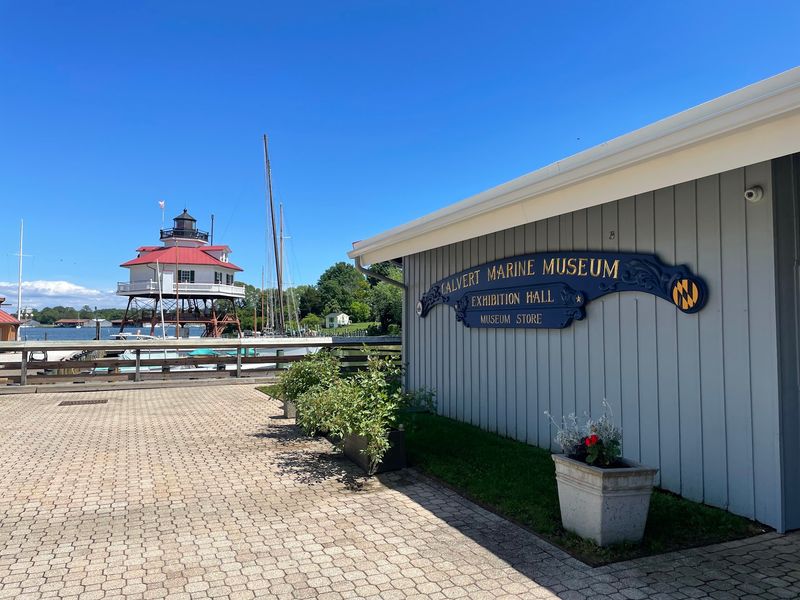
The lighthouse does not stand alone. It sits on the grounds of the Calvert Marine Museum, and entry to the tower comes through the museum itself.
One admission covers a lot, giving access to both the lighthouse and the wider collection. That pairing turns a quick lighthouse stop into a full day out.
The museum leans small in the best way, with knowledgeable staff who clearly enjoy their work. Exhibits cover maritime life and even paleontology, so there is range beyond the tower.
Regulars often note how much you get for a single ticket price. Two attractions for the effort of one is a rare and welcome deal.
The lighthouse remains the main draw for many, but the surrounding exhibits keep the day rolling. Together they make Solomons a stronger stop than either would be on its own.
Otters, Rays, and a Hands-On Kids Zone
Kids who might yawn at old buildings light up fast here. A group of otters lives on the grounds, and they steal plenty of attention with their playful antics.
Over in the Discovery room, families can check out rays and skates up close. There is a real hands-on spirit, with lots for young ones and grown-ups to look at and touch.
A children’s activity center rounds out the offerings, giving little explorers their own space. The whole setup earns steady praise as a genuinely family-friendly day.
Big kids at heart tend to enjoy the interactive corners just as much. Nobody is left standing around bored while others have the fun.
Between the otters, the sea creatures, and the play areas, the visit balances education with plain enjoyment. It is a smart mix that keeps the whole group happy.
Boat Rides on the Water
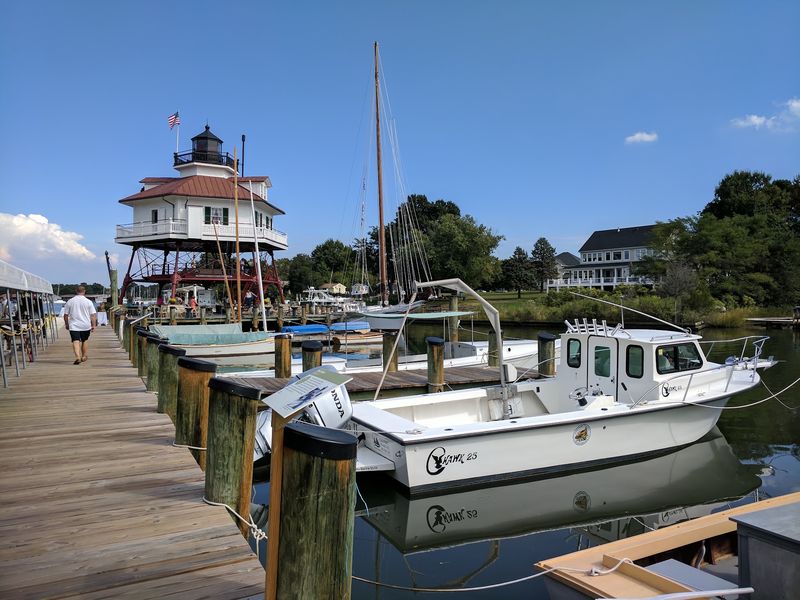
Land exhibits are only half the story. Tickets can be purchased for a boat ride, letting visitors trade the shore for the open water for a while.
Space stays limited, and there are usually only one or two rides on most days. Anyone hoping to hop aboard should plan ahead rather than count on last-minute luck.
The outing gives a fresh angle on the area, viewing the museum and lighthouse from the river side. Families who miss it on a first trip often say they will return just for this.
It adds a little adventure to a day that already covers plenty of ground. A short cruise turns a museum visit into something closer to a mini expedition.
Because seats go quickly, checking availability early is a smart move. The reward is a memorable stretch of time out on the water near the lighthouse.
Knowledgeable Guides and a Few Ghost Tales
The people running the show make a real difference here. Staff and volunteers are knowledgeable, sharp, and clearly fond of their work, sharing quick histories that bring the building to life.
During tours, guides often add engaging context that goes beyond the placards. Regulars single out these informative talks as a highlight of the whole visit.
If you catch the right moment, you might even hear a few ghost stories thrown into the mix. Old lighthouses tend to collect tales like that, and this one is no exception.
The docents help make the experience feel personal rather than self-guided and silent. Their enthusiasm rubs off on curious visitors of every age.
Good guides can turn a nice building into an unforgettable stop, and that seems to be the case here. Their knowledge is quietly one of the best parts of the trip.
Festivals, Food Trucks, and Boat Building
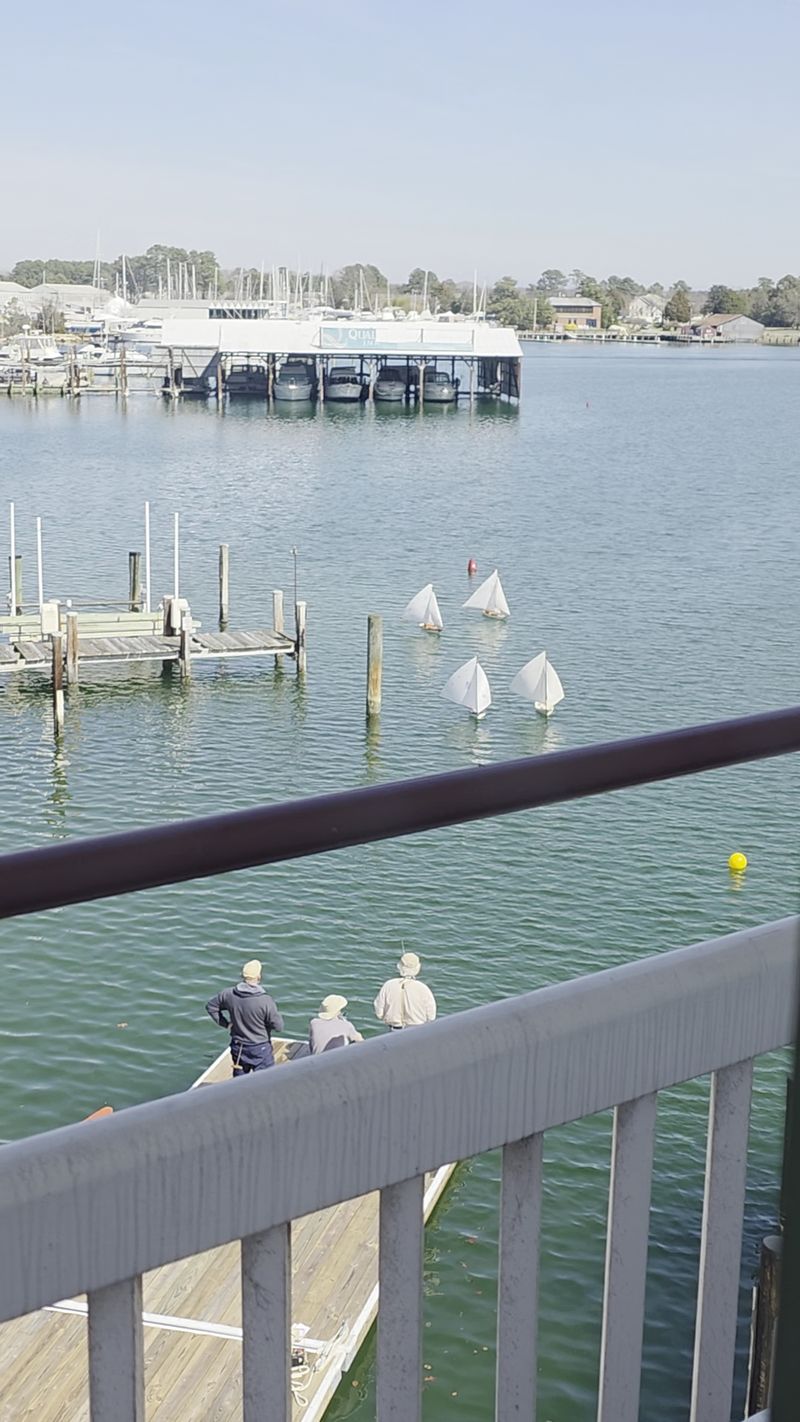
The calendar here does not sit still. Events like Shark Fest bring extra energy to the grounds, and families describe them as a genuinely great time.
Food trucks show up for the bigger occasions, adding a festive touch to the day. Membership can be a real perk when an event like this rolls around.
A couple of days each week, the boat works house opens up too. Volunteers stay busy building wooden boats and welcome guests inside to watch and ask questions.
Timing a visit for a Tuesday or Friday gives the best shot at meeting the people restoring boats. It is a behind-the-scenes glimpse that not every stop offers.
Between special festivals and the working boat shop, there is often more happening than a first-timer expects. Checking the schedule can turn an ordinary trip into something extra.
Hours, Admission, and Getting In
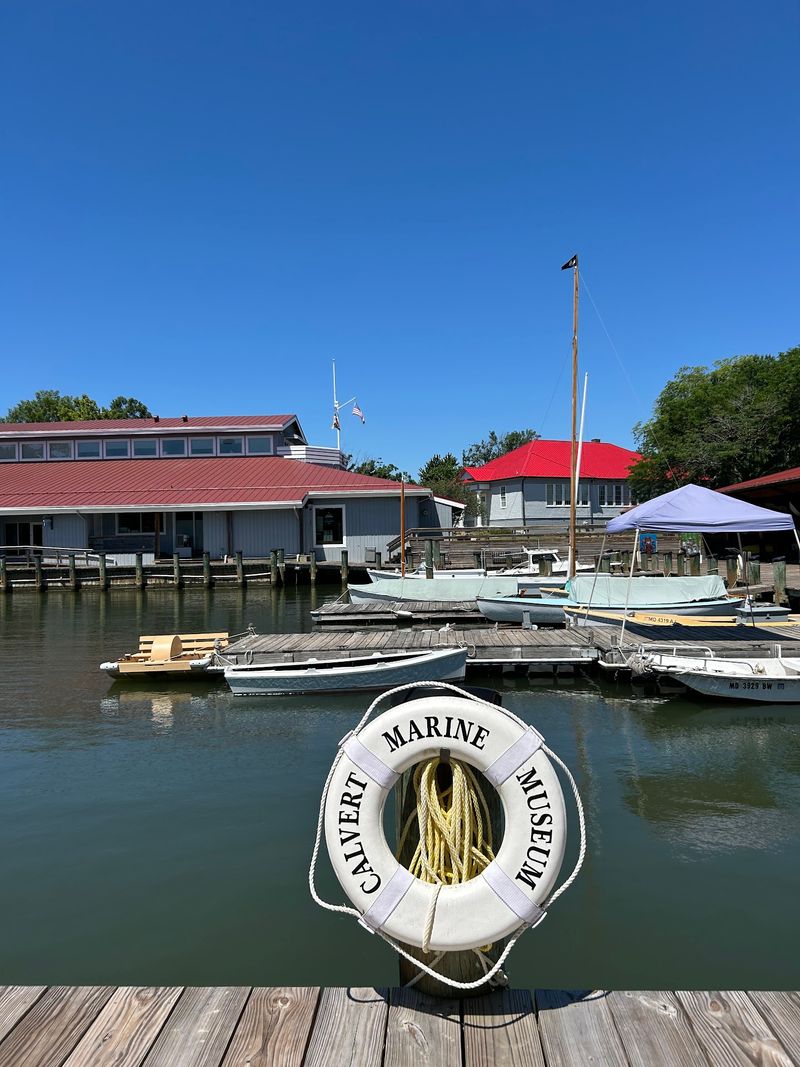
Planning the visit is refreshingly simple. The site keeps regular hours from 10 AM to 4:45 PM, seven days a week, so most days fit the schedule easily.
General admission runs $11, with lower rates for military and seniors. That single fee covers both the lighthouse and the museum, which makes it easy on the wallet.
Entry to the tower runs only through the Marine Museum, so there is no separate lighthouse gate. The museum also stays open slightly longer than the lighthouse itself.
Keep in mind the lighthouse is a short walk from the main building, so a stroll across the grounds is part of the deal. Comfortable footwear helps here too.
More details live on the museum website at calvertmarinemuseum.com. A quick check before arriving keeps the day running smoothly.
Why This Solomons Stop Sticks With You
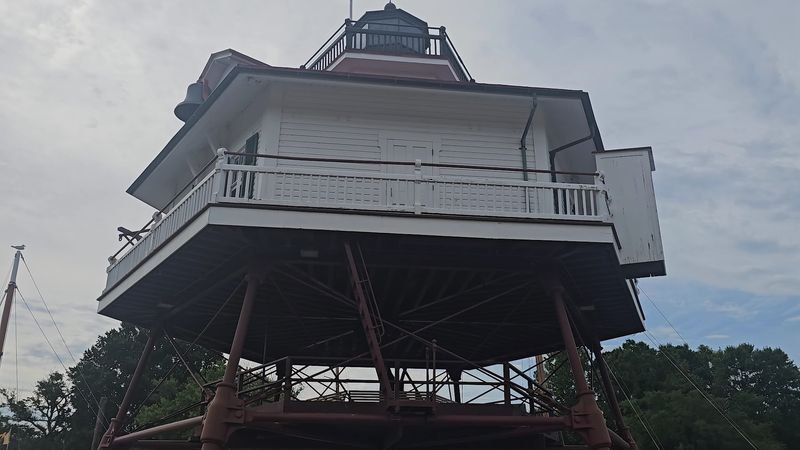
Some places quietly outshine the reason you came, and this one has a habit of doing exactly that. Travelers passing through Solomons often name it the surprise standout of their whole trip.
The blend of history, education, and river scenery lands well with families and history fans alike. It manages to teach without ever feeling like a lecture.
Holding a near-perfect 4.8-star rating across hundreds of impressions, the lighthouse clearly leaves people happy. That kind of steady praise says plenty about the experience.
Between the keeper’s rooms, the Fresnel lens, the otters, and the boat rides, there is enough here to fill a satisfying day. The rare screwpile design only adds to the pull.
Anyone crafting a route through southern Maryland would do well to carve out time for this restored landmark. A century of history stands ready, and it is well worth the climb.
Enjoyed this story?
Add Fast Food Club as a preferred source to see more of our reporting on Google.