


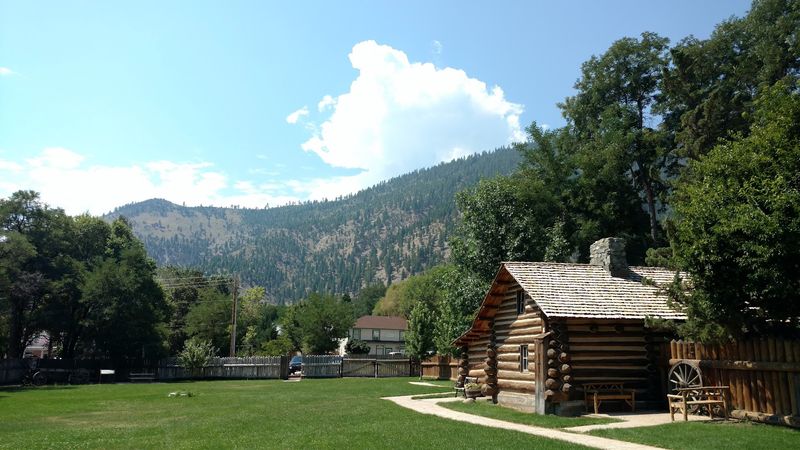
Tucked against the eastern slope of the Sierra, a small Nevada town holds a wooden fort where pioneers once stopped on their long push toward California. Traders, settlers, and hopeful travelers all passed through this early trading post, and today you can walk the same grounds where their story unfolded.
A one dollar ticket opens the door to a compact museum packed with pioneer tools and tales you probably never learned in class. Deer wander the lawns, picnic tables sit in the shade, and the whole place feels like a quiet chapter of the Old West that never fully closed.
Ready to find out where this friendly slice of history sits and why people keep coming back? Keep reading, because this stop rewards curiosity.
Where History Sits in the Heart of Genoa
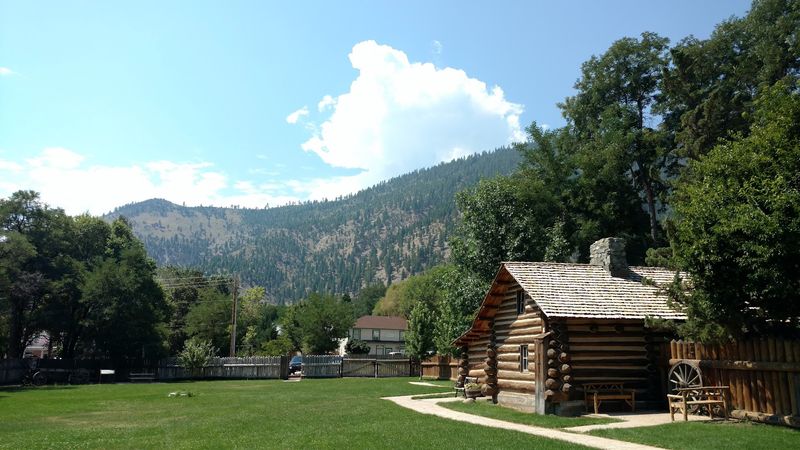
Right in the middle of the little town of Genoa, Nevada, you will find Mormon Station State Historic Park at 2295 Main St, Genoa, NV 89411. The park anchors a community that leans against the eastern slope of the Sierra, which keeps the setting cool even when the surrounding land bakes.
The park is a state park built around a restored trading post from the mid 1800s. It once served settlers, miners, and travelers heading toward California, and that role as a stopping point still shapes how it feels today.
The grounds are wide, open, and neatly kept, with a wooden fort structure that draws the eye the moment you arrive. Signs and plaques scattered across the property carry the story of the town and the people who built it.
Regulars mention that the corner is remarkably picturesque, and that the town itself looks well cared for despite its small size. Free parking makes it easy to pull off the road and take a look.
It is the kind of place that turns a quick detour into a genuine highlight of a road trip through northern Nevada.
A Trading Post That Fed the California Rush
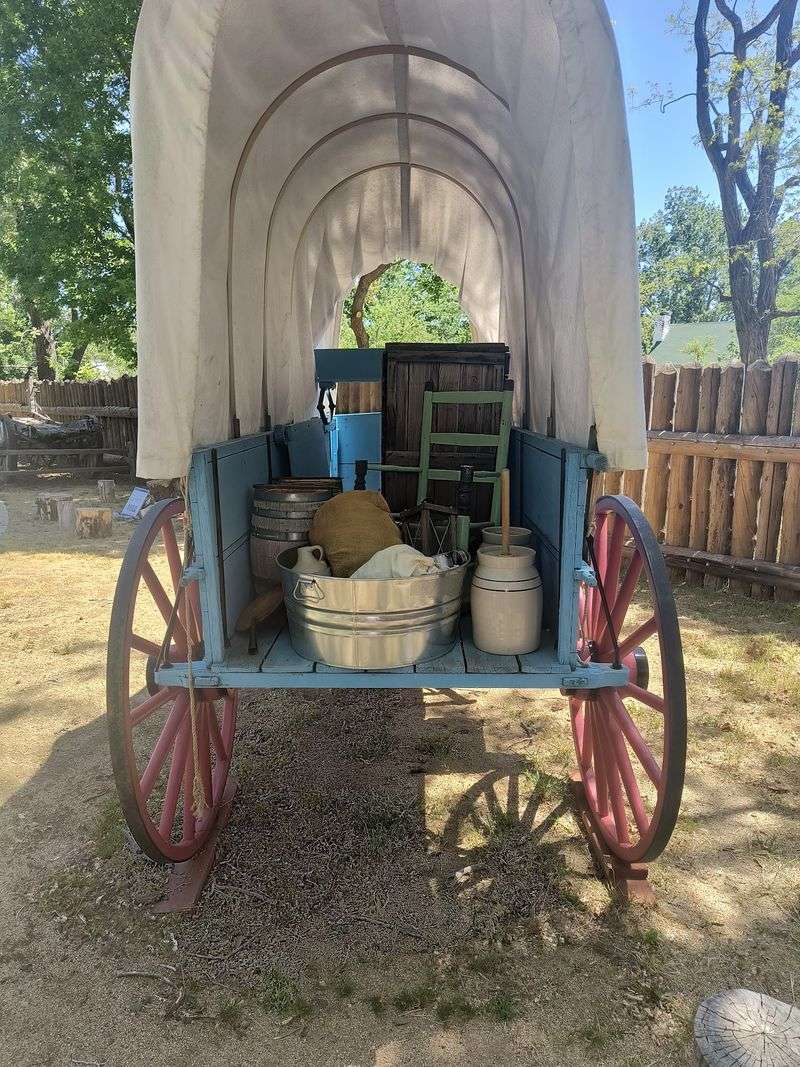
Long before highways cut through the desert, this spot worked as a trading post for people making the hard journey west. Settlers, miners, and wagon trains leaned on stations like this one to restock and rest before pushing on toward California.
Its position at the base of the Sierra made it a natural gateway. Travelers arriving from the east could gather what they needed here before tackling the mountains ahead.
The station’s story is woven into the founding of Genoa itself, one of the earliest settlements in the region. That deep history is exactly why so many people call it a must stop when passing through.
Folks who love the 1800s find plenty to appreciate, since the site preserves the practical, everyday world of pioneers rather than a polished fantasy version of it. The exhibits explain how the post fit into the larger movement of people chasing new lives out west.
Understanding that role turns a simple stroll into a walk through a real chapter of frontier commerce, where survival often depended on a good place to trade.
Inside the Little Museum With a Big Story
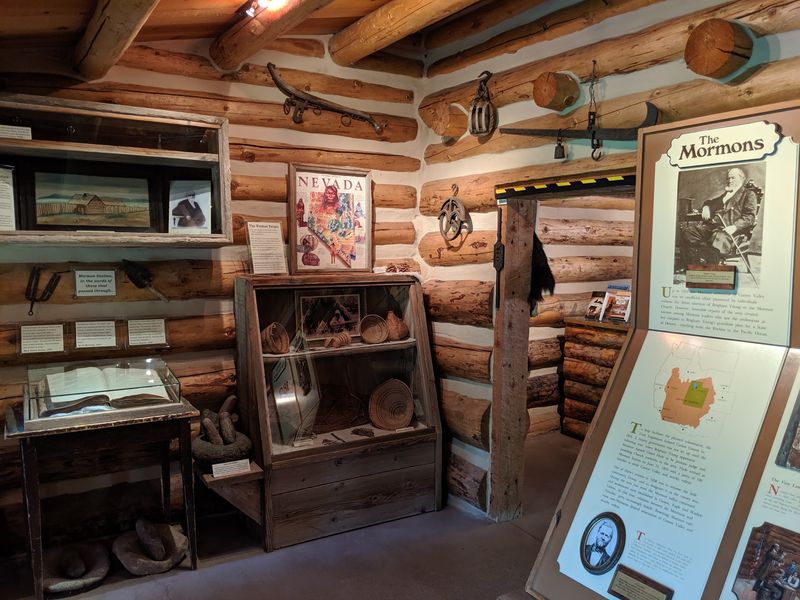
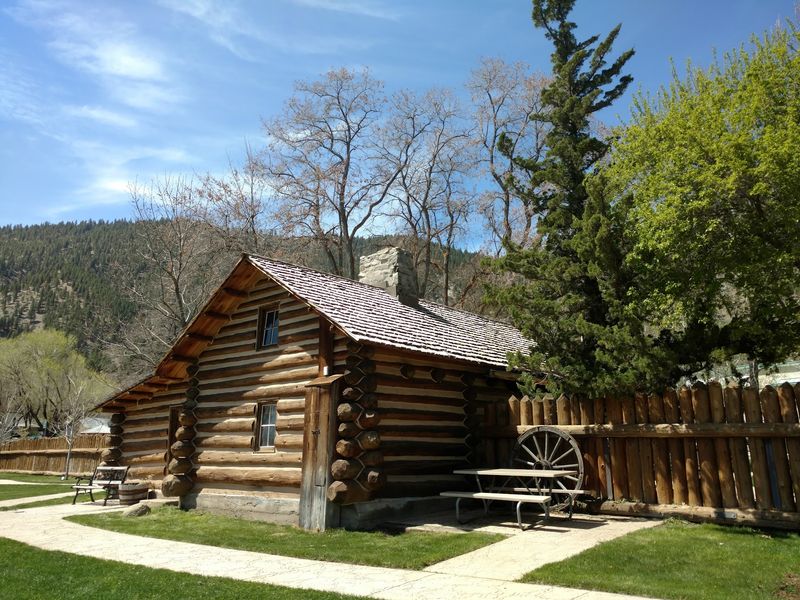
Step through the cabin door and you enter a small museum spread across roughly three rooms, packed with historic artifacts from pioneer days. The exhibits are well organized, and the captions are loaded with facts that make the past feel close.
Admission runs just one dollar, a price that keeps drawing praise as an unbeatable deal. That single dollar helps keep the park maintained, so it does double duty as both a ticket and a small gift to the site.
People consistently describe the collection as fascinating and informative, with hardware and tools the settlers actually used. It is compact, so you can take it all in without feeling rushed or overwhelmed.
One important note before you plan around it: the museum operates on limited hours and has occasionally been closed even when travelers expected it open. Checking ahead is a smart move so you do not miss the indoor treasures.
Small in size but rich in detail, this museum proves that you do not need sprawling galleries to tell a memorable story about frontier life.
The Tale of Snowshoe Thompson
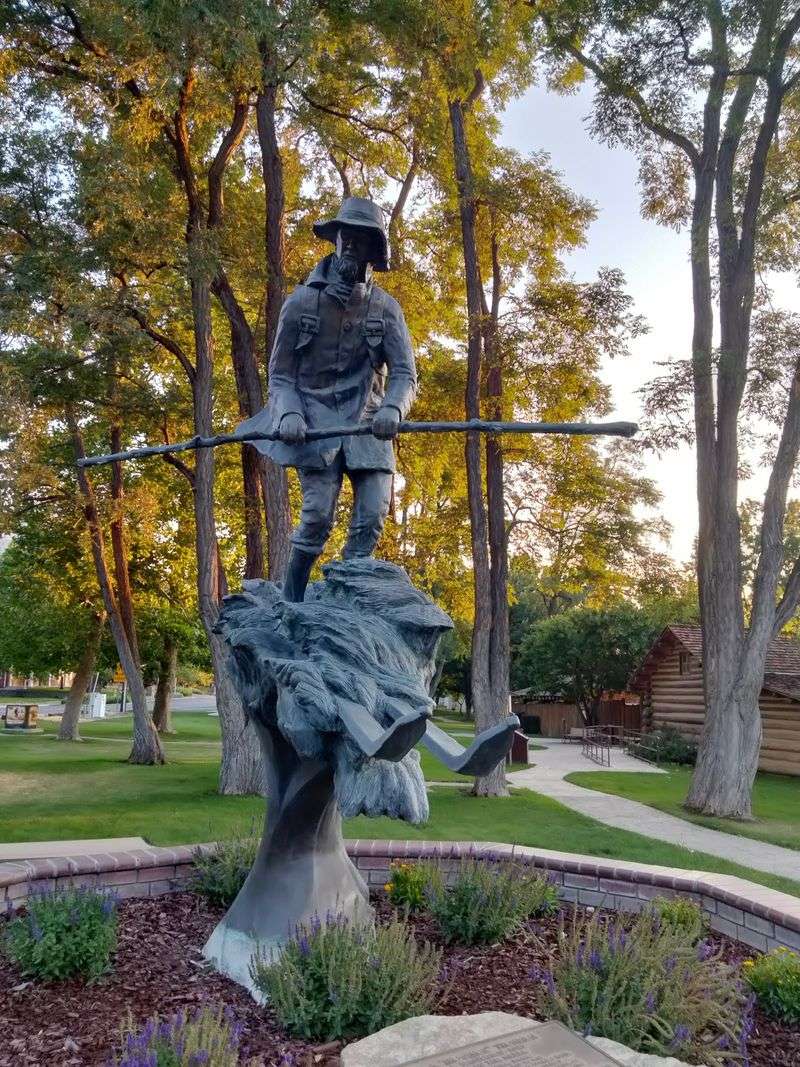
Among the many stories the park shares, one favorite centers on Snowshoe Thompson, a hero of the region’s early days. His legend is the kind of fun fact that sticks with you long after you leave the grounds.
The exhibits bring characters like him to life through well written captions and displays, turning names on a plaque into people with grit and purpose. Learning about him ranks as a genuine highlight for those who take the time to read the panels.
Staff often add color to the tale, offering extra tidbits that you would not find on the signs alone. When the park is quiet, a ranger may even walk you through the details in person.
The story reflects the broader theme of the place, where ordinary folks did extraordinary things to keep a remote settlement connected to the wider world. It reminds you that history here is made of individuals, not just dates.
Curiosity about figures like Thompson is exactly what makes the little museum punch far above its size.
Wagons, Tools, and Relics of Pioneer Days
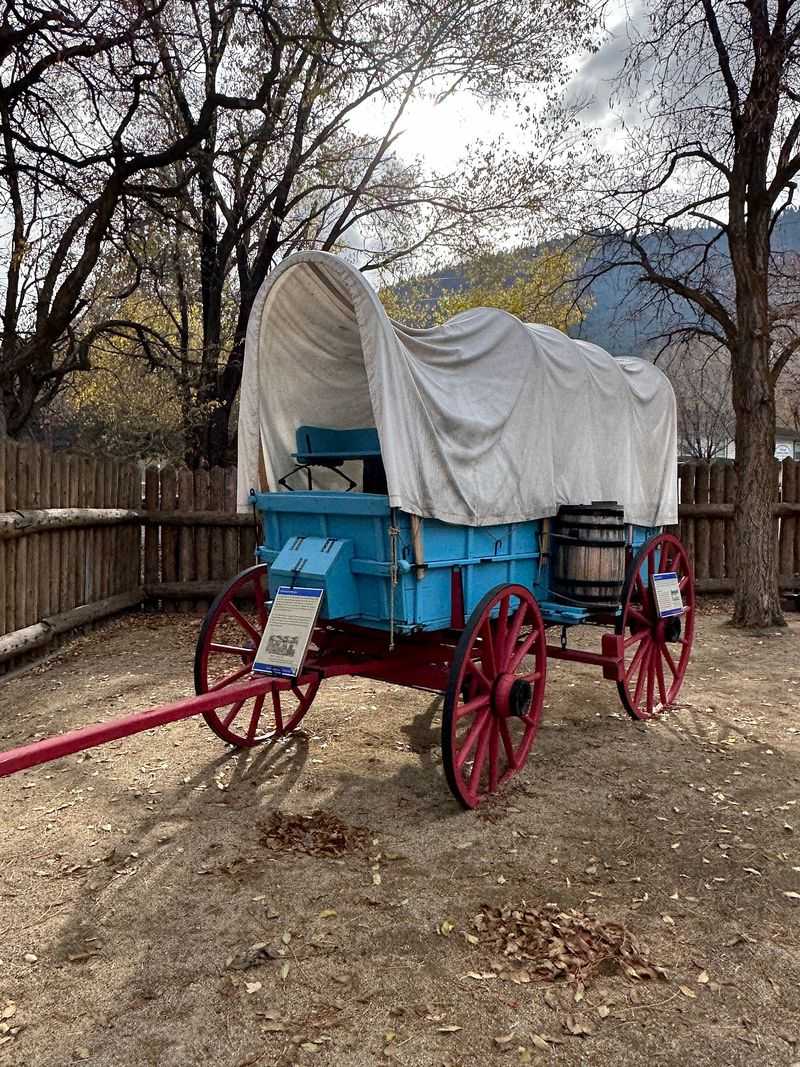
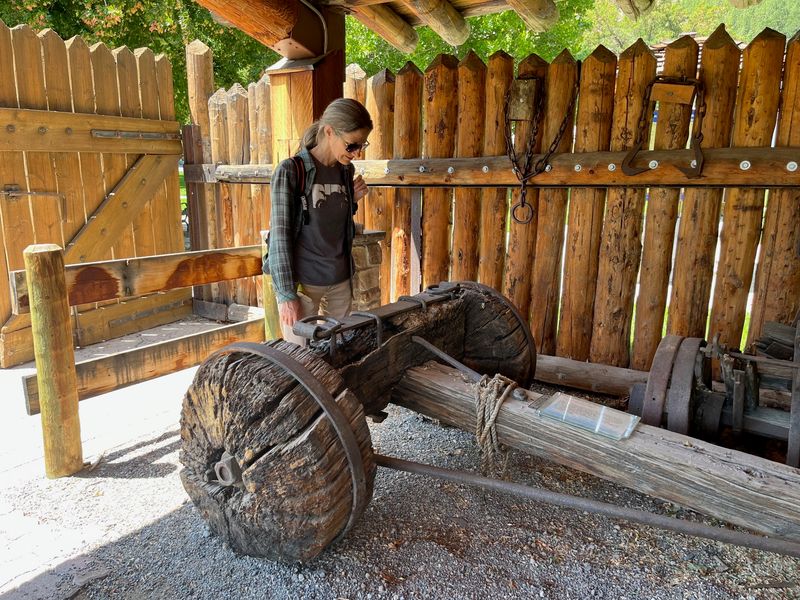
Scattered across the lawns sit old wagons and pieces of equipment that pioneers relied on back in the 1800s. These outdoor relics let you inspect the real machinery of frontier life without ever stepping indoors.
The station is arranged as a walking tour, so you move naturally from one artifact to the next across the grassy setting. Plaques stationed near the items explain what each piece did and how it served the settlers.
People frequently point out how much there is to see simply by strolling the grounds, from hardware to the historic wagons themselves. The layout invites a slow, easy loop rather than a hurried march.
Even those who feel the park is small still enjoy this open air display, calling it a nice place to walk around and take things in. The relics give the whole property a lived in, authentic character.
Wandering among these weathered tools offers a hands off history lesson that appeals to grownups and curious kids alike.
Manicured Grounds Made for a Stroll
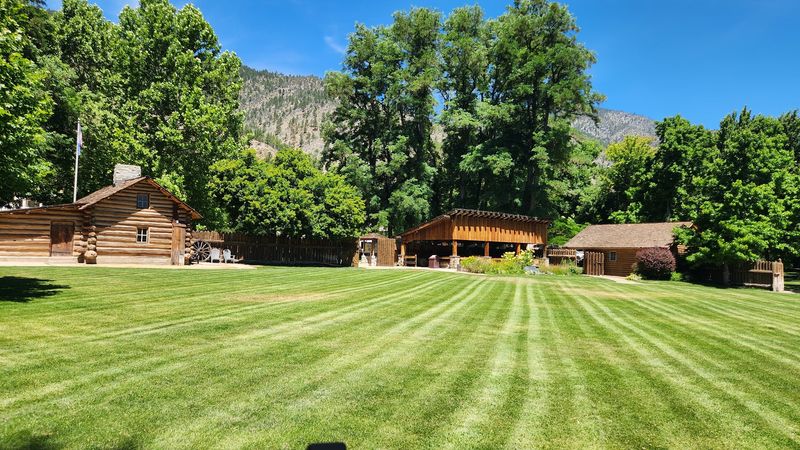
Beyond the artifacts, the park earns steady praise for its beautiful, well maintained grounds. The lawns are clean and green, kept in a condition that stands out even to people who have worked in park systems themselves.
Mature trees provide plenty of shade, which is a welcome feature given the sunny surroundings. That cool, comfortable feel comes partly from the town’s tucked away spot against the mountain slope.
The wide open space is fully enclosed, which makes it a relaxed area to let kids run and burn off energy. Parents appreciate having a contained lawn where little ones can roam safely.
Many describe it as the perfect place to stretch your legs during a long drive, with room to walk without any rush. It is calm, quiet, and unhurried in the best way.
Some folks say they could happily spend a whole afternoon just sitting on the grass and soaking in the setting. Grounds this tidy turn a history stop into a small park getaway.
Picnic Tables and Wandering Deer
Dotted throughout the property, picnic tables and benches give you a reason to linger longer than you planned. Pull up to one for lunch and you may find yourself in unexpected company.
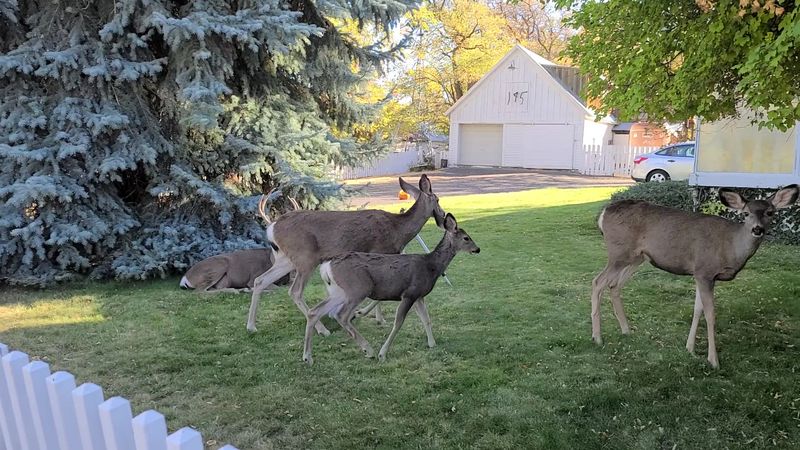
Deer are known to stroll right through the grounds, and they show up often enough that they have become a signature part of the visit. Watching them wander past while you rest at a table is a simple pleasure people mention again and again.
The tables are plentiful, so finding a spot in the shade is rarely a challenge. That makes the park an easy choice for a relaxed midday break on a road trip.
The mix of tidy lawns, cool shade, and roaming wildlife gives the place a peaceful, everyday charm. It is the kind of setting where time slows down without any effort.
Between the tables and the deer, the park quietly encourages you to stay a while rather than dash back to the car.
Friendly Rangers and Personal Tours
What often turns a good visit into a great one here is the staff. The rangers and docents come across as friendly, welcoming, and genuinely eager to share what they know about the town and the settlement.
They are known for being knowledgeable, offering fun facts and answering questions with real enthusiasm. When the park is not too busy, a staff member may step away to give you a personal tour of the exhibits.
That kind of one on one attention is rare and memorable, and people bring it up as a reason they return. Having someone walk you through the artifacts adds depth you might otherwise miss.
The stories they tell, including how a fire once burned down half the town, add drama and context to the displays. Those extra tales make the history stick.
Warm, patient, and clearly proud of the place, the folks who run the park help make the whole stop feel personal rather than routine.
Festivals That Bring the Town Alive
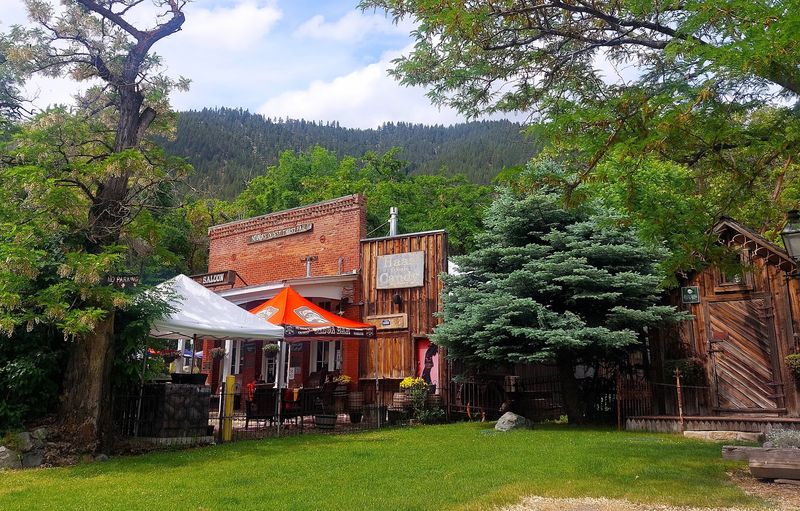
The park sits at the center of a town that loves a good celebration, and its events pull visitors back year after year. The Genoa Candy Dance is one of the best known gatherings, drawing crowds and vendors to the historic setting.
Independence Day festivities are another beloved tradition, complete with friendly volunteer firefighters selling food to the crowds. People describe the atmosphere at these events as warm and welcoming, with kind locals at every turn.
Milestone celebrations, like a hundredth anniversary of the Candy Dance, show just how deep the town’s roots run. Even on colder, windier days, the community spirit keeps the events lively.
Timing a trip around one of these gatherings turns a quiet historic stop into a full blown small town party. The mix of history and festivity is hard to beat.
For anyone who enjoys community traditions, catching Genoa during one of its signature celebrations is well worth planning ahead for.
Hours, Prices, and Getting There
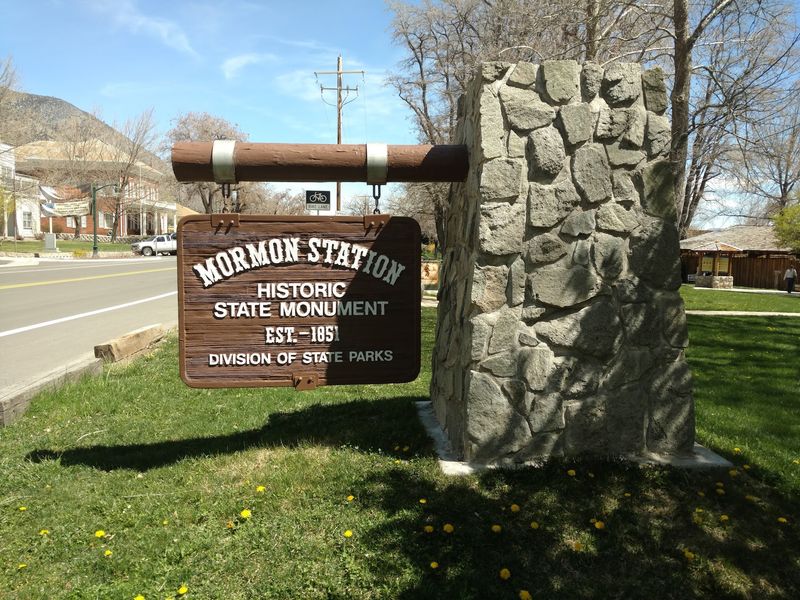
Planning a visit is refreshingly simple. The park is open daily from 10 AM to 4 PM, seven days a week, which makes it easy to fit into a road trip through the region.
Museum admission is just one dollar, and it helps fund the upkeep of the site. Bring cash, since payment is cash only, and note that a veteran and military discount is available.
Free parking sits right on the property, so pulling in and out is hassle free. Most people find that seeing everything takes about thirty minutes, making it an ideal leg stretcher rather than an all day outing.
You will find it at 2295 Main St in Genoa, easy to spot along the main road through town. Just do not drive too fast, or you might zip right past this modest corner of history.
While you are there, the Court House Museum sits across the street, a two floor stop that pairs nicely with the park for anyone hungry for more local history.
Why This Quiet Stop Stays With You
By the time you loop back to your car, it is easy to see why this little park keeps earning its strong reputation. It manages to pack real history, tidy grounds, and friendly faces into a stop that takes barely half an hour.
Set the expectations right and you will not be disappointed. This is not an all day destination, but a charming pause that rewards curiosity and a slow pace.
The combination of a restored fort, a dollar museum, wandering deer, and shaded picnic tables gives it a quiet, honest appeal. Add in staff who love to share stories, and the visit feels personal.
Whether you swing by for the exhibits, the lawns, or a festival, the park delivers a genuine taste of Nevada’s frontier past. It is the kind of place that turns a detour into a fond memory.
Next time your route runs near Genoa, slow down, pull over, and give this restored corner of the Old West the half hour it so richly deserves.
Enjoyed this story?
Add Fast Food Club as a preferred source to see more of our reporting on Google.