


If your stomach has been sending weird signals, your daily menu might be part of the story. Some beloved comfort foods can secretly stir up bloating, heartburn, or sluggishness.
A few thoughtful swaps and timing tweaks can make a big difference in how you feel after meals. Let’s walk through common culprits so you can choose what truly supports your gut.
Fried Chicken

Fried chicken can feel heavy when digestion is already delicate. The crunchy coating and deep-fried oils slow stomach emptying, which may leave you feeling overly full or gassy.
Spices and salt can also irritate an already sensitive gut, especially if you eat it late at night.
If cravings hit, try oven-baked chicken with a thin breadcrumb layer, or air-fryer versions that use far less oil. Pair with steamed vegetables or a simple salad to add fiber without excess grease.
Eat slowly, chew thoroughly, and consider smaller portions. Your stomach will likely thank you the next morning.
Spicy Chili
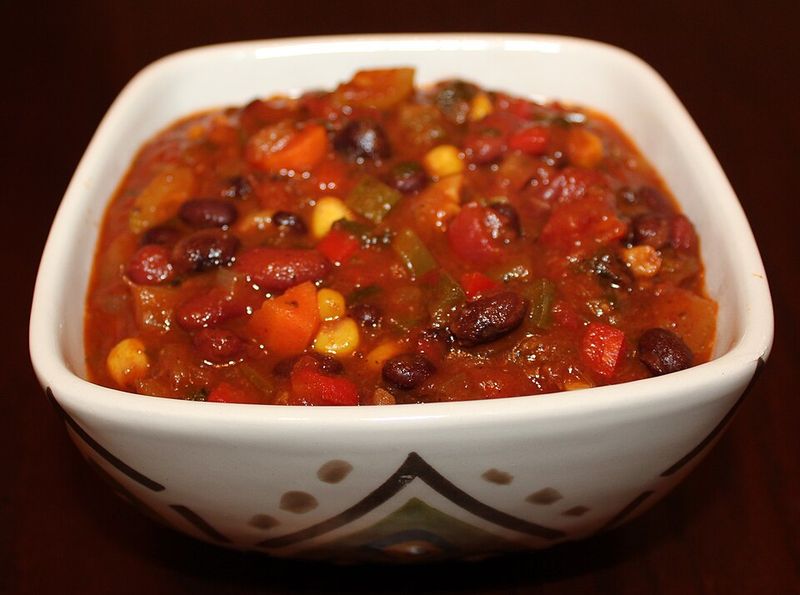
Spicy chili brings heat, beans, and sometimes fatty cuts of meat, a trifecta that may rile up digestion. Capsaicin can irritate the lining of a sensitive stomach, while beans add fermentable fibers that increase gas.
If you already feel off, the combination can escalate cramping or heartburn.
Try a milder chili with lean turkey, well-rinsed canned beans, and gentle spices like cumin and smoked paprika. A spoonful of yogurt or avocado can soften heat and add creaminess.
Eat slowly, and note your tolerance. Adjusting spice levels and bean quantity can keep flavor without the fallout you are trying to avoid.
Garlic Bread
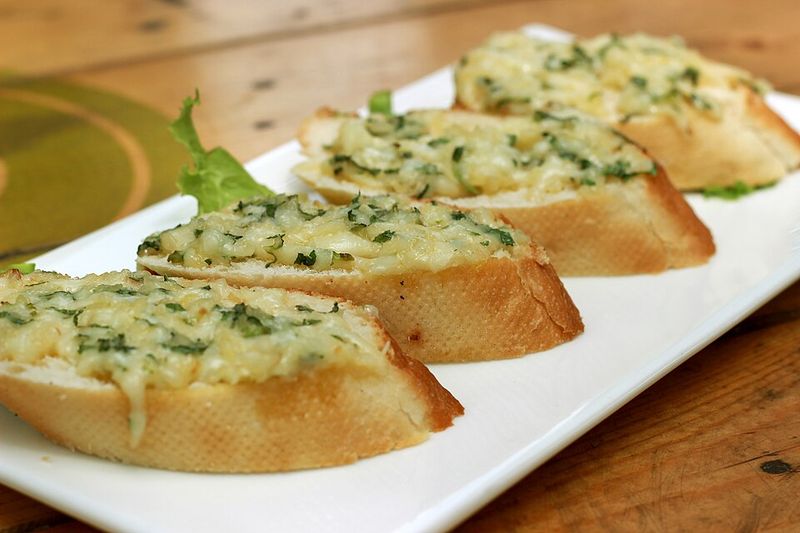
Garlic bread often delivers a double hit of irritants: garlic’s fructans and a buttery, greasy finish. For some, garlic triggers bloating and gas, while the fat slows stomach emptying.
Enjoyed before a meal, it can crowd out fiber-rich sides that help food move more comfortably through your system.
Consider sourdough toast brushed with olive oil and a hint of garlic-infused oil for flavor without the fructans. Pair with a crisp salad or broth-based soup to balance richness.
If garlic bothers you, reduce the amount or switch to herbs like basil and parsley. You can still savor garlicky vibes gently.
Creamy Pasta
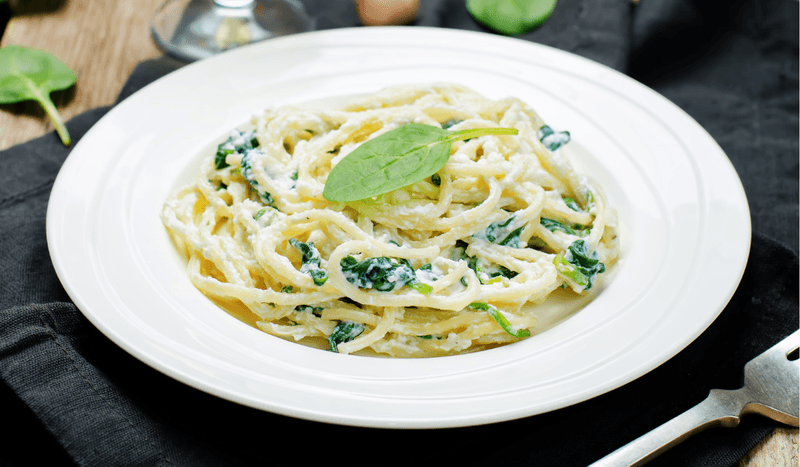
Creamy pasta sauces combine dairy fat and refined noodles, a pairing that may stall digestion when your gut feels tender. Lactose can be troublesome if you are sensitive, and heavy cream raises richness that lingers.
The low fiber content does little to keep things moving, inviting post-meal sluggishness.
Consider a lighter sauce using olive oil, lemon, and grated hard cheese, or blend silken tofu for creaminess. Choose whole-grain or legume pasta for added fiber and steadier energy.
Start with smaller portions and savor each bite. You keep the cozy pasta ritual while dialing back the digestive burden substantially.
Ice Cream

Ice cream’s trifecta of lactose, sugar, and saturated fat can be rough on a sensitive stomach. Lactose intolerance leads to gas, bloating, and discomfort, while cold temperature may trigger gut motility in some people.
Rich toppings add extra fat that can slow digestion and intensify heaviness.
Try lactose-free options, sorbet, or coconut milk varieties if dairy is a known trigger. Keep portions small, and enjoy slowly to gauge your tolerance.
Pairing with a handful of berries can add fiber and freshness. When digestion feels off, gentle, simple sweets often land better than dense, dairy-laden scoops.
Milkshakes

Milkshakes intensify dairy and sugar in a quickly consumed package. Chugging a thick shake can overwhelm digestion, especially with lactose sensitivity or reflux.
The combination of cold, fat, and rapid drinking often leads to bloating, burping, and a heavy, lingering feeling after the last sip.
Consider a smoothie with lactose-free milk, kefir, or a plant base like almond milk. Add banana and a spoon of nut butter for creaminess without the same digestive hit.
Sip slowly and keep portions modest. If you crave a treat, split one with a friend and notice how your stomach responds afterward.
Soda

Soda delivers carbonation and sugar or artificial sweeteners that can disrupt gut comfort. Bubbles expand in the stomach, increasing pressure and burping, while high fructose corn syrup or sweeteners may cause gas.
Caffeine in cola can also stimulate acid, worsening heartburn if you are already sensitive.
Switch to still water with lemon or diluted fruit juice when you want sweetness without the fizz. If caffeine helps energy, try tea or cold brew in small amounts.
Keep an eye on portion sizes and timing. Cutting back gradually reduces cravings and often smooths out bloat and discomfort noticeably.
Potato Chips

Potato chips are easy to overeat, and the combo of salt, oil, and low fiber can stall digestion. Greasy residues linger in the stomach, while sodium may encourage water retention and a puffy, uncomfortable feeling.
The lack of protein or fiber rarely satisfies, so you might keep reaching for more.
Try baked chips, lightly salted popcorn, or crunchy vegetables with hummus for a better balance. Portion chips into a small bowl rather than snacking from the bag.
Add a glass of water to support digestion. You will still get the crunch without the same sluggish aftermath that often shadows chip sessions.
Processed Deli Meat
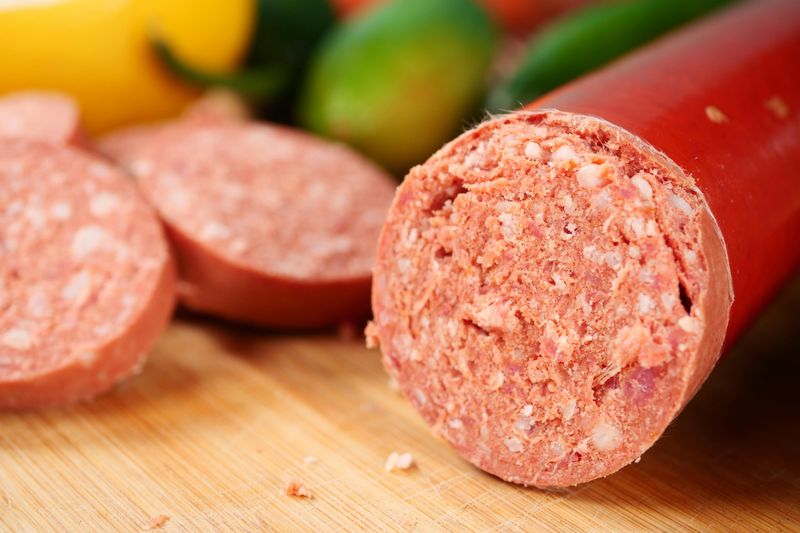
Processed deli meats often contain additives, excess sodium, and higher fat cuts that can feel heavy on a sensitive gut. Preservatives may irritate some people, while the lack of fiber means little support for comfortable motility.
Piling meat on white bread just adds another low-fiber layer to the mix.
Choose lean, minimally processed options like roasted turkey or chicken you slice yourself. Build sandwiches on whole-grain bread with lettuce, tomato, and mustard for moisture and fiber.
Keep portions modest and add fruit on the side. These tweaks protect your stomach while still delivering a satisfying, quick lunch routine.
Sausage Links

Sausage links are typically high in saturated fat, spices, and sodium, all potential gut irritants. The dense texture can linger in the stomach, especially first thing in the morning when digestion is just waking up.
Certain seasonings like pepper, garlic, and paprika may further aggravate sensitive stomachs.
Opt for lean poultry sausages with simpler seasoning, or try a flavorful bean patty for protein without the heaviness. Pair with sautéed greens and whole-grain toast for fiber and balance.
Eat slowly and stop when satisfied. A lighter breakfast can set a calmer digestive tone for the rest of your day.
Pepperoni Pizza

Pepperoni pizza stacks triggers: refined crust, cheesy dairy, and cured meats with spices and fat. That trio can slow digestion and spark reflux or bloating.
Late-night slices are especially tough, since lying down after heavy, greasy food encourages acid to travel upward and disrupt your sleep.
Go thinner on crust, lighter on cheese, and add vegetables like mushrooms or peppers. Choose turkey pepperoni or skip it entirely, relying on herbs and chili flakes for flavor.
Eat earlier and savor a smaller portion. With a side salad and water, you still enjoy pizza night while sparing your stomach.
Baked Beans
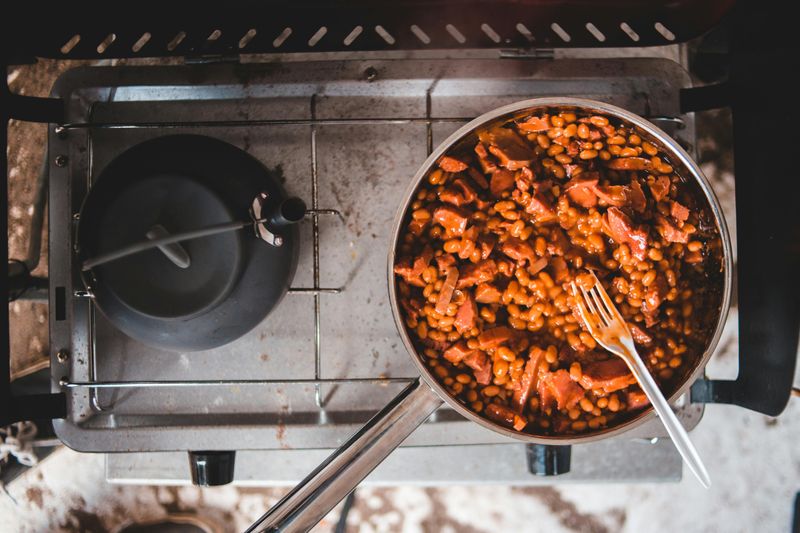
Baked beans deliver fiber and protein, but the sauce often hides sugar and seasonings that can bloat or irritate. Beans themselves ferment in the gut, producing gas, especially if you do not eat them regularly.
Large portions with rich barbecue mains can compound heaviness and discomfort.
Rinse canned beans to reduce some FODMAPs, and choose low sugar sauces or make your own. Start with small servings and increase gradually to build tolerance.
Balance the plate with greens or slaw without creamy dressing. When prepared thoughtfully, beans can be supportive rather than overwhelming for your digestion.
Coleslaw
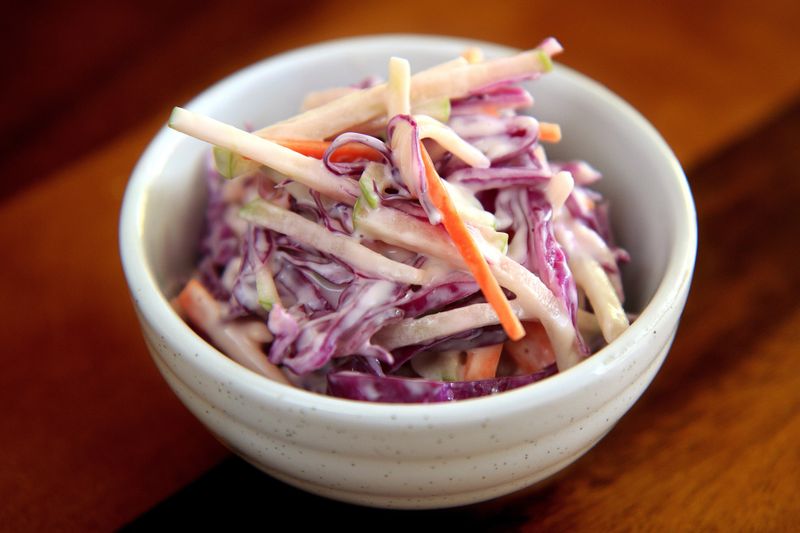
Coleslaw combines raw cruciferous vegetables with creamy, often sugary dressing. Raw cabbage can be gassy for some people due to fermentable fibers, while a heavy dressing adds richness that lingers.
When paired with barbecue or fried foods, the cumulative effect may tip you into bloated territory quickly.
Choose a lighter vinaigrette, or massage cabbage with salt and lemon to soften fibers. Add carrots, herbs, and a touch of apple for freshness without excess cream.
Keep portions moderate and chew thoroughly to support breakdown. A brighter, lighter slaw can deliver crunch without the digestive drama you are trying to dodge.
Chocolate Bars

Chocolate bars blend cocoa, sugar, and sometimes dairy, a combo that may provoke reflux or bloating. Caffeine and theobromine can relax the lower esophageal sphincter, nudging acid upward.
Ultra-sweet fillings add more sugar, which may ferment in the gut for those who are sensitive to it.
Pick darker chocolate with higher cocoa and less sugar, and limit portions to a few squares. Enjoy after a balanced meal rather than on an empty stomach.
If dairy is an issue, choose dairy-free varieties. You still get that satisfying snap and richness without tipping your digestion into uncomfortable territory afterward.
Donuts

Donuts are fried, sugary, and low in fiber, a challenging trio when your gut already feels unsettled. Rapid blood sugar swings can leave you queasy or tired, and the oil adds heaviness that lingers.
Frostings and fillings often bring dairy, which may aggravate sensitive stomachs even more.
Try a baked donut or a lightly sweet muffin with whole grains for a gentler treat. Pair with protein like yogurt or eggs if tolerated to steady energy.
Savor slowly and stop at satisfied, not stuffed. A mindful approach preserves joy while reducing the digestive aftermath that can overshadow a sweet moment.
Buttered Popcorn

Buttered popcorn seems light, but movie portions and extra butter can challenge digestion. The added fat slows stomach emptying, while seasonings like artificial butter flavor or heavy salt may irritate.
Eating large bowls quickly can also introduce swallowed air, adding to that tight, gassy feeling.
Air-pop kernels and toss with olive oil or a light butter spray. Season with sea salt, nutritional yeast, or cinnamon sugar for variety.
Portion into smaller bowls and sip water between handfuls. You keep the fun snack ritual while avoiding the heaviness that sometimes follows a buttery, bottomless tub.
Cheeseburgers
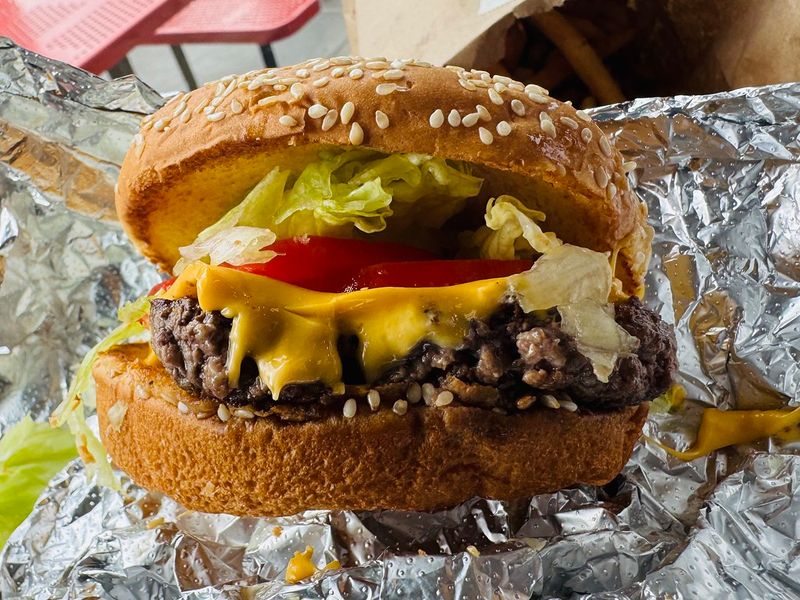
Cheeseburgers stack rich beef, melted cheese, and a refined bun, which can weigh down digestion. High fat content slows gastric emptying, and cheese introduces lactose that some people struggle to process.
Add fries and a soda, and the combined load can push bloating or heartburn over the edge.
Opt for a leaner patty, smaller size, or even a turkey or veggie burger. Load with lettuce, tomato, and pickles for crunch and fiber, and consider a whole-grain bun.
Eat earlier in the day and skip the double stack. You still enjoy the burger moment with less digestive pushback.
Nachos
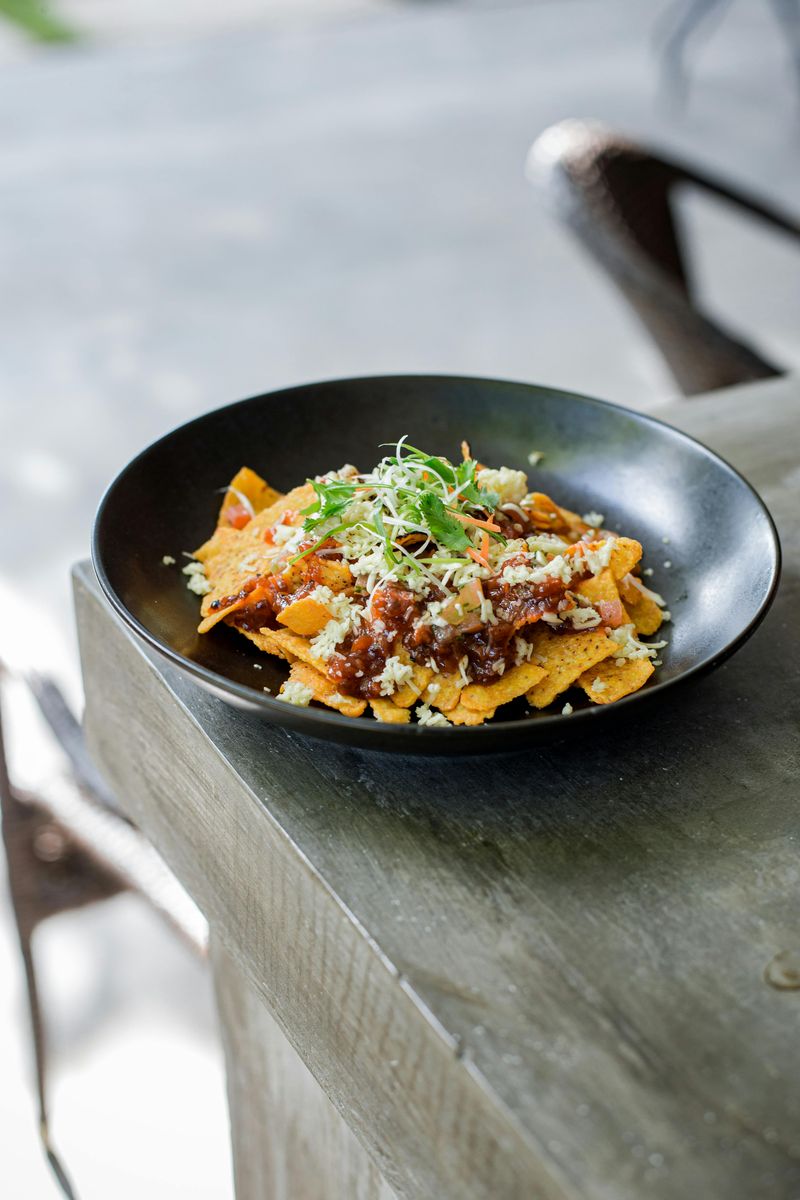
Nachos pile on fried chips, melted cheese, beans, and spicy toppings, concentrating many common triggers. Grease and heat can provoke reflux, while beans add gas for some.
Large sharing platters encourage overeating, leaving you uncomfortably full long after the party ends.
Build a lighter tray with baked chips, lean protein like shredded chicken, and plenty of veggies. Use a modest amount of cheese and add avocado or yogurt-based crema.
Share mindfully and pause between bites. You get the festive flavor and crunch without the post-snack gut grumbles that sometimes steal the fun.
Gravy

Gravy is often thickened with flour and enriched with pan drippings or butter, making it rich and heavy. That combination can slow digestion and aggravate reflux, especially when poured generously over multiple foods.
Sodium levels can be high too, inviting water retention and that tight, bloated sensation.
Make a lighter pan sauce with reduced stock, herbs, and a splash of wine, thickened gently with cornstarch. Serve smaller amounts and let your main dish carry the flavor.
Pair with vegetables to add fiber and balance. Your plate stays comforting while your stomach enjoys a calmer, steadier experience.
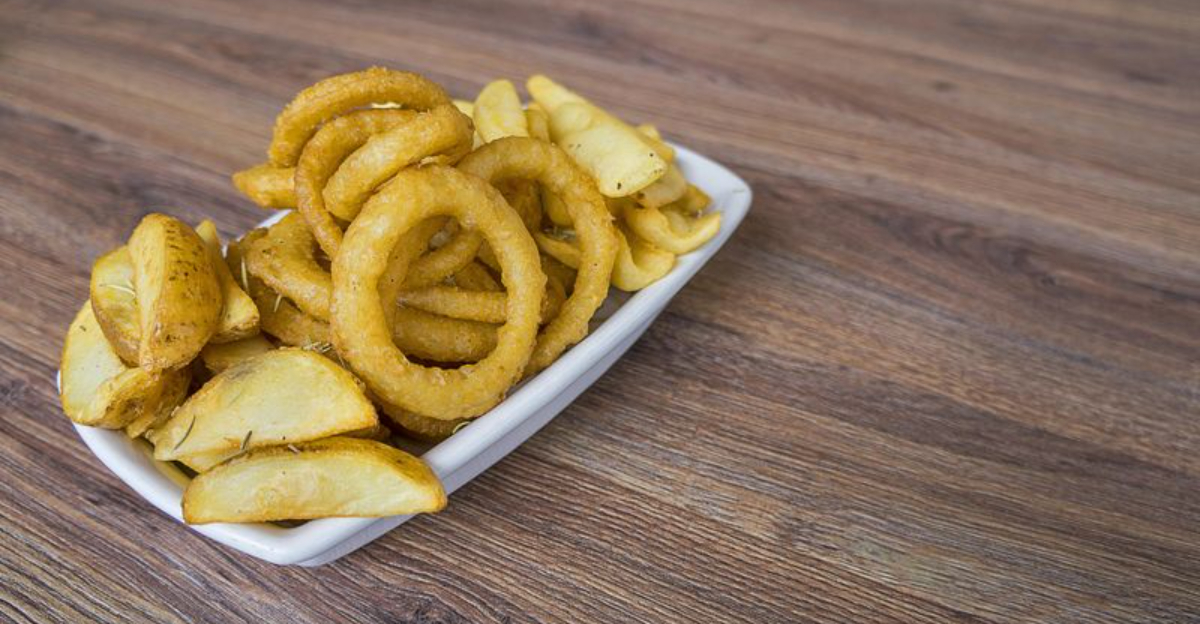
Onion Rings
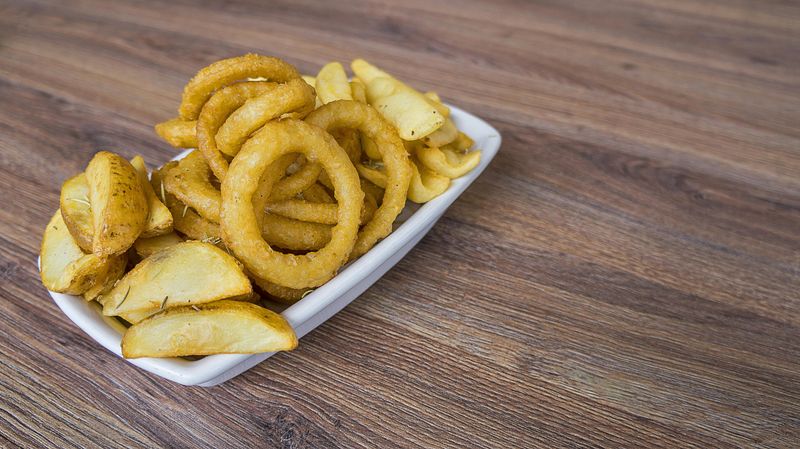
Onion rings combine two gut challengers at once: raw-ish alliums and deep frying. Onions contain fructans that can ferment in the gut, leading to gas and bloating for some people.
The batter and oil add density that can slow digestion, leaving heaviness that lingers far longer than expected.
Consider baking onion slices brushed with olive oil, or sautéing onions well to reduce sharpness. Pair with a lean protein and plenty of water to support smoother digestion.
If you are sensitive to onions, start with very small amounts. Paying attention to portion size makes a noticeable difference in comfort.
Enjoyed this story?
Add Fast Food Club as a preferred source to see more of our reporting on Google.