


You probably toss the same basics into your cart every week without a second thought. That routine feels efficient, but it can quietly cost you flavor, nutrition, and money.
A few small switches and smarter habits can turn these defaults into better meals and fewer wasted dollars. Let’s walk aisle by aisle so you can shop on purpose, not autopilot.
White bread
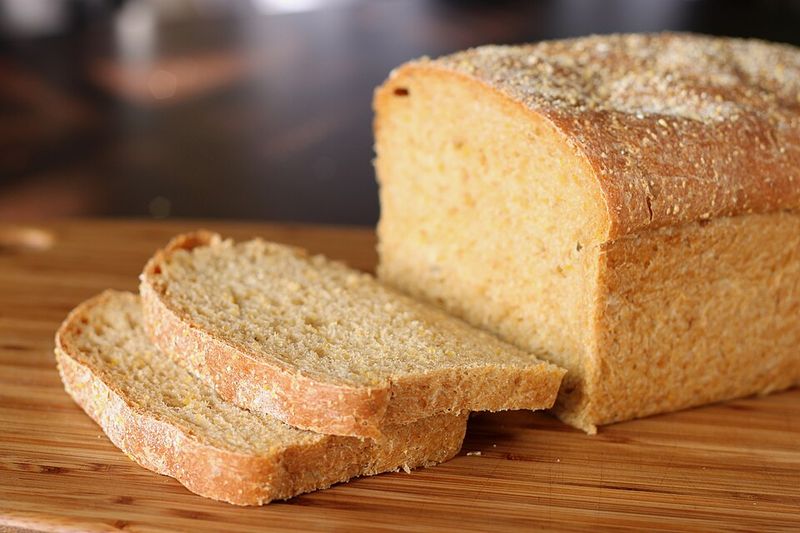
White bread slips into carts on autopilot, soft and familiar. It toasts evenly, hugs peanut butter, and makes quick lunches when your brain is fried.
But you might overlook pricier slices and how fast loaves stale. Store brands often match name brands in texture yet cost less.
Consider bakery loaves or whole grain options when sales hit. Freeze half the loaf to prevent waste and surprise toast cravings.
If soft is your nonnegotiable, compare unit prices and scan ingredient lists for added sugar. For sandwiches, slice thinner to stretch servings, and revive day old slices with a quick toast blast.
Whole milk
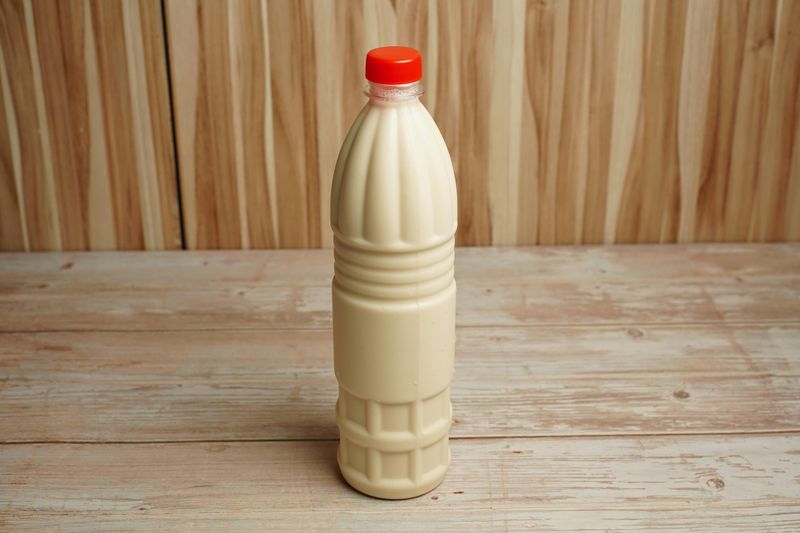
Whole milk feels like comfort in a carton, rich, creamy, and steady. You grab it for coffee, baking, smoothies, and cereal without blinking.
But that fat content may not match your goals, and smaller cartons often cost more per ounce. Shake before pouring to keep cream distributed and flavor consistent from first glass to last all week for you.
Check unit pricing, then compare shelf life dates to avoid last minute runs. If lighter works, try 2 percent or 1 percent, or keep whole for recipes only.
Store a backup ultra pasteurized carton for weekend guests and sudden baking plans.
Chicken eggs
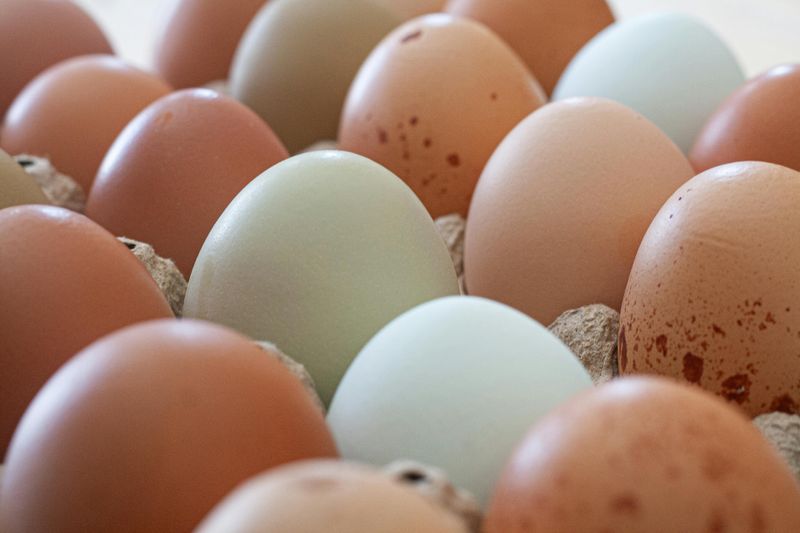
Eggs jump into your basket because they solve breakfast, lunch, and baking emergencies. Scrambles, frittatas, and cookies start here with little effort.
Yet prices swing wildly, and cracked shells hide until you unload. Batch boil on Sundays to anchor salads, snacks, and midweek grain bowls.
Open the carton, spin each egg, and look for clean, dry shells. Choose by date first, size second, then consider cage free or pasture raised when budgets allow.
Keep them cold, store pointy side down, and use a water test for freshness checks. Label a container with the boil date so you rotate without guessing.
Cheddar cheese
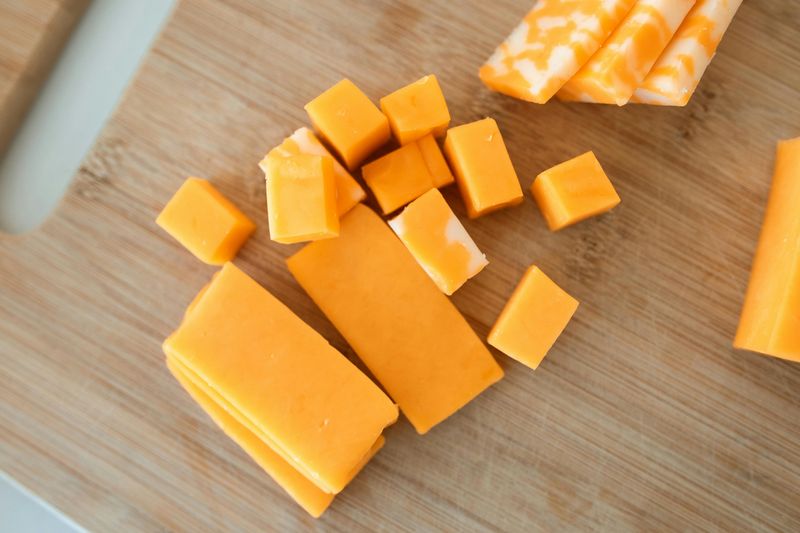
Cheddar waits in the dairy case like a problem solver for burgers, omelets, and snacks. Mild melts fast, sharp brings bite, and extra aged turns simple plates special.
But pre shredded bags often cost more and include anti caking starch. Taste a crumb before committing to a big block when brands vary at your usual store for certainty today.
Compare blocks to shreds, then grate what you need and freeze portions. Look for sales on eight ounce blocks, and store wrapped in parchment to breathe.
If flavor is priority, buy smaller amounts of deli cut cheddar and savor every slice.
Salted butter
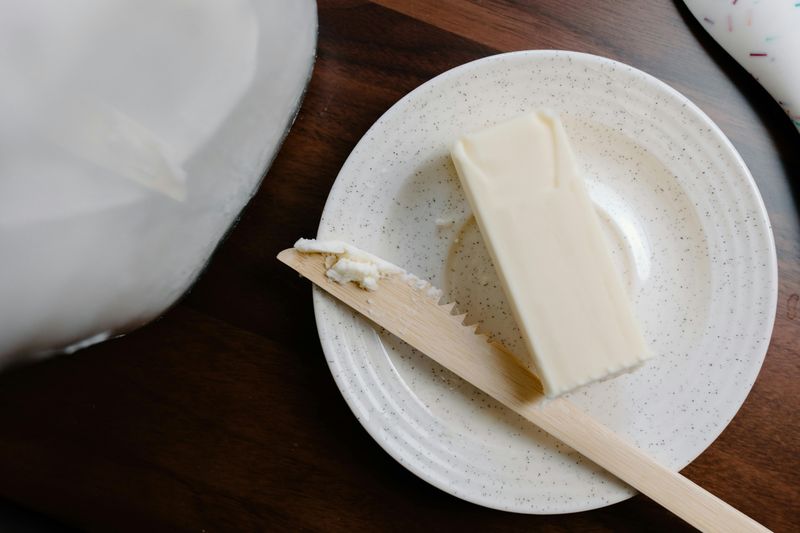
Salted butter makes everything taste a little easier, from toast to pan sauces. You toss it in the cart out of habit because it works for nearly everything.
But salt levels vary by brand, which can throw off baking and sauces.
Keep salted for spreading and quick sautés, and stock unsalted for recipes. Check foil wrapped sticks for dings, then freeze extras to lock in freshness.
If browning butter, choose unsalted to control seasoning and avoid surprises in dessert batters. Label the box with date and salt type so late night baking stays calm and your timing stays pleasantly predictable.
Black coffee

Black coffee slides into routines because it is fast, cheap, and reliable. You sip it before you wake, letting bitterness do the heavy lifting.
Still, stale beans and scorched pots drain flavor without warning. Try a darker roast for milkless richness or a light roast for citrusy pop.
Buy whole beans if possible, grind small amounts, and store airtight away from heat. Clean the brewer weekly, use filtered water, and test a slightly cooler brew temperature.
When convenience wins, keep quality instant packets for travel, busy mornings, and emergencies. Plan ratios ahead so your scoop habit matches your favorite mug.
White sugar
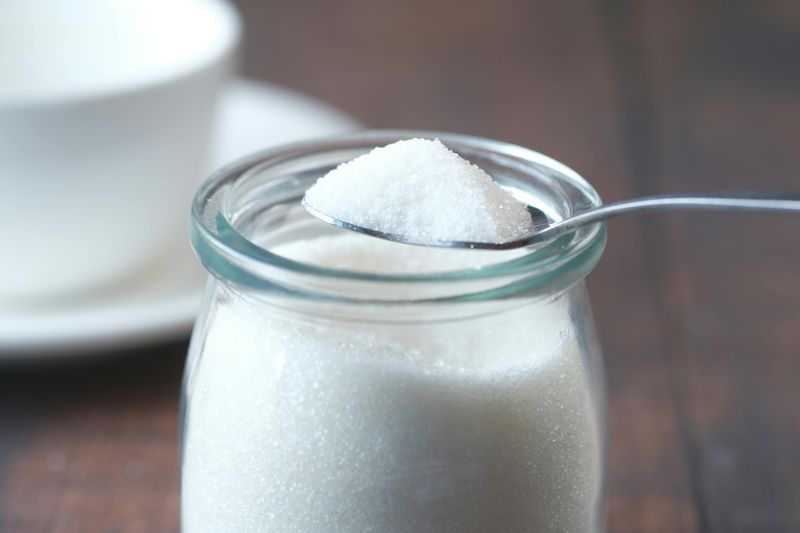
White sugar sneaks into the pantry for baking, coffee, sauces, and quick energy. Scoops feel harmless until bags vanish and desserts taste one note.
It is useful, yet not the only sweetness your kitchen can flex. Mix a cinnamon sugar jar for toast so weekday cravings feel special.
Price check store brands, then decant into airtight containers to stop clumps. For balance, rotate honey, maple, or dates when recipes allow.
When baking, weigh sugar for consistent results, and reduce gradually if you like. Label teaspoons per cup for coffee so everyone pours the same gentle sweetness every single sleepy morning.
Table salt

Table salt lands in nearly every recipe because it dissolves fast and tastes familiar. You reach for it without thinking, especially when cooking pasta or seasoning vegetables.
But iodine can taste metallic in delicate dishes, and grinders change texture. Taste side by side with kosher salt to feel differences in salting power.
Keep table salt for baking and water, then finish with kosher or flaky. Measure with your fingers to learn pinch weight, and record favorite amounts.
Store covered to avoid moisture clumps, and wipe damp shaker lids regularly. Buy smaller boxes if humidity makes caking a constant annoyance locally.
Olive oil

Olive oil pours into pans for nearly everything, from roasting to dressings. It feels healthy and tastes luxurious, so bottles disappear fast.
Yet not all oils handle heat or age well. Sample two styles, buttery and peppery, to learn what your weeknight cooking loves.
Keep extra virgin for finishing and salads, and use regular for high heat. Check harvest dates, choose dark glass, and store away from light.
Taste before committing to a large tin, and compare per ounce pricing. For bread dipping nights, stir in lemon zest, chili flakes, and crushed garlic for a quick table upgrade everyone enjoys.
Chicken breast
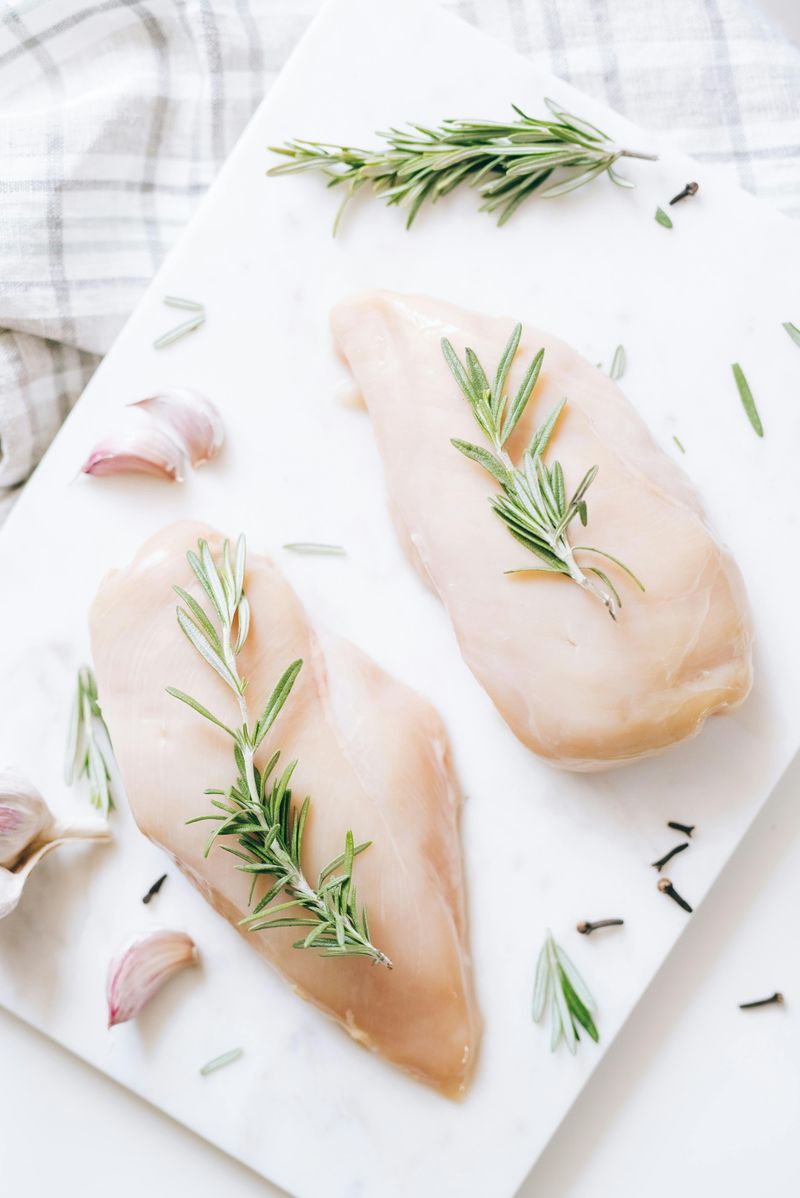
Chicken breast seems safe, lean, and versatile, so it dominates dinner plans. You default to it when schedules are tight and marinades are simple.
But dryness lurks if cooking goes long or heat runs too high. Consider thighs for juicier results and savings when flavor matters most.
Pound pieces evenly, brine lightly, then sear hot and finish gently. Buy family packs on sale, freeze flat in bags, and label weights.
When boredom hits, slice thin for stir fries, poach for salads, or grill with citrus. Rest a few minutes before slicing so juices redistribute and texture stays tender for you.
Ground beef
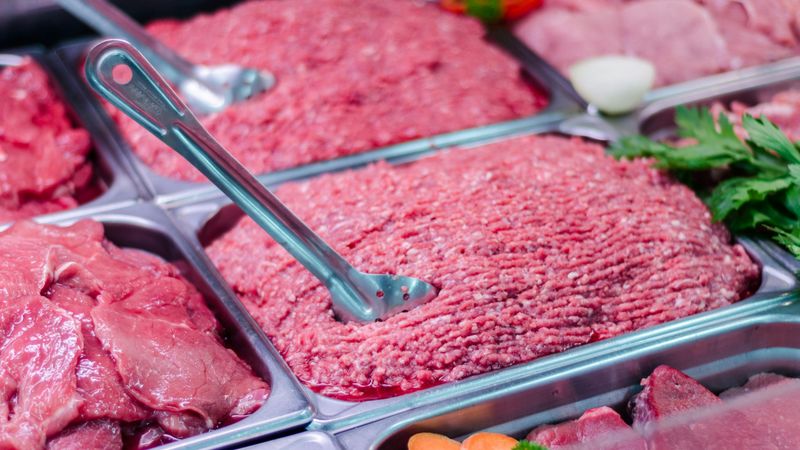
Ground beef solves tacos, burgers, and quick sauces when time disappears. You know it will cook fast and please picky eaters.
But fat percentages change results, and shrinkage can waste money. Check sell by dates and color, avoiding gray patches or excessive liquid in the tray.
Choose 80-20 for burgers, leaner for sauces, and drain fat thoughtfully. Brown in batches for color, season late, and finish with a splash of stock.
Freeze flat portions, label dates, and plan one skillet meals to stretch servings. Stir a spoon of miso or Worcestershire for savory depth without extra salt on busy nights.
White rice
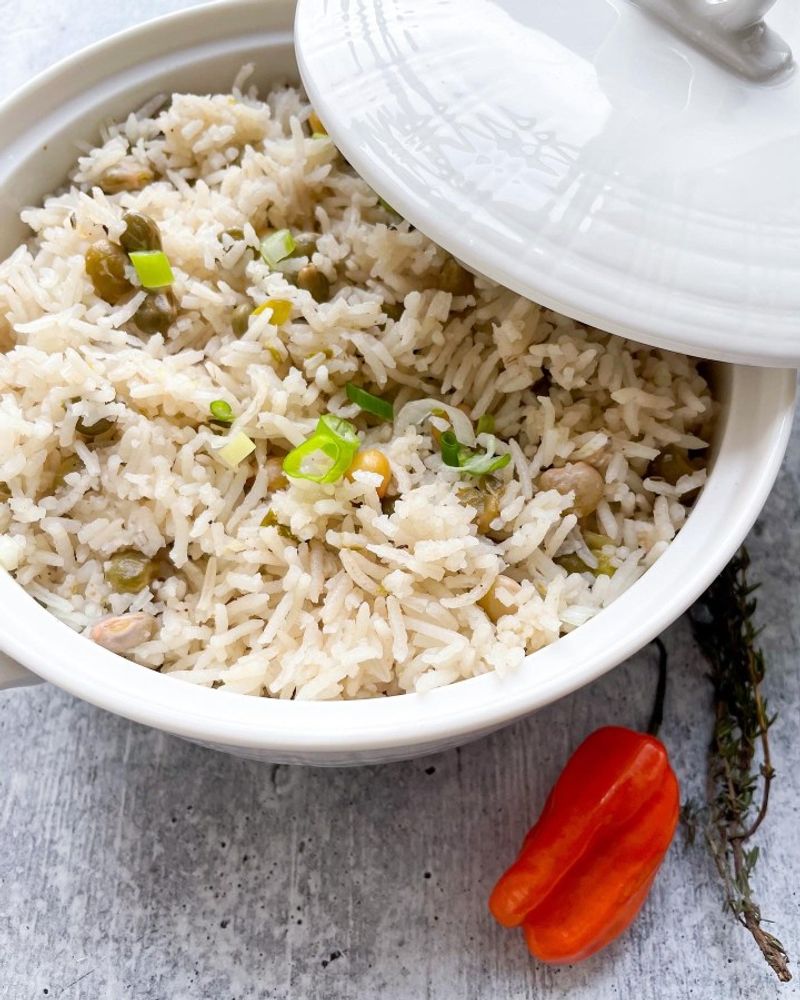
White rice lands in the pot because it is cheap, fast, and flexible. You lean on it for curries, stir fries, soups, and leftover rescue missions.
But texture swings between gummy and dry without a plan. Choose jasmine for fragrance or basmati for light separate grains your sauces love.
Rinse until water runs clear, rest after cooking, and fluff with a fork. Use a 1 to 1.25 ratio for many long grains, or follow package instructions.
Batch cook, cool quickly, and refrigerate for excellent fried rice tomorrow. Invest in a simple rice cooker if stovetop timing stresses you out regularly.
Dry pasta
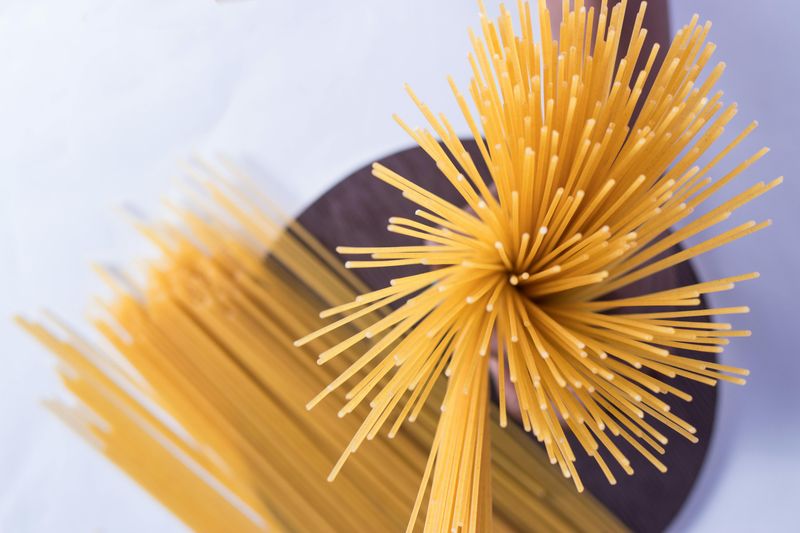
Dry pasta is the weeknight parachute, dependable, cheap, and endlessly customizable. You can sauce it with pantry odds and ends while water boils.
Still, shapes and cooking times matter more than you might expect. Buy in bulk on sale and rotate shapes so dinners stay interesting.
Salt the water generously, keep it boiling, and save a cup of pasta water. Match shapes to sauces, ridges grab chunky, long noodles love silky.
Undercook by a minute, then finish in sauce for perfect texture. Taste repeatedly near the end, and never rinse unless making a cold salad, it kills saucy cling badly.
Boiled potatoes
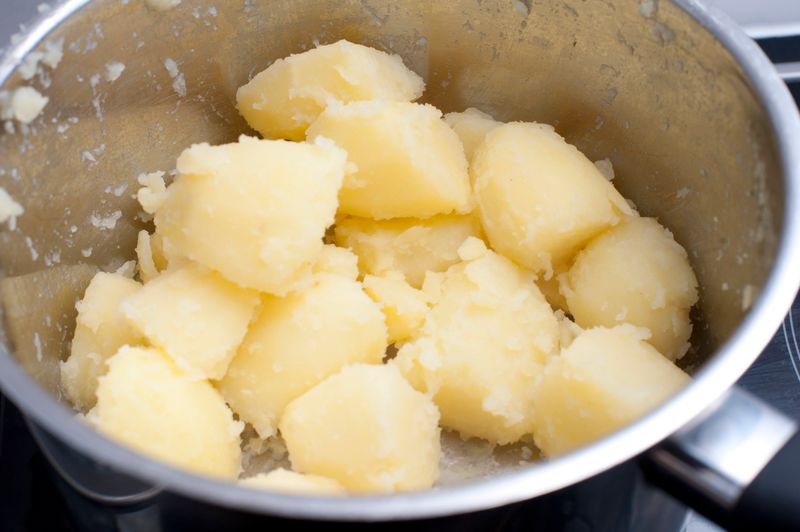
Boiled potatoes feel humble but deliver comfort, salads, and speedy sides. You toss them in water while prepping everything else.
Overcooking, though, turns them mealy and waterlogged. Cut even chunks to cook uniformly and prevent sad crumbling at the table.
Start in cold salted water, simmer gently, and poke for tender not mushy. Choose waxy for salads, floury for mash, and steam to preserve nutrients.
Dress warm potatoes with vinegar first so flavors soak in before adding fat. If leftovers loom, smash and roast tomorrow with olive oil, herbs, and hot oven heat for crispy edges everyone will chase eagerly.
Red apples
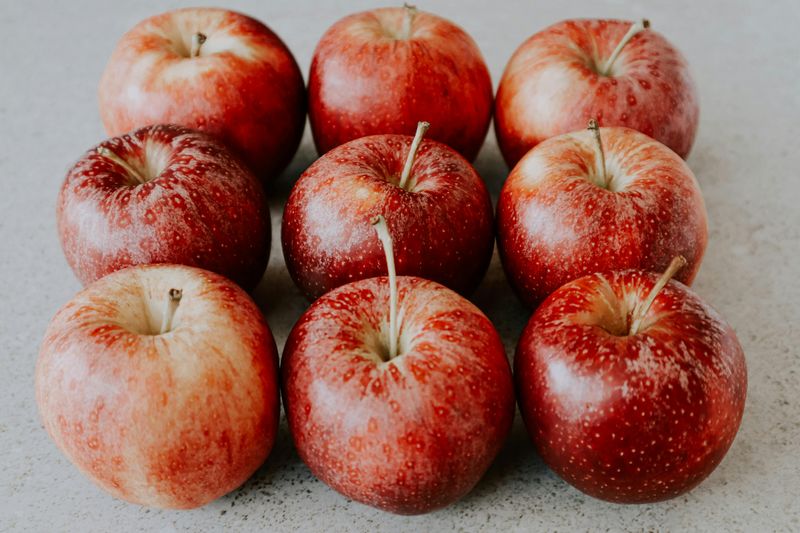
Red apples seem like the default fruit bowl choice, shiny and photogenic. You grab a bag, thinking snacks, salads, and lunchbox crunch are handled.
Yet sweetness and texture swing by variety and storage. Check firmness and stems, avoiding bruises and waxy films when possible.
Sample varieties side by side to learn your favorite balance of tart and crisp. Buy smaller amounts more often, and refrigerate for longer life.
Slice into water with lemon for snack boards, and roast wedges with cinnamon. Pair with cheddar, peanut butter, or yogurt to turn simple fruit into satisfying mini meals on busy hungry afternoons.
Yellow bananas
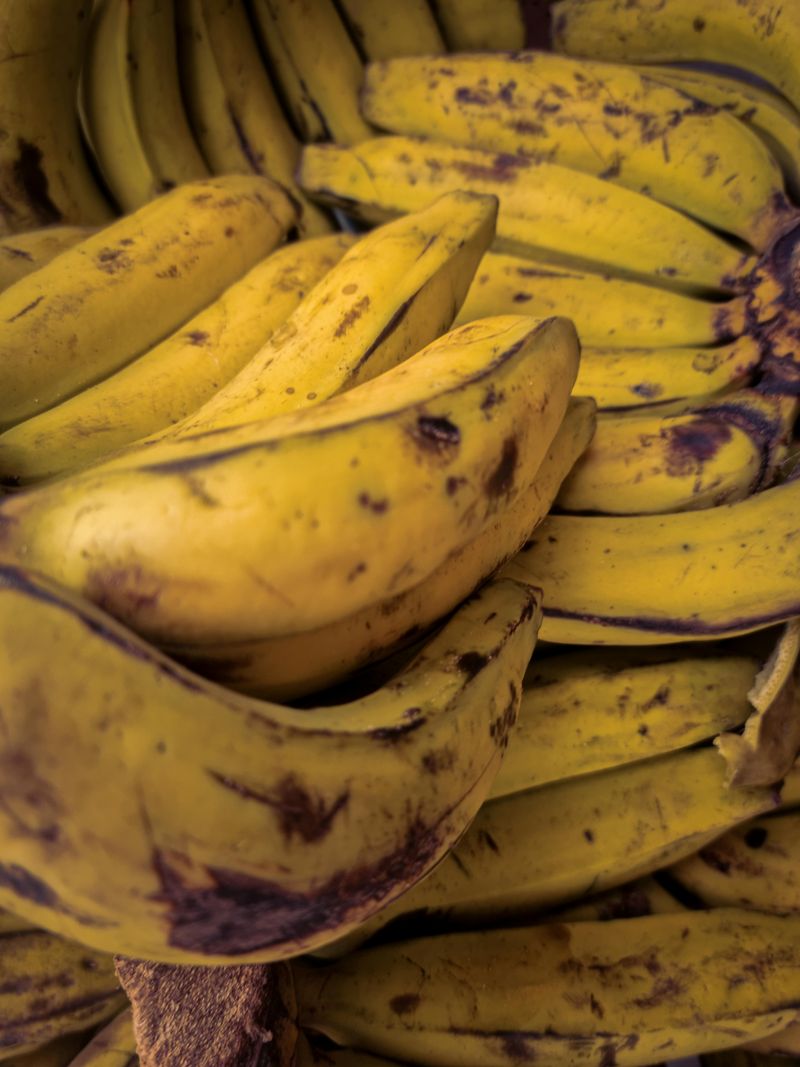
Bananas practically add themselves to your cart, cheap, portable, and filling. They ripen on the counter, then seem to overripen overnight.
Spots are fine for baking, less great for fresh snacking. Choose smaller hands if waste creeps in, or bake muffins to use extras.
Buy mixed ripeness, eat yellow now, and freeze brown for smoothies or bread. Peel before freezing to save hassle, and stack slices in bags.
For quick breakfasts, smear with peanut butter, roll in oats, and go. Store away from apples to slow ripening, and refrigerate peeled leftovers for smoothies tomorrow, label the bag with date clearly.
Yellow onions
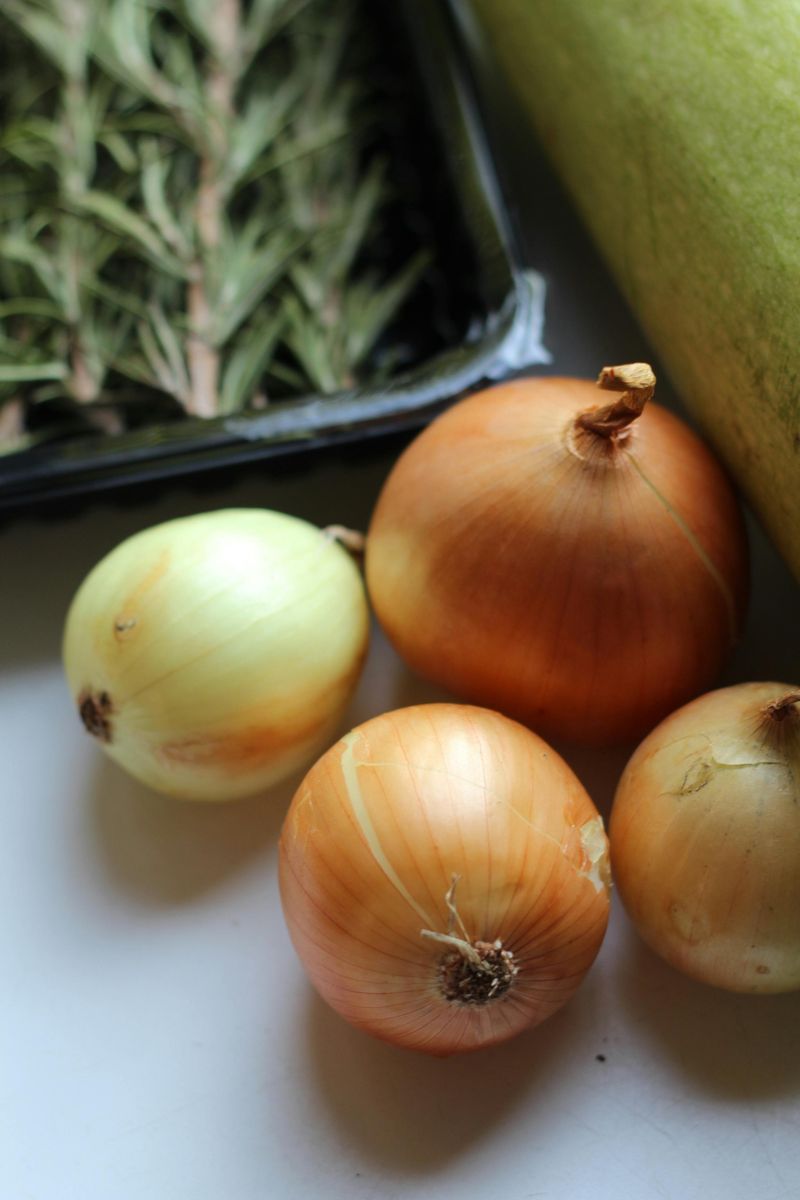
Yellow onions build dinner flavor quietly, showing up in nearly every pan. You grab a bag because they keep and taste reliable.
But sprouting, mold, and strong fumes can ambush you. Buy singles if waste happens, or caramelize extras for freezer friendly flavor bombs.
Pick firm bulbs with dry skins, no soft spots, and tight necks. Store cool and dark, away from potatoes, with airflow to prevent rot.
Slice roots last to reduce tears, and chill onions briefly before chopping. Use a sharp knife, ventilate the kitchen, and avoid touching eyes while prepping, wash hands thoroughly afterward every single time.
Fresh carrots
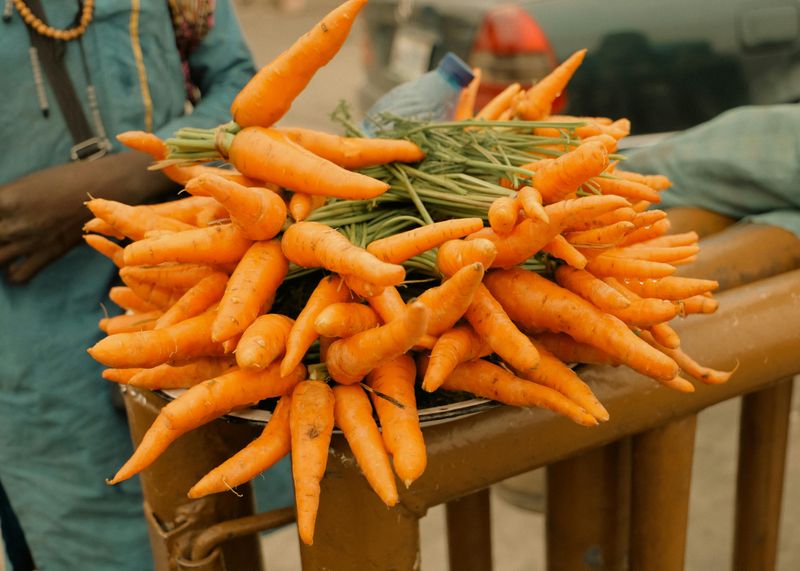
Carrots look cheap, sturdy, and healthy, so they land in carts weekly. You plan snacks, soups, and roasts, then forget them in the crisper.
Limp carrots still cook well, but fresh ones taste better. Keep a jar of sticks ready so snacks feel easy and automatic.
Choose bunches with perky greens or firm bagged roots without white drying. Peel only if skins are tough, then store in water to keep crisp.
Roast with cumin and honey, or shave ribbons into salads for snap. Use scraps for stock, and mash cooked carrots into sauces for sweetness without adding extra white sugar.
Breakfast cereal
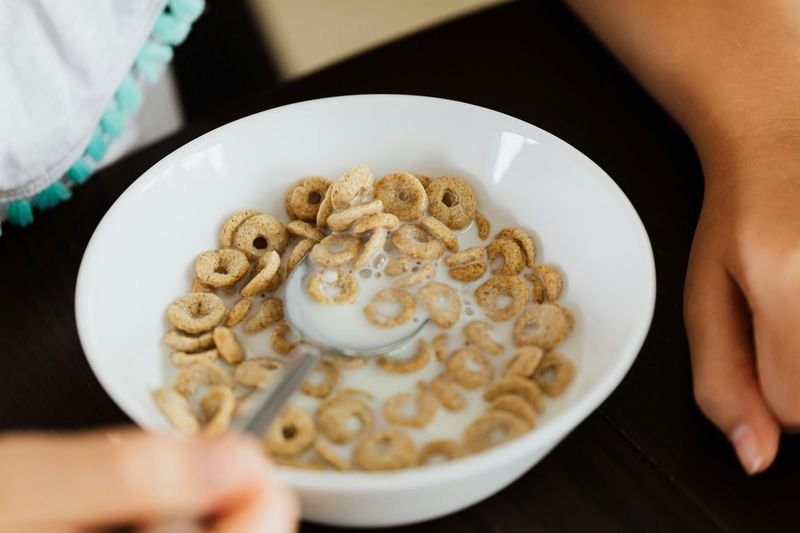
Breakfast cereal wins on speed, nostalgia, and zero dish energy. You pour and go, but sugar and price creep up fast.
Boxes shrink while mascots stay loud. Consider oatmeal or yogurt on alternate days to keep variety and budget on track.
Scan nutrition labels, aim for fiber and protein, and watch serving sizes. Buy big bags when unit prices drop, and decant into airtight bins.
Mix a fun cereal with a plain one to balance sweetness and cost. Add nuts, seeds, or fruit so bowls feel satisfying and you avoid a midmorning crash during long commutes and tight meeting blocks.
Tea biscuits

Tea biscuits feel harmless, tidy, and perfect with afternoon breaks. You buy them for guests, then inhale them on late nights.
They are simple, but portions add up quickly. Check sugar and fat on labels, since some brands lean toward dessert territory.
Choose smaller packs if willpower wobbles, or stash high on a shelf. Pair with tea or fruit, and skip mindless snacking at screens.
When baking, make a quick tray from pantry staples to control ingredients. Dunk slowly, enjoy textures, and stop after two to keep them special and satisfying, not a runaway nightly habit that empties sleeves instantly.
Orange juice

Orange juice screams morning, sweet, sunny, and easy to pour. You reach for cartons thinking vitamins and freshness justify the price.
But many jugs hide added flavors, and glasses overshoot serving sizes. Compare per ounce prices against actual oranges to see what truly fits your routine.
Buy not from concentrate if flavor matters, or choose concentrate for value. Measure servings, dilute with sparkling water, or pivot to whole fruit.
Check produce sections for fresh squeezed sales, and freeze cubes for cocktails and cooking. Store cold, cap tightly, and finish within a week for best flavor and consistent breakfast satisfaction always.
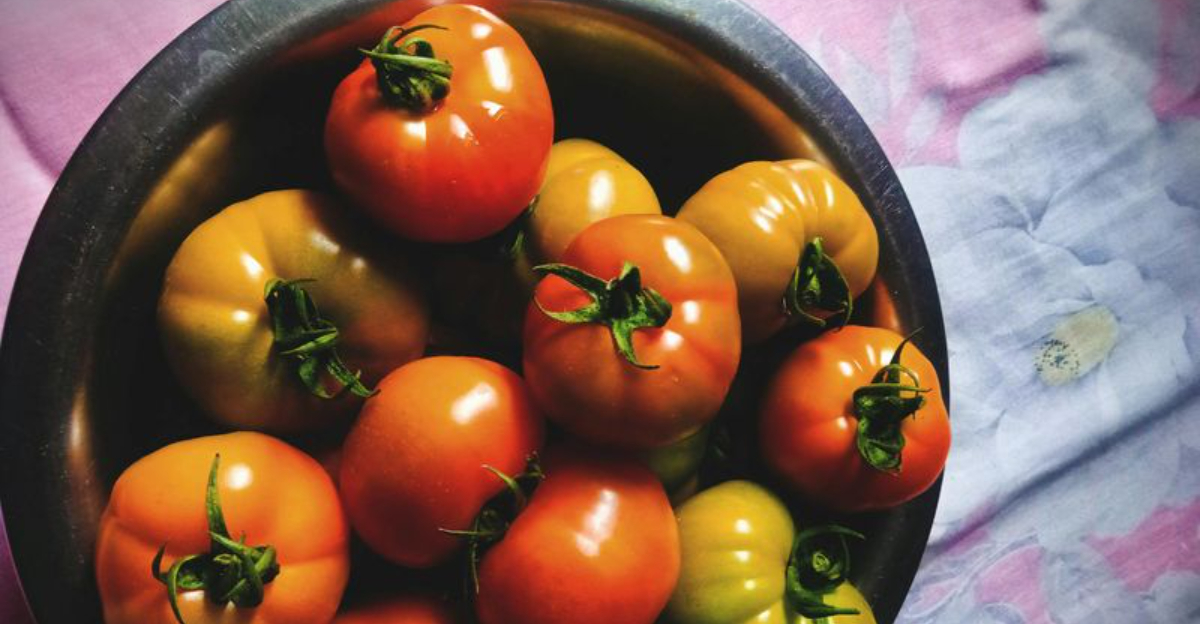
Fresh tomatoes
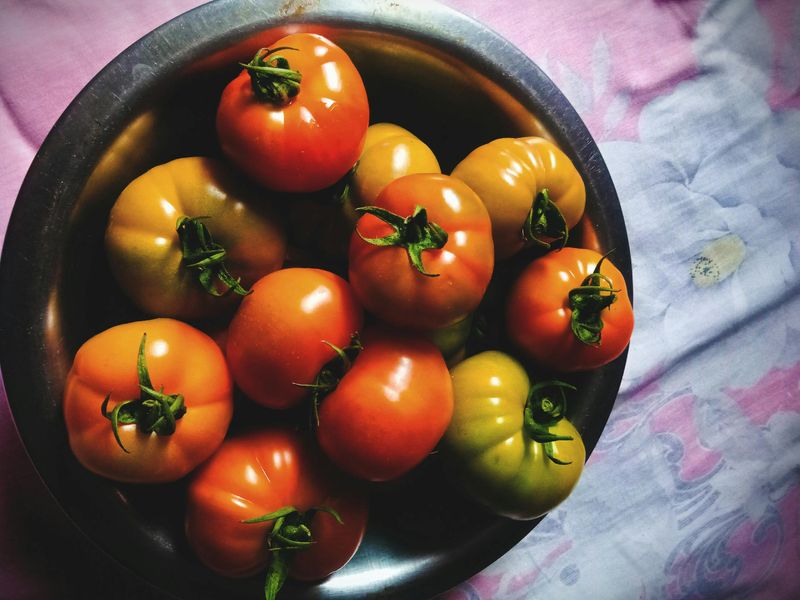
Fresh tomatoes look irresistible, glossy and bright, promising summer flavor year round. You toss them into salads and sauces, then wonder why some taste flat.
Ripeness, variety, and season change everything. Smell near the stem and look for heavy fruit with taut skin.
Buy in season when possible, or choose cherry tomatoes for reliable sweetness. Store at room temperature, not in the fridge, to protect texture.
Salt early for salads, roast to concentrate flavor, and save gel for dressings. Mix varieties for depth, then finish with olive oil, vinegar, and fresh herbs for a simple plate that feels restaurant worthy.
Enjoyed this story?
Add Fast Food Club as a preferred source to see more of our reporting on Google.