


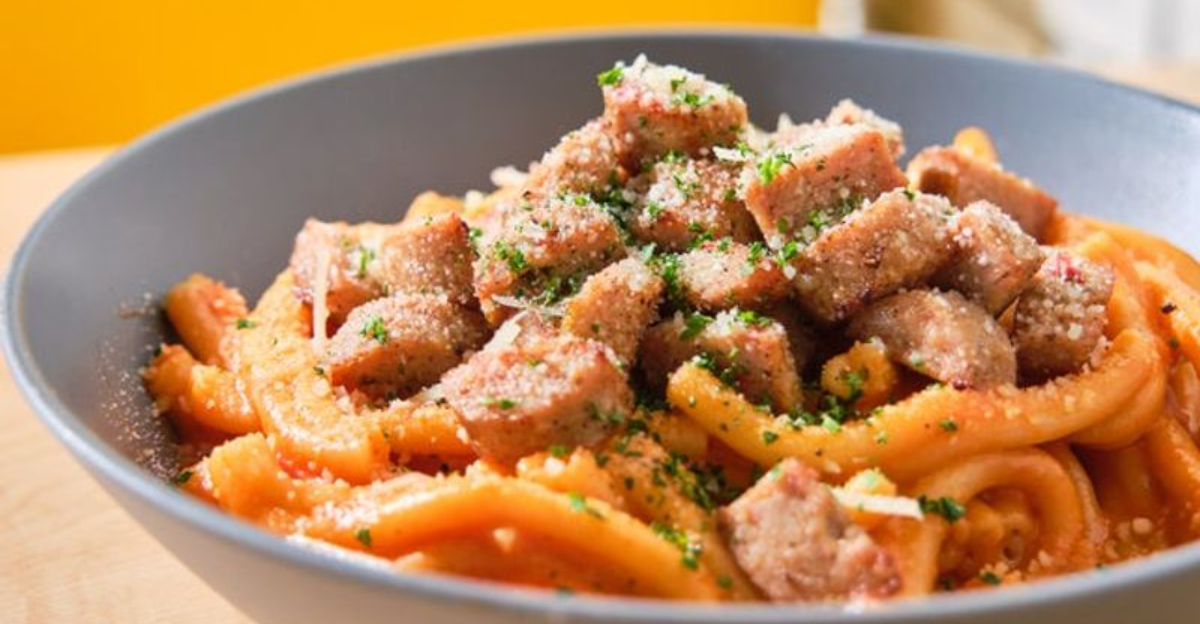
Some foods feel harmless in the moment, yet they can quietly shape your energy, mood, and health over months or years. You do not have to quit favorites forever, but knowing how they add up helps you make smarter swaps.
Small tweaks stack up fast, especially with everyday snacks and quick meals. Let’s break down what to watch for and what to do instead, so you feel better without feeling deprived.
Sugary Cereal
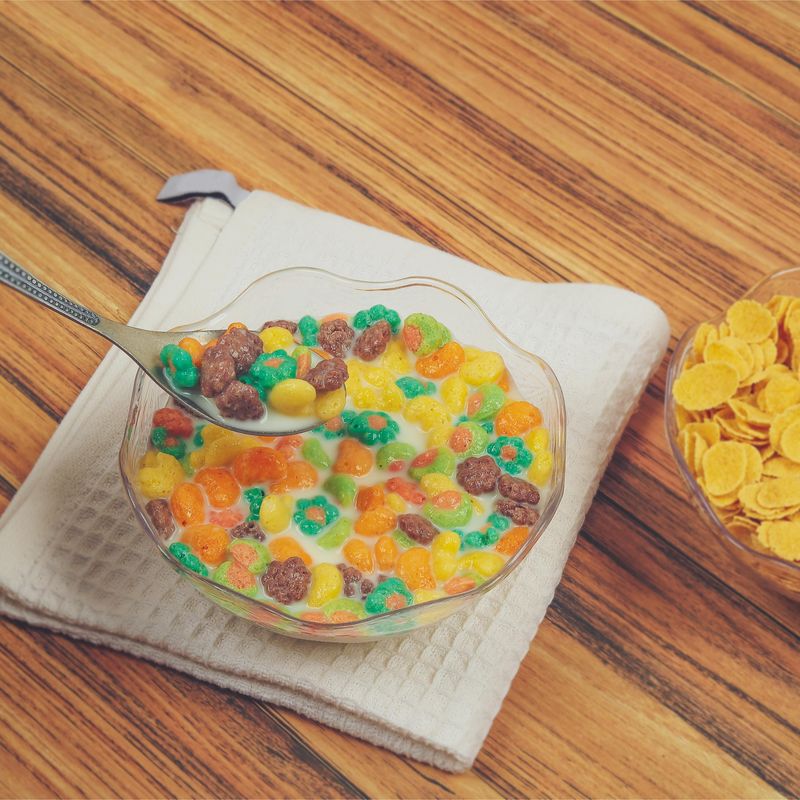
Sugary cereal feels harmless on busy mornings, but those sweet flakes can spike your blood sugar fast. Your body pumps out insulin, then leaves you crashing midmorning, hunting snacks.
Over time, that rollercoaster can nudge weight gain, crank up cravings, and train taste buds to expect dessert for breakfast.
Add fiber and protein, and you steady that curve while keeping energy longer. Check labels for whole grains and single digit sugars per serving.
If you still love the crunch, mix half cereal with nuts and seeds, pour milk or yogurt, and toss in berries, so you get sweetness without the spike.
White Rice
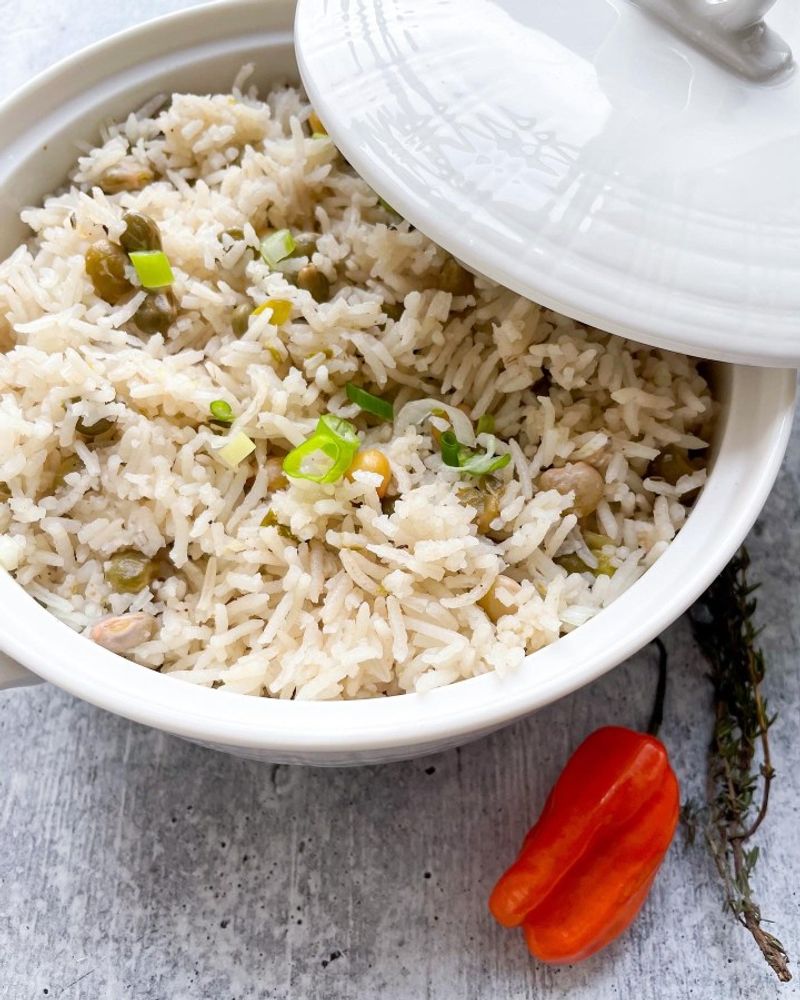
White rice is easy to love because it is soft, quick, and comforting. But it digests fast, sending blood sugar soaring, then sliding back down.
That pattern can leave you foggy, hungrier sooner, and more likely to overeat later, especially when dinner leans heavy on starch without protein or veggies.
You can still enjoy rice and feel steady. Try mixing half white with brown or wild rice for fiber, or cool cooked rice before reheating to bump resistant starch.
Pair with beans, eggs, tofu, chicken, or salmon, and pile on vegetables. Balance slows digestion, keeps energy even, and supports better long term health.
Soda
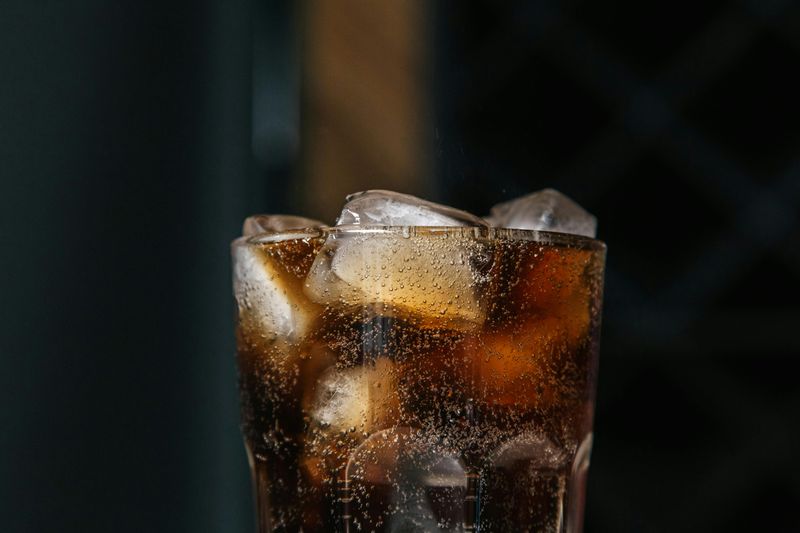
Soda delivers sugar straight to your system with almost no brakes. Liquid calories do not register fullness well, so you can drink hundreds of calories and still feel hungry.
Over months, that can raise triglycerides, promote belly fat, and chip away at insulin sensitivity, affecting mood, sleep, and focus.
If bubbles are your thing, switch to sparkling water with citrus, or try unsweetened iced tea. Even stepping down to half-sweet helps retrain your palate.
Keep soda as an occasional treat, not a default. Your future self will appreciate steadier energy, fewer afternoon slumps, and less of that sticky-sweet aftertaste that lingers.
Fast Food
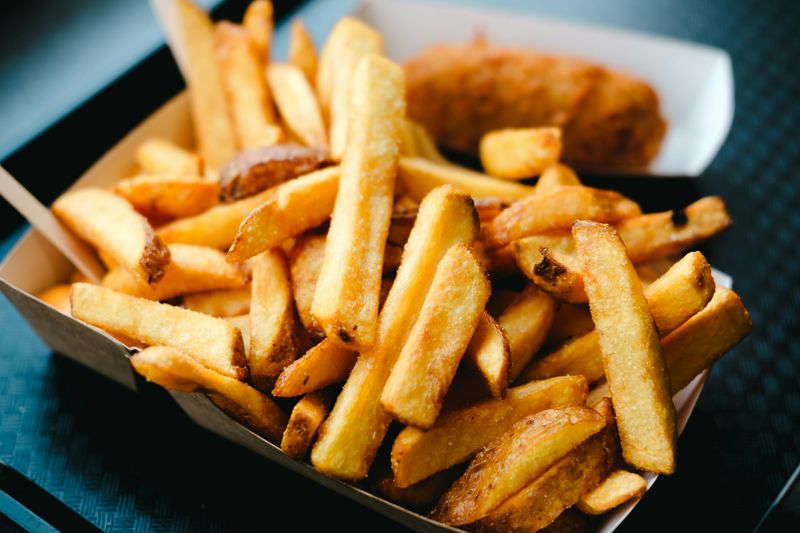
Fast food nails the bliss point with salt, sugar, and fat, making it hard to stop at one bite. Portions run big, protein can be low quality, and sides push refined carbs.
Over time, frequent meals like this may raise blood pressure, disrupt gut balance, and crowd out fiber and micronutrients.
You can still grab convenience without the crash. Choose grilled options, add veggies, skip extra sauces, and downsize fries.
Order water or unsweetened tea, and keep ketchup modest. Consider building a backup plan at home with quick proteins, prepped vegetables, and frozen whole grains.
Convenience can support health when you design it.
Fried Chicken
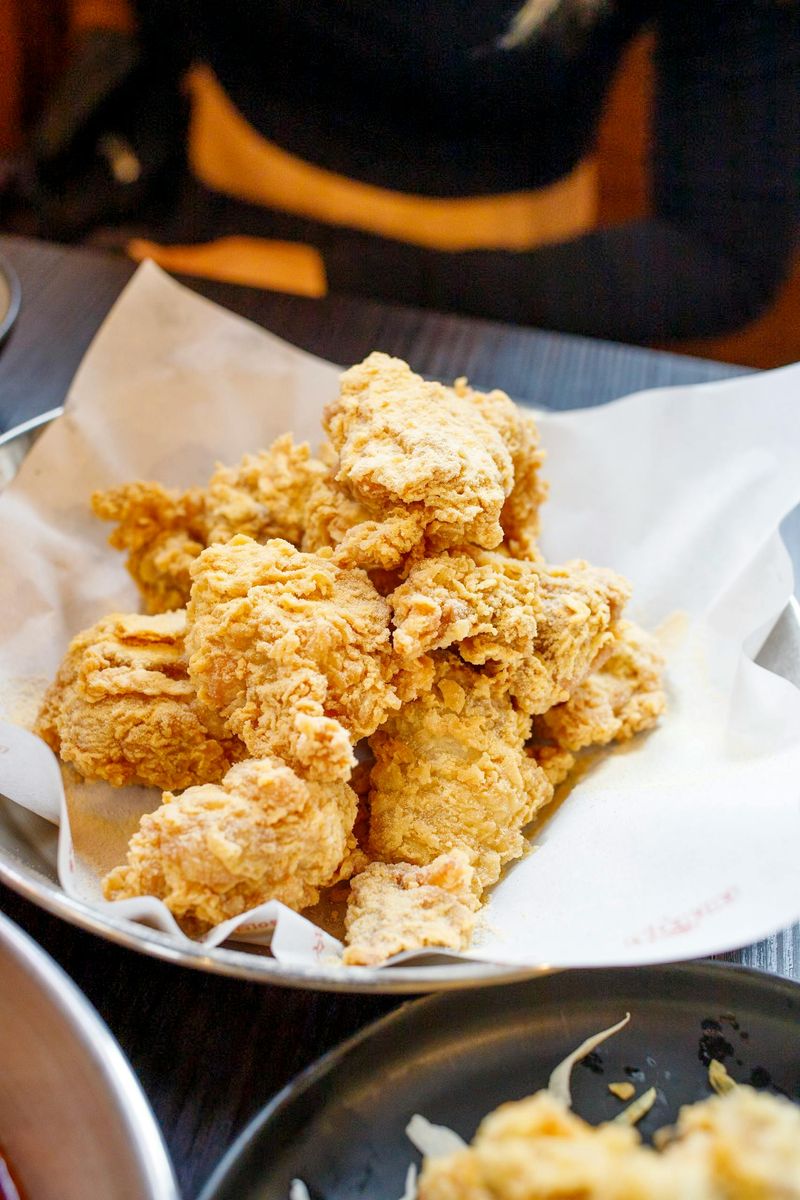
Fried chicken marries juicy meat with crunchy breading, but that crust soaks up oil. Deep frying often uses oils high in omega-6 fats, which can nudge inflammation when intake stays high.
Over months, frequent servings may raise LDL cholesterol, calorie load, and cravings for other salty, crispy foods.
Balance it by choosing smaller portions, removing some skin, and pairing with greens or slaw dressed lightly. Try oven-baked or air-fried versions with a spiced coating for crunch without the grease.
Rotate in grilled or roasted chicken for everyday meals. You still get satisfaction, just fewer hidden calories and a lighter aftermath.
Ice Cream
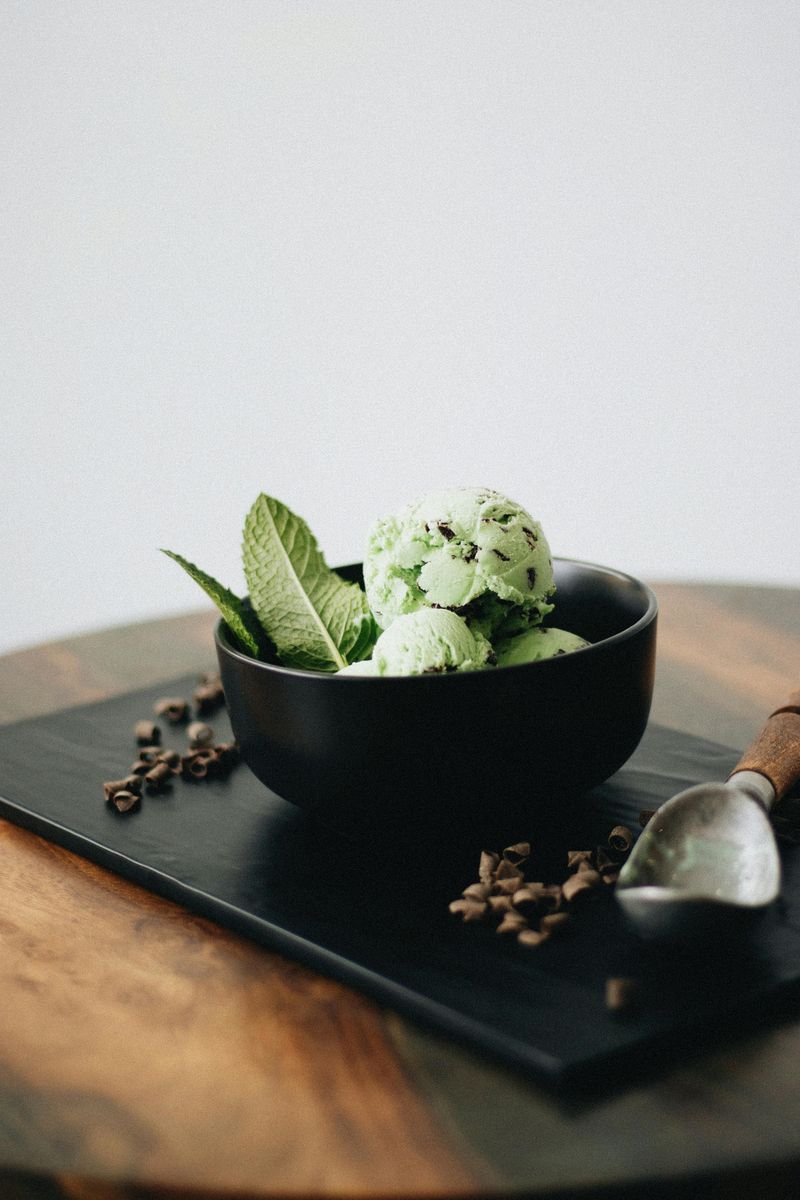
Ice cream brings happy nostalgia, yet it combines sugar with saturated fat, a duo that can quietly stack calories. Nightly bowls may nudge higher LDL, disturb sleep if dairy bothers you, and train you to crave dessert after dinner.
The quick dopamine hit fades, leaving you reaching for seconds.
You can still celebrate the ritual. Serve a smaller scoop, add fresh berries or toasted nuts, and savor slowly.
Try frozen yogurt, banana nice cream, or protein ice cream when you want volume. Keep it special, not automatic.
That way, delight stays high while the invisible long term costs stay low.
Donuts
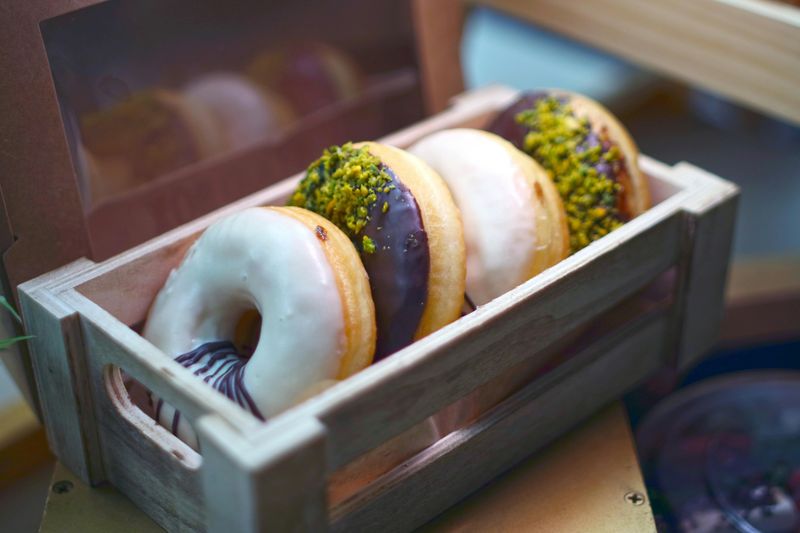
Donuts are a perfect storm of refined flour, sugar, and deep-fried fat. They digest fast, spike blood sugar, and rarely provide lasting fullness, so a second one sounds reasonable.
Over time, regular donut runs can encourage fat storage, reduce insulin sensitivity, and make breakfast feel incomplete without something sweet.
Keep the fun, shrink the fallout. Split one with a friend, or pair a small donut with eggs or Greek yogurt for protein.
Choose baked options or mini sizes when possible. When cravings hit, wait ten minutes, drink water, and reassess.
Often the moment passes, and you still enjoyed the ritual.
Pizza Slices
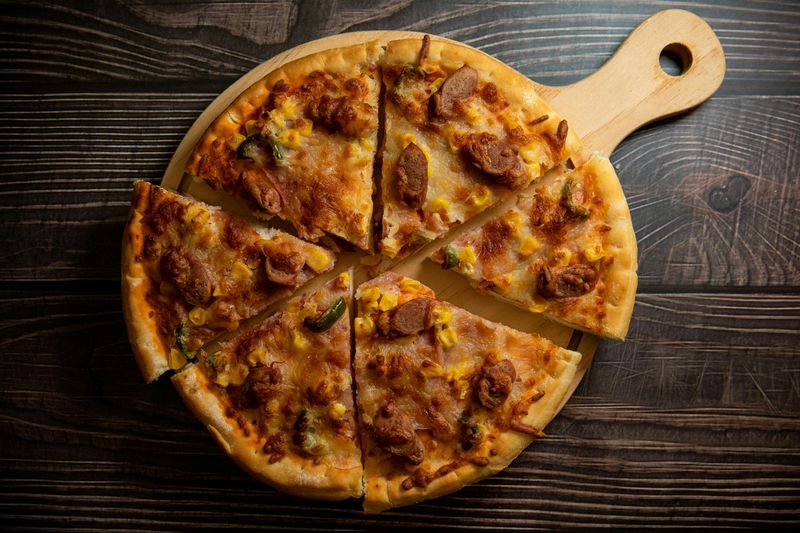
Pizza stacks refined crust, melty cheese, and salty toppings into craveable bites. One slice is not the issue, but a few can deliver heavy calories, sodium, and saturated fat without much fiber.
Over time, that combo can nudge blood pressure upward and make portion control tough when hunger roars.
Make pizza night work for you. Choose thin crust, load vegetables, and add a lean protein like chicken or mushrooms for substance.
Blot extra oil, start with a salad, and stop at comfortable enough. Pair with sparkling water and conversation.
Satisfaction rises when you slow down and enjoy each bite deliberately.
Chocolate Bars
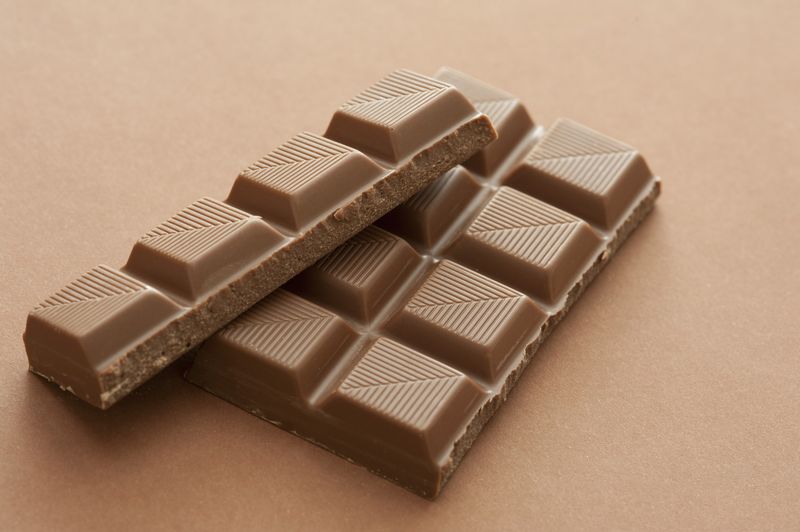
Chocolate can absolutely fit, but big milk chocolate bars bring sugar and fat that add up quickly. The creamy sweetness encourages nibbling past fullness, especially late at night.
Over time, that habit can creep into daily calories and make subtle inflammation markers worse, especially when paired with a sedentary stretch.
Choose darker chocolate with higher cacao and lower sugar, and pre-portion a few squares. Pair with tea or a glass of milk to slow the pace.
Add nuts or strawberries for texture and fiber. You still get the mood boost, but without quietly bulldozing your energy and appetite tomorrow.
French Fries
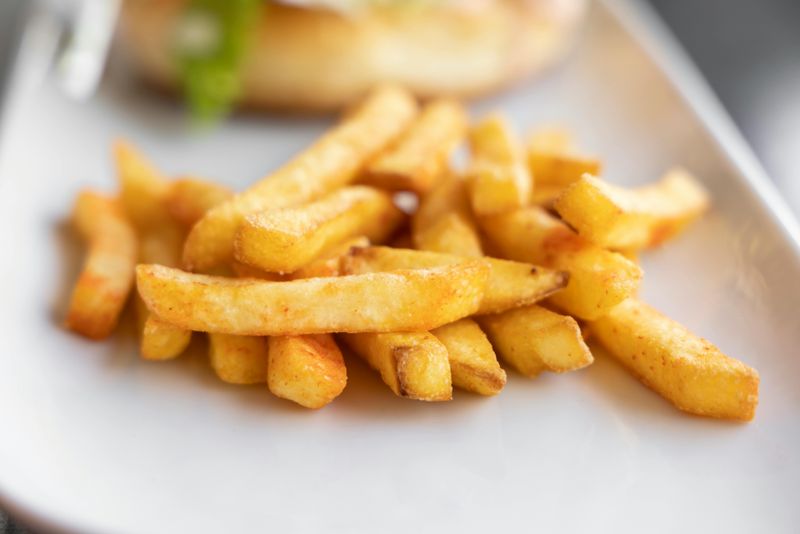
French fries are salty, crispy, and engineered for repeat bites. They pack starch plus oil, often from high omega-6 sources, which can tilt the inflammation scale over time.
Big portions arrive fast, and it is easy to finish them before the meal even starts, leaving you primed to overeat.
Order a small and share, or ask for extra greens. Consider roasted potato wedges at home with olive oil, garlic, and paprika for crunch without the fryer.
If eating out, dip rather than drench, and pause midway. Your palate resets surprisingly fast when you slow down, and you still enjoy the treat.
Milkshakes
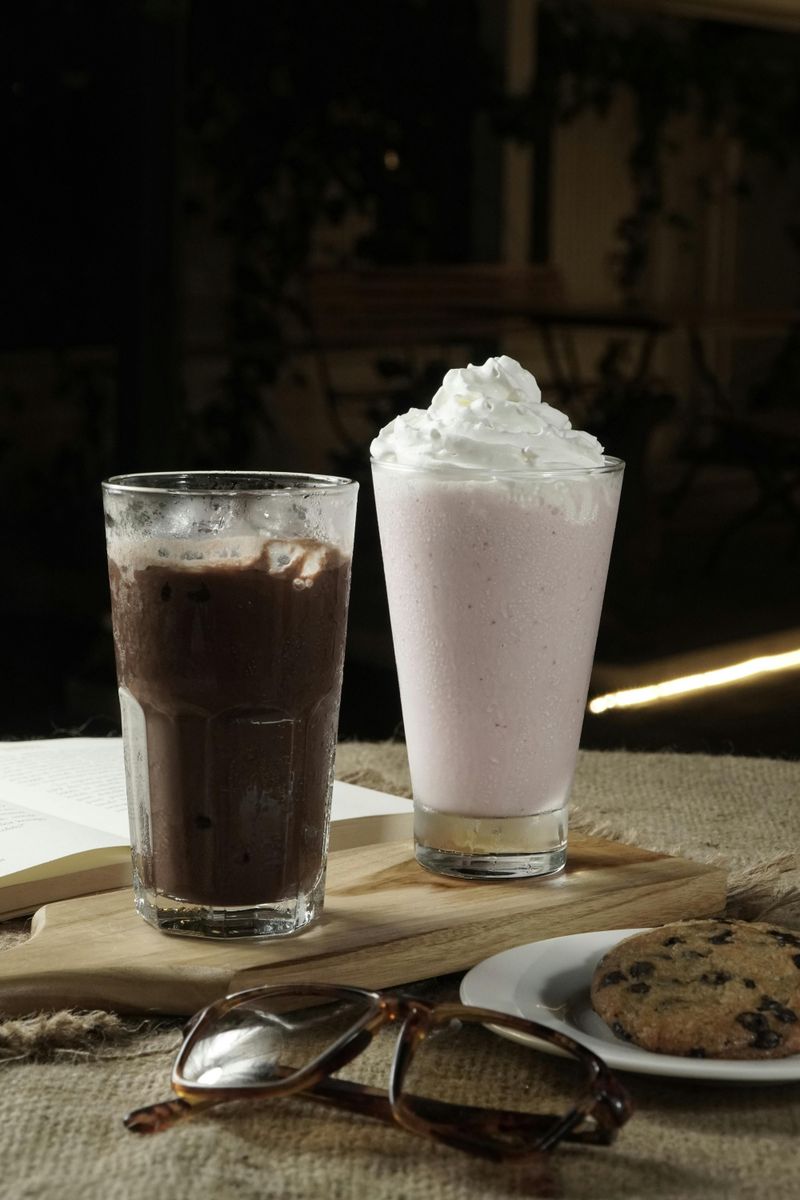
Milkshakes combine ice cream, milk, and syrups into a dessert that drinks like a meal. Because it is liquid, satiety signals lag behind the calories.
Over time, frequent shakes can raise triglycerides, push daily sugars upward, and crowd out protein and fiber that keep you even between meals.
Downsize to a kid cup, skip the whip, and share sips. Try a smoothie with Greek yogurt, fruit, and peanut butter when you want creamy richness with staying power.
If the craving will not budge, treat it like dessert after a balanced meal. You get joy now without borrowing energy from later.
Candy
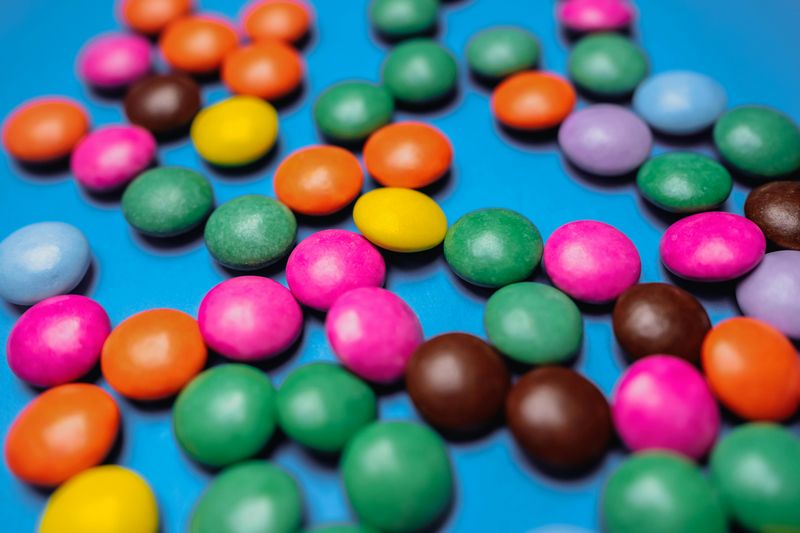
Candy hits quickly because it is mostly simple sugar with flavorings. It dissolves fast, spiking blood sugar and training your brain to chase tiny hits often.
That habit can sneak into afternoons and late nights, replacing real snacks and leaving you irritable, thirsty, and still weirdly unsatisfied an hour later.
Make it intentional. Keep candy in a hard-to-reach spot, choose small pieces, and pair with nuts for staying power.
Savor one or two, then switch activities to close the loop. Fruit, dark chocolate, or mint tea can also scratch the itch while keeping your future self happier.
Snack Cakes
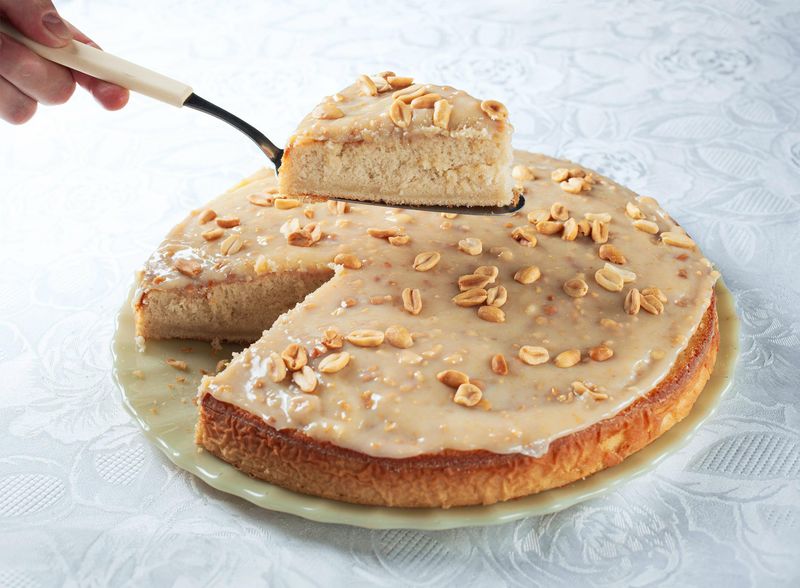
Snack cakes are ultra-processed, blending refined flour, sugar, oils, and additives for long shelf life. They melt fast, offer little fiber or protein, and make it easy to eat two without noticing.
Over months, they can raise daily calories and push your palate toward hyper-sweet, making real fruit taste dull.
Keep them for rare nostalgia. Build a snack kit with yogurt, fruit, nuts, cheese sticks, or whole grain crackers so you have options.
If you want cake, buy a single bakery slice and enjoy it mindfully. Small upgrades protect energy, skin, mood, and appetite from that quiet daily creep.
Hot Dogs
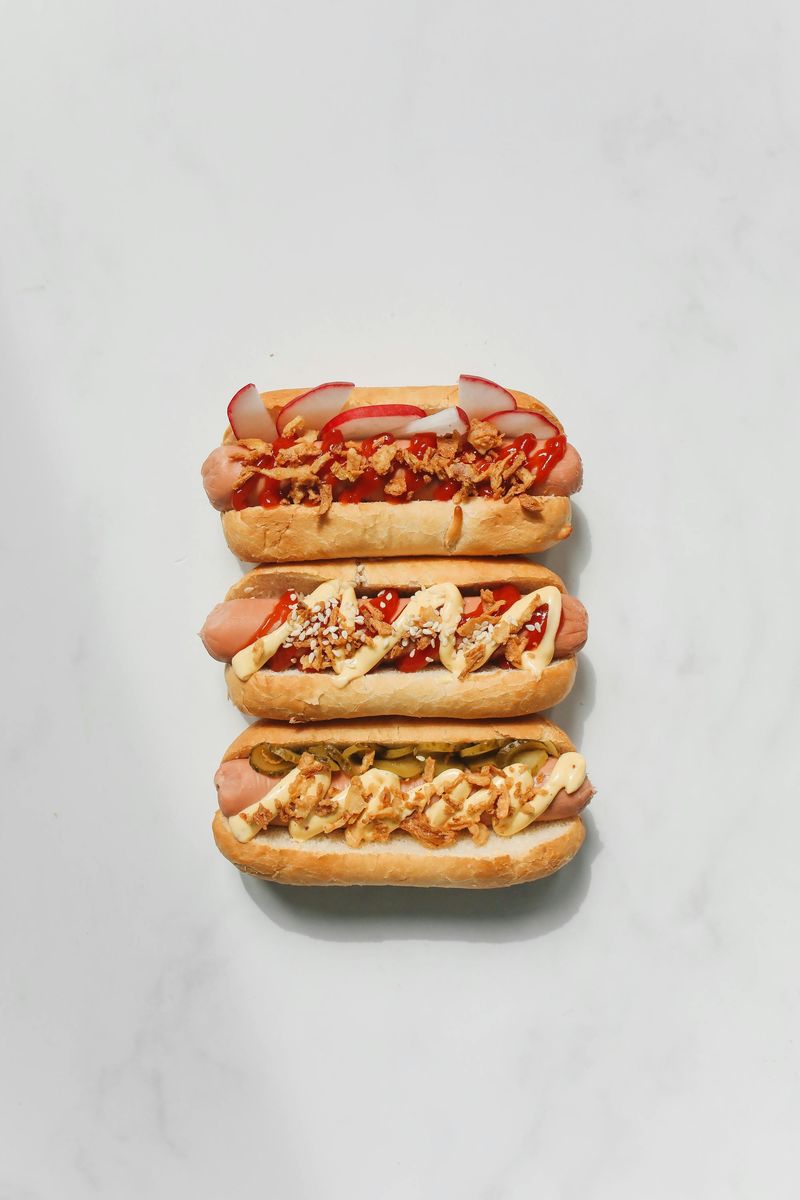
Hot dogs deliver protein, but they also bring sodium, saturated fat, and preservatives like nitrites. Regular intake has been linked to higher risks when processed meats stack up over time.
They can also drive thirst and water retention from the salt, making you feel puffy after cookouts and ballgames.
Keep the tradition, tweak the details. Choose uncured or lower sodium versions, and top with sauerkraut, onions, and mustard for flavor without sugar.
Add a side salad or bean dish instead of chips. Rotate with grilled chicken sausages or veggie dogs sometimes.
You still get the cookout vibe, minus the heavy aftermath.
Processed Cheese
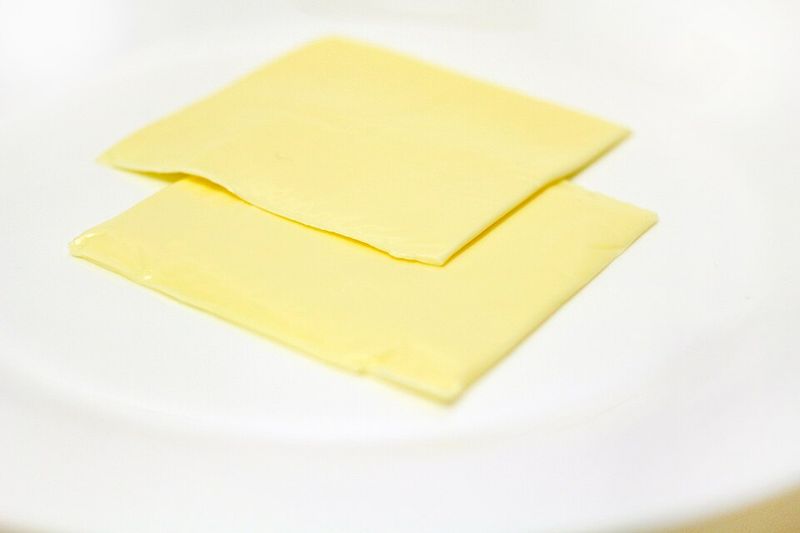
Processed cheese melts beautifully, but that smoothness often comes with emulsifiers, added salts, and fillers. It is convenient for sandwiches, yet the sodium sneaks up and the flavor can push you toward bigger portions for satisfaction.
Over time, frequent use may crowd out nutrient-dense cheeses with more protein and calcium per bite.
Use it strategically. Try sharp cheddar, feta, or Swiss for stronger flavor in smaller amounts.
Grate rather than stack slices to cover more surface with less. Pair cheese with vegetables or whole grains to balance saltiness.
You keep the melty joy while nudging your daily choices toward better nutrition.
Frozen Meals
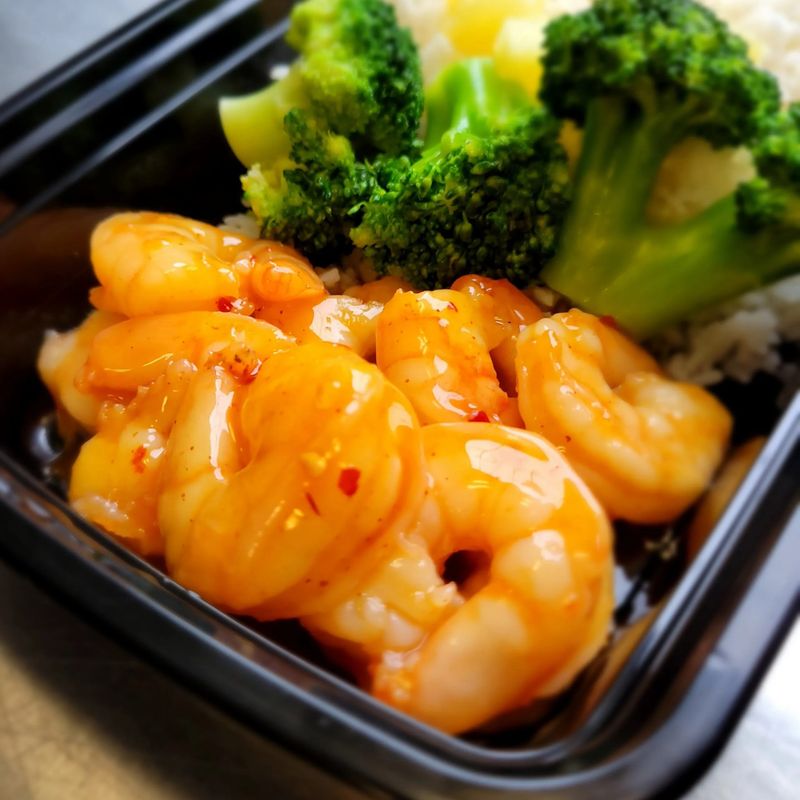
Frozen meals save time, but many pack sodium, refined starches, and small portions of vegetables. The convenience is real, yet daily reliance can raise blood pressure and leave you hungry an hour later.
Add that up over months, and you may notice swelling, thirst, and a pattern of nighttime snacking.
Use them as a base, not the whole plan. Add a side salad, extra veggies, or a quick protein like eggs, tuna, or edamame.
Choose options under 600 milligrams sodium per serving and higher fiber. Batch cook on weekends so weeknights feel easy without defaulting to salt-heavy trays.
Sweet Coffee
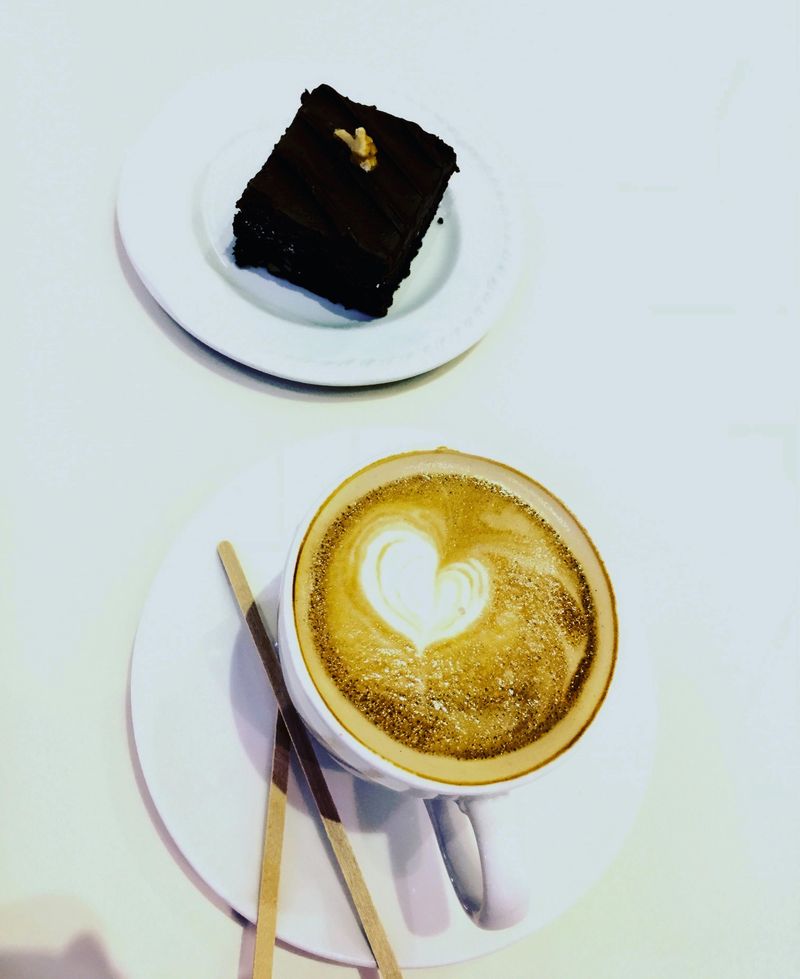
Sweet coffee drinks can act like dessert disguised as breakfast. Syrups, sauces, and whipped cream stack sugars that outrun any caffeine boost.
After the initial rush, you can feel jittery, then drained, and hungry before lunch. Repeat that loop daily, and it chips away at stable energy and focus.
Customize your cup. Ask for half-sweet, fewer pumps, or sugar-free syrups.
Choose milk you tolerate and add cinnamon or cocoa for flavor. Try cold brew or an Americano with a splash of cream if you love richness.
You still get the ritual, just without the rollercoaster hiding in your mug.
Butter Toast
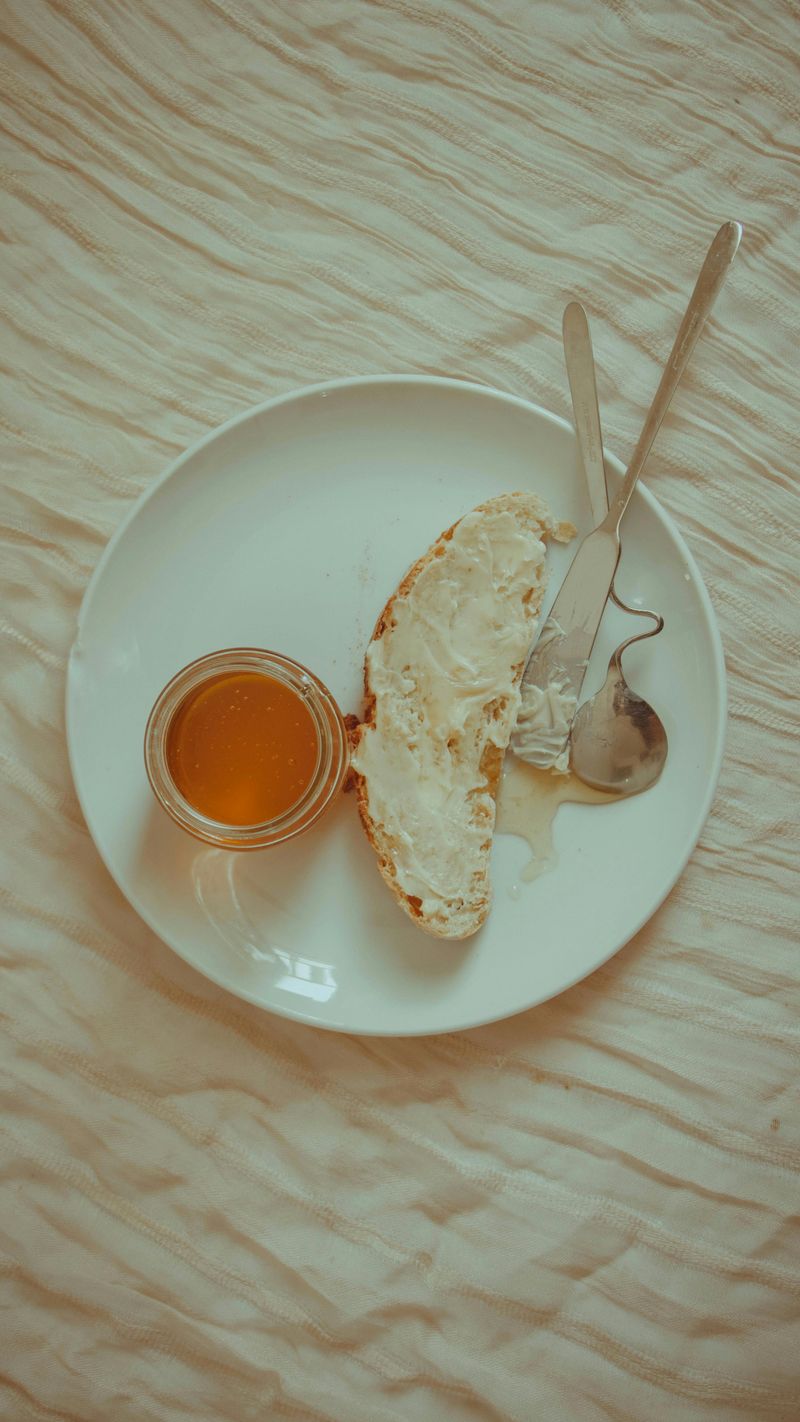
Butter toast is quick comfort, but white bread and butter together give you fast carbs plus saturated fat. That combo can feel cozy now, yet it rarely keeps you full, and the habit can crowd out protein and fiber at breakfast.
Over time, it becomes an easy default on tired mornings.
Upgrade without losing the vibe. Swap in whole grain or sourdough, and add peanut butter or avocado for staying power.
Top with egg, cottage cheese, or smoked salmon when you need more heft. Keep butter as a light accent.
You will notice steadier mornings and fewer snack raids before lunch.
Pasta
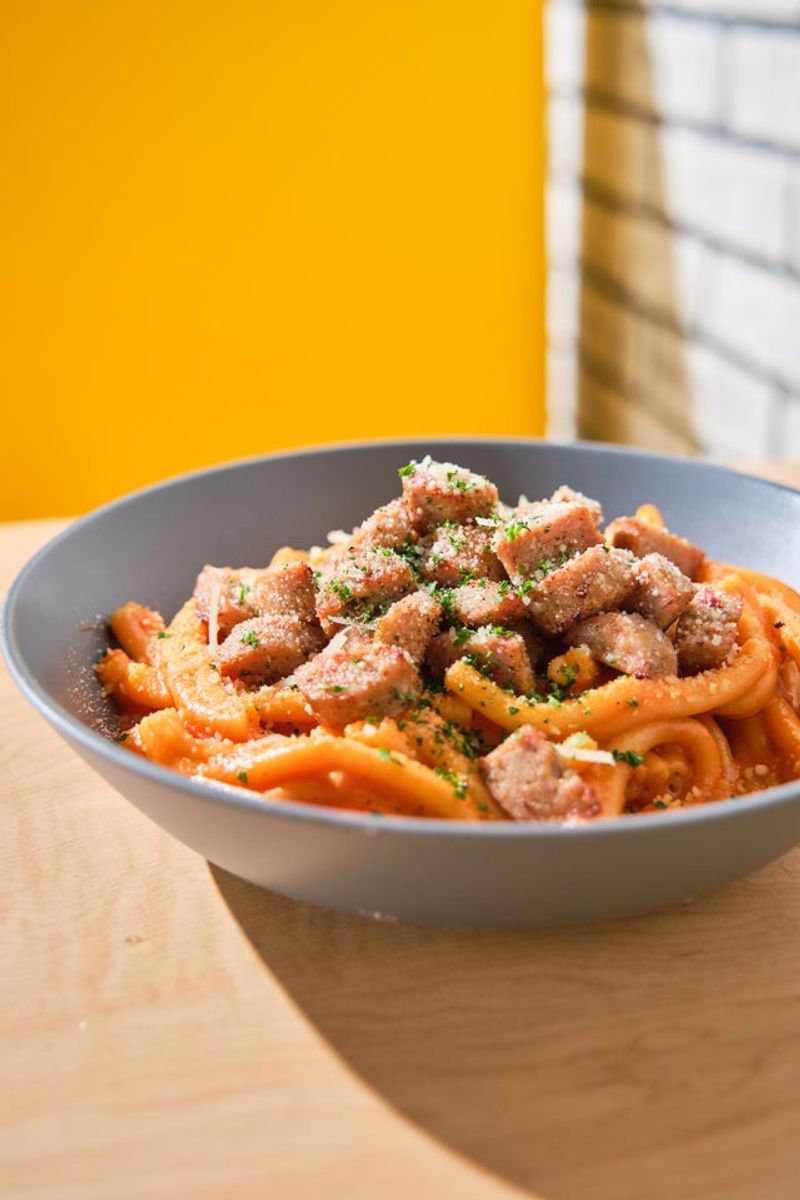
Pasta is cozy and satisfying, yet a giant bowl can sneak in more refined carbs than you expect. Without enough protein, fiber, and healthy fat, your blood sugar spikes, then energy dips.
Over time, that imbalance can encourage fat storage, drive cravings, and crowd out micronutrients your body needs.
You do not need to skip pasta night. Choose al dente whole grain or legume pasta, reduce the portion, and anchor your plate with vegetables and protein.
Add olive oil, pesto, or tomato sauce without loads of sugar. You will feel fuller on less and enjoy leftovers without the afternoon crash.
Enjoyed this story?
Add Fast Food Club as a preferred source to see more of our reporting on Google.