


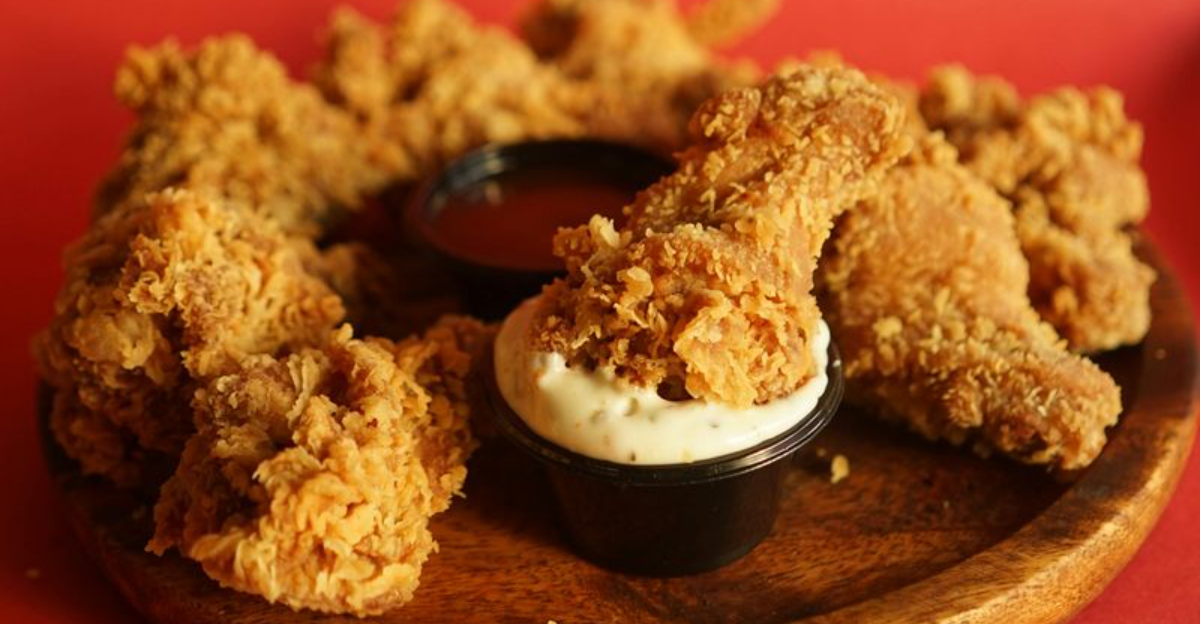
Ever notice your stomach acting up after certain meals, even when the food tastes amazing? You are not imagining it, and you are definitely not alone.
Some ingredients are more likely to spark bloating, gas, or reflux, especially when portions are big or timing is off. Here is a friendly guide to help you spot the usual suspects and feel better after you eat.
Onion Rings
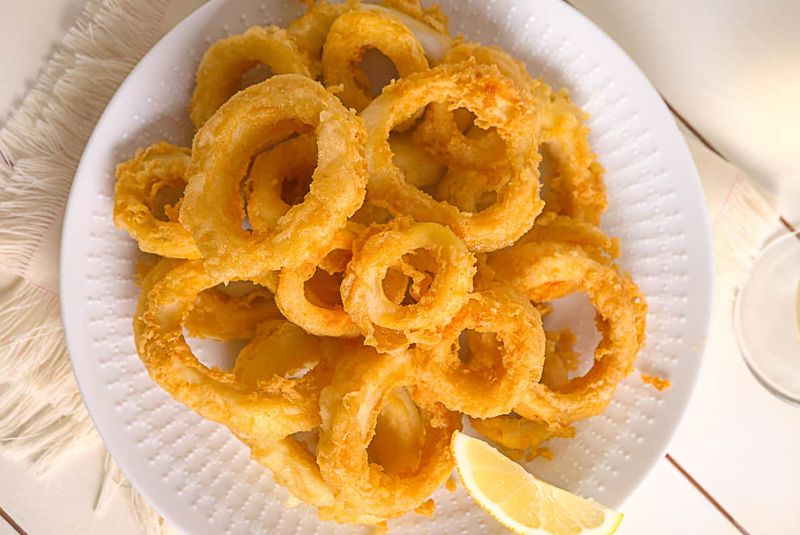
Onion rings seem harmless, but the combo of raw-ish onion layers and deep frying can be rough on digestion. Onions contain fructans that ferment in your gut and may cause gas, bloating, and cramping.
Add the greasy batter, and you might notice reflux, sluggish emptying, and that heavy, lingering fullness afterward.
Try baking lightly battered onion slices or sautéing onions until sweet and soft to reduce triggers. Pair them with lean protein and vegetables so fiber steadies the meal.
If sensitive, keep portions small, skip creamy dips, and sip water between bites. Your belly will likely thank you later sooner.
Spicy Chili
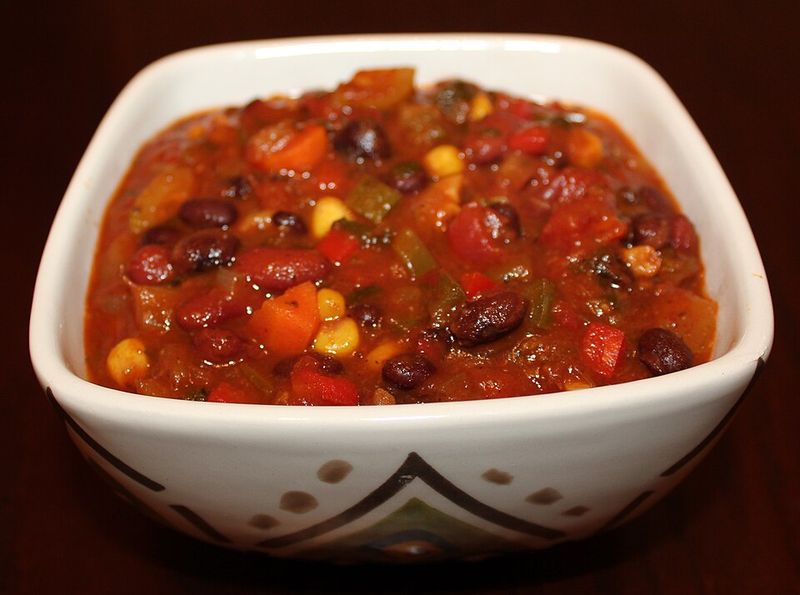
Spicy chili can light up your palate while lighting up heartburn, too. Capsaicin from hot peppers may irritate the esophagus and speed or slow gut motility unpredictably.
Beans add fermentable carbs that feed gut bacteria and create gas, and tomato base raises acidity, which can compound reflux and discomfort.
Tame the heat with fewer chiles, more broth, and a dollop of plain yogurt instead of sour cream. Choose well rinsed beans or substitute lentils, and add diced carrots for gentle fiber.
Eat slowly, avoid late night servings, and keep portions moderate so your digestive system keeps peace with the spice.
Garlic Bread
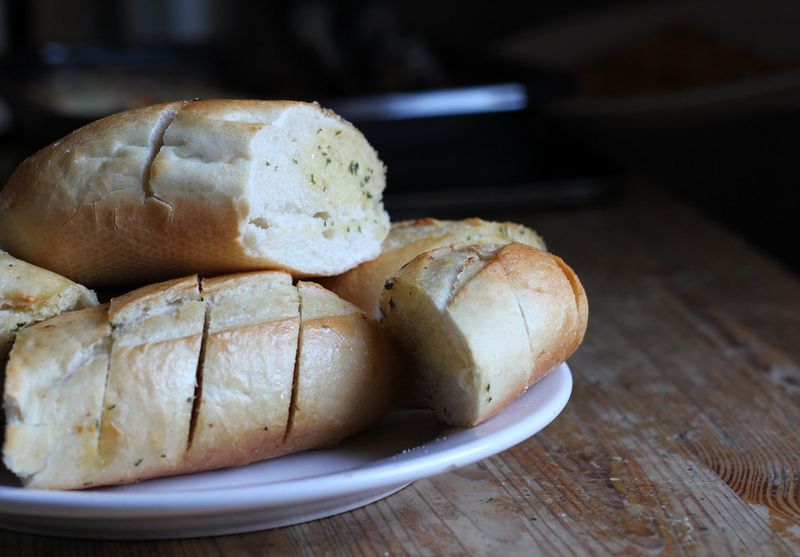
Garlic bread smells irresistible, yet it can stir up bloat and reflux for many. Garlic contains fructans that ferment, while butter and oil coat the stomach, slowing emptying.
Crisped edges may feel heavy, and the white bread base spikes quickly, potentially worsening indigestion and that puffy, tight feeling after dinner.
Swap in sourdough, use olive oil lightly, and rub with cut garlic instead of piling on minced cloves. Add parsley and a sprinkle of salt for flavor without overload.
Pair with a green salad, chew thoroughly, and keep slices modest so your gut enjoys the aroma without the aftermath tonight.
Ice Cream

Ice cream feels soothing going down, yet cold, creamy dairy can upset sensitive stomachs. Lactose challenges digestion for many adults, and the fat content slows gastric emptying.
Add chocolate or cookie mix ins and you might see extra gas, cramps, or reflux, especially if you eat it late at night.
Try lactose free options, lighter gelato, or small scoops paired with berries. Let it soften a bit before eating to avoid gut clenching cold.
Choose daytime treats, sip water slowly, and limit toppings. Your sweet tooth still wins, while your digestion gets a friendlier, less turbulent ride overall today friend.
Milkshakes

Milkshakes combine dairy, sugar, and often syrups, which can hit digestion hard. Lactose and high fat slow emptying, while super sweetness draws water into the gut and can cause cramping.
Thick textures also encourage fast sipping, leading to air swallowing and bloating before your stomach realizes it is already full.
Downsize the cup, sip slowly with pauses, and ask for less syrup. Choose dairy free versions made with lactose free milk or almond milk, and add a banana for body.
Share with a friend, or treat it like dessert, not a meal, so your system keeps calm after the slurp.
Soda

Soda is fizzy fun, but carbonation means swallowed bubbles expand in your stomach and intestines. That pressure can trigger belching, bloating, and reflux, especially with big gulps.
Many sodas also contain caffeine and acids that irritate the esophagus, plus lots of sugar or sweeteners that pull water into the gut.
Choose smaller cans, let the drink go slightly flat, or switch to still water with citrus. If you love the bite, try chilled seltzer without added acids.
Sip slowly, skip straws, and pair with food to soften the impact. Your belly avoids the bubble storm while you still enjoy refreshment.
Potato Chips
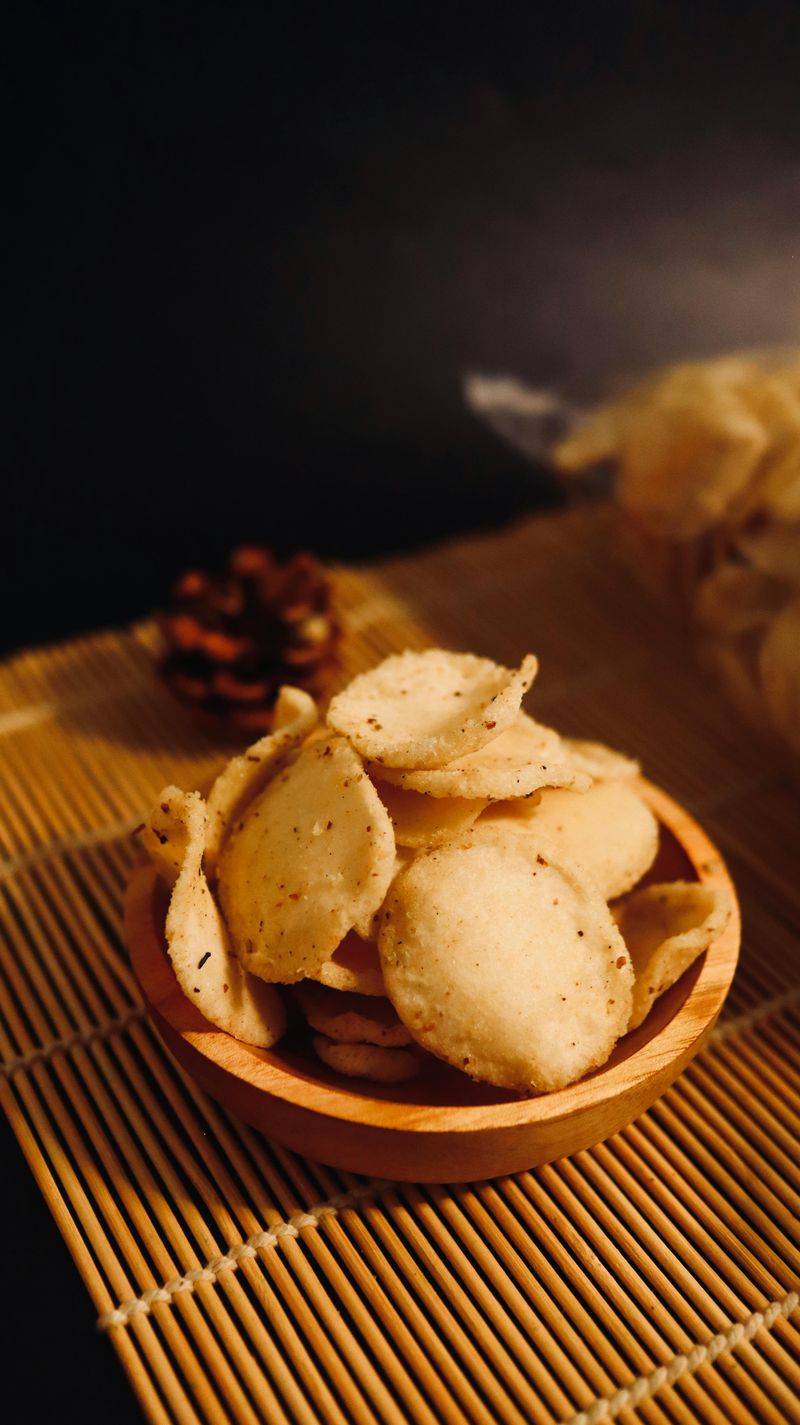
Potato chips deliver crunch but often sit heavy due to fat and salt. The oil slows digestion and may relax the lower esophageal sphincter, increasing reflux.
Seasonings like onion powder, garlic powder, and artificial flavors can irritate sensitive guts, while rapid snacking easily leads to overeating before fullness signals arrive.
Reach for baked versions, go unsalted when possible, and portion chips into a bowl. Pair with hummus or yogurt dip for protein and balance.
Eat mindfully, sip water, and add crunchy veggies to satisfy the craving. You keep the enjoyable crisp while sparing your stomach an oily, sodium loaded aftermath.
Creamy Pasta
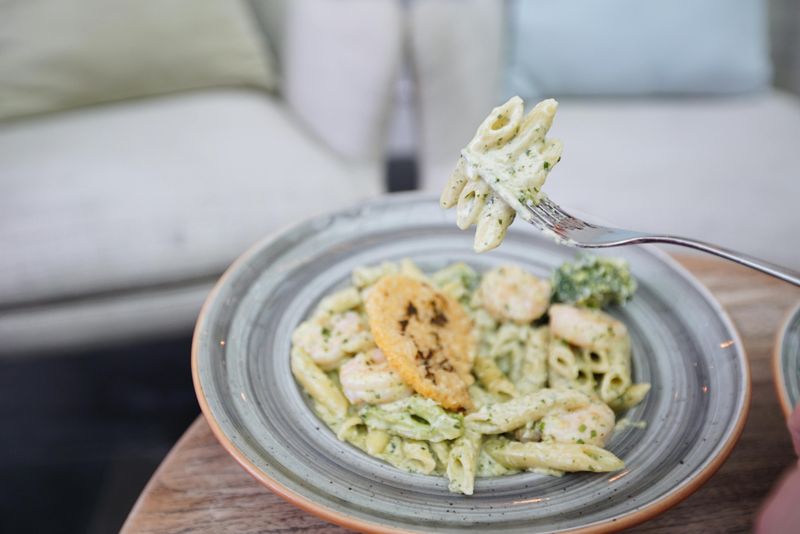
Creamy pasta brings comfort, but cream and cheese pack saturated fat that slows digestion and provokes reflux. White noodles offer little fiber, so everything lingers longer than you hoped.
Rich sauces may also include garlic and onion, layering fermentable triggers that lead to bloating, gas, and that uncomfortably tight waistband.
Lighten it by swapping part cream for broth, stirring in puréed cauliflower, or choosing a cashew based sauce. Cook pasta al dente and add peas or spinach for gentle fiber.
Keep portions smaller, eat slowly, and finish with a walk so your body processes the indulgence without a pit stop.
Sausage Links

Sausage links pack fat, salt, and spices that can unsettle sensitive stomachs. The casing and dense texture take longer to break down, increasing chances of reflux or heaviness.
Garlic, pepper, and onion powders add fermentable or irritating elements, while breakfast timing means you might feel off for hours afterward too.
Opt for lean chicken sausage, remove casings, and pan sear gently to render extra fat. Pair with sautéed greens and whole grains to keep things moving.
Season with fennel and herbs instead of heavy spice blends. Smaller links, slower bites, and plenty of water can help your gut stay comfortable.
Pepperoni Pizza
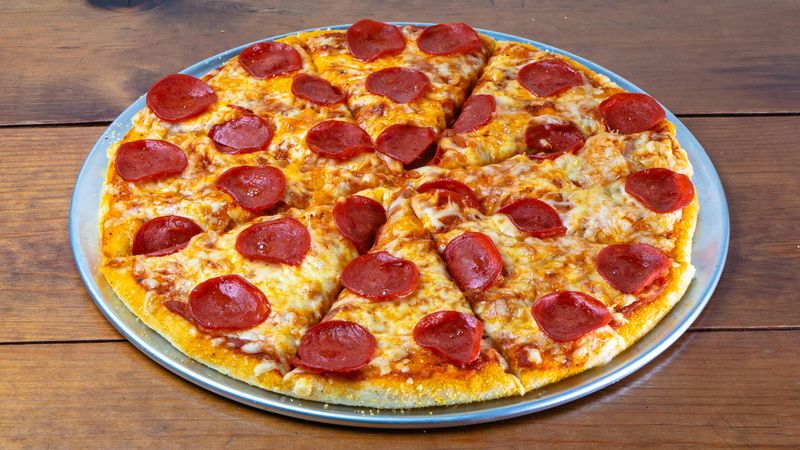
Pepperoni pizza layers several digestive hurdles at once. Greasy cured meat, melted cheese, and acidic tomato sauce can slow emptying and stoke reflux.
The crust is often refined, offering little fiber to buffer the load, and generous slices invite overeating before your stomach signals that it has had enough tonight.
Downsize your portion, blot excess oil, and add a side salad with vinaigrette. Choose thin crust, extra veggies, and lighter cheese, or try half tomato sauce and half pesto.
Eat slowly, pause between bites, and sip water. You can still enjoy pizza night without the uncomfortable post meal spiral feeling.
Processed Deli Meat
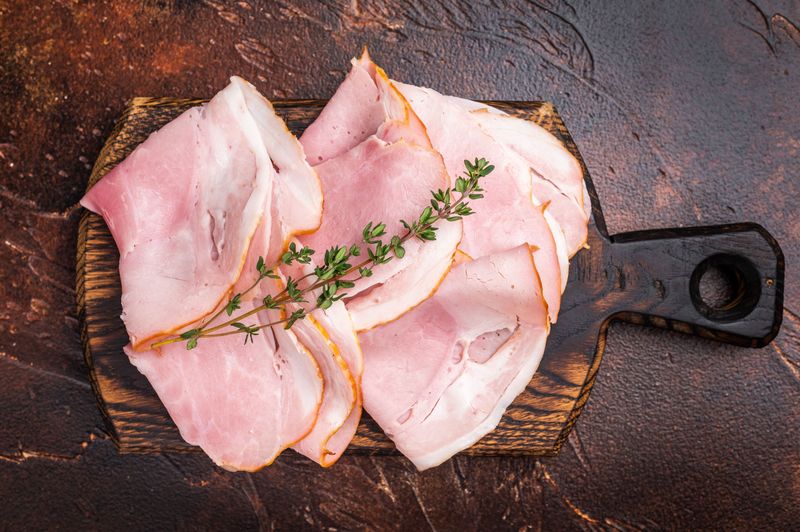
Processed deli meat is convenient, yet it can be tough on digestion. High salt, preservatives, and added seasonings may irritate the gut and promote water retention.
Many slices are fatty, which slows gastric emptying and can worsen reflux, especially when stacked on white bread with cheese, mayo, and pickles inside.
Choose lean, minimally processed options like roasted turkey, and ask for thicker cuts to use fewer slices. Load sandwiches with greens, tomatoes, and mustard for moisture instead of creamy spreads.
Go whole grain, eat slowly, and keep portions modest. Your digestion appreciates the balance while lunch still tastes satisfying today.
Baked Beans
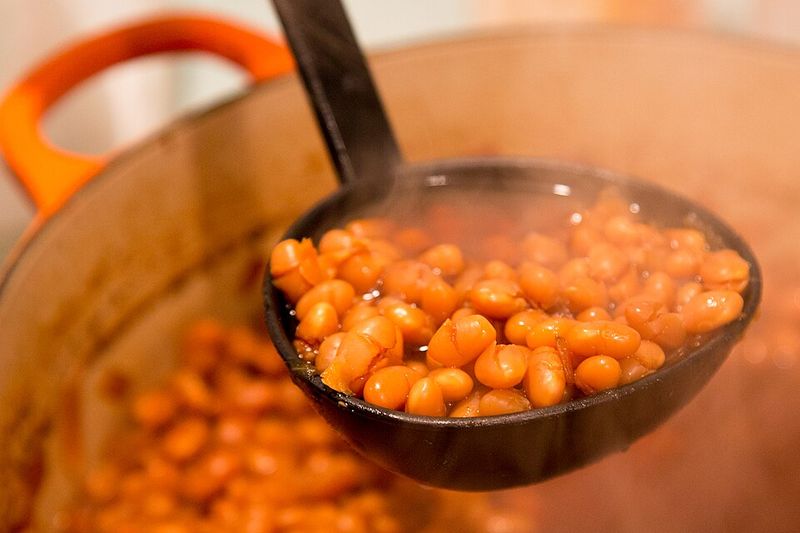
Baked beans are hearty yet notorious for gas. Beans contain oligosaccharides that ferment in the colon, creating bloating and pressure.
Many canned versions add brown sugar, molasses, and onion or garlic, which can intensify fermentation and reflux. The sticky sauce sticks around, too, prolonging fullness after what seemed like a simple side.
Drain and rinse beans before cooking, simmer longer, and add bay leaf, cumin, or asafoetida. Use less sweet sauce, stir in diced carrots, and serve smaller portions beside greens.
Chew thoroughly and eat earlier in the day. Your gut bacteria will still feast, but you will feel comfortable.
Coleslaw
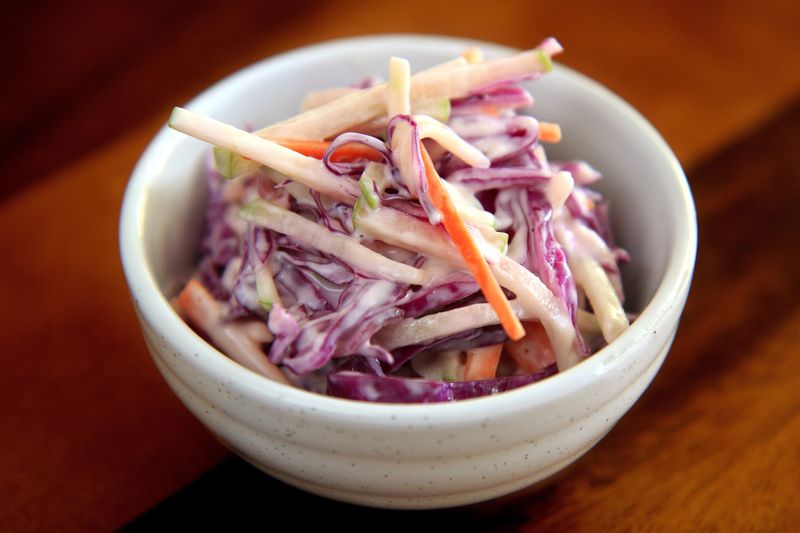
Coleslaw seems fresh, but raw cabbage contains sulfur compounds and fiber that can create gas. Recipes are drenched in creamy dressing, adding fat that slows digestion and may prompt reflux.
Sugar in the sauce can worsen fermentation, leaving you with a ballooned belly after what looked like a lighter choice.
Choose vinegar based slaw, salt and drain cabbage first, and add carrots and herbs. Use Greek yogurt or a half-and-half dressing to cut richness.
Serve small portions alongside warm, cooked dishes to balance textures. Chew well and take your time so your gut handles the crunch without payback later today.
Chocolate Bars
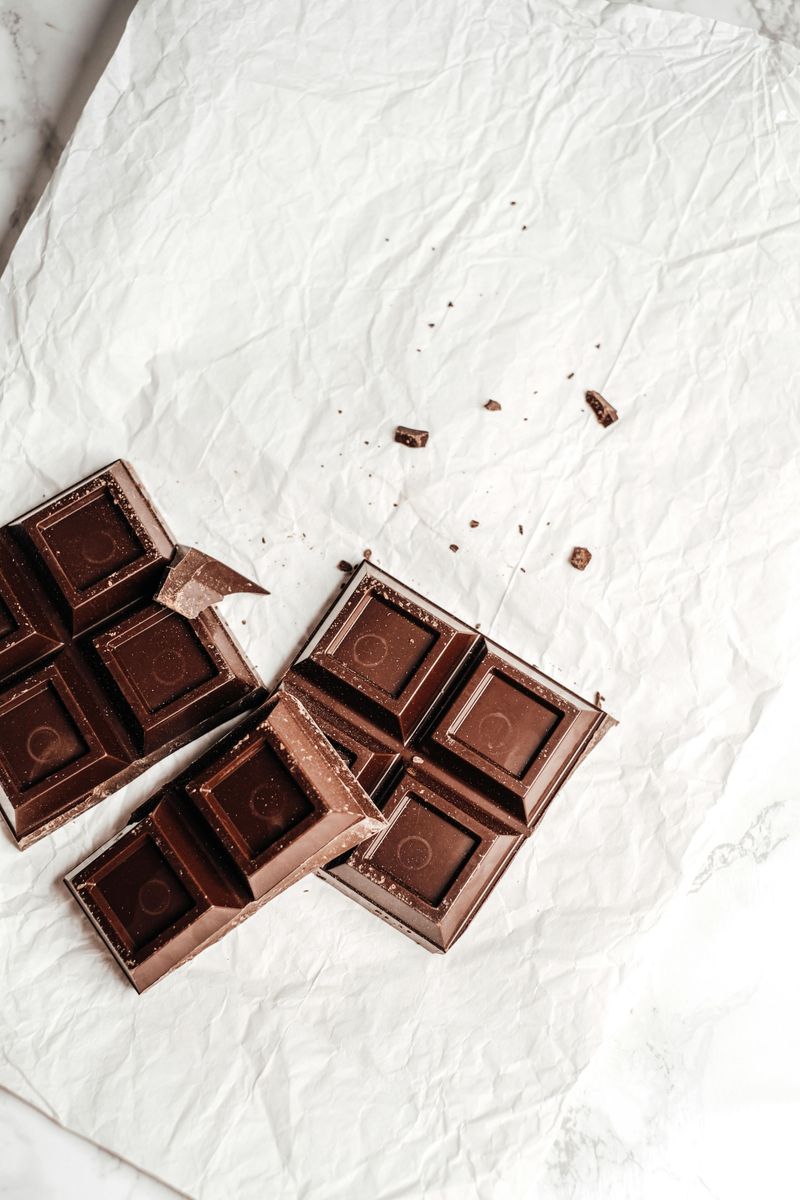
Chocolate bars taste amazing, yet cocoa, fat, and sometimes caffeine can provoke reflux and cramps. Sugar concentrations draw water into the intestines, and add ins like nuts or caramel may challenge sensitive guts.
If you nibble quickly, swallowed air and the rush of sweetness can leave you gassy and uncomfortable.
Pick darker chocolate with less sugar, savor slowly, and limit portion size. Pair a square with berries or a few almonds so fiber and protein steady your gut.
Avoid eating it right before bedtime. You keep the joy of chocolate while giving your digestion a smoother, more predictable experience overall.
Glazed Donuts
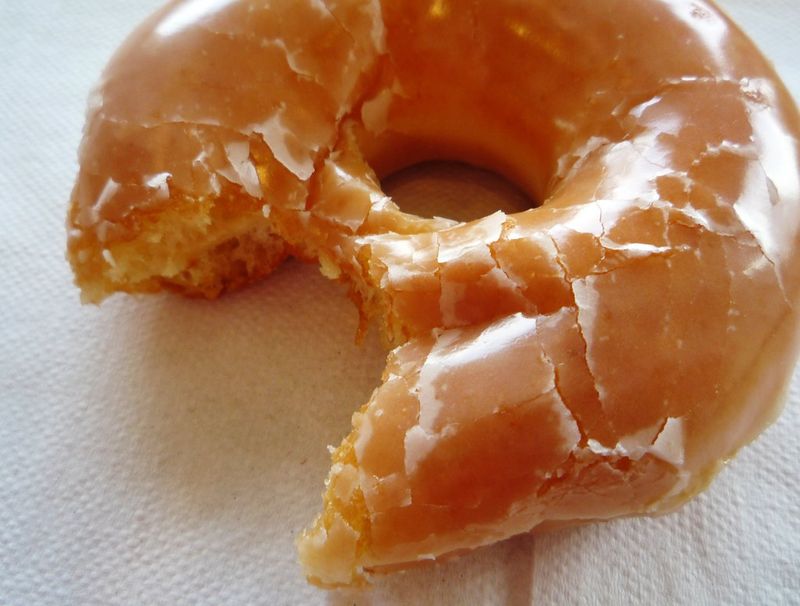
Glazed donuts are a quick delight that can quickly unsettle digestion. Refined flour plus deep frying and sugary glaze create a fast spike, then sluggishness and reflux.
The sweet coating may also feed fermentation downstream, leading to gas and cramping, especially if you eat them on an empty stomach today.
Buy smaller rings, split one with a friend, and add coffee with milk for balance. Better yet, choose a baked version and pair with eggs or yogurt.
Take slow bites, pause between them, and drink water. Your energy and digestion both fare better when sweetness arrives with company, not alone.
Buttered Popcorn

Buttered popcorn seems light, but butter and oils can coat your stomach and slow emptying. Movie portions encourage nonstop munching, making reflux and bloating more likely.
Artificial flavors may irritate sensitive guts, and the hulls can scratch on the way down, leaving a prickly, unsettled feeling that lingers long afterward.
Air pop kernels, drizzle olive oil lightly, and sprinkle nutritional yeast for flavor. Choose smaller bowls, sip water, and pause to check fullness.
If you react to hulls, pick tender mushroom kernels or hull-less varieties. You get the cozy crunch while helping your digestion stay calm through the closing credits.
Cheeseburgers
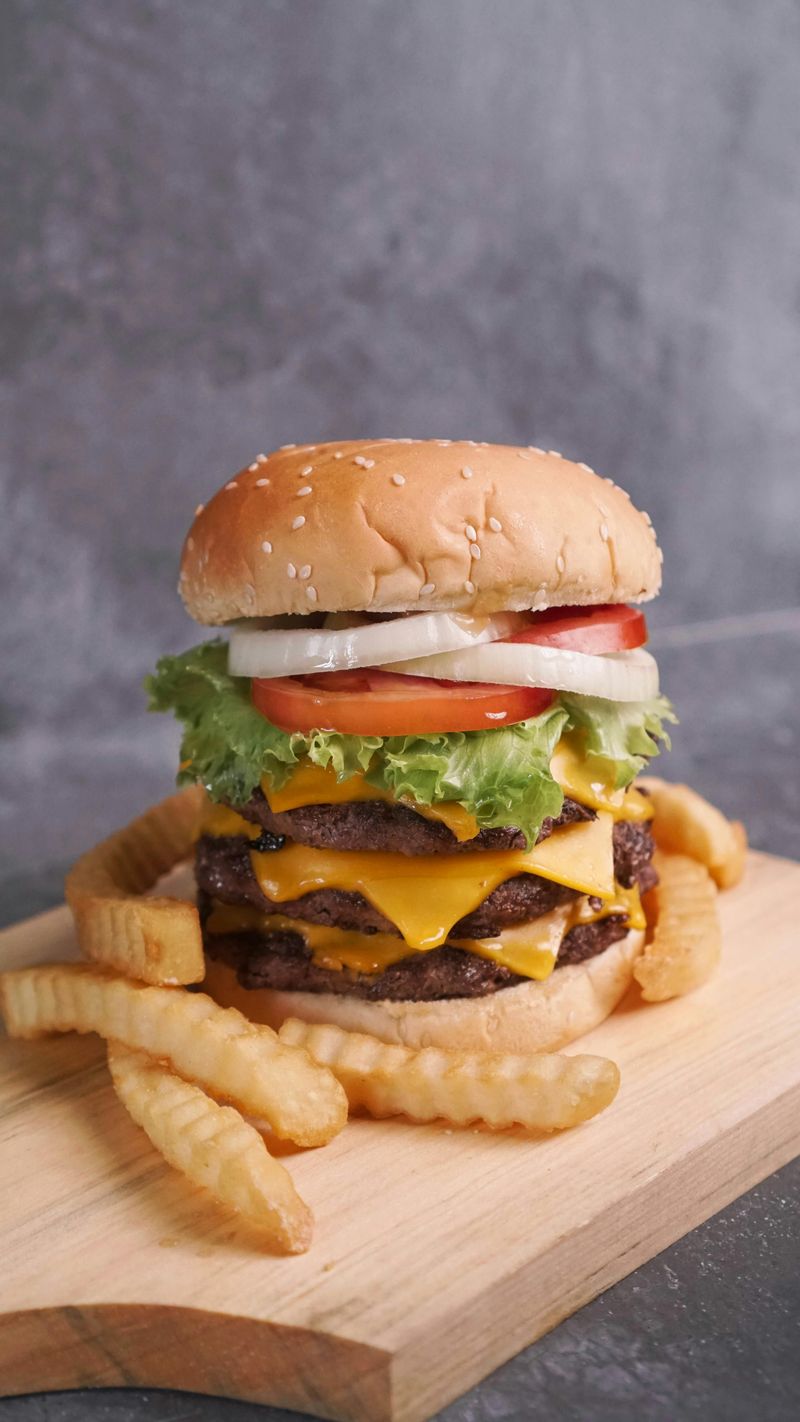
Cheeseburgers deliver protein, but high fat beef, cheese, and buttery buns can weigh heavily on digestion. Frying or grilling to well done may render fat that triggers reflux.
Piling on onions, pickles, and creamy sauces adds acidity and fermentable elements, leaving you bloated and sleepy after a seemingly simple meal.
Choose leaner patties, grill gently, and blot excess grease. Go open faced or use whole grain buns, then stack lettuce and tomato.
Swap heavy sauces for mustard or yogurt blends. Eat slowly, add a side of crunchy veggies, and sip water so your gut handles burger night without backlash tonight.
Loaded Nachos
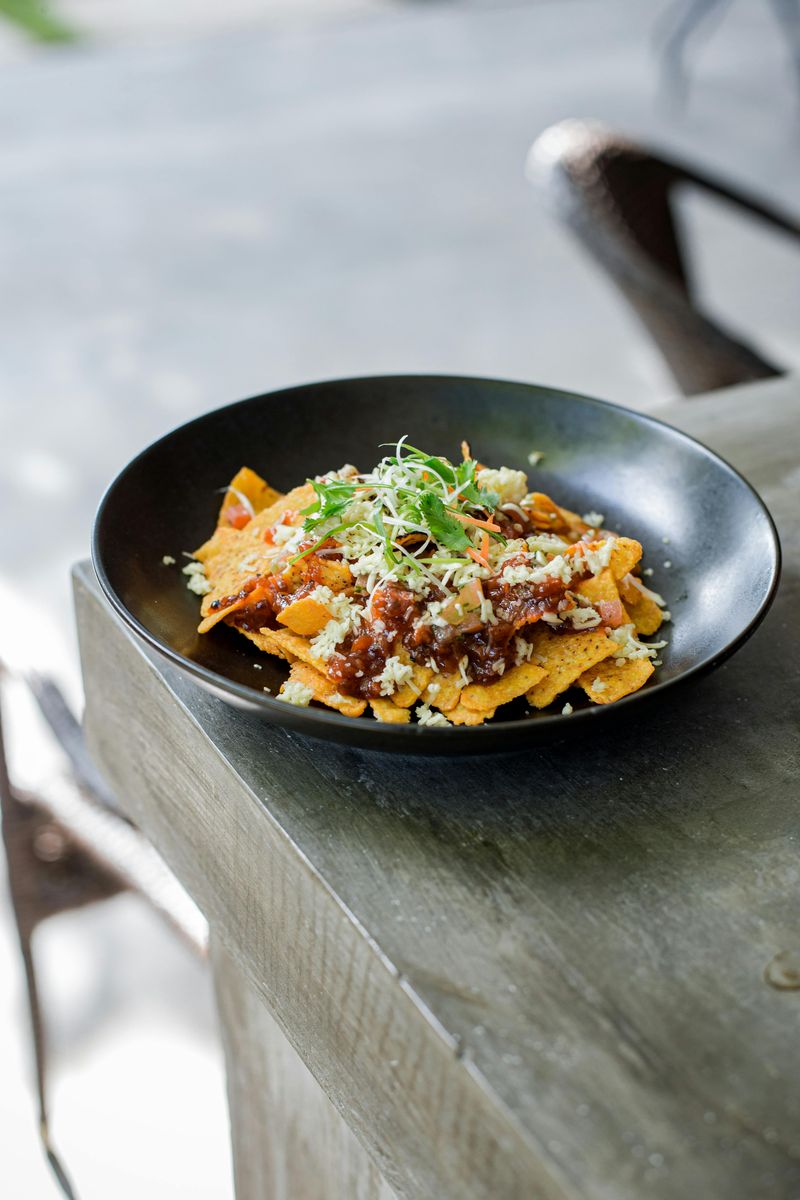
Loaded nachos pile on cheese, sour cream, beans, and jalapeños, which can overwhelm digestion. The fried chips deliver oil that slows emptying, while toppings add fat, spice, and fermentable carbs.
Big platters invite speed eating and air swallowing, so gas, reflux, and cramps often follow the fun, especially late nights.
Spread toppings thinner, add grilled chicken and veggies, and choose baked chips. Swap sour cream for yogurt, go lighter on cheese, and boost salsa.
Pace yourself, share the plate, and sip water between bites. You enjoy the party flavors while sparing your stomach the post game penalty that ruins sleep.
Brown Gravy
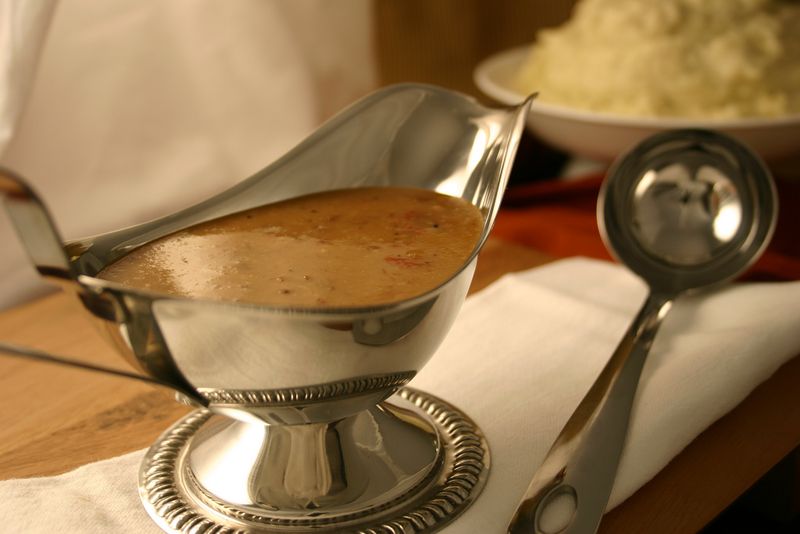
Brown gravy tastes cozy, yet it can unsettle digestion with fat, flour, and concentrated drippings. Roux and pan fats slow emptying and may relax the lower esophageal sphincter.
Packets and jars often add onion powder, garlic, and salt, which can trigger bloating or water retention and a heavy, lingering fullness.
Skim fat, use reduced sodium stock, and thicken with cornstarch or arrowroot. Brighten with herbs and a splash of vinegar to cut richness.
Serve smaller ladles over lean meat and vegetables instead of drowning everything. Eat slowly and stop when satisfied so comfort food stays comforting without a stubborn aftermath.
Fried Chicken
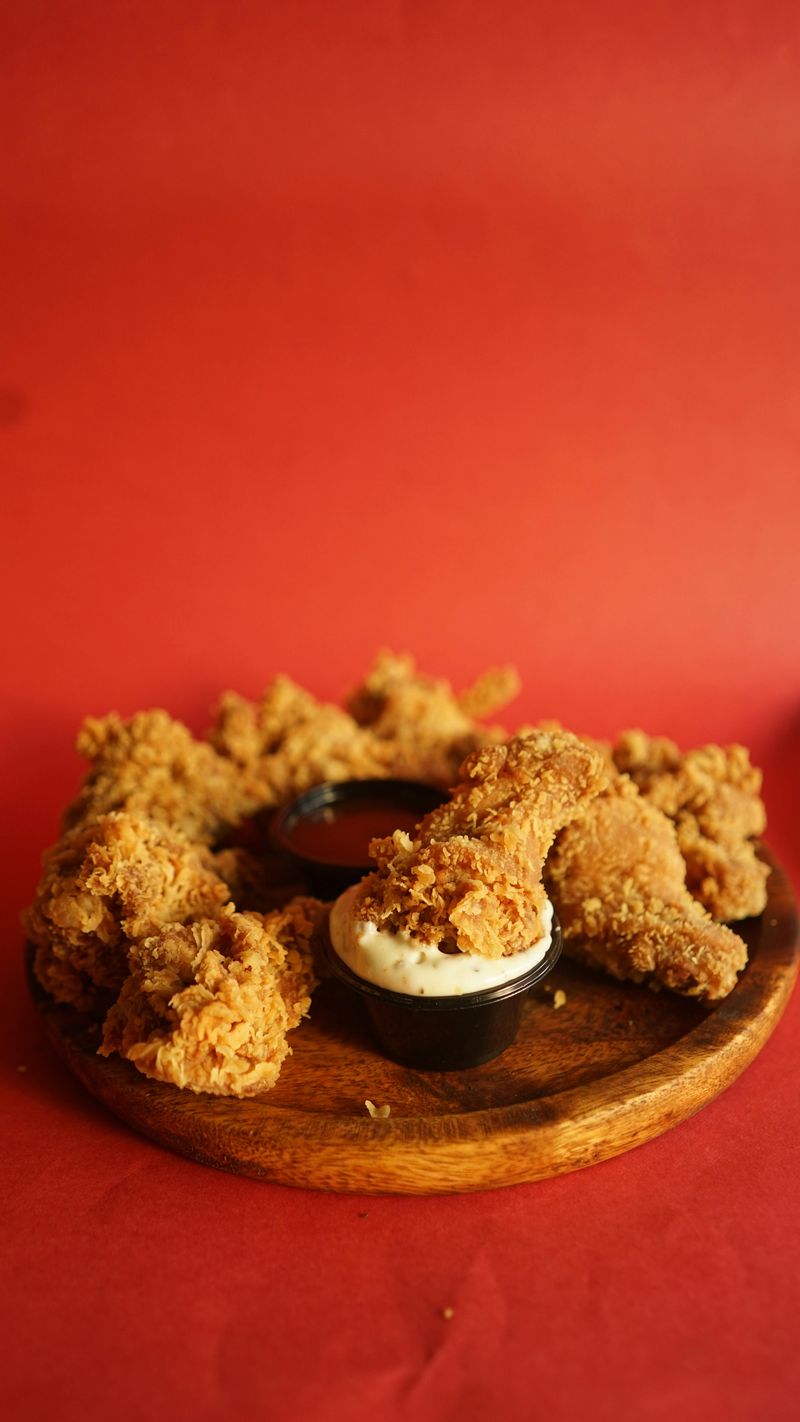
Fried chicken might hit your taste buds just right, yet your stomach can feel overwhelmed afterward. Heavy breading, deep frying, and skin mean lots of fat that slows digestion and can trigger reflux.
If you tend to bloat, the crunchy coating plus hidden seasonings often spark gas and discomfort.
To make it easier, choose baked or air fried pieces without skin, and go lighter on portions. Pair with a crisp salad instead of fries so fiber helps things move along.
When eating out, ask for grilled chicken, request sauces on the side, and chew slowly to gently reduce digestive strain.
Enjoyed this story?
Add Fast Food Club as a preferred source to see more of our reporting on Google.