


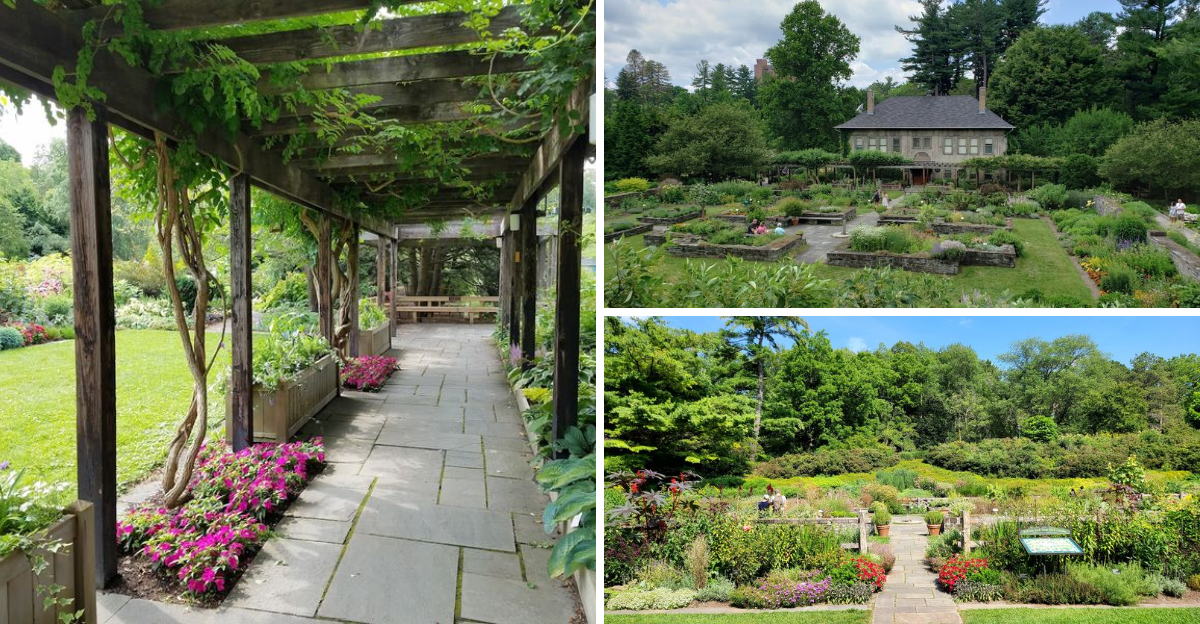
Tucked inside the heart of Cornell University’s campus in Ithaca, New York, Cornell Botanic Gardens is one of those rare places that feels like stepping into a living, breathing storybook. Spanning an incredible 4,000 acres, this free-to-visit gem has been welcoming nature lovers since 1875.
From fragrant herb gardens to quiet woodland trails and shimmering ponds, every corner offers something new to discover. Whether you’re a curious kid, a plant enthusiast, or just someone who needs a peaceful escape, this garden will leave a lasting impression on your heart.
Free Admission Makes It Accessible for Everyone
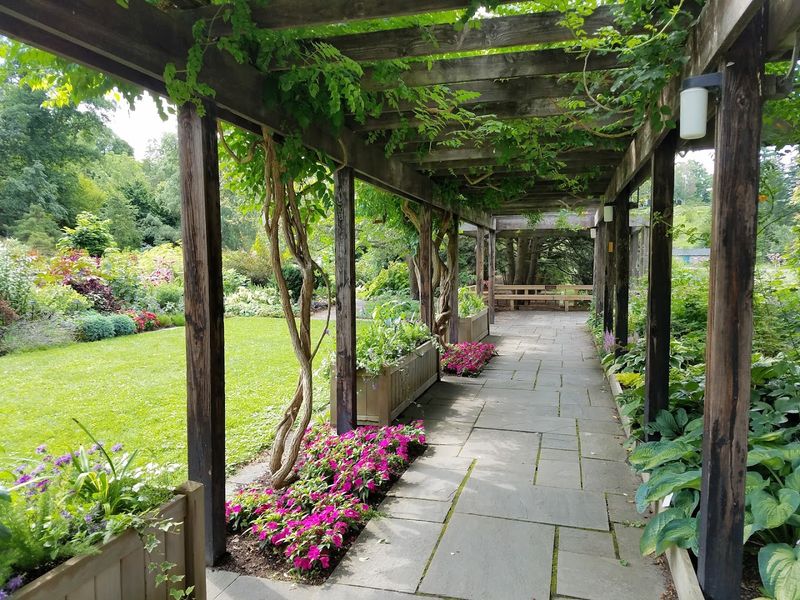
Not every magical place comes with a price tag, and Cornell Botanic Gardens proves that beautifully. Admission is completely free, making it one of the most wallet-friendly attractions in all of New York State.
Families, students, and solo travelers can all enjoy the grounds without worrying about ticket costs.
Parking is the only expense to keep in mind. On weekdays, you pay about $1.50 per hour using a simple QR code system.
Weekends, evenings, and holidays offer free parking, so planning your visit on a Saturday or Sunday is a smart move.
This open-access model means people from all walks of life can enjoy world-class horticulture without barriers. Many visitors drive hours just to spend a relaxing afternoon here, and honestly, it is worth every mile of the journey.
A Rich History Dating Back to 1875
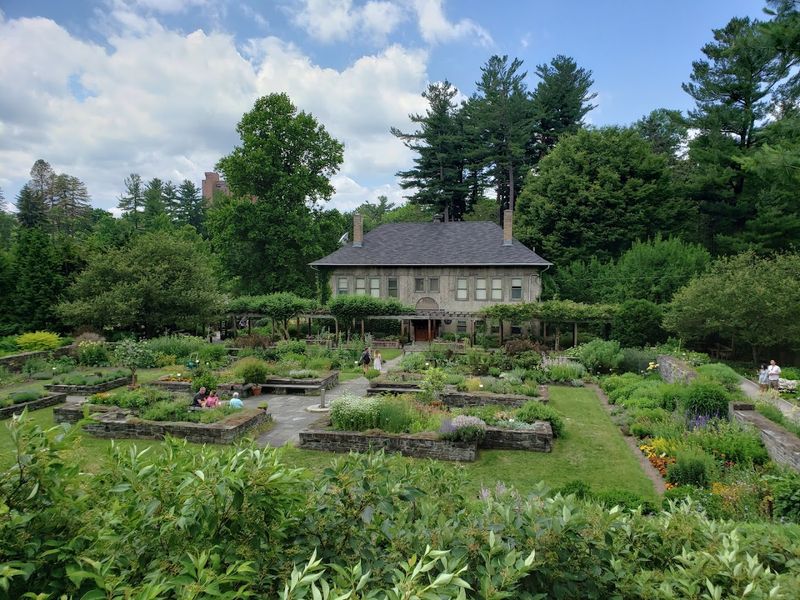
Founded in 1875, Cornell Botanic Gardens carries nearly 150 years of history within its roots. Originally known as Cornell Plantations, this remarkable space grew from a small university garden into a 4,000-acre sanctuary of science, nature, and education.
Walking through it feels like reading a living history book.
The historic core of the garden revolves around the herb and perennial garden areas, where generations of botanists and students have studied and found inspiration. These older sections carry a certain timeless charm that newer gardens simply cannot replicate.
Understanding this deep heritage adds a whole new layer of appreciation to your visit. When you stroll past a centuries-old tree or a carefully tended herb bed, you are experiencing something that countless people before you have also cherished.
That connection to history makes every step feel meaningful and grounding.
The Fragrant Herb Garden Is an Absolute Showstopper
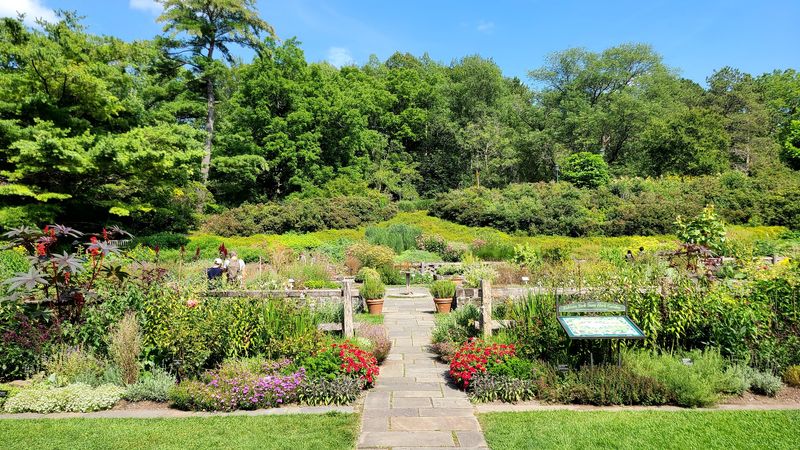
Imagine walking into a garden where the air itself smells incredible. That is exactly what happens when you reach the herb garden at Cornell Botanic Gardens.
Visitors consistently rave about this section, calling it one of the most sensory-rich spots on the entire property.
Plants like lavender, curry herb, rosemary, and fragrant perennials line the paths in carefully arranged beds. One reviewer even mentioned spotting a hummingbird darting among the red herbs, which just goes to show how alive this garden truly feels.
Pollinators like bees and butterflies are regular visitors here too.
If you are someone who loves cooking or herbal remedies, this section will genuinely excite you. Kids especially enjoy guessing what each plant smells like before reading the labels.
Plan to spend extra time here because leaving quickly is nearly impossible once the scents pull you in.
Sprawling Trails Through Woodlands and Natural Areas
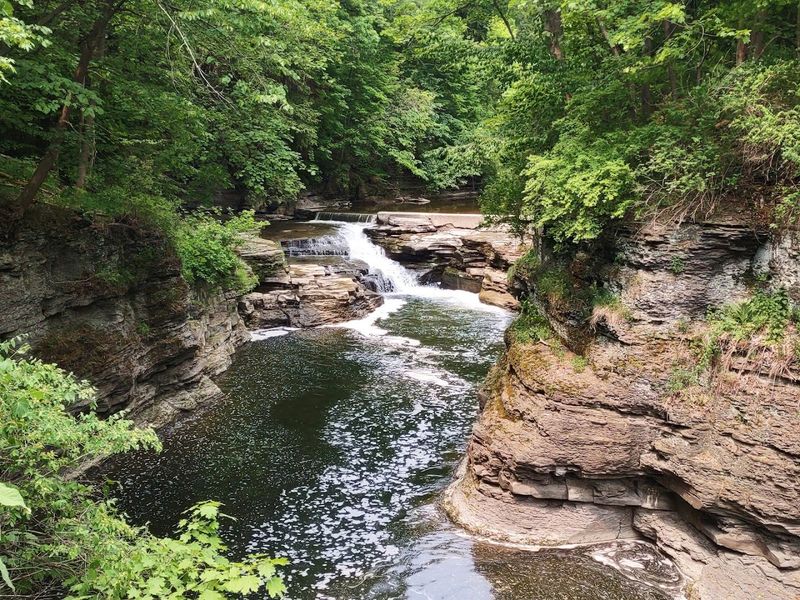
Cornell Botanic Gardens is not your typical flower-only botanical space. Beyond the manicured gardens lies over 3,500 acres of natural areas filled with hiking trails, meadows, glens, bogs, and fens.
For anyone who loves the outdoors, this is genuinely thrilling news.
The trails feel less like a formal garden and more like exploring a peaceful, ancient forest. They are well-marked and well-maintained, making navigation easy even for first-time visitors.
Families with children and people walking dogs will find the paths comfortable and enjoyable at any pace.
One particularly beloved route circles Beebe Lake, a one-mile loop that passes two stunning waterfalls and charming wooden footbridges. Visitors have reported spotting baby geese, deer, and all kinds of wildlife along the way.
Bring comfortable shoes and give yourself plenty of time because these trails will happily swallow a full afternoon.
Beebe Lake and Its Breathtaking Waterfalls

There is something almost cinematic about Beebe Lake. Nestled right beside the botanic gardens, this quiet lake offers one of the most scenic walks on the entire Cornell campus.
The one-mile loop trail around the lake is manageable for almost anyone, including young children and older adults.
Two waterfalls cascade into the lake along the trail, creating that perfect soothing sound that melts stress away instantly. Wooden footbridges cross over rushing streams, adding a storybook feel to the whole experience.
Spring and early summer are especially magical when the surrounding trees are lush and green.
Wildlife sightings are common here. Visitors have spotted baby geese waddling along the banks, and the area attracts various bird species throughout the year.
Pairing a Beebe Lake walk with a garden stroll makes for a full, deeply satisfying day that is hard to top anywhere in upstate New York.
The F.R. Newman Arboretum Is a Hidden Wonder
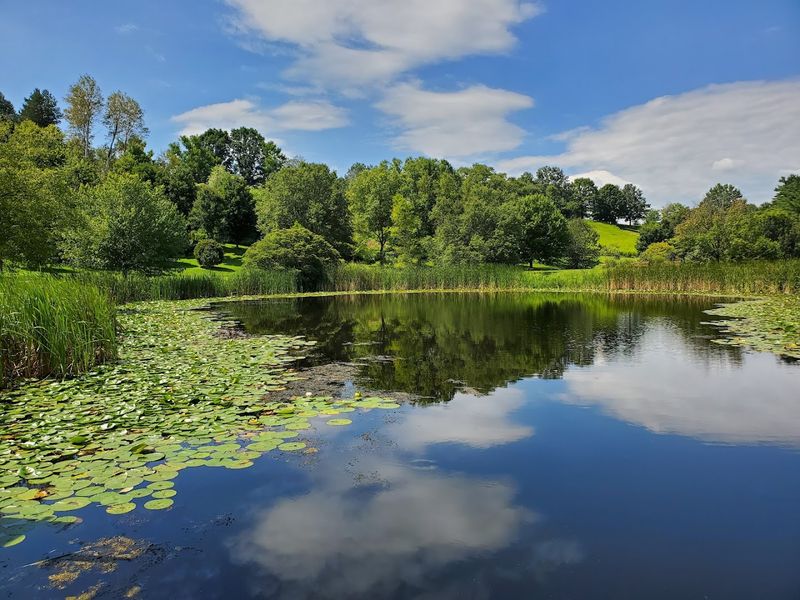
Covering 150 acres adjacent to the main gardens, the F.R. Newman Arboretum is a treasure that many first-time visitors do not fully expect.
Specializing in trees and shrubs native to New York State, it offers a deeply educational experience wrapped inside jaw-dropping natural beauty.
One of the coolest things about the arboretum is that it is actually drivable. You can cruise through it slowly, pulling off at marked spots to get out and explore specific tree collections up close.
Maps are available at the welcome center to help you navigate with ease.
Even on warm summer days, the dense canopy of trees keeps temperatures noticeably cooler, making it a refreshing escape. Visitors have described walking here for hours without feeling the heat.
If trees fascinate you even a little, this section will absolutely blow your expectations out of the water.
Specialty Gardens That Cater to Every Interest
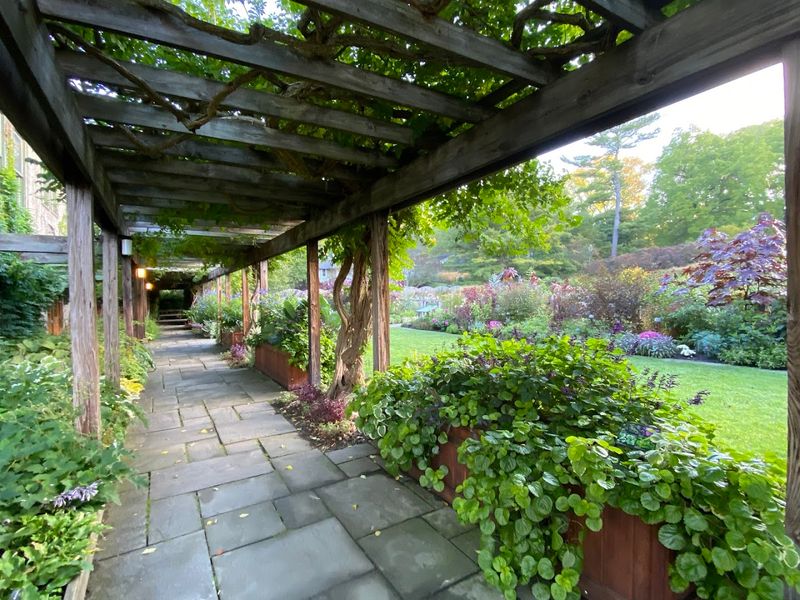
One of the biggest surprises for first-time visitors is discovering just how many specialty gardens exist within the property. From the winter garden and rock garden to the wildflower garden and Fellows Garden, there is a themed space to match nearly every curiosity and personality type.
The rock garden, in particular, draws admiration for its creative use of alpine plants and natural stone arrangements. The Fellows Garden is known for its stunning views and calm atmosphere, making it ideal for quiet reflection or photography.
Even in winter, the Mullestein Garden offers visual interest when much of the outdoors looks bare and gray.
Each specialty garden tells its own story and teaches something unique about plant life. Picking a favorite is genuinely difficult because each space has its own distinct character.
Give yourself permission to wander without a strict agenda and let each garden reveal itself at its own pace.
Kid-Friendly and Pet-Friendly Throughout
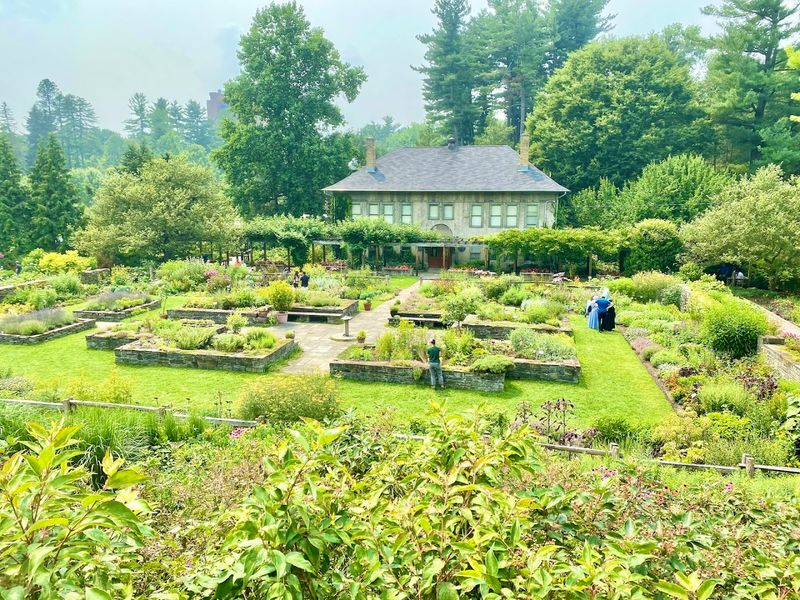
Bringing the whole family, including the dog, is absolutely encouraged at Cornell Botanic Gardens. The paths are wide, smooth, and easy to navigate with strollers, wagons, or leashed pets.
Kids can explore freely without parents worrying about fragile exhibits or strict quiet zones.
The educational side of the garden is fantastic for younger visitors. Plant labels, informational signs, and even audio stories along certain paths turn a casual walk into a genuinely fun learning adventure.
Children who might normally rush through a museum will slow down here because nature has a way of capturing young imaginations.
Dogs seem to love the trails just as much as their humans do. The natural, forested sections especially give pets room to sniff and explore to their hearts’ content.
Just remember to bring water for everyone and keep dogs on leashes as required throughout the property.
Peaceful Atmosphere That Melts Stress Away
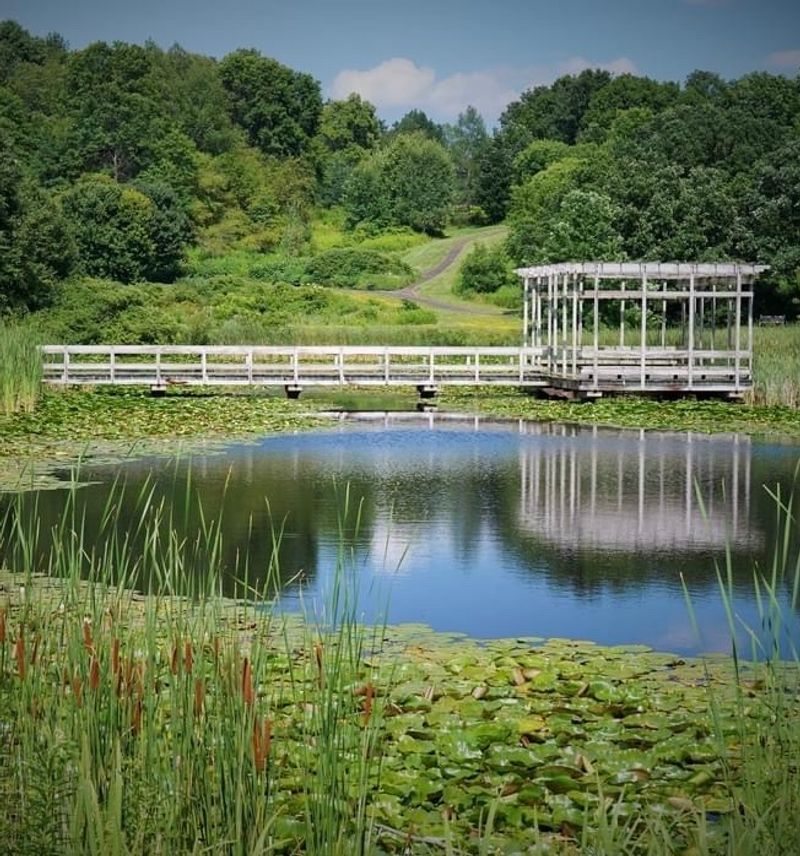
Some places are loud and exciting. Cornell Botanic Gardens is the opposite, and that is exactly why people love it so much.
The gardens are remarkably quiet, even on busy weekend days, offering a genuine sense of calm that is increasingly rare in modern life.
Comfortable benches are scattered throughout the property, inviting visitors to simply sit, breathe, and listen to birdsong or rustling leaves. The clean, fragrant air carries the scent of pine, herbs, and blooming flowers depending on the season.
Several reviewers described the experience as deeply calming, almost meditative.
Whether you are dealing with a stressful week at work, a difficult school semester, or just need a mental reset, this garden delivers. Even a 30-minute stroll through the herb beds or along a shaded woodland path can genuinely shift your mood.
Nature therapy is real, and this place proves it beautifully.
Seasonal Beauty That Changes With Every Visit
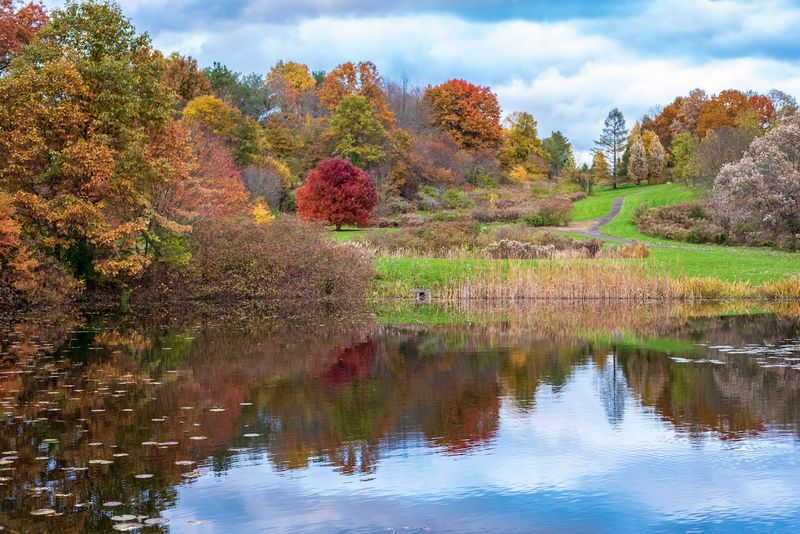
Returning visitors often say that the gardens look completely different depending on when you come, and they are absolutely right. Spring brings bursting cherry blossoms and fresh wildflowers.
Summer fills the herb and perennial gardens with vibrant color and buzzing pollinators. Autumn turns the arboretum into a breathtaking canvas of orange, red, and gold.
Winter might seem like an odd time to visit a garden, but the Mullestein Garden proves that wrong in the most delightful way. Even when snow covers the ground, carefully selected plants and structural elements create a surprisingly beautiful winter landscape.
It is peaceful in a completely different way than the warmer months.
Planning multiple visits throughout the year is honestly the best strategy. Each season reveals something new that you simply cannot experience any other time.
Many local visitors treat Cornell Botanic Gardens as a year-round ritual rather than a one-time stop.
Educational Programs and a Welcoming Visitor Center
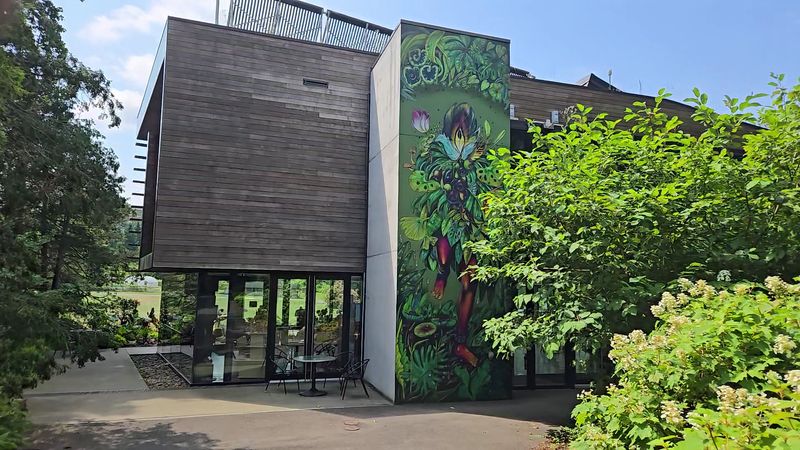
Founded as part of an Ivy League university, it makes perfect sense that Cornell Botanic Gardens takes education seriously. The welcome center greets visitors with maps, helpful staff, and seasonal recommendations tailored to exactly what is blooming during your visit.
First-timers especially appreciate this personal touch.
Throughout the year, the gardens host workshops, guided tours, lectures, and community programs covering everything from plant identification to sustainable gardening practices. These programs cater to all ages, from curious elementary students to seasoned adult horticulture enthusiasts.
Checking the website before your visit is always a good idea to see what events are scheduled.
The audio stories available along certain garden paths are a particularly clever touch, adding historical and botanical context to what you are seeing without requiring a formal tour. Cornell Botanic Gardens manages to educate without ever feeling like a classroom, which is a genuinely impressive feat.
A Photographer’s Dream Around Every Corner
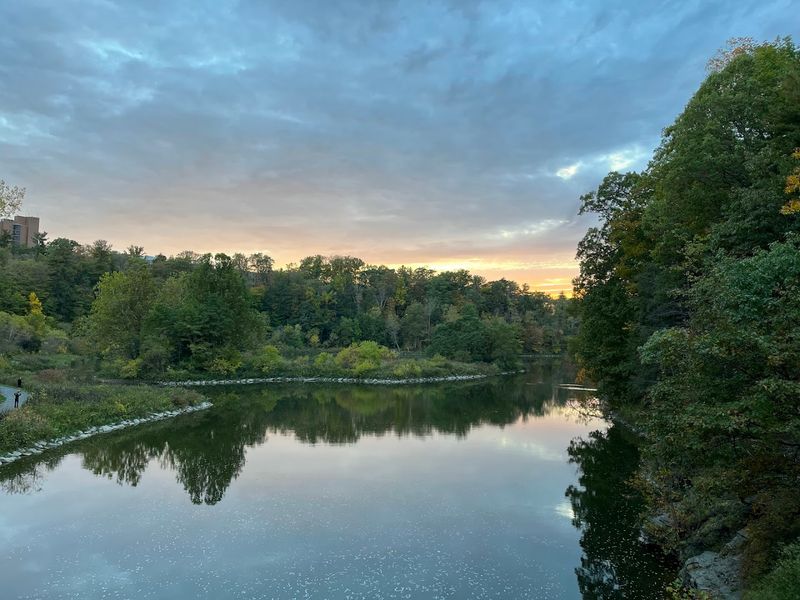
Ask any photographer who has visited Cornell Botanic Gardens and they will tell you the same thing: the light here is extraordinary. From the way morning sun filters through the arboretum canopy to the golden hour glow over the herb garden, this place serves up stunning shots at every turn.
Macro photography fans will go wild over the insect activity in the pollinator-friendly gardens. Wide-angle lovers will find sweeping views from the Fellows Garden overlook.
Portrait photographers often use the lush green backgrounds and colorful blooms as natural, gorgeous backdrops for outdoor shoots.
Even casual smartphone photographers come away with images that look professionally taken. The combination of well-maintained landscapes, diverse plant textures, and abundant natural light creates conditions that are genuinely hard to mess up.
If photography is your hobby or passion, carve out extra time here because you will not want to stop shooting.
Combining the Garden Visit With Other Ithaca Experiences
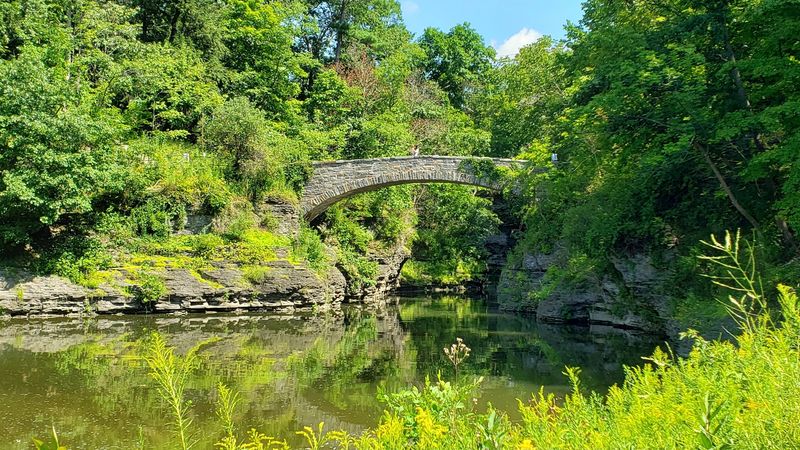
Cornell Botanic Gardens sits right in the middle of one of New York’s most charming college towns, which means your visit can easily expand into a full day of Ithaca adventures. The Cornell campus itself is worth exploring, with stunning architecture, gorges, and scenic overlooks just minutes from the garden entrance.
After a long garden walk, many visitors head straight to the Cornell Dairy Bar for a scoop of famously delicious ice cream made right on campus. It is the perfect sweet reward after hours of exploring.
The nearby Collegetown neighborhood also offers great cafes, restaurants, and shops for a post-garden stroll.
Ithaca’s downtown farmers market and the famous Cascadilla Gorge trail are also close by, making it easy to build a weekend itinerary around the garden visit. Combining all these experiences turns a simple botanical garden trip into a genuinely unforgettable upstate New York getaway worth planning well in advance.
Enjoyed this story?
Add Fast Food Club as a preferred source to see more of our reporting on Google.