


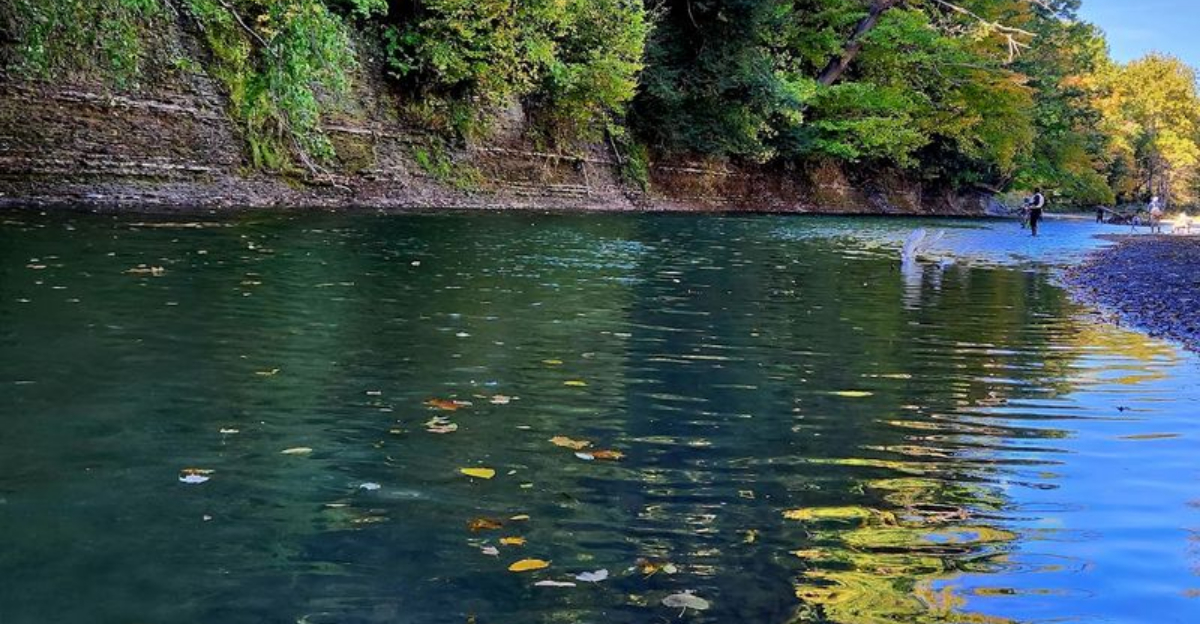
Tucked along the southern shore of Lake Erie in Lake City, Pennsylvania, Erie Bluffs State Park is one of the state’s best-kept secrets. Spanning 587 acres of bluffs, woodlands, and shoreline, this park offers stunning natural scenery without the crowds you’d find at more famous spots nearby.
While Presque Isle State Park tends to steal the spotlight, Erie Bluffs quietly delivers something just as special — raw, unspoiled beauty that feels like a true escape. Whether you enjoy hiking, wildlife watching, or simply soaking in lake views, this park has something worth discovering.
The Bluffs Trail: Your Gateway to Breathtaking Lake Erie Views
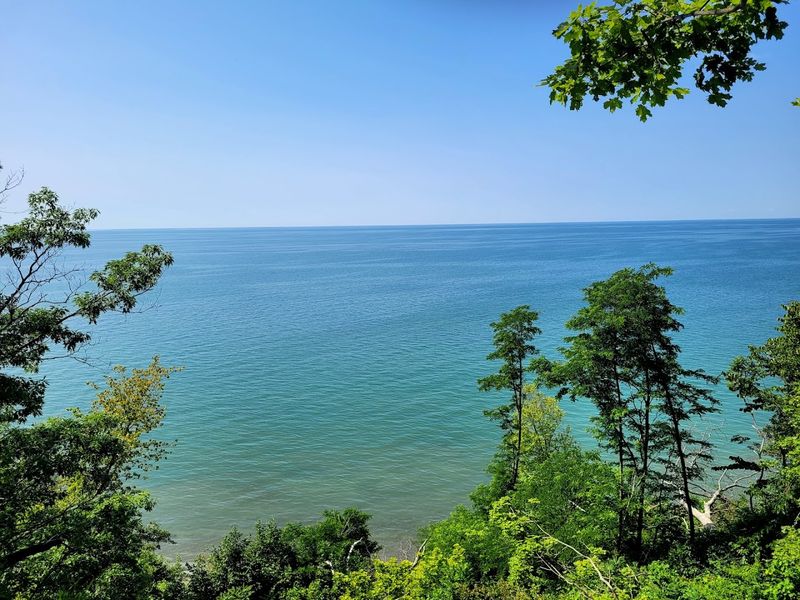
Standing at the edge of the bluffs and watching Lake Erie stretch out to the horizon is one of those moments that genuinely takes your breath away. The Bluffs Trail is the park’s signature route, winding through open meadows and shaded tree cover before rewarding hikers with sweeping overlook views of the lake below.
Visitors consistently describe the experience as “majestic” and even emotional — and once you’re there, it’s easy to understand why. The trail is well-marked and manageable for most fitness levels, making it a solid choice for families and casual hikers alike.
You can hear the waves crashing far below as you walk the ridge, which adds a sensory richness you won’t find in most inland parks. Bring a water bottle, wear comfortable shoes, and give yourself plenty of time to stop and take it all in.
Fisherman’s Path: A Rugged Descent Worth Every Step
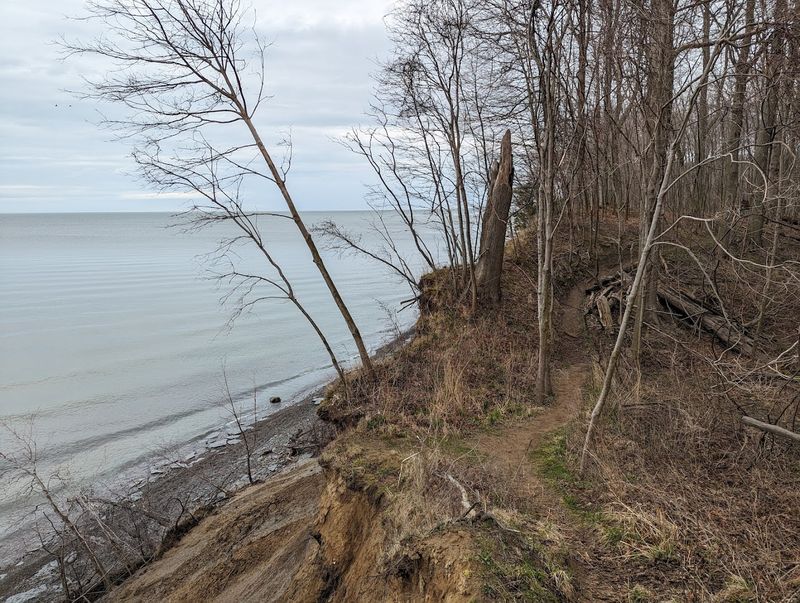
Not every great trail comes easy, and Fisherman’s Path at Erie Bluffs is proof of that. This route drops down from the bluffs toward the shoreline and is noticeably more challenging than the park’s other trails — steeper grades, uneven terrain, and a workout your legs will definitely remember.
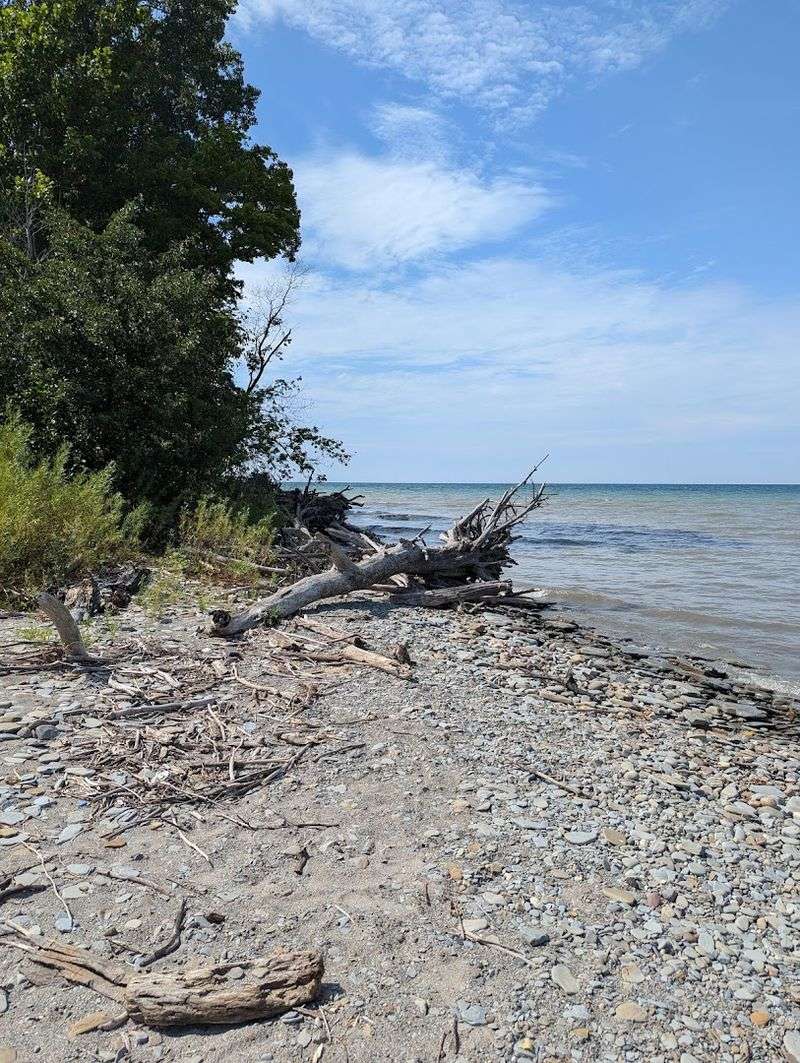
The payoff, though, is remarkable. At the bottom, you’ll find more driftwood piled along the shore than most people have ever seen in one place.
The raw, wind-swept energy of the lakefront here feels completely different from polished beach destinations.
Anglers love this trail for obvious reasons — steelhead fishing near the creek mouth draws dedicated fishermen throughout the season. Even if you’re not casting a line, the combination of crashing waves, driftwood sculptures, and dramatic bluff walls rising behind you creates a scene that feels almost cinematic.
Take your time on the descent and watch your footing.
Rockhounding and Beach Glass: Hidden Treasures Along the Shore

Here’s something most park visitors don’t know: Erie Bluffs has a quiet reputation among rockhounds and beach glass collectors as one of the better spots in the region. The rocky shoreline hides some genuinely interesting finds, including rocks containing sodalite minerals that glow under UV light.
Serious collectors sometimes bring a UV flashlight — specifically a high-powered nm65 model — to search at dusk or after dark when the fluorescence shows up most vividly. Even without special equipment, scanning the shoreline during low water levels can turn up smooth, colorful beach glass worn down by decades of wave action.
It’s a low-key, meditative activity that appeals to all ages. Kids especially love the treasure-hunt feeling of scanning rocks along the water’s edge.
Just remember to check Pennsylvania state park rules about what you can and cannot collect before you start filling your pockets.
Mountain Biking at Erie Bluffs: Surprisingly World-Class Trails
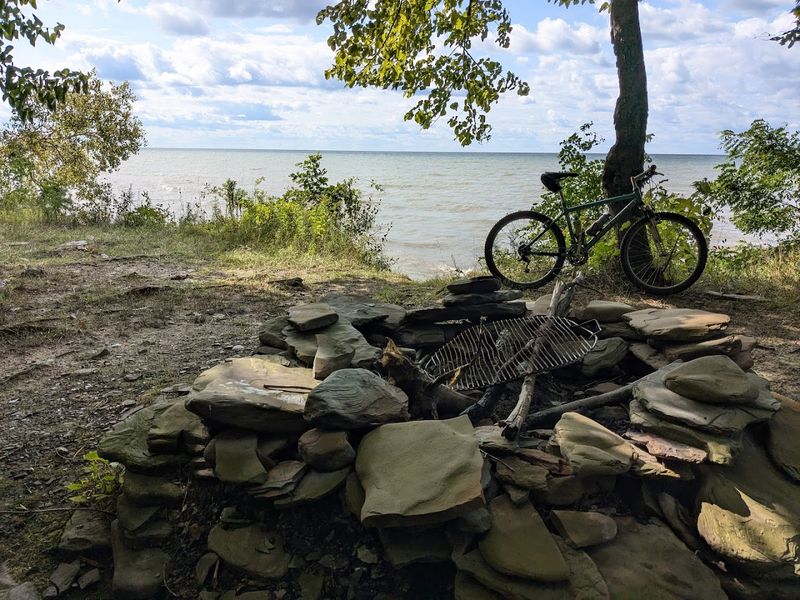
One enthusiastic visitor who spent five years mountain biking in Asheville, North Carolina — widely considered one of the best mountain biking regions in the country — said Erie Bluffs actually topped those trails for sheer fun. That’s a bold claim, but the park’s varied terrain genuinely backs it up.
The trail system mixes open grassland riding, wooded singletrack, and sections with meaningful elevation changes as you move toward the bluff edges. It’s not a massive trail network, but what’s there is engaging, scenic, and worth the drive from Pittsburgh or Cleveland.
Mountain bikers share the trails with hikers, so awareness and courtesy are important, especially on busier weekend mornings. The best strategy is arriving early — the park opens at 6 AM daily — to get the trails mostly to yourself.
Helmets are strongly recommended given some of the steeper, root-covered descents near the lakeshore sections.
Wildlife and Birdwatching: A Quiet Habitat Full of Life
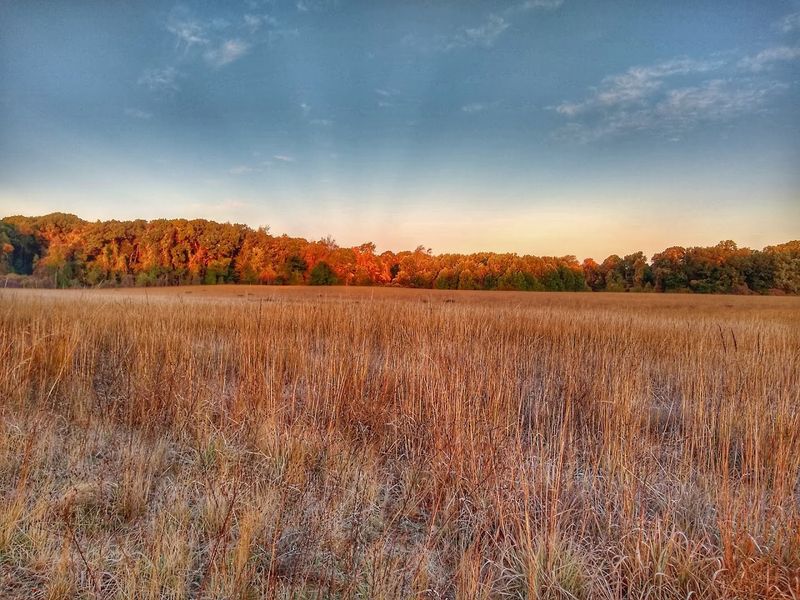
Erie Bluffs sits along a major migratory bird corridor, making it a surprisingly productive birdwatching spot, especially during spring and fall migration seasons. The park’s mix of open grasslands, forest edges, and shoreline habitat attracts a diverse mix of songbirds, raptors, and shorebirds throughout the year.
Wildflowers bloom across the meadow sections in late spring and summer, drawing butterflies and pollinators that add even more visual interest to a walk. The undeveloped, natural character of the park means wildlife hasn’t been pushed out by heavy foot traffic or loud amenities — animals seem genuinely at ease here.
Early morning visits yield the best wildlife activity. Bring binoculars if you have them, and move quietly along the trails for the best chance of spotting something memorable.
The birdsong alone, layered over the distant sound of lake waves, creates an atmosphere that feels genuinely restorative and worth returning to season after season.
Seasonal Beauty: How Erie Bluffs Changes Through the Year
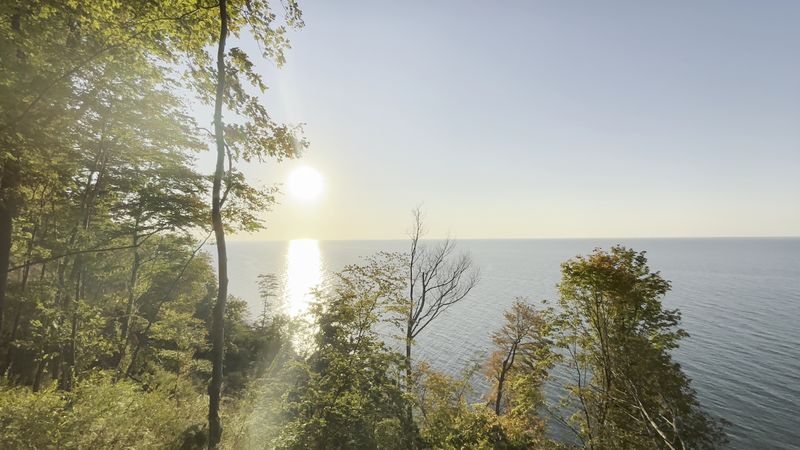
Few parks transform as dramatically with the seasons as Erie Bluffs. Visitors who have come in late October describe the fall color display as stunning — warm reds, golds, and oranges lighting up the forest canopy while the lake shimmers in the cool autumn light below the bluffs.
Spring brings a completely different energy: wildflowers push through the meadow grasses, migrating birds fill the treetops, and the creek runs full and lively after winter snowmelt. Summer offers lush greenery and long daylight hours perfect for extended hikes, while winter visits reveal a stark, dramatic landscape that feels almost otherworldly when lake-effect snow coats the bluff edges.
The park is open year-round from 6 AM to 8 PM daily, so there’s never really a wrong time to visit. Each season reveals something the others hide, which is exactly why so many regulars put Erie Bluffs on their trail rotation throughout the entire year.
Elk Creek: Where Freshwater Meets the Lake
Elk Creek is one of the most charming features of Erie Bluffs that many first-time visitors stumble upon unexpectedly. The creek winds quietly through the park’s lower terrain before emptying into Lake Erie, creating a rare and picturesque meeting point of calm freshwater and the open lake.
Steelhead trout run up Elk Creek during their seasonal migrations, drawing passionate anglers who know the spot well. The Elk Creek Access Area also provides a launch point for kayaks and canoes, giving paddlers a chance to explore the creek corridor and venture out toward the lake on calmer days.
Even if you’re not fishing or paddling, the creek mouth area is simply beautiful to sit beside. Driftwood collects along the banks, waves push in from the lake, and the sound of moving water creates a peaceful backdrop.
It’s one of those spots that rewards you for wandering a little further than you originally planned.
The Undeveloped Character That Makes Erie Bluffs Special
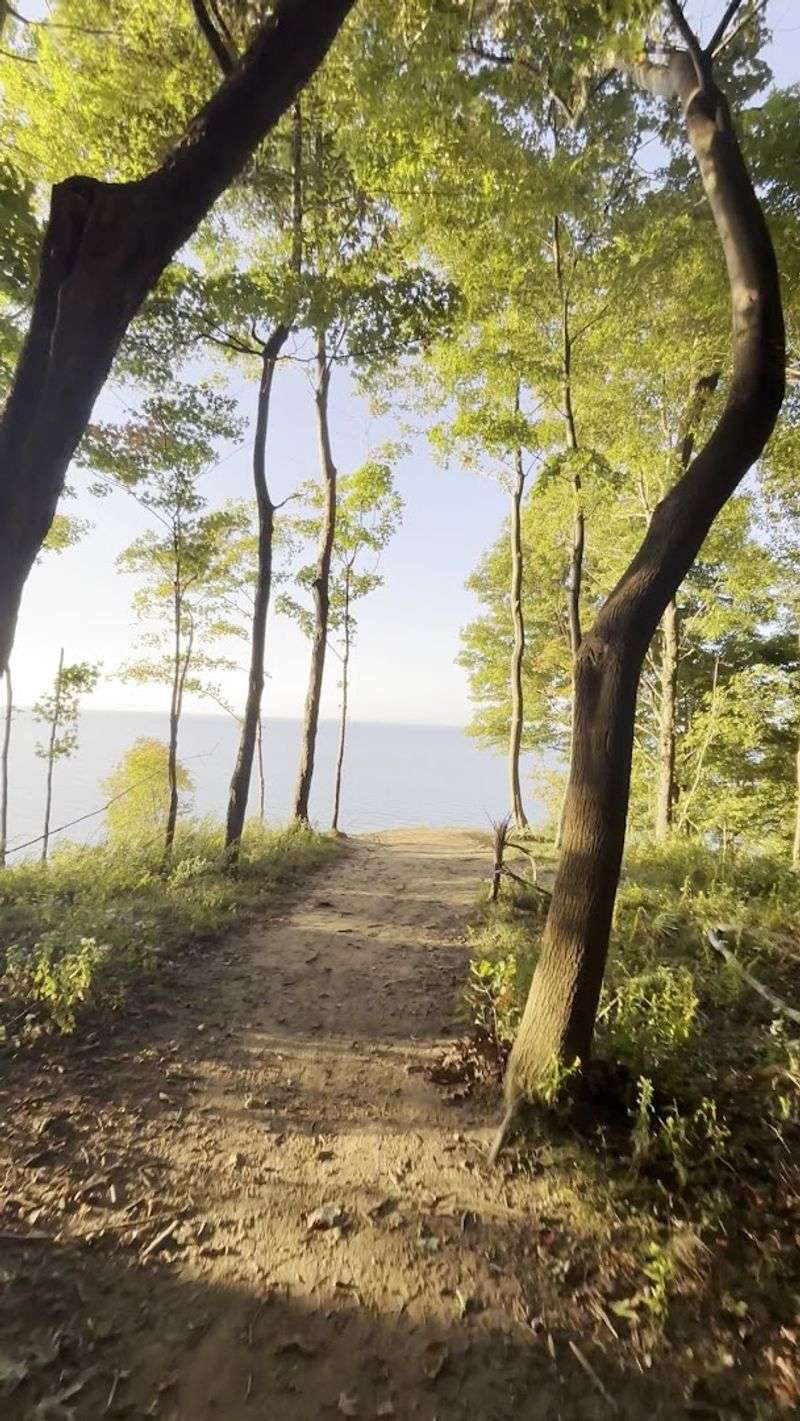
No gift shops. No visitor center.
No playground equipment. Erie Bluffs State Park is refreshingly, almost defiantly undeveloped — and that’s exactly what its most loyal visitors love about it.
The park was established relatively recently and has been kept in a largely natural state, which gives it a wildness that older, more commercialized parks often lose over time.
Parking is simple and free, a few informational signs help with basic orientation, and some picnic areas are tucked into wooded sections of the park. Beyond that, the experience is entirely about the landscape itself.
There are no distractions pulling your attention away from the trails, the views, and the sounds of nature.
If you’re used to state parks with full amenity setups, this minimalist approach might take a moment to adjust to. But most visitors quickly come to appreciate it.
Downloading a trail map before you arrive is a smart move since cell service can be inconsistent inside the park.
Getting There: Location, Hours, and Practical Tips
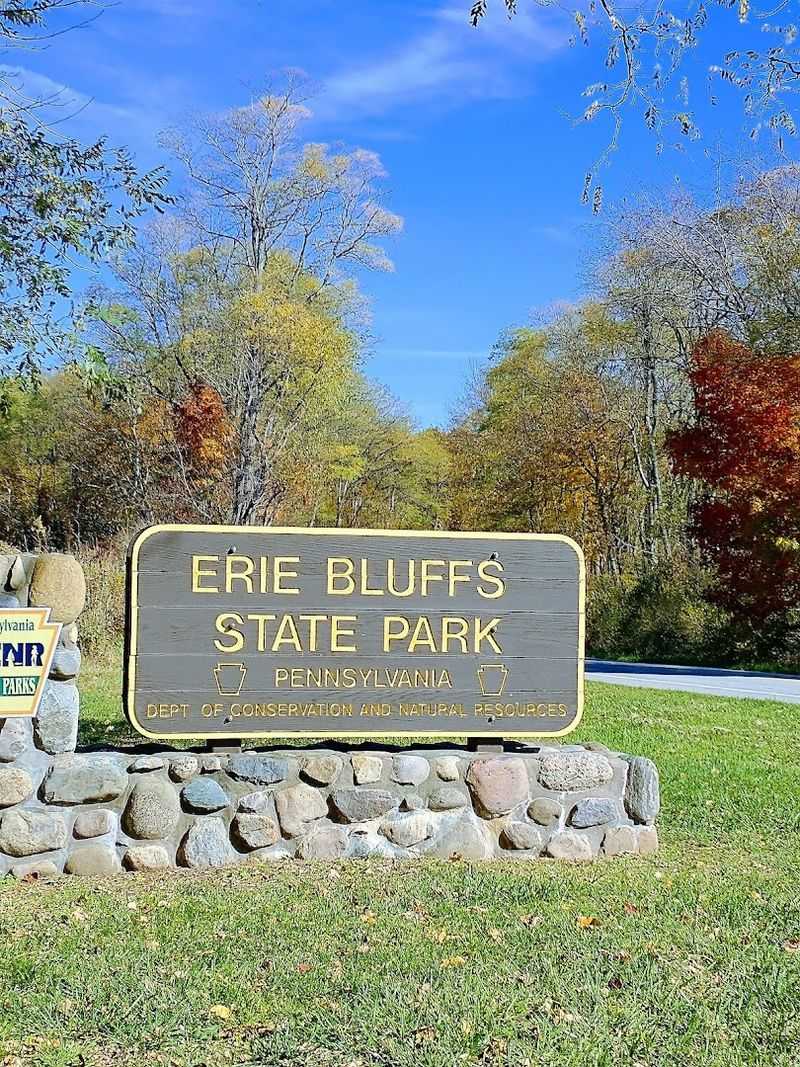
Erie Bluffs State Park sits at 11100 West Lake Road in Lake City, Pennsylvania — about 30 minutes west of the city of Erie along Route 5. The drive itself is pleasant, following the Lake Erie shoreline through small communities before the park entrance appears on the right.
The park is open every day of the week from 6 AM to 8 PM, giving early risers and evening walkers plenty of flexibility. There are no entrance fees, which makes it an especially accessible outdoor destination for families and budget-conscious travelers.
If you need to reach the park office, the phone number is +1 814-833-7424.
One practical heads-up from experienced visitors: there are no restrooms at the main parking area. Facilities are available at the nearby Elk Creek Access Area, so plan accordingly before hitting the trails.
Coming from Pittsburgh, the trip takes roughly two hours and is widely considered worth every mile of the drive.
How Erie Bluffs Compares to Presque Isle State Park
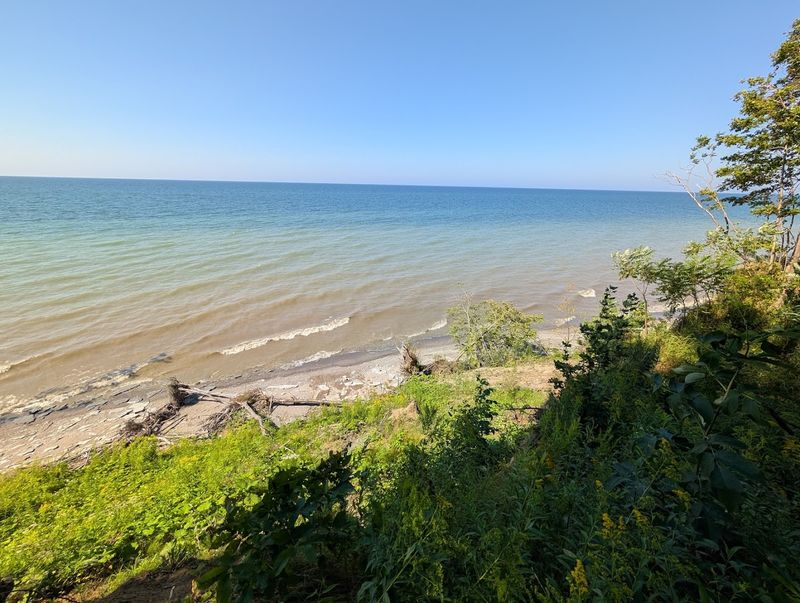
Presque Isle State Park is one of Pennsylvania’s most visited destinations, drawing millions of visitors each year with its sandy beaches, boat rentals, and well-developed facilities. Erie Bluffs is its quieter, lesser-known neighbor — and for a certain type of visitor, it’s actually the better choice.
Where Presque Isle offers crowds and convenience, Erie Bluffs delivers solitude and raw natural scenery. Multiple reviewers have specifically noted that Erie Bluffs feels like a hidden gem precisely because Presque Isle absorbs so much of the regional attention.
The two parks serve genuinely different purposes and moods.
Families with young children who want beach play and picnic tables will likely prefer Presque Isle. Hikers, mountain bikers, anglers, and nature photographers who want to feel like they’ve found something real and unfiltered will find Erie Bluffs far more satisfying.
Both are worth visiting — but Erie Bluffs is the one you’ll want to keep to yourself.
Tick Awareness and Trail Safety at Erie Bluffs
Erie Bluffs is a genuinely wild park, and that comes with a few things to be aware of before you lace up your boots. Ticks are present throughout the park, particularly in the tall grass meadow sections and wooded trail corridors.
The park itself posts warning signs reminding visitors to take precautions.
Applying a good tick repellent before your hike is strongly recommended. Long pants tucked into socks, light-colored clothing that makes ticks easier to spot, and a thorough body check after returning to your car are all smart habits.
Many visitors who hike regularly at Erie Bluffs report never encountering ticks, but preparation is far better than dealing with the aftermath.
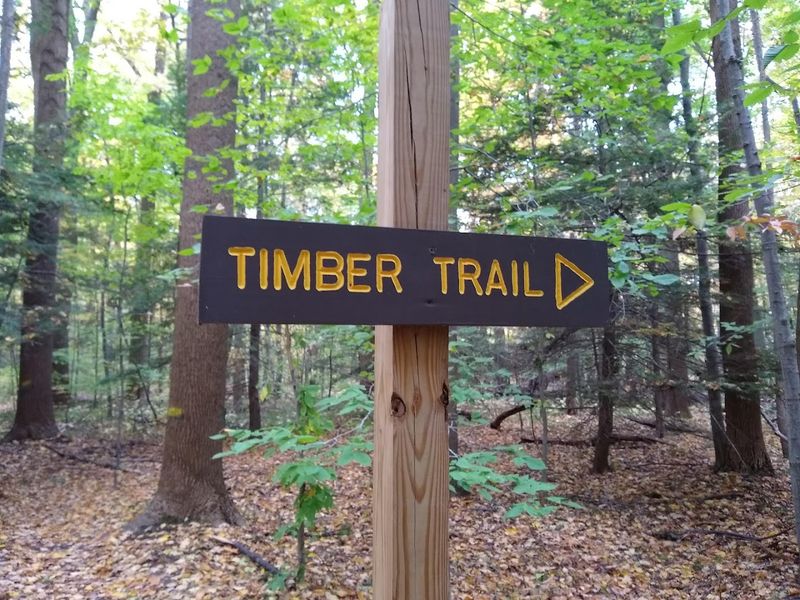
Trail conditions can also vary by season — some paths become muddy and slippery after rain, particularly the Timber Trail. Waterproof hiking shoes or boots will serve you much better than sneakers during wet seasons.
A little preparation goes a long way toward a great visit.
Steelhead Fishing at Elk Creek: A Local Angler’s Favorite
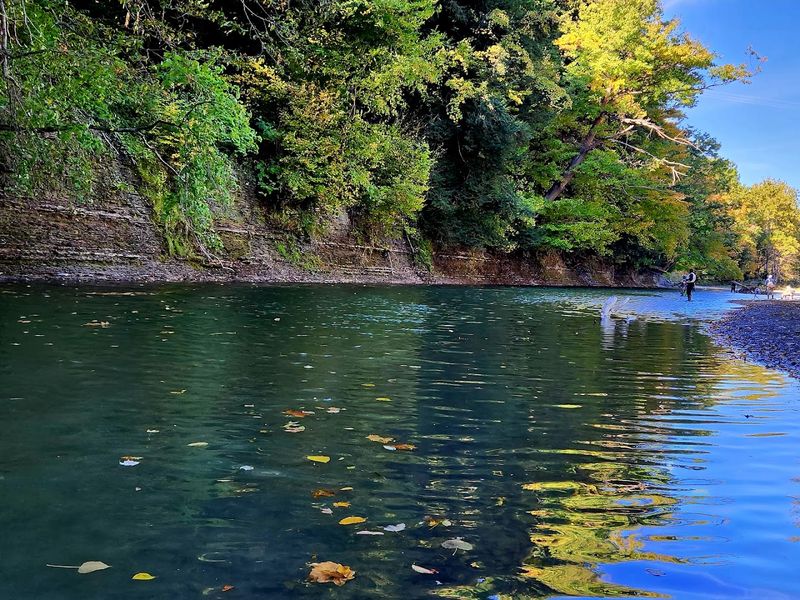
Ask any serious steelhead fisherman in northwest Pennsylvania where to go, and Elk Creek near Erie Bluffs will almost certainly come up. The creek runs cold and clear, and when steelhead push in from Lake Erie during their fall and early spring runs, the fishing can be genuinely exciting.
One longtime visitor shared the story of hooking two steelhead in a single November session — neither landed, but the experience stuck with him. That mix of frustration and joy is exactly what keeps dedicated anglers coming back season after season.
Low water periods allow wading far out into the lake near the creek mouth, adding a unique dimension to the experience.
Fishing at Elk Creek requires a valid Pennsylvania fishing license, and all relevant state regulations apply. The Elk Creek Access Area provides a convenient entry point for anglers and includes a launch ramp for small watercraft.
Mornings and evenings tend to produce the most action during peak run periods.
Why Erie Bluffs Deserves a Spot on Your Pennsylvania Bucket List
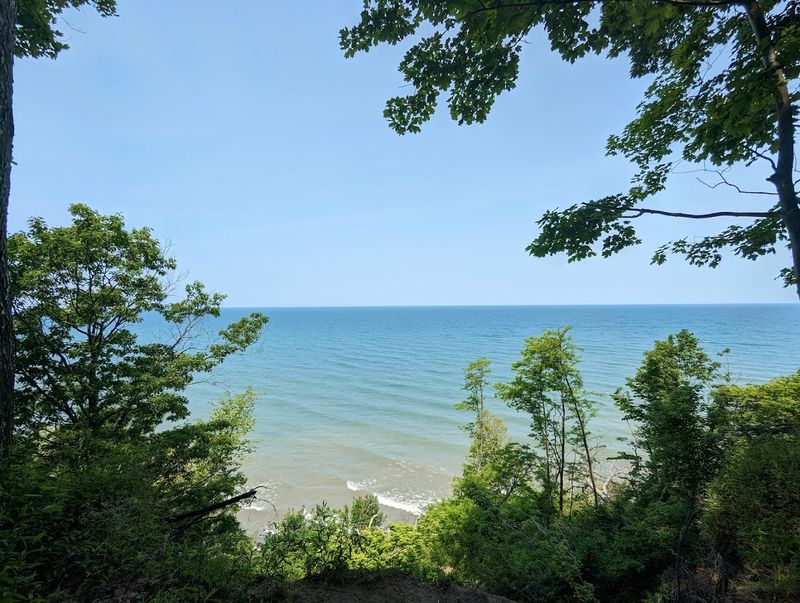
Some places earn their reputation through marketing. Erie Bluffs earned its through word of mouth — one hiker telling another, one family recommending it to the next, a mountain biker from North Carolina stopping to tell everyone it rivaled his favorite trails back home.
That kind of organic enthusiasm is hard to fake.
With a 4.6-star rating across hundreds of reviews, the park quietly outperforms many of Pennsylvania’s flashier outdoor destinations. Visitors come for the views and leave talking about the feeling — the peace, the wildness, the sense that they found something most people drive right past on their way to somewhere more famous.
Erie Bluffs State Park is free, open daily, and sitting right there along the Lake Erie shoreline waiting to be explored. Pack some water, download the trail map, leave the noise behind, and give yourself a few hours to understand why people who find it almost always come back.
Enjoyed this story?
Add Fast Food Club as a preferred source to see more of our reporting on Google.