


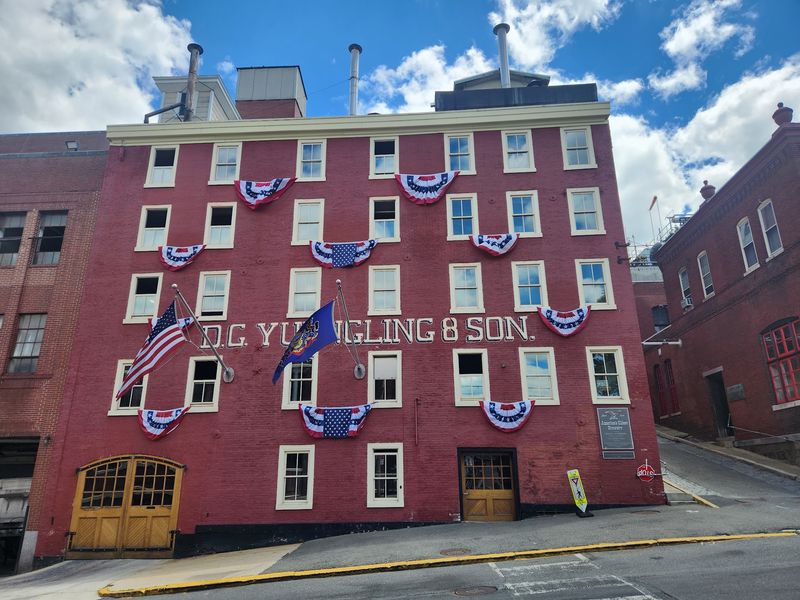
Plenty of family businesses struggle to reach a second generation. One in Pottsville, Pennsylvania, has been running since 1829, and it still invites the public inside for a guided tour without charging a single cent.
The hour-long route covers tunnels dug by hand, walls tied to one of the strangest chapters in American history, and a working production floor inside a building close to 200 years old. Locals bring their out-of-town guests here again and again, and first-timers often leave wondering why they waited so long.
Keep reading to see exactly what the free tour includes, how to plan the visit, and whether the drive truly pays off.
A Historic Address on Mahantongo Street
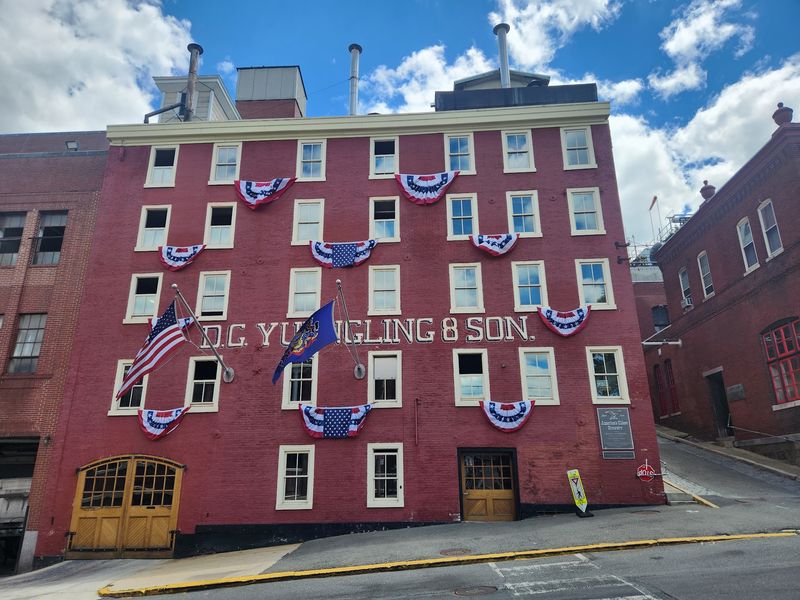
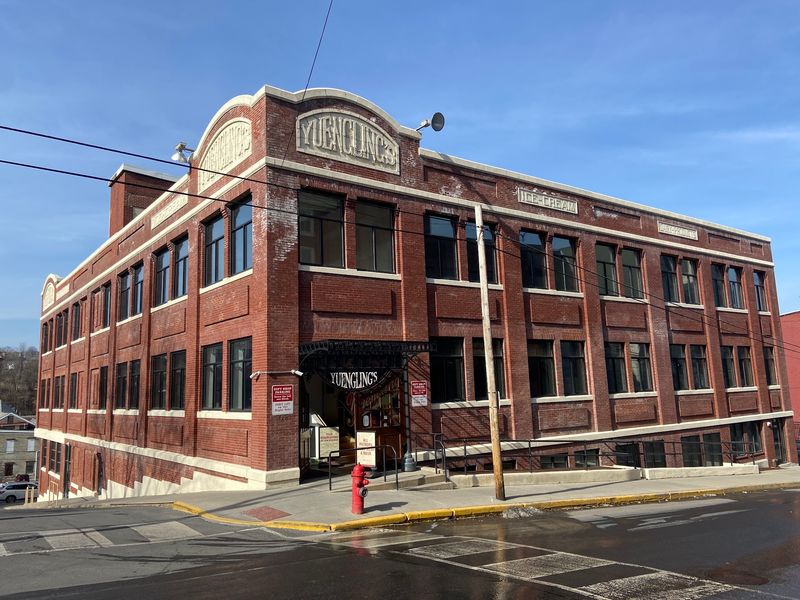
America’s oldest operating brewery does not hide behind a flashy highway billboard. It sits right in town, at 420 Mahantongo St, Pottsville, PA 17901, in the United States.
The official name is a mouthful: D.G. Yuengling & Son, Inc. – Brewery, Museum and Gift Shop.
It is categorized as a museum, which makes perfect sense once the tour gets rolling.
The site works as three stops in one. There is a guided tour through the historic brewery, a small museum area packed with company artifacts, and a gift shop stocked with branded gear.
Pottsville itself is a traditional Pennsylvania town set in a valley, with plenty of historic character along its streets. The brewery fits right into that setting, since the building is close to 200 years old.
Many people treat the stop as a day trip while exploring south central Pennsylvania. Locals often bring out-of-town guests here, which says a lot about how the community views it.
The biggest surprise for first-timers is the price tag on the tour. There isn’t one.
That single detail answers part of the ‘worth the drive’ question right away. The real payoff, though, lies inside the building, starting with a story that goes back nearly two centuries.
Nearly Two Centuries of Family Grit
The year was 1829. Andrew Jackson had just moved into the White House, and a business in Pottsville was getting started that would outlast nearly everything around it.
Guides trace the company story all the way back to that starting point. The history comes packed with visuals and explanations, yet it stays simple enough for almost anyone to follow.
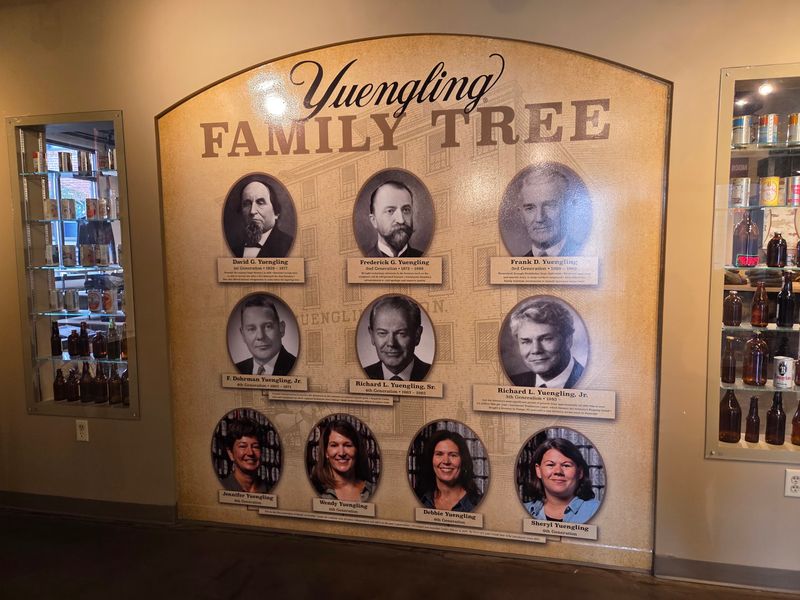
What stands out most is the family angle. The same family still runs the business today, and the tour makes it clear how much pride and tradition sit behind that fact.
Staying open that long was never guaranteed. The company had to find a way through Prohibition, a stretch that many similar businesses across the country did not survive.
Locals point to the family’s generosity as part of the reason the tour costs nothing. The business has a strong reputation for giving back to the Pottsville community.
That mix of survival and staying power turns the tour into more than a factory visit. It becomes a story about a family business that kept going when the odds said otherwise.
Even people who rarely sign up for brewery tours tend to find the history pulls them in. And it pulls them in fast, starting from the very first room.
Wristbands, Check-In and the First Step Down
Every good story needs an opening scene, and this one begins at the check-in desk. Guests sign in, receive wristbands, and wait for their scheduled tour to begin.
Tours generally start on the hour, so the wait is rarely long. Arriving about 30 minutes early leaves time to park, check in, and browse before the group heads out.
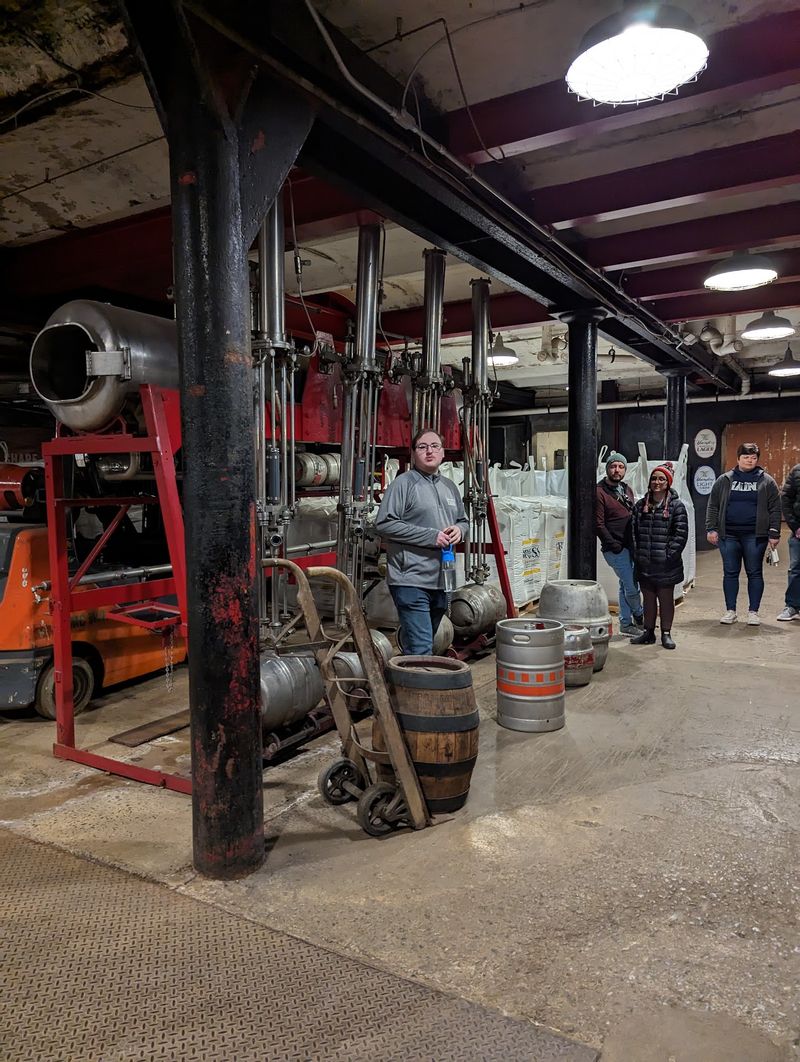
Once the doors open, the group steps down into the room where containers are filled and stacked. Right away, the tour drops everyone into working brewery history instead of easing in with a lobby slideshow.
The whole route takes just under an hour. In that time, the group moves from the oldest parts of the property to the modern production areas, so the pacing stays steady.
Guides lay out the flow of the tour at the start. They also keep safety front and center, which matters in a building where real work is happening.
Wristbands might seem like a small detail, but they keep the group organized. With tours running regularly, the system helps everything move without confusion.
Smooth logistics set the tone nicely. The next stop, however, heads underground, and it tends to become the part people talk about long after they leave.
Tunnels Dug by Hand
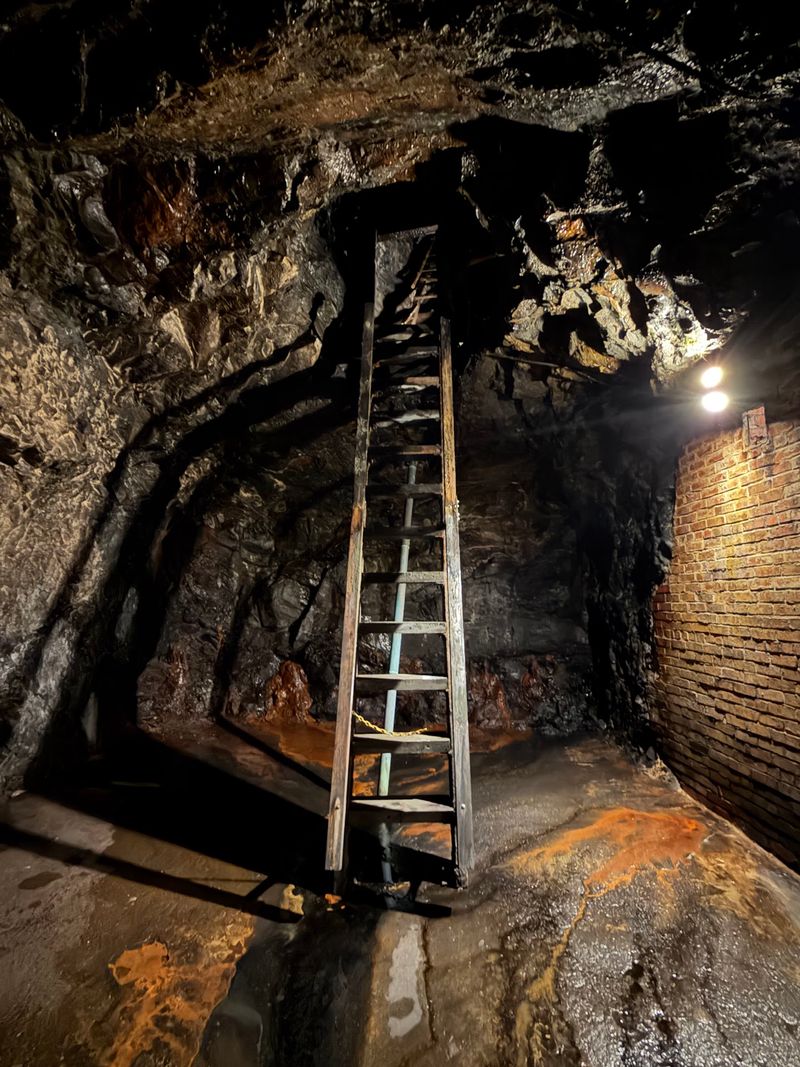
Long before refrigeration, keeping a product at the right temperature took muscle and a shovel.
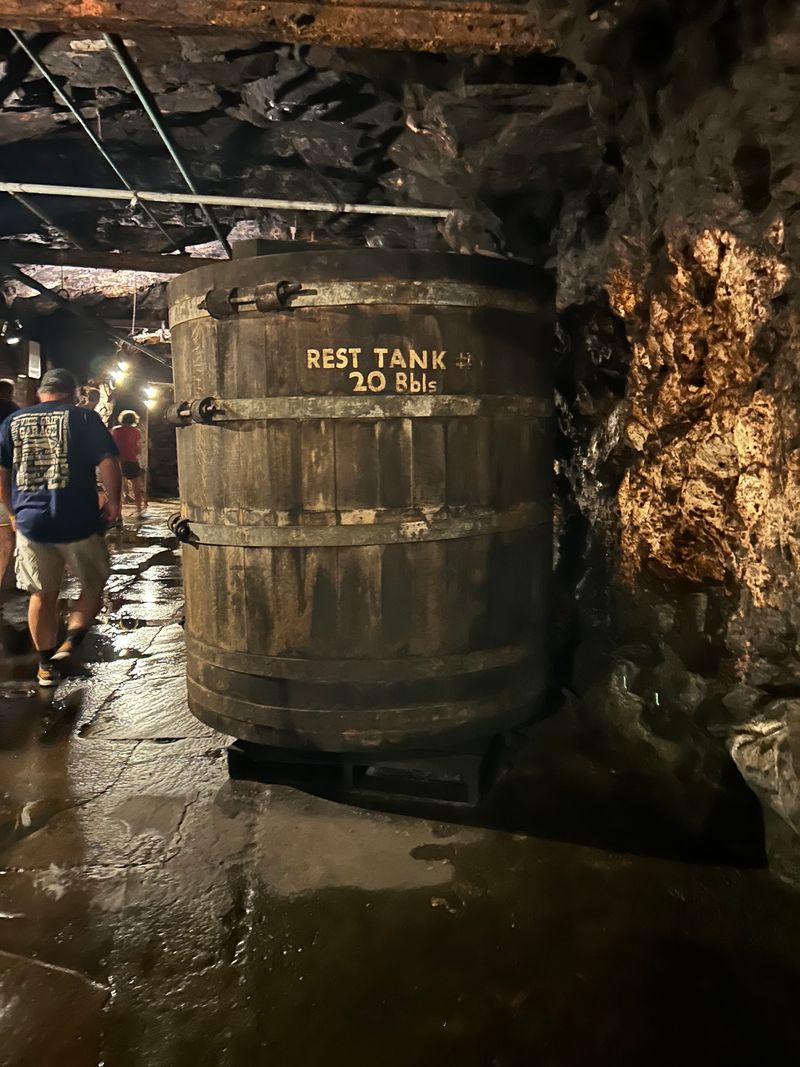
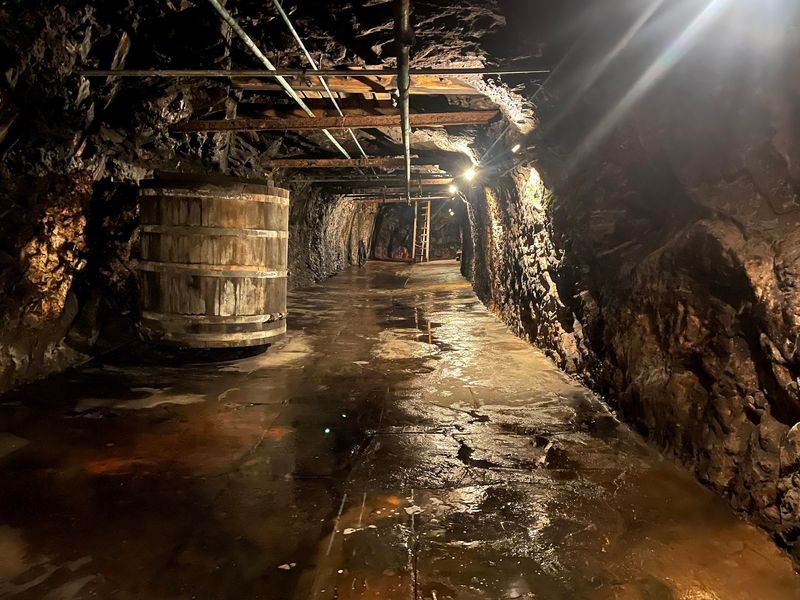
The caves beneath the property were dug by hand. Workers carved them out to store the product in the days before modern cooling existed.
The tunnels rank among the most talked-about parts of the entire tour. It is easy to see why, since few factory tours head underground into spaces carved out by the company’s earliest workers.
The walk through the caves gives the history lesson a physical form. Instead of reading about old storage methods on a placard, guests move right through the spaces where it all happened.
Guides explain how the caves functioned and why they mattered to the business. The explanations stay clear and approachable, so no background in manufacturing is needed.
Good footwear is a smart call here. The tour includes some walking challenges, and the underground stretch is part of that.
For history fans, this segment alone can justify the trip. It connects the modern company directly to its earliest days in a way no photo could.
Down in those tunnels sits another clue to the past. It involves a set of brick walls with a surprising origin story.
Walls With a Government Backstory
Not every wall on the tour was built by the family. Some were put up by the government.
During Prohibition, brick walls went up inside the tunnels, and remnants of them are still visible today. They stand as physical proof of an era that forced the company to adapt or disappear.
Seeing those remnants in person makes the history feel concrete. Guides tie the walls into the broader story of how the company pushed through a period that could have ended it.
The segment is short, but it carries a lot of weight. It shows how a family business kept its footing when the rules around it changed dramatically.
People who enjoy American history tend to find this stop especially interesting. It links a small town business to a national chapter that shows up in school textbooks.
The walls also explain why the tour leans so heavily on storytelling. Every corner of the building seems to hold evidence of a different era, and the guides know how to connect the dots.
After the tunnels, the tour climbs back up to ground level. What waits above shifts the focus from survival to craftsmanship, starting with a ceiling that deserves a long look.
Stained Glass and Painted History
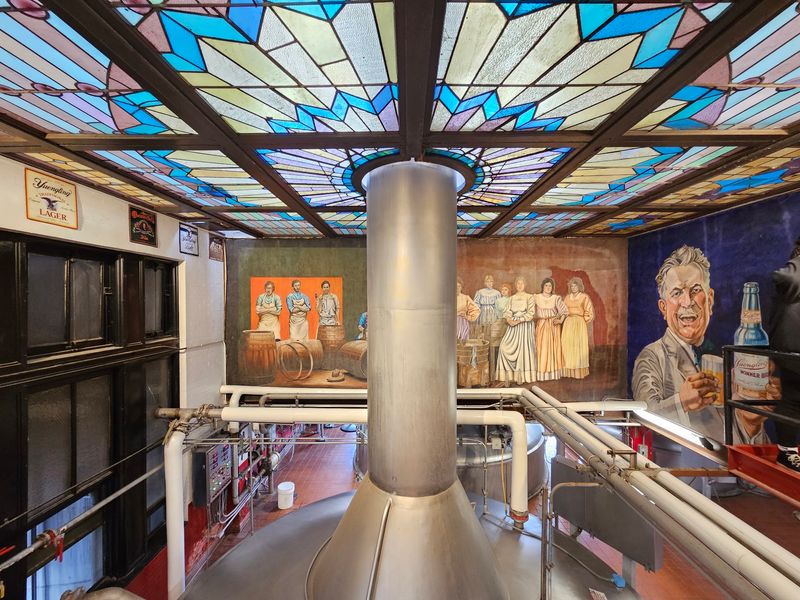
A factory tour is not usually where people expect to find artwork. Here, though, original stained glass ranks among the favorite finds of the day.
The standout piece is a stained glass skylight, which many guests name as their personal highlight. It is an original feature of the historic building, not a modern addition made for show.
Unique historic paintings add to the collection. They help tell the company’s story and give the older sections of the building plenty of character.
The artwork offers a welcome break from technical talk about production. It gives the group a moment to slow down and appreciate the care that went into the building itself.
The pieces also show that the building has been looked after across generations. Original details surviving this long inside a working facility is something few historic sites can claim.
Guides weave the artwork into the larger history, so it never feels like a random museum stop. Each piece connects back to the family and to the town.
From the elegance of the older spaces, the tour makes a sharp turn. Next up is the modern side of the operation, where the machines take over.
Modern Machines in an Old Building
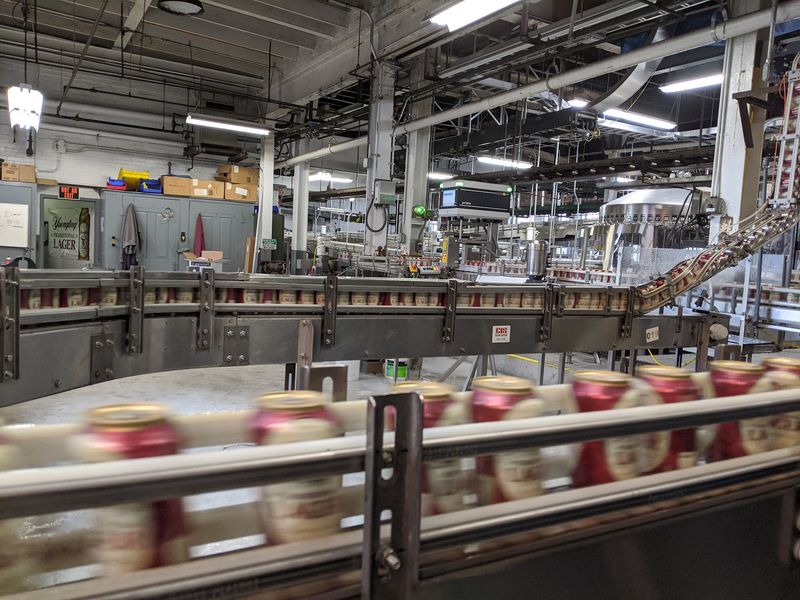
Here is a twist few people see coming: the tour does not stop at history. It moves right into modern production inside a building that is almost 200 years old.
Guests walk through the full production and canning process. Cans being actively filled for sale make a strong impression, especially on anyone who likes seeing how everyday products get made.
The contrast is what makes this section click. Hand-dug tunnels sit in the same complex as modern equipment, and the tour connects the two in under an hour.
The route also passes through the bottling areas. Guides explain each step clearly, so the process makes sense even for first-timers with zero technical knowledge.
Timing matters here. Weekday visits offer the best chance to see the crew in action, since active production is a big part of what makes this stretch interesting.
Manufacturing fans often call this stop their favorite. It appeals to anyone curious about how a large operation keeps running inside such a historic space.
Safety rules stay firmly in place throughout, since this is a real working facility. Guides stay focused on keeping the group together and out of the way.
Of course, a tour is only as good as the person leading it. That brings up the people who might be the real stars of the show.
Guides Who Steal the Show
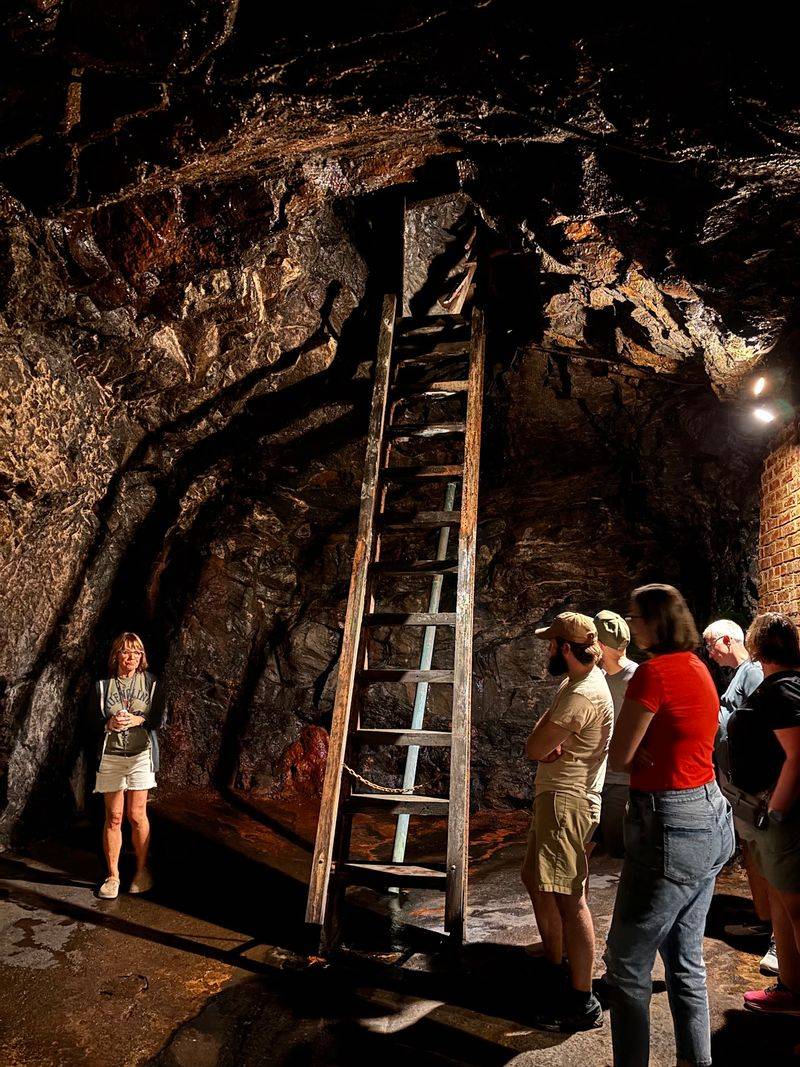
Ask anyone who has taken the tour what made it great, and the answer often comes back to one person: the guide.
The tour guides are the most talked-about part of the experience. They are known for being knowledgeable, friendly, and genuinely passionate about the brewery and its history.
Many guides sprinkle humor throughout the hour. Some stand out as funny and outgoing, while others earn praise for being thorough and professional.
Group management is part of the job, and they handle it well. Guides make sure everyone stays together and project their voices so the whole group can hear.
The depth of the tour surprises many people. Given that it costs nothing, the level of detail and enthusiasm feels like a genuine bonus.
Some guides share their love for the company in a way that rubs off on the group. Guests often leave with a stronger appreciation for the family and the town than they had on arrival.
Every guide brings a slightly different style, so no two tours play out exactly the same. That variety is one reason locals keep returning with each new round of houseguests.
Once the guided portion wraps up, there is still more to explore on-site. A museum corner full of quirky artifacts is waiting.
Artifacts, Keepsakes and Gift Shop Finds
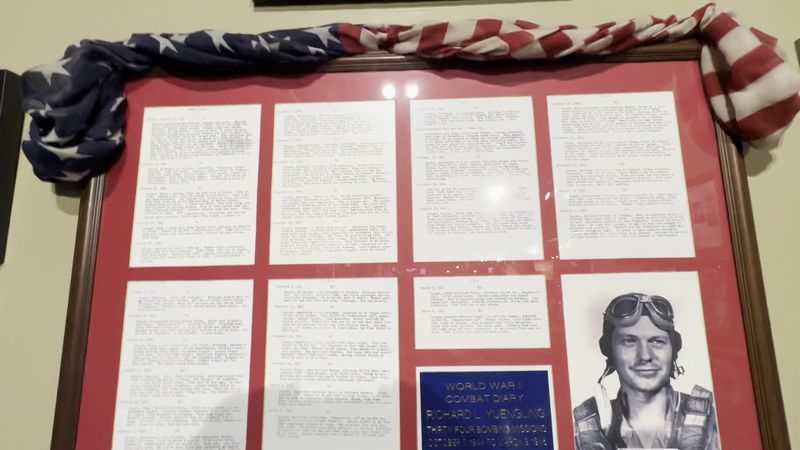
Old time cards might not sound thrilling. In the museum area here, they turn out to be surprisingly fascinating.
The small museum space holds an old cash register, employee time cards, production notes, and messages from the family. The collection is well curated, and it makes guests feel like part of the company’s long journey.
The family messages deserve special attention. They give the company history a personal touch that numbers and dates alone cannot provide.
The displays are a smart way to fill any wait before a tour. Since tours usually start on the hour, the museum and gift shop make easy stops before or after the guided walk.
After the tour wraps up in the tasting room, the gift shop is the natural next stop. It is stocked with branded apparel and souvenirs, the kind of Yuengling gear that makes an easy gift for fans back home.
Some products are only available at the brewery itself. That exclusivity gives the shop a little extra appeal for collectors and loyal fans.
The museum and shop together round out the visit nicely. They add a slower, self-paced portion to balance the guided hour.
With the full lineup covered, the next question is purely practical. When should the trip happen, and how should it be planned?
Hours, Parking and Smart Timing
Good news for planners: the schedule is simple. The site is open Monday through Saturday from 9 AM to 5 PM, and it is closed on Sundays.
The tour is free. Tours generally run on the hour, so the wait usually stays short.
Parking is free in the lot behind the brewery. Arriving around 30 minutes before a scheduled tour gives enough time to park, check in, and pick up a wristband.
Plan for a couple of hours in total. The tour runs just under an hour, and the museum area and gift shop can easily fill the rest.
Weekdays are worth considering. Active production is part of the appeal, and a weekday visit offers a better shot at seeing the crew at work.
Mobility deserves some thought in advance. The route includes some walking challenges, including the underground tunnels, so guests with mobility issues should plan accordingly.
Families with younger kids should know the tour leans heavily on history. Some children might lose interest partway through, though a local soft drink is available for kids at the end.
Up-to-date details can be found on the official website, yuengling.com.
With the logistics sorted, only one question remains. It happens to be the one sitting right in the headline.
The Verdict on the Drive
So, is it worth the trip? For most people, the answer lands firmly on yes.
The tour packs a lot into under an hour. Hand-dug tunnels, Prohibition-era walls, original stained glass, historic paintings, and a working production floor all share one route.
History buffs will find plenty to enjoy. The story of a family business that started in 1829 and is still going strong carries the whole experience.
Manufacturing fans get something too. Cans being filled for sale in real time give the tour a live, working edge that a typical museum simply cannot offer.
It even suits people who do not usually book brewery tours. The guides and the setting make it approachable for just about anyone.
A few caveats apply. Guests with mobility issues should expect some walking challenges, and younger kids may get restless during the history-heavy stretches.
Some people spend twenty years meaning to make this trek. Many of them leave wishing they had come sooner.
Free admission, a nearly 200-year-old building, and guides who clearly love their jobs make a strong case. For a day trip in south central Pennsylvania, this stop delivers a remarkable amount of story for zero dollars.
Pottsville has been ready for company since 1829. There is no good reason to keep it waiting much longer.
Enjoyed this story?
Add Fast Food Club as a preferred source to see more of our reporting on Google.