


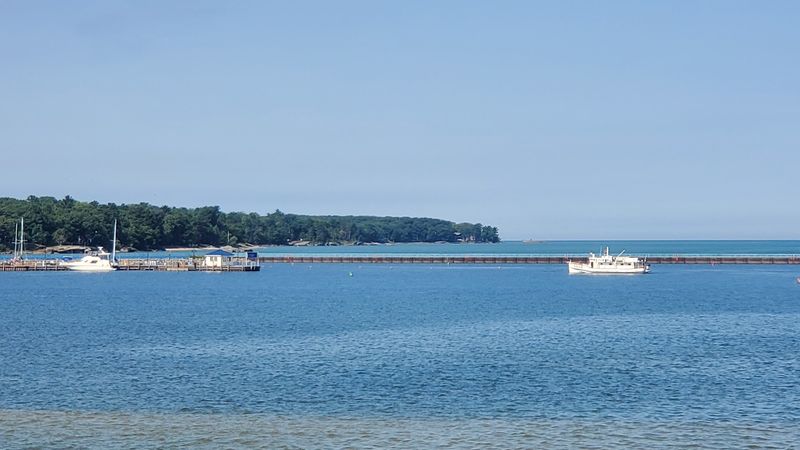
At the very tip of Michigan’s Thumb, a tiny village sits where the land runs out and Lake Huron takes over. Fewer than 650 people call it home, and many of the newest neighbors are retirees looking for water views without big-city costs.
The pace is slow, the streets are short, and the lake is never far away. Here is why this small harbor town keeps showing up on retirement wish lists.
A Village at the Tip of the Thumb
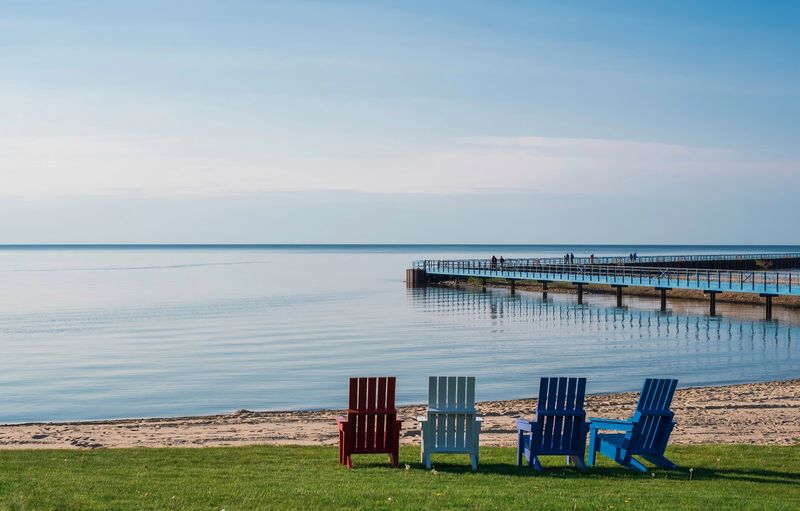
Some towns sit at a crossroads. Port Austin sits at the end of the road, right where Michigan’s Thumb meets open water.
The village of Port Austin is found in Port Austin Township, MI 48467, in Huron County in the state of Michigan, United States. It lies along the shore of Lake Huron, at the northern edge of the Thumb region.
That location shapes almost everything about daily life here. There is no through traffic rushing past on the way somewhere else, because the village itself is the destination.
For retirees, that quiet geography is a big part of the appeal. A town at the end of a peninsula tends to stay calm, and Port Austin fits that pattern well.
The village is small enough to learn in a weekend. Yet the lake on its doorstep gives it a sense of space that bigger towns often lack.
Consider this the starting point of the map, and the start of the story.
Small Numbers, Big Neighborly Energy

Six hundred twenty-two. That was the village population counted in the 2020 census, and it tells you a lot.
With a headcount that modest, Port Austin is the kind of place where faces become familiar fast. A trip to the post office can easily turn into a short chat.
Retirees often say they want community more than crowds. A village this size naturally leans toward the first.
There is also a practical side to small numbers. Fewer residents usually means less congestion, shorter lines, and a calmer routine overall.
Of course, a tiny town is not for everyone. Anyone craving a busy nightlife or endless shopping options may find the pace a bit too relaxed.
For those ready to trade rush hour for a slower rhythm, though, the math works out nicely. In Port Austin, the small print is the whole point.
Life Along Lake Huron

Lake Huron is not just scenery in Port Austin. It is the main character.
The village rests on the shoreline of one of the Great Lakes, and that water frames the town on its northern side. For many people, living near a Great Lake is a lifelong dream.
Retirement often brings more free time, and a lakeside town offers simple ways to fill it. Morning walks, quiet afternoons near the shore, and long evening views become part of the routine.
The lake also changes with the seasons. Summer brings the most activity, while the colder months offer a quieter, more reflective stretch of the year.
Homes in lakeside communities elsewhere can come with eye-popping costs. Part of the conversation around Port Austin centers on how the Thumb has stayed more within reach.
Big water, small town. For a lot of new arrivals, that pairing makes the decision easy.
Why the Thumb Stays Within Reach
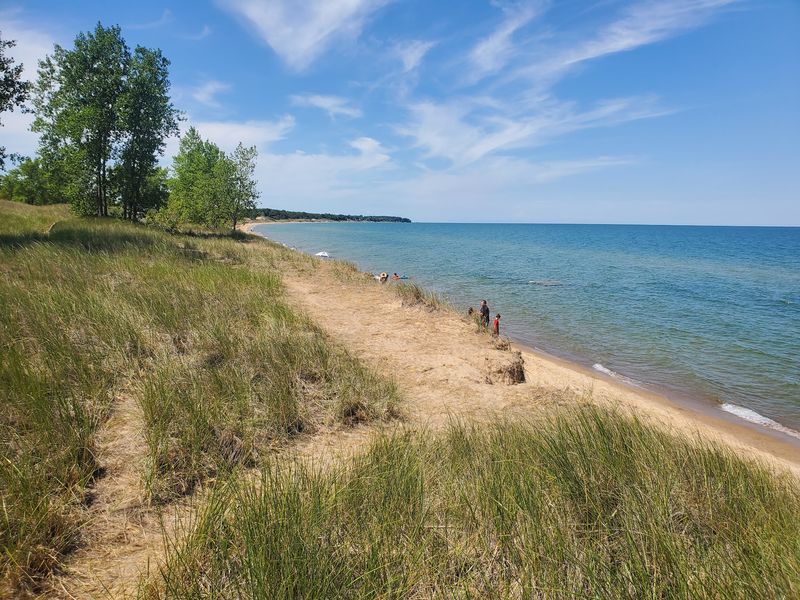
Ask why waterfront living can feel out of reach, and the answer is usually location. Popular resort areas draw crowds, and crowds raise costs.
The Thumb region is more rural and less crowded than many other Michigan lake destinations. Huron County is largely made up of small villages and open countryside.
That rural character helps explain the headline. Lake Huron homes in this corner of the state have a reputation for staying more affordable than in busier shoreline markets.
Exact prices shift over time, so anyone serious about moving should check current listings and talk with local agents. Market conditions can change from season to season.
Still, the general idea holds steady. A small village far from major cities tends to offer more house for the money.
For retirees on a fixed income, that difference can matter a great deal. In the Thumb, the view and the budget can actually get along.
Rhythm of the Seasons
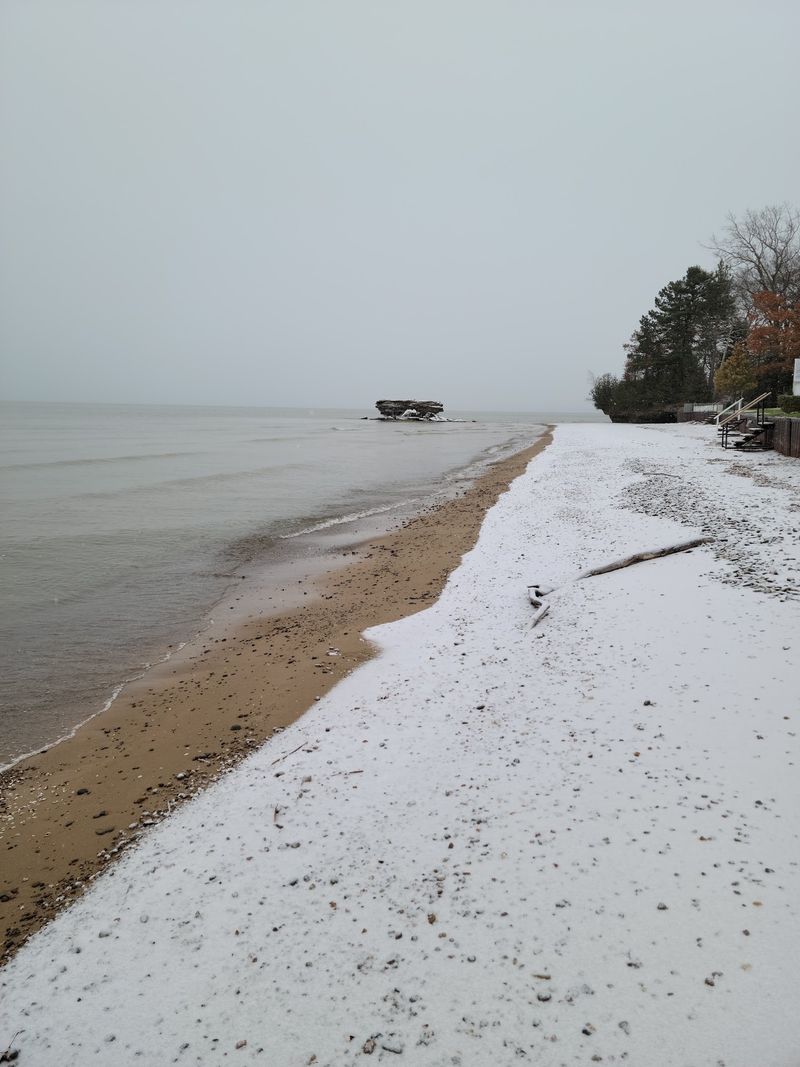
Northern Michigan runs on a calendar all its own. Port Austin is no exception.
Summer tends to be the liveliest time in Great Lakes towns, when the lakeshore draws the most attention. Warmer months are when the village feels most active.
Winters in the Thumb bring cold weather and snow, which is worth planning for. Some retirees choose to spend the coldest months elsewhere and return when the weather turns mild.
Others stay year-round and enjoy the quieter season. A small village in winter offers plenty of calm.
Spring and fall sit in between, often with fewer people around. Those shoulder seasons can be a smart time to visit for anyone scouting a future home.
Seeing the town in more than one season is a wise move before buying. A place should feel right in January, not only in July.
Who Fits Right In

Not every retiree dreams of golf resorts and gated communities. Some just want a porch, a lake, and a little peace.
Port Austin tends to suit people who enjoy a slower pace. A village of a few hundred residents rewards those who like simple routines and familiar surroundings.
Nature lovers will likely feel at home, given the lakeshore setting. So will anyone who values small-town ties over big-city convenience.
On the flip side, people who need frequent access to large hospitals, airports, or major shopping centers should think carefully. Rural living often means longer drives for some services.
Families with grandchildren may find the lakeside setting a nice draw for summer visits. A trip up to the Thumb can become a yearly tradition.
The best fit is someone who sees quiet as a feature, not a flaw. For that person, Port Austin may feel like it was waiting all along.
Getting to the End of the Road
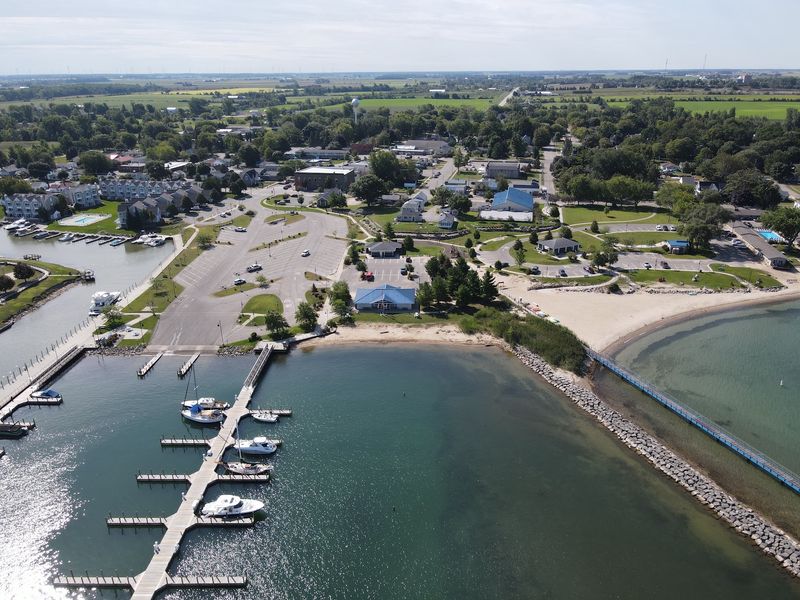
Reaching Port Austin takes a little commitment. The village sits at the northern tip of the Thumb, so the drive is part of the experience.
Most people arrive by car, traveling through rural Huron County on the way north. The trip passes open countryside typical of the region.
Because the town is remote, it helps to plan ahead. Checking routes, weather, and road conditions is especially smart in the winter months.
Once there, the village itself is compact. Getting around a town of this size is simple.
For retirees thinking about a move, a few practice trips are a good idea. Driving the route in different seasons gives a real sense of what living there would require.
The distance is exactly what keeps Port Austin calm. A longer drive in can mean a quieter life once the car is parked.
Smart Steps Before Making the Move
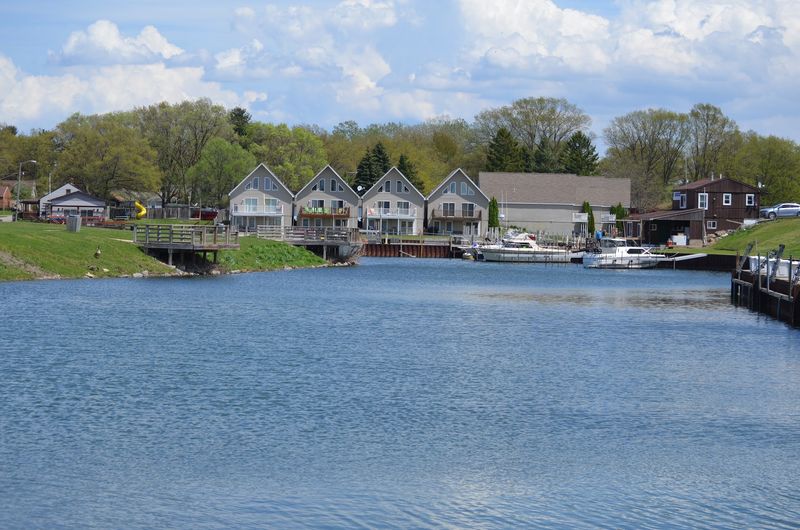
Falling for a lake town is easy. Signing papers should take a bit more thought.
Start by visiting more than once, ideally in different seasons. A short summer stay shows only part of the picture.
Next, look closely at the practical details. Distance to medical care, grocery options, and winter upkeep all matter more with age.
Talking with local real estate professionals can help clarify what homes actually cost right now. Prices and availability can shift, so current information beats old headlines.
Renting for a season before buying is another option worth weighing. It offers a low-risk way to test daily life in a small village.
Finally, think about community. Getting to know a few neighbors early can make a new town feel like home much faster.
Homework first, lake views second. That order tends to lead to the happiest moves.
A Quiet Verdict From the Shore
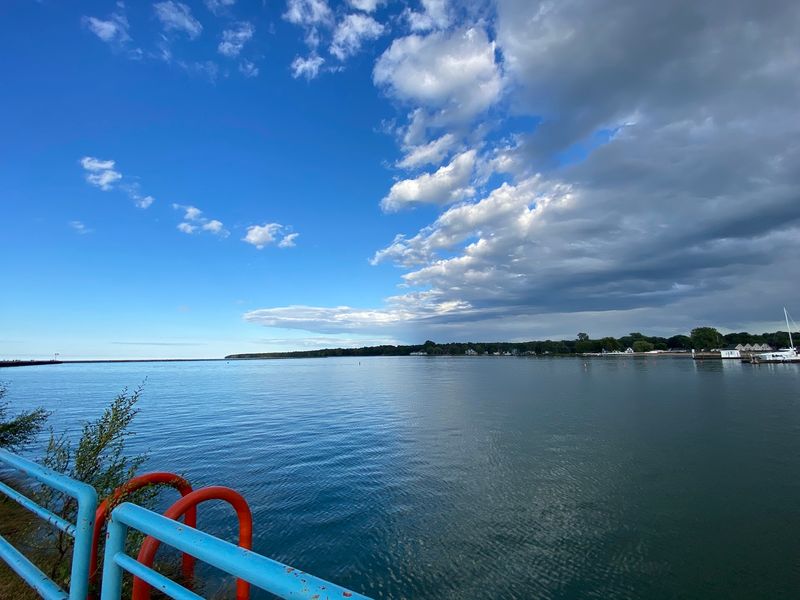
Port Austin will never be the loudest town on the map. That is exactly why it keeps earning attention.
A village of 622 people, set at the tip of Michigan’s Thumb on Lake Huron, offers something many retirees are searching for. It pairs Great Lakes living with a slower pace and a more down-to-earth budget.
It is not perfect for everyone. Long winters and rural distances call for honest planning.
Yet for those who value calm mornings, lakeside routines, and neighbors who know their names, the trade-offs feel small. The quiet here is a choice, not an accident.
Retirees are not arriving with fanfare. They are simply showing up, settling in, and staying.
Sometimes the best place to land is right where the road runs out.
Enjoyed this story?
Add Fast Food Club as a preferred source to see more of our reporting on Google.