


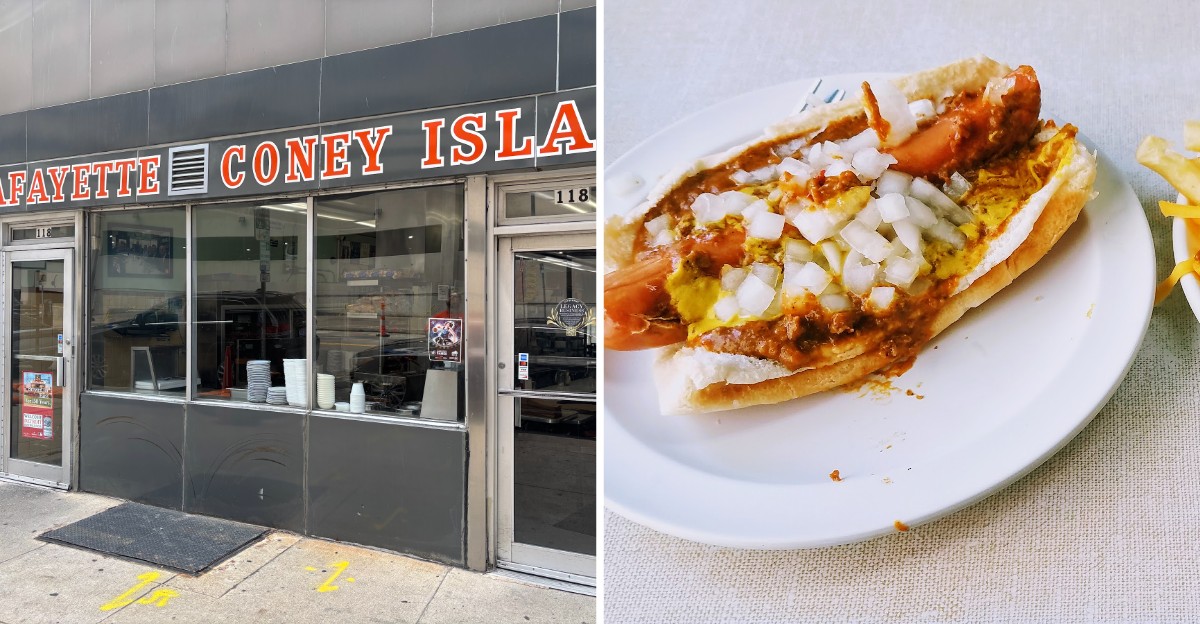
Detroit has argued about plenty over the decades, but few local debates run as long as the one over which downtown counter serves the best coney dog. One small diner has been part of that argument since 1937, back when Franklin Roosevelt was in the White House, and it still refuses to overcomplicate anything.
Expect a short menu, a long counter, a row of stools, and staff who can often guess your order before you finish sitting down. Crowds line up before ballgames, after concerts, and well past midnight on weekends, and the house chili recipe never leaves the building.
Keep reading to learn where it sits, how it built its name, what to order, how to speak the counter lingo, and when to show up so the wait stays short.
A Downtown Counter on Lafayette Boulevard
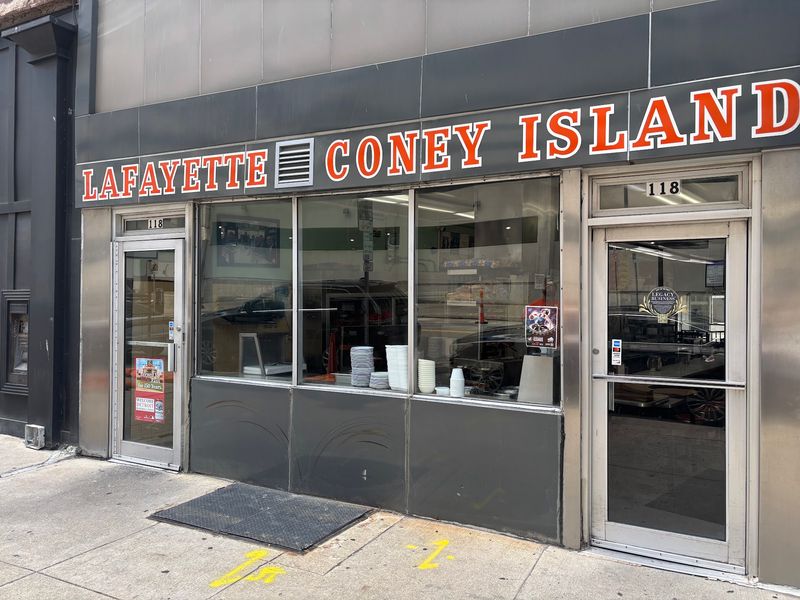
Some of the most famous meals in Detroit come from a room barely wider than a hallway. Lafayette Coney Island sits at 118 W Lafayette Blvd, Detroit, MI 48226, right in the heart of downtown Detroit, Michigan, in the United States.
The address puts it within easy reach of offices, hotels, and the city’s big entertainment venues. That location explains a lot about the crowd, which can shift from office workers at breakfast to concertgoers near closing time.
On paper, the place is simple to describe. It is a hot dog restaurant with a no-frills menu built around chili-topped dogs and fries.
In practice, it is also a Detroit institution with thousands of fans and a reputation that travels far beyond Michigan. People plan road trips around it, and locals send out-of-town friends here as a kind of welcome test.
The diner shares its block with another well-known coney counter, which adds a layer of friendly drama to every visit. More on that neighbor soon, because the story does not make sense without it.
For now, the key detail is this: the menu stays short, the prices stay reasonable, and the focus stays on the coney. Everything else about the experience grows out of that choice.
Roots Planted in 1937
Nearly nine decades is a long time for any restaurant to keep its doors open. Lafayette Coney Island has been feeding Detroit since 1937, a run that spans generations of the city’s ups, downs, and comebacks.
Staying power like that rarely comes from chasing trends. Here, the formula has stayed focused on one thing done over and over, day after day, for a very long time.
The coney dog itself has deep roots in Michigan food culture. Detroit developed its own version, with a specific style of chili and toppings, and this counter became one of its best-known homes.
Families often treat a stop here as a tradition passed down like a recipe. Grandparents who came as kids now bring grandchildren, and the room looks much the same as it did for them.
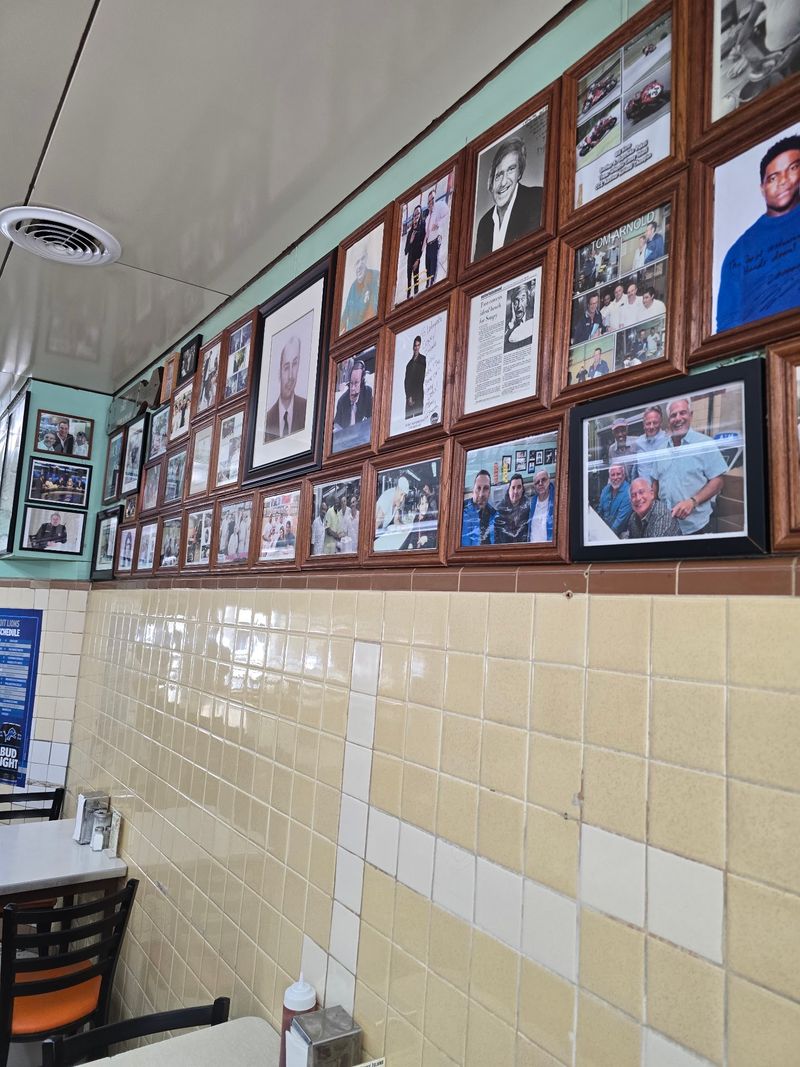
The walls hold photos that give a glimpse of that long history. Plenty of first-timers spend a moment studying them before or after the meal, though it helps to keep an eye on the line if the room is busy.
History is part of the appeal, but the diner is no museum. It still runs as a working lunch counter, serving plates at a pace that would surprise anyone expecting a slow trip down memory lane.
The Rivalry Next Door
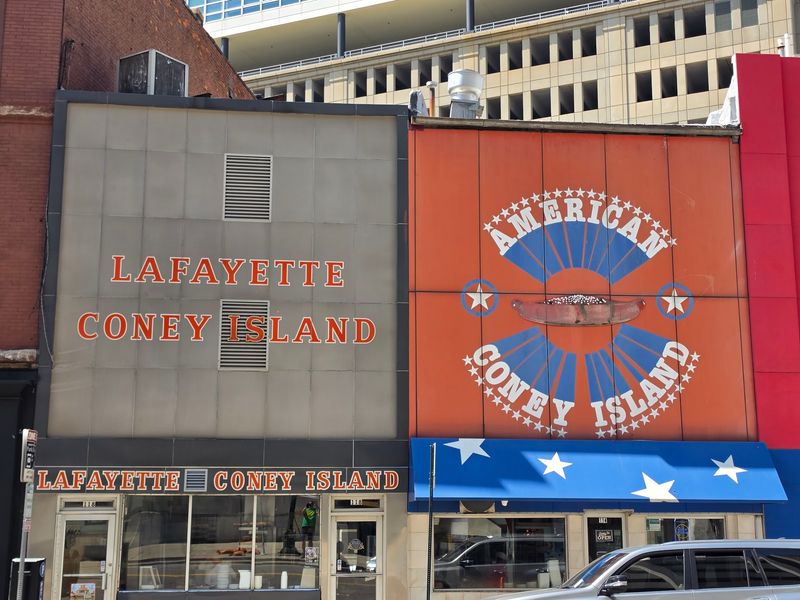
Few restaurant rivalries in America are as famous, or as close together, as this one. Lafayette Coney Island and American Coney Island stand right next to each other, and choosing a side is practically a Detroit rite of passage.
Many first-timers settle the question with a head-to-head test. They order a coney at one counter, walk a few steps, and order another at the neighbor.
Opinions split in every direction. Some people favor Lafayette for its chili and onion combo, pointing to a bit more heat and a different spice blend as the deciding factor.
Others lean toward the neighbor for its coneys but still come away fans of Lafayette’s fries. Plenty call it a near tie and simply enjoy both.
Atmosphere often tips the scales. Lafayette tends to win over people who want a low-key, old-school diner setting that feels welcoming and unpolished in the best way.
One ambitious eater even toured 22 different coney spots in a single day, and Lafayette came out on top. The house chili, a Dearborn brand dog, and Woeber’s mustard carried the win.
The best advice is to try both and form your own opinion. Detroiters will happily argue with you about it either way.
Anatomy of a Coney Dog
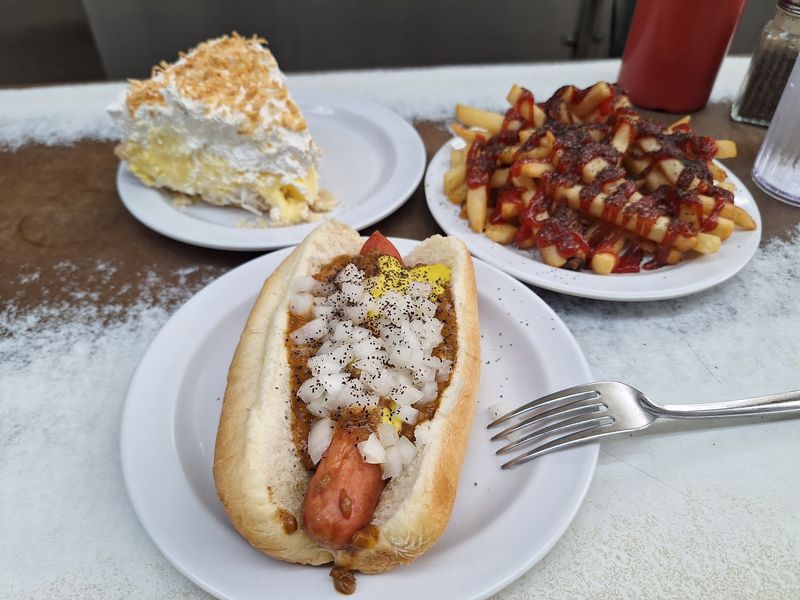
A Detroit coney follows a strict blueprint, and Lafayette sticks to it with discipline. The build starts with a natural-casing beef hot dog, which the diner sources from a Dearborn brand.
That dog goes into a steamed bun, soft and light enough to act mostly as a carrier. Its job is to hold everything together for as long as possible.
Next comes the beanless chili, ladled across the top. Then a stripe of mustard and a pile of raw chopped onions finish the job.
The result looks messy, and nobody here pretends otherwise. Coneys arrive looking far from photogenic, and the experience is not about appearances.
Portions tend to surprise newcomers, with servings often bigger than expected. Many people end up grabbing a fork to help with the overflow of chili and onions.
Onion lovers can load up, while others prefer a lighter touch. Some purists even skip the onions entirely and go with just the dog and chili, letting the two main parts carry the plate.
Whatever the combination, the counter crew builds each one in full view. Watching someone who has assembled thousands of these work quickly and calmly is part of the fun.
The Chili Recipe Everyone Wants
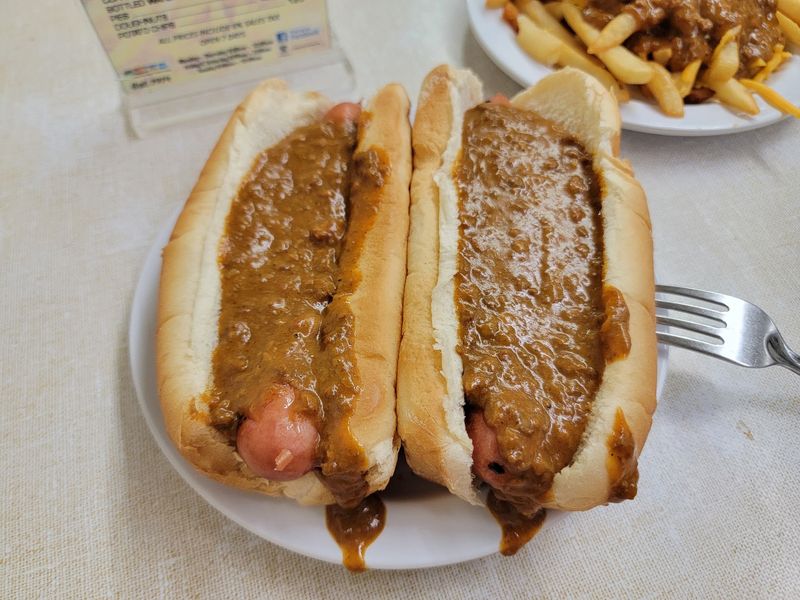
Secrets keep restaurants in business, and the chili here is a closely held one. Lafayette makes its own proprietary blend, and plenty of fans consider it the single biggest reason the diner stands apart.
Detroit-style coney sauce is beanless. It is thinner than the thick chili many people make at home, and it spreads across the dog rather than sitting on top in a heap.
The Lafayette version carries a little spice and a distinctive seasoning mix. For many coney fans, that small difference in heat is exactly what decides the local rivalry.
Not everyone falls for it, of course. Regional coney styles vary across the Midwest, and people raised on other versions sometimes prefer the sauce they grew up with.
That kind of loyalty is part of what makes coney culture fun. Every town that loves the dish tends to believe its own chili is the correct one.
At Lafayette, the sauce also does double duty. It shows up on the fries, too, which leads straight to the second half of this article’s headline.
Chili Fries Worth the Fork
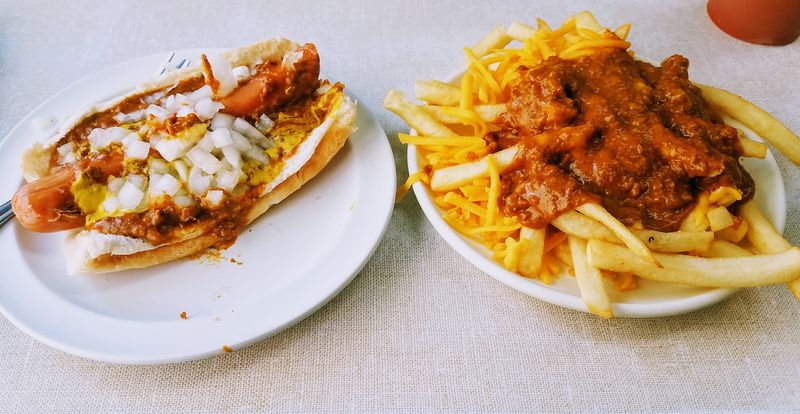
Coneys may headline the menu, but the chili cheese fries have built a fan club of their own. Ask around Detroit and they come up almost as often as the dogs.
The concept is straightforward. A plate of fries gets covered in the same house chili used on the coneys, then topped with cheese.
Because the chili works so well on the dogs, it makes sense that it translates to fries. Many people who come for the coneys leave talking just as much about this side.
Some fans call it the best chili cheese fry plate in the city. Even diners who favor the rival’s coneys often admit Lafayette wins this particular category.
Plain fries are available too, for anyone who wants something simpler. Staff will take requests, such as asking for them extra crispy.
One small tip: salt packets are not always sitting on the table. Grab some at the counter if you like your fries seasoned.
Sharing a plate is the smart move for a group. It leaves more room for a second coney, which, around here, is always the right call.
Speaking Fluent Coney
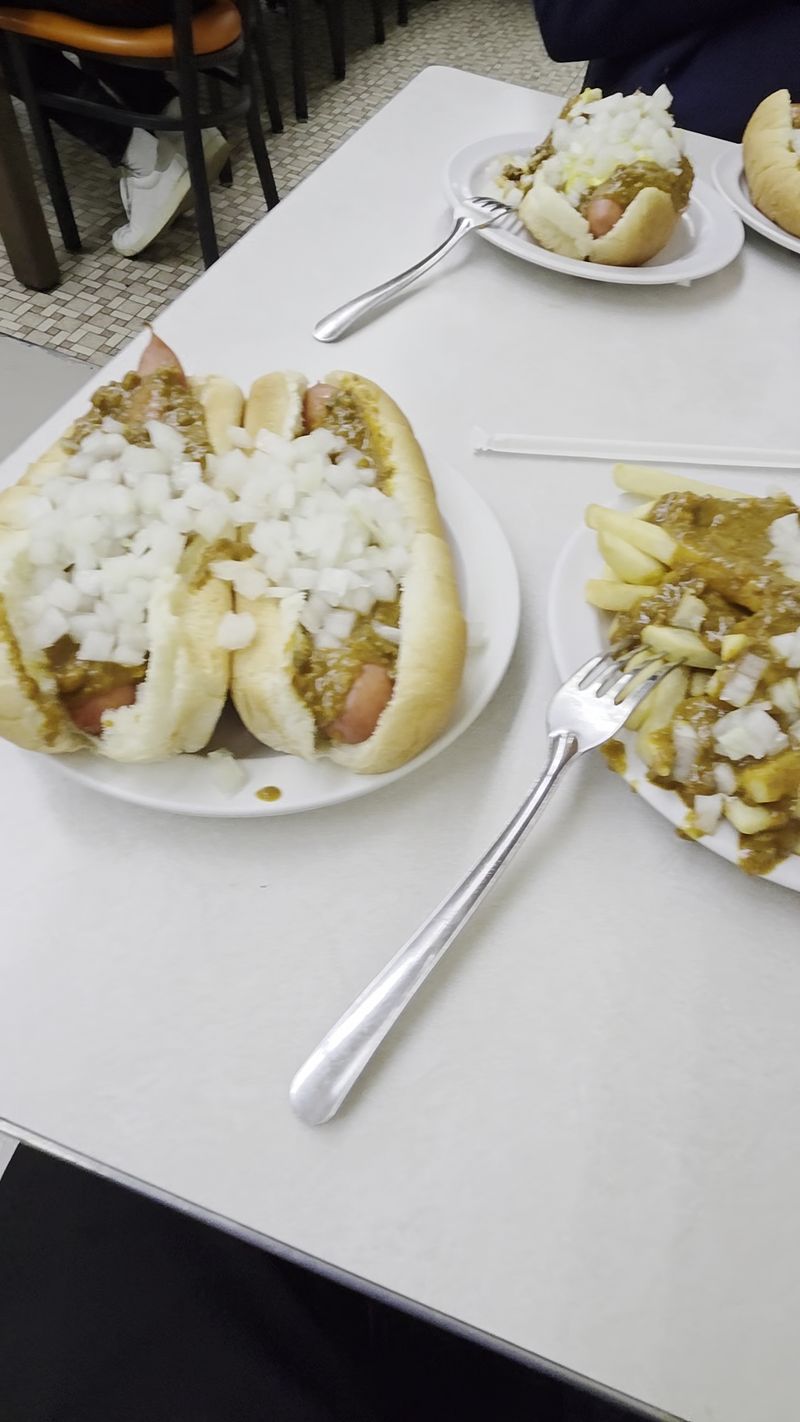
Ordering here comes with its own shorthand, and learning it is half the fun. Say “two up with everything” and the staff will understand you instantly.
“Two up” means two coneys. “With everything” means chili, mustard, and onions on each one.
Regulars take it a step further. An order like “2 up on 1, heavy onions” packs a lot of detail into very few words, and the crew keeps up without blinking.
No one expects a first-timer to master the lingo right away. Plain English works fine, and many people find the staff has already guessed they came for a coney.
There is little reason to overthink the menu. It is short on purpose, and the coney is the obvious starting point for almost everyone who walks through the door.
Once the order is placed, food arrives fast. Servers are known for carrying multiple plates of coneys up their arms at once, which is a small show in itself.
Use the lingo once and it sticks. By the second visit, most people are ordering like they have been coming for years.
A Room Frozen in Mid-Century Detroit
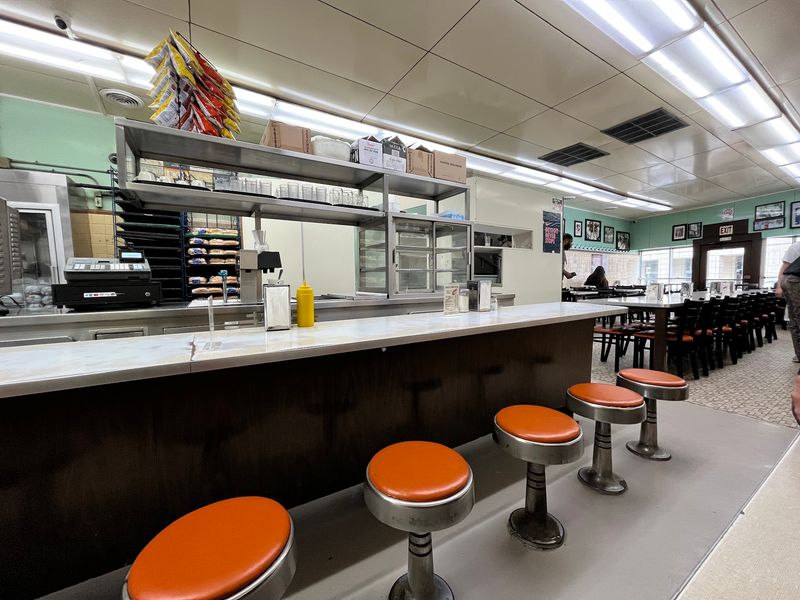
Renovation trends have mostly passed this diner by, and that is exactly how its fans like it. The room looks much as it might have in the middle of the twentieth century.
Tiled walls, a long counter, short stools, and a handful of small booths make up the whole space. There is nothing extra, and nothing seems to be missing.
The kitchen works in full view of the counter. From just a few feet away, you can watch your order come together on the grill and line.
Many people describe the setting as a trip back in time. It feels authentic rather than staged, since the diner never set out to create a retro theme.
Counter seating is the classic choice for solo diners and pairs. Groups usually aim for a booth, though space is limited during the busy hours.
The framed photos on the walls add character and a sense of history. Take a look, but keep in mind that seats turn over quickly and the staff likes the room to keep moving.
The building and the food form one package. Change either, and the whole thing would feel like a different place.
Lines, Speed, and the Game Night Rush
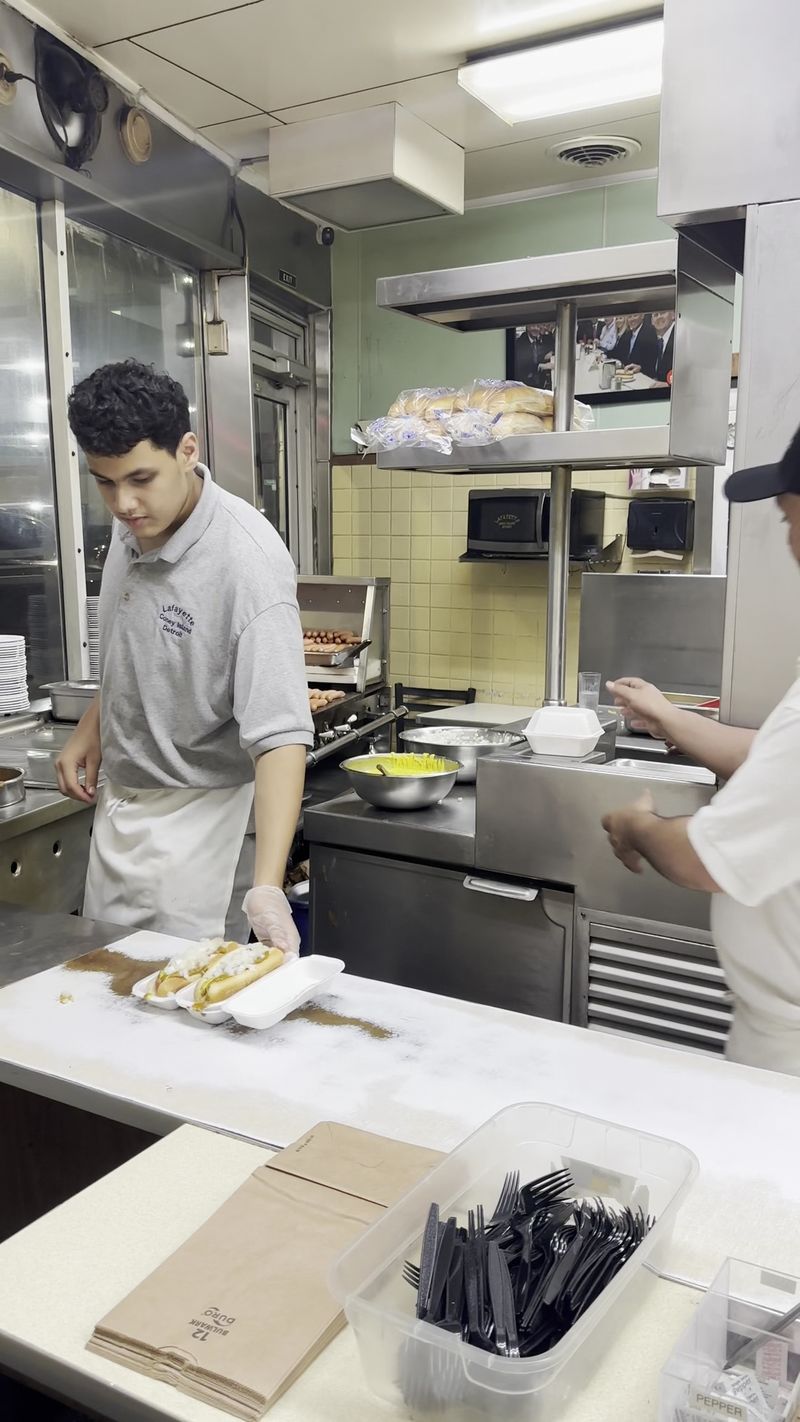
Long lines can scare people off, but here they move surprisingly fast. The kitchen and servers are built for volume, and the pace rarely slows even when the room is packed.
Downtown events send waves of hungry people through the door. A coney before or after a ballgame or concert is a long-standing local habit.
After a big show, the line can stretch well beyond the entrance. Even then, many people are surprised at how quickly they reach the front and get seated.
The crew has a reputation for being a little rough around the edges. That brisk, no-nonsense style is part of the charm for many, since it keeps the food coming.
At the same time, plenty of stories point to real warmth behind the counter. Staff have been known to treat kids with special care, including replacing a coney that fell apart and bringing a little extra something to cheer up a young diner.
One employee even pointed early customers toward a nearby park for eating outside. Small gestures like that stick with people.
Patience and politeness go a long way here. The customers tend to be friendly, and a courteous line makes the wait even shorter.
Hours, Cash, and Smart Timing
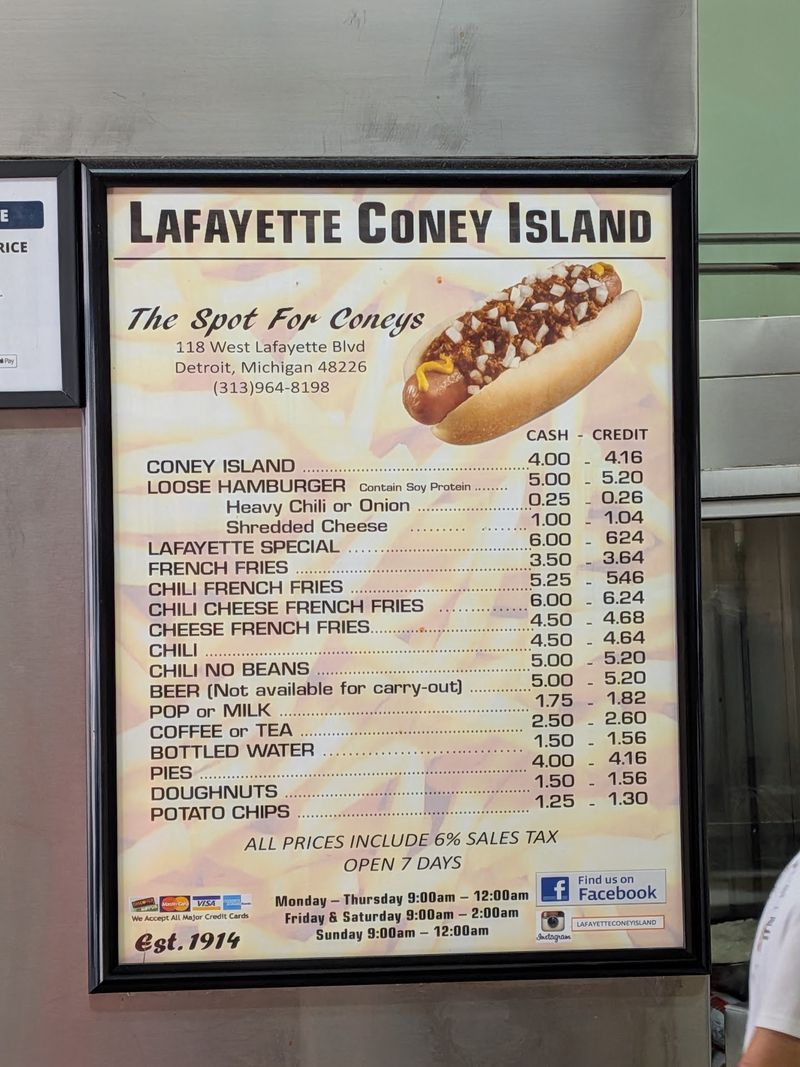
Planning ahead pays off, starting with the wallet. Cash is king at this counter, and paying with cash is known to cost less than other options.
Expect to spend roughly $10 to $20 per person. That range covers a couple of coneys and a side for most appetites.
The doors open at 9 AM every day of the week. From Sunday through Thursday, service runs until midnight.
Friday and Saturday stretch later, with the diner staying open until 2 AM. That makes it a popular late-night stop after downtown events.
Early mornings are one of the easiest times to walk in without a wait. A coney and fries before noon may sound unusual, but plenty of people swear by it.
The busiest stretches line up with the city’s event schedule. If a big game or concert is happening nearby, expect a crowd before and after.
The address is 118 W Lafayette Blvd in downtown Detroit, easy to reach from most central hotels and venues. Arrive ready to order, have cash in hand, and the whole visit tends to go smoothly.
Why the Counter Still Matters
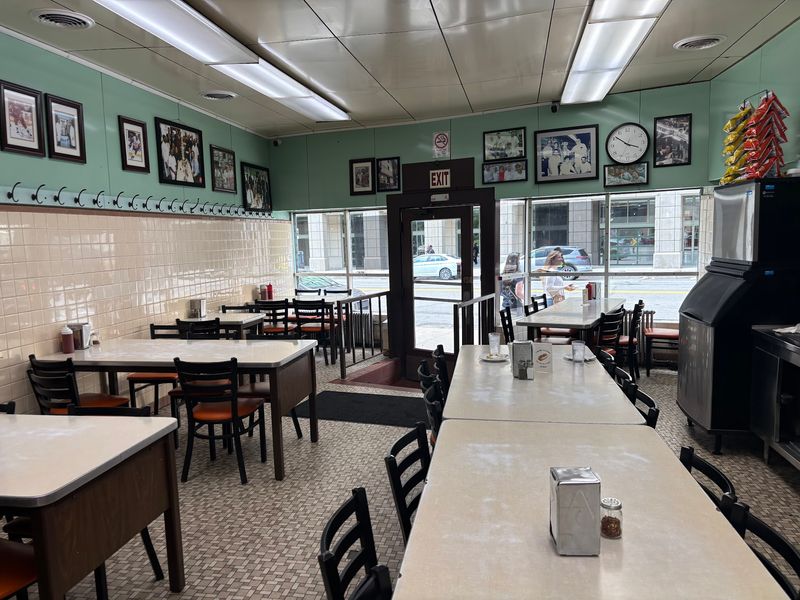
Plenty of restaurants chase novelty, but this one has spent nearly nine decades proving that consistency can be just as powerful. Since 1937, it has served Detroit with a short menu, a fast crew, and a chili recipe that sparks debate to this day.
It is not a place for fancy plating or long, lingering meals. The coneys look messy, the seats are small, and the staff moves quickly.
What it offers instead is a real slice of Detroit culture. The room, the lingo, the rivalry next door, and the late-night crowds all belong to the city’s story.
First-timers often leave understanding why locals feel so strongly about their coney dogs. Longtime fans come back because very little has changed, and that is the point.
Some people will prefer the neighbor, and that is part of the fun. The friendly argument keeps both counters busy and gives every visitor to Detroit a mission.
For a quick, affordable meal with plenty of history attached, it is hard to beat. Order two up with everything, add a plate of chili fries, and settle in for a meal the city has been perfecting for generations.
Enjoyed this story?
Add Fast Food Club as a preferred source to see more of our reporting on Google.