


Some restaurants chase trends, and some just keep the coffee coming for decades while the city changes around them. This Pittsburgh diner belongs firmly in the second group, with a counter, booths, and tabletop jukeboxes that have stayed loyal to their old-school roots.
People who grew up eating here come back years later and find it almost exactly the same, which is rarer than a free refill at a fancy cafe. Read on for its story, its quirks, the one payment rule you cannot ignore, and the best times to grab a seat.
A Neighborhood Fixture on Baum Boulevard
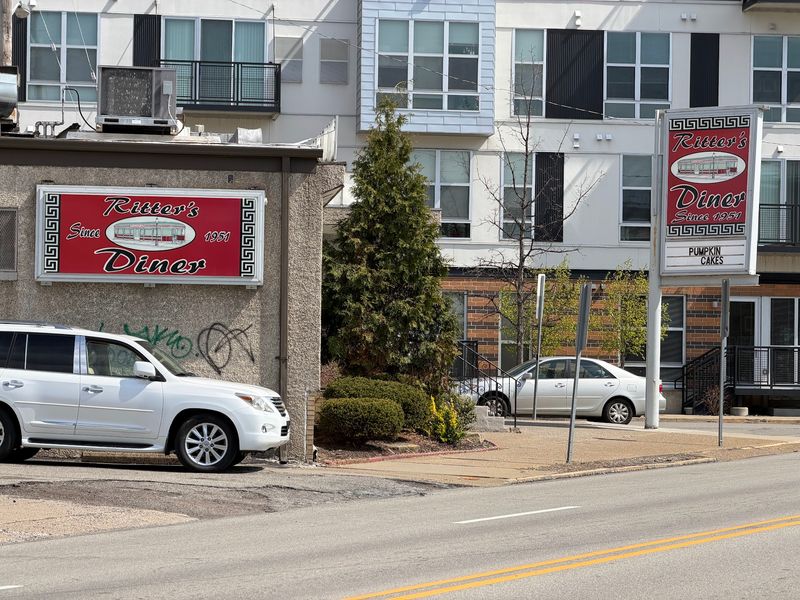
Ritter’s Diner sits at 5221 Baum Blvd, Pittsburgh, PA 15224, in the United States, right along one of the city’s busy east end corridors. It is a straightforward, old-fashioned diner, and it has never pretended to be anything else.
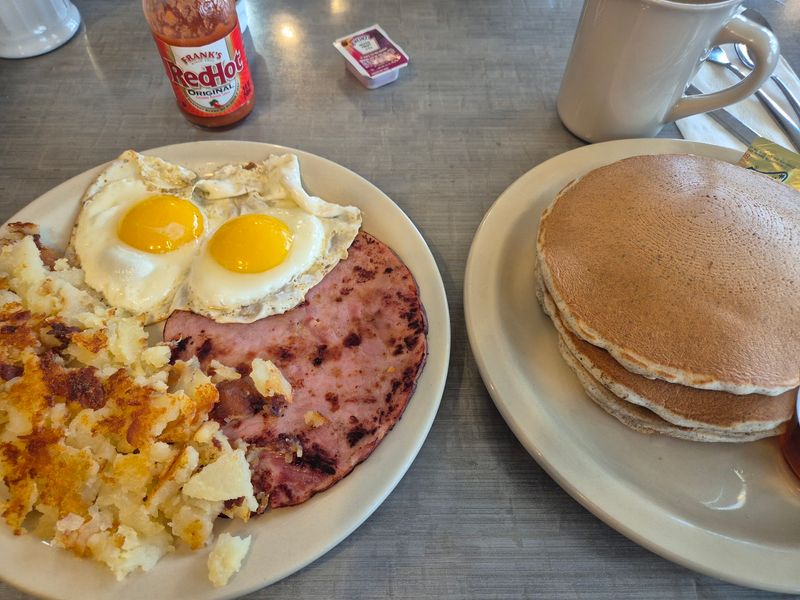
The menu leans on homestyle plates and classic diner grub, the kind of food built to fill a plate and keep a budget intact. Breakfast is a big draw, but lunch and dinner plates get plenty of attention too.
Location plays a big part in its appeal. The area is home to major medical facilities, and plenty of people stop in before or after appointments on this side of the city.
Locals treat the place as a dependable default. It is the spot people suggest when someone asks for a real Pittsburgh diner, and even other diner owners in the area have been known to point folks here.
That kind of recommendation from the competition says a lot. Few restaurants earn praise from the people running similar businesses down the road.
With the address sorted, the more interesting question is how a single diner kept its regulars coming back through so many decades. The answer starts with its history and the night owls who once kept it busy around the clock.
Pie, Coffee, and the Old Night-Shift Crowd
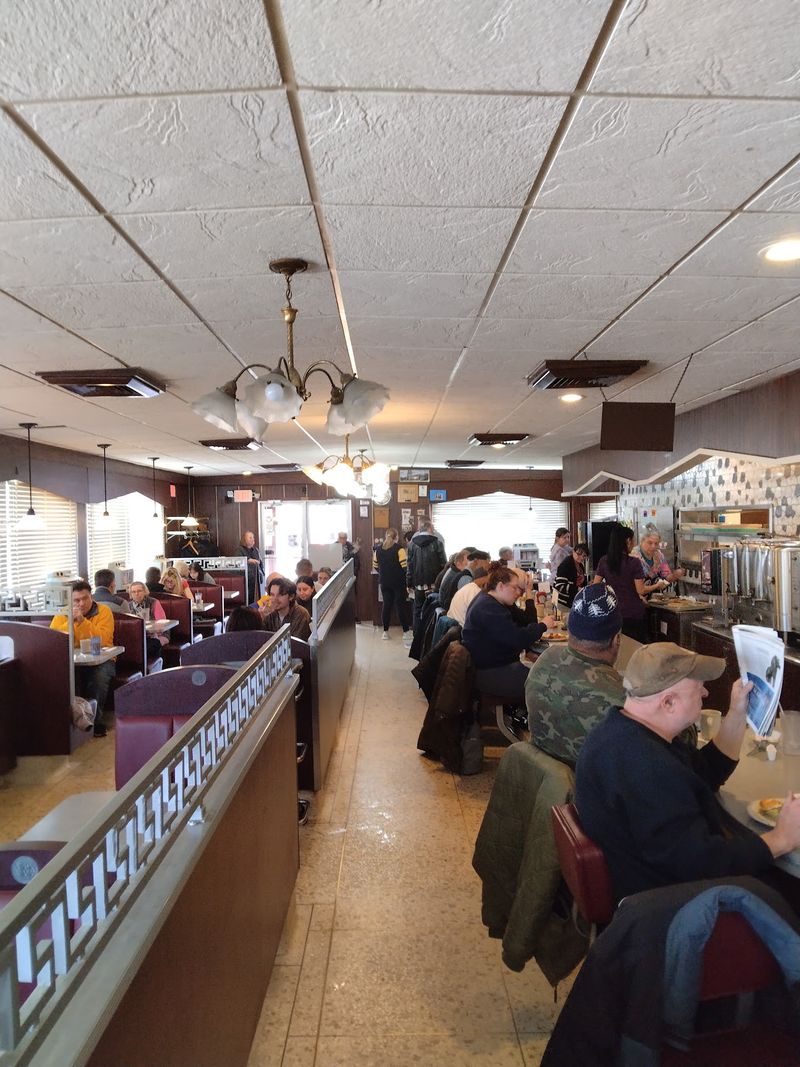
Long before brunch became a weekend hobby, diners like this one served a very practical purpose. They fed the people who worked while the rest of the city slept.
For years, Ritter’s ran as a true 24-hour hangout. Nurses, shift workers, students, and late-night wanderers could count on a booth, a cup of coffee, and a slice of pie at hours when every other kitchen had gone dark.
That round-the-clock schedule is part of what built its reputation. A diner that never closes becomes a meeting place, a study hall, and a quiet refuge all at once.
Times did change, though. The pandemic ended the 24-hour era, and longtime fans still bring it up as the one thing they wish would return.
Today the doors open at 7 AM and close at 8 PM, every day of the week. The night owls have had to adjust, but the early risers and dinner crowd have picked up the slack.
Even with shorter hours, the spirit of those overnight regulars lingers in the booths. A diner that spent years caring for tired workers does not forget how to make people feel at home, and that legacy shows up in some surprisingly small details at every table.
Tabletop Jukeboxes With a Loyal Fan Club
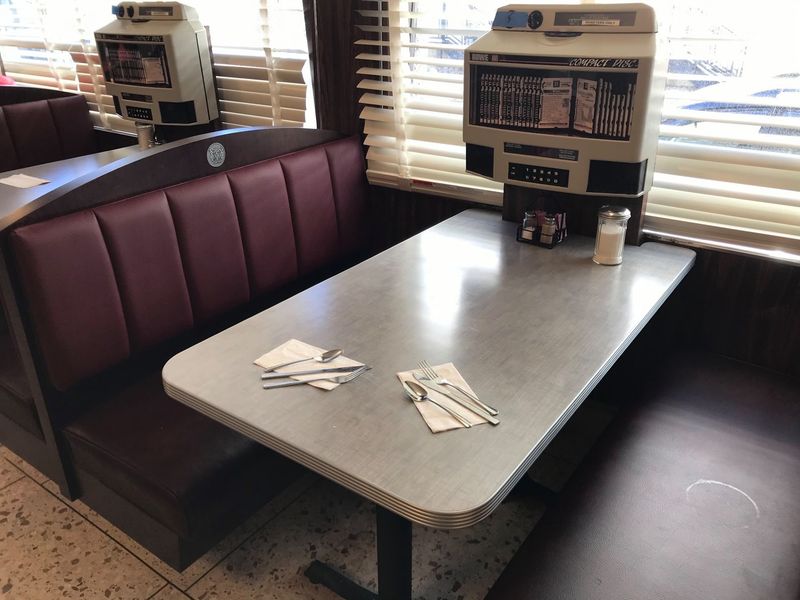
Here is a fun fact for anyone who loves retro touches. Many booths at Ritter’s come with their own mini jukeboxes mounted right at the table.
These little machines are one of the most talked-about features of the whole diner. They turn a regular meal into a small trip back in time, and they give kids and adults something to flip through while waiting for plates.
Longtime regulars have noticed a change over the years. The old 45 records that once powered the tableside jukeboxes are gone, a small loss that some fans still mention with a smile.
Still, the jukeboxes themselves remain part of the scenery. They help explain why the diner atmosphere here feels authentic rather than staged.
Plenty of modern restaurants try to recreate this look with new decor. Ritter’s simply kept what it had, and that makes all the difference.
For first-timers, grabbing a booth with a jukebox is worth a short wait. It is the easiest way to experience the classic diner mood the place is known for.
Just remember that the music is only one piece of the old-school charm. Another tradition here is far less optional, and it catches plenty of newcomers off guard at the register.
The Cash-Only Rule Nobody Can Skip
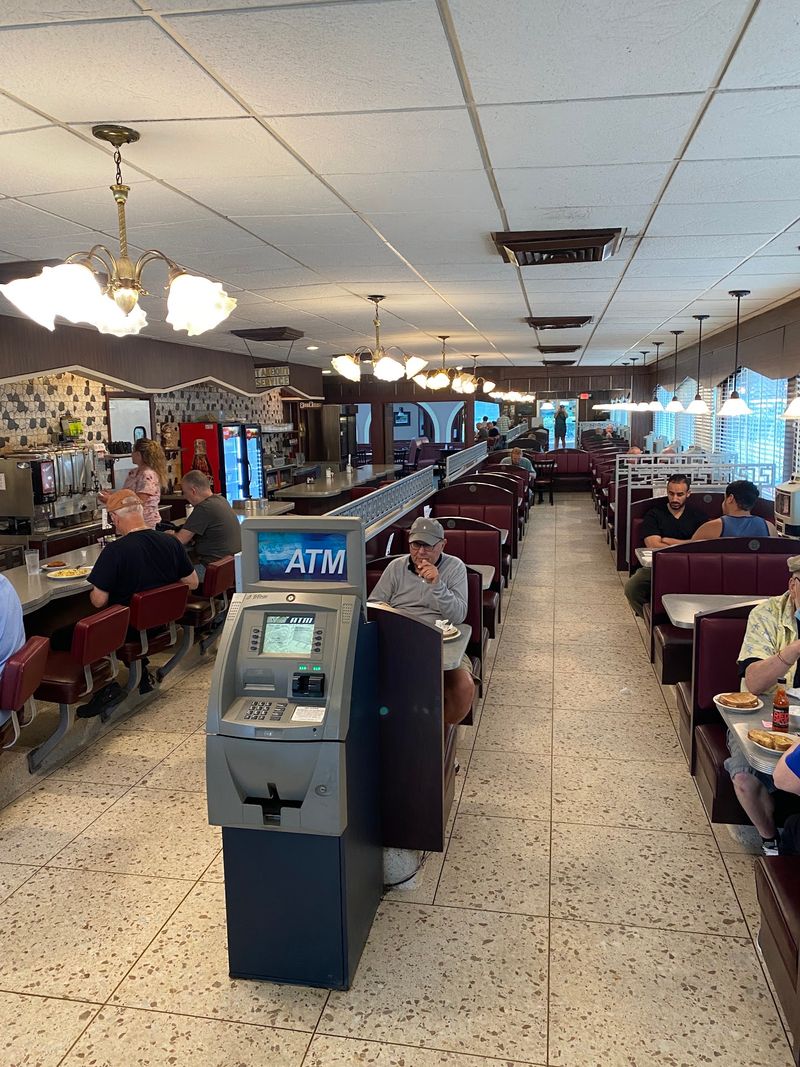
Cards stay in the wallet at this diner. Ritter’s is cash only, full stop.
That means no credit cards, no debit cards, and no phone payments like Apple Pay. It is the single most mentioned detail about the place, and for good reason.
First-time guests, including travelers from abroad, often point it out as the one thing they wish they had known sooner. Consider this friendly advice to stop by a bank before heading over.
There is a backup plan for the forgetful. An ATM sits in the foyer, and staff will point diners toward it when needed.
Using a machine can add fees, so bringing bills ahead of time is the smarter move. A little planning keeps the end of the meal simple.
The cash policy fits the old-fashioned identity of the diner. It is one more way the place has stayed stubbornly the same while payment habits everywhere else have gone digital.
It also helps that the bill rarely gets scary. Prices run roughly $10 to $20 per person, so carrying enough cash is not a major burden, and that affordability deserves a closer look of its own.
Comfort Plates at Prices That Still Make Sense
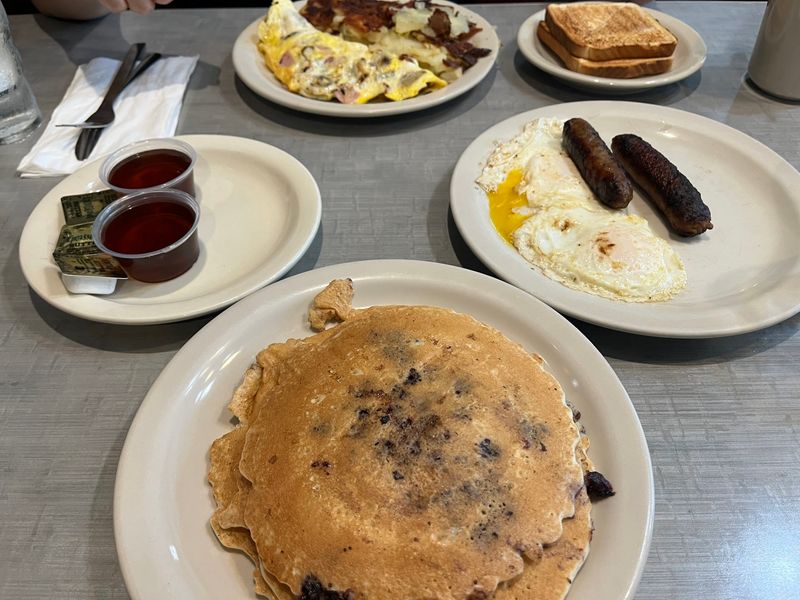
Good news for anyone watching their spending: this diner still charges what a diner should charge. Even in 2025, the prices land where most people expect them to.
The typical cost sits around $10 to $20 per person. One group of five managed a full meal for about $75, including tax and tip, which is a rare bargain these days.
Portions are generous, and the plates cover breakfast, sandwiches, and hearty dinner options. Many plates are made the homestyle way, with real cooking rather than shortcuts.
Consistency is the real selling point. Regulars describe the food as dependable comfort cooking, the kind that tastes the same visit after visit.
Not everyone agrees on every dish, and a few people find certain plates plain on seasoning. For most guests, though, the value and reliability win out.
Seasonal specials also keep the menu from feeling frozen in time. Fall brings its own limited offerings that fans look forward to each year.
And yes, pie and coffee still close out a meal nicely, just as they did for those overnight regulars. Of course, great food at fair prices only goes so far without the people carrying the plates.
Waitresses Who Keep the Place Running
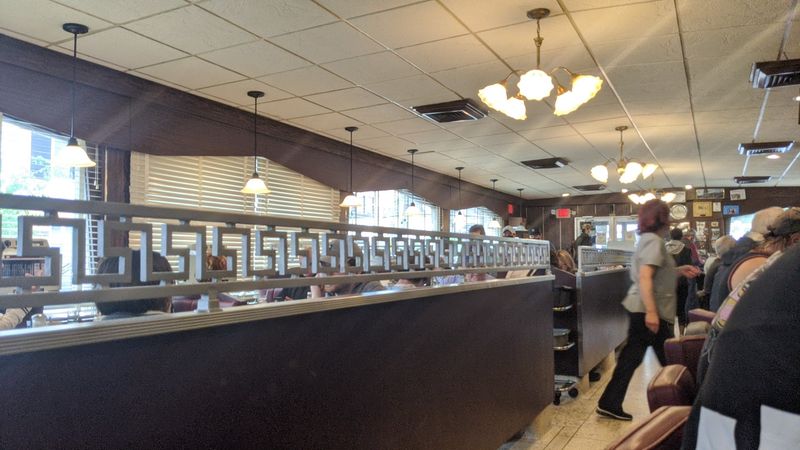
Ask regulars what keeps them coming back, and many will skip the menu entirely. They will talk about the waitresses.
The staff is often described as kind, fast, and genuinely welcoming. Several servers are known by name, and some guests leave feeling like they were treated as family.
That warmth matters even more on busy mornings. Servers juggle packed dining rooms without losing their friendly manner, which is no small task.
Many guests make a habit of tipping well here. They recognize that diner work is demanding, and they appreciate the effort behind every refill.
To be fair, the experience is not perfect every time. A few guests have reported rude moments or order mix-ups with individual servers, so experiences can vary.
Those complaints are the exception rather than the rule. The overall picture is of a crew that most people find friendly and attentive.
Honest expectations help. A busy, cash-only neighborhood diner runs on hustle, and it will not feel like a polished hotel restaurant.
For most people, that is exactly the appeal. The personal touch is part of the package, and timing a visit well can make that service even smoother.
Best Times to Snag a Booth
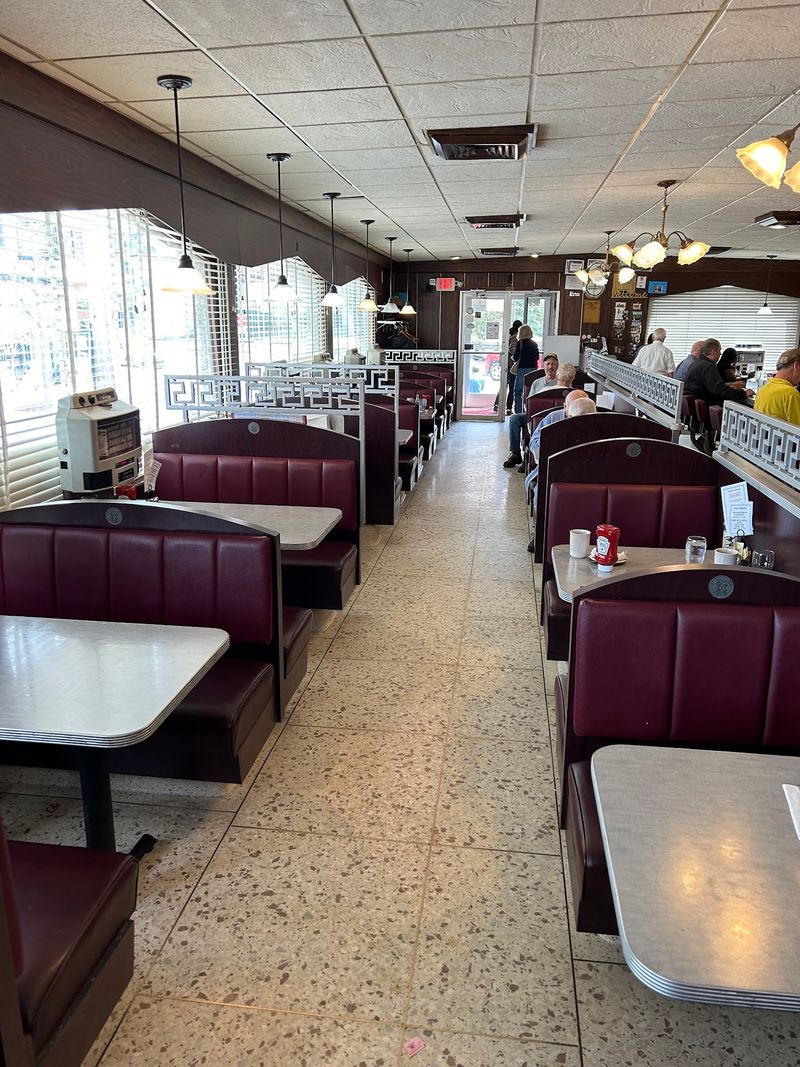
Timing is everything at a popular diner. At Ritter’s, the weekend lunch rush is the one to plan around.
Saturdays and Sundays around noon are the busiest stretch, especially after church services let out. The dining room fills quickly, and waits for tables and food can stretch.
A solo diner or pair has a handy option. Seats at the counter often open up even when the booths are full.
Weekday afternoons tell a different story. A Wednesday around 2 PM can find the place fairly quiet, with seating and ordering moving quickly.
The layout also shapes the experience. The front holds smaller tables and booths, while larger round tables sit toward the rear for bigger groups.
Parking is simple compared with many city spots. The diner has its own lot, a welcome perk on a busy boulevard.
The crowd is a mix of lifelong locals, families, students, travelers, and people coming from nearby appointments. That variety makes it a solid spot for some easy people watching.
A few guests have noted that cleanliness, particularly in the restrooms, could use attention. It is worth knowing going in, and it rounds out the full picture of what to expect.
Why the Coffee Is Still Worth the Trip
Some places change so much that returning feels like visiting a stranger. Ritter’s is the opposite.
People who moved away for fifteen years have come back to find it wonderfully the same. That kind of consistency is hard to find in any city, and Pittsburgh knows how to value it.
The diner is open daily from 7 AM to 8 PM, with prices around $10 to $20 per person. Bring cash, aim for a weekday if possible, and grab a jukebox booth if one is free.
It works well as a breakfast start, a lunch break, or an early dinner before heading out. Families, students, travelers, and longtime locals all seem to find their place here.
It is not flawless. Service can vary, weekend waits are real, and the no-card policy trips people up.
Still, the core of the place remains steady. Friendly staff, fair prices, and an authentic old diner setting keep the booths full.
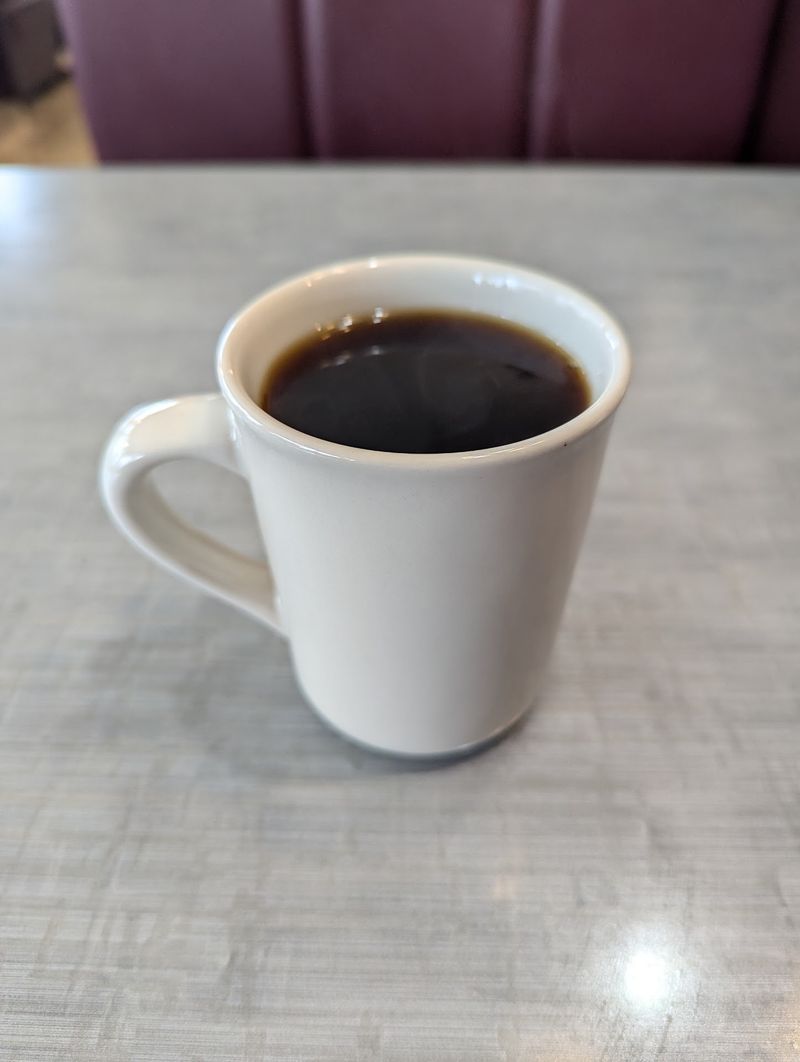
The overnight hours may be gone, but the heart of those night-shift days remains. A cup of coffee, a slice of pie, and a familiar booth are still waiting on Baum Boulevard, cash in hand required.
Enjoyed this story?
Add Fast Food Club as a preferred source to see more of our reporting on Google.