


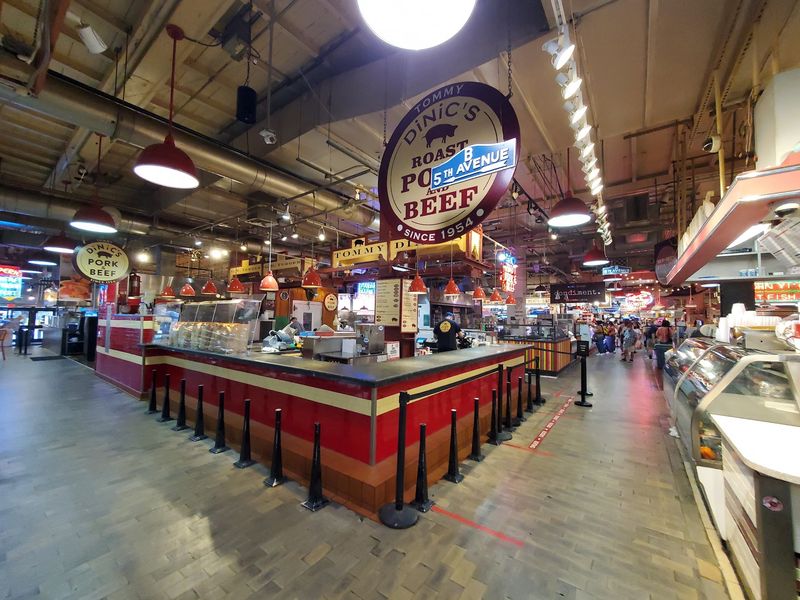
Some vendors in Philadelphia once refused to pack up and leave, and the city is still eating well because of it. More than a century later, their stubborn streak lives on under one roof in Center City, where butchers, bakers, and sandwich makers work side by side every single day of the week.
Lunch lines snake past counters, and seats vanish the moment someone stands up. Locals keep coming back, and travelers plan whole trips around a single visit.
The crowds are not an accident. Read on to learn how this place started, what keeps it buzzing, when to beat the rush, and how to get the most out of a few hungry hours there.
A Market Under an Old Train Shed
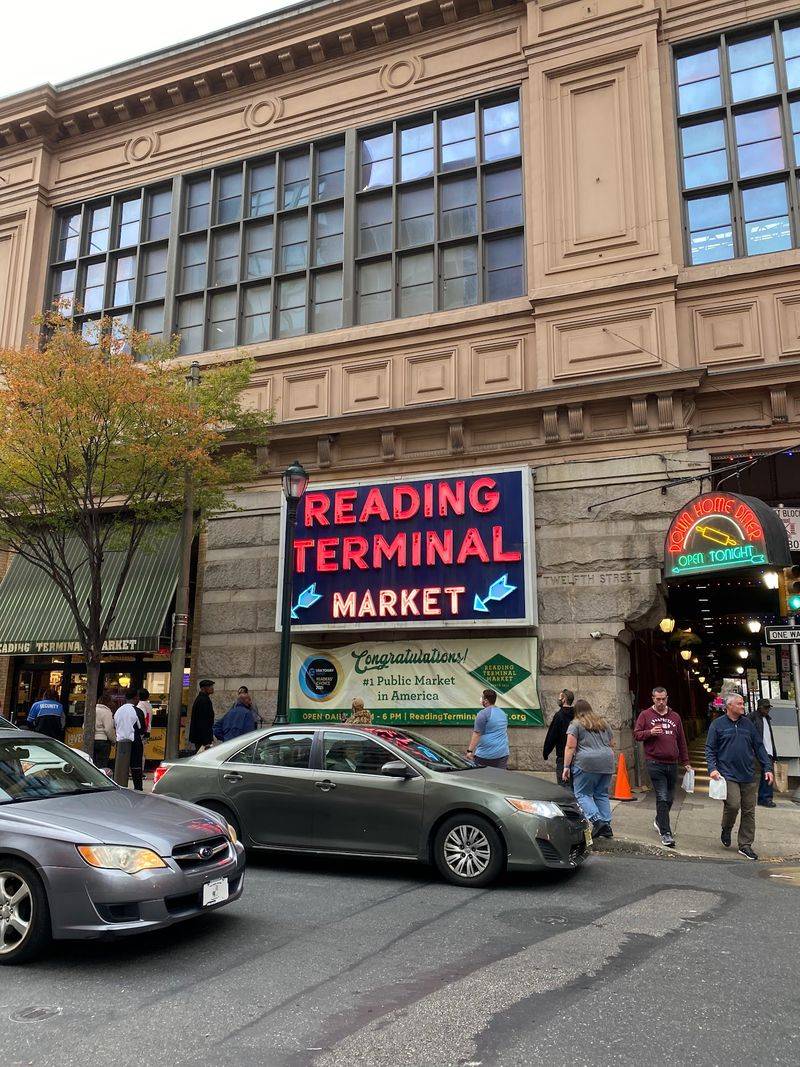
Center City Philadelphia hides one of its most famous addresses in plain sight. Reading Terminal Market sits at 1136 Arch St, Philadelphia, PA 19107, in the United States, right in the heart of downtown.
From the sidewalk, it looks like a classic city building. Inside, it opens into a sprawling indoor farmers market packed with food stalls, specialty grocers, and shops selling housewares and local goods.
The market has been in business since 1893. That is more than 130 years of feeding the city.
Its official description calls it a historic hub for eclectic foods and goods. That phrase covers a lot of ground, and the market earns every word of it.
Crowds are part of the deal here. The place carries a 4.7-star standing from well over 46,000 people, which makes it one of the most talked-about stops in Philadelphia.
Many people treat it as a must-do on their first trip to the city. Plenty of locals treat it as a regular errand.
Both groups end up in the same aisles, waiting in the same lines. That shared experience is a big part of the charm, and it all started with a fight over real estate.
Vendors Who Refused to Leave
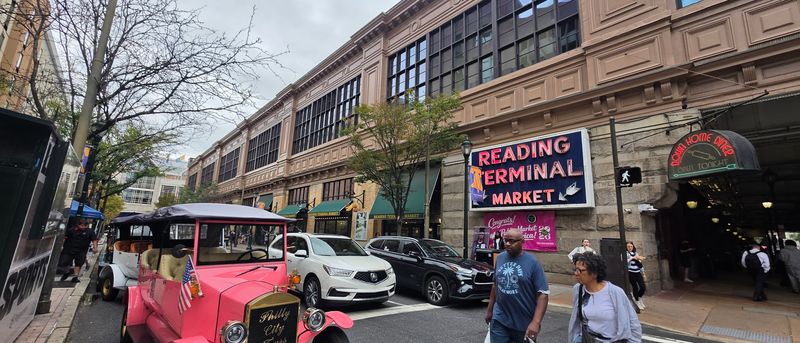
Stubbornness built this market. When a railroad terminal and train shed went up in 1893, the vendors already working in the area simply would not move out.
So the market was set up under the old train shed, and those merchants stayed put. The Reading name in the title comes straight from that railroad history.
Fast forward to today, and the result of that standoff is a beloved city landmark. It has even been voted the No. 1 Best Public Market in America by USA Today Readers’ Choice.
Not bad for a place born out of a refusal to budge.
The historic setting still shapes how the market feels. People often describe it as having a charming, old-time character that makes it a destination in itself, not just a place to grab lunch.
That sense of history mixes with modern energy in a way that few spots manage. Classic oldies sometimes play over the loudspeakers in the quieter morning hours, which fits the setting nicely.
Every counter, aisle, and seating area sits on that same long story. The next time a line feels long, it helps to remember that some folks have been waiting their turn here since the 1890s.
More Counters Than One Appetite Can Handle
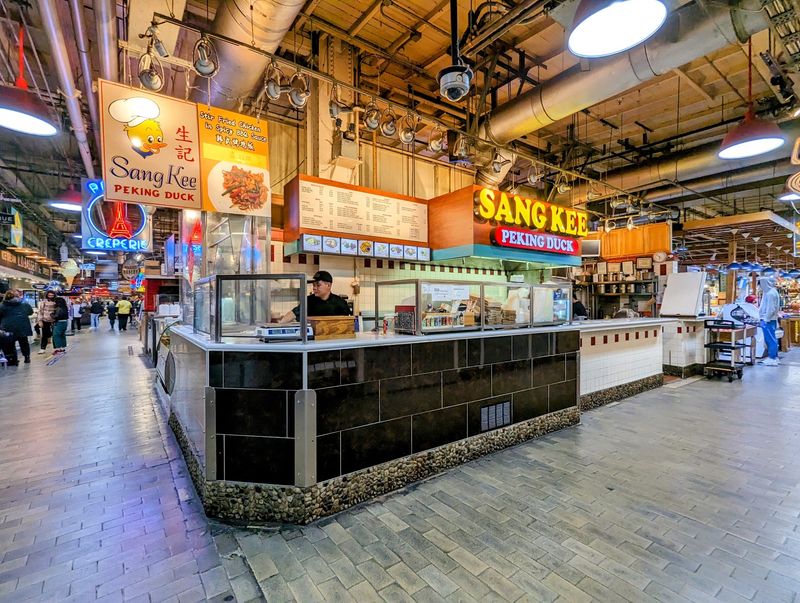
Choice overload is a real risk here. Food variety is the single most talked-about topic among people who visit, and it is easy to see why.
Some estimates put the count at 40 or more restaurants and vendors, and most of them are quite different from one another. Over a dozen different ethnic cuisines are represented under one roof.
The lineup jumps from Philadelphia classics to Pennsylvania Dutch staples. It also stretches to Thai, Indian, Mediterranean, Middle Eastern, Italian, sushi, bao, crepes, and vegetarian options.
Families love this setup. Everyone can split up, eat at a different counter, and meet back at a table.
Breakfast, lunch, a quick snack, or dessert are all covered. Some people say a full week of vacation would not be enough to try everything, and that does not sound like an exaggeration.
A smart tip from regulars is to come hungry and share plates. Portions tend to run larger than they look, so splitting means more stops along the way.
Quality can vary from stall to stall, which is normal with this many choices. Wandering slowly helps, because some of the smaller spots turn out to be the best finds of the day.
Philly Classics That Draw the Longest Lines
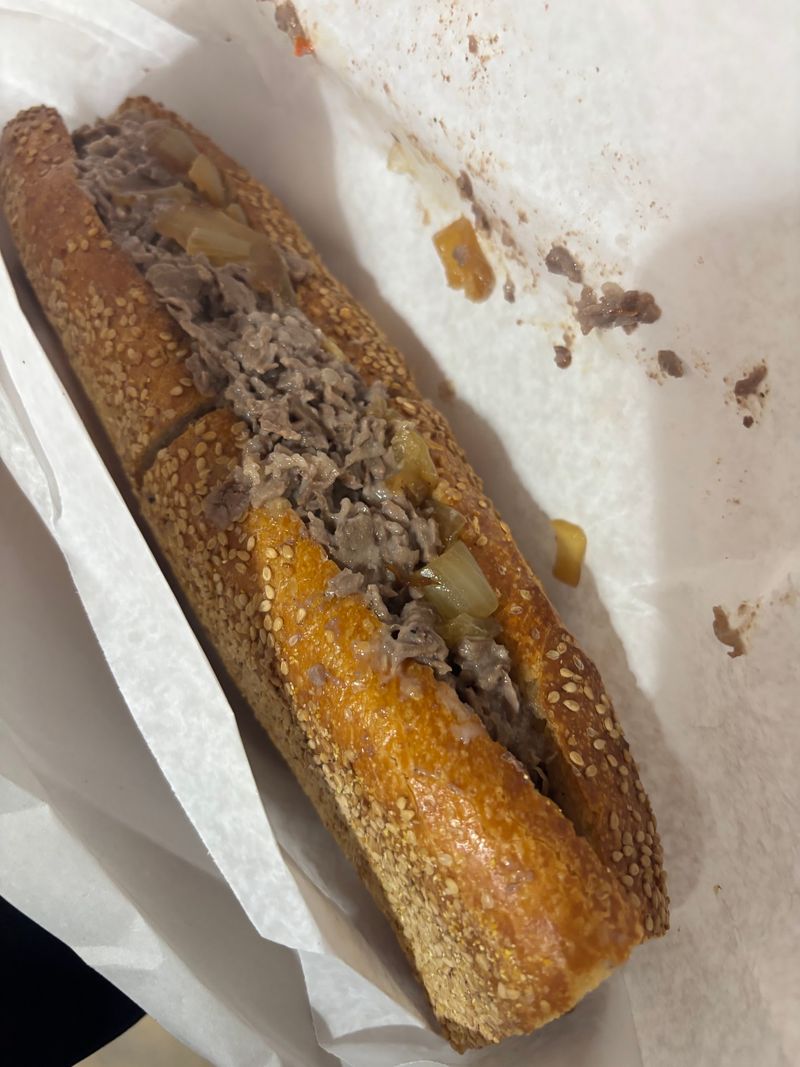
Some lines here look scary. Locals will tell you they are almost always worth it.
Philadelphia specialties are the big draw for many first-timers. Cheesesteaks and roast pork sandwiches come up again and again when people talk about the market.
Uncle Gus’ Steaks gets plenty of love for its cheesesteaks. DiNic’s is a famous stop for roast pork sandwiches, and it draws serious crowds.
Hershel’s is another favorite, known for very generous sandwiches. One order can easily be enough for two people.
Dutch Eating Place is a classic counter where Amish staff serve Pennsylvania Dutch dishes. Many of those staples are getting harder to find outside this region, which makes the stop feel extra special.
Lunch is when these counters get slammed. Some vendors have their own seating, while others are strictly grab-and-go.
A little planning goes a long way. Pick the one or two spots that matter most, hit them first, and then explore the rest with less pressure.
The famous names are only half the fun, though. The sweeter side of the market has its own loyal following.
The Sweet Side of the Aisles
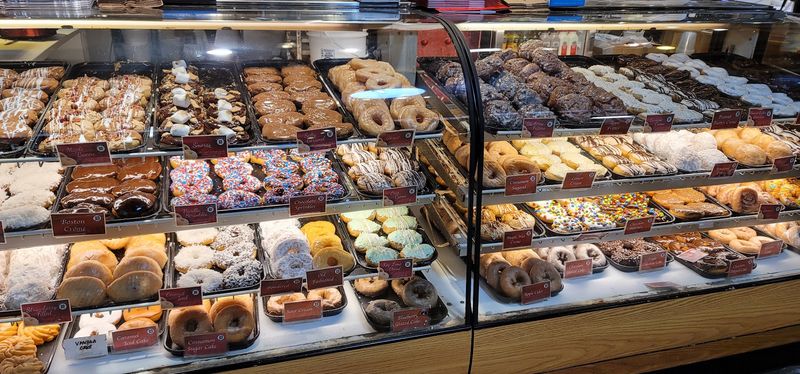
Dessert first is a perfectly reasonable strategy here. Baked goods, pretzels, and doughnuts are among the most mentioned topics, and they have earned their fan base.
Beiler’s Doughnuts is a headline act. Customers can watch the staff roll, fry, and glaze doughnuts right on site, and the lines grow long as the day goes on.
Miller’s Twist handles the pretzel side of things. Stuffed breakfast pretzels with sausage, egg, and cheese are a popular morning grab.
Termini Brothers Bakery offers cupcakes and other bakery treats. Famous 4th Street Cookies is another stop that people rave about.
Chocolate fans have Mueller Chocolate Co., a well-known chocolate shop in the market. Candy counters and coffee spots round out the sugar trail.
Coffee lovers often point to Old City Coffee as a solid pause in the middle of the bustle. It works well as a quick reset between bigger meals.
A sweet tooth can easily take over an entire visit. Saving a little room, and maybe a little budget, is a wise move before reaching the bakery cases.
Butchers, Grocers and Shops Beyond the Plate
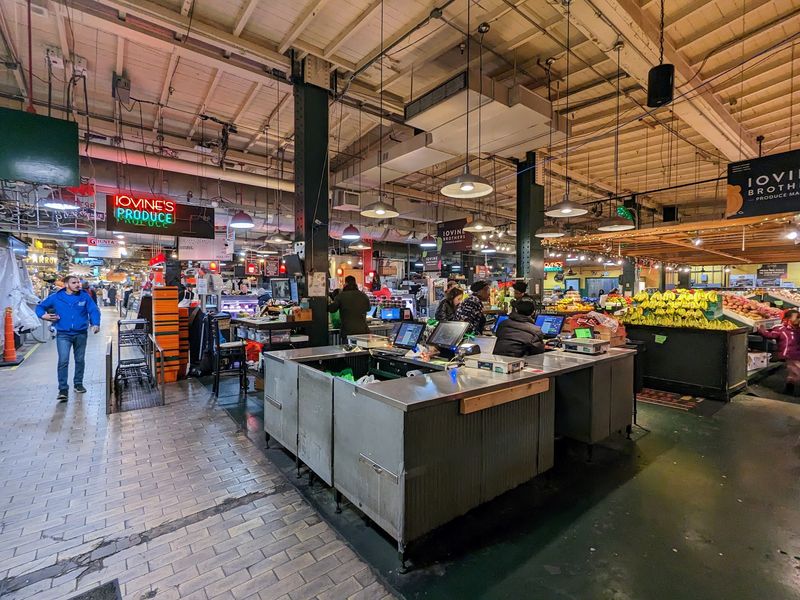
Plenty of shoppers come with grocery lists, not lunch plans. The market still works as a true indoor farmers market.
Butchers, fishmongers, and green grocers line the aisles. Fresh meats are a frequent topic of conversation, and there is a separate butcher booth with a wide range of options.
Fresh fruit, vegetables, cheeses, and other grocery items are all available. One shop focuses on oils and vinegars, and there are a couple of general stores as well.
Non-food shopping is part of the mix too. Contessa’s French Linen is one of the shops that gets warm mentions.
Souvenirs, honey, candles, and stickers turn up on the shelves. It is easy to leave with a bag full of things that were never on the plan.
One fun little find is Fabio Lanza’s print stand, tucked near the restrooms. For just $1, you can pick up one of her popular Philadelphia prints.
These shops give the market its everyday purpose. They are the reason locals keep showing up on ordinary weekdays, long after the tourist buzz has faded.
Crowds, Seats and Getting Turned Around
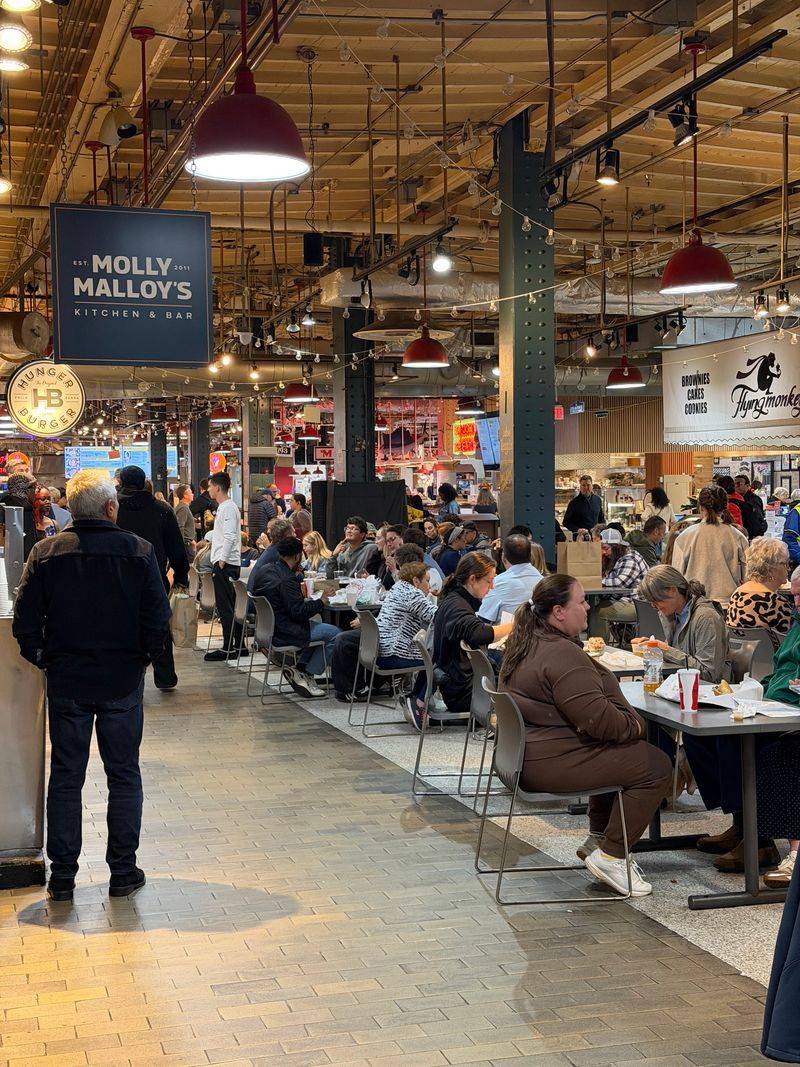
Crowded is the second most common word attached to this market. That is the price of popularity.
The energy is lively and full of character. Many people say simply wandering through is an experience in itself, even without a meal in hand.
Getting turned around is common, so a loose plan helps. There are many aisles and a lot going on at once.
Seating is the main challenge. Tables are limited, and spots fill up the second someone stands.
The good news is that tables turn over fast. Waiting a minute or two usually pays off.
There is a dedicated food court area, plus general seating scattered throughout. When those fill up, tables and chairs in a covered passageway outside offer more room.
Weekends can feel overwhelming, and lunchtime is the peak. Still, plenty of people find the buzz exciting rather than stressful.
The market suits food lovers, families with mixed tastes, and first-time travelers who want a quick taste of the city. Anyone who dislikes busy spaces should simply time things wisely, which brings up the best trick of all.
Hours, Timing and the Early Bird Advantage
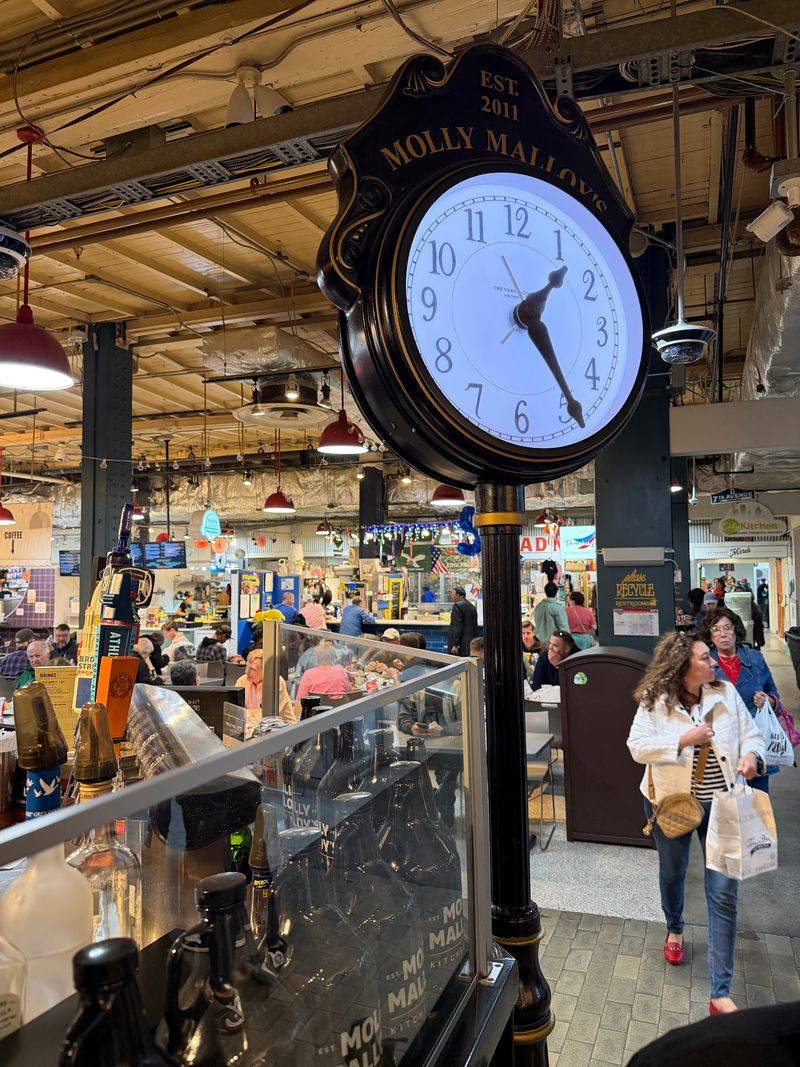
Set the alarm a bit earlier. That one move changes the entire visit.
Reading Terminal Market is open seven days a week, from 8:00 am to 6:00 pm, Monday through Sunday. Weekday mornings are the sweet spot.
Arriving between 8:00 and 9:30 am means wide-open aisles and much shorter lines. Monday around 9:30 am has been described as surprisingly calm.
Early hours let you grab a stool at Dutch Eating Place without the long wait. The doughnut counters are also far easier to reach before the crowds build.
Late afternoon is another manageable window. Lunch is the busiest stretch, so avoiding midday helps a lot.
Parking can be a struggle, since this is downtown city territory. Planning transportation ahead of time saves frustration.
For questions or updates on vendors and events, the official website at readingterminalmarket.org is the best source. Hours can shift, so a quick check before heading out is smart.
Budget is worth a thought too. Many people end up spending a little extra once they see all the options, so a bit of wiggle room is a good idea.
Why the Lines Keep Forming
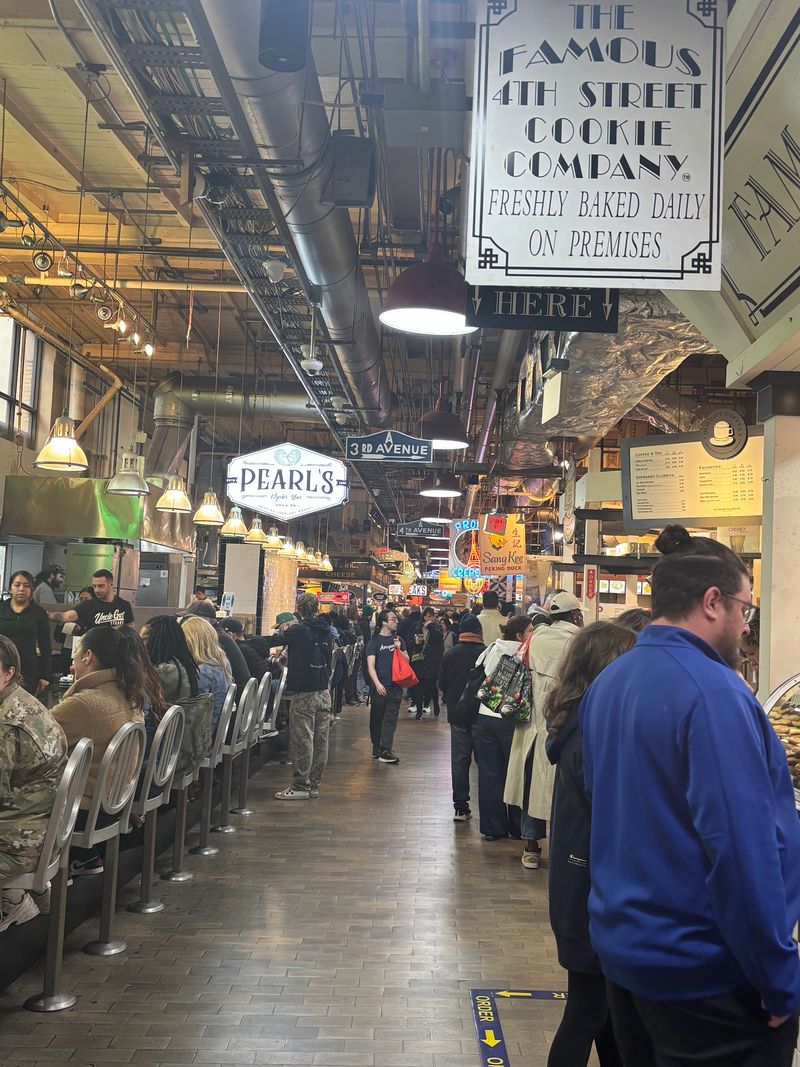
After more than 130 years, the crowds still have not gotten the memo to stay home. Honestly, nobody wants them to.
The appeal comes down to range. Philly classics, Pennsylvania Dutch traditions, global cuisines, fresh groceries, and quirky little shops all share one historic building.
It works for a quick snack or a whole afternoon. Many people stay far longer than they planned.
Repeat visits are common, and each one seems to turn up something new. Some travelers stop in every single time they come to Philadelphia.
The busy aisles and tight seating are real. Timing and a little patience take care of most of that.
Go early, come hungry, share plates, and leave room for something sweet. Those simple rules make the experience far smoother.
The vendors who refused to leave in 1893 had the right idea. Their stubborn stand turned into a market that the whole city, and plenty of travelers, still line up for today.
One visit usually explains the crowds. A second visit tends to follow soon after.
Enjoyed this story?
Add Fast Food Club as a preferred source to see more of our reporting on Google.